← Guides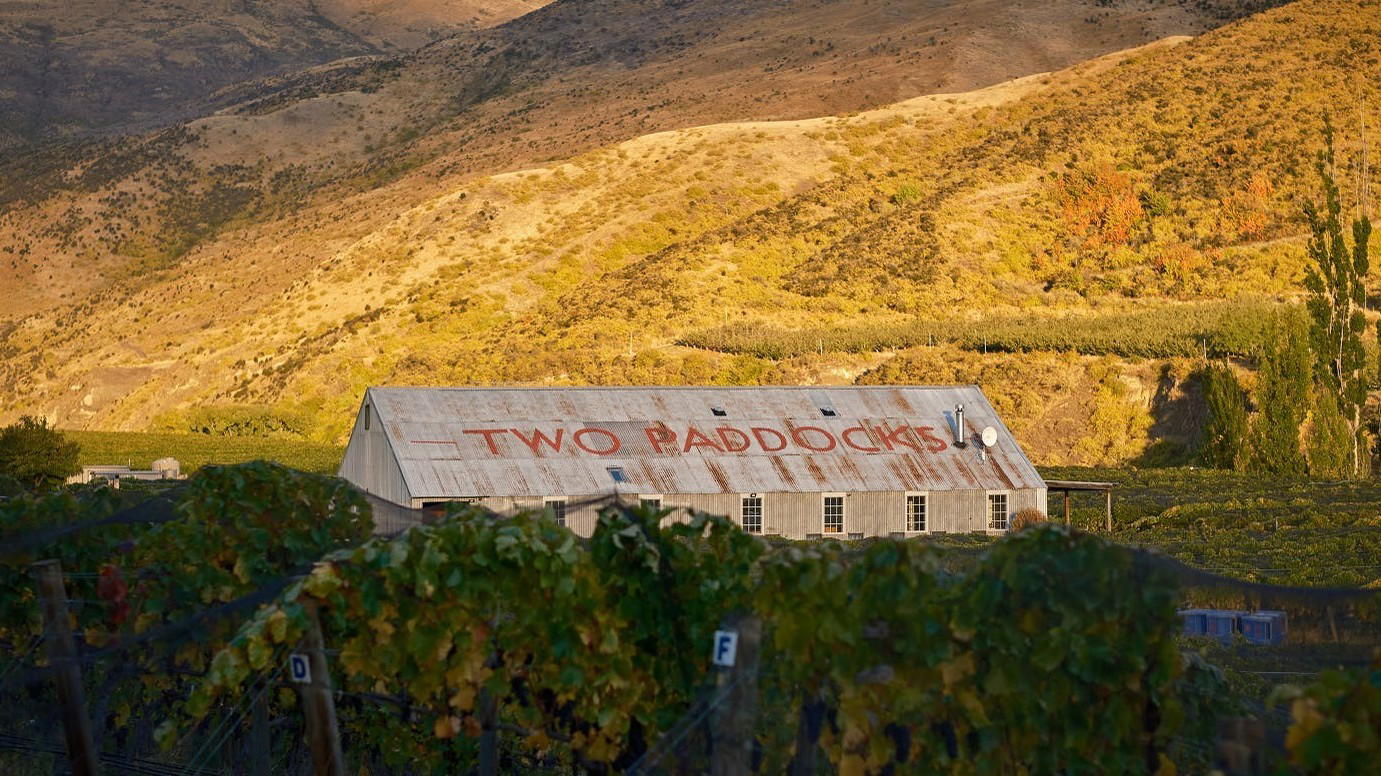
Sam Neill, who founded Central Otago's Two Paddocks winery in 1993 and starred in Jurassic Park, has died aged 78 in Sydney. His death was sudden and unexpected.
Sam Neill, who founded Central Otago's Two Paddocks winery in 1993 and starred in Jurassic Park, has died aged 78 in Sydney. His death was sudden and unexpected.
Sam Neill died aged 78 in Sydney on July 13, 2026, from pneumonia, his representative later confirmed, months after he announced he was cancer-free. For the wine trade, Neill's death closes a three-decade chapter in which he built Two Paddocks from a five-acre Gibbston vineyard planted in 1993 into a certified-organic Central Otago estate spanning four vineyard sites across three major Central Otago subregions. He rejected the 'celebrity winemaker' label throughout his career, insisting that Two Paddocks earn its reputation on the strength of its wines rather than his Hollywood profile.
Neill's screen career spanned more than five decades and included roles in Jurassic Park, The Piano, The Hunt for Red October, and Peaky Blinders. But for collectors and Central Otago enthusiasts, his legacy is Two Paddocks, a producer that championed organic certification, Burgundian vineyard principles, and site-specific Pinot Noir at a time when New Zealand 's international reputation rested overwhelmingly on Sauvignon Blanc.
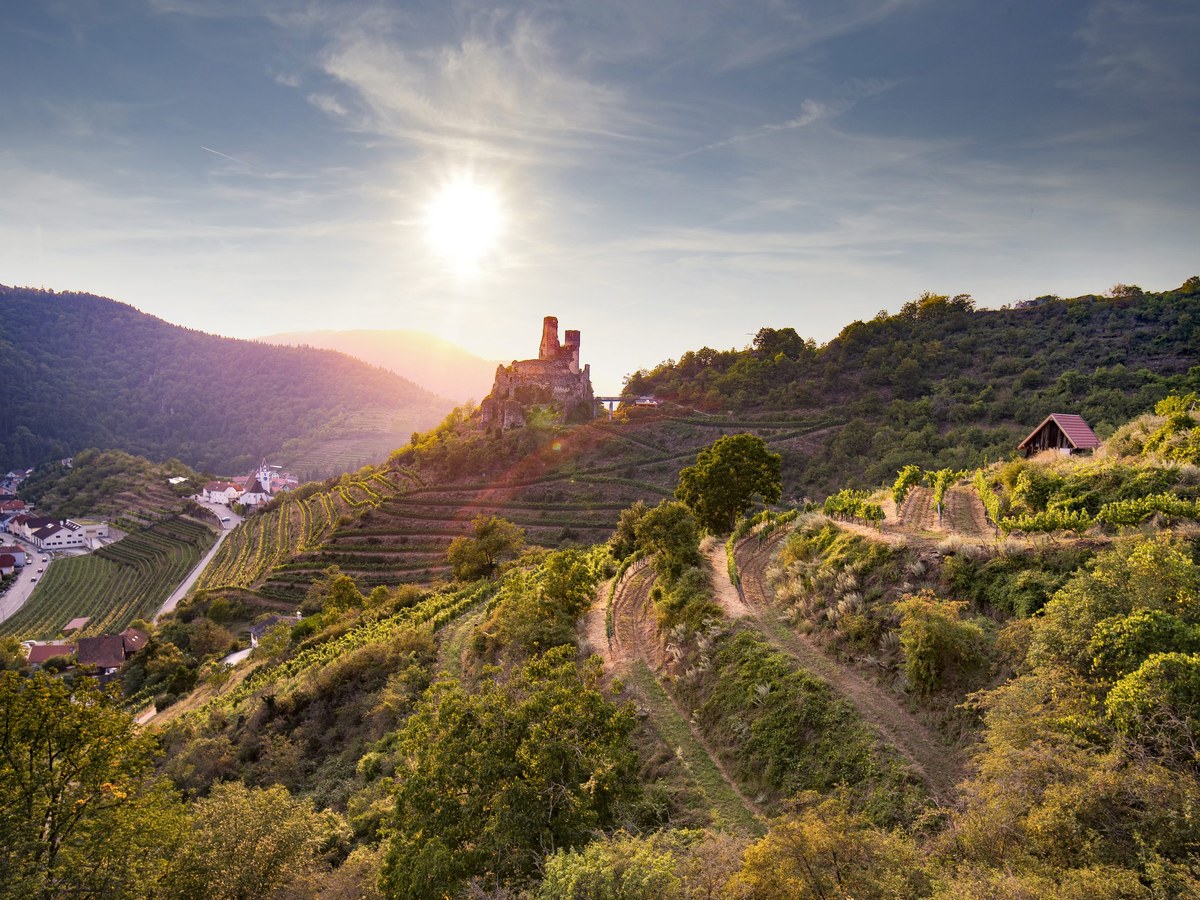
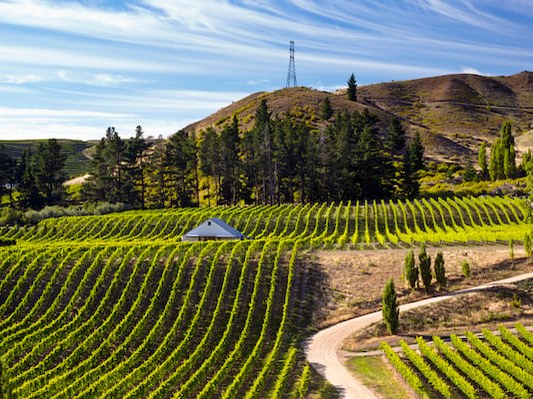
In 1993, at the height of his Hollywood success, Neill planted the first vineyard that would become Two Paddocks in Gibbston, Central Otago. That year, Jurassic Park made him a global star, while his acting income helped fund a winemaking project that would define the second half of his life. The initial five-acre vineyard in Gibbston was the foundation of an estate that would eventually expand to four small vineyard sites across Gibbston, Alexandra, and Bannockburn, which Two Paddocks describes as making it the only producer with vineyards in the Gibbston Valley, Alexandra Basin, and Cromwell Basin.
Neill consistently rejected the description of 'celebrity winemaker', arguing that it diminished the work of those behind the wines. Speaking to the drinks business in 2013, he said:
"I don't like the celebrity winemaker tag because people groan if they hear a wine has been made by a celebrity and presume it must not be any good."
, Sam Neill, founder of Two Paddocks, The Drinks Business1
That resistance to celebrity-driven marketing shaped Two Paddocks' trajectory. Production remained deliberately modest, with an emphasis on estate-grown Pinot Noir alongside highly sought-after single vineyard bottlings. The winery never chased fashionable styles or leveraged Neill's profile for distribution, it built its reputation vintage by vintage, earning acclaim on the strength of its wines rather than its famous owner.
Central Otago in the early 1990s was still an emerging wine region, with fewer than a dozen commercial producers. Neill's decision to plant Pinot Noir in Gibbston, a sub-region known for its cooler climate and schist soils, signaled a commitment to site-specific winemaking that would become the estate's defining characteristic. By the time Two Paddocks released its first commercial vintage, the region was beginning to attract international attention for its Pinot Noir, and Neill's estate was positioned to benefit from that momentum.
Two Paddocks expanded from that initial five-acre Gibbston vineyard to four small vineyard sites across three major Central Otago subregions: Gibbston, Alexandra, and Bannockburn. Each site brought distinct terroir characteristics to the estate's portfolio, Gibbston's cooler climate and schist soils, Alexandra's warmer, drier conditions, and Bannockburn's combination of altitude and exposure. The multi-vineyard approach allowed Neill to produce single-vineyard bottlings that reflected the diversity of Central Otago's terroir, a strategy more common in Burgundy than in New Zealand at the time.
The estate's expansion was gradual and deliberate. Neill remained deeply involved in the business throughout its development, championing organic farming and Burgundian vineyard principles at a time when New Zealand's international reputation rested overwhelmingly on Sauvignon Blanc. Two Paddocks became certified organic from the 2017 vintage, a milestone that reflected Neill's long-term commitment to sustainable viticulture and his belief that organic farming produced better wines.
The Gibbston, Alexandra, and Bannockburn subregions offer distinct growing conditions shaped by altitude, aspect, and soil composition. Gibbston, the coolest of the three, is known for its schist soils and longer growing season, producing Pinot Noir with bright acidity and restrained fruit.
Alexandra, the warmest and driest, yields riper, more structured wines. Bannockburn, with its combination of altitude and sun exposure, produces wines that balance power and elegance.
Two Paddocks' multi-vineyard approach allowed the estate to showcase these differences through single-vineyard bottlings, a strategy that aligned with Neill's Burgundian philosophy.
The estate's production scale remained modest by design. Neill was never interested in building a large-scale commercial operation, he wanted to produce wines that reflected Central Otago's terroir and that would age gracefully. That commitment to quality over volume shaped Two Paddocks' reputation among collectors and critics, who valued the estate's restrained, ageworthy style in a market increasingly dominated by fruit-forward, early-drinking wines.
Neill's winemaking philosophy was rooted in Burgundian principles: site-specific viticulture, organic farming, and minimal intervention in the cellar. Two Paddocks achieved organic certification from the 2017 vintage, a milestone that reflected years of work transitioning the estate's four vineyard sites to organic practices. For Neill, organic certification was not a marketing tool, it was a reflection of his belief that healthy soils and balanced vines produced better wines.
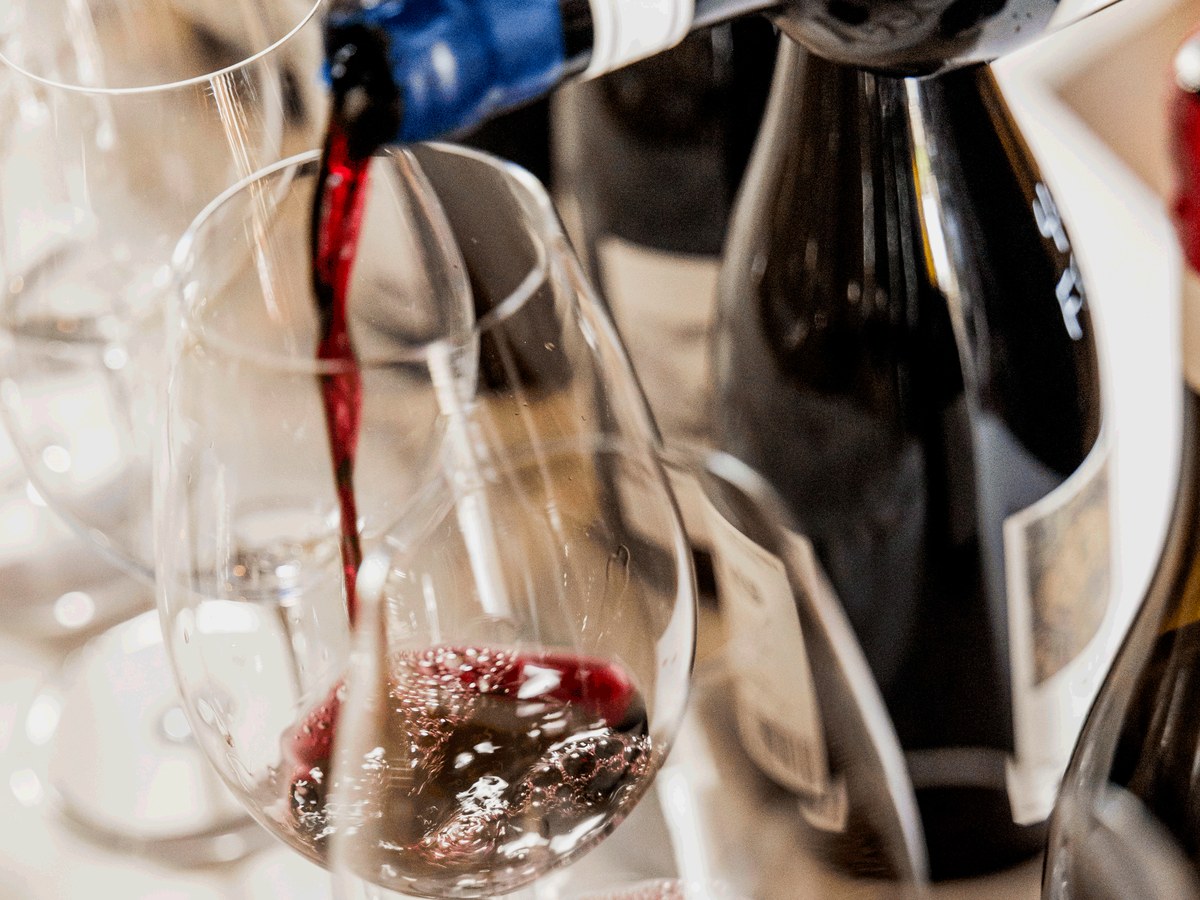
Speaking to the drinks business during Pinot Noir NZ in 2017, Neill described winemaking as 'one of the arts', adding that his ambition was to leave behind 'a thing of beauty' that would outlive him. That ambition shaped every decision at Two Paddocks, from vineyard site selection to barrel aging to closure choice. Neill was equally outspoken about screwcaps, dismissing what he called the 'romance bollocks' surrounding cork closures, and argued passionately that New Zealand Pinot Noir deserved greater recognition alongside Burgundy.
Neill's rejection of cork closures was characteristic of his pragmatic approach to winemaking. While many Old World producers clung to cork as a marker of tradition and quality, Neill saw screwcaps as a superior closure for Pinot Noir, more consistent, less prone to TCA contamination, and better suited to New Zealand's export markets. His willingness to challenge conventional wisdom extended to his views on New Zealand Pinot Noir's place in the global wine hierarchy. He believed that Central Otago's best wines could stand alongside Burgundy's, and he spent three decades proving it.
The estate's winemaking approach emphasized restraint and ageability. Two Paddocks' Pinot Noir was never about power or extraction, it was about balance, structure, and the expression of site. That style aligned with Neill's Burgundian influences and set the estate apart from many of its Central Otago peers, who favored riper, more fruit-forward wines. For collectors, Two Paddocks' wines offered a different proposition: Pinot Noir that rewarded patience and that evolved gracefully over a decade or more.
Neill's commitment to organic farming and Burgundian principles was not without risk. Organic viticulture in Central Otago's continental climate, with its cold winters, hot summers, and low rainfall, required careful vineyard management and a willingness to accept lower yields in difficult vintages. But Neill believed that the trade-off was worth it. Organic farming produced healthier vines, more balanced fruit, and wines that expressed their terroir more clearly. That belief shaped Two Paddocks' identity and earned the estate a loyal following among collectors who valued authenticity and craftsmanship over commercial appeal.
Neill's screen career spanned more than five decades and provided the financial foundation for Two Paddocks. His roles in Jurassic Park, The Piano, The Hunt for Red October, and Peaky Blinders made him one of New Zealand's most recognizable actors, but he never allowed his Hollywood profile to overshadow the winery. Instead, he used his success to fund a winemaking project that operated independently of his celebrity status.
The decision to plant his first vineyard in 1993, at the height of his Jurassic Park fame, was a deliberate choice to invest in a long-term project that would outlive his acting career. Neill understood that winemaking required patience, capital, and a willingness to accept setbacks. His Hollywood earnings gave him the financial security to pursue that vision without the pressure to generate immediate returns or to use his celebrity for marketing purposes.
Neill's dual career as actor and winemaker was unusual in its balance. He never treated Two Paddocks as a vanity project or a retirement hobby, he approached it with the same seriousness and commitment that he brought to his screen work. That seriousness earned him respect within the wine trade, where celebrity-backed projects are often viewed with skepticism. Two Paddocks succeeded because Neill was willing to do the work, to learn from his mistakes, and to build a reputation based on the quality of the wines rather than the fame of their owner.
For collectors, Neill's screen career is inseparable from Two Paddocks' story. The winery exists because Neill had the financial resources to plant vineyards, to hire skilled winemakers, and to weather the inevitable challenges of building a wine estate from scratch. But the estate's success reflects Neill's vision and his refusal to take shortcuts. He could have licensed his name to a commercial wine brand or partnered with an established producer. Instead, he chose to build something authentic, a winery that reflected his values and his belief in Central Otago's potential.
Neill's death raises immediate questions about Two Paddocks' future. The estate has been synonymous with its founder for more than three decades, and his close involvement shaped its identity. Whether Two Paddocks can maintain that identity without Neill remains to be seen.
For collectors, the estate's future direction will depend on whether its established leadership team continues Neill's commitment to organic farming, Burgundian principles, and modest production. Two Paddocks' reputation was built on the strength of its wines, not its founder's celebrity, but Neill's vision and hands-on involvement were central to the estate's success. General manager Jacqui Murphy, winemaker Dean Shaw, and viticulturist Mike Wing already provide operational continuity.
Neill's death also raises broader questions about the sustainability of founder-driven wine estates. Two Paddocks was never a corporate operation, it was a personal project shaped by Neill's passion for winemaking and his belief in Central Otago's potential. That personal investment gave the estate its authenticity and its appeal, but it also made it vulnerable to the loss of its founder. Whether Two Paddocks can maintain its reputation and its market position without Neill will depend on the strength of the team he built. The winery had not publicly detailed its longer-term succession arrangements at the time of writing.
For the wine trade, Neill's death is a reminder of the fragility of founder-driven brands. Two Paddocks was built on Neill's vision, his commitment to quality, and his willingness to challenge conventional wisdom. Those qualities are difficult to replicate, and the estate's future will depend on whether his successors can honor that legacy while adapting to changing market conditions and consumer preferences.
Neill's legacy extends beyond Two Paddocks. He was one of the first high-profile figures to invest in Central Otago Pinot Noir, and his success helped establish the region's reputation as a serious producer. He championed organic farming and Burgundian principles at a time when New Zealand's wine industry was still finding its identity, and he proved that celebrity and serious winemaking could coexist, as long as the wines came first.
For collectors, Two Paddocks' back vintages offer a window into Neill's winemaking philosophy and Central Otago's evolution as a wine region. The estate's single-vineyard bottlings, in particular, showcase the diversity of the region's terroir and the potential for Pinot Noir to age gracefully in New Zealand's continental climate. Whether future vintages will maintain that quality and consistency remains one of the central questions facing the estate in the wake of Neill's death.
Neill revealed in 2023 that he had been diagnosed with cancer, before announcing earlier in 2026 that he was cancer-free. His family initially described his death in Sydney as sudden and unexpected; his representative later confirmed pneumonia as the cause. For the wine trade, Neill's death marks the end of an era, not just for Two Paddocks, but for Central Otago and for the broader conversation about what it means to be a serious winemaker in the shadow of celebrity.
Two Paddocks' future will be shaped by the decisions made in the coming months and years. Whether the estate continues Neill's commitment to organic farming, Burgundian principles, and modest production, and whether its existing approach changes, will determine its place in Central Otago's next chapter. For now, the wine trade is left to reflect on Neill's legacy: a three-decade commitment to building a thing of beauty that would outlive him, and a body of work that proved serious winemaking and Hollywood stardom could coexist.
Get the App
Take the shortlist into the En Primeur Club app for concierge access, saved places, and the next step after discovery.
Get Exclusive AccessMore from the editors