Leonetti Cellar
Leonetti Cellar is one of Washington State's most allocation-driven producers, operating from Walla Walla with a reputation built over decades on Cabernet Sauvignon and Merlot from some of the valley's most carefully sourced fruit. Visits are by appointment, with access structured around the winery's allocation-first model.
Pearl is the En Primeur Club membership app — saves, bookings, and concierge access live there. Same editors, same standards.
- Address
- 1278 Berney Dr, Walla Walla, WA 99362
- Phone
- +1 509-525-1428
- Website
- leonetticellar.com
- Directions
- Get directions
 Saves & bookings on Pearl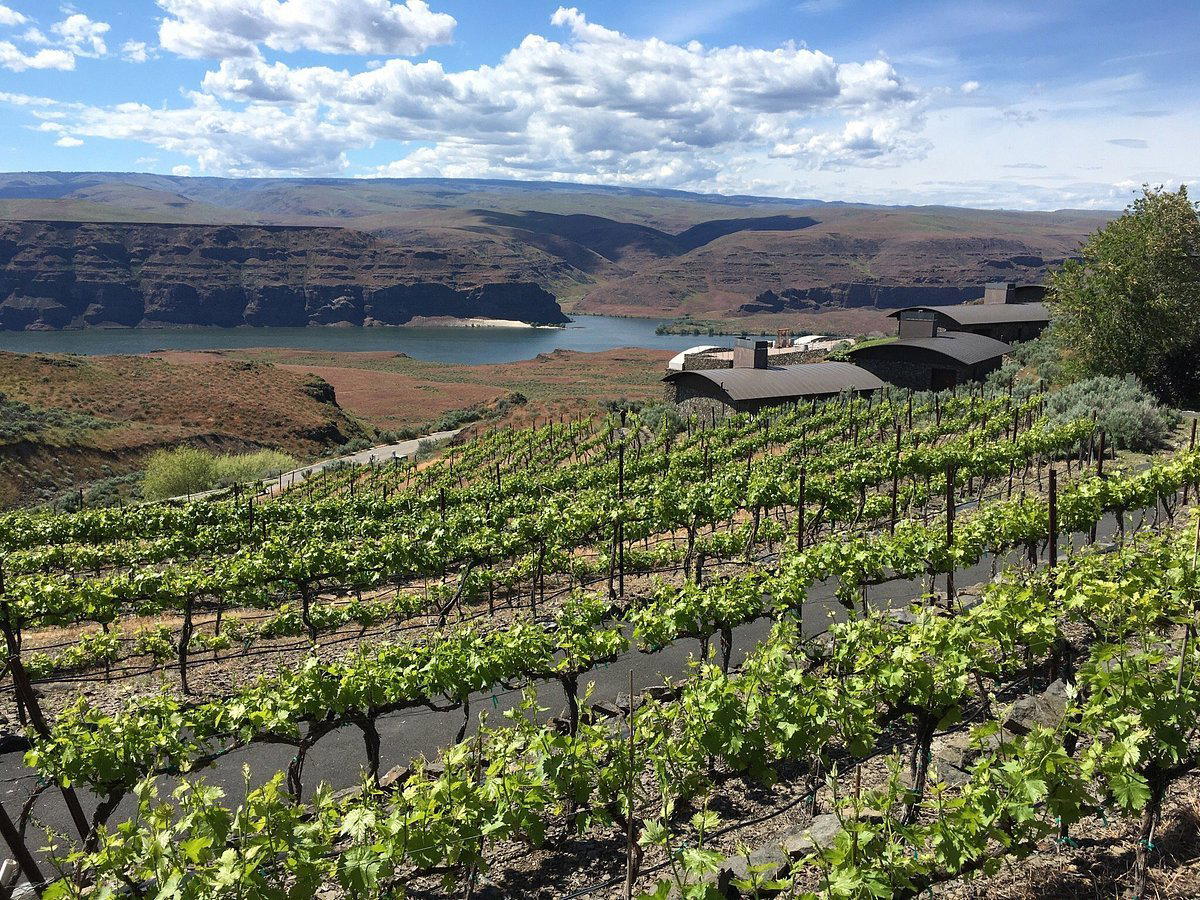
The Road Into Walla Walla's Prestige Tier
The approach to Berney Drive tells you something about how Washington's premium wine country positions itself. There are no grand château gates, no manicured boulevards lined with imported olive trees. Walla Walla's serious producers tend to occupy working agricultural land, and Leonetti Cellar is consistent with that character: the winery sits within a valley that built its reputation quietly, releasing bottles to allocation lists before most of the country understood the region had ambitions at this level. That restraint in presentation is not a limitation. It reflects a category of Pacific Northwest producer that competes on what's in the glass, not on the theatre of arrival.
In the context of Walla Walla specifically, that recognition matters because the valley has been working to separate its prestige tier from its broader appellation identity for the better part of two decades. Leonetti occupies the older, more established end of that conversation.
Walla Walla's Sourcing Geography and Why It Defines the Wine
Washington State's wine identity is inseparable from its fruit-sourcing geography. The Columbia Valley, which contains Walla Walla as a sub-appellation, operates under conditions that differ substantially from California's coastal regions or Oregon's Willamette Valley. The continental climate, with warm growing-season days and cold nights that preserve acidity, produces red grapes with structural density that has made Cabernet Sauvignon and Merlot the foundation of the state's premium output.
Within that broader framework, Walla Walla producers make sourcing decisions that determine competitive positioning as much as winemaking technique does. The valley floor vineyards, the higher-elevation sites approaching the Blues, and the warmer sites toward the Oregon border each produce fruit with different tannin profiles and aromatic characteristics. Producers who secured long-term access to specific vineyard blocks in the valley's earlier decades hold a structural advantage that newer entrants cannot easily replicate, regardless of investment. Leonetti's history in the appellation places it in that earlier cohort, which is a material factor in understanding why its wines carry the weight they do among Washington collectors.
The region's prestige claims rest not on a single house style but on a shared commitment among its senior producers to fruit quality as the primary variable. Where Gramercy Cellars has made its mark through Rhône and old-vine Grenache work, and where K Vintners (Charles Smith) operates with a louder, more label-forward identity, Leonetti has held a different position: the producer whose name appears on allocation wait-lists rather than on retail shelves, and whose bottles circulate in the secondary market at prices that reflect scarcity over marketing spend.
Allocation Culture and What It Signals About Demand
The producers at the summit of the allocation hierarchy are not necessarily the ones with the largest marketing presence. They are the ones whose existing customers do not leave. Leonetti has operated within this model for long enough that its mailing list represents a self-sustaining demand signal: customers who joined the list years ago do not relinquish their allocations lightly, which means new entrants face a structural wait rather than a simple purchase decision.
This is the context in which visiting Leonetti should be understood. Access to the winery is appointment-based, consistent with how allocation-model producers across the United States manage the relationship between cellar-door experience and bottle scarcity. Doubleback Winery and Duckhorn's Canvasback label represent a different tier of the valley's offering, where tasting room access is more structured around the visitor experience rather than existing customer relationships. Leonetti's model pre-dates that visitor-experience economy and has not materially shifted toward it.
Sleight of Hand Cellars offers a more accessible entry point to the valley's contemporary production style, with tasting room access that requires less planning lead time. The contrast is useful: Sleight of Hand represents the valley's newer, more visitor-oriented cohort, while Leonetti sits at the opposite end of the access spectrum.
Across the American West, particularly instructive comparisons for Leonetti are not necessarily other Washington houses. The allocation-driven, estate-focused Cabernet and Merlot model has parallels in California's smaller Napa producers, where houses like Accendo Cellars in St. Helena or Alpha Omega Winery in Rutherford operate within a similar logic of constrained supply and relationship-based distribution. The difference is geography and price ceiling: Walla Walla's top tier has not yet reached Napa's valuation levels, which creates a relative-value argument for collectors who track both appellations.
Further down the Pacific Coast, the comparison broadens. Adelaida Vineyards in Paso Robles and Alban Vineyards in Arroyo Grande represent California producers who built prestige identities on specific site commitments rather than broad appellation marketing. Adelsheim Vineyard in Newberg traces a parallel Oregon story, where early-mover status in the Willamette Valley created an institutional standing that newer producers cannot simply buy their way into. Leonetti's standing in Walla Walla rhymes with all of these trajectories: a producer whose credibility was earned through consistent vintage performance over a long run rather than through a single critical moment.
Alexander Valley Vineyards in Geyserville, Andrew Murray Vineyards in Los Olivos, and international reference points as varied as Aberlour in Aberlour or Achaia Clauss in Patras, all of which illustrate how regional identity and long institutional history intersect across different production categories.
Planning a Visit: Practical Considerations
The Walla Walla Regional Airport handles limited commercial service, with most visitors connecting through Seattle-Tacoma or Portland International. The valley's tasting season is active year-round, though spring and fall bring the highest concentration of releases and events, including the region's semi-annual barrel tastings which draw collectors from across the Pacific Northwest.
For Leonetti specifically, contact through the winery's established channels is the starting point for any visit, with access structured around existing customer and allocation relationships. First-time visitors without an existing connection should expect that cellar-door access is not walk-in. The address on Berney Drive is a starting point for correspondence, not a drop-in destination.
Cuisine Context
Comparable venues nearby, for context on price, style, and recognition.
| Venue | Cuisine | Price | Notes |
|---|---|---|---|
| Leonetti CellarThis venue — the venue you are viewing | Winery | Not listed | Not listed |
| Symington – Graham’s (Canvasback) | Winery | Not listed | Walla Walla |
| Seven Hills Winery | Cabernet Sauvignon, Merlot | $$ | Downtown Walla Walla |
| Sleight of Hand Cellars | Syrah, Cabernet Sauvignon | $$$ | Walla Walla |
| Gramercy Cellars | Syrah, Grenache | $$$ | Walla Walla Westside |
| Reininger Winery | Cabernet Sauvignon, Carmenère | $$ | Airport District |
Continue exploring
More in Walla Walla
Wineries in Walla Walla
Browse all →
Restaurants in Walla Walla
Browse all →
Hotels in Walla Walla
Browse all →
At a Glance
- Classic
- Quiet
- Scenic
- Intimate
- Sophisticated
- Special Occasion
- Solo Exploration
- Wine Education
- Historic Building
- Design Destination
- Private Tasting
- Vineyard
- Walla Walla Valley AVA
- Cabernet Sauvignon
- Merlot
- Sangiovese
- Cabernet Franc
- Still Red
- Private Tasting
- Appointment Only
Secluded, scenic estate setting with a reputation for polished, structured wines and a private, members-focused atmosphere.