YOGI by Barnjoo
YOGI by Barnjoo occupies a corner of Midtown South at 816 6th Avenue where Korean-inflected drinking culture meets the considered craft-cocktail sensibility that has redefined New York's bar scene over the past decade. The program draws on the Barnjoo lineage to position the venue within a small tier of Manhattan bars where kitchen collaboration and beverage ambition carry equal weight. Expect a format built as much around the team dynamic as around any single drink or dish.
Pearl is the En Primeur Club membership app — saves, bookings, and concierge access live there. Same editors, same standards.
- Address
- 816 6th Ave, New York, NY 10001
- Phone
- (917) 409-1637
- Website
- yogigastronomad.com
- Directions
- Get directions
 Saves & bookings on Pearl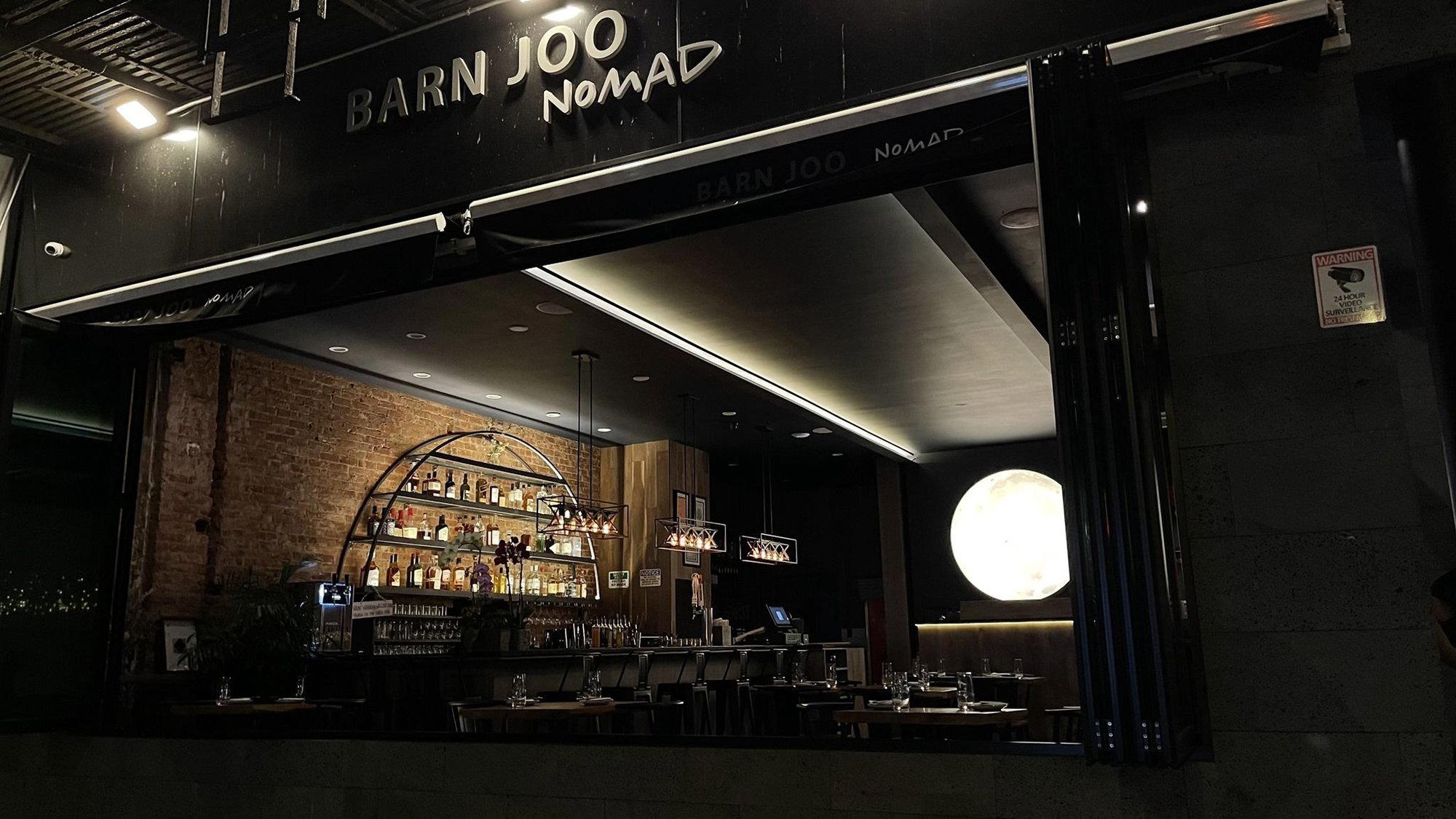
Where the Barnjoo Lineage Meets Manhattan's Craft Bar Circuit
YOGI by Barnjoo is a bar in New York, New York, at 816 6th Ave. The address at 816 6th Avenue in Midtown South places it at a transit-heavy corner that draws both destination visitors and the neighborhood regulars who prop up a bar's midweek economics, a combination that tends to produce programs with broader range than a purely destination-driven room would require.
The Barnjoo name anchors YOGI within a specific lineage of Korean-American hospitality in New York, a category that has grown considerably in ambition since Korean dining shed its exclusively Koreatown geography and began appearing in neighborhoods where cocktail culture and kitchen credibility are assessed on the same terms as any other contemporary American program. That shift matters because it changes who a venue competes with. YOGI by Barnjoo does not price or position against Koreatown soju bars; it sits in a tier where the comparison set includes the city's serious craft operations.
The Team Dynamic as the Organizing Principle
Particularly durable bars in New York tend to succeed not because of a single standout element but because the relationship between kitchen, bar, and floor operates as a system. At venues where that collaboration is functional rather than merely claimed, the evidence shows up in the menu logic: bar preparations that reference what the kitchen is doing seasonally, front-of-house pacing that treats the drinking sequence as seriously as the eating sequence, and a service posture that can talk across categories without defaulting to script.
That model is now well-established on the Manhattan bar circuit. Amor y Amargo built its entire identity around a specific category commitment, amaro, and the team fluency that comes from that depth of focus. Angel's Share has operated for decades on the premise that disciplined Japanese-influenced bar craft and a calm, structured floor are inseparable. Attaboy NYC runs a no-menu format that only functions when the bartending team is collectively skilled enough to read guests and improvise accurately. Superbueno demonstrates how a strong culinary identity can anchor a bar program rather than compete with it.
YOGI by Barnjoo occupies a position in that conversation where the Korean-American culinary frame gives the team a distinct set of ingredients, flavor references, and hospitality conventions to draw from. That specificity is a structural advantage: when a bar's kitchen and bar programs share a coherent cultural vocabulary, the collaboration has raw material that generic American craft bars often lack.
Midtown South as a Drinking Destination
The 6th Avenue corridor around the 20s and 30s is not where Manhattan's bar press traditionally looks for new openings. The neighborhood has historically been transit infrastructure and commercial real estate, with dining and drinking as secondary functions. That geography has shifted. The density of residential development in the surrounding blocks, the proximity to Koreatown on 32nd Street, and the foot traffic from Madison Square Park and the Flatiron district have collectively made this stretch more viable for serious hospitality than it was a decade ago.
For a bar drawing on Korean culinary culture, the proximity to 32nd Street is more than coincidental. It positions YOGI by Barnjoo within walking distance of the ingredient suppliers, the cultural community, and the existing audience that understands what the Barnjoo reference means, while the 6th Avenue address gives it access to a broader cross-section of the city. That dual positioning is difficult to engineer and worth noting when assessing where the venue sits in the city's bar geography.
Across the United States, bars working at the intersection of Asian culinary traditions and serious cocktail craft have produced some of the country's most interesting programs. Kumiko in Chicago built a nationally recognized program around Japanese ingredients and technique. Bar Leather Apron in Honolulu operates in a Pacific context where Asian flavor references are structural rather than decorative. ABV in San Francisco and Allegory in Washington, D.C. have each demonstrated that culinary ambition and bar precision reinforce each other when the team is built to support both. Jewel of the South in New Orleans and Julep in Houston show how regional identity can anchor a program without limiting its reach. Even internationally, The Parlour in Frankfurt on the Main illustrates how a clear team identity translates across different markets.
YOGI by Barnjoo enters this broader conversation at a moment when the standard for Korean-American drinking culture in New York has risen sharply. The bar is not operating in a vacuum; it is measured against both the craft cocktail operations that define the city's upper tier and the Korean hospitality tradition that gives the Barnjoo name its weight.
What to Expect From the Format
Specific drink recommendations are not listed here. What the Barnjoo lineage suggests, based on its public record in New York hospitality, is a program that treats fermented and preserved flavors as bar-worthy ingredients rather than kitchen-only territory, and a service approach where the front-of-house team is equipped to guide guests through a menu that may not map neatly onto conventional cocktail categories. That guidance function is where the team dynamic either delivers or fails: a knowledgeable floor can make an unfamiliar format approachable; a floor reading from a script cannot.
Know Before You Go
- Address: 816 6th Avenue, New York, NY 10001
- Neighborhood: Midtown South, Manhattan
- Booking: Reservations are recommended.
- Price range: About $35 per person
- Hours: Mon: 12–11 PM; Tue: 12–11 PM; Wed: 12–11 PM; Thu: 12 PM–12 AM; Fri: 12 PM–12 AM; Sat: 12 PM–12 AM; Sun: 12–11 PM
- Leading for: Guests who want a Korean-inflected bar experience that operates within Manhattan's serious craft cocktail tier
Where It Fits
Comparable venues nearby, for context on price, style, and recognition.
| Venue | Cuisine | Price | Notes |
|---|---|---|---|
| YOGI by BarnjooThis venue — the venue you are viewing | speakeasy | $$ | Not listed |
| Tsuru Ton Tan - Midtown, NY | lounge | $$ | Midtown-Times Square |
| WXOU Bar | dive_bar | $$ | West Village |
| Bessou | lounge | $$ | Chelsea-Hudson Yards |
| Twins Lounge | lounge | $$ | Greenpoint |
| Cafe Erzulie | cocktail_bar | $$ | Bedford-Stuyvesant (East) |
Continue exploring
More in New York City
Bars in New York City
Browse all →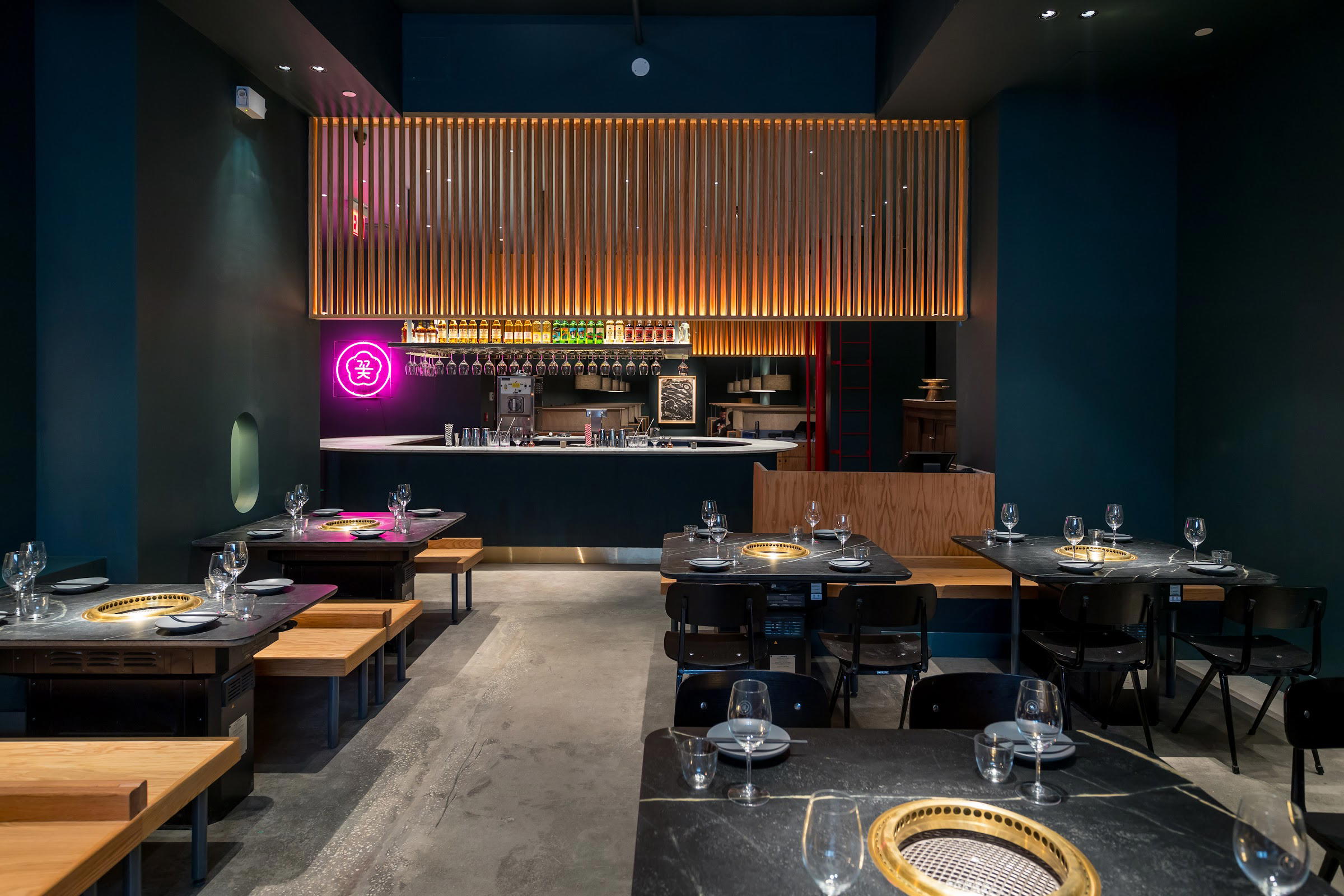

Restaurants in New York City
Browse all →
Hotels in New York City
Browse all →





At a Glance
- Lively
- Cozy
- Modern
- Intimate
- Date Night
- After Work
- Group Outing
- Casual Hangout
- Speakeasy
- Live Music
- Standalone
- Seated Bar
- Lounge Seating
- Booth Seating
- Craft Cocktails
- Classic Cocktails
Current opening hours
- Monday
- 12–11 PM
- Tuesday
- 12–11 PM
- Wednesday
- 12–11 PM
- Thursday
- 12 PM–12 AM
- Friday
- 12 PM–12 AM
- Saturday
- 12 PM–12 AM
- Sunday
- 12–11 PM
Hours can change for holidays and private events. Last verified .
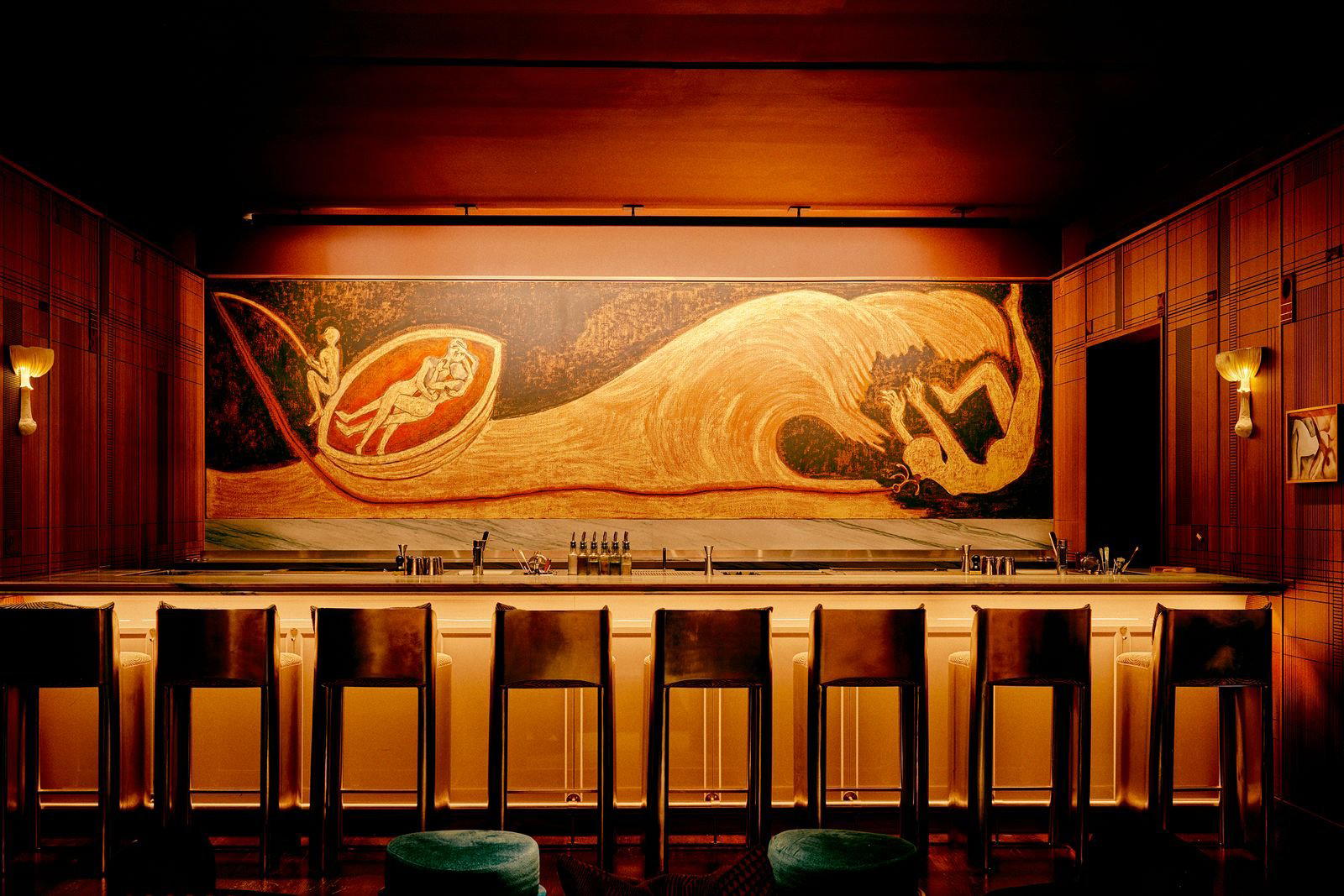
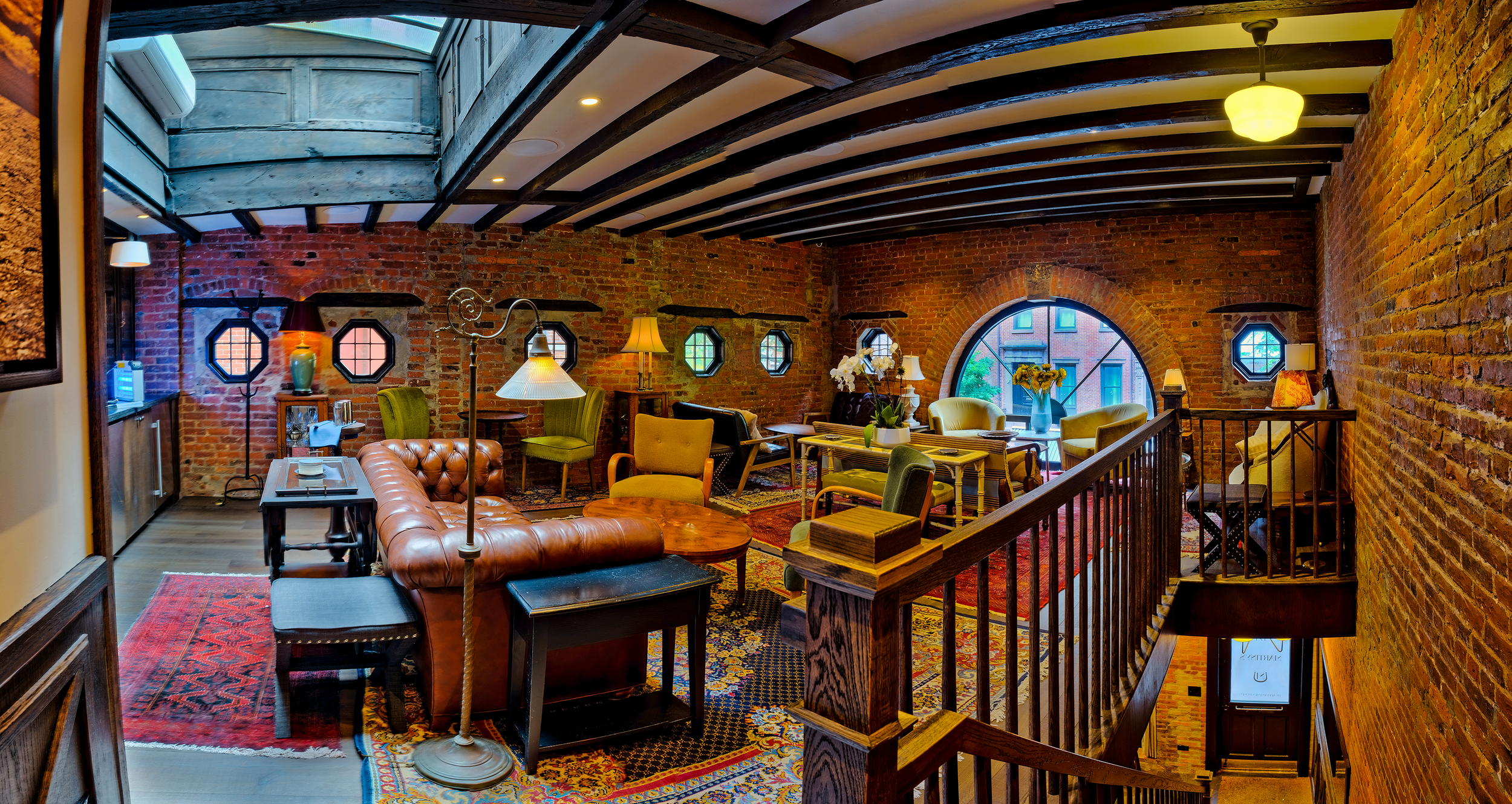
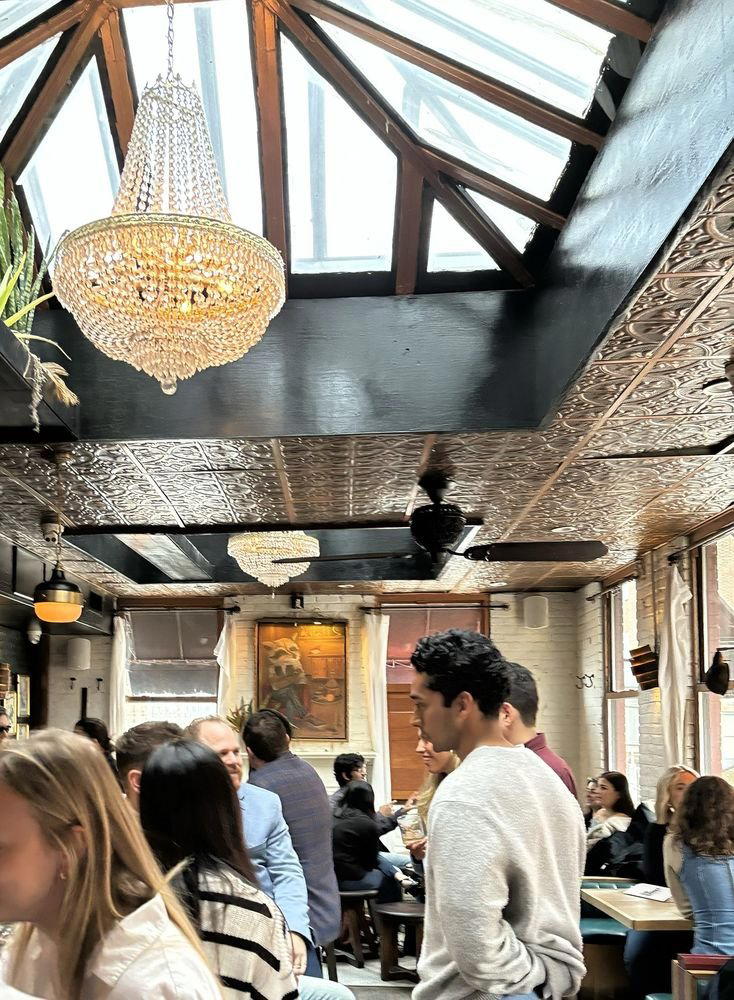
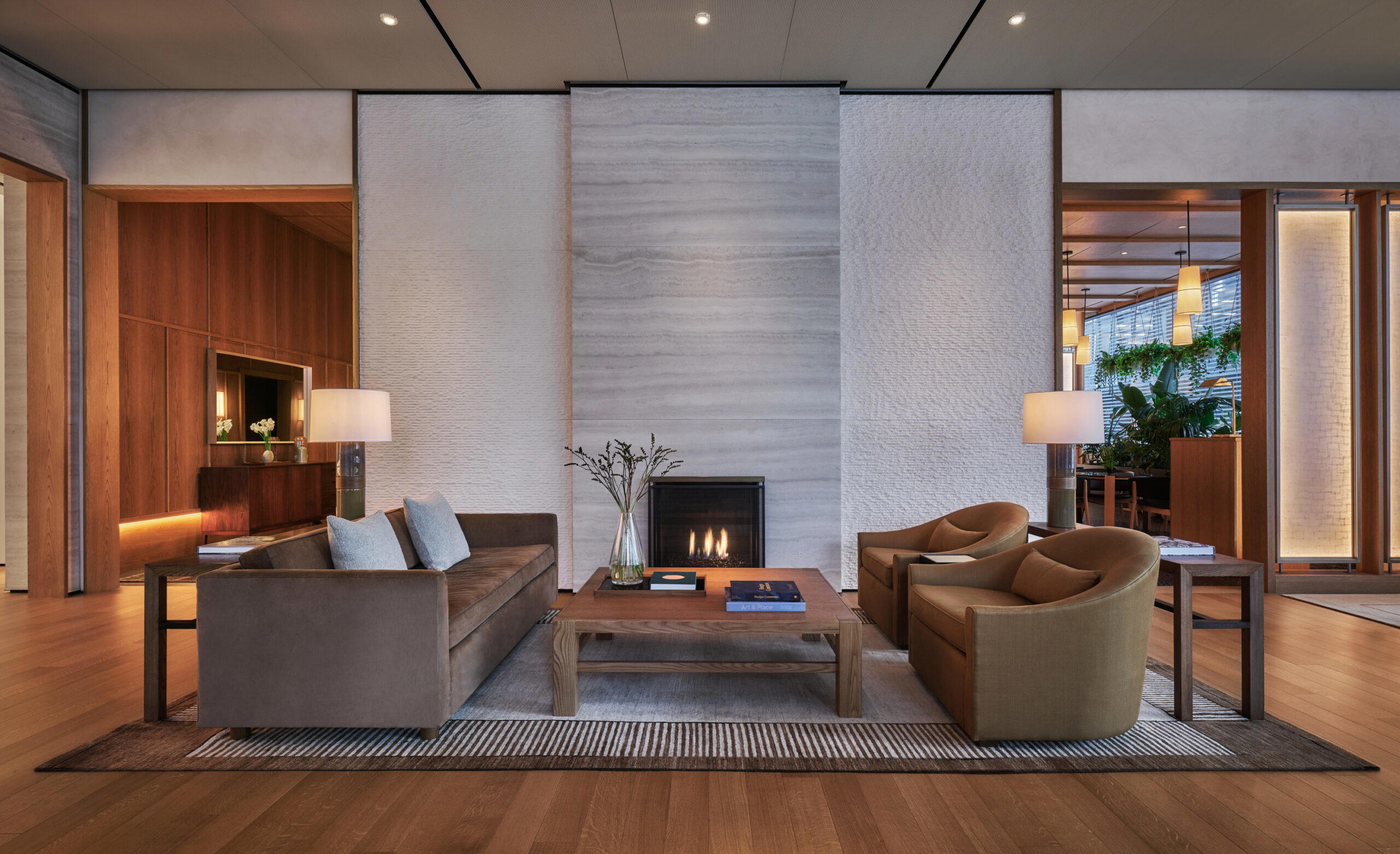
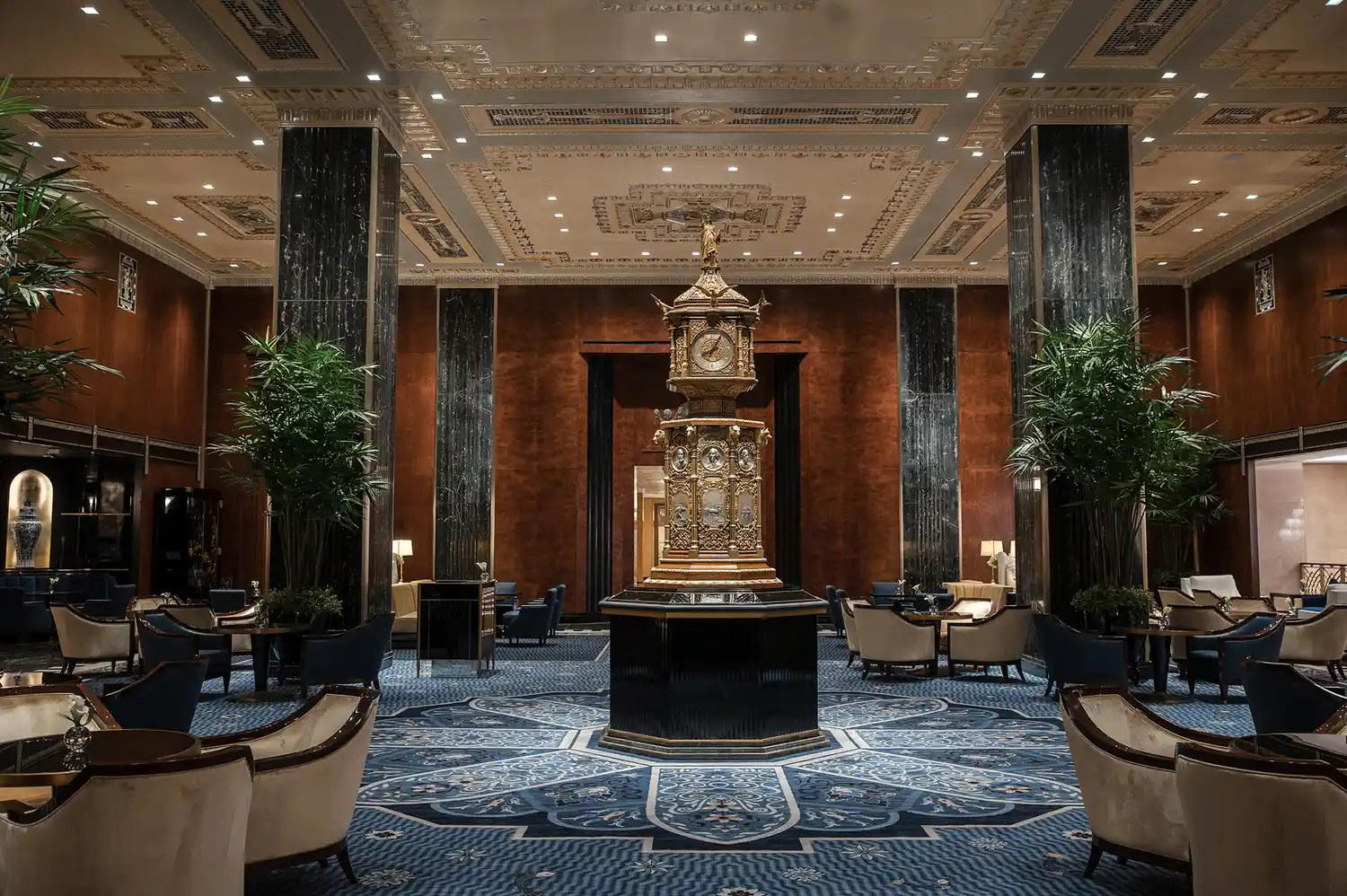
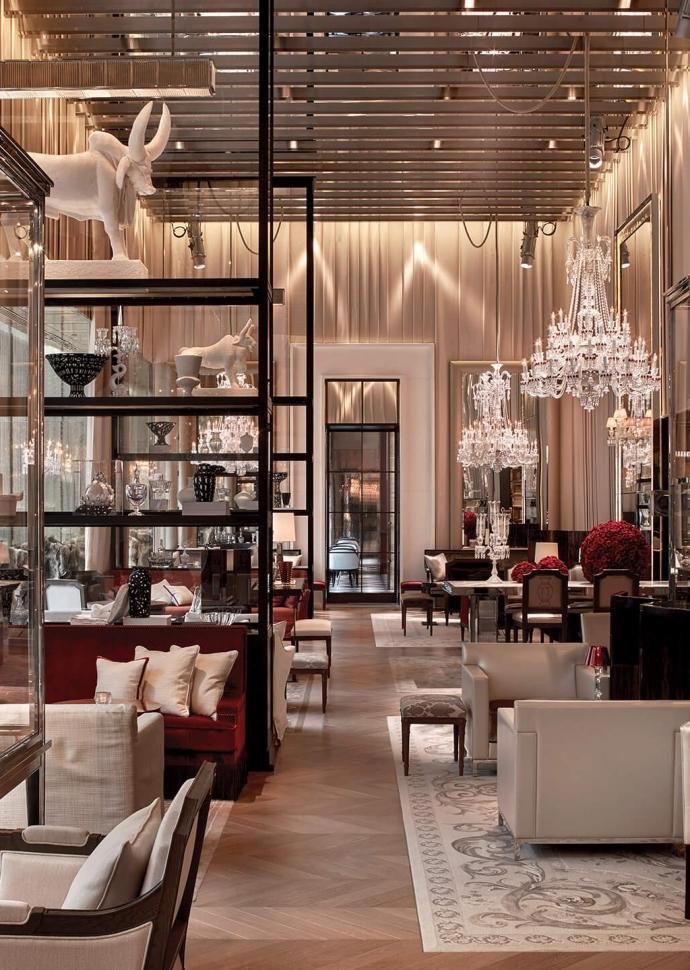
Spacious seating across two floors with modern, stylish interior; downstairs features lively fast-casual setting with lively yet relaxing atmosphere, upstairs transforms into intimate, refined speakeasy space with warm lighting and cozy vibe.