Toriya
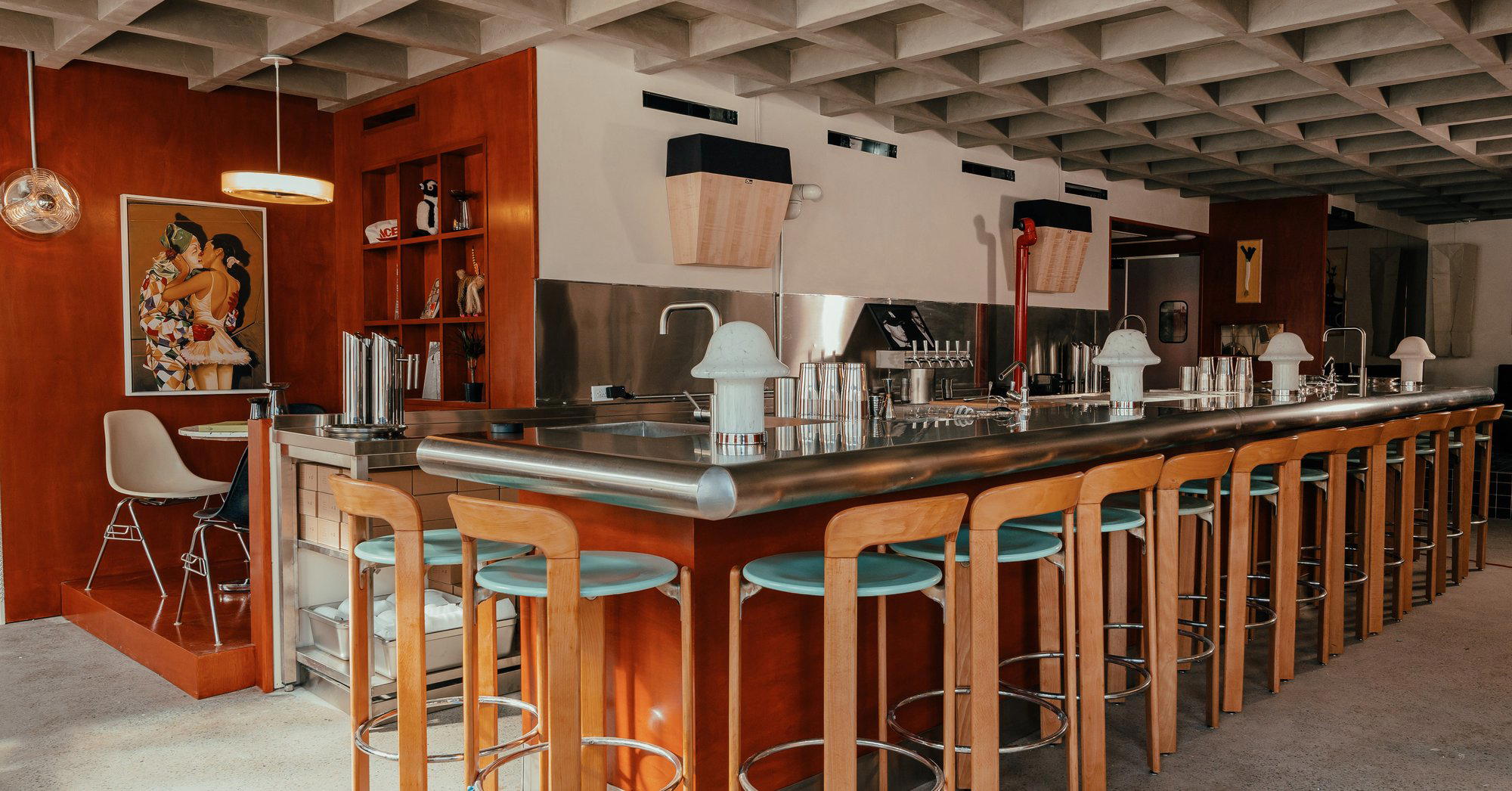
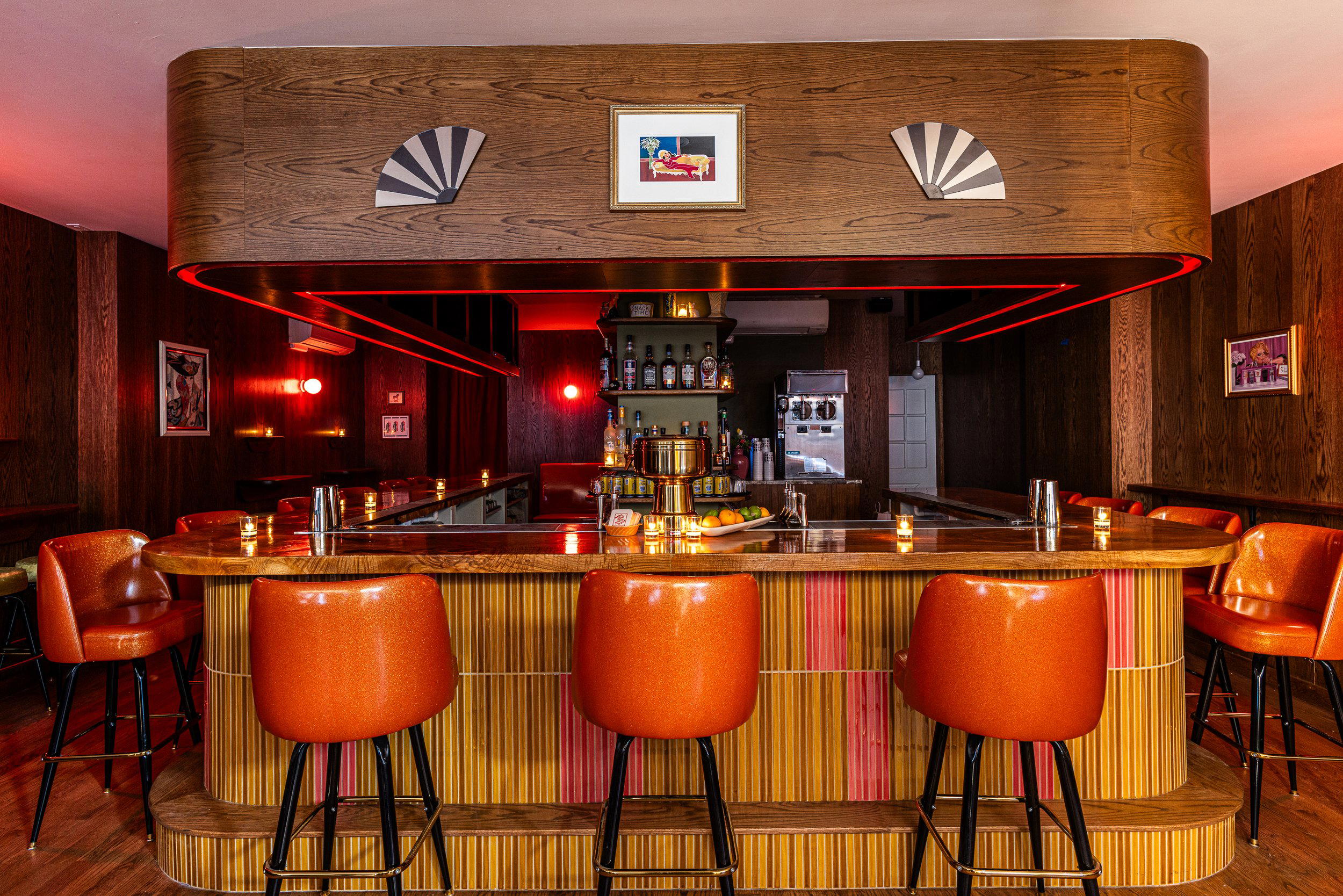
On the Lower East Side, Toriya at 178 Stanton Street sits within a neighbourhood that has long operated as one of New York's most competitive proving grounds for bars and restaurants. The address puts it squarely in a corridor where the drinks programme and the food that accompanies it carry equal weight, and where the room tends to do the editorial work that signage never could.
Pearl is the En Primeur Club membership app — saves, bookings, and concierge access live there. Same editors, same standards.
- Address
- 178 Stanton St, New York, NY 10002
- Phone
- +1 646 559 0559
- Website
- toriyanyc.com
- Directions
- Get directions
 Saves & bookings on Pearl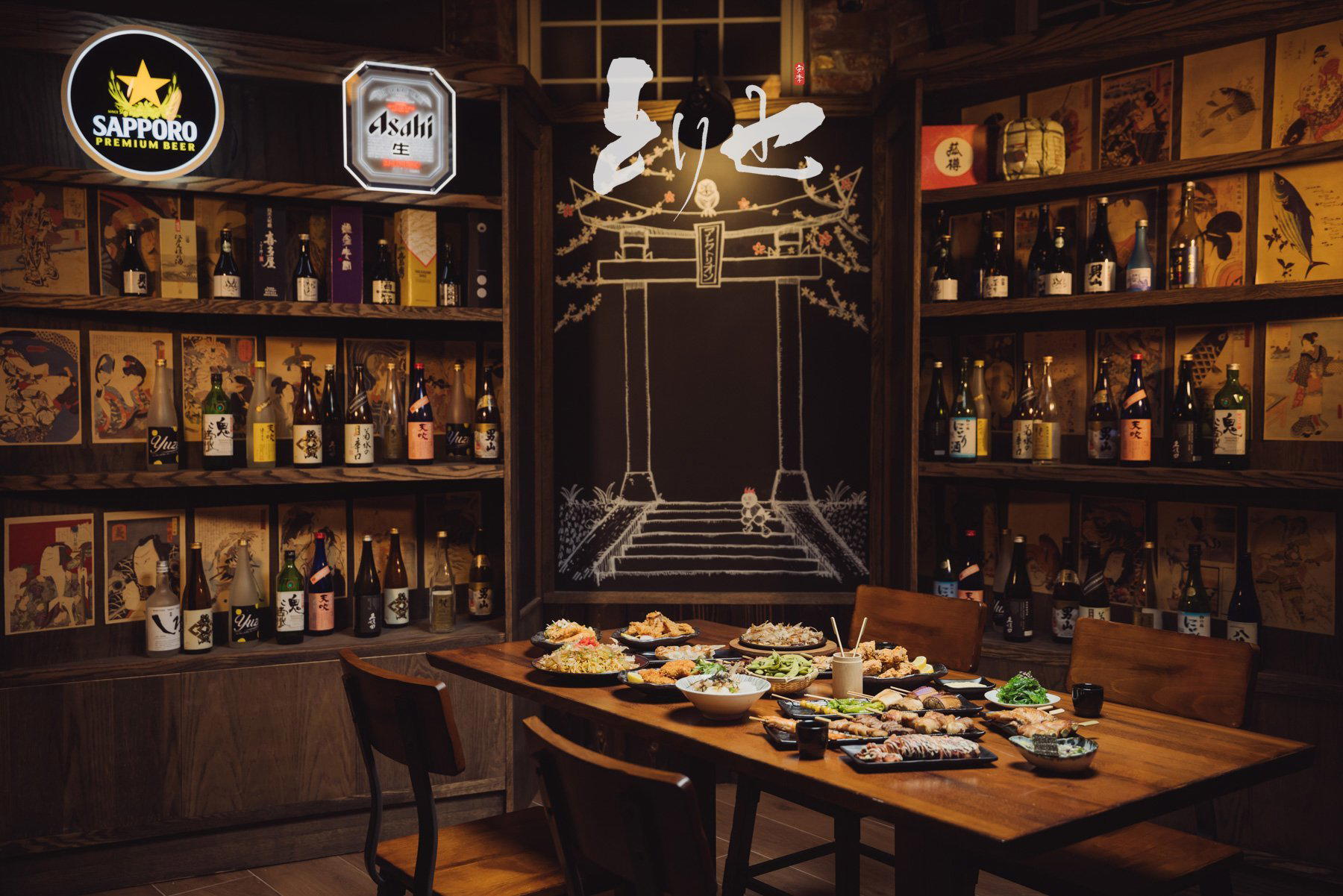
The Lower East Side has a way of sorting venues quickly. Foot traffic on Stanton Street runs through a stretch that rewards specificity over ambition, where a well-considered bar snack alongside the right pour matters more than a long menu or a polished fit-out. Toriya, at 178 Stanton St, occupies that competitive space.
The Pairing Logic of the Lower East Side Bar Scene
New York's drinking scene has spent the better part of a decade moving away from the model where a bar is judged on its cocktail list in isolation. The venues that have earned sustained attention, from Attaboy NYC on Eldridge Street to Amor y Amargo on East 6th, have built their reputations on a coherence: the food, however minimal, reinforces the drinking logic rather than competing with it. Amor y Amargo runs an amaro-led programme with a food presence that is deliberately subordinate, designed to reset the palate rather than satisfy appetite. Attaboy operates on the opposite axis, with bartenders who read the guest before the menu, and where the bar snack, when it appears, is an extension of hospitality rather than a revenue line.
Toriya sits within that framework of expectation. On the LES, a bar address at this price tier and neighbourhood density is not evaluated in a vacuum. It is placed instinctively against a competitive set that includes Superbueno on Forsyth, a venue where the Latin-inflected drinks list and the food programme are designed as a single argument, and Angel's Share uptown in the East Village, where the Japanese bar tradition of precise service and structured food pairings has held for decades. What connects all of them is the understanding that the food-drink relationship is curatorial, not incidental.
Stanton Street between Allen and Orchard runs through a block that has housed bars at various points across its history, with occupants that tend toward the intimate and the specific. The scale of most successful venues in this immediate stretch is small, which shapes the kind of food-and-drink offer that can be sustained. A compact room forces a tighter menu, which in turn forces sharper editorial decisions: what gets poured, and what appears alongside it, has to be chosen with intent because there is no room to hedge.
This is the same logic that drives some of the more coherent pairing programmes at bars in other American cities. Kumiko in Chicago has built a Japanese whisky and liqueur programme alongside a food offer that mirrors its precision. Jewel of the South in New Orleans anchors its drinks in Creole tradition and carries a kitchen that reinforces that identity. Julep in Houston uses its Southern whiskey focus to frame a food card built on the same regional references. In each case, the discipline is the same: the bar's food offer is a position, not a concession to hunger.
ABV in San Francisco and Allegory in Washington, D.C. extend the argument further: both operate within hotel or anchored-building contexts where the food-drink relationship is given physical infrastructure to support it, with kitchen access that allows for more developed programmes than a freestanding bar might sustain. The LES context for Toriya is different, closer to the freestanding neighbourhood bar model, which tends to mean smaller plates, higher turnover at the bar, and a food offer that needs to work across multiple dayparts and drink styles.
For visitors already working from a New York City guide, the LES drinking scene is understood as a set of overlapping micro-niches. The Japanese bar tradition, represented most durably by Angel's Share, emphasises restraint in presentation and precision in execution, with food that is structured around the drink rather than the reverse. The agave and Latin-inflected strand, anchored by Superbueno, leans into bolder flavour pairings and a more social room dynamic. The bitters-led and amaro-focused end of the market, where Amor y Amargo operates, tends toward a quieter, more considered drinking pace with food that plays a supporting role.
Internationally, the pairing-focused bar model has developed strong regional identities. Bar Leather Apron in Honolulu and The Parlour in Frankfurt on the Main represent different expressions of the same underlying discipline: drinks-led venues where the food offer is curated to amplify rather than distract. That standard has become a benchmark for any serious bar operating in a competitive urban market, and the LES is among the more competitive in North America.
How It Stacks Up
Comparable venues nearby, for context on price, style, and recognition.
| Venue | Cuisine | Price | Notes |
|---|---|---|---|
| ToriyaThis venue — the venue you are viewing | Bar | $$$ | Not listed |
| Mr. Purple | rooftop_bar | $$$ | Lower East Side |
| Temple Bar | cocktail_bar | $$$ | Greenwich Village |
| The Dutch | cocktail_bar | $$$ | SoHo-Little Italy-Hudson Square |
| Karasu | speakeasy | $$$ | Fort Greene |
| 1 OR 8 | cocktail_bar | $$$ | Fort Greene |
Continue exploring
More in New York City
Bars in New York City
Browse all →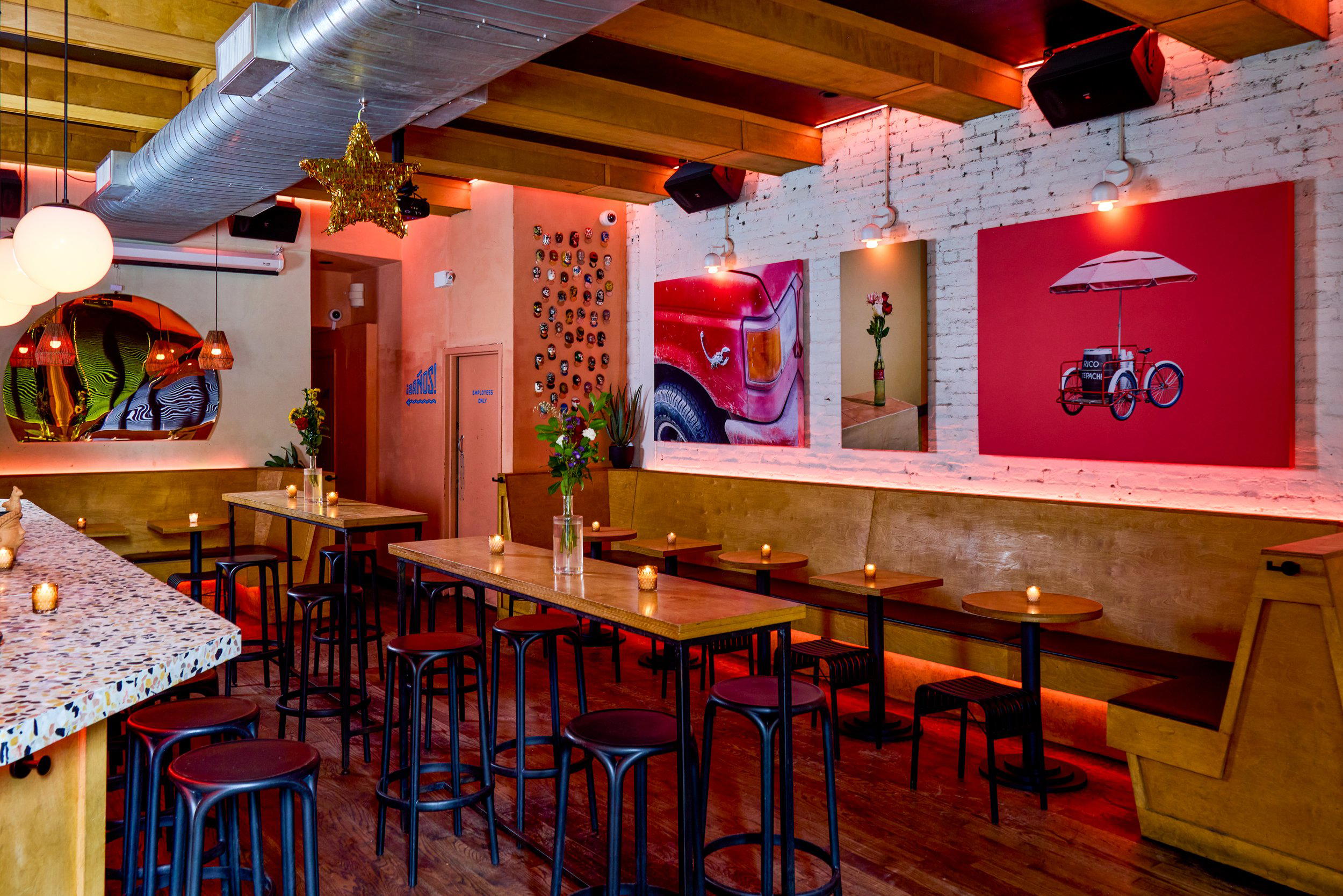
Restaurants in New York City
Browse all →
Hotels in New York City
Browse all →





At a Glance
- Cozy
- Intimate
- Lively
- Trendy
- Late Night
- Casual Hangout
- Group Outing
- Standalone
- Seated Bar
- Booth Seating
Current opening hours
- Monday
- 5 PM–12 AM
- Tuesday
- 5 PM–12 AM
- Wednesday
- 5 PM–12 AM
- Thursday
- 5 PM–12 AM
- Friday
- 12 PM–12 AM
- Saturday
- 12 PM–12 AM
- Sunday
- 12 PM–12 AM
Hours can change for holidays and private events. Last verified .
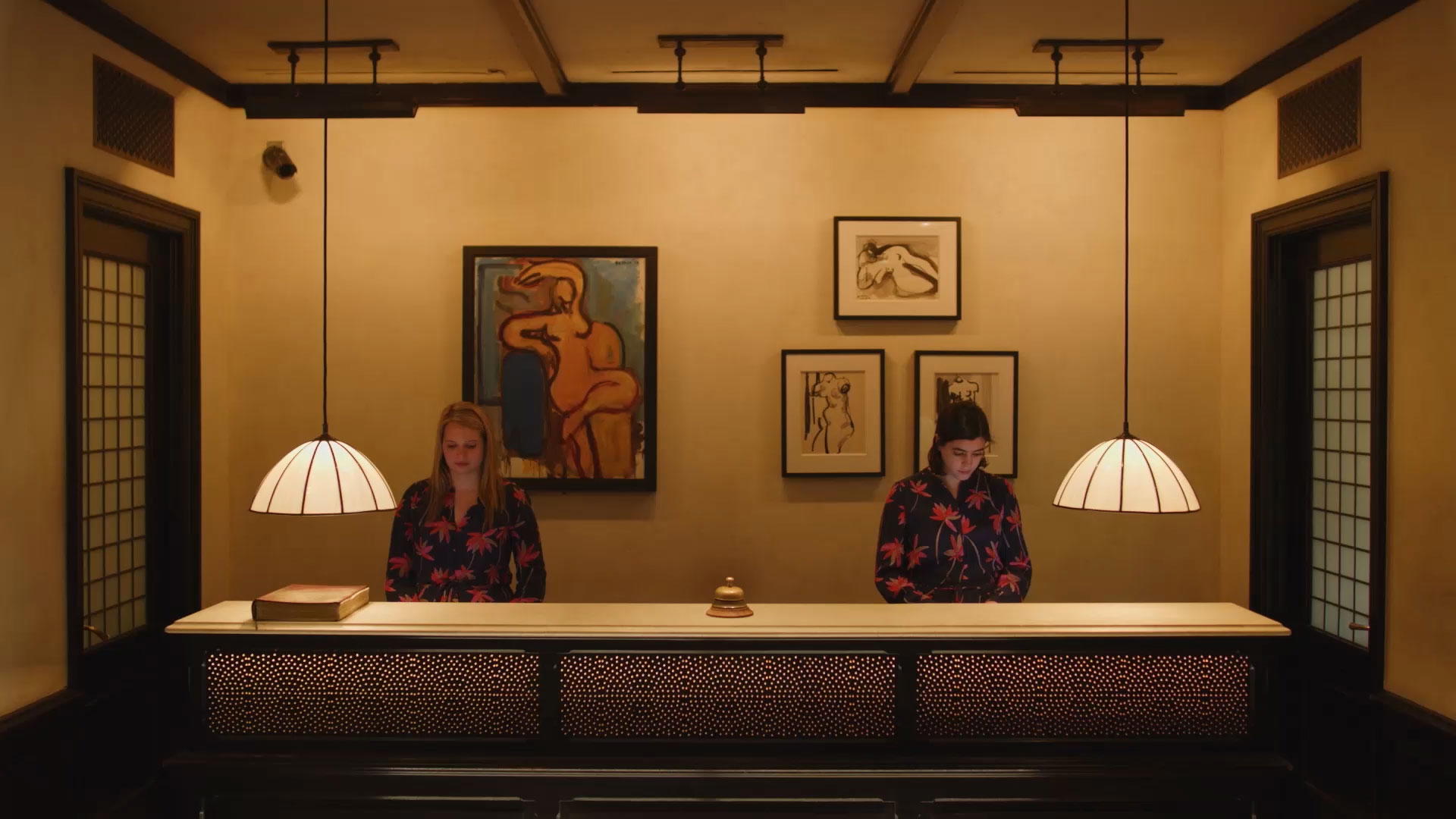
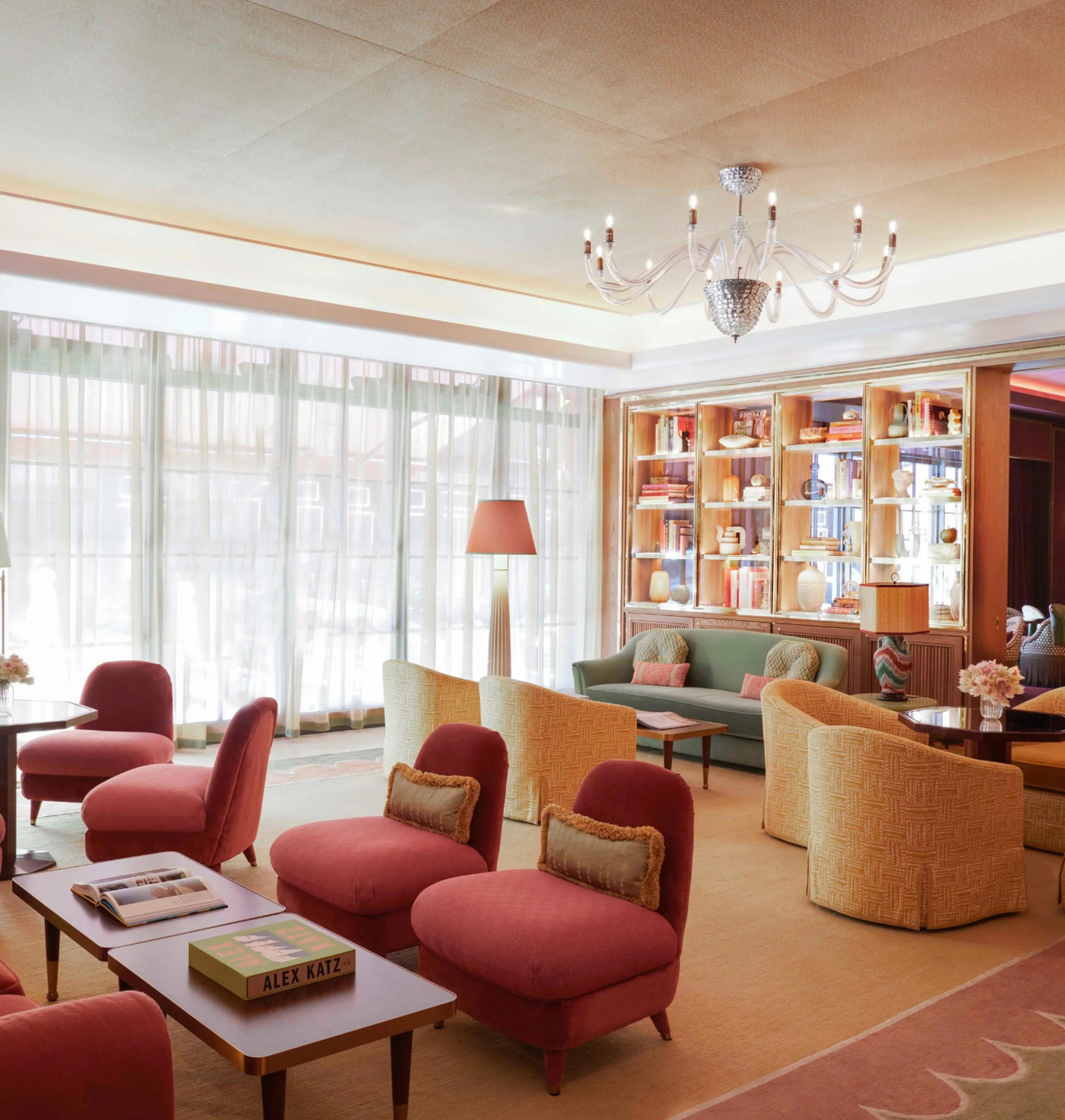
Neon-lit with a casual, electric atmosphere blending cozy intimacy and lively energy, enhanced by chill Japanese-style music.