Temple Bar
Temple Bar at 332 Lafayette Street occupies a particular corner of NoHo's bar scene where the drinks programme and food menu are designed to work together rather than operate in parallel. The bar sits within a neighbourhood that rewards those who know where to look, drawing a crowd that comes specifically for the combination rather than either element alone.
Pearl is the En Primeur Club membership app — saves, bookings, and concierge access live there. Same editors, same standards.
- Address
- 332 Lafayette St, New York, NY 10012
- Website
- templebar.co
- Directions
- Get directions
 Saves & bookings on Pearl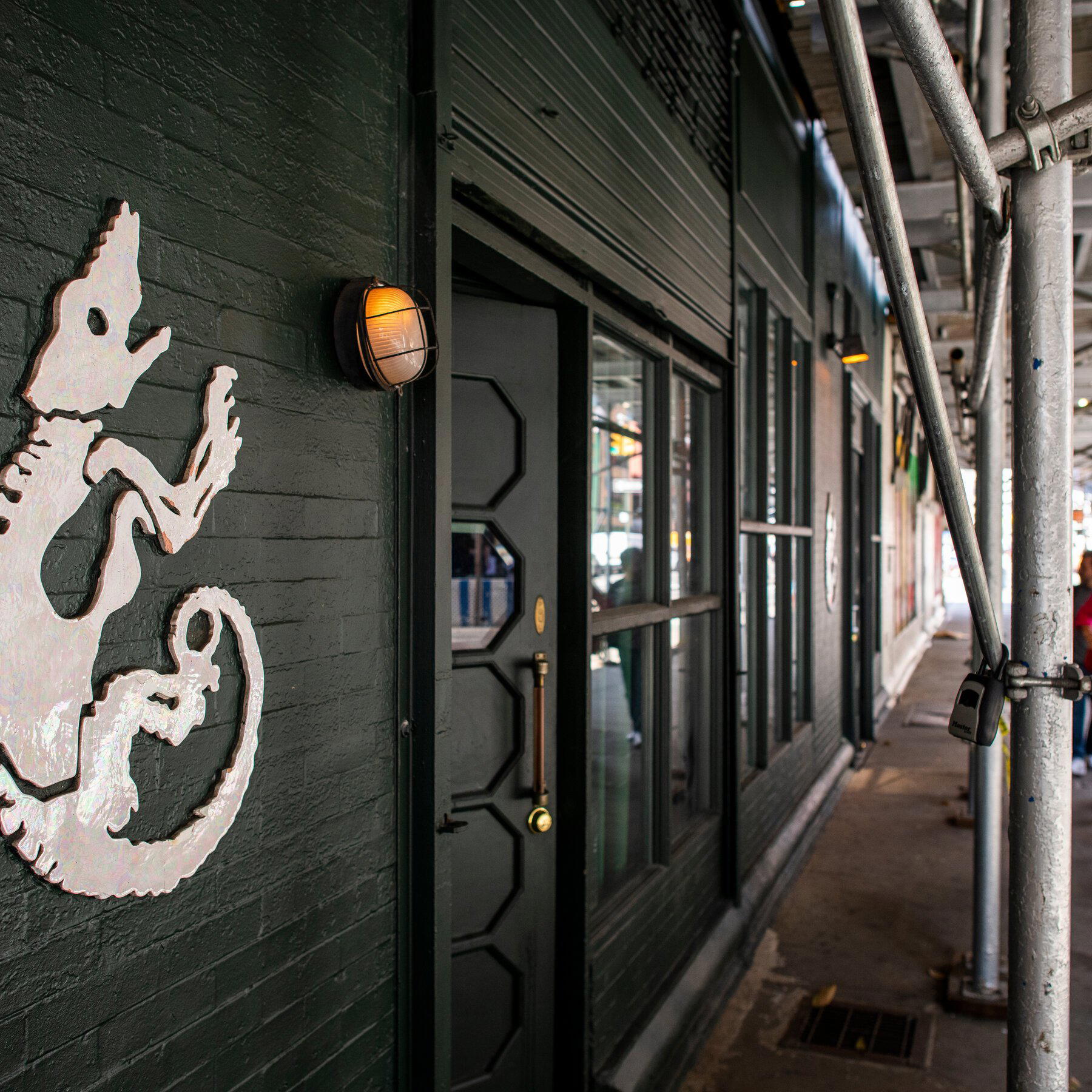
Where the Drink Ends and the Food Begins
NoHo's bar scene has never been easy to categorise. The neighbourhood sits between the concentrated cocktail density of the East Village and the more restaurant-driven drinking culture of SoHo, which means the bars that survive here tend to develop a dual identity: serious enough about their drinks to hold their own against the city's programme-led operations, but attentive enough to food to justify the kind of evening that doesn't require a separate restaurant booking. Temple Bar, at 332 Lafayette Street, belongs to that tradition. It is the kind of place where the question of what to order is properly two-part, and where the drinks list and the food menu are better understood as a single designed system than as separate departments.
That pairing logic matters more than it might seem. New York has spent the better part of the last decade separating cocktail bars from dining rooms with increasing rigidity. The city's technically ambitious cocktail programmes, from the clarified-drink operations that now define the upper tier to the fermentation-focused menus gaining ground in Brooklyn and the Lower East Side, have tended to treat food as an afterthought or a licensing necessity. What distinguishes a smaller cohort, and the category to which Temple Bar belongs, is a genuine effort to make the food worth ordering on its own terms, and then to position it so that it extends rather than interrupts the drinking experience. A well-chosen bar snack at the right moment does something a second cocktail cannot: it resets the palate, slows the pace of the evening, and creates a reason to stay longer without accelerating the pace of drinking.
The Food and Drinks Relationship
The broader principle Temple Bar operates within is one that particularly considered bar programmes in other American cities have been working through for some time. Kumiko in Chicago built its reputation precisely on this pairing logic, treating Japanese-influenced snacks and a serious spirits programme as inseparable. ABV in San Francisco takes a similar position, with a food menu that's been called the serious in the city's bar category. Jewel of the South in New Orleans and Julep in Houston approach the same question from a Southern hospitality angle, where the food side of the operation carries real regional weight. What these bars share is an understanding that the food programme isn't a concession to licensing requirements or a hedge against slow nights; it is the mechanism by which the bar earns a longer visit and a more attentive audience.
Temple Bar operates within the same logic in a city where the competition for that position is considerably more concentrated. New York's premium cocktail tier has become dense enough that differentiation through technique alone is increasingly difficult. Attaboy NYC and Angel's Share represent the city's confidence in bespoke, no-menu service and intimate formats. Amor y Amargo has staked its position entirely on amaro and bitter spirits, a focus narrow enough to anchor a distinct identity without requiring a food programme at all. Superbueno uses its food menu as a central part of its identity, pairing it with a drinks list that reflects the same culinary thinking. The bars that are finding particularly durable audiences are the ones that have made a clear decision about what they are: either a technical programme without food, or a place where the two are genuinely integrated.
Lafayette Street and the NoHo Context
Lafayette Street is a useful address for a bar with this kind of positioning. The street runs through a stretch of Manhattan that has never fully committed to any single dining or drinking identity, which means the operations that open here tend to develop self-sufficient characters rather than relying on neighbourhood foot traffic or a defined local scene. The result is a customer base that arrives with intention rather than impulse, which in practice means more attentive drinkers, more willingness to engage with a food menu, and a slower average table turn. For a bar that depends on the pairing relationship between food and drink, that customer profile is an asset.
The wider Lafayette corridor connects to the Prince Street and Houston Street intersections where SoHo's restaurant density begins to build, and the proximity to Bleecker and Houston means that the bar is accessible from multiple subway lines, including the B, D, F, and M at Broadway-Lafayette and the 6 at Bleecker Street. Those connections make it a workable destination from Midtown or Brooklyn without requiring the kind of advance planning that the East Village's more tucked-away addresses demand. For bars of this type, accessibility matters: the pairing-focused evening is one that benefits from being a deliberate choice, but it shouldn't require logistical heroism to execute.
How Temple Bar Fits the Wider Programme Circuit
For visitors working through New York's bar programme with any seriousness, the bar occupies a specific gap. The city's most technically ambitious operations tend toward either singular focus (bitters, clarified drinks, Japanese spirits) or high-volume theatrical formats. The mid-tier, meaning bars that offer serious drinks alongside food worth ordering in a room that rewards staying, is thinner than the city's reputation might suggest. Internationally, that tier is better developed: Bar Leather Apron in Honolulu and Allegory in Washington, D.C. both operate in that register. The Parlour in Frankfurt on the Main shows how the format translates in a European context. The bar is playing on the same field within Manhattan.
The practical reality is that bar is the kind of venue where the visit is shaped by engagement with the full offering rather than by arrival and departure around a single round. That means it rewards visitors who come with enough time to let the evening move at its own pace. Reservations, where available, are worth making for groups; solo visitors and pairs tend to find counter or bar seating more accessible on a walk-in basis, though evenings in NoHo fill quickly from Thursday onward. For the full picture of where the bar sits within the city's broader dining and drinking circuit, the EP Club New York City guide maps the category in detail.
- Sgroppino
- Jalapeño Mojito
- Olive Oil Martini
- Red Hot Love Affair
- I Know Disco
- Spicy Flamingo
Accolades, Compared
Comparable venues nearby, for context on price, style, and recognition.
| Venue | Cuisine | Price | Notes |
|---|---|---|---|
| Temple BarThis venue — the venue you are viewing | cocktail_bar | $$$ | Not listed |
| Bar Blanc | lounge | $$$ | West Village |
| Gallow Green | rooftop_bar | $$$ | Chelsea-Hudson Yards |
| Have & Meyer | wine_bar | $$$ | Williamsburg |
| Brooklyn Kura | sake_bar | $$$ | Sunset Park (West) |
| Sloane's | hotel_bar | $$$ | SoHo-Little Italy-Hudson Square |
Continue exploring
More in New York City
Bars in New York City
Browse all →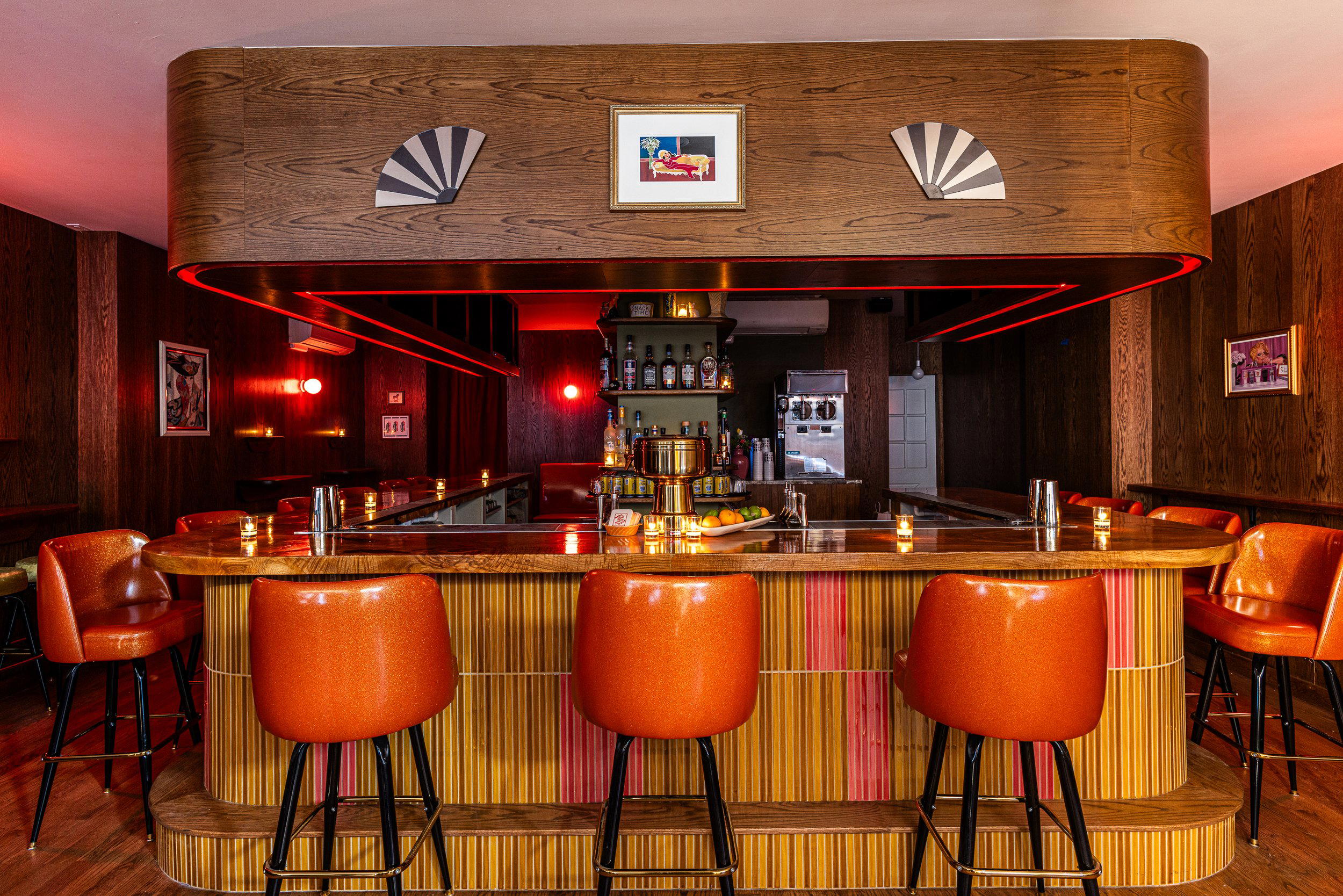
Restaurants in New York City
Browse all →
Hotels in New York City
Browse all →





At a Glance
- Romantic
- Sophisticated
- Intimate
- Elegant
- Classic
- Date Night
- Special Occasion
- Celebration
- Speakeasy
- Historic Building
- Standalone
- Seated Bar
- Lounge Seating
- Booth Seating
- Classic Cocktails
- Craft Cocktails
Current opening hours
- Monday
- 5 PM–1 AM
- Tuesday
- 5 PM–1 AM
- Wednesday
- 5 PM–1 AM
- Thursday
- 5 PM–2 AM
- Friday
- 5 PM–2 AM
- Saturday
- 5 PM–2 AM
- Sunday
- 5 PM–12 AM
Hours can change for holidays and private events. Last verified .
Dark and moody with dim lighting, mahogany walls, red velvet curtains, black and white tile flooring, and underlighting from below the bar creating a sexy, old-school speakeasy atmosphere.