The Dutch
On Sullivan Street in SoHo, The Dutch sits at the intersection of the American brasserie tradition and New York's neighborhood-restaurant culture. The room draws a crowd that spans downtown regulars and destination diners, and the menu reads as a serious exercise in American cooking rather than any particular trend. Plan ahead: the reservation window fills early.
 Discover on Pearl
Pearl is the En Primeur Club membership app — saves, bookings, and concierge access live there. Same editors, same standards.
- Address
- 131 Sullivan St, New York, NY 10012
- Phone
- +1 212 677 6200
- Website
- thedutchnyc.com
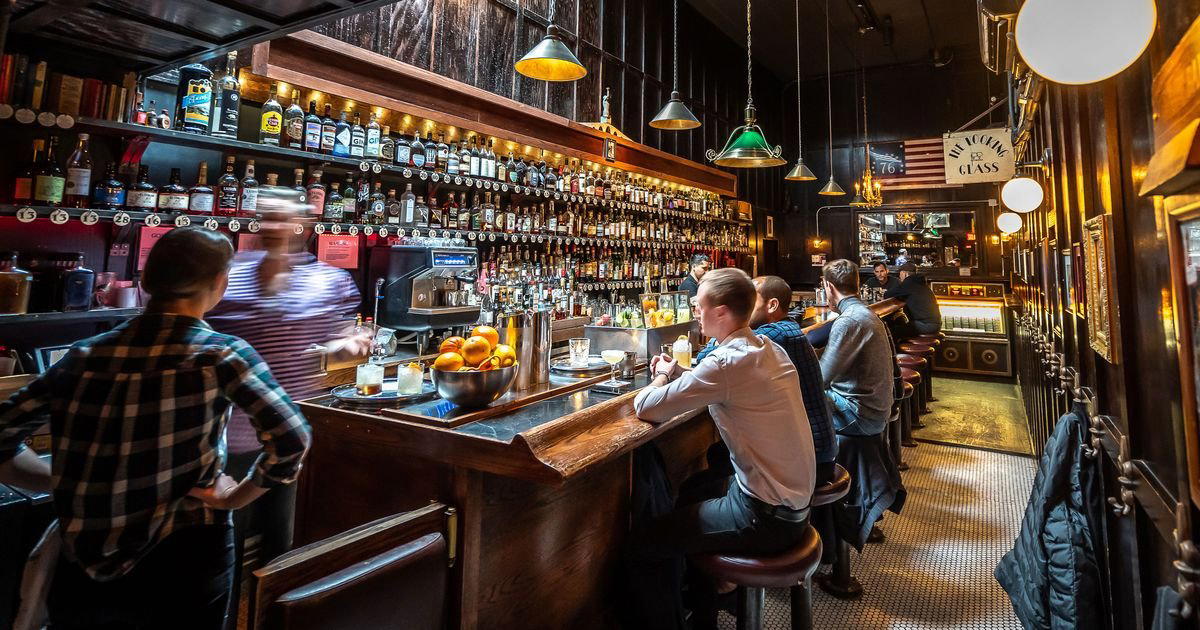
American Brasserie, Downtown Logic
SoHo's dining character has always been defined by a particular tension: rooms that look casual but operate at a level of seriousness that requires advance planning. The Dutch, at 131 Sullivan Street, is a bar in New York City with a 4.3 Google rating and an average spend of about $50 per person. It sits squarely in that tradition. The address places it in the heart of a neighborhood where the line between a neighborhood restaurant and a destination is permanently blurred, and The Dutch occupies both categories simultaneously. Downtown Manhattan's better all-day American restaurants tend to attract a loyal local base while remaining visible enough to pull visitors from across the borough and beyond. The Dutch is a clear example of that dynamic.
The Ritual of the Room
The American brasserie format, as it exists in New York, carries certain expectations around pacing and atmosphere. Unlike the tighter, more ceremonial choreography of a tasting-menu counter, the brasserie dining ritual is organized around choice, arrival time, and the rhythm of a room that runs from lunch through late evening. The Dutch operates in that mode, with reservations recommended. Diners here are not handed a fixed sequence; they are given a menu and allowed to construct their own meal, which means the quality of the edit on that menu matters more than it would in a format where the kitchen controls every variable. American cooking at this level in SoHo tends to draw on regional traditions, seasonal sourcing, and a willingness to take familiar formats more seriously than their pub-food counterparts would suggest.
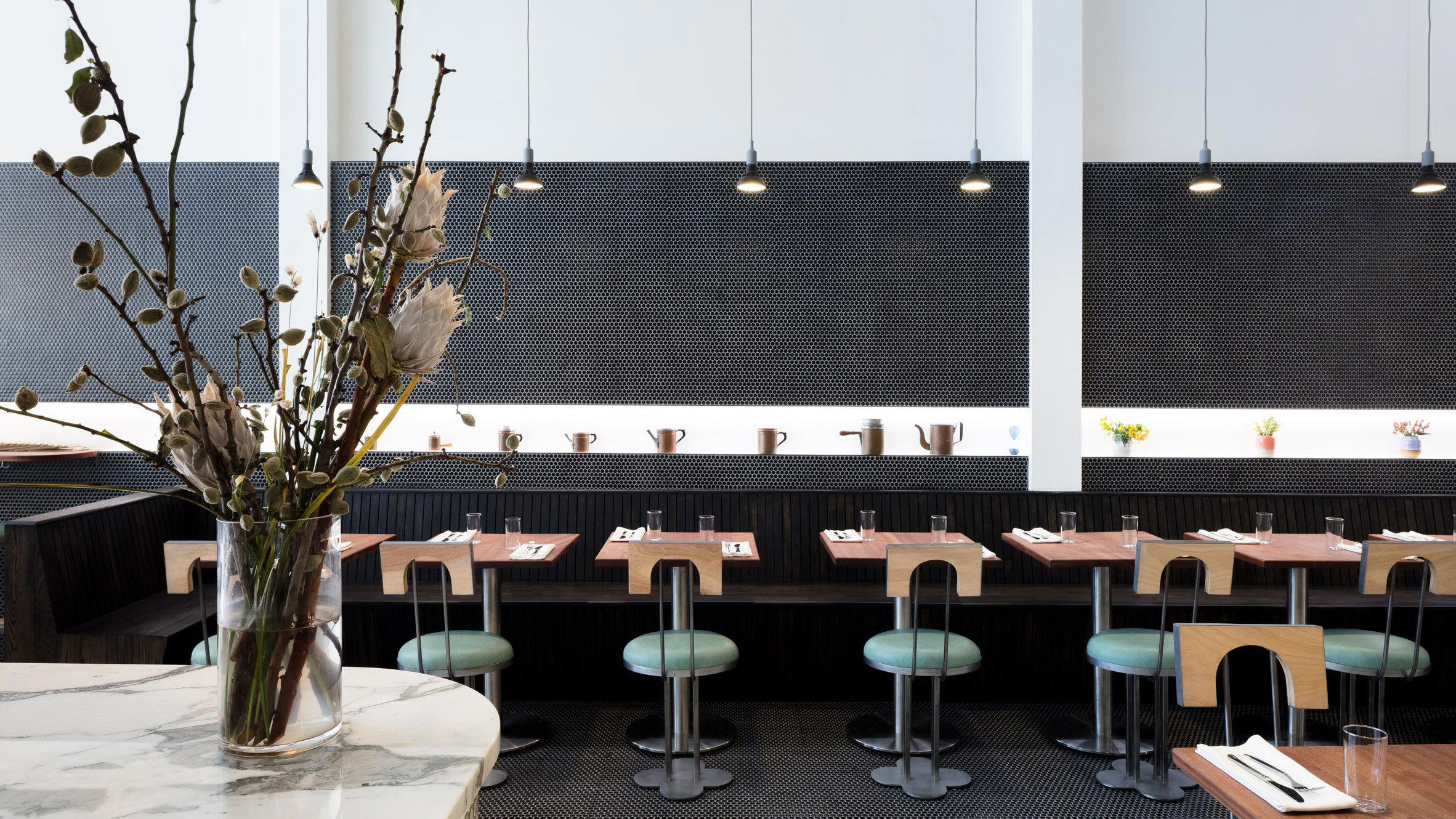
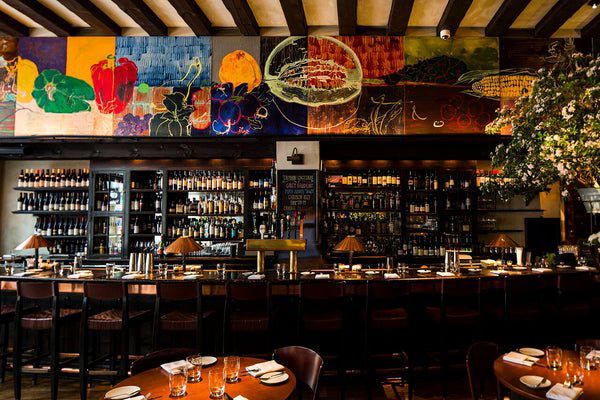
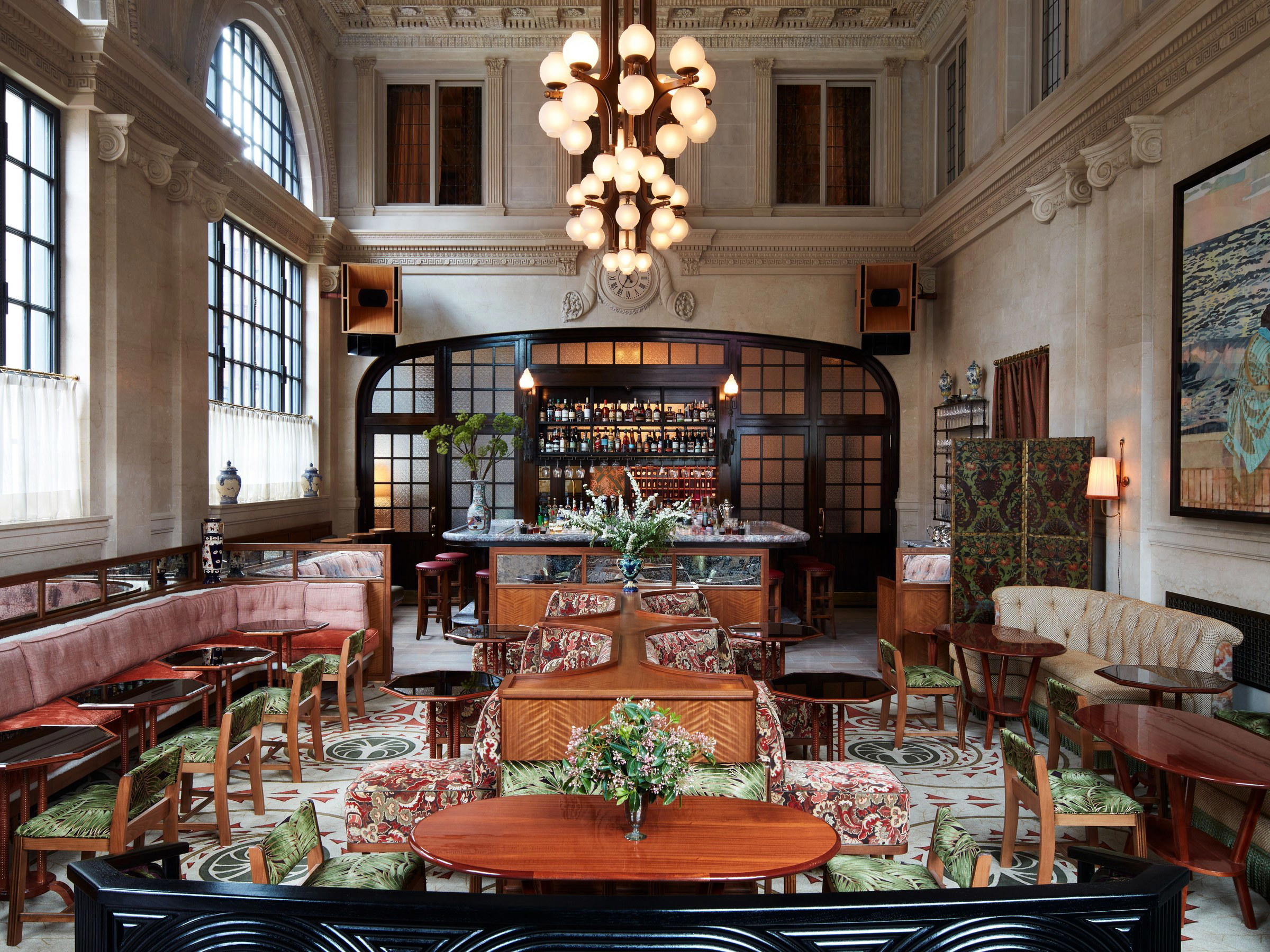
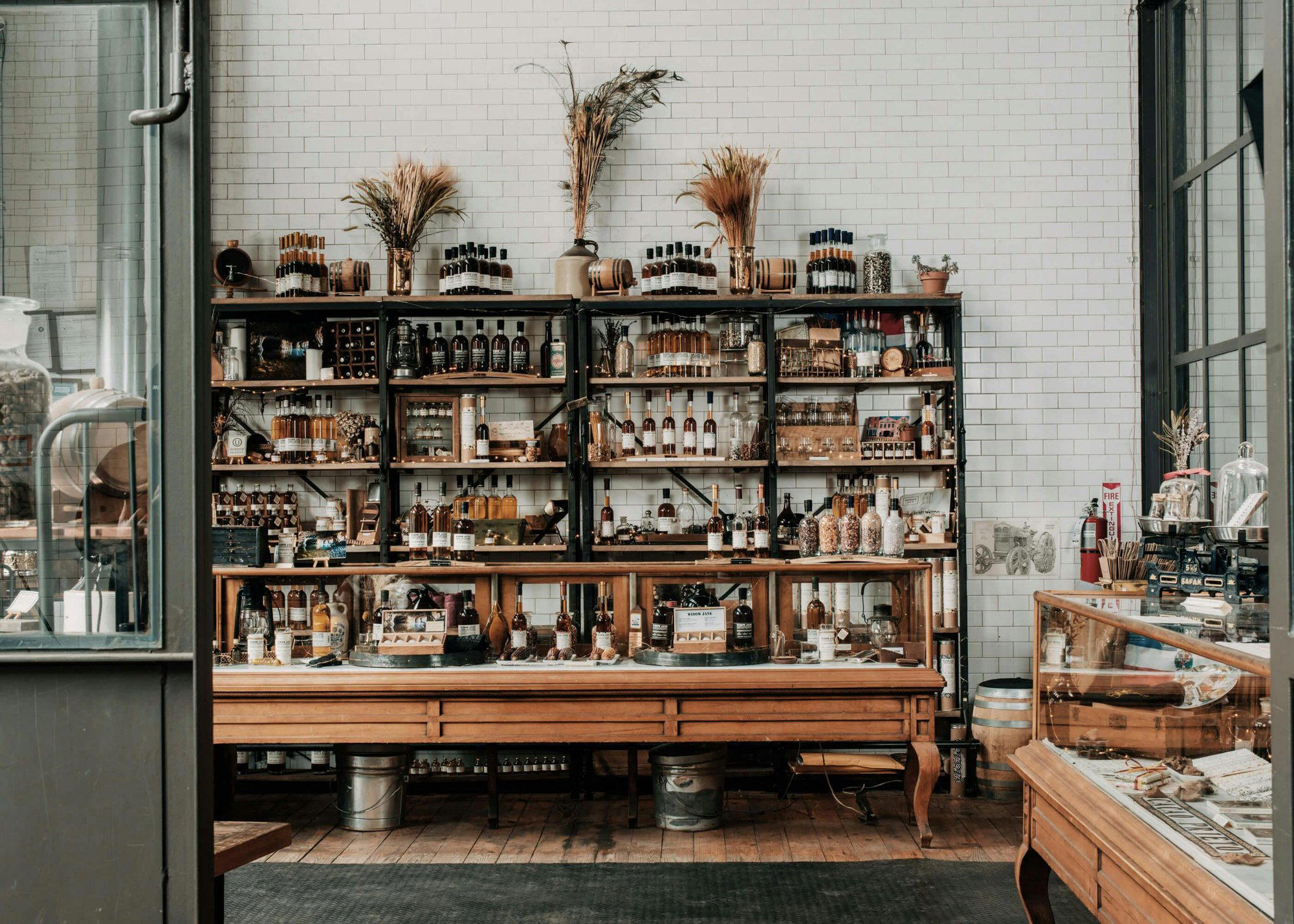
The seating itself matters in this context. SoHo brasseries that succeed over time tend to develop a room identity, a sense that the space itself communicates something about how the meal should unfold. The Dutch's Sullivan Street location, in a neighborhood dense with design-conscious retail and gallery adjacency, puts it in conversation with the kind of room where guests expect both comfort and a certain visual intelligence. That expectation shapes the pace of service and the social function of the meal.
What to Drink: The Context
New York's cocktail culture has evolved considerably over the past decade. The better American brasseries now maintain bar programs that function as legitimate destinations rather than afterthoughts, and the Sullivan Street corridor is close enough to some of Manhattan's serious cocktail rooms to create a natural pre- or post-dinner circuit. For drinking before or after a meal at The Dutch, the neighborhood and nearby areas support a range of approaches: Amor y Amargo operates as one of the city's most focused amaro-forward bars, organized around bitter spirits with genuine depth. Attaboy NYC in the Lower East Side represents the chef's-table equivalent of the cocktail world, with a no-menu format built entirely around guest preference. Angel's Share in the East Village carries a different register entirely, running a Japanese-inflected program that has sustained recognition for decades. And for something with the energy of downtown's Latin-inspired bar scene, Superbueno brings a distinct point of view to the agave-driven side of New York's drinking culture.
Within the meal at The Dutch itself, the wine list and cocktail program should be understood as part of the American brasserie format. That format privileges accessibility and range over narrow curation, which means the list is likely to serve a table that has different preferences rather than a table organized around a single theme.
Placing The Dutch in the Downtown Set
SoHo and its immediate surroundings have produced a specific category of American restaurant: serious in execution, democratic in format, resistant to the tasting-menu structure that dominates the upper tiers of New York dining. Dirty French on the Lower East Side occupies an adjacent position in terms of neighborhood logic and price tier, though its frame of reference is French bistro rather than American brasserie. The Long Island Bar in Brooklyn's Cobble Hill runs a similar all-American sensibility but in a smaller, more bar-centric format. The Dutch sits in a cluster where the competitive set is defined less by cuisine type and more by the question of how seriously a room can take American cooking without becoming self-consciously earnest about it.
For context on what this dining tradition looks like in other American cities, it is worth noting that the American brasserie format has generated serious practitioners in markets well outside New York. Kumiko in Chicago approaches the bar-and-dining intersection from a Japanese-influenced angle. Jewel of the South in New Orleans roots itself in Southern hospitality traditions. Julep in Houston foregrounds Texas and Southern American drinking culture. On the West Coast, ABV in San Francisco represents the Bay Area's food-forward bar approach. Further afield, Bar Leather Apron in Honolulu and Allegory in Washington, D.C. each demonstrate how the American dining-and-drinking ritual adapts to different regional contexts. Even internationally, the format finds echoes: The Parlour in Frankfurt draws on American bar traditions with a distinctly European inflection. None of these are direct peers of The Dutch, but they map the broader tradition it belongs to.
Planning the Visit
SoHo restaurants at The Dutch's level of visibility tend to book out several days in advance for weekend evenings, and the Sullivan Street address draws both neighborhood traffic and destination diners who plan around it. The practical logic for visiting is direct: weekday lunches and early weeknight sittings are generally more accessible than Friday or Saturday prime time. The Dutch functions as part of a larger SoHo evening, and the neighborhood's walkability means the meal can anchor a longer itinerary without requiring transport between dinner and a bar.
Comparable Spots, Quickly
Comparable venues nearby, for context on price, style, and recognition.
| Venue | Cuisine | Price | Awards | Notes |
|---|---|---|---|---|
| The DutchThis venue — the venue you are viewing | cocktail_bar | $$$ | , | |
| Avenue Sky Lounge | rooftop_bar | $$$ | , | Times Square |
| In Sheep's Clothing NYC | speakeasy | $$$ | , | SoHo-Little Italy-Hudson Square |
| Banshee | cocktail_bar | $$$ | , | East Village |
| SAAQI | speakeasy | $$$ | , | Tribeca-Civic Center |
| Toriya | Bar | $$$ | , | Lower East Side |
Continue exploring
More in New York City
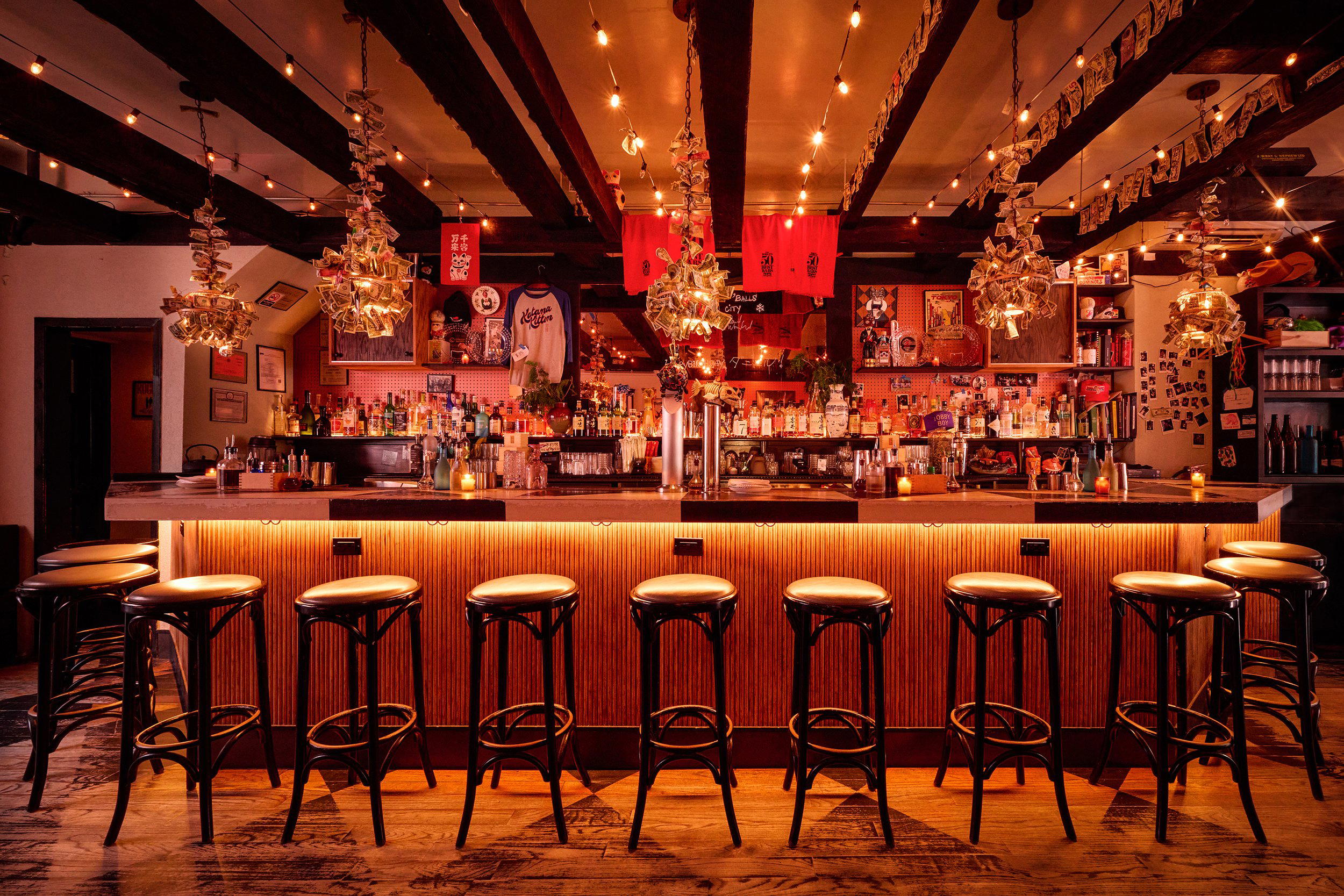
Bars in New York City
Browse all →
Restaurants in New York City
Browse all →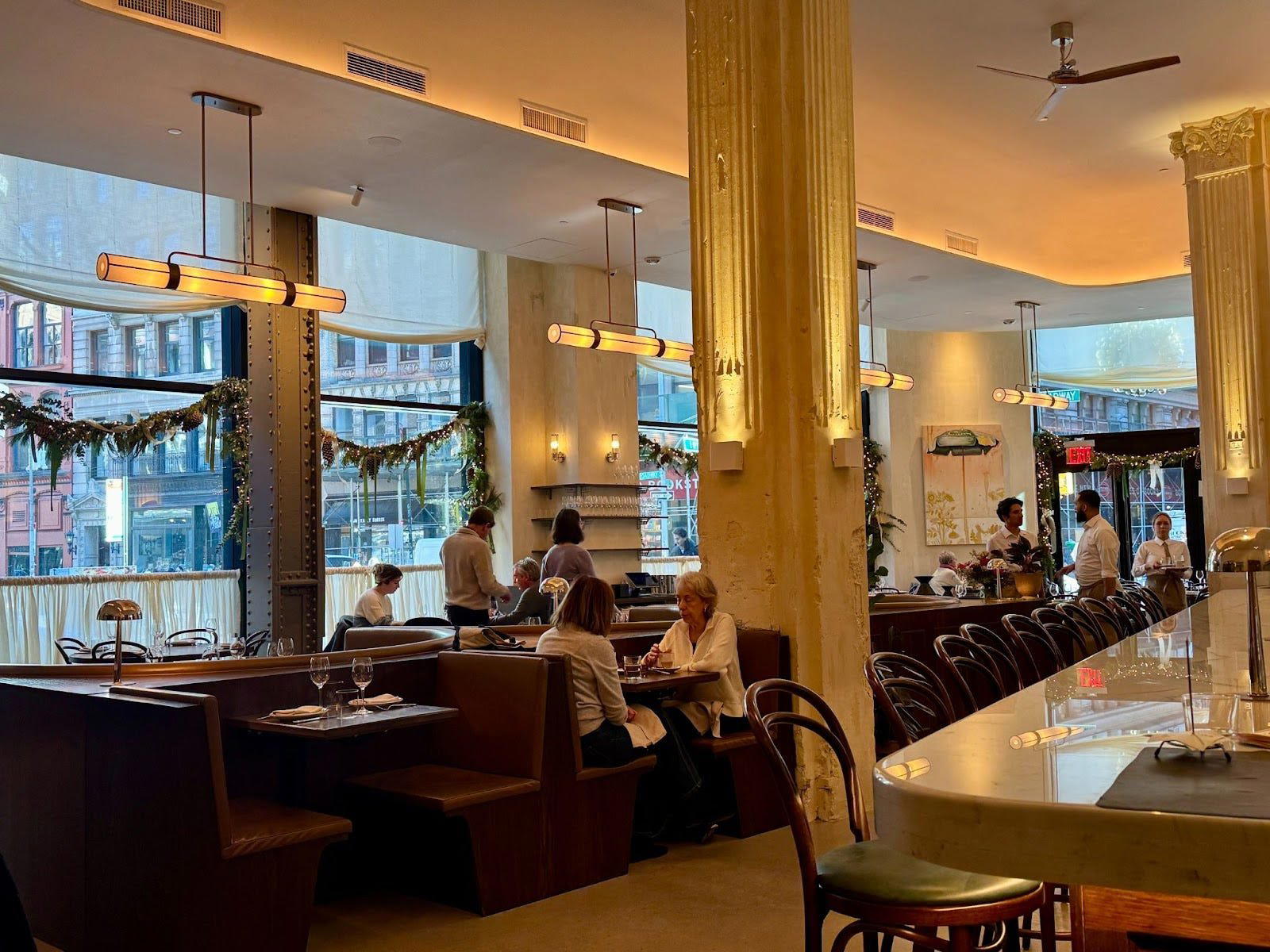
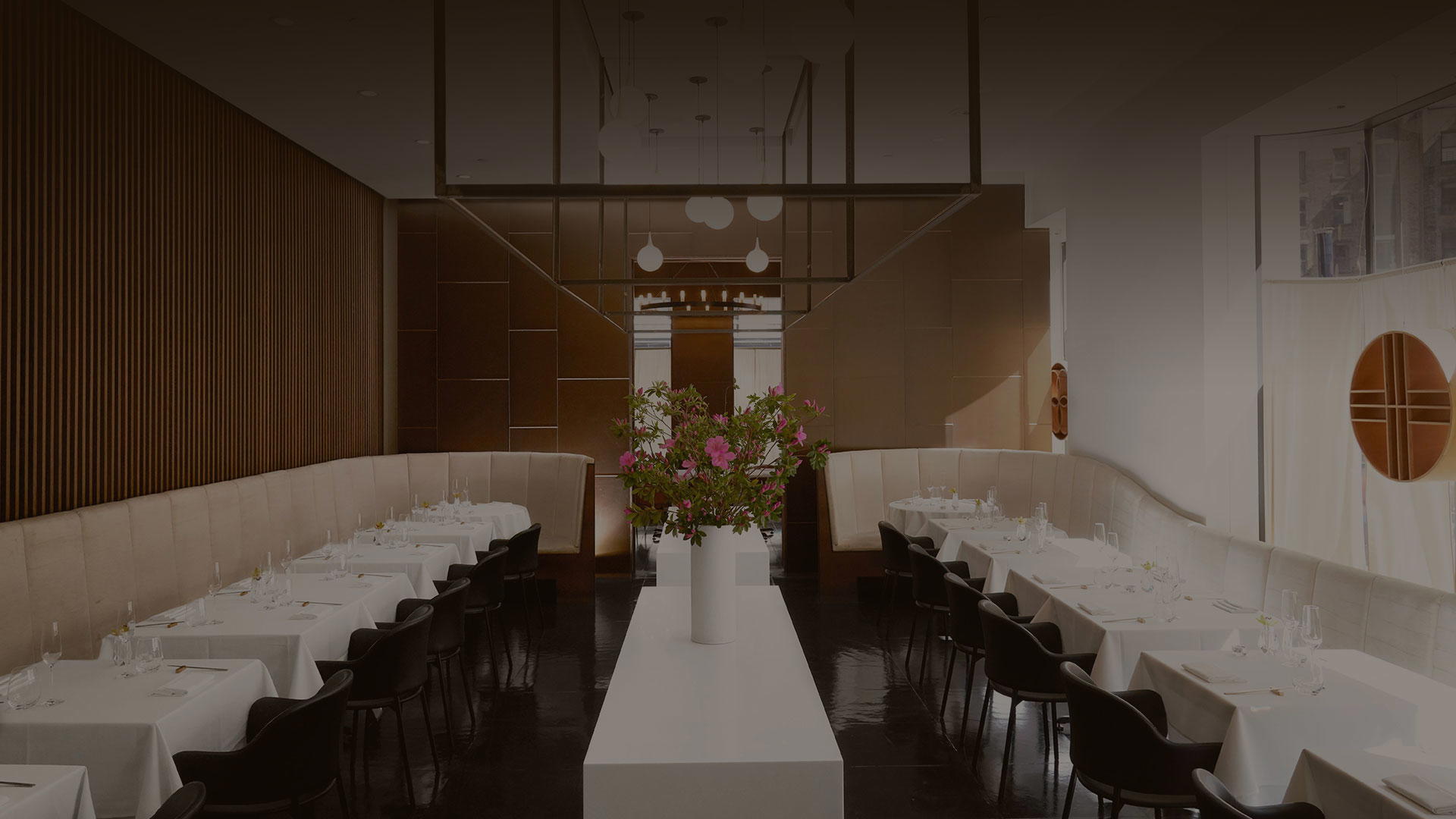
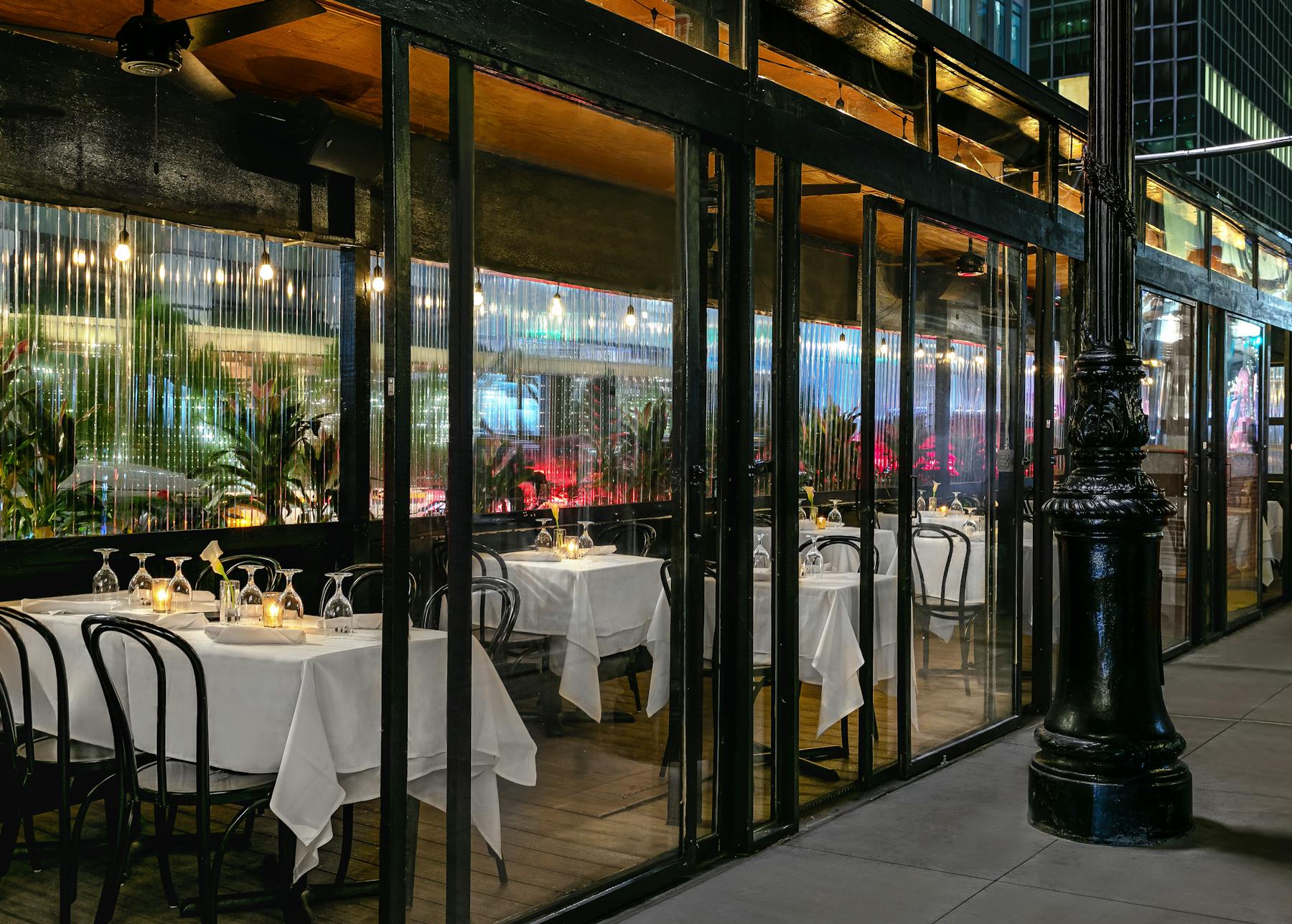
Hotels in New York City
Browse all →



At a Glance
- Classic
- Lively
- Date Night
- After Work
- Celebration
- Standalone
- Seated Bar
- Lounge Seating
- Classic Cocktails
- Craft Cocktails
inspired by local cafés, country inns, and neighborhood taverns with a vibrant New York mix.