TOKIO
TOKIO occupies a low-key address on Huron Street in Denver's RiNo corridor, where it has built a following among the neighbourhood's more particular drinkers. The program sits in the same tier as Denver's serious cocktail rooms without the velvet-rope posturing, drawing regulars who return for consistency over spectacle. Think of it as the kind of place where knowing the menu is a point of pride.

Pearl is the En Primeur Club membership app — saves, bookings, and concierge access live there. Same editors, same standards.
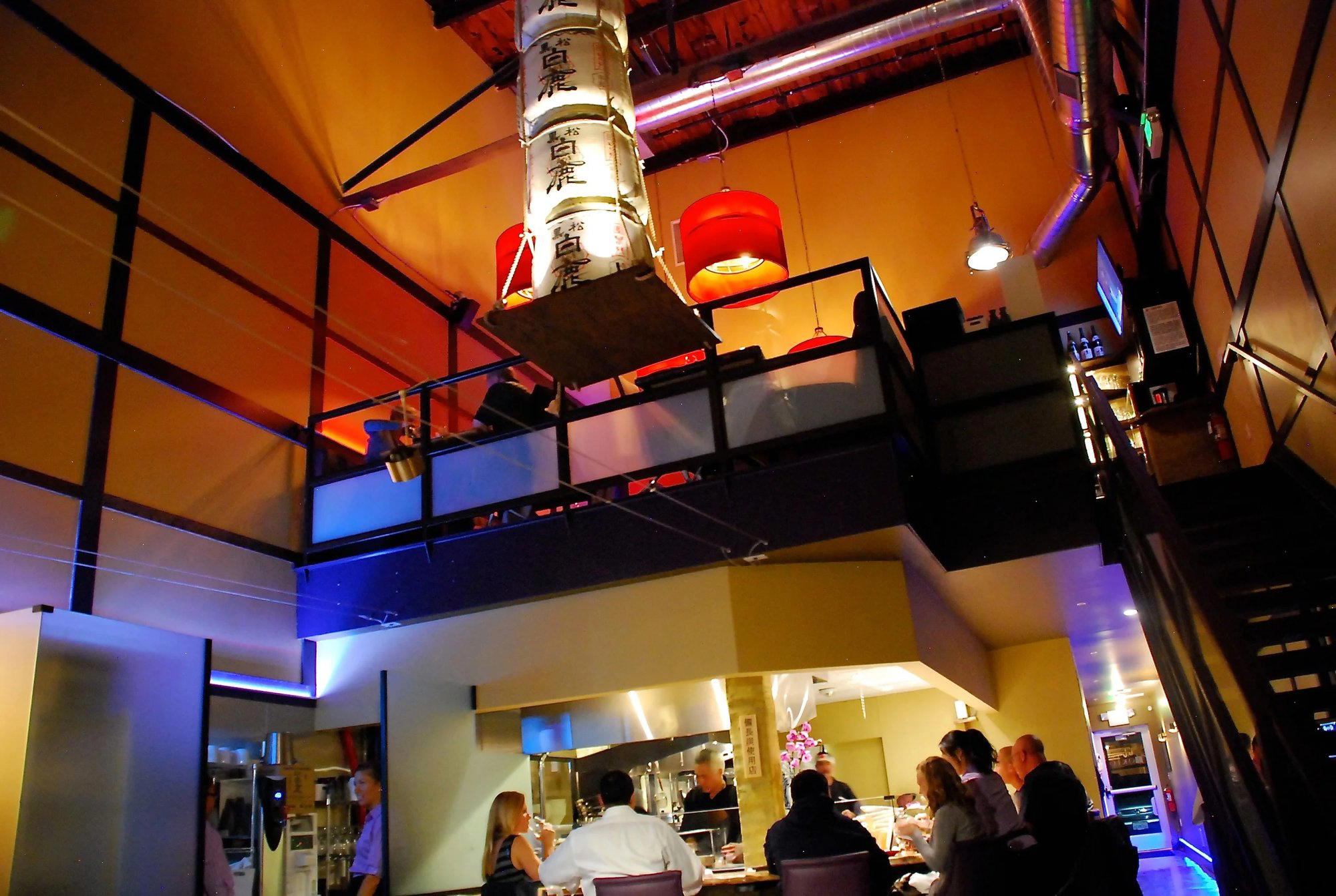
The Room That Earns Its Regulars
Denver's cocktail culture has been quietly maturing for the better part of a decade, sorting itself into two recognisable camps: the high-profile destination bars that attract tourists and first-timers, and the neighbourhood-anchored rooms that build their reputations over months of steady visits. TOKIO, tucked into a ground-floor suite at 2907 Huron Street in the RiNo Arts District, falls firmly into the second category. The address is not conspicuous; the entrance does not announce itself. That restraint is part of the point.
RiNo has been Denver's most active hospitality corridor for several years, cycling through a constant churn of openings and closures. The bars that endure in that environment tend to do so because of repeat business, not foot traffic, and that dynamic shapes what TOKIO has become. The clientele here is not made up of people passing through on the way to a show. They booked a seat, or they walked a specific route to get here, because they have been before and they know what they are coming back for.
What the Repeat Visit Reveals
There is a specific kind of bar literacy that develops after two or three visits to any serious room. You stop looking at the menu as a discovery document and start using it as a shorthand conversation with whoever is behind the stick. That shift is the real indicator of whether a bar has genuine depth or merely good opening material. TOKIO regulars appear to have made that transition. The bar's following in the RiNo area suggests a program with enough range and consistency to sustain it.
Denver's most durable cocktail rooms, including Williams & Graham on the north side of the city and Death & Co (Denver) in the RiNo precinct itself, share a particular characteristic: the program holds up under scrutiny from someone who has been drinking seriously for years. The competitive density in that corridor means any bar drawing a loyal crowd has had to earn that loyalty against capable alternatives. Ace Eat Serve and Yacht Club represent other registers of the same neighbourhood ambition, each with a defined point of view that keeps their respective regulars oriented.
TOKIO's Japanese inflection, signalled by the name, places it in a growing national conversation about how Japanese bar culture translates across American cities. The model has proven transferable in several markets: Kumiko in Chicago built one of the more carefully studied programs around that influence, and Bar Leather Apron in Honolulu operates in a geographic context where Japanese hospitality traditions carry additional local weight.
The Unwritten Menu
Every bar with a committed regular base eventually develops something beyond the printed program. It is the shorthand requests, the off-menu calls, the preference the bartender already knows before you sit down. That layer is impossible to document from the outside, but its existence is one of the clearest signals that a bar is operating at a level above simple execution. The bars with the deepest regular followings nationally, whether Jewel of the South in New Orleans, Julep in Houston, or ABV in San Francisco, all operate with that dual-layer structure: a public-facing program and a quieter, earned layer underneath.
For a room like TOKIO to hold a regular base in a neighbourhood as competitive as RiNo, the service relationship has to carry weight. The physical address, a suite-format space on Huron rather than a street-level bar with natural footfall, means the bar is not converting walk-ins into loyalty. The people returning are returning deliberately. That is a different kind of social contract than most bars in the area operate on, and it suggests a more concentrated version of the regular-bar dynamic.
Where TOKIO Sits in Denver's Drinking Map
The broader Denver cocktail scene now spans enough formats to be genuinely navigable. There are technically ambitious programs built around fermentation or low-intervention spirits, bars focused on regional American traditions, and rooms that sit closer to the Japanese kissaten-meets-cocktail-bar model that TOKIO appears to reference. Within that spread, TOKIO occupies the quieter, more considered end of the spectrum. It is not the room you go to for theatrical presentation or for a well-documented social moment. It is the room you go to because the drink is correct and the environment allows for an actual conversation.
Internationally, the archetype has precedents in places like The Parlour in Frankfurt and Superbueno in New York City, where the bar's identity is built around a specific reference point executed with focus rather than broad-appeal programming. The common thread is a room that asks something of its guest, even if only that they pay attention. TOKIO's position in RiNo makes the same implicit request.
For a more complete orientation to Denver's food and drink scene across neighbourhoods and formats, the full Denver restaurants guide covers the city's current range with the same critical framing.
Know Before You Go
Know Before You Go
- Address: 2907 Huron St #103, Denver, CO 80202
- Neighbourhood: RiNo Arts District
- Format: Cocktail bar with Japanese-influenced reference point
- Hours: Confirm current hours with the venue before visiting
At a Glance
| Venue | Cuisine | Price | Awards |
|---|---|---|---|
| TOKIOThis venue — the venue you are viewing | Not listed | $30–50 | Not listed |
| Death & Co (Denver) | Not listed | $50–100 | World's 50 Best #36 |
| Williams & Graham | Not listed | $30–50 | World's 50 Best #50 · Top 500 Bars Best Bars #352 |
| Yacht Club | Not listed | $20–30 | World's 50 Best #67 · James Beard Award Semi Finalist |
| Vaultaire | French-inspired small plates | $30–50 | Star Wine List |
| Keepers Cocktail Lounge | Cocktail lounge, small plates | Not listed | Not listed |
Continue exploring
More in Denver
Bars in Denver
All bars in Denver →
Restaurants in Denver
All restaurants in Denver →
Details
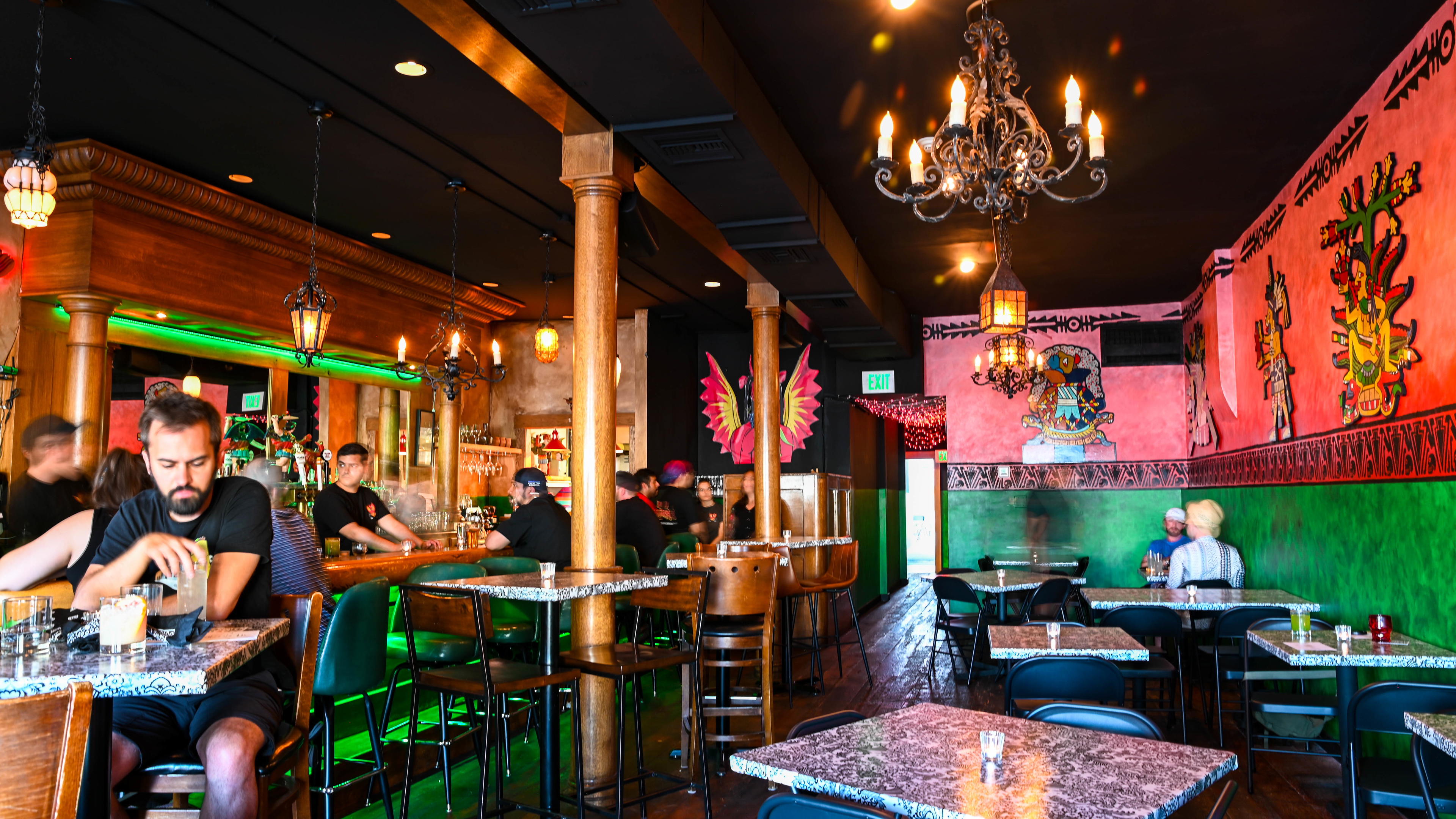
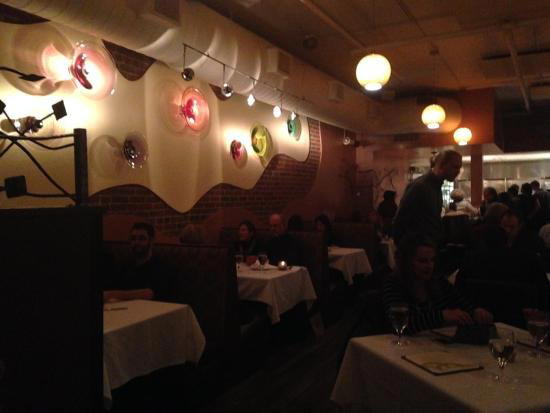
- Cozy
- Intimate
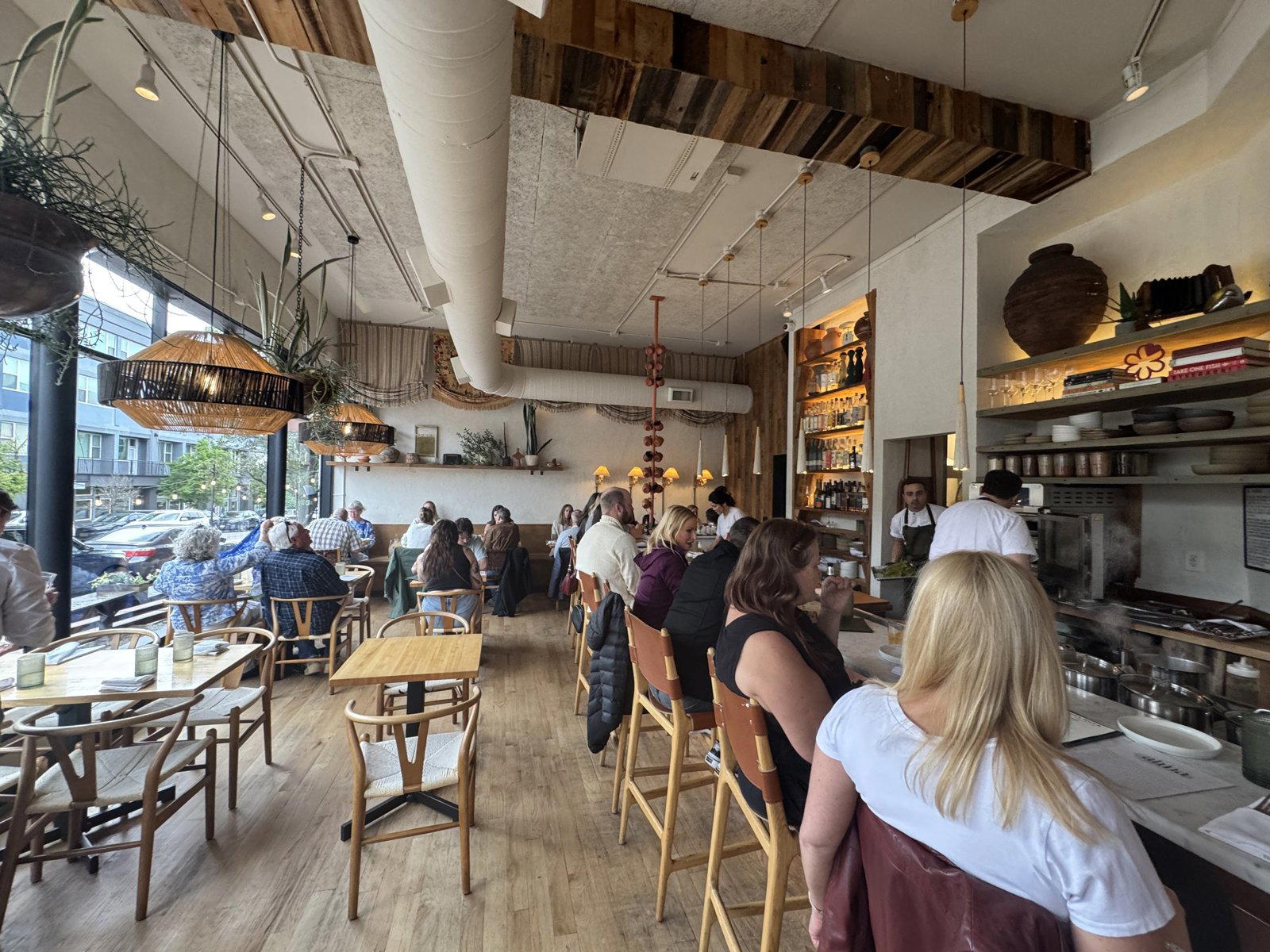
- Modern
- Date Night
- Casual Hangout
- Standalone
- Seated Bar
- Booth Seating
- Sake
- Whiskey
Current opening hours
- Monday
- 5 PM–12 AM
- Tuesday
- Closed
- Wednesday
- 5 PM–12 AM
- Thursday
- 5 PM–12 AM
- Friday
- 5 PM–12 AM
- Saturday
- 5 PM–12 AM
- Sunday
- 4–9 PM
Hours can change for holidays and private events. Last verified .