Carboy Winery Denver
A working urban winery on East 7th Avenue, Carboy brings Colorado grape-to-glass production into the heart of Denver's Capitol Hill corridor. For wine-curious visitors, it offers a different register than the state's mountain-appellation tasting rooms.
Pearl is the En Primeur Club membership app — saves, bookings, and concierge access live there. Same editors, same standards.
- Address
- 400 E 7th Ave, Denver, CO 80203
- Phone
- +1 720 617 9410
- Website
- carboywinery.com
- Directions
- Get directions
 Saves & bookings on Pearl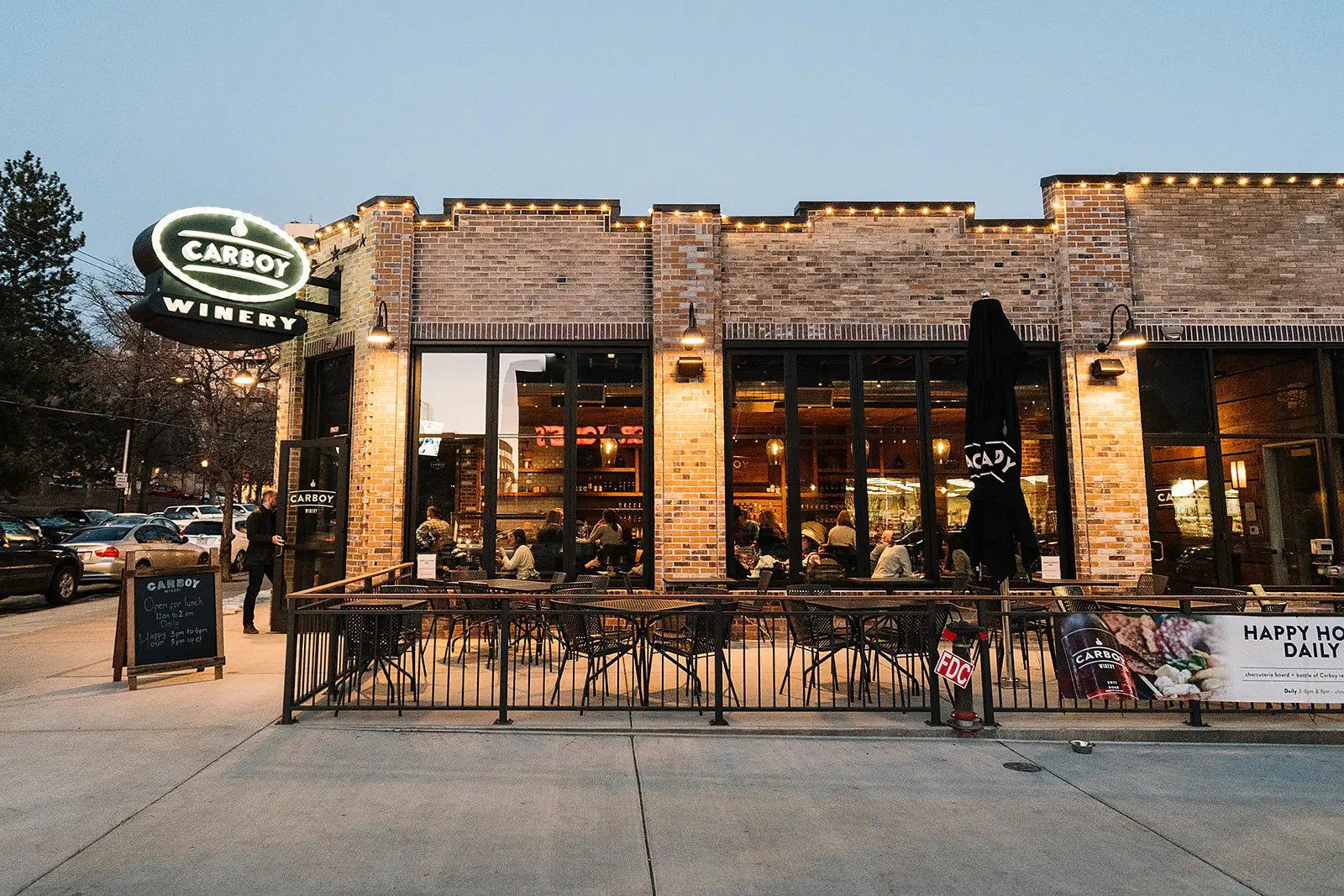
Urban Production in a State Known for Mountain Terroir
Colorado's wine identity has long been anchored to the Western Slope, where Grand Valley and the North Fork produce the Cabernet Franc, Merlot, and Riesling that give the state its appellation credibility. Denver, by contrast, has functioned as a consumption city, not a production one. Carboy Winery at 400 East 7th Avenue pushes against that pattern. Operating as a working urban winery within Capitol Hill, it belongs to a small national cohort of city-based producers who have separated the winemaking facility from the vineyard source, bringing fermentation tanks and barrel rooms into dense residential and commercial neighborhoods where foot traffic replaces the cellar-door drive.
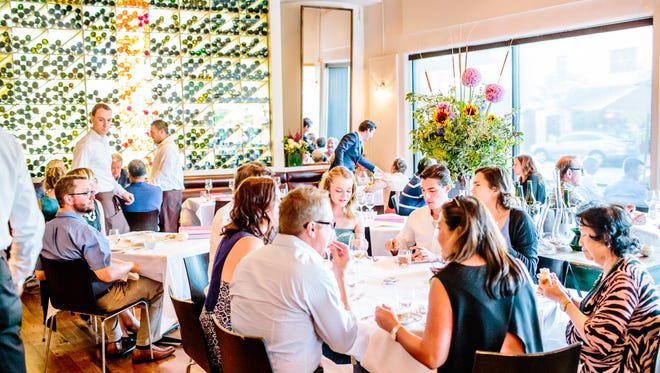
That format carries a specific logic. Urban wineries trade the pastoral setting for accessibility: a guest can walk in from a weeknight dinner reservation, watch wine in active production stages, and pour from barrels that were filled blocks from where they are sitting. The tradeoff is that the romance of the vineyard visit is absent. What replaces it is transparency, a kind of industrial honesty about what winemaking actually looks like when the vines are elsewhere and the craft is visible in real time.
The Collaboration Model Behind the Glass
The editorial angle that defines a venue like Carboy is not any single winemaker's biography but the team structure that urban winery formats tend to demand. Unlike a small estate winery where one figure often controls viticulture, cellar work, and hospitality, an urban production facility running a tasting room operation in a high-footfall city location requires tight coordination between the winemaking floor, the pour staff, and however the front-of-house manages the gap between production education and casual hospitality.
Denver's bar and hospitality scene has moved in recent years toward programs that reward that kind of floor-level knowledge sharing. Venues like Williams & Graham and Death & Co (Denver) have demonstrated that a technically literate front-of-house team changes the quality of the guest experience in ways that the product alone cannot. For a winery operating inside a city, that lesson applies directly: the person pouring a glass of estate-sourced Viognier needs to bridge the production floor and the hospitality counter without the guest feeling lectured or underserved.
That dynamic is what differentiates the better urban winery tasting rooms nationally. Comparable models in other cities, from ABV in San Francisco to the technically grounded programs at Kumiko in Chicago, show that when production knowledge flows into service culture, the experience becomes more than a retail pour. It becomes a point of view.
Capitol Hill as a Wine Destination
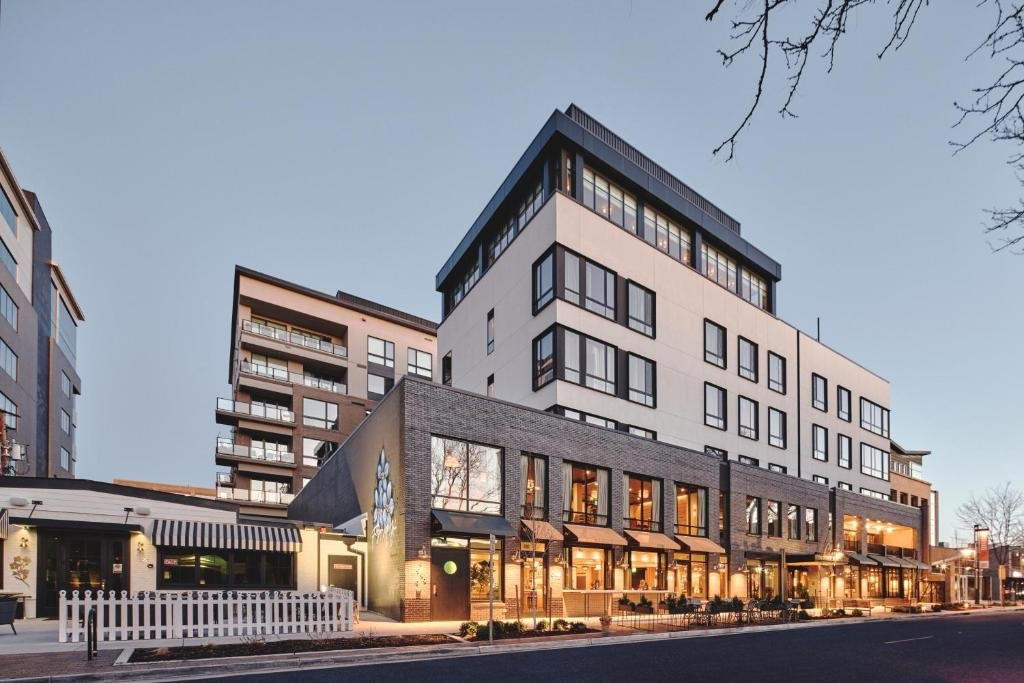
East 7th Avenue sits in a part of Denver that does not anchor itself to a single hospitality identity. Capitol Hill runs from Civic Center north and east, with a mix of older apartment stock, neighborhood restaurants, and a bar scene that skews local rather than destination-driven. Carboy's address at 400 East 7th places it near the corridor where the neighborhood transitions toward the Governors Park area, a stretch that has absorbed a range of food and drink operators over the past decade without developing the concentrated draw of the RiNo Arts District or the Larimer Street strip.
That positioning matters for how a visitor thinks about the visit. This is not a venue that benefits from a cluster effect, where you walk between three bars in the same block. The draw is the winery itself, which means the visit works well when treated as a destination rather than one stop in a crawl. For Denver visitors building a broader evening, pairing it with nearby operators or continuing toward the Capitol Hill cocktail scene makes sense. Yacht Club and Ace Eat Serve offer different registers within an accessible radius.
How Colorado's Urban Winery Tier Competes
Nationally, urban wineries occupy a mid-tier price position between the premium estate tasting room experience and the wine bar model that sources from external producers. The urban winery's competitive advantage is its production story: guests are paying in part for the visible process, not just the glass. That means the category rewards venues where the production and hospitality functions are genuinely integrated, not just adjacent.
Colorado has built enough appellation infrastructure on the Western Slope that a Denver-based urban winery can credibly source from well-regarded regional vineyards and translate that into a tasting room program that competes on provenance. The comparison set is not Napa or Willamette; it is the growing group of Rocky Mountain and high-altitude producers who have begun to attract serious wine attention. For context on how that category plays in other American hospitality markets, the programs at Jewel of the South in New Orleans and Julep in Houston show how regionally specific product storytelling can anchor a drinks program in cities not traditionally defined by production heritage.
Beyond the domestic comparison, the operational discipline required to run a credible urban winery has parallels in international markets. Venues like Bar Leather Apron in Honolulu, Superbueno in New York City, and The Parlour in Frankfurt on the Main all demonstrate that production-literate hospitality, where the team can explain what is in the glass from source to pour, creates a different quality of guest engagement than a standard by-the-glass program. Carboy's format positions it to deliver that register for Denver visitors.
For a fuller picture of the city's drinks and dining options, our full Denver restaurants guide maps the current scene across neighborhoods and formats.
Know Before You Go
Address: 400 E 7th Ave, Denver, CO 80203
Neighborhood: Capitol Hill, Denver
Format: Urban winery with on-site production and tasting room
Price range: Not confirmed; expect mid-tier tasting room pricing consistent with Colorado urban winery category
Leading for: Wine-curious visitors, Colorado appellation exploration, production-transparency formats
Getting there: Capitol Hill is accessible by RTD bus routes from downtown Denver; street parking available in the surrounding residential grid
Standing Among Peers
A small set of peers for context, based on recorded venue fields.
| Venue | Cuisine | Awards |
|---|---|---|
| Carboy Winery DenverThis venue — the venue you are viewing | Not listed | Not listed |
| Death & Co (Denver) | Not listed | World's 50 Best |
| Williams & Graham | Not listed | World's 50 Best |
| Yacht Club | Not listed | World's 50 Best |
| Vaultaire | French-inspired small plates | Not listed |
| Keepers Cocktail Lounge | Cocktail lounge, small plates | Not listed |
Continue exploring
More in Denver
Bars in Denver
Browse all →
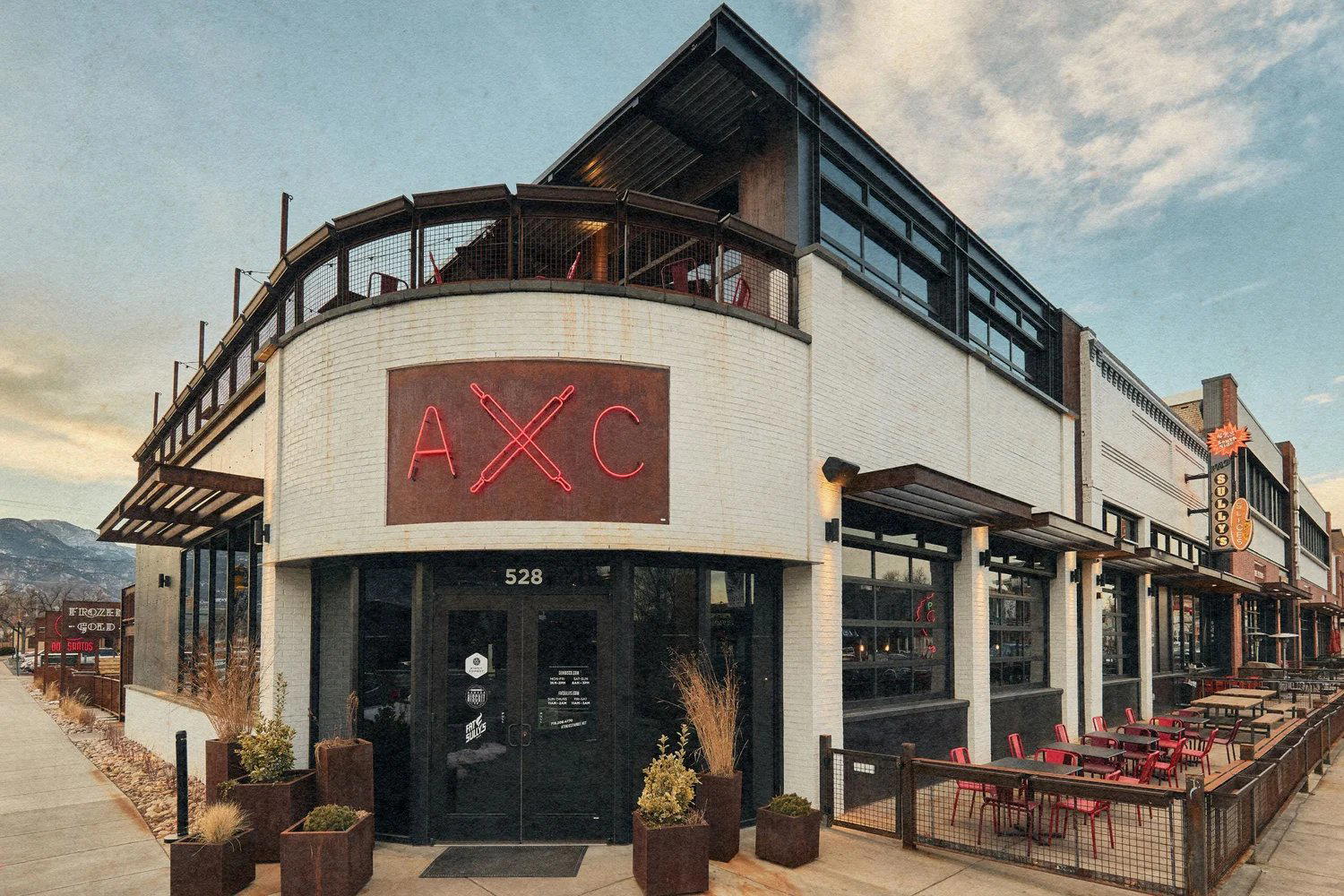
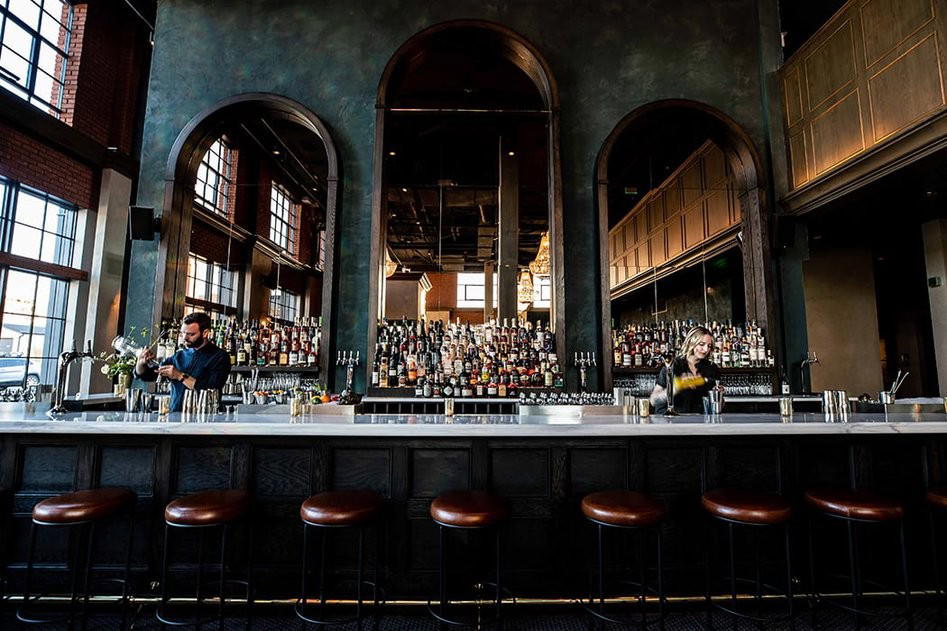
Restaurants in Denver
Browse all →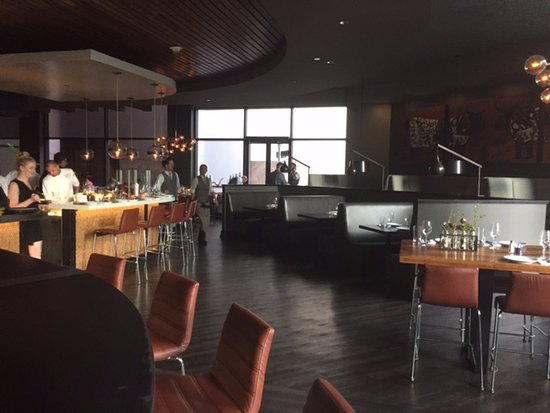
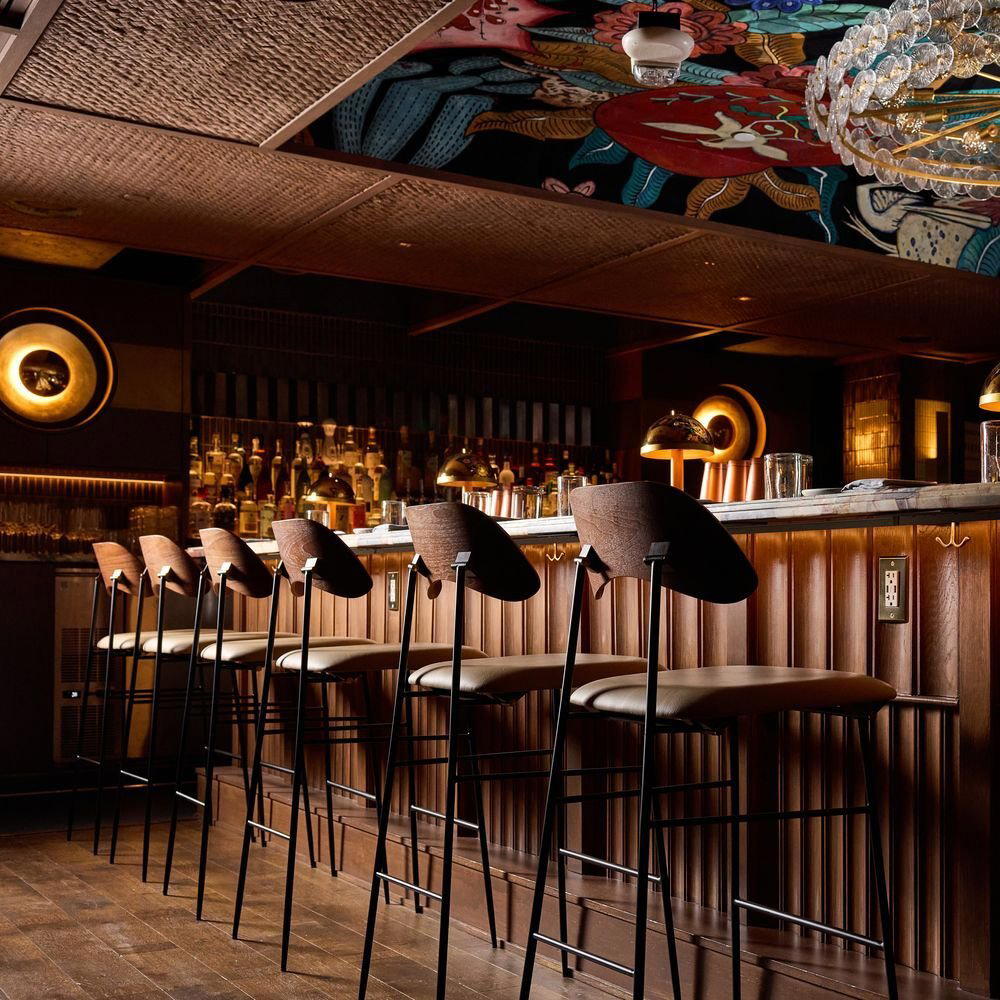
Hotels in Denver
Browse all →

At a Glance
- Sophisticated
- Rustic
- Cozy
- Date Night
- Casual Hangout
- Group Outing
- Celebration
- Courtyard
- Standalone
- Lounge Seating
- Outdoor Terrace
- Communal Tables
- Conventional Wine
Current opening hours
- Monday
- 3–10 PM
- Tuesday
- 3–10 PM
- Wednesday
- 3–10 PM
- Thursday
- 3–10 PM
- Friday
- 3–10 PM
- Saturday
- 12–10 PM
- Sunday
- 12–8 PM
Hours can change for holidays and private events. Last verified .
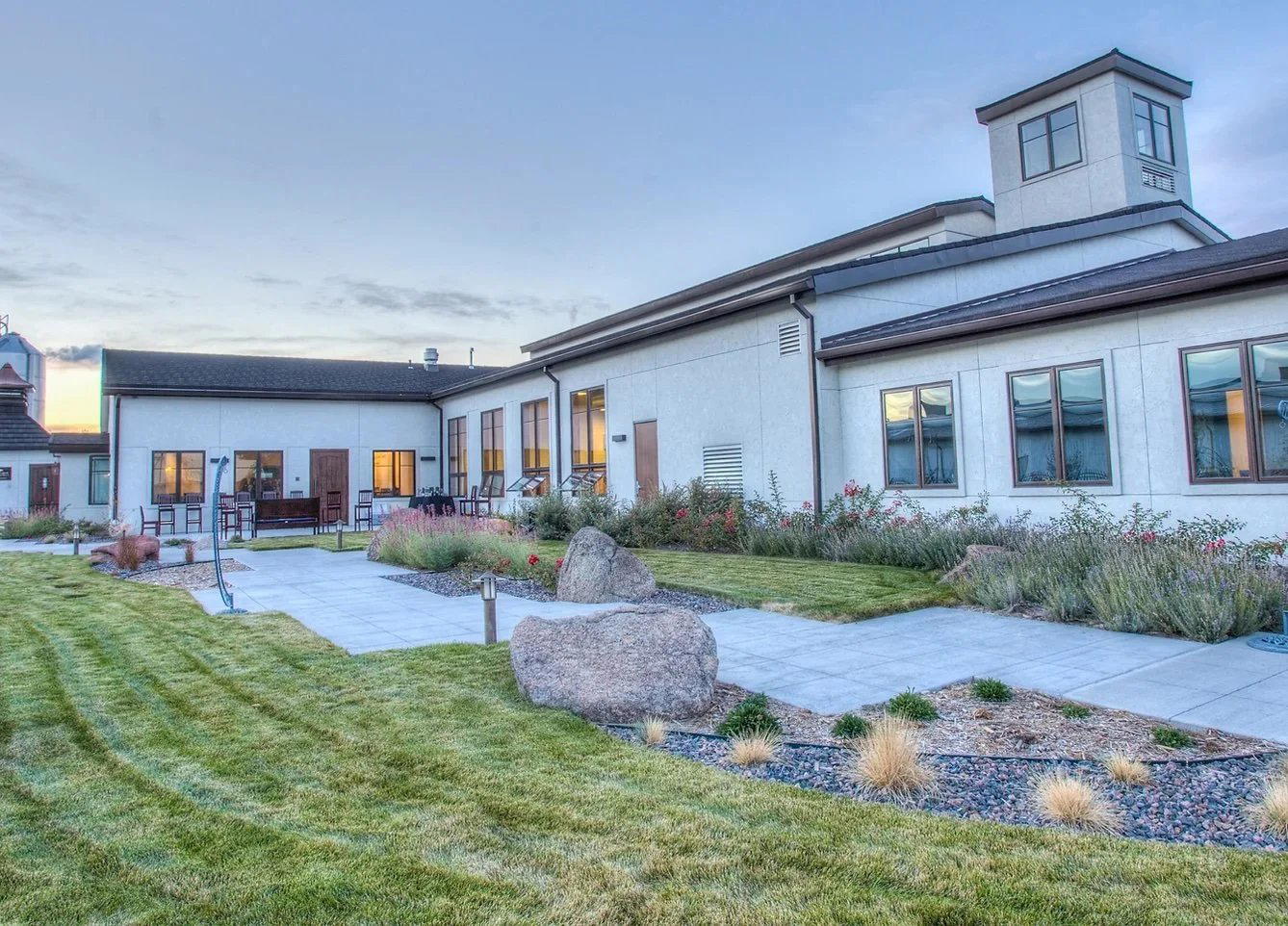
Urban sophistication with versatile indoor and outdoor spaces including a beautiful courtyard and spacious patio.
Know Before You Go
- Getting there
- 400 E 7th Ave, Denver, CO 80203