The Sourcing Argument Behind the Smoke
American barbecue is, at its structural core, a cuisine of transformation: raw, often secondary cuts of meat subjected to sustained low heat until connective tissue dissolves and fat renders into something altogether different from what it was. What separates the operators who take that process seriously from those who treat it as volume food service is largely a question of sourcing. The quality of the animal, the specificity of the feed and breed, and the traceability of the supply chain all register in the final product in ways that are not easily masked by sauce or seasoning.
In Colorado, this argument carries particular weight. The state sits within reach of some of the most credible ranch-to-table beef supply chains in the country, with producers across the Front Range and eastern plains working to differentiation standards that exceed commodity pricing. A barbecue operation that takes its sourcing seriously in this geography is working with a genuine material advantage over operators sourcing from undifferentiated national distributors. The smoke and the time are still required, but they are working with better raw material from the start.
This matters beyond the abstract. In Texas, the canonical reference point for serious American barbecue, the conversation around sourcing has intensified over the past decade as the top tier of the craft has moved toward named ranches and specified breeds. Denver's better barbecue operators are tracking a similar progression, and the question of where the brisket, the ribs, and the pork shoulder come from has become as relevant to quality evaluation as technique or wood choice.
RiNo as a Culinary Ecosystem
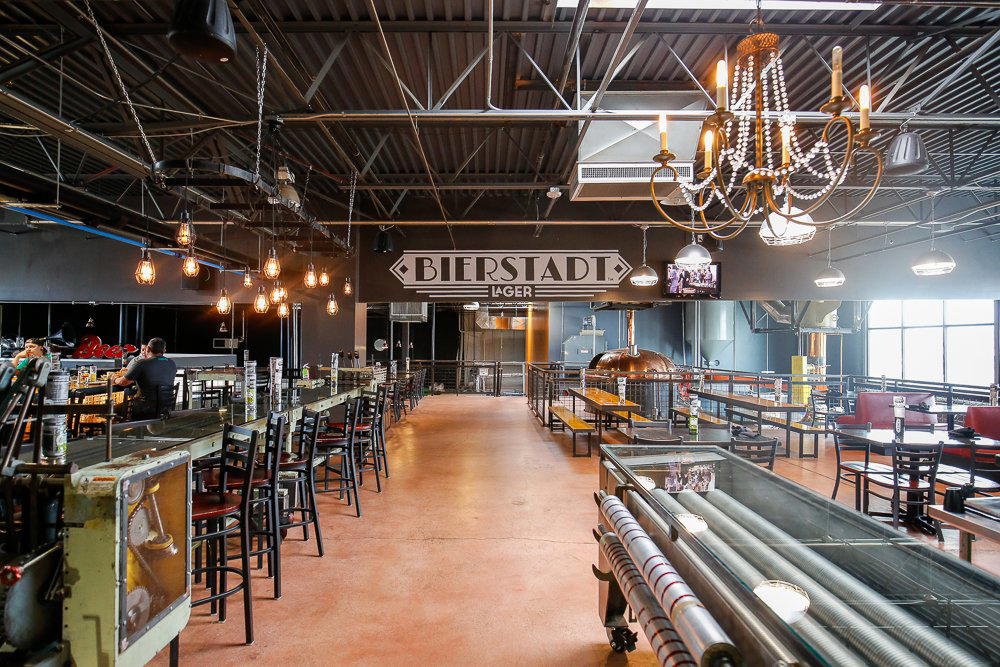
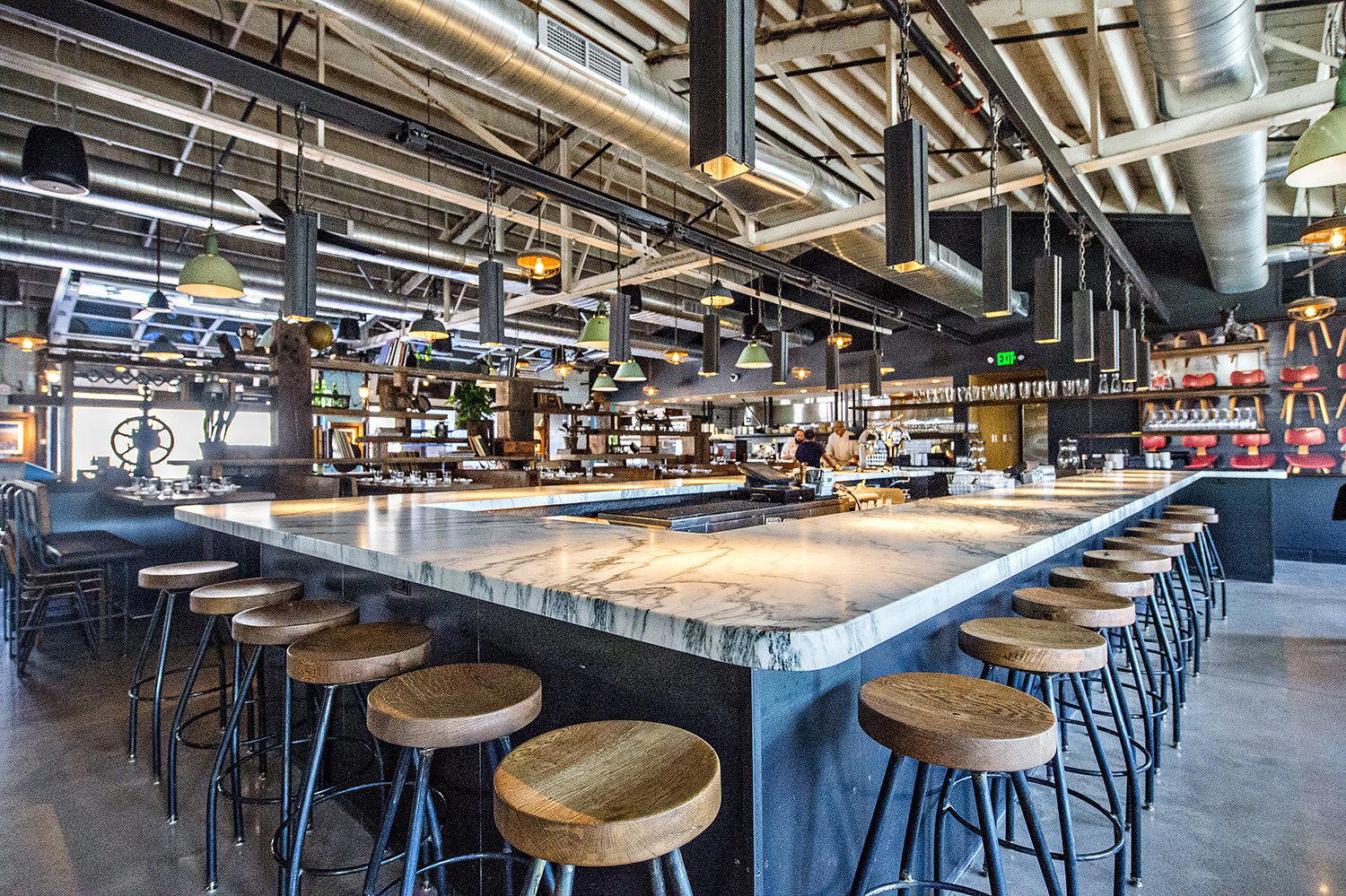
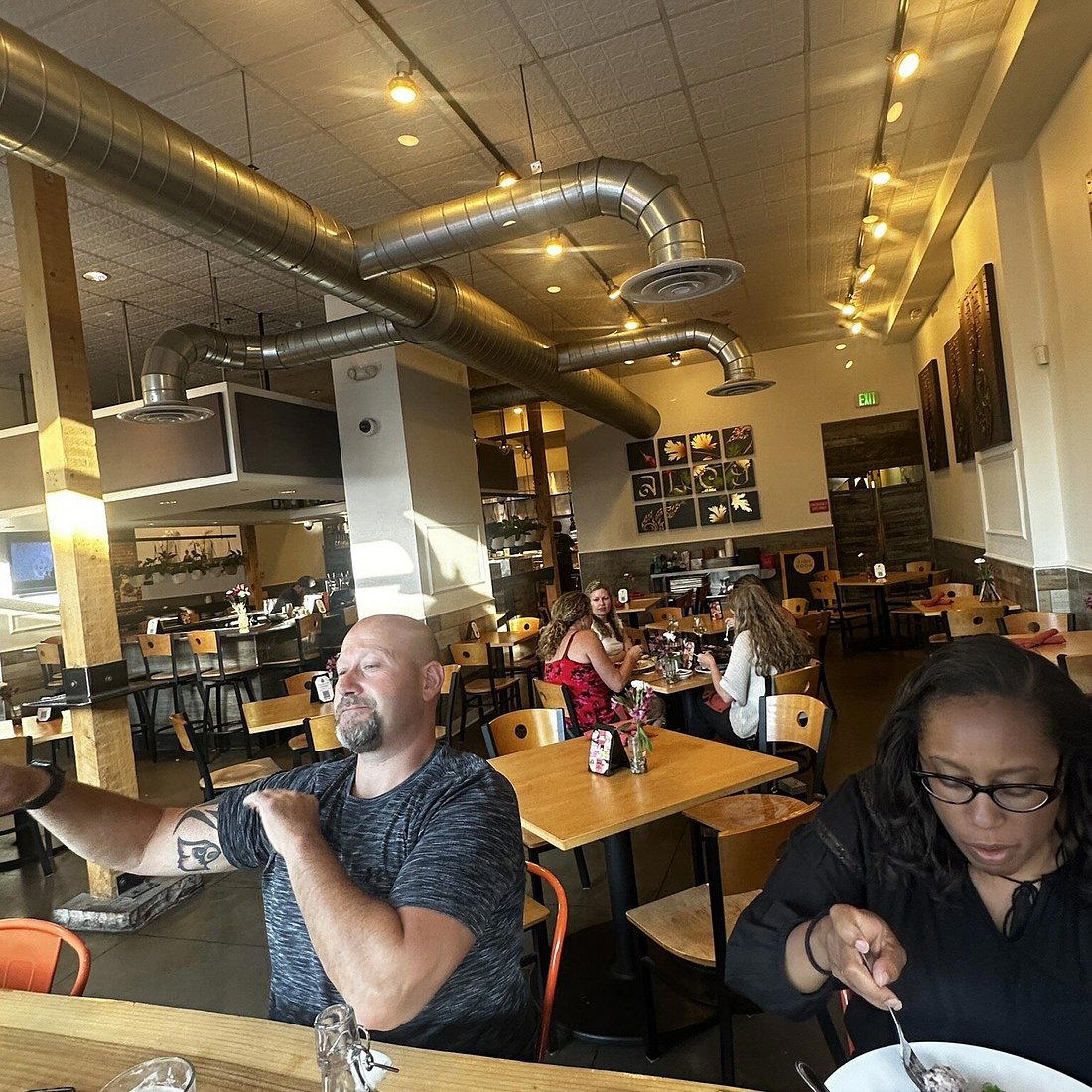
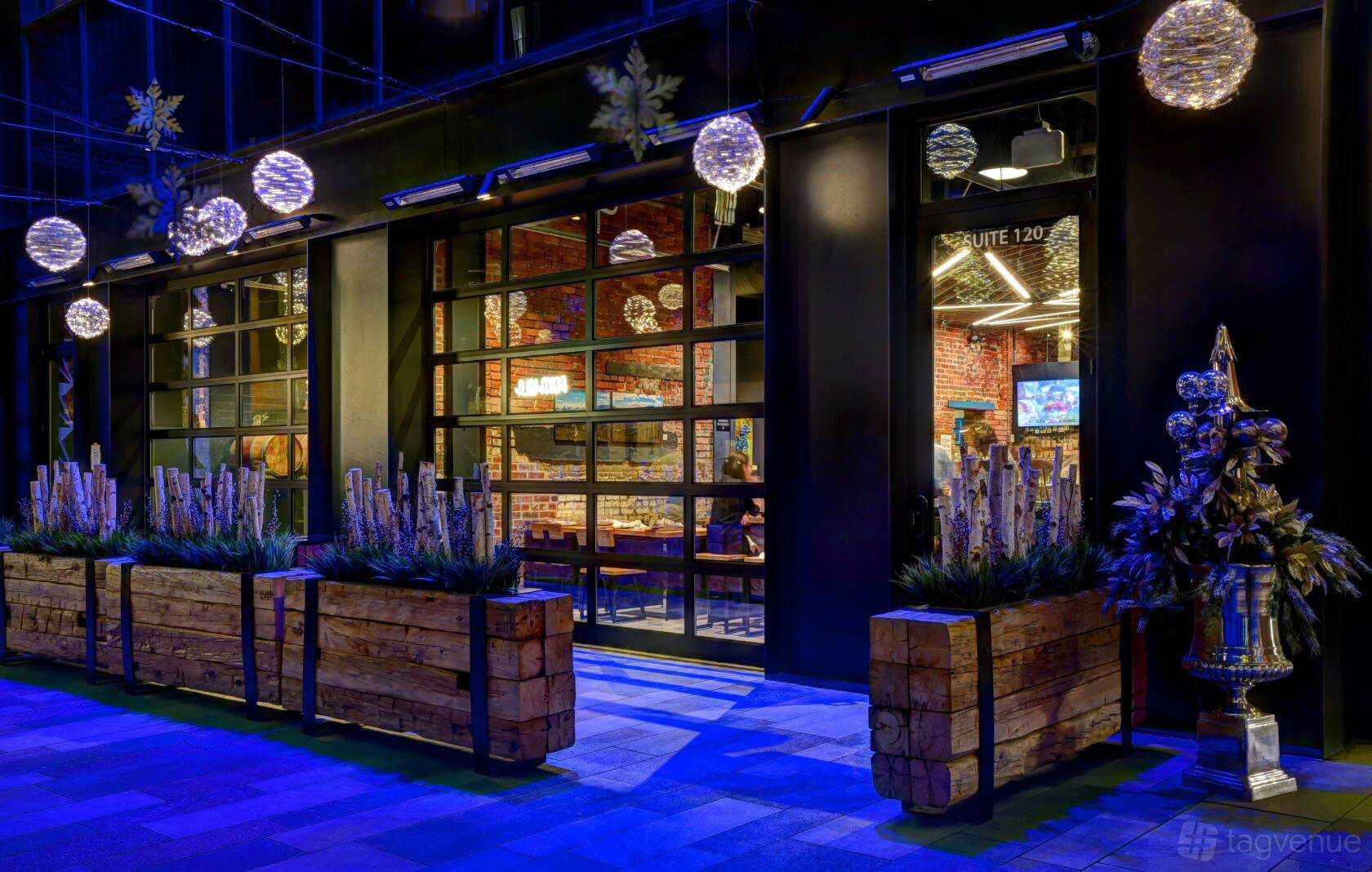
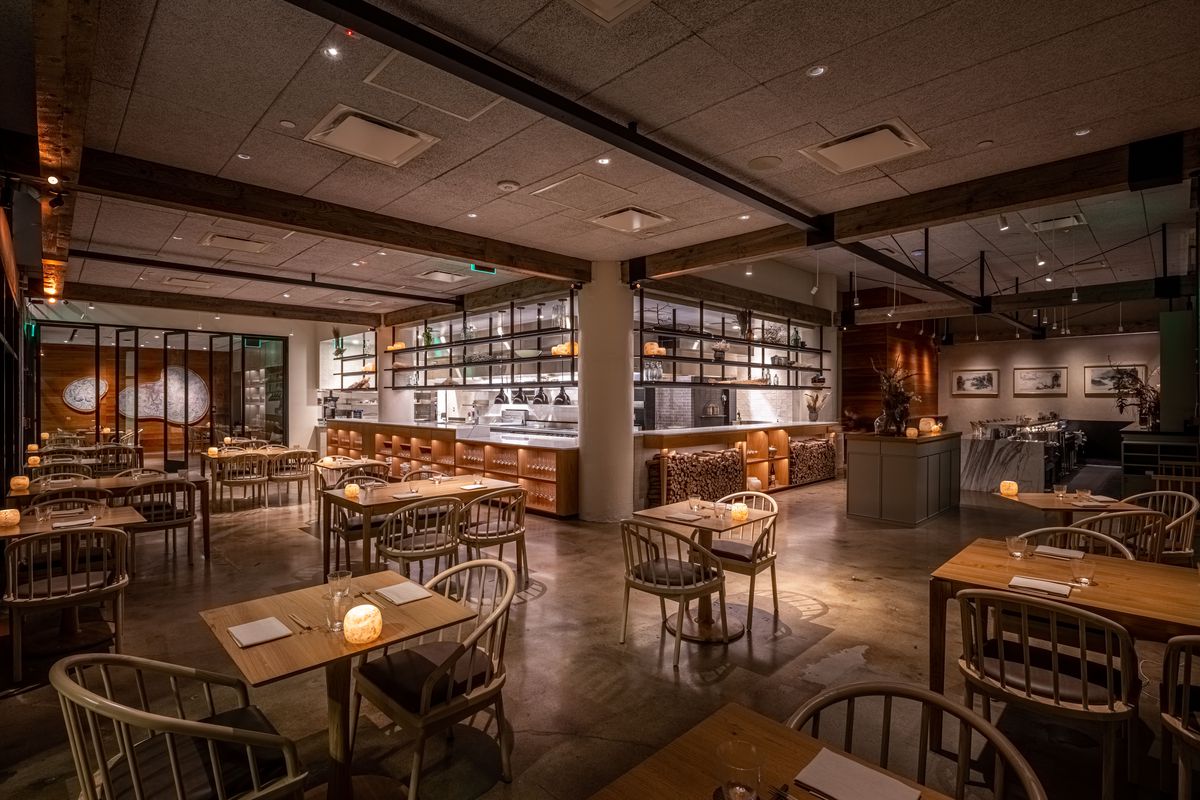
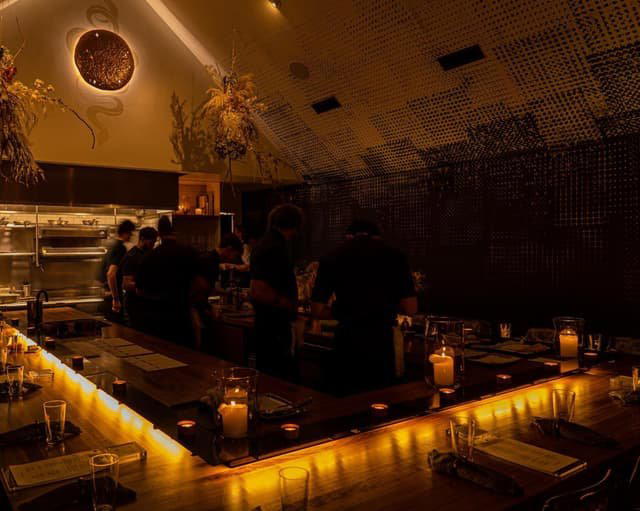
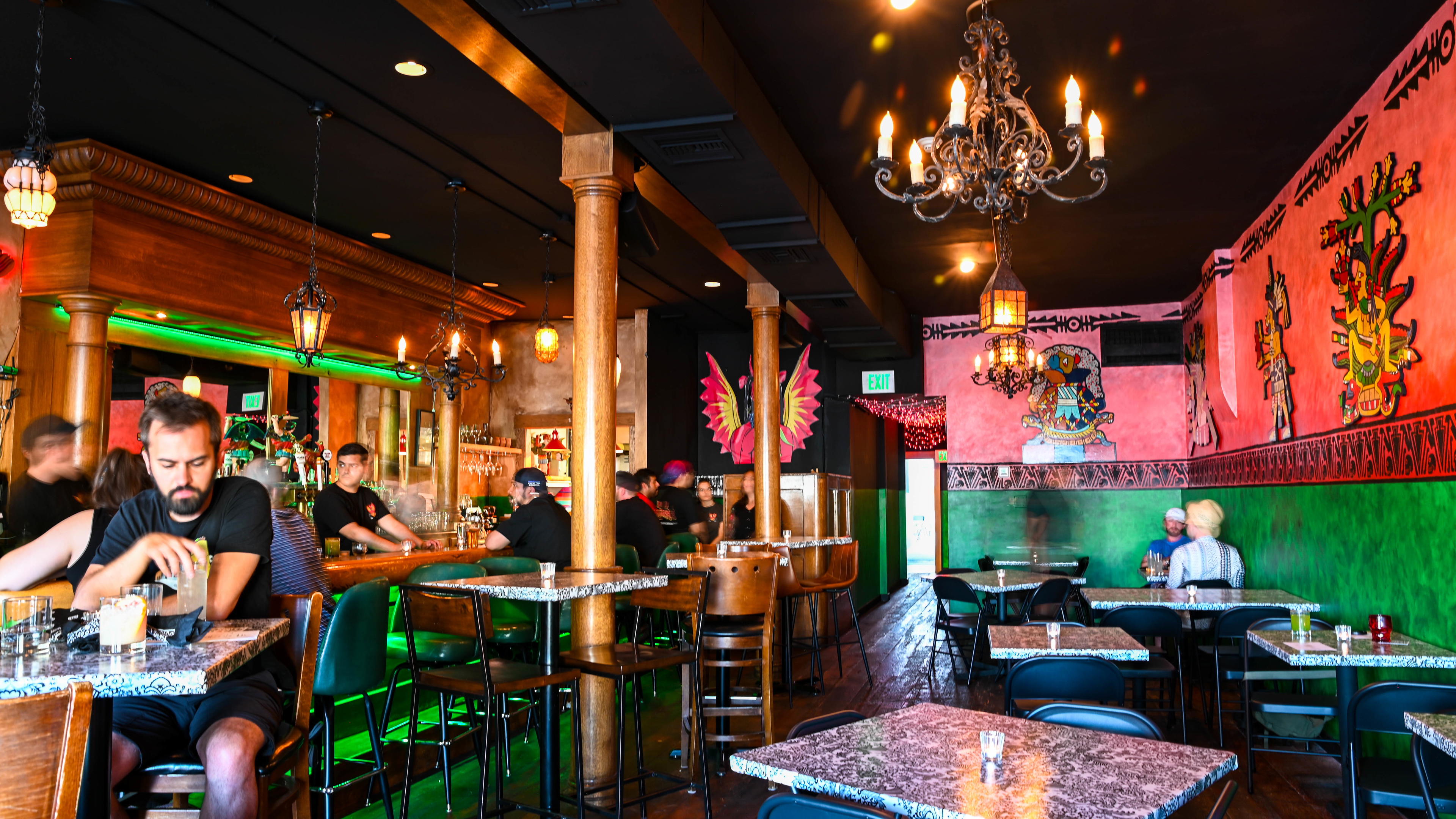
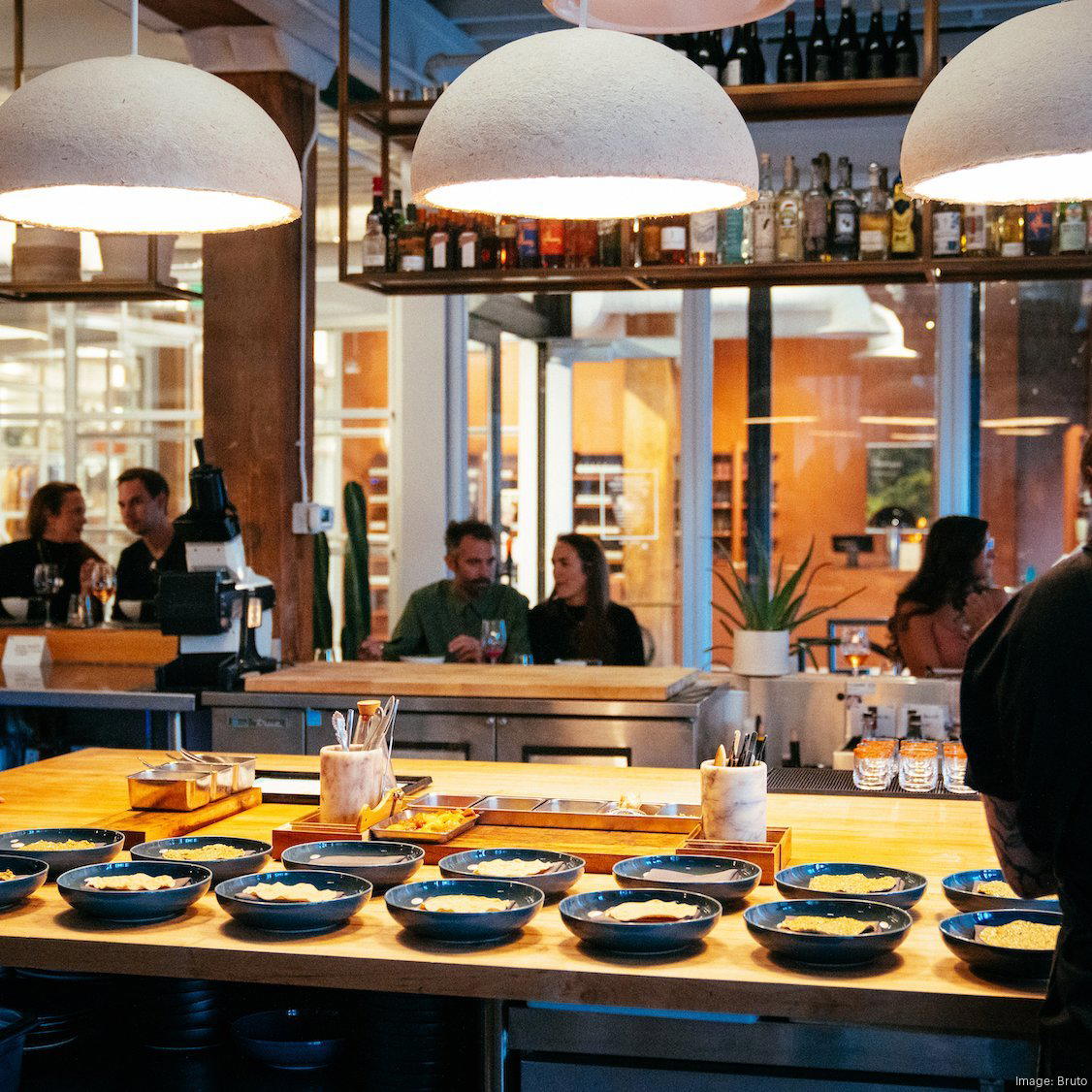
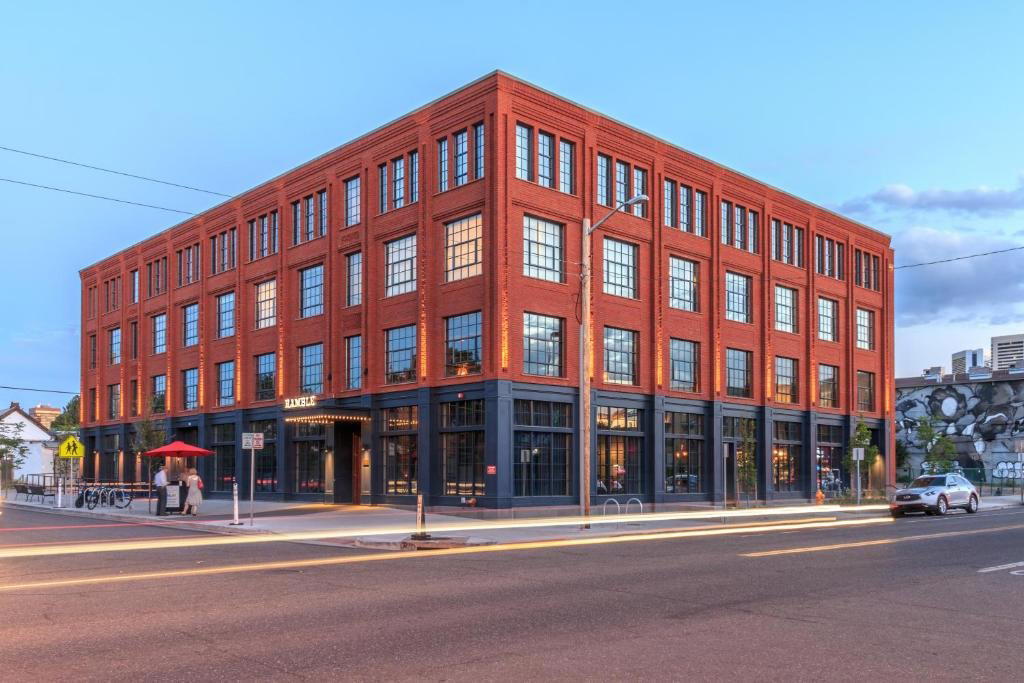
The RiNo corridor has developed a density of independent food and drink operators that functions less like a restaurant row and more like a culinary district with its own internal logic. Venues here tend to occupy industrial or converted warehouse spaces, which permits larger footprints and open kitchen configurations that would be economically unfeasible in Denver's more established dining neighborhoods. That physical format is particularly well-suited to barbecue, which requires substantial equipment, high-volume smoke management, and the kind of back-of-house infrastructure that a nineteenth-century Victorian storefront simply cannot accommodate.
The neighborhood's evolution has also brought a customer base that is both curious and experienced. RiNo diners tend to have enough reference points to evaluate what they are eating, which raises the stakes for operators and filters out mediocrity over time. A barbecue program that survives in this environment is doing something right, and that competitive pressure is part of what has pushed Denver's live-fire scene toward greater seriousness over the past several years.
Barbecue in the Mountain West Context
Denver occupies an interesting position in the national barbecue conversation. It is not a canonical regional barbecue city in the way that Austin, Kansas City, or Memphis carry generational identity. That absence of fixed tradition is, paradoxically, a kind of freedom. Denver operators are not obligated to defend a regional orthodoxy, which means the city's barbecue scene can draw from multiple traditions simultaneously: the oak-smoked brisket discipline of Central Texas, the vinegar-forward pulled pork of the Carolinas, the rib preparations of Kansas City, and the increasingly visible influence of South American asado and open-fire cooking that the region's Latin American population has brought into the mainstream.
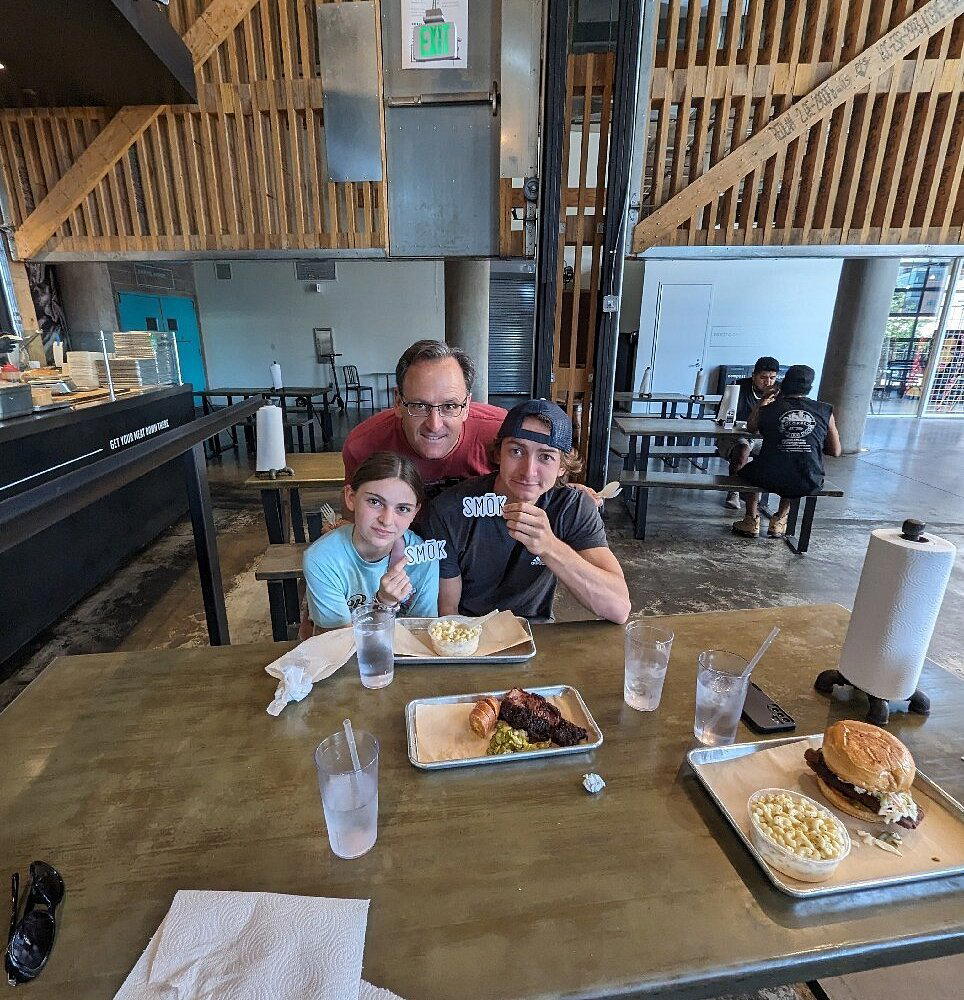
Smok sits within that context, operating at a moment when Denver diners are sophisticated enough to understand the distinctions between these traditions and engaged enough to seek out operators who execute with precision rather than approximation. For readers building a broader sense of what serious barbecue and live-fire cooking look like across American cities, it is worth mapping Denver's emerging scene against analogues elsewhere. Cocktail and culinary culture in cities like Houston, where Julep has built its reputation on regional specificity, or Chicago, where Kumiko demonstrates how deliberate sourcing and technique can coexist in an independent format, offers useful comparative framing. The pattern that emerges across these cities is consistent: independent operators with a clear point of view on materials and process are building more durable reputations than high-volume, concept-driven competitors.
Further afield, cities that have developed strong independent dining identities, from Honolulu's Bar Leather Apron to New Orleans' Jewel of the South, New York's Superbueno, San Francisco's ABV, and Frankfurt's The Parlour, share a structural quality with Denver's emerging operators: they are places built around a specific competency rather than a broad appeal to the widest possible audience.
Know Before You Go
Planning Details
- Address: 3330 Brighton Blvd #202, Denver, CO 80216
- Neighborhood: RiNo Arts District, Denver
- Reservations: Walk-in friendly
- Hours: Mon: 7:30 AM-8 PM; Tue: 7:30 AM-8 PM; Wed: 7:30 AM-8 PM; Thu: 7:30 AM-9 PM; Fri: 7:30 AM-10 PM; Sat: 7:30 AM-10 PM; Sun: 7:30 AM-9 PM
- Price range: About $25 per person
 Discover on Pearl