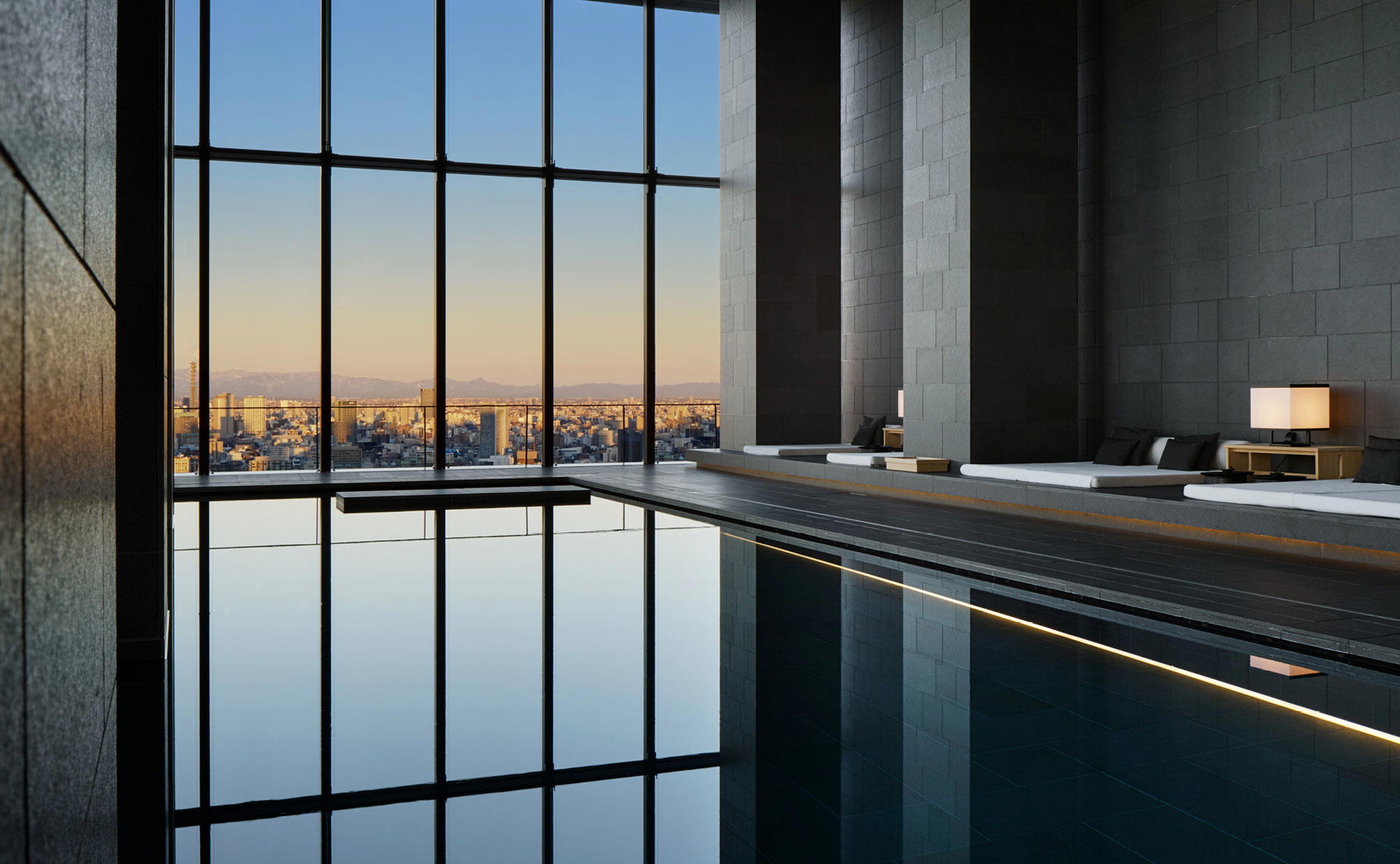
Tokyo occupies the upper floors of Marunouchi Trust Tower Main in Chiyoda, positioning it among the city's most address-conscious luxury hotels. The hotel sits at the intersection of Tokyo Station's business district and the Imperial Palace grounds, making it a reference point for both corporate travelers and those seeking the city's more formal end of hospitality. Daytime and evening service operate at notably different registers here.
Pearl is the En Primeur Club membership app — saves, bookings, and concierge access live there. Same editors, same standards.
- Address
- MARUNOUCHI TRUST TOWER MAIN, 1 Chome-8-3 Marunouchi, Chiyoda City, Tokyo 100-8283, Japan
- Phone
- +81 3 6739 7888
- Website
- shangri-la.com
- Directions
- Get directions
 Saves & bookings on Pearl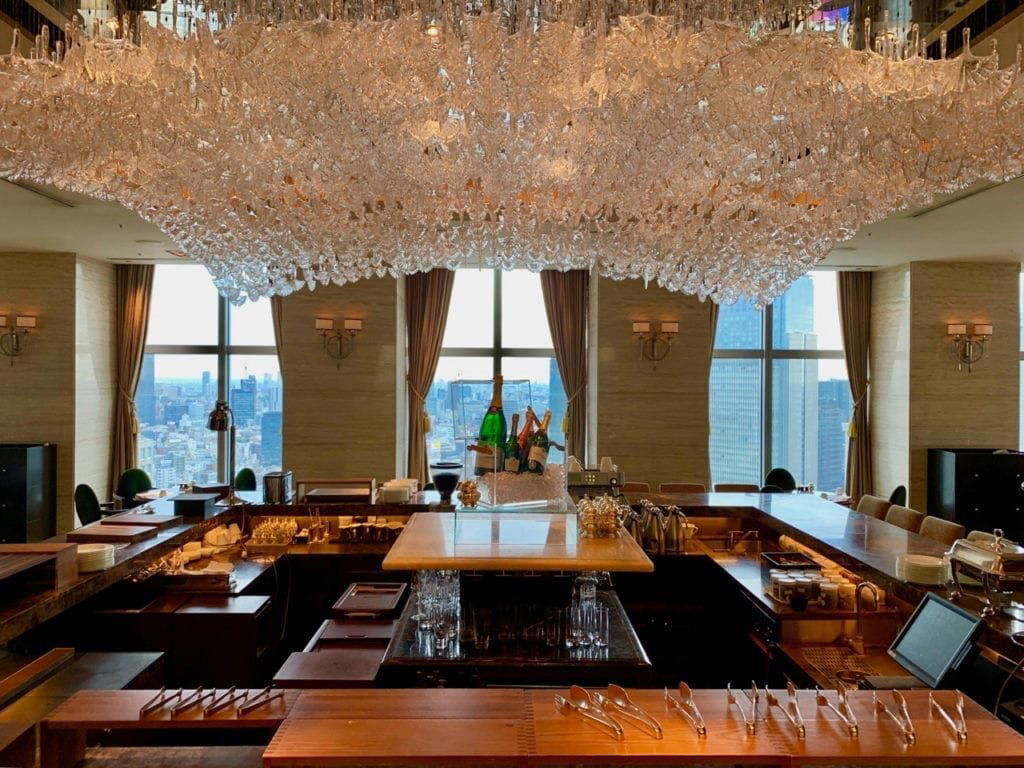
Where Marunouchi's Skyline Meets the Hotel Floor
Tokyo's hotel district has long divided between two gravitational poles: the Shinjuku high-rise corridor to the west and the Marunouchi-Hibiya belt that wraps around Tokyo Station and the Imperial Palace moat to the east. Tokyo sits firmly in the latter, occupying the 28th floor and above of Marunouchi Trust Tower Main at 1 Chome-8-3 Marunouchi, Chiyoda. That address is not incidental. The Marunouchi side of Tokyo Station has been systematically redeveloped since the early 2000s into one of Asia's more concentrated clusters of corporate headquarters, private banking offices, and premium hospitality. A hotel positioned here is making a statement about its intended guest, and its pricing strategy.
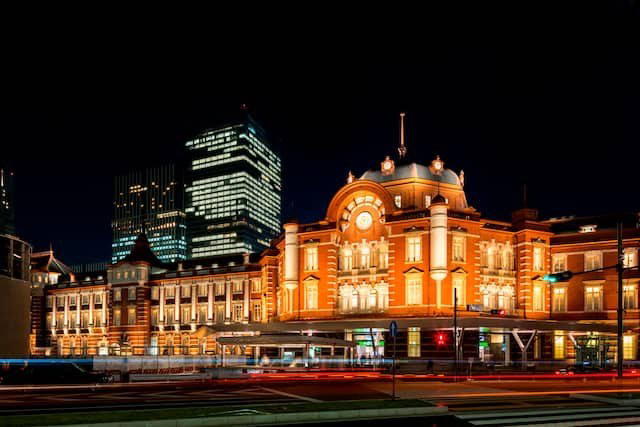
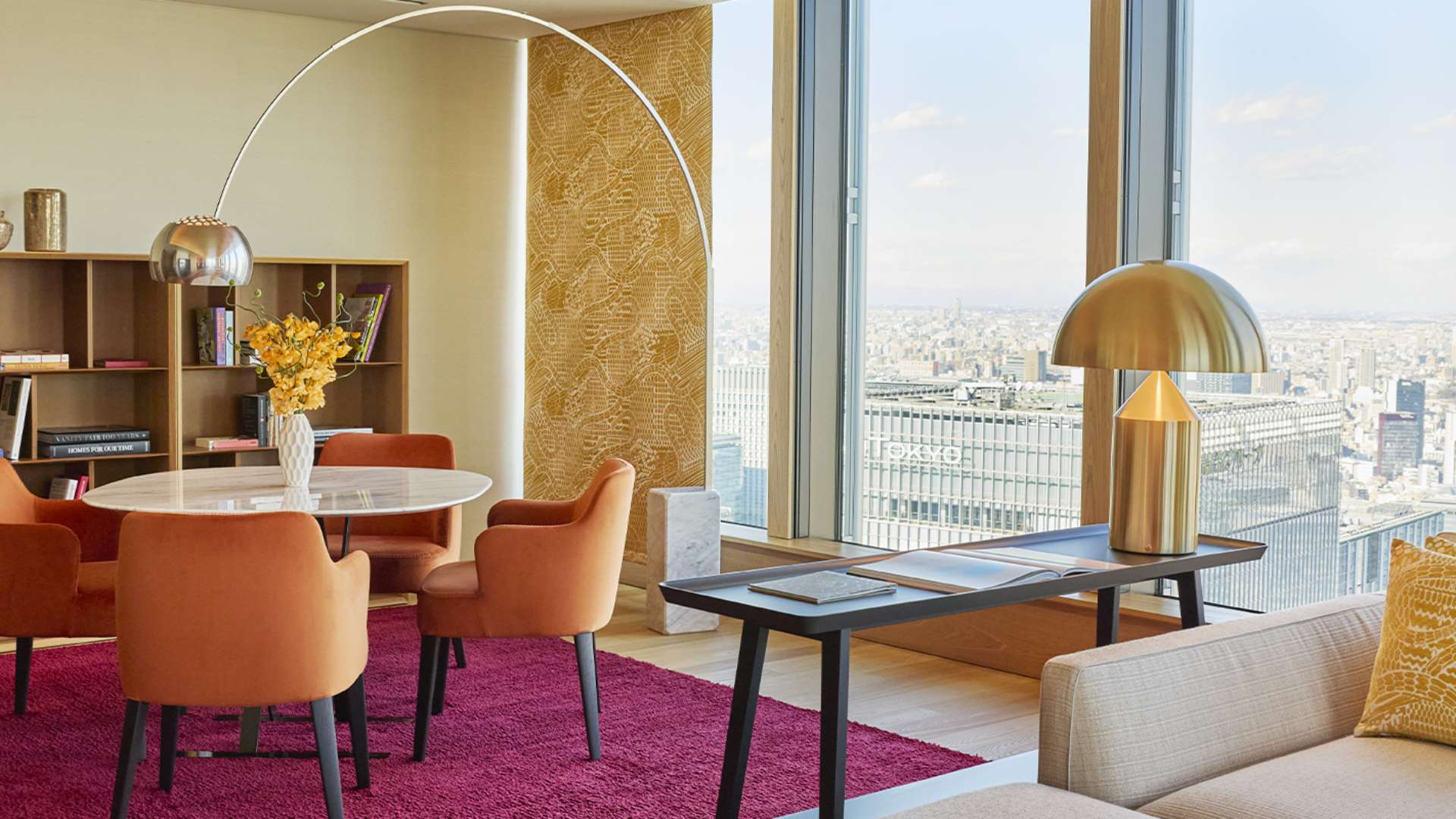
Approaching the tower from the station's Marunouchi South Exit, the building reads as a mid-2000s corporate tower, unremarkable from street level. The hotel experience begins in the elevator lobby, where altitude and city panorama do the work that a dramatic entrance might elsewhere. By the time guests reach the check-in floor, the palace grounds and Tokyo Bay stretch in opposing directions across the skyline. That spatial relationship, city at a remove, Imperial Palace greenery at middle distance, is one of the reasons this address has held its premium positioning against newer entrants in the Toranomon and Azabudai corridors.
Lunch and Dinner: Two Different Hotels
Lunch at properties in the 's tier tends to draw a recognizably different crowd: deal-lunch regulars from nearby financial offices, weekend set-menu visitors who use the midday format as a more accessible entry point, and hotel guests making use of included or heavily subsidized daytime dining. The formality drops perceptibly between noon and two; tables turn faster, wine service is lighter, and the kitchen often runs shorter, more focused menus designed for a 75-minute meal rather than a two-hour evening arc.
Dinner at properties of this class in Marunouchi shifts the room. The corporate lunch crowd is replaced by celebratory tables, anniversaries, milestone dinners, inbound business guests being entertained, and the pace lengthens accordingly. Dress codes, while rarely enforced strictly at international luxury hotels in Tokyo, are observed more carefully in the evening without prompting. For visitors deciding when to make a reservation, the practical upshot is direct: if the meal is the event, the evening service carries the appropriate atmosphere; if the goal is the view and the kitchen at lower cost, the lunch format is the sharper booking.
This is a structural feature of the segment, not a criticism of any individual property.
The Marunouchi Hotel Tier: Context and Competitors
Each has a distinct positioning. The Palace Hotel pitches toward Japanese ultra-high-net-worth guests and long-term relationship banking; the Four Seasons Marunouchi is a boutique format (57 rooms) aimed at a traveler who values intimacy over amenity breadth; the Tokyo Station Hotel occupies a heritage building and trades partly on that architectural identity. 's positioning in this set is the international brand with a strong Asia-Pacific loyalty base and the largest footprint among the cluster, relevant for frequent travelers who move across the network between Tokyo, Hong Kong, Singapore, and Shanghai.
That regional network logic matters more at this property than at some competitors. The guest arriving from Singapore or Hong Kong who holds Golden Circle status is working inside a familiar system. The first-time Tokyo visitor choosing on pure room-quality grounds might find the Palace Hotel or the Four Seasons Marunouchi comparably priced and more distinctively Japanese in character. The 's strength is its consistency across markets, which is a real advantage or a mild limitation depending on what you're after.
Neighbourhood and Practical Orientation
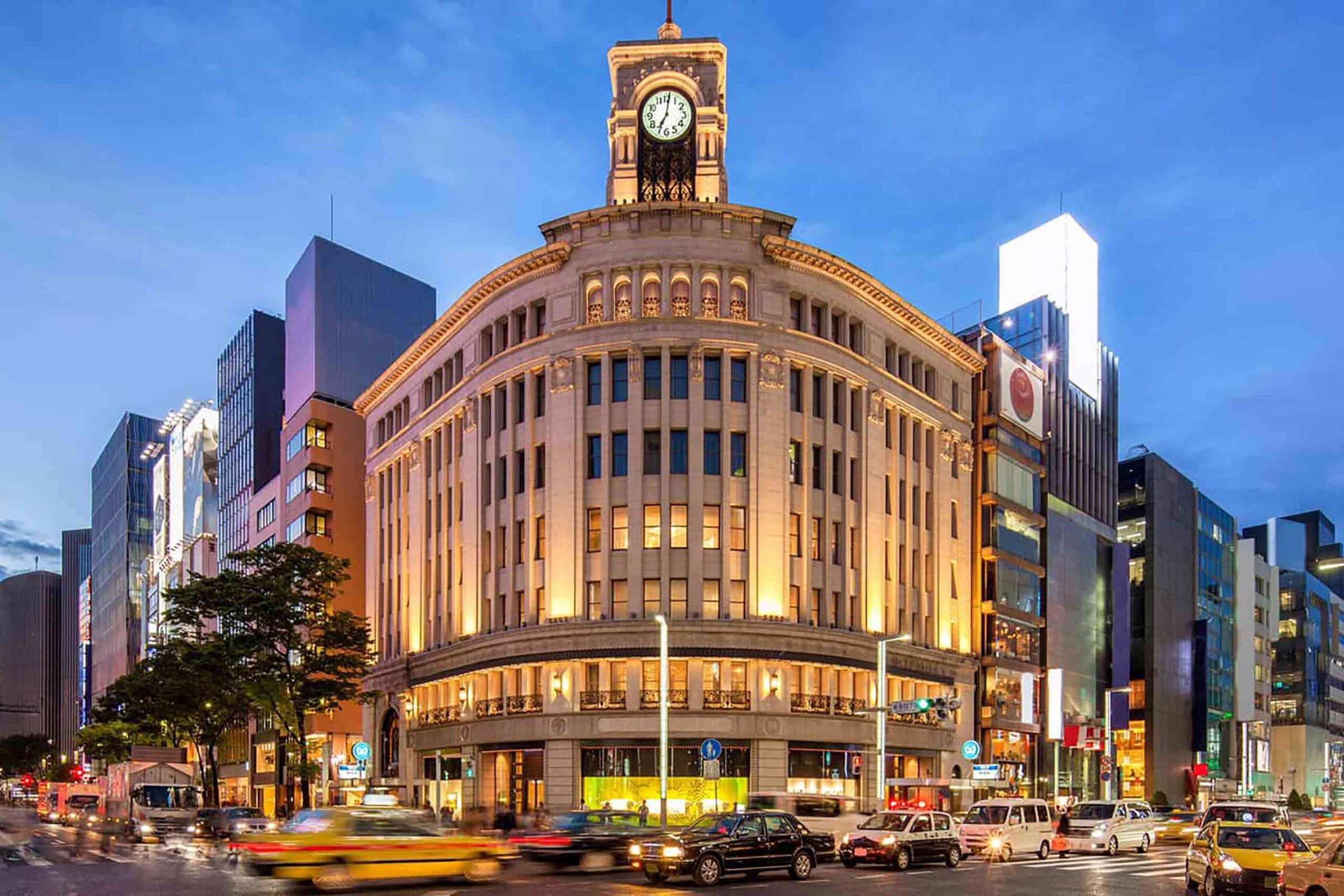
Chiyoda's Marunouchi district is not a neighborhood in the residential sense. It empties considerably on weekends, the office buildings that surround the hotel generate most of the weekday foot traffic, and Saturday evenings produce a noticeably quieter street-level environment than Friday nights. For guests who want access to Tokyo's more animated dining and bar scenes, the hotel's position requires a short transit move. Ginza, where some of Tokyo's most accomplished cocktail programs operate, is a five-minute cab ride south. Bar Orchard Ginza and the more intimate counter at Bar High Five both sit within that Ginza radius and represent the city's high-craft cocktail tradition at its most disciplined.
For guests willing to move slightly further, Shinjuku hosts Bar Benfiddich, which occupies a different tier of Tokyo's bar scene entirely, a single-operator format built around homemade bitters and foraged botanicals that has drawn international attention for years. Bar Libre rounds out a different end of the spectrum for guests interested in Tokyo's more experimental formats. These venues are leading treated as evening extensions of a hotel stay rather than walkable adjacencies, Tokyo's bar culture rewards deliberate planning over spontaneous wandering.
Bar Nayuta in Osaka and anchovy butter in Osaka Shi represent the Kansai bar scene's contrasting registers. In Kyoto, Bee's Knees and the retail-dining hybrid format at Kyoto Tower Sando serve a visitor demographic that overlaps heavily with guests at Tokyo's premium hotels. Lamp Bar in Nara, Yakoboku in Kumamoto, and Bar Leather Apron in Honolulu extend the reference set for travelers moving across the broader Pacific circuit.
Planning a Stay: What to Know in Advance
The hotel's location inside Marunouchi Trust Tower Main means access is through a corporate lobby structure, not unusual for Tokyo's vertically integrated luxury properties, but worth knowing if a sense of dedicated hotel arrival matters to you. The nearest stations are Tokyo Station (Marunouchi South Exit, approximately two minutes on foot) and Nijubashimae Station on the Chiyoda Line. Both make the hotel direct to reach from major transit hubs, including direct Narita Express and Shinkansen access via Tokyo Station.
Corporate travel patterns mean weekday rates can run lower than weekend pricing, which inverts the pattern seen at leisure-oriented properties in areas like Hakone or Kyoto.
Fast Comparison
Comparable venues nearby, for context on price, style, and recognition.
| Venue | Cuisine | Price | Notes |
|---|---|---|---|
| Shangri-La TokyoThis venue — the venue you are viewing | hotel_bar | $$$$ | Not listed |
| Punch Room | hotel_bar | $$$$ | Chūō |
| Tsukiji Unitora Nakadori | sake_bar | $$$ | Chūō |
| Panacee | cocktail_bar | $$$ | Meguro |
| Masakichi | sake_bar | $$$ | Meguro |
| Land Bar Artisan | speakeasy | $$$$ | Minato |






At a Glance
- Elegant
- Sophisticated
- Scenic
- Modern
- Date Night
- Group Outing
- After Work
- Special Occasion
- Hotel Bar
- Panoramic View
- Design Destination
- Lounge Seating
- Seated Bar
- Craft Cocktails
- Classic Cocktails
- Zero Proof
- Skyline
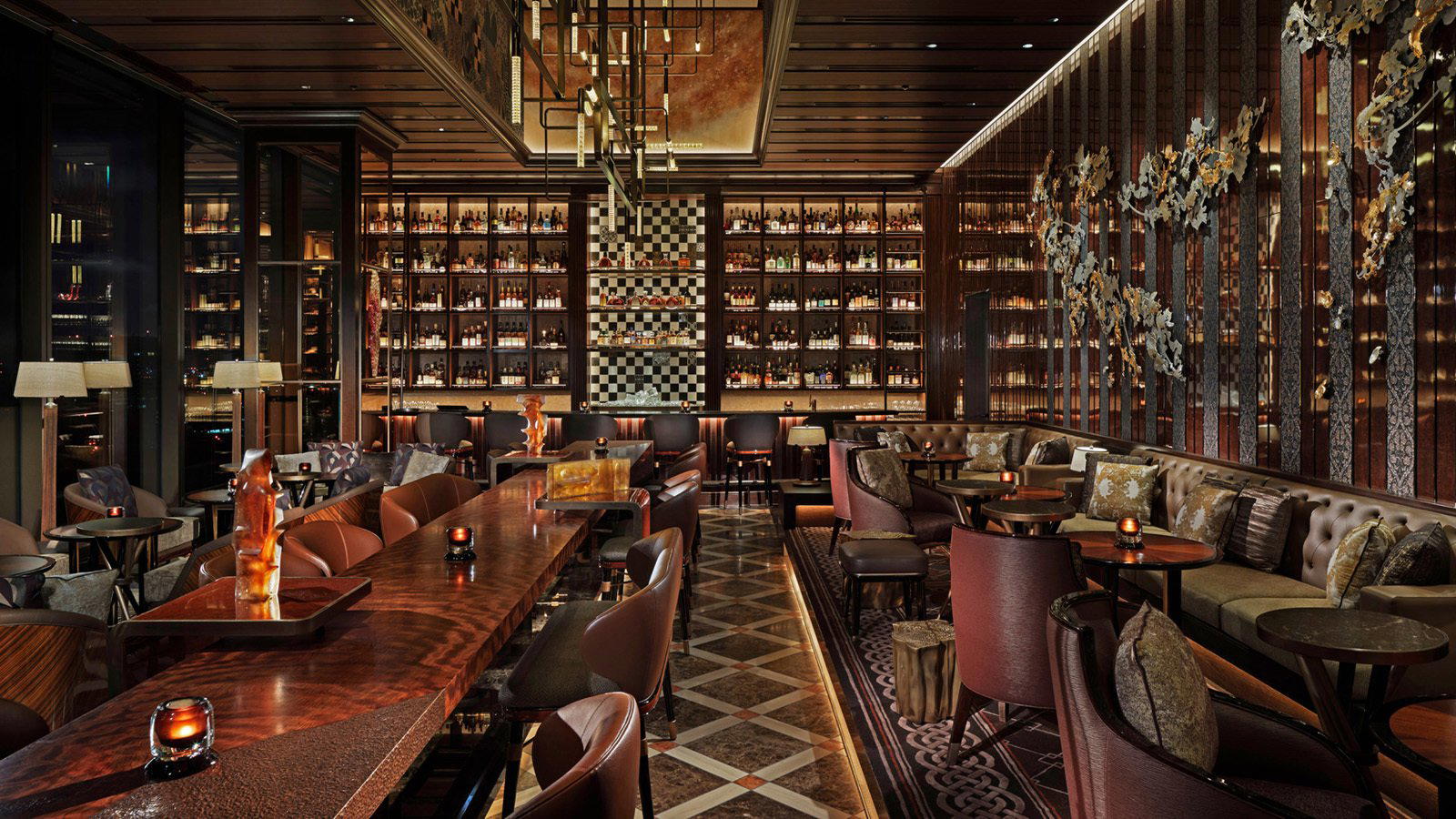
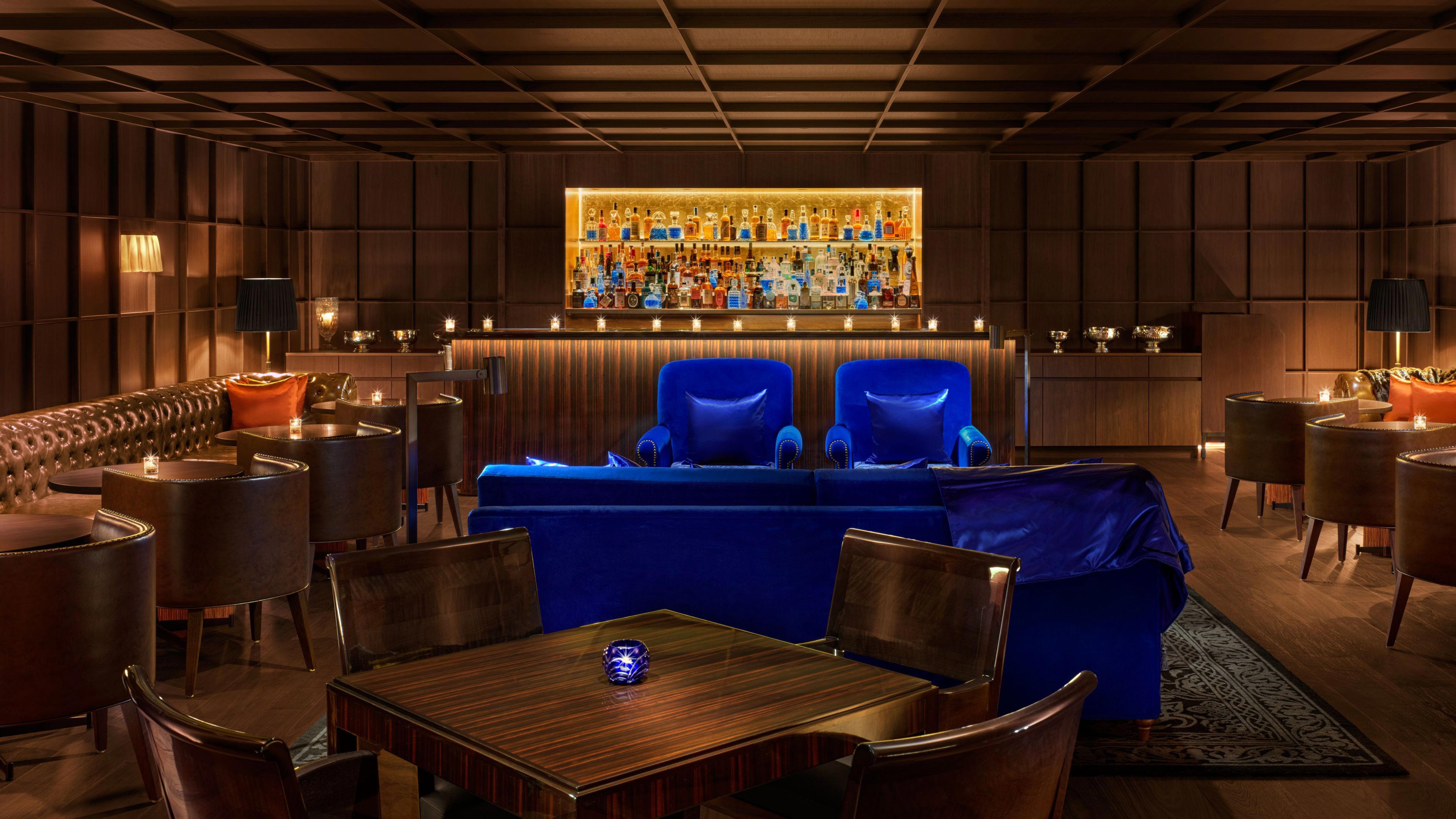
Elegant and refined, with a sophisticated lounge-and-bar feel and spectacular high-floor city views; reviews also describe it as a luxury setting for evening cocktails and live music.