Royal Oak
Royal Oak on Columbia Road sits at the intersection of East London's pub tradition and its newer drinking culture, occupying a corner address in one of the city's most photographed market streets. The pub draws a neighbourhood crowd during the week and a more mixed audience on flower market Sundays, when Columbia Road transforms into one of London's busiest pedestrian scenes. It is a working local first, tourist attraction second.
Pearl is the En Primeur Club membership app — saves, bookings, and concierge access live there. Same editors, same standards.
- Address
- 73 Columbia Rd, London E2 7RG, United Kingdom
- Phone
- +44 20 3040 7167
- Website
- royaloakbethnalgreen.co.uk
- Directions
- Get directions
 Saves & bookings on Pearl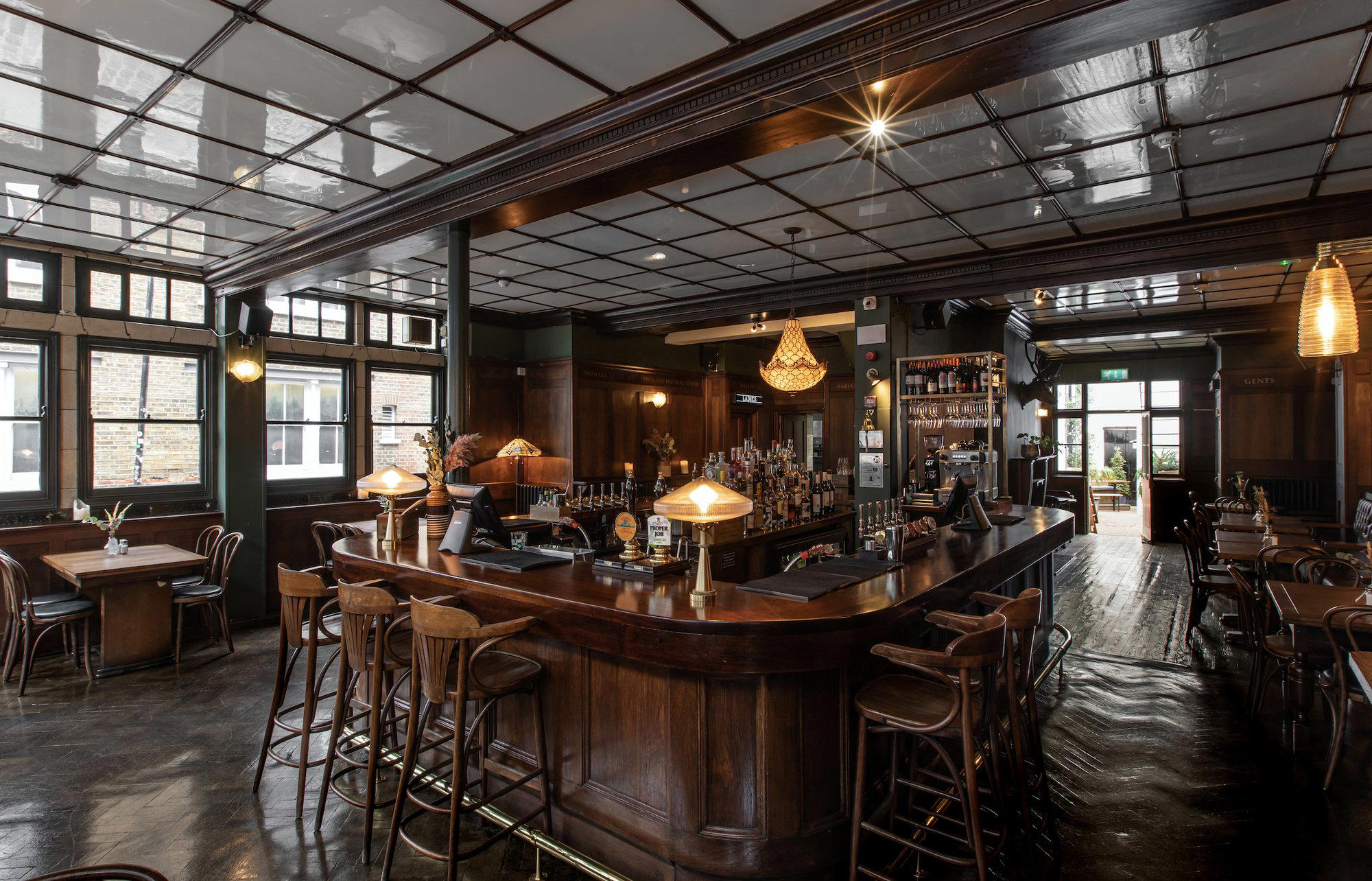
Columbia Road and the Shifting Nature of the East London Pub
Columbia Road on a Sunday morning operates at a different register from almost any other street in London. The flower market that runs its full length draws thousands of visitors between roughly eight in the morning and two in the afternoon, turning E2 into a compressed, fragrant corridor of plant sellers, vintage shops, and cafes that overflow onto the pavement. In the middle of that sensory overload, the Royal Oak at number 73 functions as a fixed point: a corner pub with Victorian bones that has absorbed decades of neighbourhood change without losing the structural logic of what a local should be.
That tension between continuity and neighbourhood transformation is the more interesting story here. Bethnal Green and the surrounding streets around Columbia Road have shifted considerably since the 1990s, when the area sat well outside the circuits of London's creative and hospitality industries. The pub format itself has evolved across that same period in East London, with many Victorian corner locals either closing, converting to residential use, or repositioning as gastro-pubs with serious wine lists and restaurant-grade kitchens. The Royal Oak sits in a different category from that wave of reinvention.
The Evolution of a Neighbourhood Fixture
East London's pub stock went through several phases of attrition and transformation over the past three decades. The first wave, through the 1990s and into the early 2000s, saw neighbourhood pubs close as their traditional working-class customer base dispersed. A second wave brought reinvention, often in the form of gastro-pub conversions that pushed food menus and wine programs to the centre of the offer. A third, more recent phase has seen a smaller number of operators return to something closer to the original pub model: prioritising drink over food, favouring a mixed social demographic over niche positioning, and letting the room work rather than the brand narrative.
The Royal Oak has navigated these shifts from a position of geographic advantage. Columbia Road's flower market, which dates to the Victorian era in various forms, gives the street a recurring weekly audience that few other East London addresses can match. The pub benefits from that footfall without being entirely defined by it. On market Sundays the crowd skews towards visitors and people making a day of the neighbourhood; on weekday evenings it reverts to something closer to a genuine local, where regulars occupy the same stools with the same reliability that defines the leading British pub model.
That dual identity, serving two different audiences with a consistent format, is harder to sustain than it sounds. Many pubs in tourist-adjacent locations in London have tilted so far toward the visitor trade that they lose the neighbourhood credential that made them worth visiting in the first place. The bars and tables that once belonged to regulars get colonised by people with their phones out. The bar's retention of a genuine local character alongside its Sunday market audience is the thing worth noting, not its address or its décor.
Where It Sits in London's Drinking Scene
London's bar and pub spectrum now runs from highly technical cocktail programs to heritage ale houses, with considerable overlap in the middle tier. The bar operates as a pub rather than a cocktail bar, which places it in a different competitive set from venues like 69 Colebrooke Row, A Bar with Shapes For a Name, or Amaro, all of which anchor their offer in a specific technical or conceptual approach to mixed drinks. It is also distinct from Academy, which occupies a different tier of London's drinking infrastructure.
The more useful comparison set for the bar is the broader category of East London corner pubs that have held their neighbourhood position across multiple waves of gentrification. In that frame, its longevity on Columbia Road is itself a form of credential: addresses in this part of E2 have significant commercial pressure applied to them, and a pub that has remained a pub rather than converting to another use is making a statement about format durability.
For readers accustomed to the more structured cocktail programs found at Bramble in Edinburgh, Merchant Hotel in Belfast, or Schofield's in Manchester, the bar represents a different proposition entirely. The same is true relative to Mojo Leeds, Horseshoe Bar Glasgow, or L'Atelier Du Vin in Brighton. These are venues where the drink program is the primary editorial subject. At the bar, the subject is the room, the occasion, and the street outside. For international visitors, Bar Leather Apron in Honolulu offers a point of contrast that illustrates how differently the pub format reads outside a British context.
Planning a Visit: Columbia Road Timing and Practical Context
The timing question for any visit to the bar is inseparable from the Columbia Road flower market. The market runs on Sundays only, typically from around 8am to 2pm, and the street reaches peak density between 9am and noon. The pub opens on Sunday from 12 to 10 PM, which means it is one of the few places in E2 serving drinks later in the day on a weekend. Arriving at the tail end of market hours, when the crowds begin to thin and plant sellers start discounting remaining stock, gives a calmer experience of both the street and the pub.
Weekday visits deliver a quieter, more residential version of the same address. The contrast between Sunday market the bar and Tuesday evening the bar is significant enough that they function as different experiences occupying the same room.
Reputation First
Comparable venues nearby, for context on price, style, and recognition.
| Venue | Cuisine | Price | Notes |
|---|---|---|---|
| Royal OakThis venue — the venue you are viewing | pub | $$ | Not listed |
| Cafe Kick | sports_bar | $$ | Clerkenwell |
| Taro | pub | $$ | Piccadilly Circus |
| Il Baretto | wine_bar | $$ | Marylebone |
| The Cellar Club | lounge | $$ | Not listed |
| Berber & Q | cocktail_bar | $$ | Kingsland |
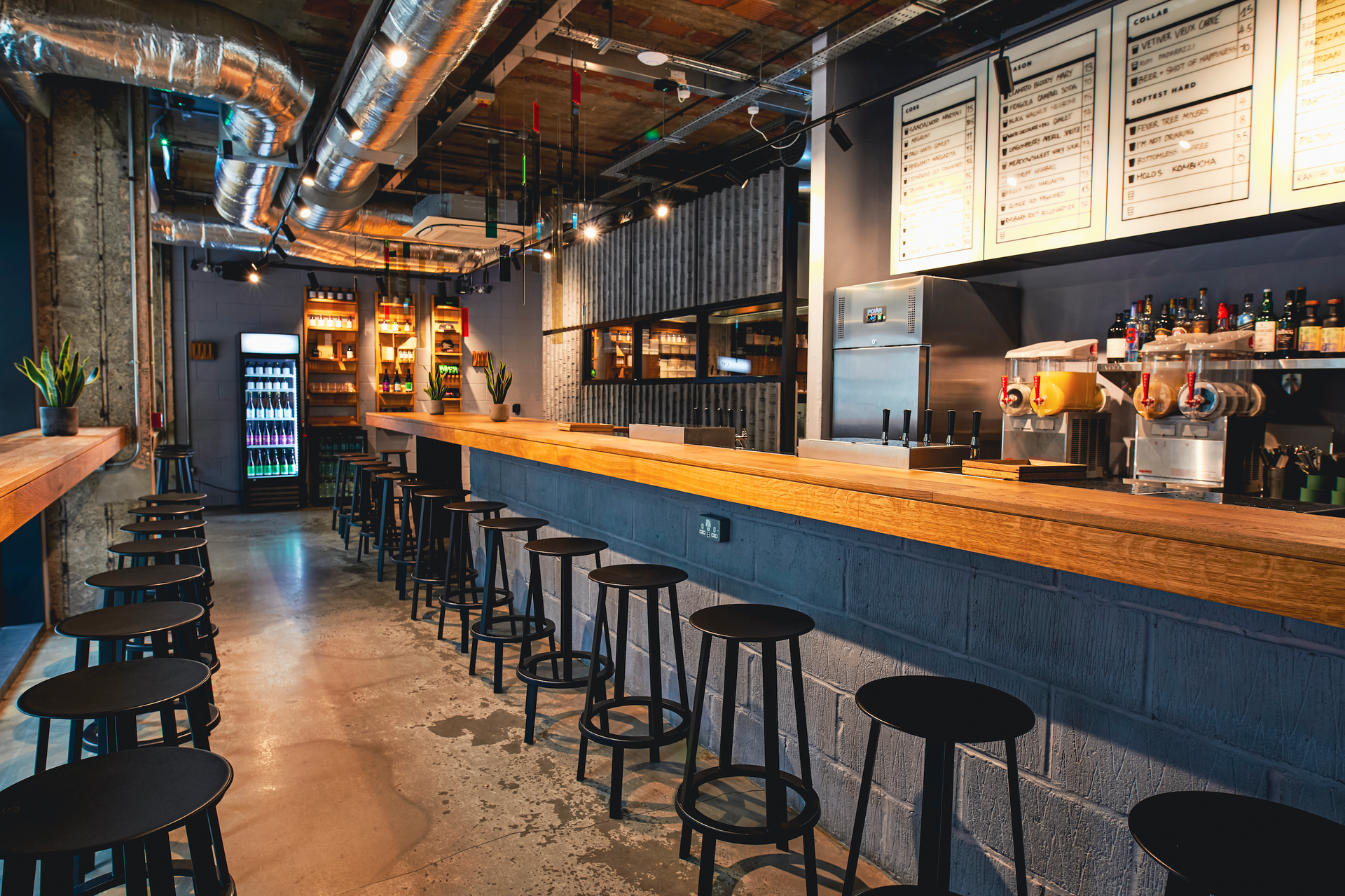
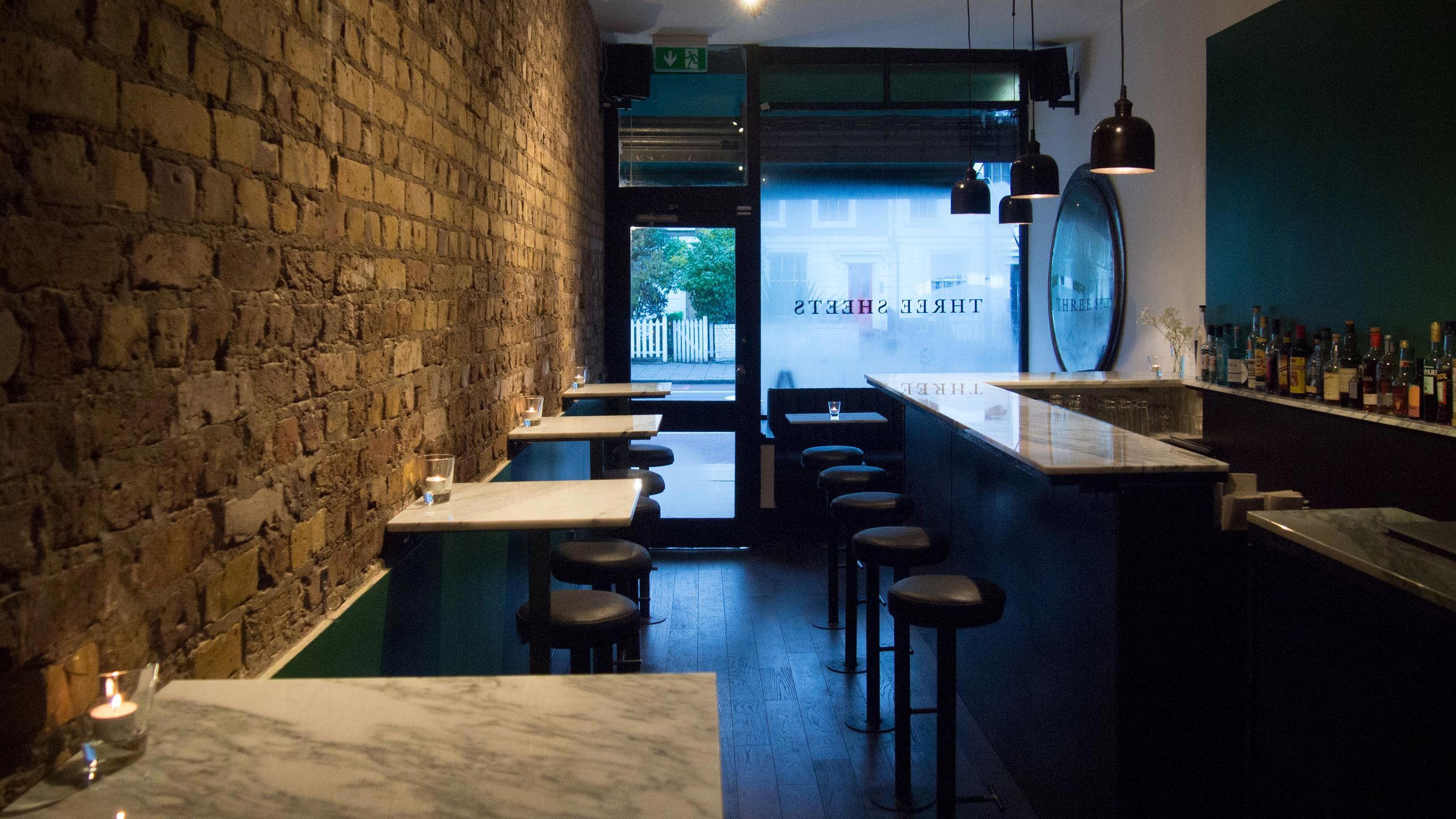
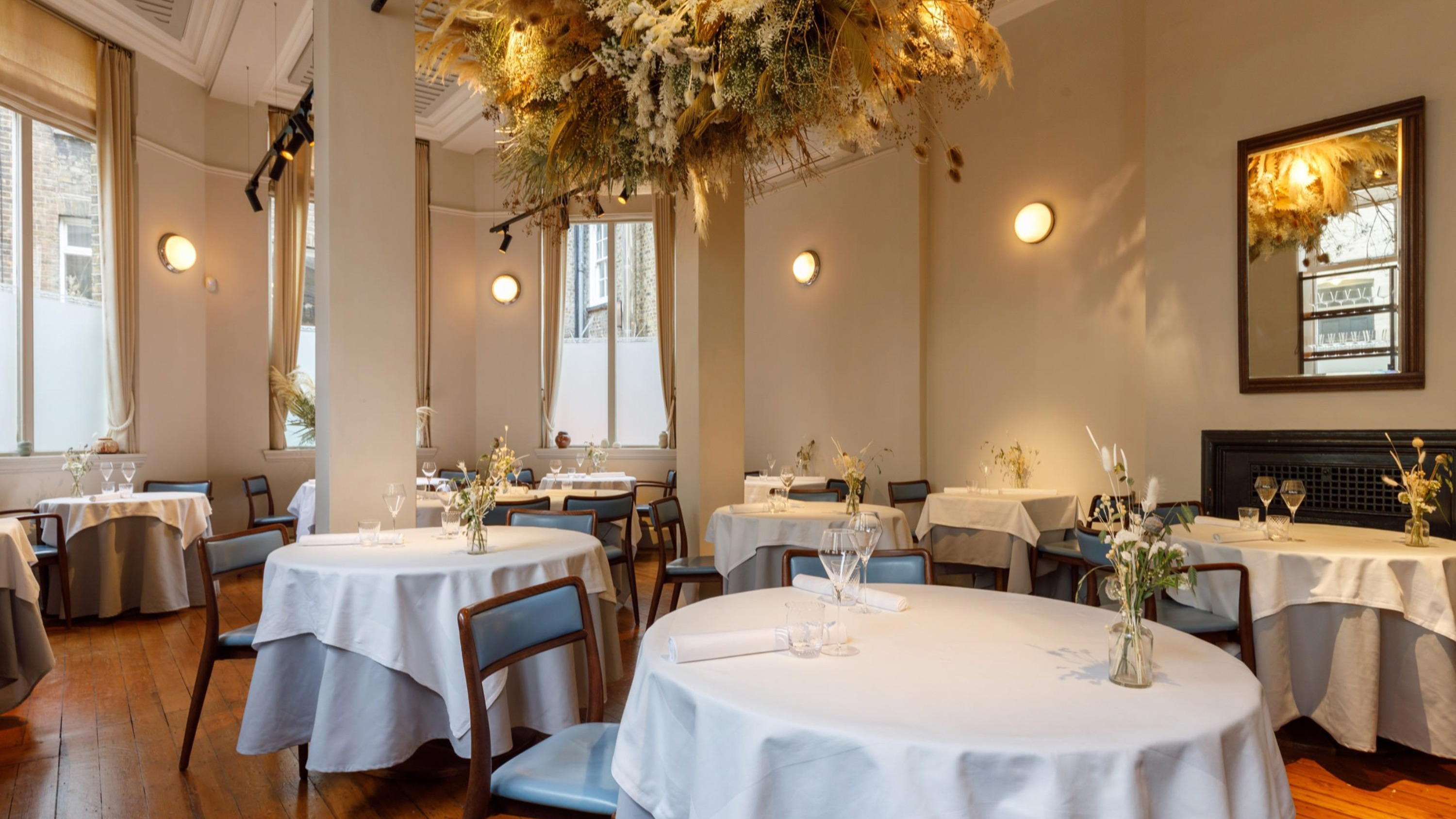
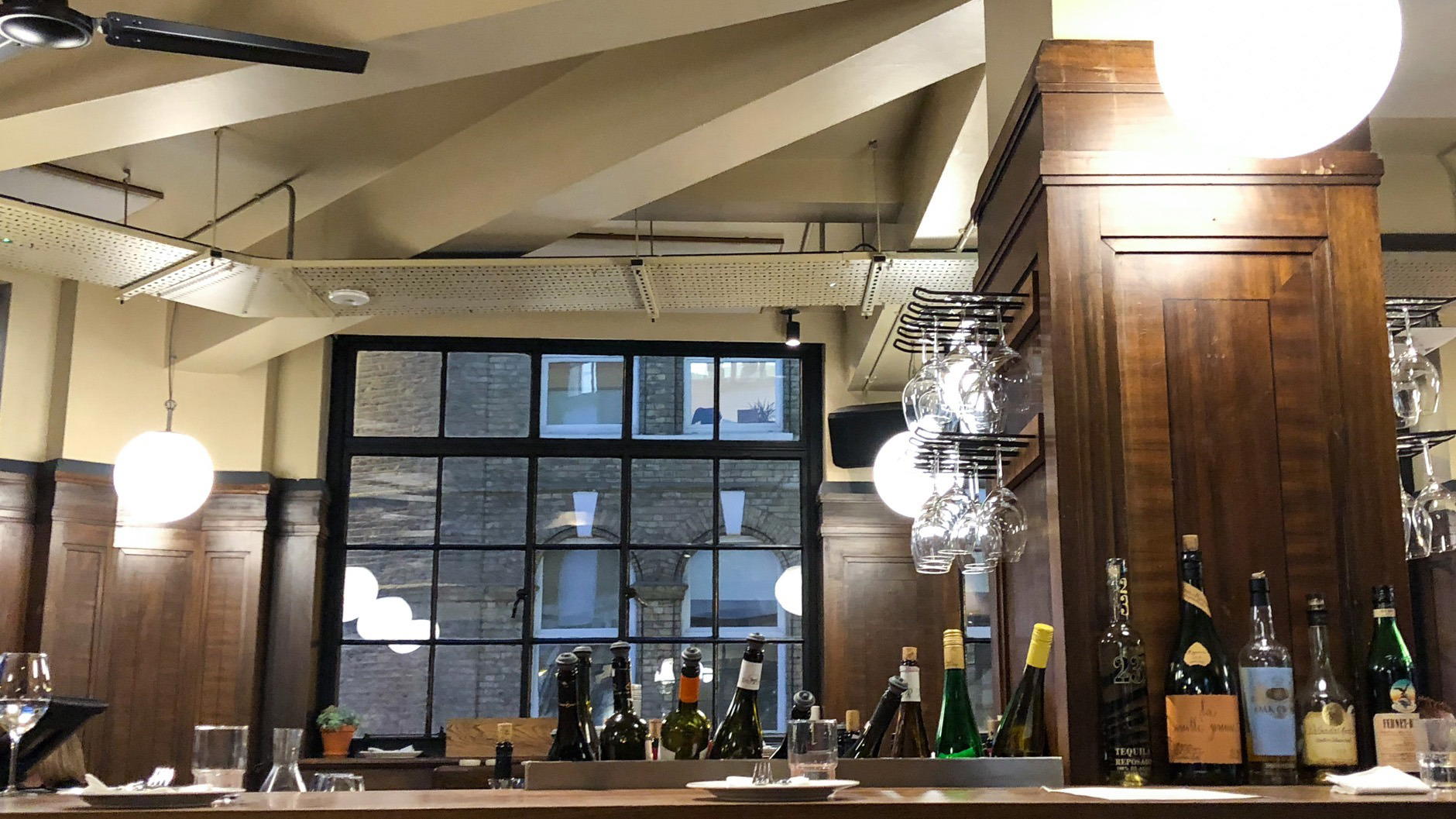
At a Glance
- Cozy
- Classic
- After Work
- Casual Hangout
- Standalone
- Historic Building
- Seated Bar
- Craft Beer
Current opening hours
- Monday
- 12–10 PM
- Tuesday
- 12–11 PM
- Wednesday
- 12–11 PM
- Thursday
- 12–11 PM
- Friday
- 12 PM–12 AM
- Saturday
- 12 PM–12 AM
- Sunday
- 12–10 PM
Hours can change for holidays and private events. Last verified .
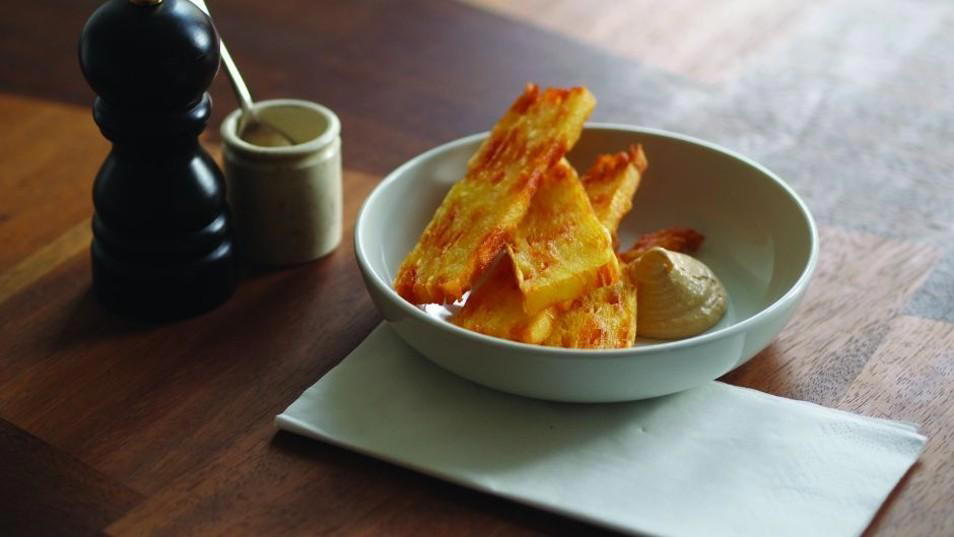
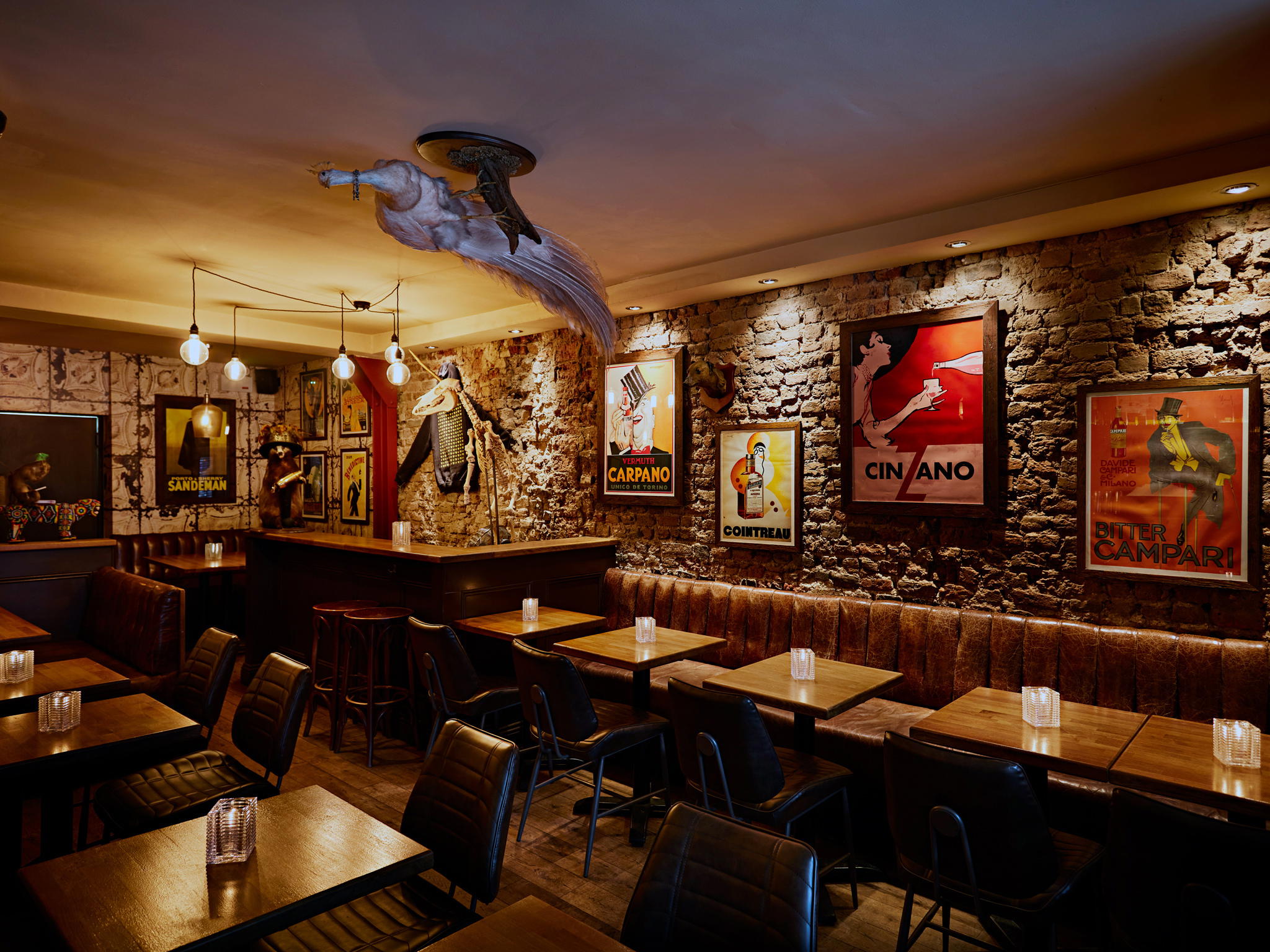
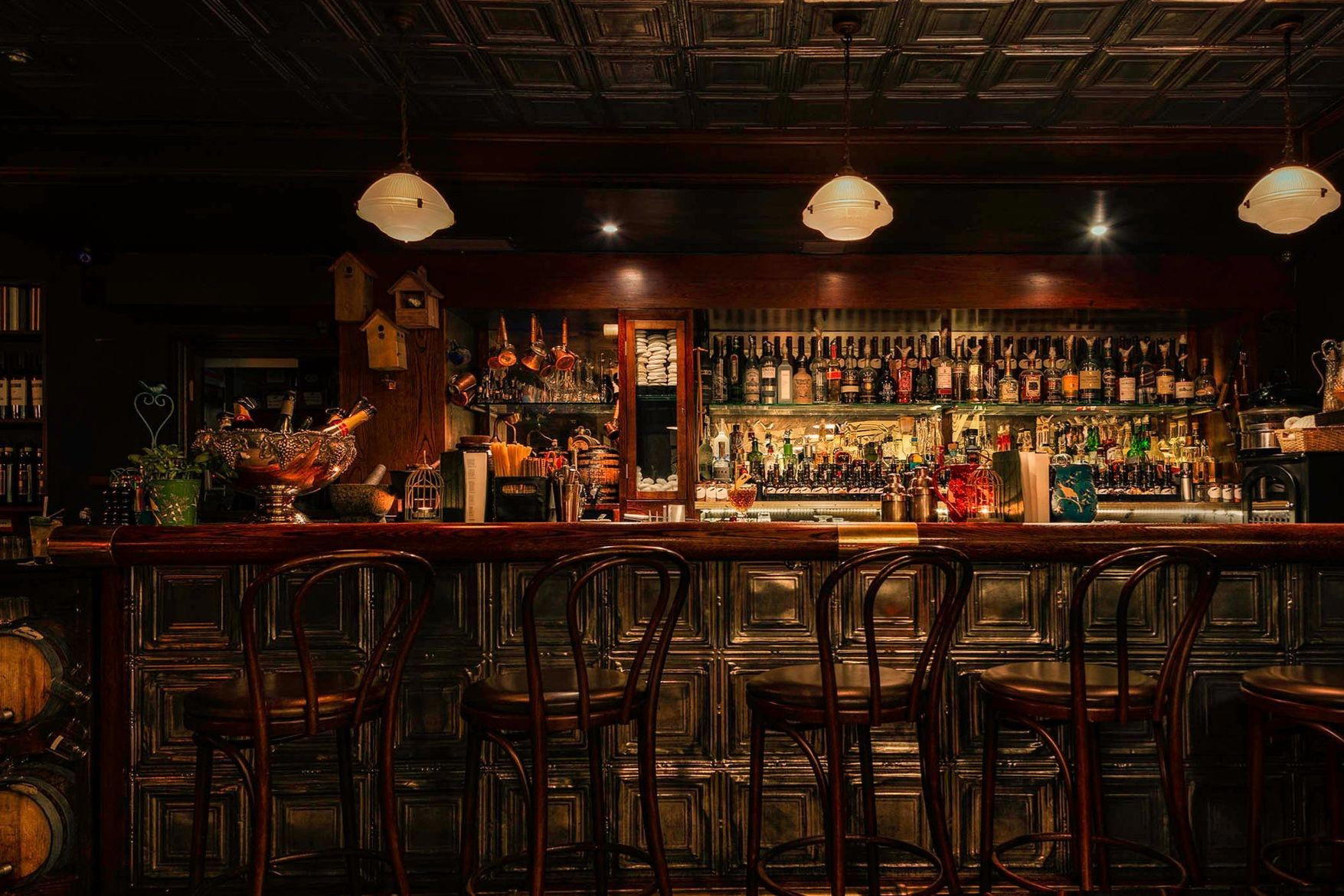
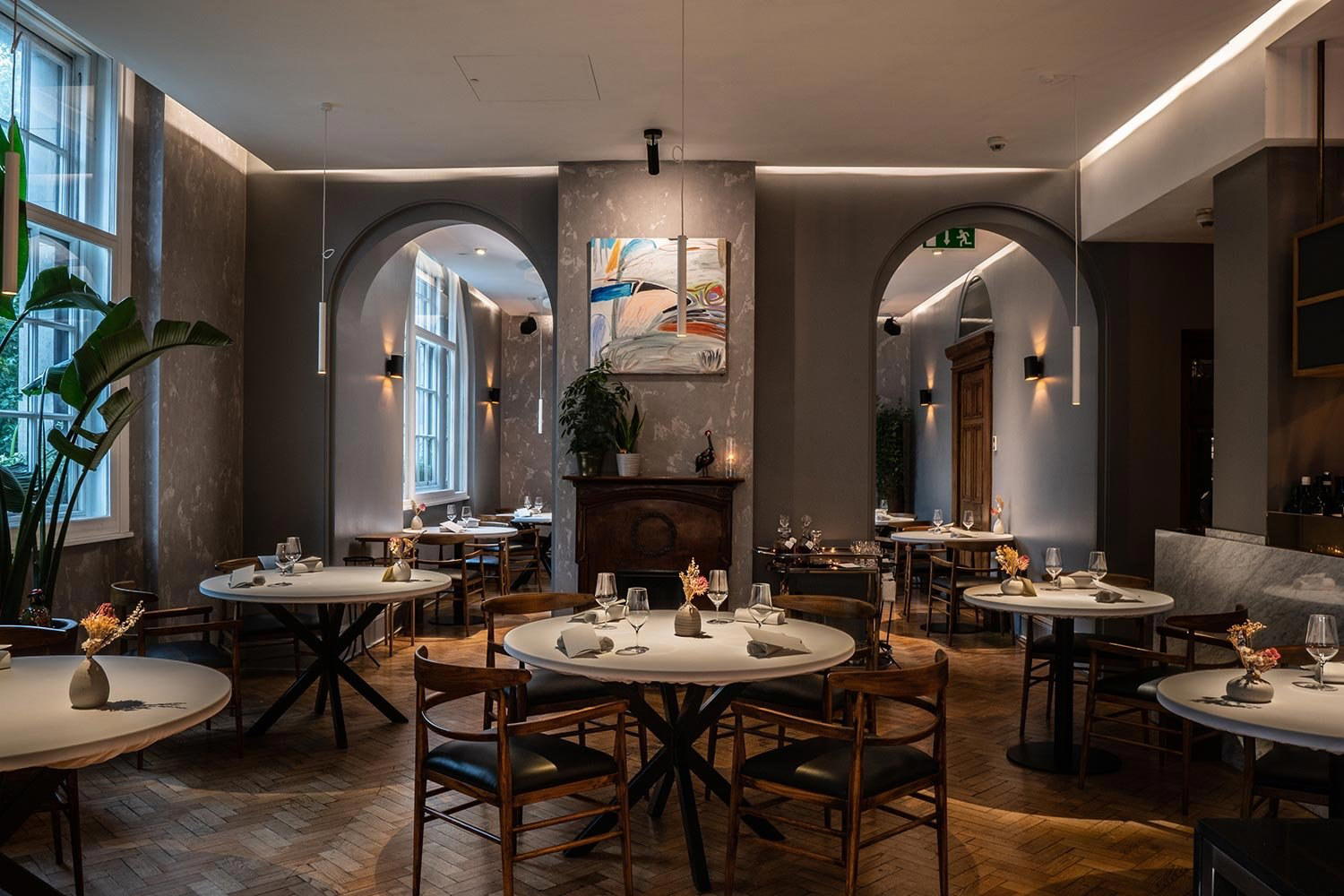
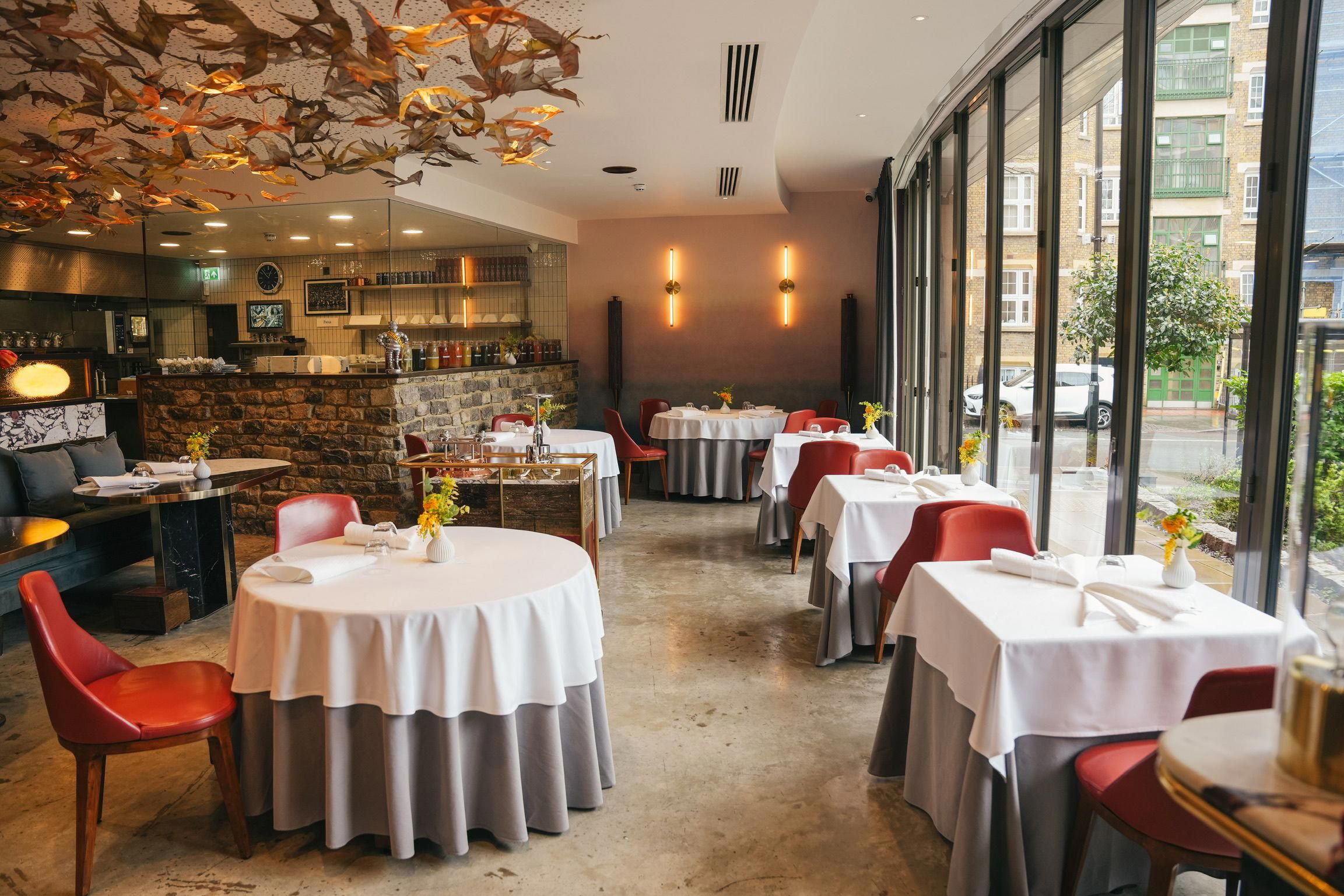
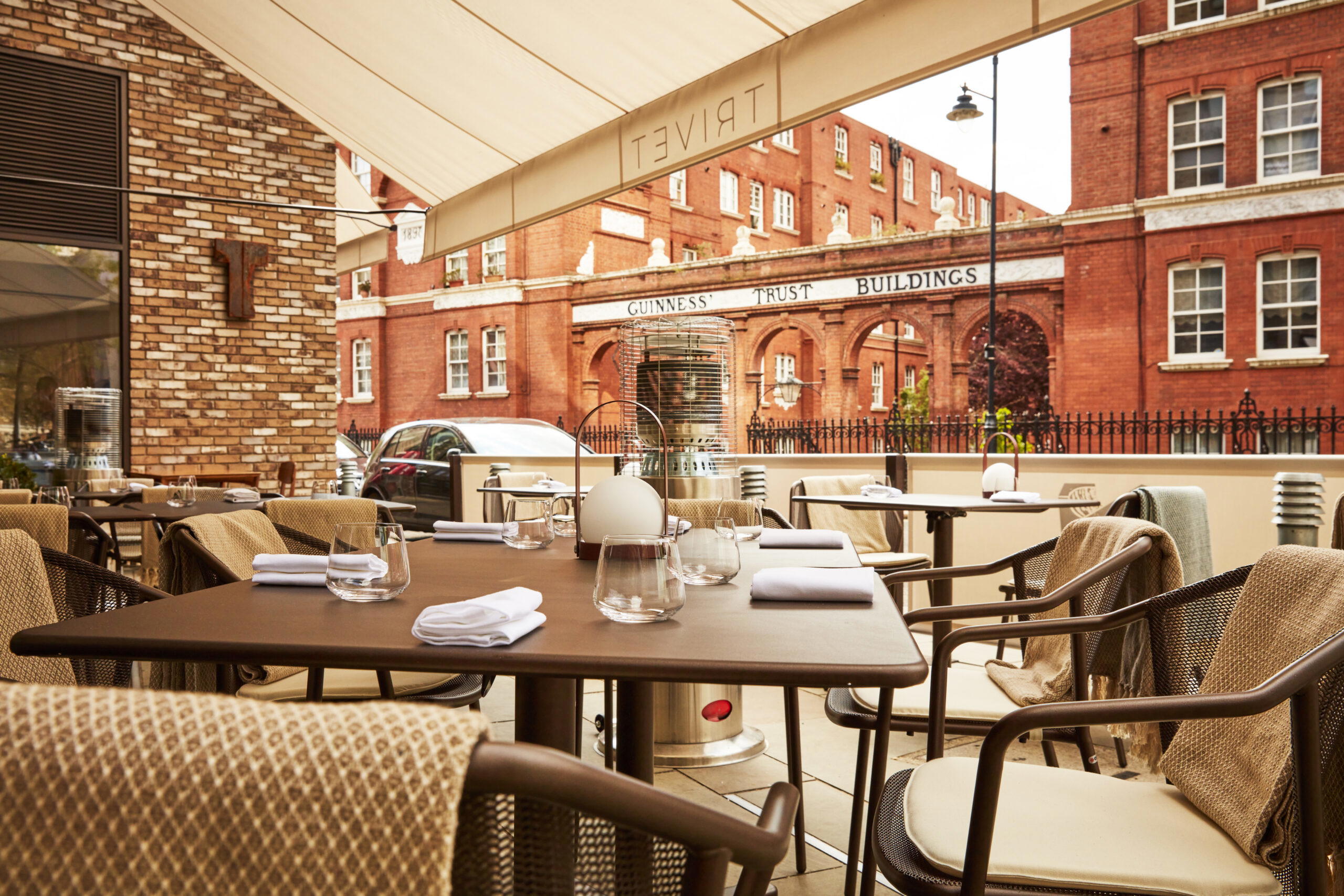
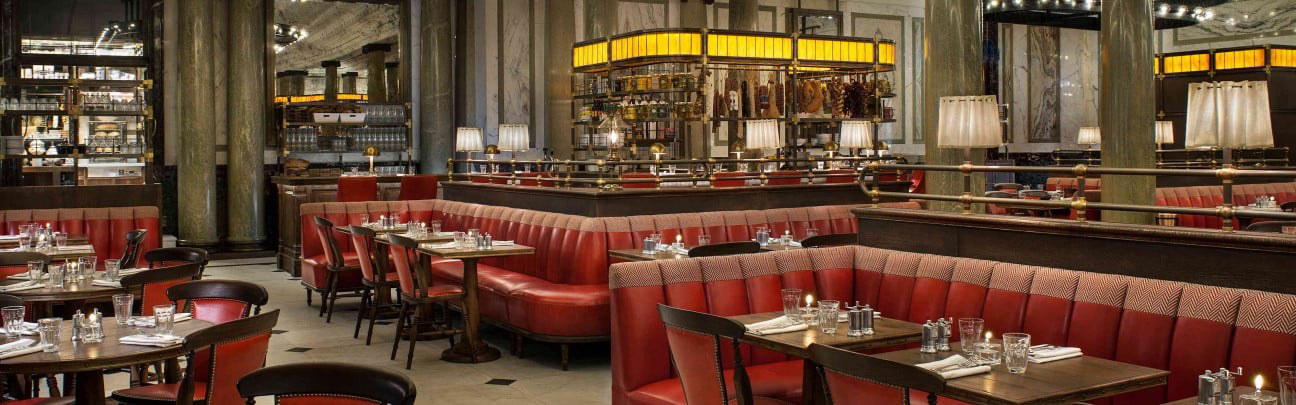
Warm, nostalgic pub atmosphere like stepping back in time with a cosy, traditional feel.