Taro
Taro sits on Brewer Street in the heart of Soho, a compact Japanese restaurant occupying a stretch of W1 where fast-casual and long-standing neighbourhood spots compete for the same hungry afternoon crowd. The address places it inside one of London's most concentrated dining corridors, where Japanese cuisine ranges from conveyor-belt convenience to formal kaiseki. Taro operates in the middle register of that range.
Pearl is the En Primeur Club membership app — saves, bookings, and concierge access live there. Same editors, same standards.
- Address
- 61 Brewer St, London W1F 9UW, United Kingdom
- Phone
- +44 20 7734 5826
- Website
- tarorestaurants.uk
- Directions
- Get directions
 Saves & bookings on Pearl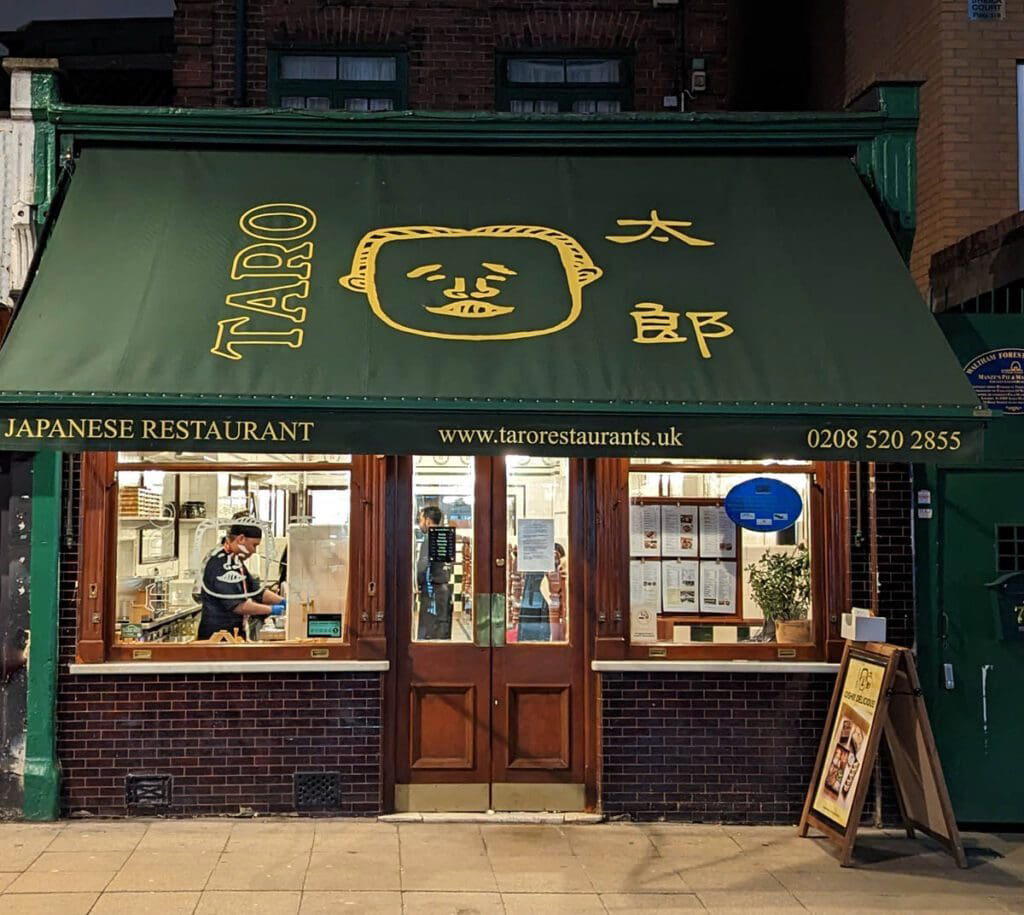
Soho's Japanese Middle Ground
Brewer Street runs through the core of Soho in a way that concentrates London's dining contradictions onto a single block. Ramen counters sit beside wine bars. Decades-old independents hold their ground next to newer openings angling for the post-theatre crowd. At 61 Brewer Street, Taro occupies a position that has become increasingly rare in W1: a Japanese bar that operates at neighbourhood scale rather than destination-dining ambition. The room reads as functional rather than theatrical, which in Soho's current climate is itself a statement.
Japanese dining in London has polarised across price tiers over the past decade. At one end, omakase counters in Mayfair and the City price at levels that put them in the same bracket as Paris or Tokyo's Ginza district. At the other, fast-casual chains have absorbed the volume trade. The middle tier, once the backbone of Soho's Japanese dining scene, has thinned considerably. Taro has held that middle position on Brewer Street, drawing a mix of local workers, nearby residents, and visitors who want something more considered than a grab-and-go bento without committing to a formal multi-course format.
The Floor as the Product
In restaurants of this scale, the dynamic between kitchen output and front-of-house rhythm matters as much as any individual dish. The team dynamic at a compact Soho Japanese restaurant is not the choreographed precision of a high-end omakase, where chef, sommelier, and service move in deliberate sequence around a small counter. It is something more pressured and, more revealing: a floor team that has to manage a faster turn, a broader menu range, and a room where the proportion of regulars to first-time visitors shifts by hour and day.
Regulars at venues like Taro tend to develop a working familiarity with the floor rather than the kitchen, partly because the kitchen in Japanese mid-range dining operates at a remove from the dining room. The decisions about pacing, about when to suggest a second carafe or a supplementary side, sit with whoever is running the floor that shift. That dynamic, where front-of-house effectively co-authors the experience, is underappreciated in mid-range dining coverage, which tends to focus on head chefs and tasting menus rather than the operational intelligence of a lunch service.
Where Taro Sits in the Brewer Street Context
Soho's dining streets carry a cumulative reputation built over decades, and Brewer Street specifically has cycled through enough openings and closures to give surviving addresses a kind of implicit credibility. A restaurant that holds a Soho address across multiple years is, by the logic of the market, doing something that works. The neighbourhood does not subsidise sentiment.
Within London's broader Japanese dining picture, the Soho mid-range tier competes partly on proximity to the West End's working and leisure population, and partly on the consistency that drives repeat visits from office workers who will eat in the same area three or four times a week. That repeat-visit logic shapes menus differently than destination dining does. The range tends to be wider, the benchmarks set by lunch regulars rather than critics, and the kitchen calibrated to volume as much as to showpiece execution.
Taro's Brewer Street address anchors it firmly in the Soho independent tier rather than the Mayfair luxury bracket or the City's expense-account omakase market.
The Soho Independent in a Wider UK Frame
London's independent restaurant culture exists in a different register from the bar and cocktail scenes developing in other UK cities. Operations like Schofield's in Manchester or Bramble in Edinburgh have built reputations around precision drink programmes and deliberate format choices. Horseshoe Bar Glasgow carries a different kind of institutional authority. Merchant Hotel in Belfast and Mojo Leeds each operate within local dining and drinking ecosystems shaped by their respective cities. What connects all of them, and connects them to a Soho Japanese restaurant, is the question of what sustains an independent address over time in a market that punishes inconsistency.
In London's cocktail bar tier, venues like 69 Colebrooke Row, A Bar with Shapes For a Name, Academy, and Amaro have each built identities around specific technical or conceptual positions. That kind of differentiation is harder to sustain in the restaurant middle market, where the pressure to serve broad menus to high-turnover lunch crowds works against specialisation. The comparison illuminates something about how Taro's address functions: it is part of a Soho ecosystem where proximity to foot traffic matters as much as any single point of difference.
Internationally, the contrast becomes sharper. A venue like Bar Leather Apron in Honolulu or L'Atelier Du Vin in Brighton operates within a drink-led format logic that allows tighter curation. A Soho Japanese restaurant at mid-market operates across a wider brief, which is both its constraint and its function in the neighbourhood.
Planning a Visit
Taro's Brewer Street address (61 Brewer Street, London W1F 9UW) places it within walking distance of Oxford Circus, Piccadilly Circus, and Tottenham Court Road stations, making it accessible in Central London by public transport.
Same-City Peers
Comparable venues nearby, for context on price, style, and recognition.
| Venue | Cuisine | Price | Notes |
|---|---|---|---|
| TaroThis venue — the venue you are viewing | pub | $$ | Not listed |
| Speedboat Bar | tiki_bar | $$ | Soho |
| Cork and Bottle wine bar | wine_bar | $$ | Leicester Square |
| The Winemakers Club | wine_bar | $$ | Smithfield |
| The Hero | pub | $$ | Little Venice |
| Perilla | cocktail_bar | $$ | Mildmay |


At a Glance
- Casual
- After Work
- Casual Hangout
- Standalone
- Communal Tables
- Seated Bar
- Sake
Current opening hours
- Monday
- 12–10 PM
- Tuesday
- 12–10 PM
- Wednesday
- 12–10 PM
- Thursday
- 12–10 PM
- Friday
- 12–10 PM
- Saturday
- 12–10 PM
- Sunday
- 12:30–9:30 PM
Hours can change for holidays and private events. Last verified .
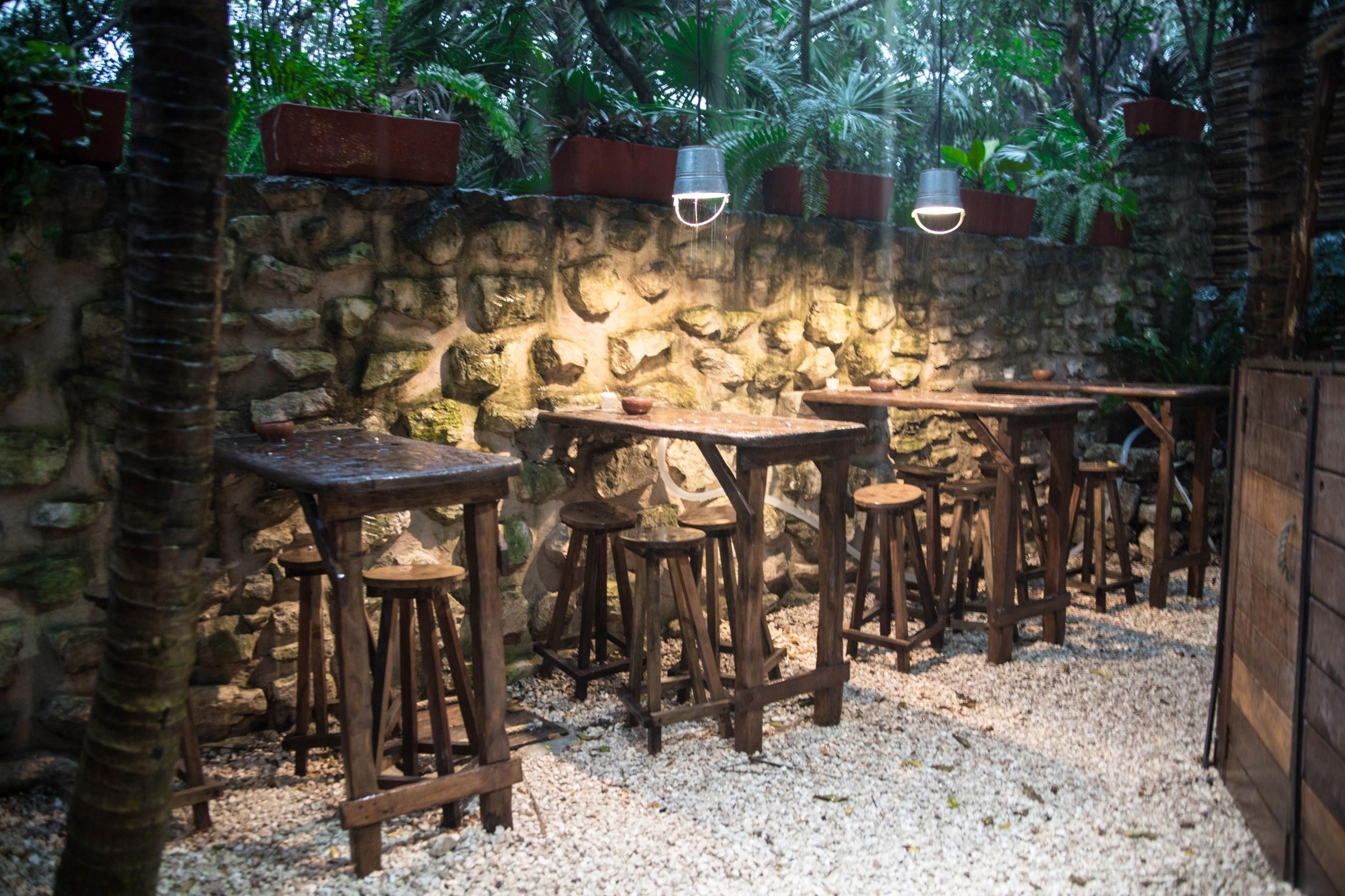
Functional, efficient canteen-style atmosphere with shared tables and rapid service.