Prohibition
Our verdict
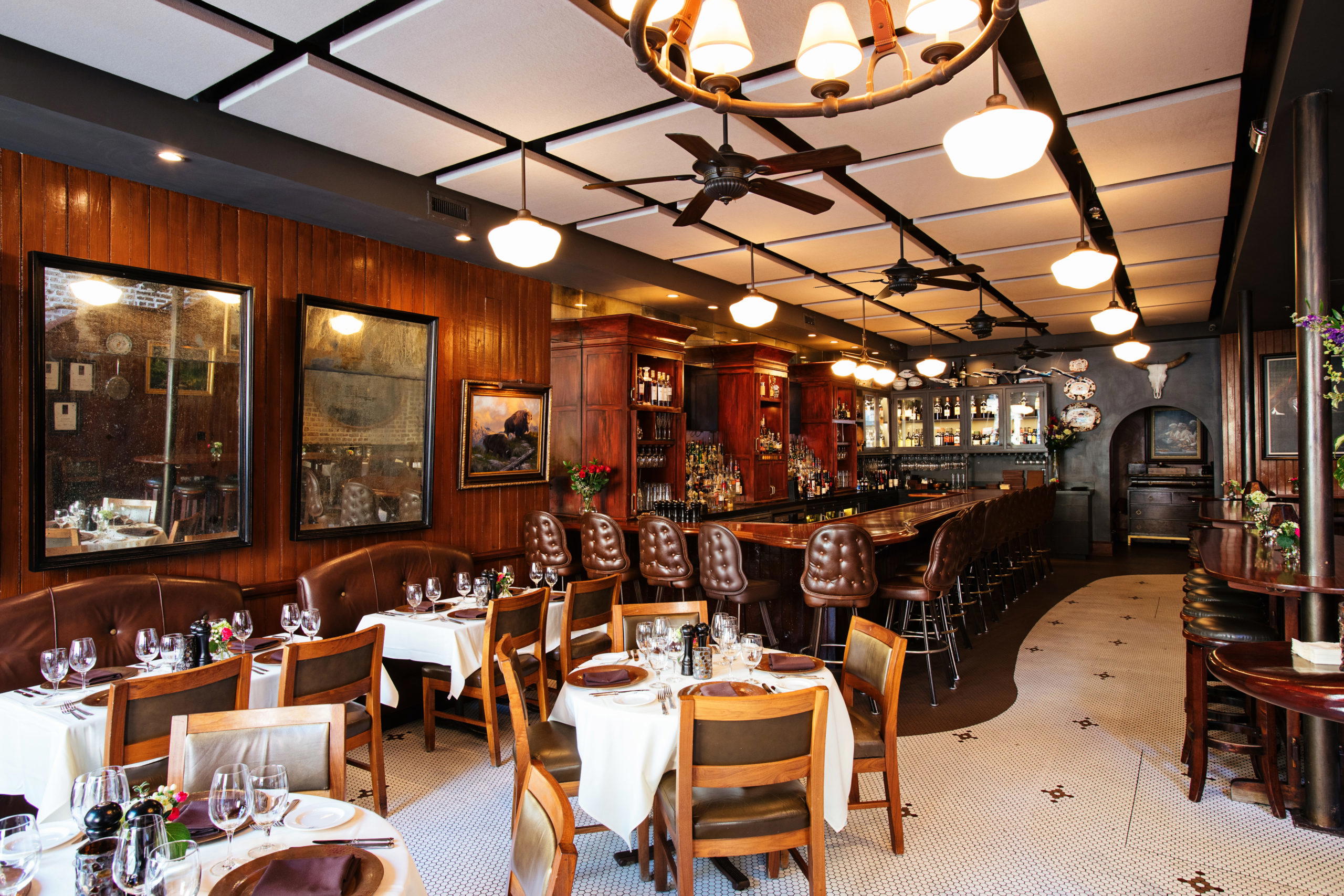
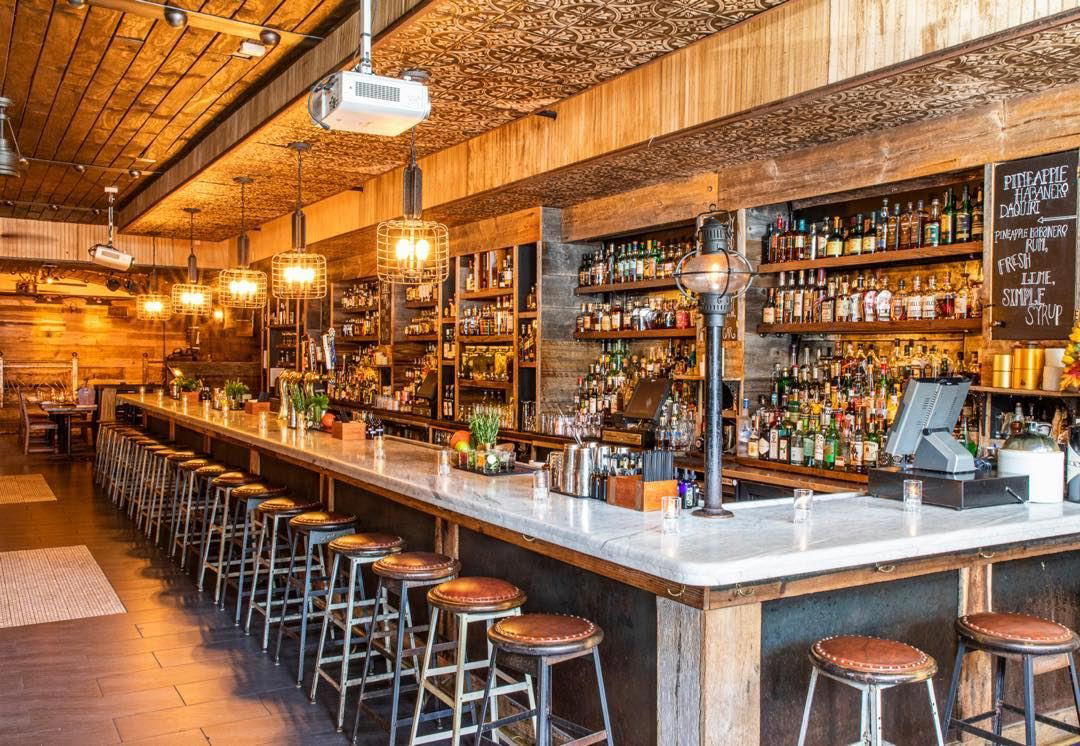
On King Street, Charleston's most contested dining corridor, Prohibition occupies a position that's easier to understand through the city's broader drinking and dining culture than through the venue alone. Charleston has long converted its complicated historical relationship with temperance into something more celebratory, and bars along King Street reflect that transformation in their atmospherics and programming. Prohibition sits squarely in that tradition.

Pearl is the En Primeur Club membership app — saves, bookings, and concierge access live there. Same editors, same standards.
- Address
- 547 King St, Charleston, SC 29403
- Phone
- (843) 459-7214
- Hours
- Mon–Wed 4 PM–2 AMThu–Sun 11 AM–2 AM
- Website
- prohibitioncharleston.com
- Directions
- Get directions
- Booking
- Book on the venue's website
The menu
What to order
- Smash Burger
- Deviled Eggs
- Pumpkin Gnocchi
King Street and the Architecture of Charleston's Bar Scene
King Street has functioned as Charleston's commercial and social spine for more than two centuries, and its current configuration as a dining and drinking corridor reflects a city that has grown more self-aware about how it presents its own history. Bars here don't simply serve drinks — they position themselves against a cultural backdrop where the 1920s Prohibition era carries particular resonance in the American South. The name itself is a statement of intent, aligning a venue with one of the more theatrically productive periods in American drinking culture: the decade when illegality made alcohol more interesting, and when the speakeasy format created a template for atmosphere that still influences bar design nearly a century later.
At 547 King St, Prohibition occupies a stretch of Charleston real estate that places it within walking distance of the city's restaurant cluster, where venues like Vern's and Malagón Mercado y Taperia represent the more contemporary, chef-driven edge of the local scene. King Street's density is part of what makes it work for visitors — the blocks between Calhoun and Spring streets allow a coherent evening that moves from dinner to drinks without requiring a car.
The Speakeasy Format and Its Southern Variation
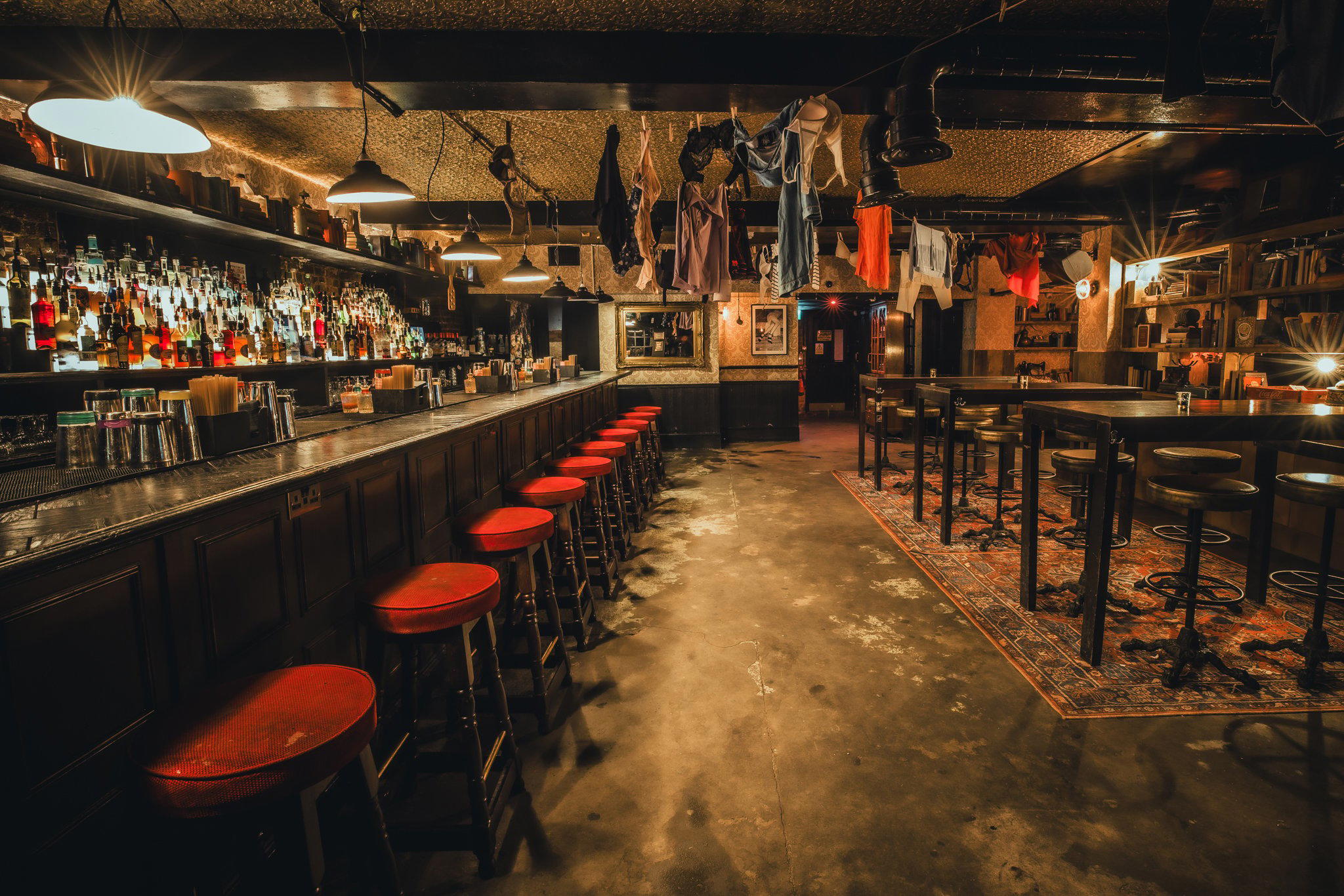
The speakeasy aesthetic that Prohibition-themed bars invoke is worth examining on its own terms, because it has evolved considerably from its post-millennial peak in American bar culture. The early 2010s brought a wave of hidden-door formats, password-required entry, and theatrical darkness to cities across the United States. Charleston absorbed that trend while layering something locally specific onto it: a Southern sensibility around hospitality that tends toward warmth over exclusivity, and a relationship with spirits, bourbon, rye, and locally produced craft distillates, that predates the Prohibition era entirely.
American bar culture, particularly in the South, has moved toward greater transparency in its programming. The earlier phase of speakeasy theatrics has given way to venues that take technique seriously without requiring the entry ritual. Charleston sits at an interesting midpoint in this trajectory: the city's bar scene is sophisticated enough to support serious cocktail programming, but its hospitality culture resists the colder, more austere presentation that defines some of the country's more technically focused rooms. The bars that do leading here tend to combine historical reference with genuine warmth, a formula that suits the Prohibition era theme when executed with discipline.
For comparison, consider how the speakeasy-to-technique evolution has played out in larger American markets. New York's Atomix represents the extreme technical end of the spectrum, where format discipline and credential density define the experience. Charleston's version of premium drinking is less austere by temperament, which may explain why historically anchored concepts like Prohibition continue to find a market here when they might feel dated in a more cynical bar scene.
Charleston Drinking Culture in Context
Understanding Prohibition's position in Charleston requires some understanding of where the city's broader hospitality scene has arrived. Charleston has developed a dining identity anchored in Lowcountry tradition, with venues like Lowland and Rodney Scott's BBQ representing two different registers of that identity, one refined and regionally contemporary, the other a direct expression of the whole-hog barbecue tradition that connects South Carolina to a longer lineage of Southern wood-fire cooking. Bars in this context operate as complements to a serious food city rather than as destinations in isolation.
That positioning matters because it shapes expectations. Visitors coming to Charleston primarily for the restaurant scene, drawn by the concentration of serious kitchens along King Street and its surrounding blocks, will encounter bars like Prohibition as part of a wider evening rather than as a primary destination. This is actually how most successful bars in food-centric cities operate: they absorb the overflow from dinner reservations and provide a holding pattern for guests waiting for a table, while also functioning as a standalone option for guests who want drinks over dining. The dual function requires a venue to succeed on atmosphere and accessibility simultaneously.
For those building a broader American itinerary around serious dining, Charleston fits neatly alongside other cities with strong regional culinary identities. The scale of ambition here differs from what you'd encounter at The French Laundry in Napa, Alinea in Chicago, or Le Bernardin in New York City, but the city's confidence in its own culinary voice has grown substantially over the past decade, and the bar scene reflects that maturation.
What to Know Before You Go
King Street's concentration of venues means parking is better approached through the city's garage system than street hunting. The blocks around 547 King St are walkable from the downtown hotel cluster, and the corridor functions effectively as a pedestrian drinking and dining zone on weekend evenings in particular. Charleston's shoulder seasons, spring and fall, tend to draw the most sophisticated traveler profile, when humidity is lower and the city's outdoor dining works in its favor. Summer evenings can be oppressive in ways that shift the appeal of any outdoor component a venue might offer.
Those building a King Street evening around multiple stops might consider 1010 Bridge for a complementary reference point, or consult our full Charleston restaurants guide for a broader mapping of the city's dining and drinking geography. For visitors comparing Charleston to other Southern or coastal American food cities, venues like Emeril's in New Orleans and Addison in San Diego offer useful points of comparison for understanding where the regional fine-dining calibration sits nationally. The bar scene in each of those cities reflects the local culinary culture in ways that parallel what Charleston has built along King Street.
Frequently asked questions
Where exactly is Prohibition?
Prohibition is located at 547 King St, Charleston, SC 29403, Charleston.
How does Prohibition fit into Charleston's broader cocktail bar scene compared to other King Street venues?
Charleston's bar scene has matured significantly, with King Street now carrying a concentration of concept-driven venues that go well beyond standard hotel bars and tourist traps. Prohibition's speakeasy format places it in a distinct category on that strip — one that draws on Prohibition-era aesthetics while sitting inside a city with its own deep hospitality tradition. At 547 King St, it occupies a stretch where the competition is real and the local drinker's expectations are correspondingly higher.
What's the must-try dish at Prohibition?
Prohibition operates primarily as a bar on King Street, so the drinks program is the main draw rather than the food menu. Ask the bar staff on the night for whatever is seasonal or house-made.
Do they take walk-ins at Prohibition?
Prohibition sits at 547 King St in one of Charleston's most concentrated blocks for bars and restaurants, meaning foot traffic is high on weekends. Walk-in availability tends to depend on the night and the hour — earlier in the evening typically gives better odds than post-dinner rush. Checking current hours and reservation policy directly before visiting is advisable given King Street's pace.
What's the defining dish or idea at Prohibition?
The defining idea at Prohibition is the speakeasy format itself, which in Charleston takes on a Southern register distinct from its Northern or West Coast counterparts. The city's hospitality scene has shifted considerably over the past decade, and Prohibition sits within that context as a venue that leans into period atmosphere alongside its drinks offering. The concept is the anchor, not a single dish.
Is eating at Prohibition worth the cost?
If cocktails are the primary reason for the visit, the speakeasy format and Charleston's broader bar culture give Prohibition a reasonable case on atmosphere alone.
How It Stacks Up
Comparable venues nearby, for context on price, style, and recognition.
| Venue | Cuisine | Price | Awards | Notes |
|---|---|---|---|---|
| ProhibitionThis venue — the venue you are viewing | Modern American Gastropub | $20–30 | Not listed | Not listed |
| Hominy Grill | Lowcountry Southern | Not listed | James Beard Award Best Chefs | historic downtown |
| Basic Kitchen | Modern American Farm-to-Table Fusion | $30–50 | We're Smart World 3 Radishes | Harleston Village |
| Home Team BBQ | South Carolina BBQ | $30–50 | Not listed | Downtown Charleston |
| Ted's Butcherblock | American Butcher Deli | $20–30 | Not listed | Downtown |
| Edmund's Original (Formerly Edmund's Oast) | New American Brewpub | $30–50 | Not listed | East Central |