Edmund's Original (Formerly Edmund's Oast)
Edmund's Original, formerly known as Edmund's Oast, occupies a converted industrial space on Morrison Drive in Charleston's Upper Peninsula neighborhood. The kitchen draws on Lowcountry tradition while operating within the city's broader New American scene, placing it alongside venues like Vern's and FIG as part of Charleston's serious dining conversation. Visitors should confirm current hours and format directly before booking.
Pearl is the En Primeur Club membership app — saves, bookings, and concierge access live there. Same editors, same standards.
- Address
- 1081 Morrison Dr, Charleston, SC 29403
- Phone
- +1 843 727 1145
- Website
- edmundsoriginal.com
- Directions
- Get directions
 Saves & bookings on Pearl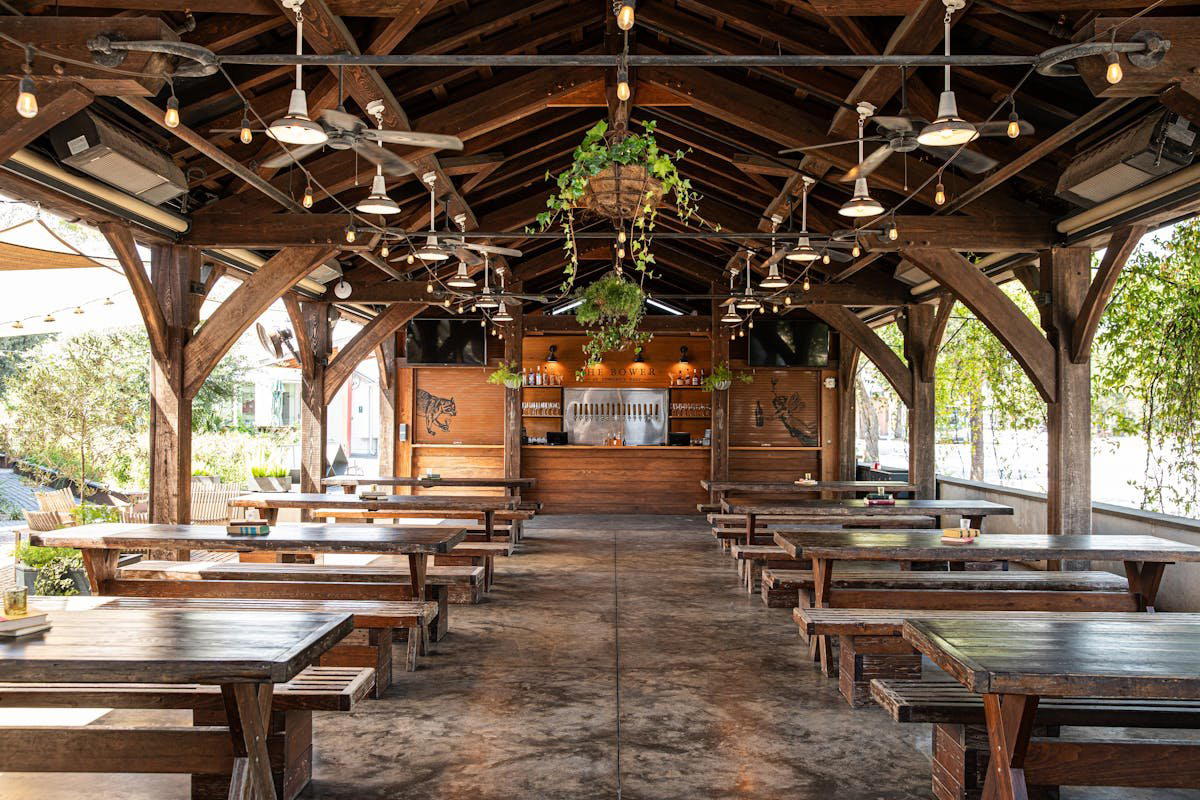
Morrison Drive and the Making of Charleston's Upper Peninsula Dining Scene
Charleston's dining geography has shifted considerably over the past decade. The gravitational pull that once kept serious restaurants confined to the French Quarter and lower King Street has loosened, with a cluster of notable kitchens now operating along Morrison Drive and the broader Upper Peninsula corridor. Edmund's Original, which traded under the name Edmund's Oast for several years before its rebranding, sits within this newer dining belt at 1081 Morrison Drive. The address alone is editorial: it tells you something about where Charleston's appetite for experimentation now lives, away from the tourist drag and closer to the working waterfront.
The shift mirrors a pattern visible in other American cities with strong culinary identities. In Charleston specifically, the Upper Peninsula has absorbed restaurants willing to occupy converted industrial spaces, commit to ingredient sourcing from within the regional food network, and build a clientele that returns for the program rather than the postcard setting. Edmund's Original fits that description. The rebrand from Edmund's Oast signals an evolution rather than a restart, and in Charleston's tightly observed dining community, name changes at established addresses rarely go unnoticed.
Lowcountry Cooking and Its Place in the American South
To understand where Edmund's Original sits culinarily, it helps to understand the tradition it operates within and occasionally pushes against. Lowcountry cooking is among the more historically layered regional cuisines in North America. Its foundations rest on West African agricultural knowledge brought by enslaved people who cultivated Carolina Gold rice, grew benne, and introduced techniques that remain structurally visible in dishes eaten across South Carolina today. The cuisine's defining ingredients, rice, shellfish, okra, field peas, and pork in various forms, are not props for nostalgia. They are living materials with documented provenance, and the leading kitchens in Charleston treat them accordingly.
Charleston's current dining scene sits at an interesting crossroads: restaurants like Rodney Scott's BBQ represent the pitmaster tradition's elevation into a named, nationally recognized format, while venues like Lowland approach Southern ingredients through a more cosmopolitan lens. Vern's occupies the American Contemporary tier with a tightly edited format and a reservation lead time that signals its standing among the city's repeat-visitor crowd. Edmund's Original has historically positioned itself somewhere in the conversation between tradition and ambition, a kitchen that treats the Lowcountry pantry as serious material rather than regional flavor color.
That positioning matters when you map Charleston against its American peers. The cities generating sustained critical attention in American dining, the ones producing the kind of format discipline visible at Smyth in Chicago, Lazy Bear in San Francisco, or Blue Hill at Stone Barns in Tarrytown, tend to anchor their identity in place-specific ingredients and seasonal discipline. Charleston can make that argument credibly, and Edmund's Original has been part of building the case.
The Industrial Format and What It Signals
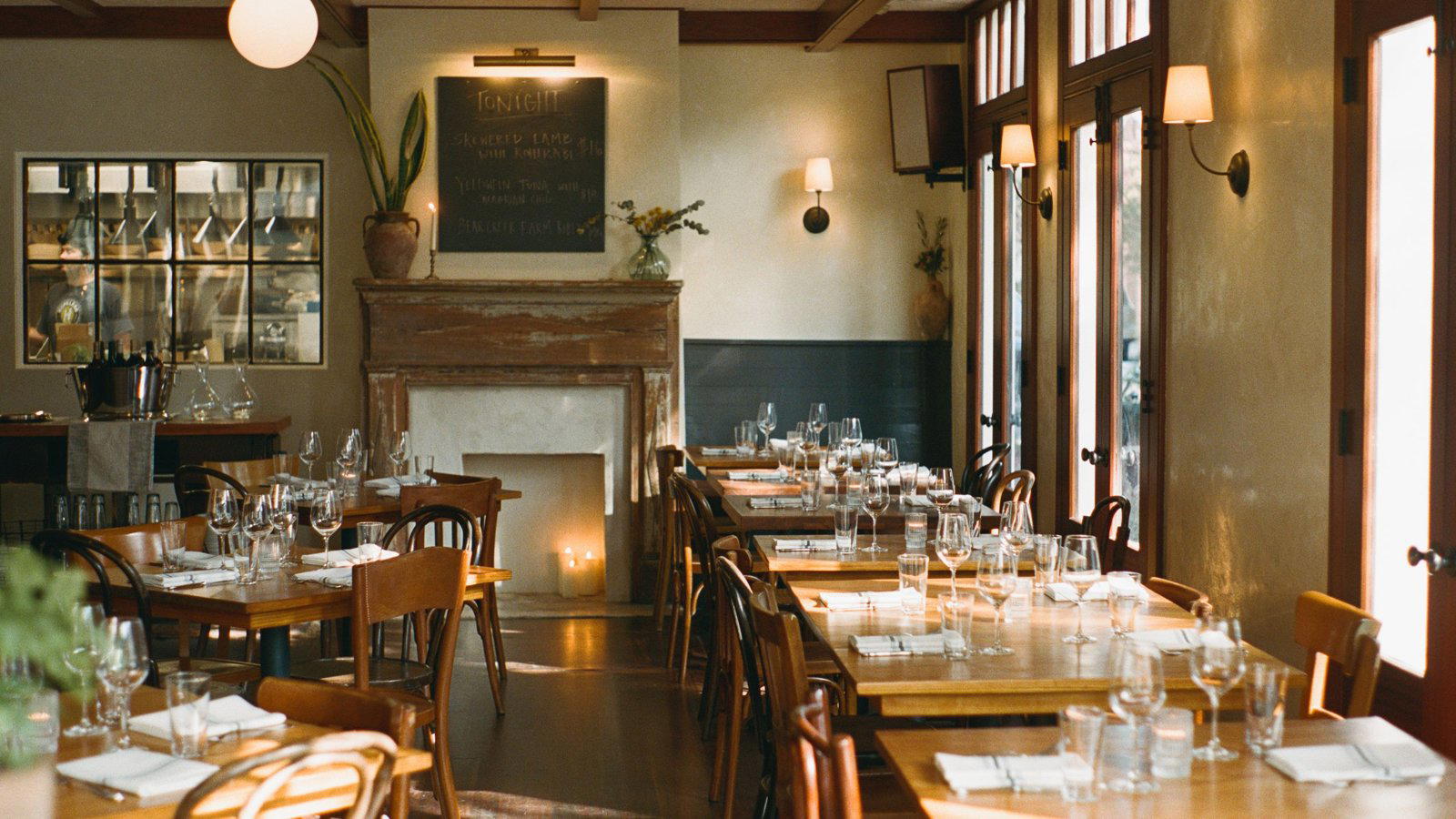
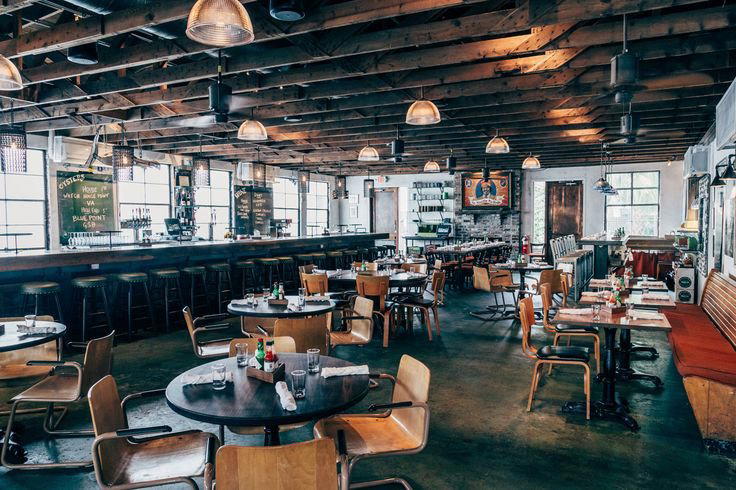
The physical environment of a converted industrial space carries specific expectations in contemporary American dining. It signals a certain type of program: counter-culture credibility without fine-dining formality, a willingness to let the food carry the weight rather than the room's decoration. In cities like Charleston, where historic architecture is abundant and often used as a selling point, a kitchen that chooses an industrial shell is making a statement about what it wants the guest to focus on.
The broader Morrison Drive corridor reinforces this. Malagón Mercado y Taperia, operating in a similar neighborhood register, reflects how the Upper Peninsula has attracted formats that would have struggled to find their footing in more tourist-trafficked parts of the city. 1010 Bridge is another address in the area that draws on the same logic: serious intent in a setting that doesn't perform its seriousness through decor alone.
Where Edmund's Original Sits in the Wider American Conversation
Mapping Edmund's Original against the full range of American serious dining helps clarify its register. It is not operating in the tasting-menu tier occupied by The French Laundry in Napa, Le Bernardin in New York City, or Atomix in New York City. It is not pursuing the farm-to-table immersion format of Single Thread Farm in Healdsburg. Its comparable set is closer to the mid-tier serious American restaurant: places like Emeril's in New Orleans or Providence in Los Angeles, which built reputations on regional specificity and consistent execution rather than format innovation alone.
Internationally, the comparison with destination-led kitchens like Atelier Moessmer Norbert Niederkofler in Brunico or Addison in San Diego illustrates how place-rooted cooking has become a global marker of credibility rather than a regional limitation. In that context, a Charleston kitchen that treats Lowcountry sourcing seriously is participating in a wider argument about what American regional cuisine can achieve.
Planning Your Visit
Visitors should confirm current hours and reservation policy directly before planning a trip. The address, 1081 Morrison Drive, puts it in the Upper Peninsula, accessible by rideshare from downtown Charleston in under ten minutes. Given the neighborhood's density of serious restaurants, it is worth planning a broader evening in the area rather than treating any single address as a standalone destination.
Pricing, Compared
Comparable venues nearby, for context on price, style, and recognition.
| Venue | Cuisine | Price | Notes |
|---|---|---|---|
| Edmund's Original (Formerly Edmund's Oast)This venue — the venue you are viewing | East Central, New American Brewpub | $$ | Not listed |
| The Harbinger Cafe & Bakery | Not listed | $$ | North Central, Vegan-Friendly Bakery Cafe |
| Hominy Grill | historic downtown, Lowcountry Southern | $$ | Not listed |
| The Glass Onion | Not listed | $$ | West Ashley, Lowcountry Southern Comfort Food |
| Poogan's Porch | Not listed | $$ | historic district, Classic Southern Lowcountry |
| The Peacock | Not listed | $$$ | French Quarter, American with International Influences |
Continue exploring
More in Charleston
Restaurants in Charleston
Browse all →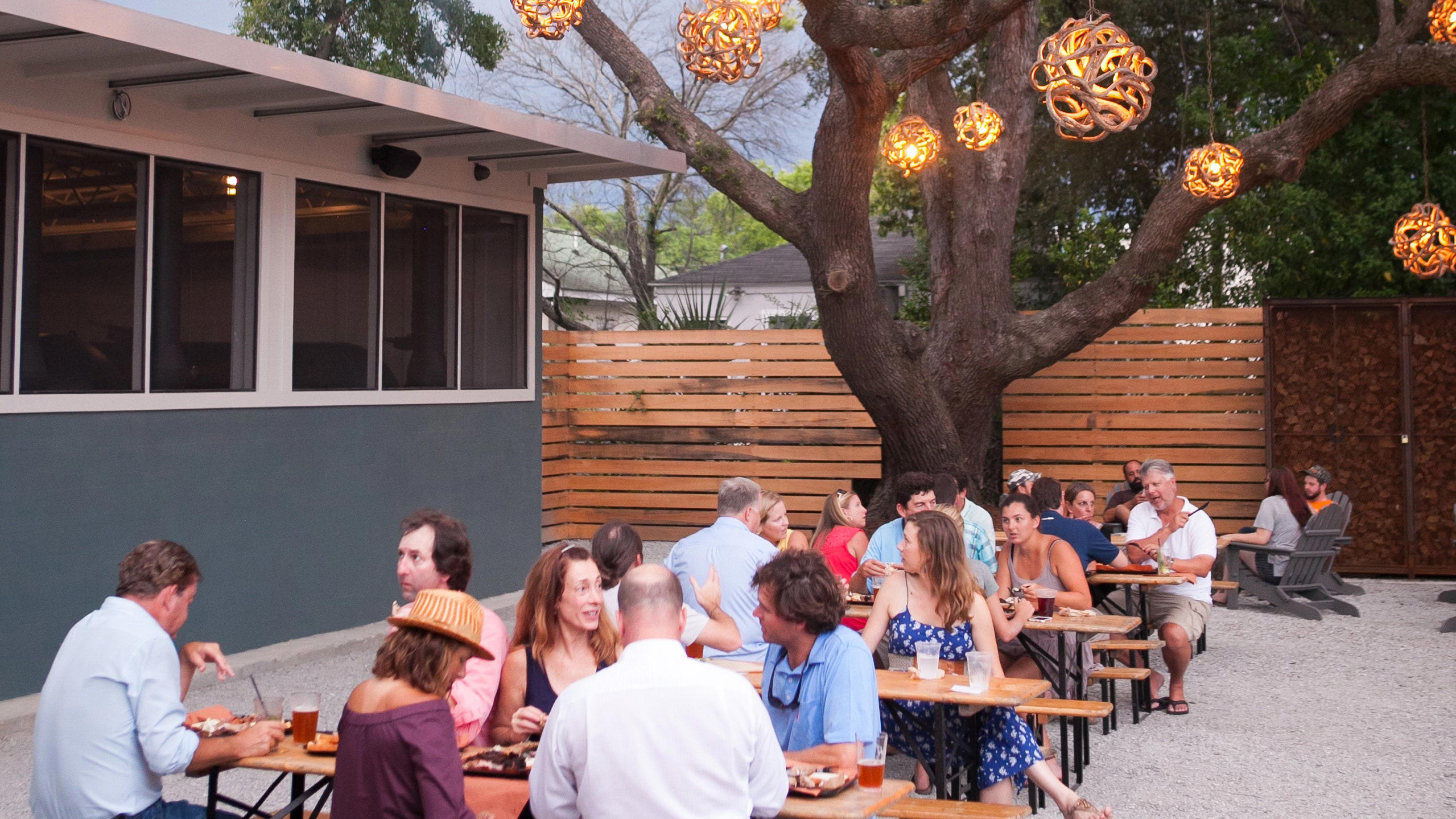
Bars in Charleston
Browse all →
At a Glance
- Cozy
- Lively
- Rustic
- Casual Hangout
- Group Dining
- Date Night
- Open Kitchen
- Beer Program
- Craft Cocktails
- Local Sourcing
Current opening hours
- Monday
- 1–10 PM
- Tuesday
- 1–10 PM
- Wednesday
- 1–10 PM
- Thursday
- 1–10 PM
- Friday
- 1–10 PM
- Saturday
- 11 AM–10 PM
- Sunday
- 11 AM–10 PM
Hours can change for holidays and private events. Last verified .
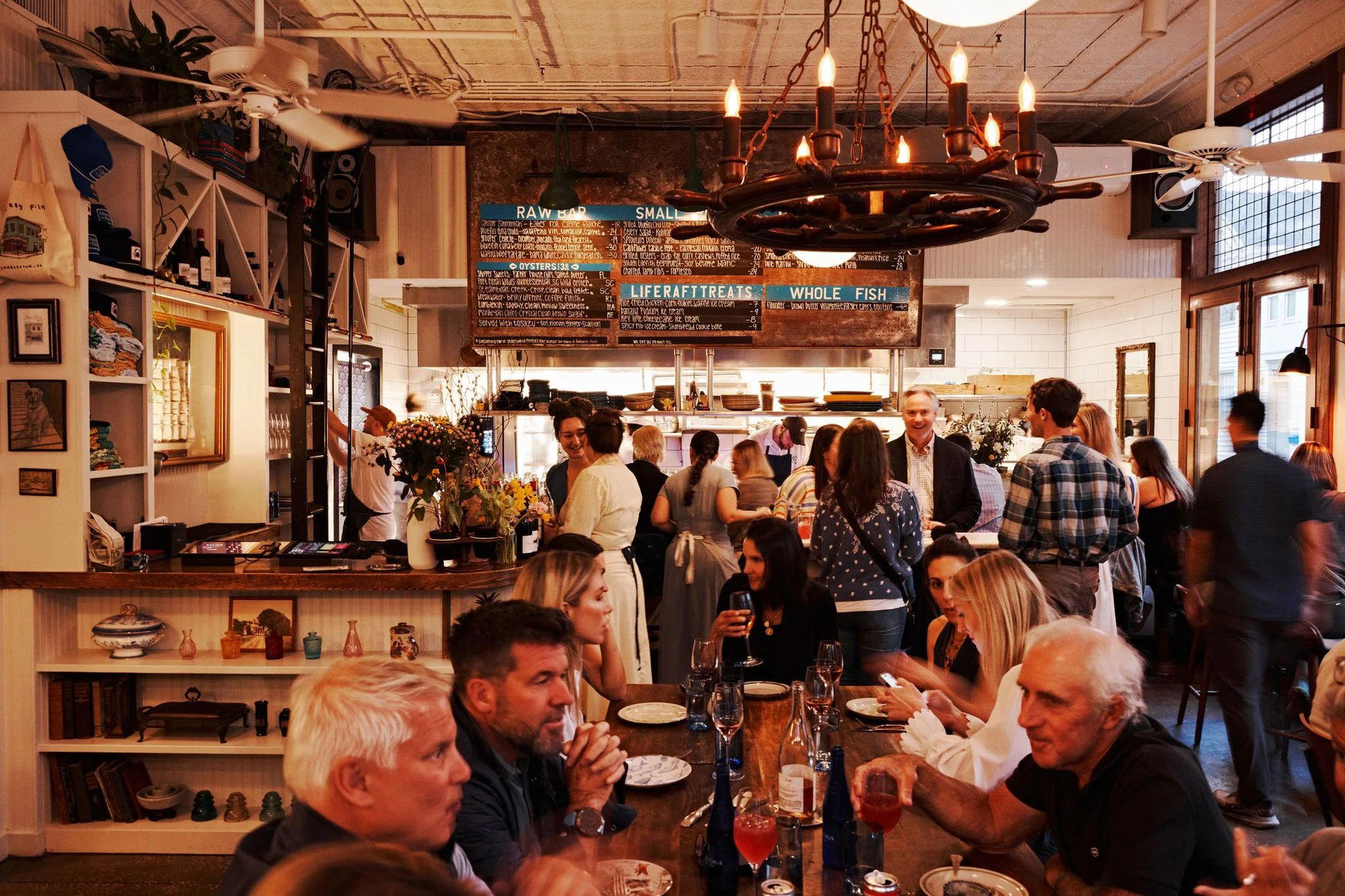
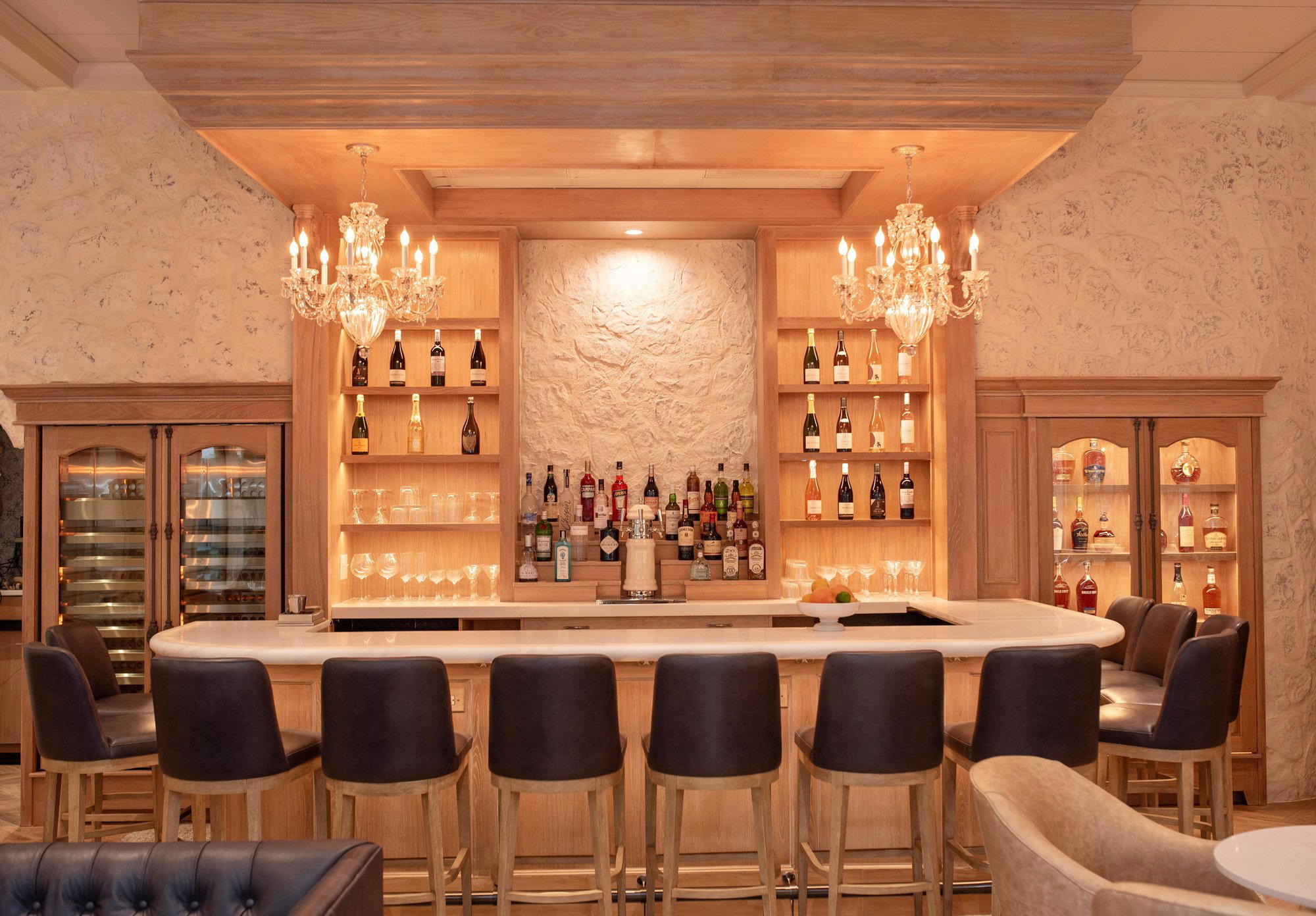
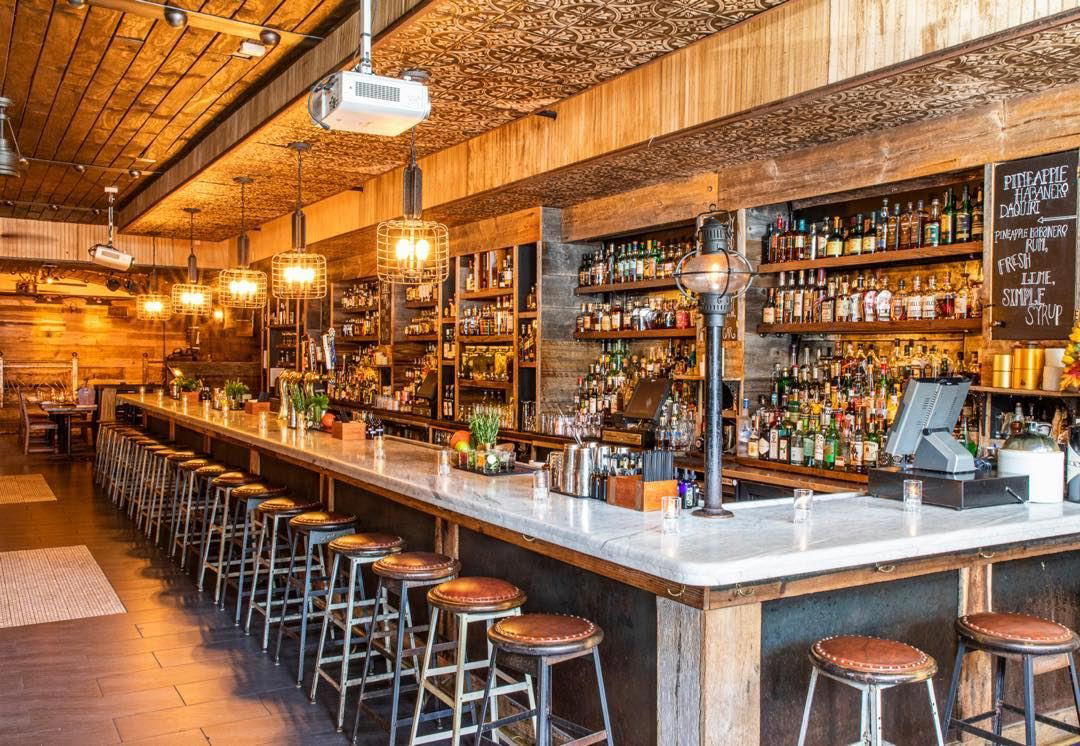
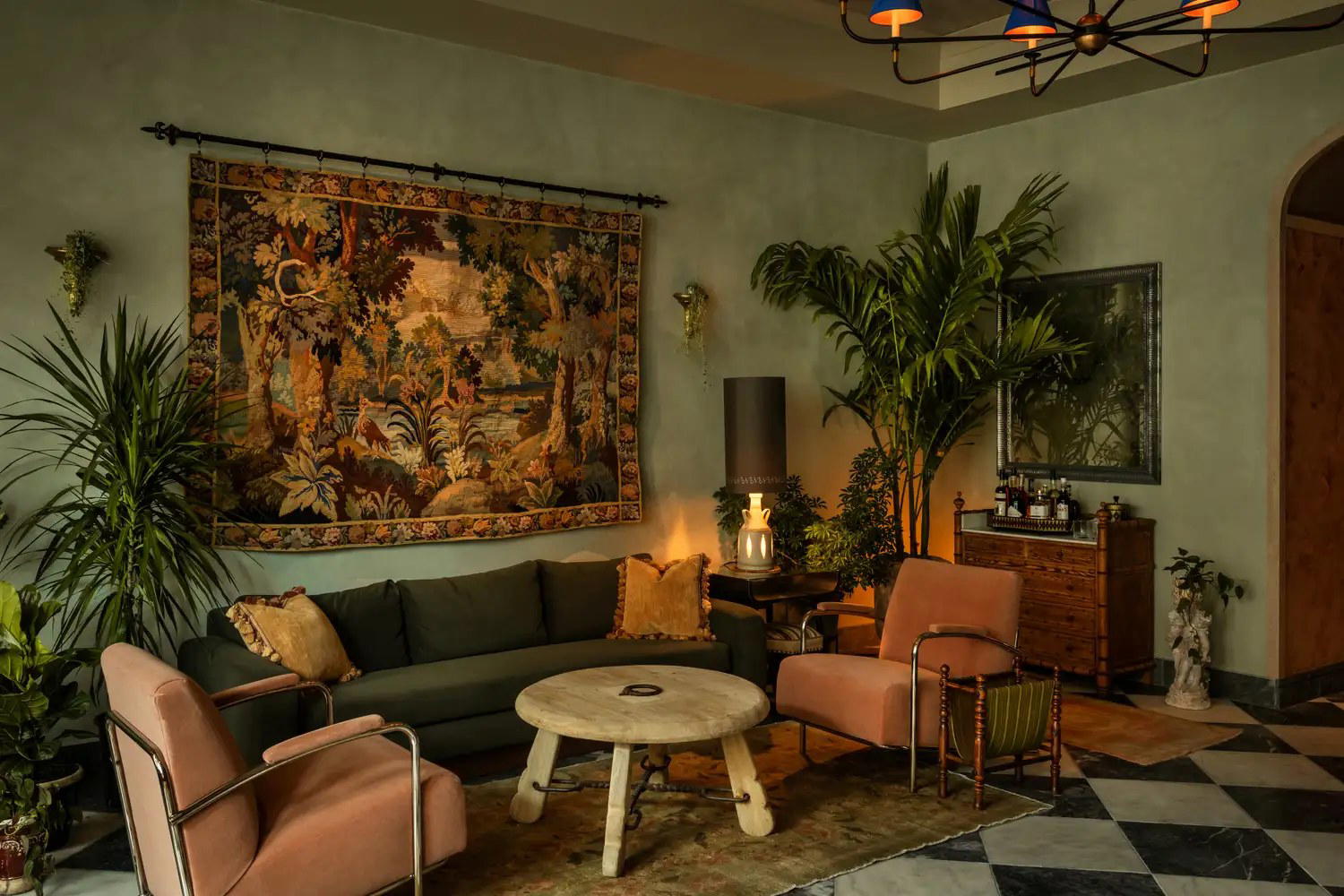
Intimate lighting, rich materials, and timeless tavern warmth well-suited for conversations.