On a quiet piazza in Rome's historic centre, Osteria delle Coppelle draws a crowd that knows the neighbourhood well. The format is classic Roman osteria: wine-led, convivial, and rooted in the kind of hospitality that treats the drink as seriously as the food. It occupies a stretch of the city where trattorias and enotecas have traded for centuries, and it fits that lineage without apology.

Pearl is the En Primeur Club membership app — saves, bookings, and concierge access live there. Same editors, same standards.
- Address
- Piazza delle Coppelle, 54/55/56, 00186 Roma RM, Italy
- Phone
- +39 06 4550 2826
- Hours
- Daily 12:30–3:30 PM, 6:30 PM–2 AM
- Website
- osteriadellecoppelle.com
- Directions
- Get directions
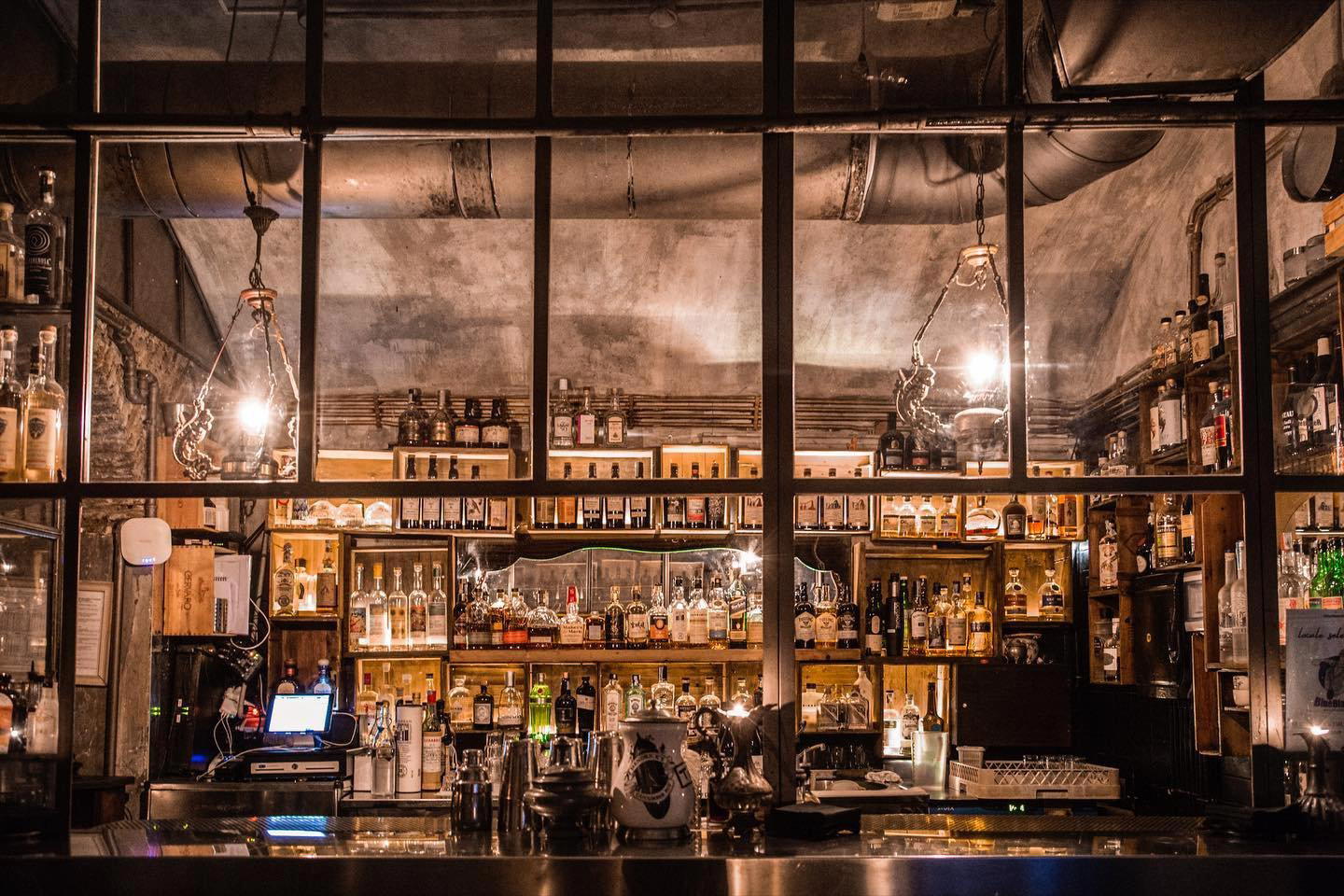
A Piazza That Still Functions Like a Piazza
Piazza delle Coppelle sits a few hundred metres north of the Pantheon, in a pocket of Rome's centro storico that resists the worst of the tourist circuit. The square is small enough that voices carry across it in the evening, and the osteria spreads across three street-level addresses — numbers 54, 55, and 56 — which gives the operation an informal, accumulated feeling rather than the designed coherence of a newer venue. This is how Roman eating and drinking spaces have always organised themselves: around the square, at street level, with the boundary between inside and outside treated as a suggestion rather than a rule.
The osteria format in Rome occupies a middle tier between the full-service ristorante and the stand-up wine bar. It implies a short menu, a wine list that does the heavy lifting, and a room where the rhythm is set by regulars as much as by the kitchen. Osteria delle Coppelle operates within that tradition, in a neighbourhood where the tradition has staying power because the residential and working population is dense enough to support it year-round, not just during peak tourist season.
The Collaboration That Runs the Room
In osteria culture, the division between front-of-house and kitchen is less rigid than in a formal restaurant. The person pouring your wine is often the same person explaining what's on the plate, which means the service dynamic depends on a coherent team rather than a specialist hierarchy. At Osteria delle Coppelle, that integration is part of what gives the room its texture. Guests are not being walked through a tasting menu narrated by the chef; they are being looked after by a floor that knows the wine list from the inside out and can steer a table between a glass of something local and something further afield without making it feel like a transaction.
In Rome's current drinking and dining scene, that kind of floor confidence is less common than it should be. The city's cocktail bars, from the technical programs at Drink Kong and the atmospheric depth of Jerry Thomas Speakeasy to the neighbourhood ease of Freni e Frizioni and the low-key register of Boeme, have invested heavily in staff training. The better osterie are doing something comparable with wine service, building teams that can hold a conversation about a producer from Lazio or Campania rather than simply reading from a printed list.
This team dynamic also shapes how the food functions in the room. In a venue where the sommelier and the front-of-house work from the same script, food stops being a backdrop to drinking and becomes a genuine counterpart. That collaborative model is what distinguishes the better Roman osterie from the ones that coast on location and tourist footfall.
Where It Sits in Rome's Wine and Food Scene
Rome's wine culture has shifted meaningfully over the past decade. The city has moved away from bulk Castelli Romani whites and house red served in ceramic jugs toward a more considered approach that reflects the wider Italian natural wine movement. Small producers from Lazio, Abruzzo, and Campania now appear on lists across the centro storico, alongside selections from further south and from classic northern regions. An osteria in this neighbourhood in 2024 is expected to take a position on that shift rather than ignore it.
Across Italy, the comparison venues are instructive. Enoteca Storica Faccioli in Bologna represents the northern enoteca tradition: archive-depth selections, minimal food, scholarly atmosphere. Al Covino in Venice operates in the bacaro register, where the cycle of small bites and wine by the glass is faster and the turnover is built around the cichetti format. L'Antiquario in Naples positions itself in the cocktail-forward tier of that city's scene. Each of these venues shows how the wine-and-food format adapts to its city's specific rhythms. Osteria delle Coppelle answers the Roman version of that question: a city where the evening meal is long, the square outside is occupied from aperitivo through to late dinner, and the expectation is that a glass of wine will accompany conversation more than it will punctuate a tasting sequence.
For context further afield, the split between high-volume wine venues and quieter specialist formats repeats across European cities. Gucci Giardino in Florence sits at the designed end of that spectrum; 1930 in Milan prioritises cocktail craft and curation. Lost and Found in Nicosia and Bar Leather Apron in Honolulu each demonstrate how specialist drink venues find their identity through depth of program rather than scale. Osteria delle Coppelle belongs to the quieter, more rooted end of this spectrum in its city: not a destination constructed around a concept, but a place shaped by its square, its neighbourhood, and a consistent team.
Planning a Visit
Piazza delle Coppelle is walkable from the Pantheon and from Campo de' Fiori, placing the osteria inside one of Rome's most-trafficked dinner circuits. The practical implication is that evenings, particularly from Thursday through Saturday, will be busy, and the outdoor tables on the piazza fill early. For those who prefer a quieter read of the room, a weekday lunch or an early-evening visit before the dinner rush begins is a more useful window. Booking ahead is advisable for dinner, particularly in spring and autumn when the tourist volume in this part of the centro storico is at its highest. The full range of what Rome's restaurant scene offers at different price points and formats is covered in our full Rome restaurants guide.
Cost Snapshot
A quick snapshot of similar venues for side-by-side context.
| Venue | Price | Awards |
|---|---|---|
| Osteria delle CoppelleThis venue — the venue you are viewing | $30–50 | Not listed |
| Drink Kong | $50–100 | World's 50 Best #32 · Falstaff Bar - 96 Falstaff Points |
| Freni e Frizioni | $10–20 | World's 50 Best #31 · Falstaff Bar - 94 Falstaff Points |
| Jerry Thomas Speakeasy | Not listed | World's 50 Best #98 · Top 500 Bars Best Bars #174 |
| Salotto 42 | Not listed | World's 50 Best |
| Boeme | $10–20 | World's 50 Best #47 |
Continue exploring
More in Rome
Bars in Rome
Browse all →
Restaurants in Rome
Browse all →
Hotels in Rome
Browse all →

Details
- Romantic
- Cozy
- Rustic
- Lively
- Classic
- Date Night
- Casual Hangout
- Late Night
- Courtyard
- Historic Building
- Outdoor Terrace
- Seated Bar
- Classic Cocktails
- Conventional Wine
- Street Scene
Current opening hours
- Monday
- 12:30–3:30 PM, 6:30 PM–2 AM
- Tuesday
- 12:30–3:30 PM, 6:30 PM–2 AM
- Wednesday
- 12:30–3:30 PM, 6:30 PM–2 AM
- Thursday
- 12:30–3:30 PM, 6:30 PM–2 AM
- Friday
- 12:30–3:30 PM, 6:30 PM–2 AM
- Saturday
- 12:30–3:30 PM, 6:30 PM–2 AM
- Sunday
- 12:30–3:30 PM, 6:30 PM–2 AM
Hours can change for holidays and private events. Last verified .
Cozy tavern-style interior with classic Roman decor, warm family environment, and lively outdoor piazza seating under historic fountain.