The Loveable Rogue West End

The Good Food Guide GFG Good
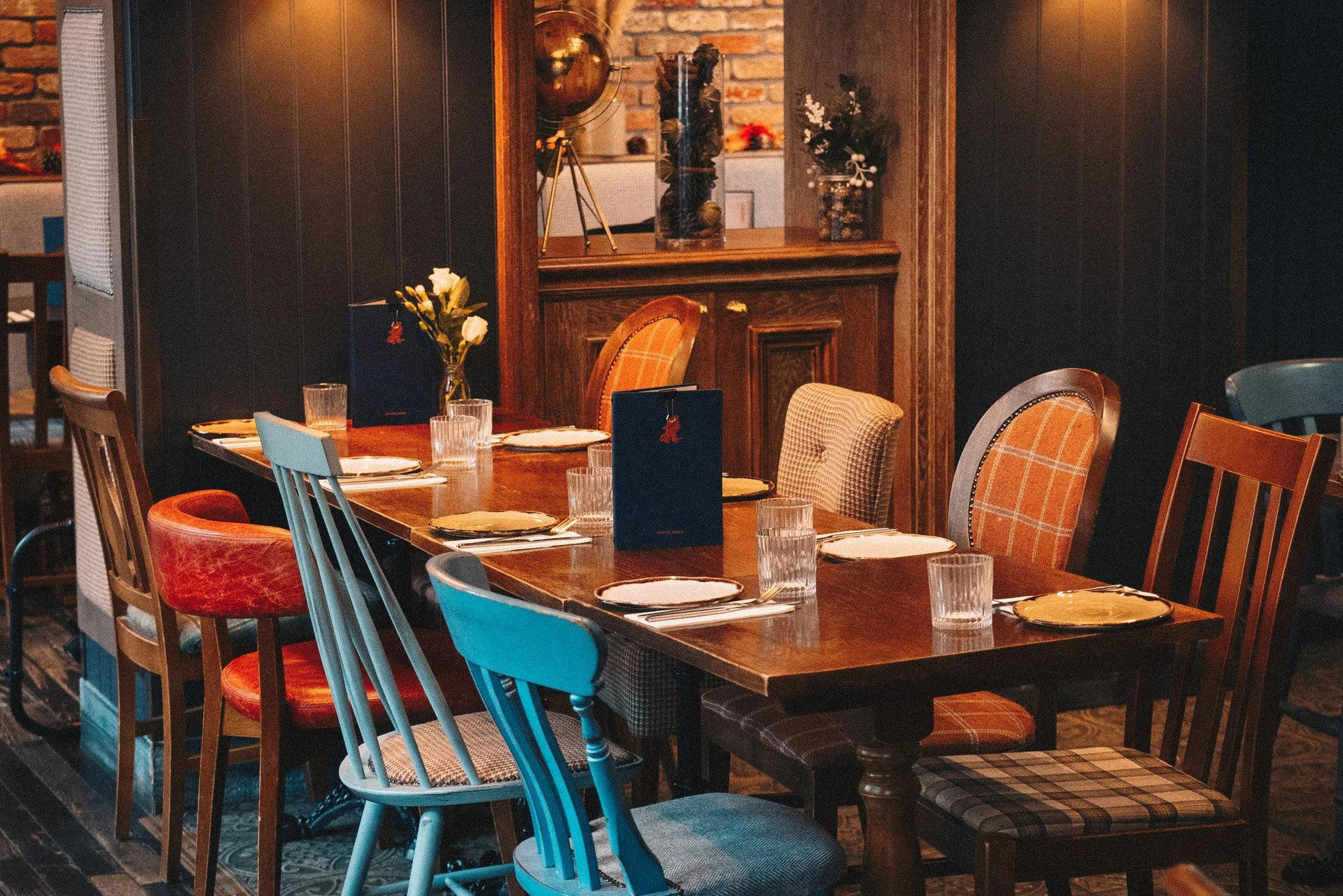
Compared to Glasgow's more earnest neighbourhood bistros, The Loveable Rogue West End on Great Western Road pitches itself differently: creative, seasonal cooking at prices that don't punish curiosity, delivered through a format that shifts between weeknight carte, a £10 date-night single course, and a Sunday roast that the kitchen clearly treats as a weekly centrepiece. The atmosphere is lively, the kitchen open, and the tone unambiguously fun.
Great Western Road and the Case for Not Taking It Too Seriously
Glasgow's West End dining strip along Great Western Road has always occupied a different register from the city centre. The neighbourhood draws a crowd that's eaten well enough to be demanding but lives locally enough to resist ceremony. The restaurants that thrive here tend to find a balance between genuine kitchen ambition and an atmosphere that doesn't make you feel like you're attending a performance. The Loveable Rogue, at number 333, pitches squarely at that balance, and the name is the most efficient signal of intent you'll find on the street.
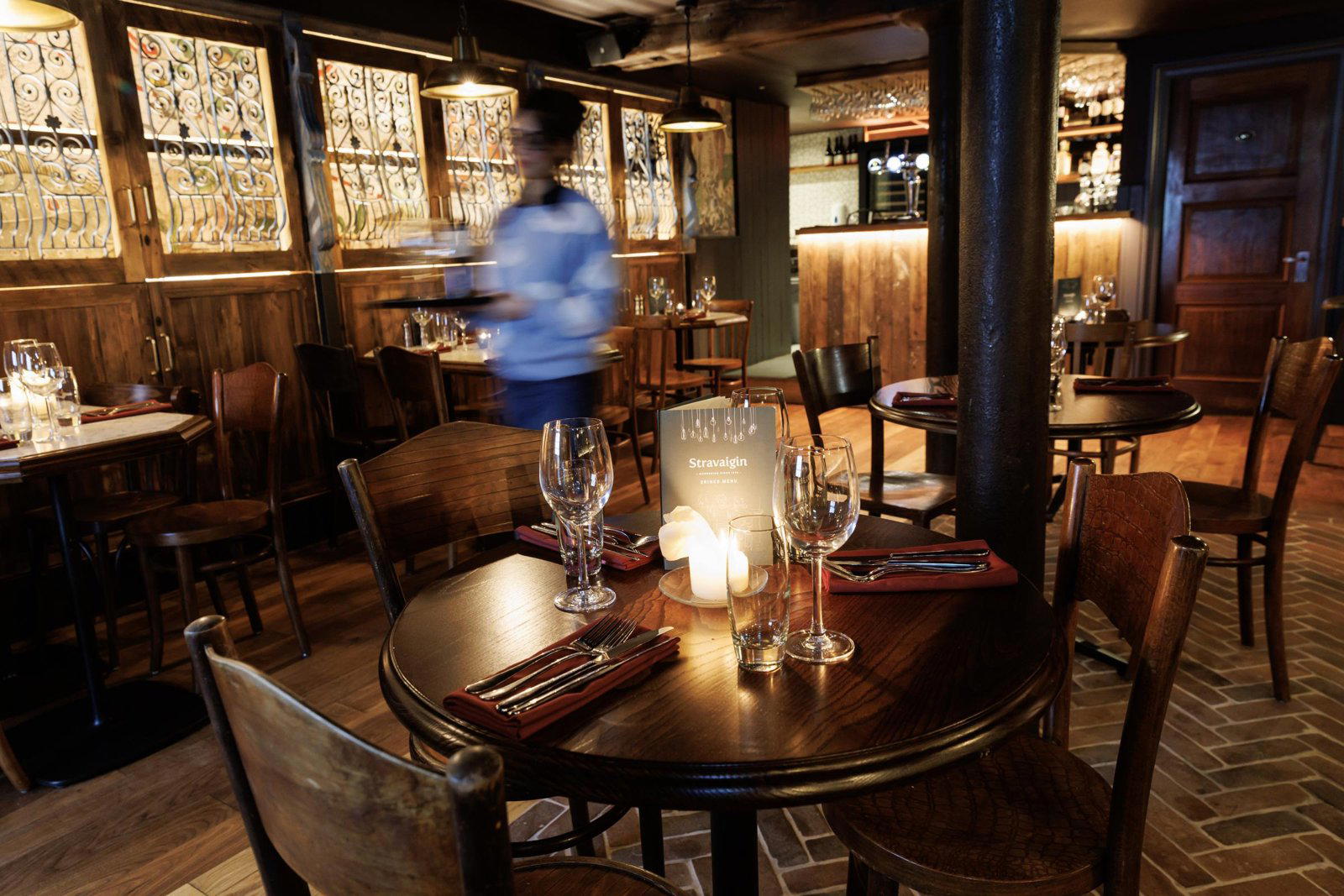
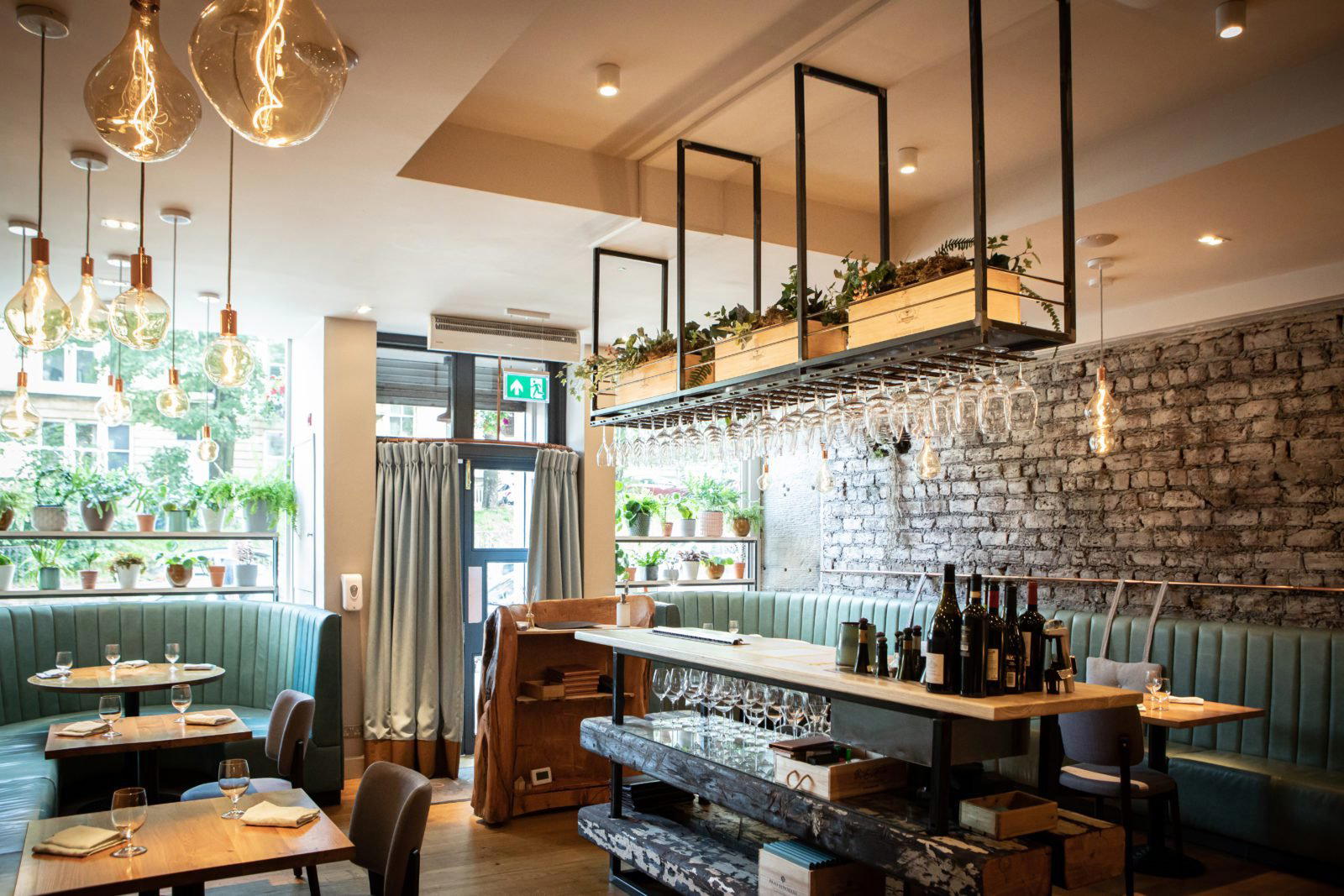
Approach on any given weeknight and what you notice first is the sound: a room operating at full social volume, not the curated hum of somewhere trying to project exclusivity. The kitchen is open, which in a small space means the cooking is part of the room rather than something happening behind a door. Chef and co-owner Joe Lazzerini describes the house philosophy as 'good times and great scran', which is either a refreshing piece of candour or a marketing line so well-calibrated it functions as both. Either way, it sets accurate expectations.
What the Regulars Already Know
The people who come back to The Loveable Rogue regularly aren't doing so because they've run out of options. The West End has competitors: the long-established Gamba for serious seafood, Our full Glasgow restaurants guide maps the wider scene. What the regulars here have identified is a specific combination that's harder to find than it sounds: food that carries genuine technique and seasonal sourcing, at a price point that doesn't require an occasion to justify, in a room where the atmosphere doesn't require management.
The format helps. There's a carte, but there's also a single-course date-night deal priced at £10, which positions the kitchen as something you can test without commitment. That pricing structure tells you something about how the venue thinks about its clientele: not as one-time visitors to be impressed, but as a recurring local audience to be kept honest. Regulars will know when the kitchen changes with the season. They'll have a view on the Sunday roast, which the kitchen builds around Speyside beef and beef-fat garlic roasties in a format that clearly invites strong opinions and return visits to resolve them.
The Menu as a Series of Considered Decisions
Michelin's assessors have noted the kitchen's output in their awards documentation, and their descriptions are more useful than most press release language precisely because they're specific. The roasted onion velouté, for instance, arrives with crispy diced tongue and a cheese churro for dipping, which is a combination that reads as playful until you consider the structural logic: richness, texture contrast, something to do with your hands. A coronation chicken pie with date purée and celeriac rémoulade is described as evoking summer picnics, which is the kind of association you either find affecting or arch, but the technique underneath it is sound. Soft crab lasagne with shellfish bisque, characterised by the kitchen itself as 'floaty like a loosely made bed', suggests the menu is written by people who don't feel the need to over-explain what they're doing.
Ayrshire pork fillet signals the local and seasonal sourcing that the kitchen applies consistently across the menu. This is standard language for contemporary Scottish cooking at this level, but the sourcing isn't decorative here: it shapes the menu's character and gives regulars a reason to track the changes. The progression through to dark chocolate crémeux with confit blackberry and almond is described by Michelin as 'pitch-perfect', which, in the Michelin lexicon, is a measured compliment from a body not given to enthusiasm.
The Sunday roast format deserves separate attention. Rare Speyside beef, what the kitchen calls 'wonky Yorkies', beef-fat garlic roasties, brisket mac and cheese, honeyed roots, crushed vegetables, and gravy in quantity: this is a list constructed for maximum comfort and minimum self-consciousness. In a city that has absorbed enough fine-dining influence to produce some very serious Sunday menus, this approach to the format reads as a considered position rather than a failure of ambition.
Placement in the Glasgow Scene
Glasgow's informal end of the dining market has become more competitive over the past decade. The West End in particular has seen turnover in the neighbourhood bistro category, with some operators migrating toward tasting-menu formats and others consolidating around the drinks-led model. The Loveable Rogue occupies a position that's adjacent to both without committing to either. It has the kitchen seriousness of the former and the atmosphere of the latter, which is why it fits differently into a week than venues like 182 Queen Margaret Dr or the student-adjacent pubs of Ashton Lane, represented in the EP Club index by 39 Ashton Ln.
Across the UK's informal dining scene, the format that The Loveable Rogue represents has become a reliable category: technically serious food at accessible price points, delivered without the rituals that make high-end dining feel alienating. Comparable tonal positioning exists in different city contexts, whether at Schofield's in Manchester or the more cocktail-focused Bramble in Edinburgh. For reference points further afield, the drinks-led version of this tone is well-represented by 69 Colebrooke Row in London and Merchant Hotel in Belfast at a more formal register. The Loveable Rogue sits somewhere between those poles, closer to the relaxed end.
The wine list is described as simple and kindly priced, which in context signals that this is not a venue where the margin strategy is built around the back bar. For regulars, that's a feature: a list you can work through without needing to study it.
Planning a Visit
The restaurant is located at 333 Great Western Road, Glasgow G4 9HS, in a stretch of the West End that's walkable from the Kelvinbridge subway stop. The multi-format approach, carte, £10 date-night single course, and Sunday roast, means the visit character changes significantly depending on the day and the appetite. For a first visit, the weeknight carte gives the clearest picture of what the kitchen is doing across the range. For a return visit with lower decision-making overhead, the Sunday format is the more self-contained proposition. The atmosphere is lively and the service is described as cheery, so this is not a venue calibrated for quiet conversation. For a quieter equivalent in the city centre, the Carlton George Hotel operates in a different register entirely.
A Minimal comparable set
Comparable venues nearby, for context on price, style, and recognition.
| Venue | Cuisine | Price | Awards | Notes |
|---|---|---|---|---|
| The Loveable Rogue West EndThis venue (the venue you are viewing) | Hillhead, lounge | Not listed | The Good Food Guide GFG Good | Not listed |
| Horseshoe Bar Glasgow | Not listed | $10–20 | Not listed | Anderston/City/Yorkhill, pub |
| Sloans | Not listed | $20–30 | Not listed | Anderston/City/Yorkhill, pub |
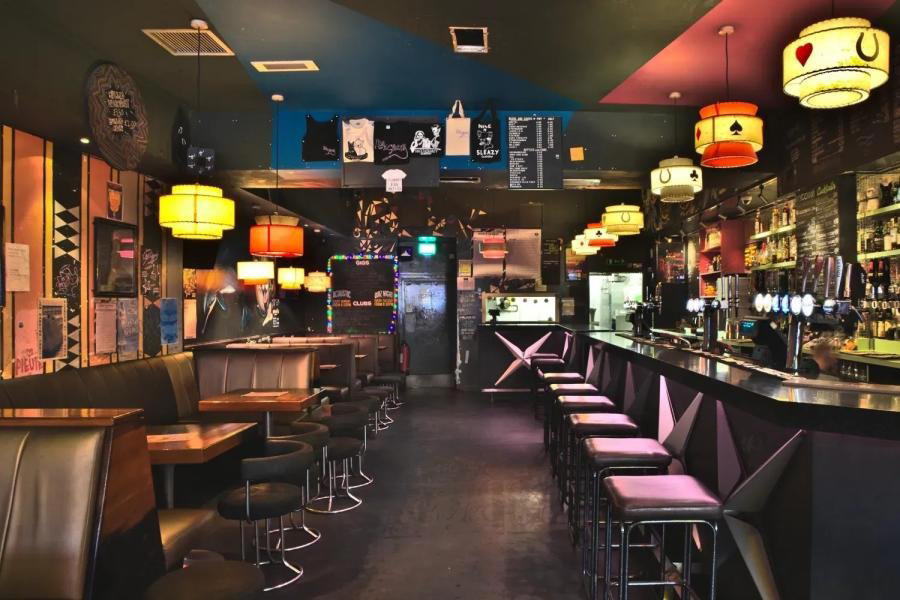
| Nice N Sleazy | Not listed | $10–20 | Not listed | Anderston/City/Yorkhill, dive_bar |
| Òran Mór | Hillhead, Bar | $20–30 | Not listed | Not listed |
| The Variety Bar | Not listed | Not listed | Not listed | Anderston/City/Yorkhill, pub |
Recognition history
Dated appearances from independent guides and award organizations, with the underlying list record or original source where available.
The Good Food Guide GFG Good
The Good Food Guide
Continue exploring
More in Glasgow
Bars in Glasgow
All bars in Glasgow →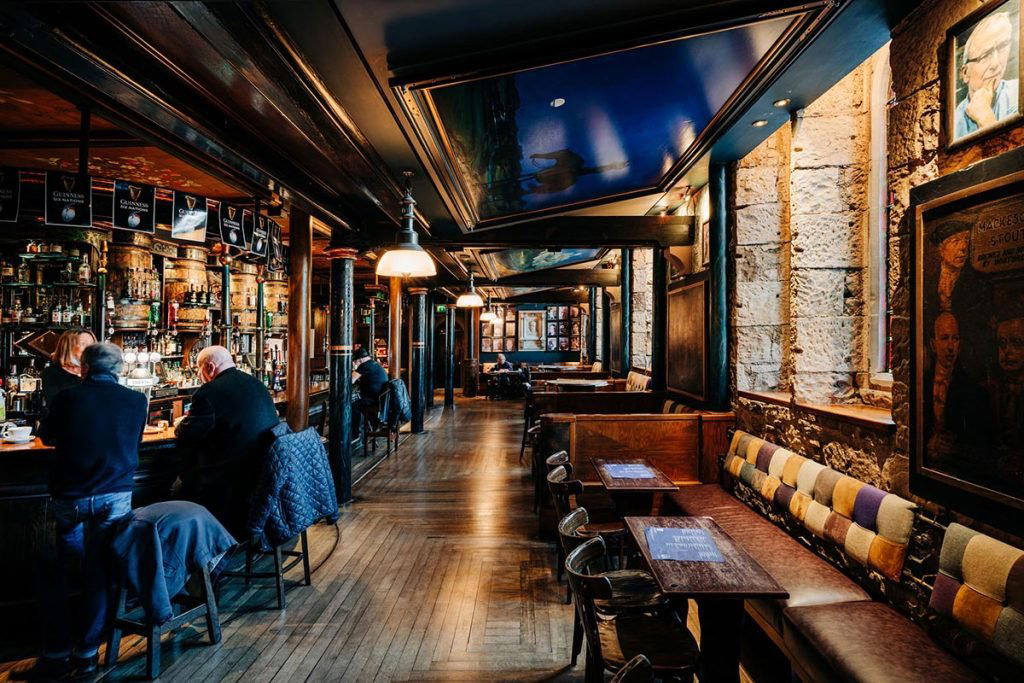
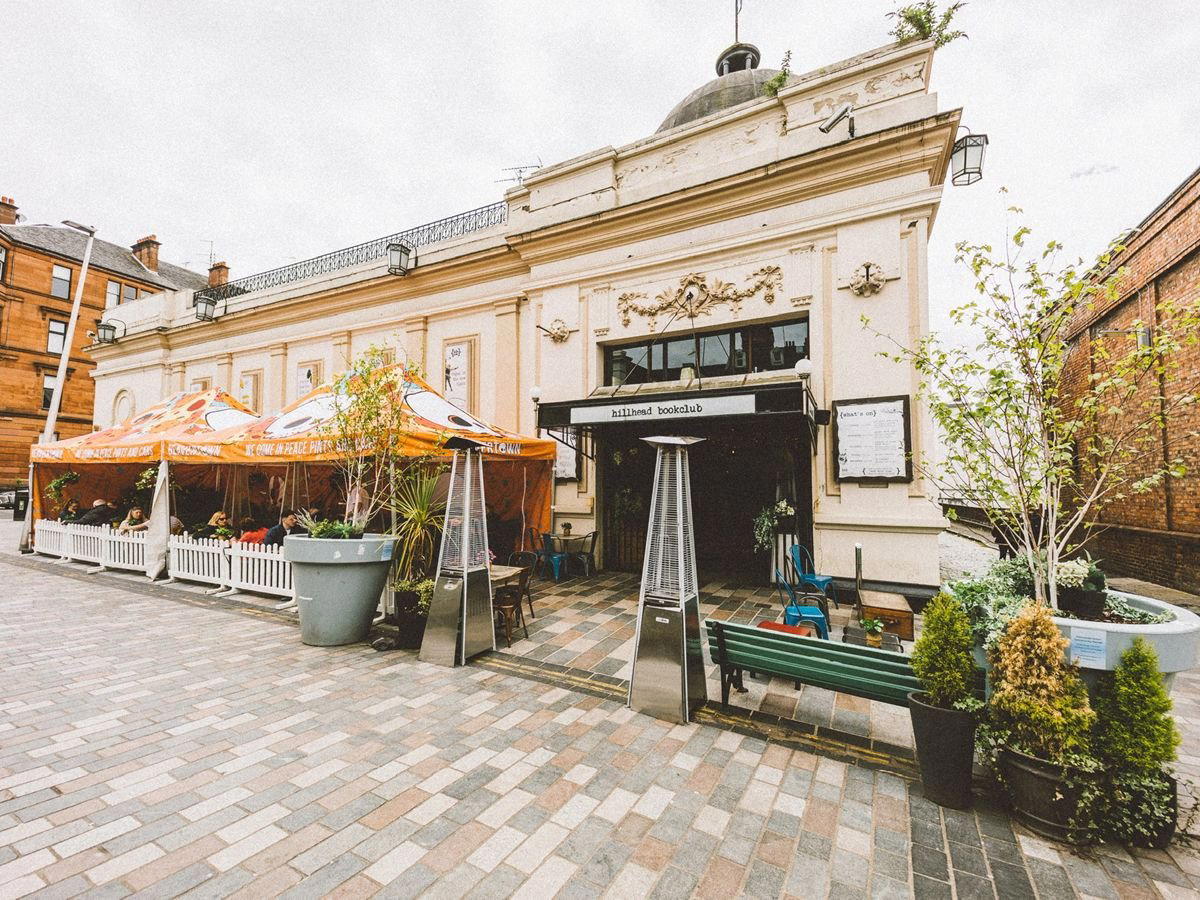
Restaurants in Glasgow
All restaurants in Glasgow →
Hotels in Glasgow
All hotels in Glasgow →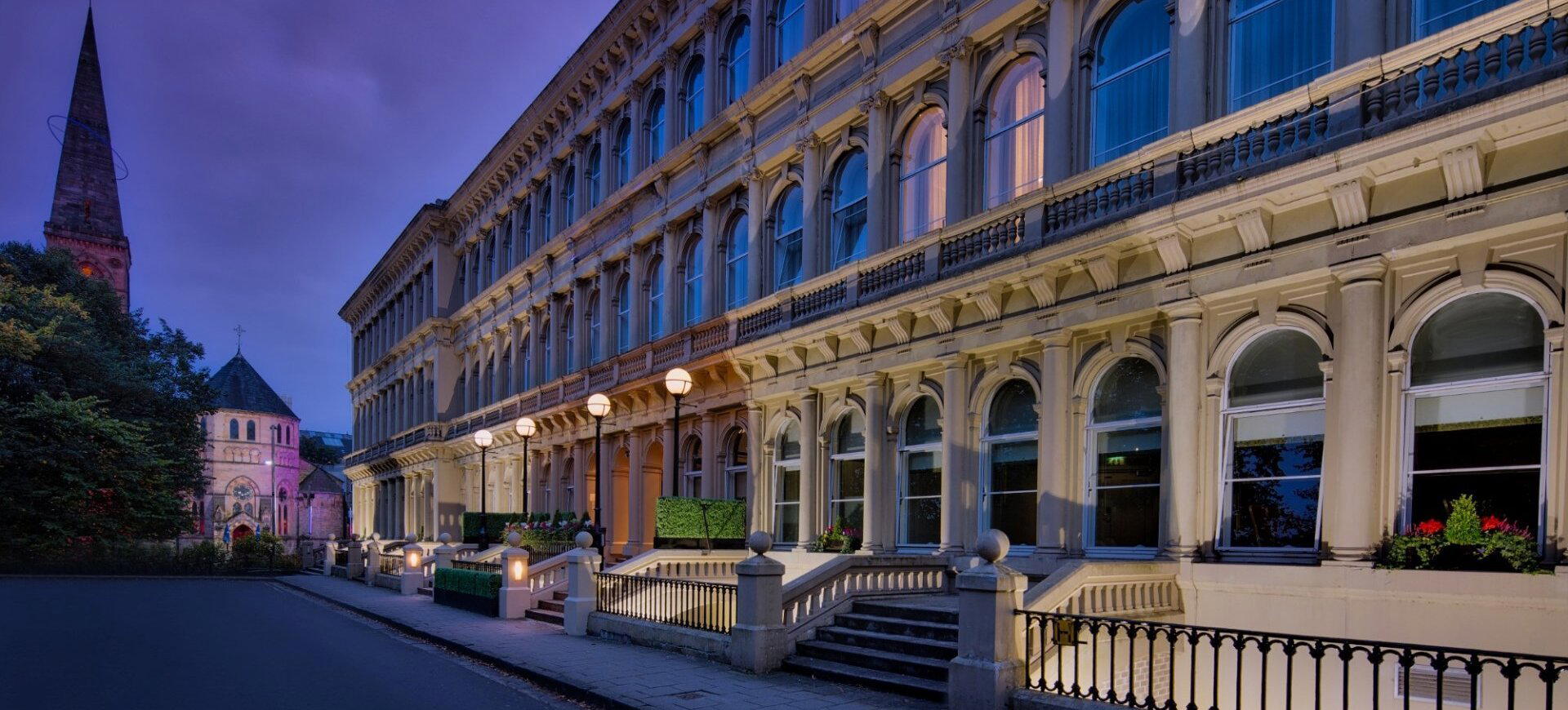

Wineries in Glasgow
Browse all →
Details
- Cozy
- Lively
- Trendy
- Date Night
- After Work
- Casual Hangout
- Standalone
- Lounge Seating
Current opening hours
- Monday
- Closed
- Tuesday
- 5–10:30 PM
- Wednesday
- 12–10:30 PM
- Thursday
- 12–10:30 PM
- Friday
- 12–10:30 PM
- Saturday
- 12–10:30 PM
- Sunday
- 12–10:30 PM
Hours can change for holidays and private events. Last verified .
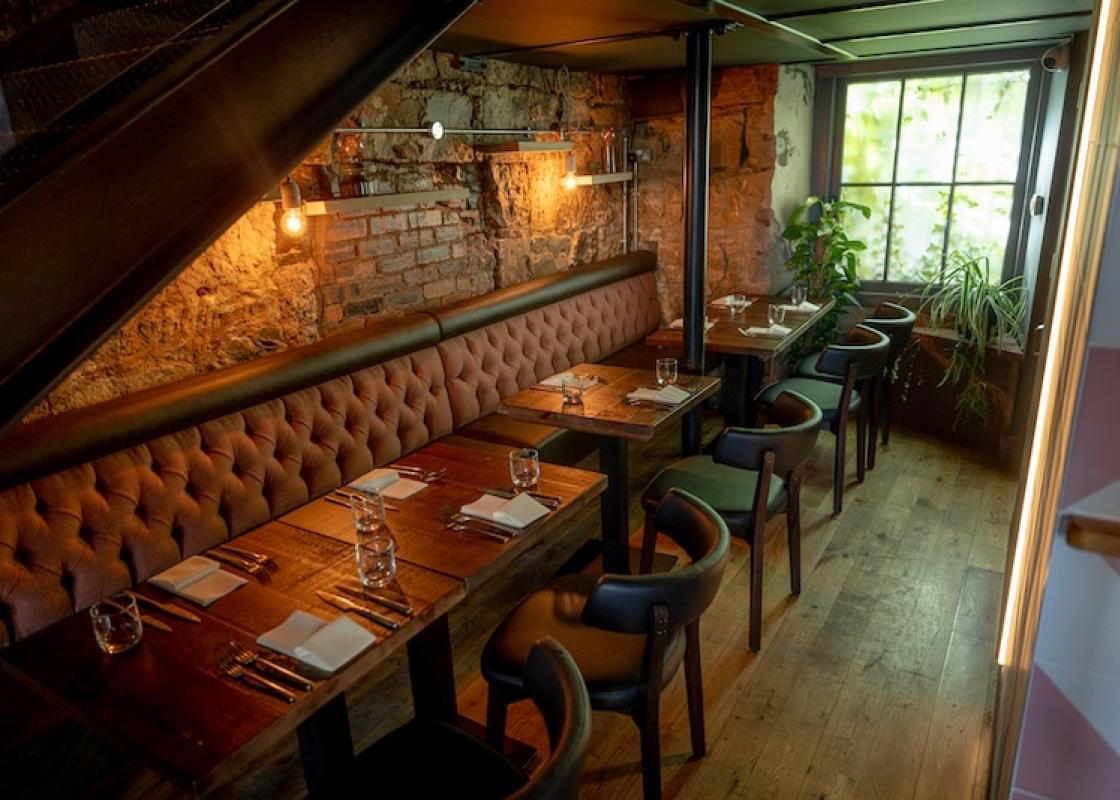
Cozy and inviting with tasteful decor, big windows, high ceilings, exposed brickwork, wooden beams, and lively warmth.