39 Ashton Ln
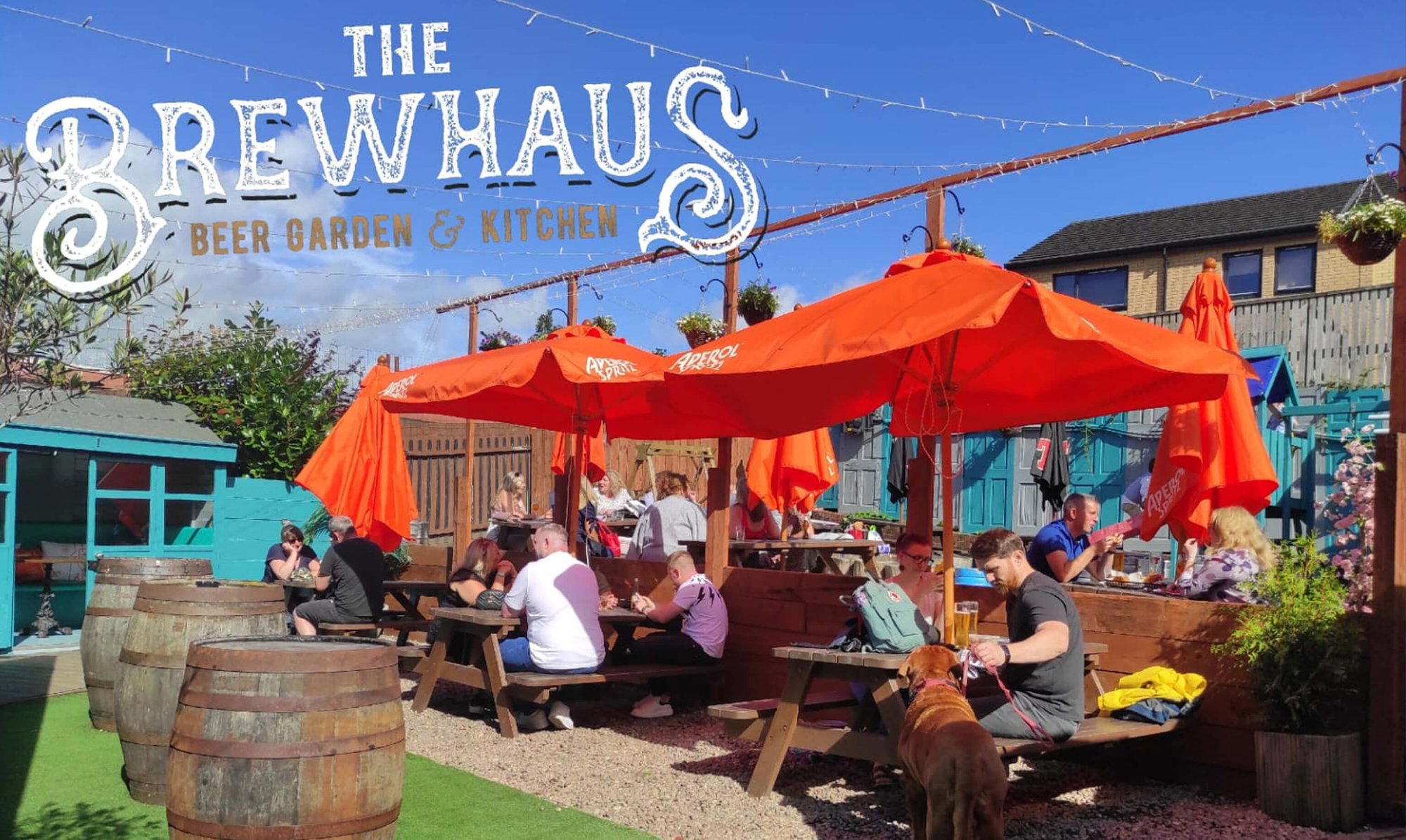
Ashton Lane is Glasgow's most concentrated stretch of West End drinking culture, and number 39 sits at the heart of it. A fixture on the cobbled lane that connects Byres Road regulars with visiting students and academics from the nearby university, it functions as a genuine neighbourhood gathering point rather than a destination venue. Expect the kind of unpretentious atmosphere that Glaswegians tend to prefer.

Pearl is the En Primeur Club membership app — saves, bookings, and concierge access live there. Same editors, same standards.
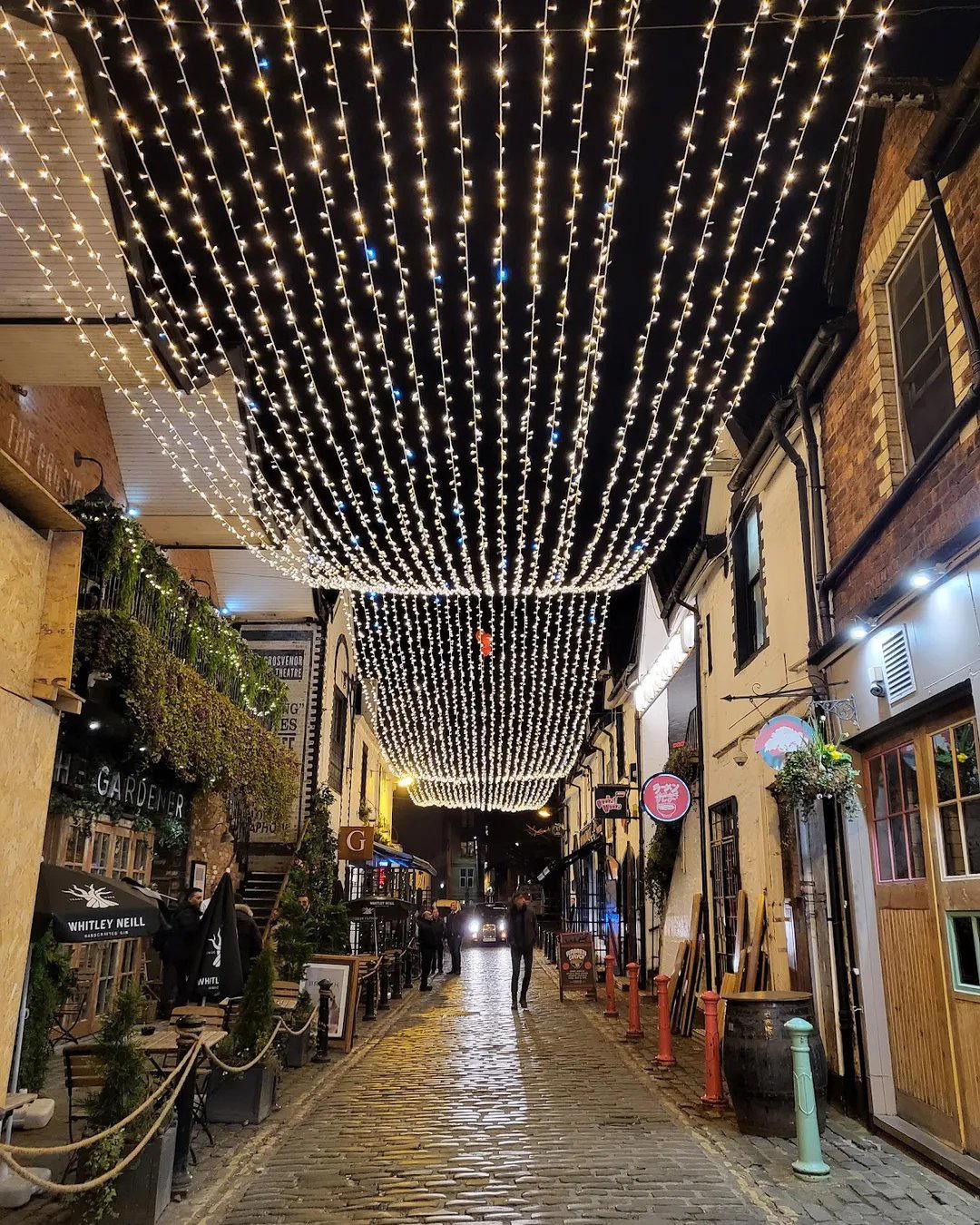
The Lane as Local Institution
Ashton Lane occupies a particular place in Glasgow's West End that no amount of bar openings on Finnieston or Merchant City can replicate. It is a cobbled, covered alleyway running off Byres Road in the shadow of the University of Glasgow, and it has functioned as the social spine of the G12 postcode for decades. The buildings lean slightly toward each other overhead, fairy lights string across the gap between them, and the lane fills from mid-afternoon with the particular mix of students, academics, neighbourhood residents, and weekend visitors that defines the West End's character. Within that context, 39 Ashton Lane is not a destination in the trophy-booking sense. It is something more durable: a fixture.
Glasgow's bar culture has always tilted toward the communal over the theatrical. While cities like London developed the hidden-door speakeasy format and Edinburgh refined its craft cocktail identity at places like Bramble in Edinburgh, Glasgow's West End maintained a different kind of loyalty: bars where people go repeatedly, consistently, because the space works for them across different moods and occasions. Ashton Lane concentrates that tendency. The lane itself is the draw, and individual addresses within it absorb the footfall that the lane generates.
Who Drinks Here and Why It Matters
The neighbourhood-watering-hole category is harder to sustain in a city centre than it looks. It requires a bar to resist the temptation to over-concept itself every few years, and to hold a position that serves regulars without becoming stale for newcomers. On Ashton Lane, that balance is maintained partly by the lane's own geography. There is no passing taxi trade or tourist drag to dilute the local character. People who end up here have either chosen it or been brought by someone who already knows it.
The West End demographic skews educated and opinionated. The university draws international staff and students; the residential streets around Hyndland and Dowanside pull professionals who could drink anywhere in the city but prefer proximity and familiarity. This is the kind of crowd that notices if a bar changes its draught selection or rearranges its furniture, and that collective attentiveness keeps venues on the lane accountable in a way that high-turnover city-centre spots rarely are. Compare that social contract with the format that operates at Carlton George Hotel in the city centre, where the clientele is largely transient, and the difference in atmosphere becomes apparent.
Ashton Lane in the Broader Glasgow Context
Glasgow's drinking geography has reorganised itself several times over the past two decades. Finnieston emerged as the food-led bar destination; the Merchant City developed a more polished cocktail and hotel-bar tier. The West End, by contrast, maintained its existing character largely by having a residential population committed to it. Byres Road remains one of the few high streets in any major British city where independent operators outnumber chains, and Ashton Lane is its most concentrated expression.
Within that, the lane sits in an interesting competitive position relative to the rest of Glasgow's bar offer. It is not competing with Gamba for a drinks-before-dinner crowd in the same way that a city-centre bar would. It is not positioned against the cocktail-led programmes that define bars like 69 Colebrooke Row in London or the whisky focus that distinguishes Merchant Hotel in Belfast. The lane operates on a different axis: frequency of use, social routine, and the kind of ease that comes from a bar feeling genuinely local rather than performed.
For a comparative read on what technically accomplished but community-rooted West End drinking looks like, Hillhead Bookclub on Vinicombe Street offers a useful reference point. 182 Queen Margaret Dr provides another angle on the same neighbourhood's character.
Planning Your Visit
Ashton Lane peaks on Thursday through Sunday evenings, when the lane itself becomes as much of an attraction as any individual address on it. Arriving earlier in the week or before 6pm at weekends gives a markedly different experience: quieter, more conversational, easier to settle in. The lane is a short walk from Hillhead subway station, which connects directly to the city centre in under ten minutes, making it a natural starting or ending point for a broader West End evening rather than a standalone destination.
This is consistent with how most bars on Ashton Lane operate: they are built for spontaneous use by people who live nearby, not for visitors who have pre-planned their evening around a booking confirmation.
For broader planning, our full Glasgow restaurants guide maps the city's drinking and dining options across neighbourhoods. For readers arriving from further afield, Bar Leather Apron in Honolulu and L'Atelier Du Vin Wine and Cocktail Bar in Brighton And Hove offer a sense of how the neighbourhood-specialist format operates across different markets.
Reputation Context
Comparable venues nearby, for context on price, style, and recognition.
| Venue | Cuisine | Price | Notes |
|---|---|---|---|
| 39 Ashton LnThis venue (the venue you are viewing) | beer_bar | $20–30 | Not listed |
| Sloans | pub | $20–30 | Anderston/City/Yorkhill |
| Nice N Sleazy | dive_bar | $10–20 | Anderston/City/Yorkhill |
| 182 Queen Margaret Dr | pub | Not listed | Hillhead |
| The Ben Nevis | pub | $20–30 | Anderston/City/Yorkhill |
| Horseshoe Bar Glasgow | pub | $10–20 | Anderston/City/Yorkhill |
Continue exploring
More in Glasgow
Bars in Glasgow
All bars in Glasgow →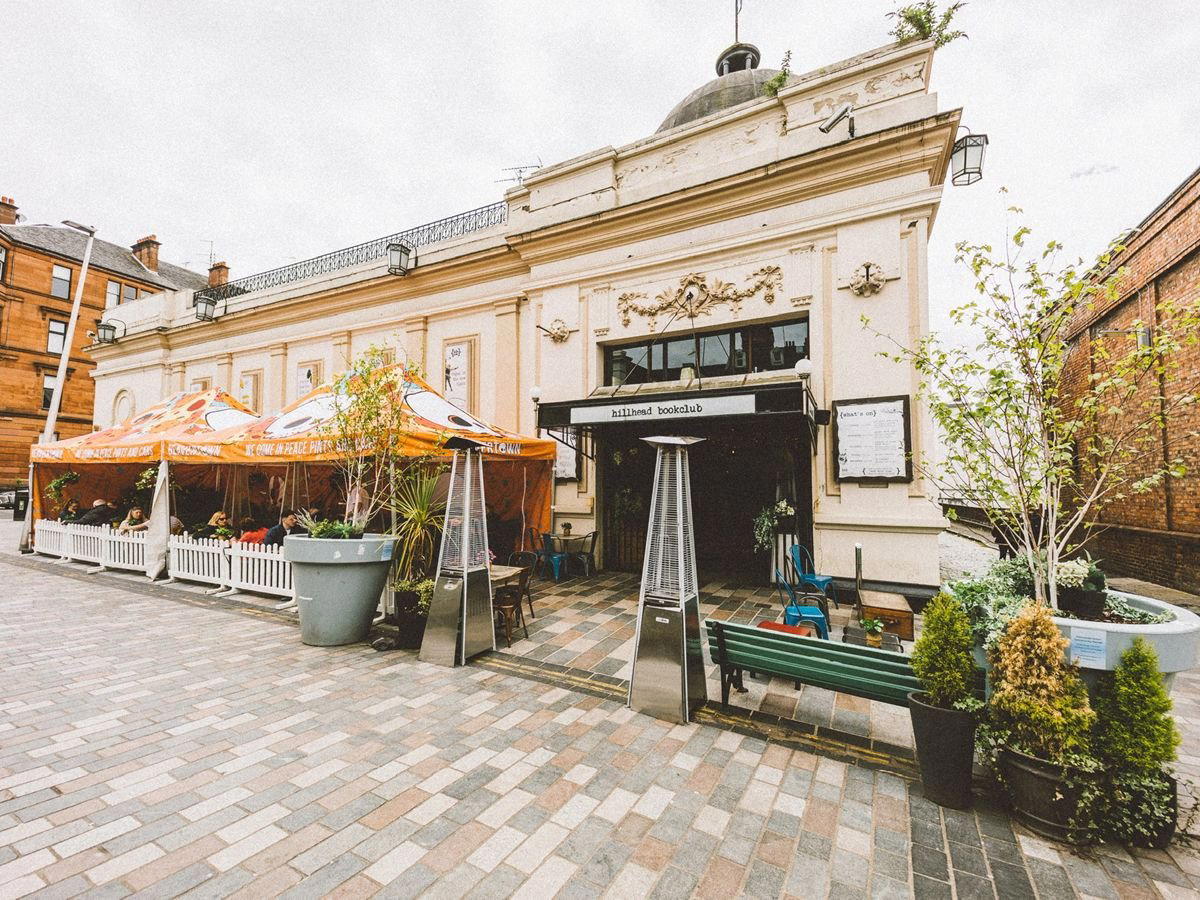
Restaurants in Glasgow
All restaurants in Glasgow →
Hotels in Glasgow
All hotels in Glasgow →
Wineries in Glasgow
Browse all →
Details
- Cozy
- Lively
- After Work
- Casual Hangout
- Group Outing
- Standalone
- Lounge Seating
- Outdoor Terrace
- Craft Beer
Current opening hours
- Monday
- 12 PM–12 AM
- Tuesday
- 12 PM–12 AM
- Wednesday
- 12 PM–12 AM
- Thursday
- 12 PM–12 AM
- Friday
- 12 PM–12 AM
- Saturday
- 12 PM–12 AM
- Sunday
- 12 PM–12 AM
Hours can change for holidays and private events. Last verified .
Laid-back atmosphere in a revamped setting with conservatory and terrace, well-suited for good chat and evening stops.