Nami Nori West Village
Nami Nori West Village brings the temaki format to Carmine Street, where hand-rolled cones sit at the intersection of Japanese technique and downtown New York informality. The West Village address places it in a neighbourhood that rewards casual drop-ins as much as planned evenings. Come for the format's inherent sociability and the considered drink pairings that distinguish it from direct sushi counters.
Pearl is the En Primeur Club membership app — saves, bookings, and concierge access live there. Same editors, same standards.
- Address
- 33 Carmine St, New York, NY 10014
- Phone
- +1 646 998 4588
- Website
- naminori.nyc
- Directions
- Get directions
 Saves & bookings on Pearl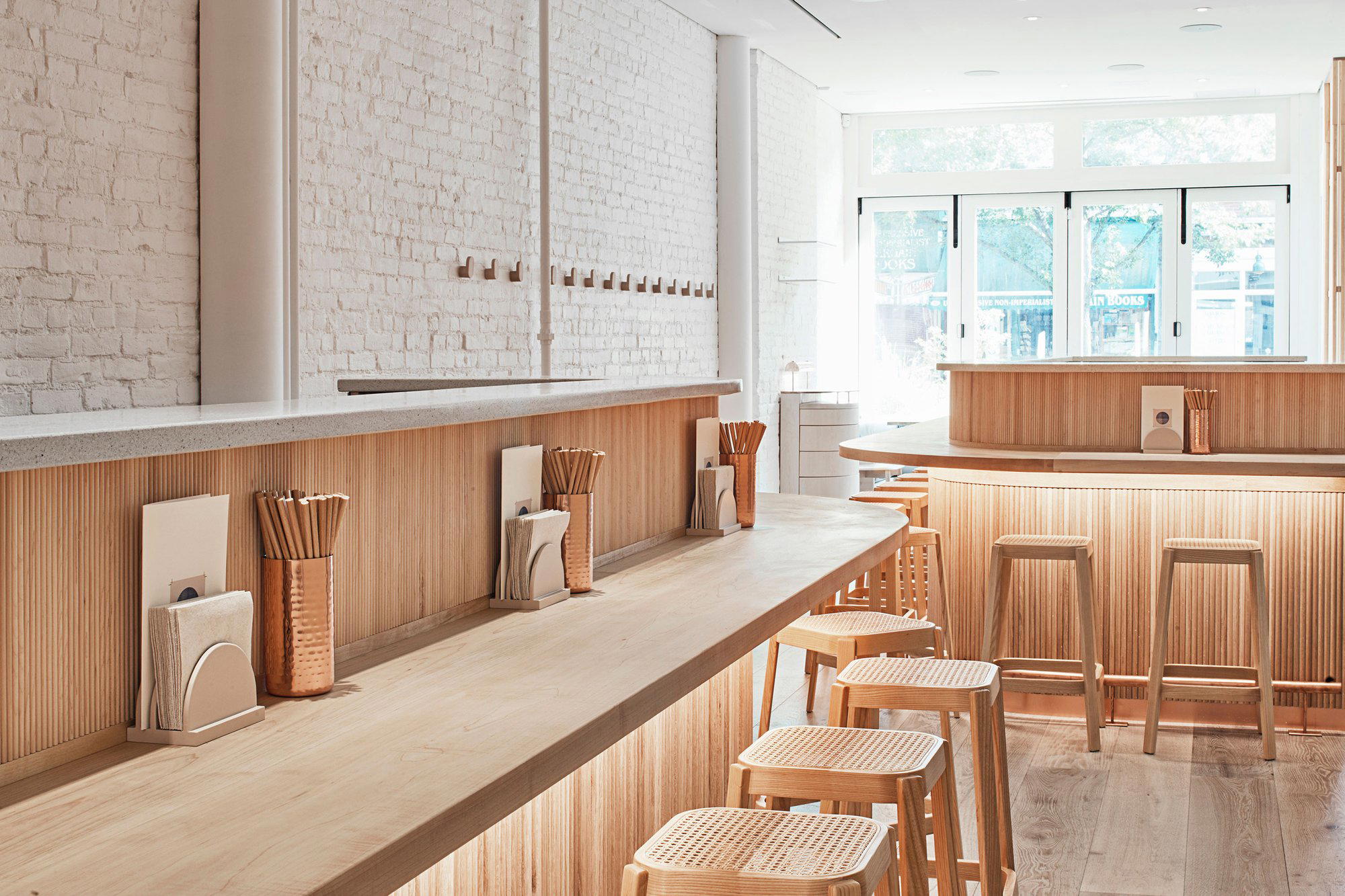
Temaki in the West Village: A Format That Fits the Room
The West Village has long sustained a particular kind of restaurant: not the grand tasting-counter imports of Midtown, nor the maximalist brasseries of the Meatpacking corridor, but low-key rooms where the food does its work without theatrical staging. It sits inside that tradition. The temaki format, hand-rolled cones assembled to order and eaten immediately before the seaweed softens, is inherently anti-ceremony. There are no ten-course progressions, no elaborate presentations to photograph before the food cools. The rhythm of the meal is set by the speed of rolling and the willingness of the table to order in rounds.
That informality is structural, not incidental. Temaki as a format rewards collaboration between the people making the rolls and the people eating them, because timing is everything. Hold a cone for three minutes and the nori loses its crunch; eat it when it arrives and the contrast of crisp seaweed, warm rice, and cool filling is exactly what the format promises. In a city where much of the premium Japanese dining experience is built around the solemnity of the omakase counter, Nami Nori's insistence on a more animated, participatory format places it in a distinct category.
The Team Dynamic Behind the Counter
In formal omakase settings, the chef holds the room. At a temaki bar, the dynamic distributes differently. The front-of-house sets the pace, reading tables and timing rounds; the kitchen functions as a rolling production line rather than a stage for solo performance. The drink program becomes a genuine partner rather than an afterthought, because the speed and variety of a temaki meal creates natural pairing windows that a seven-course kaiseki does not.
What distinguishes Nami Nori's approach is the degree to which the drink list has been built to match the format rather than simply accompany it. Japanese whisky highballs, sake poured by the glass in styles that shift across the meal, and a short wine list oriented toward acid-driven whites all reflect a decision to treat beverage as a structural component. In West Village dining, where guests tend to arrive knowing what they want and expect the room to meet them there, that kind of preparation reads as fluency rather than effort. The beverage program at Nami Nori has been constructed to mirror the roll-by-roll pace of the meal, which means the team coordinating between bar and kitchen is doing more editorial work than the format's casualness suggests.
Where Nami Nori Sits in the New York Japanese Scene
New York's Japanese restaurant tier has fractured into clearly separated segments over the past decade. At the upper end, omakase counters in Midtown and the East Village now command meal prices that put them in direct comparison with Michelin-starred French tasting menus. In the middle, izakaya-format restaurants and ramen shops occupy a broad, competitive middle ground. The temaki bar occupies a specific and smaller niche: casual in format, precise in execution, and priced at a point that allows for repeat visits rather than once-a-year occasions.
Within that niche, Nami Nori competes on consistency and atmosphere rather than exclusivity. The West Village location is relevant here. Carmine Street draws a mix of neighbourhood regulars and people who have walked south from the Sixth Avenue retail corridor, which means the room needs to work for both the couple who booked ahead and the two friends who arrived on a whim. That dual-audience requirement shapes how the front-of-house operates: the pacing has to flex between tables that want to linger and guests who have somewhere to be.
For those planning a full evening around the neighbourhood, the West Village bar scene offers useful extensions. Amor y Amargo on East 6th Street specialises in amaro and bittersweet cocktails, a natural complement to a meal built around clean, rice-forward flavours. Further downtown, Attaboy NYC runs a format-free cocktail program where the drink is built around what you tell the bartender you want. Angel's Share in the East Village remains one of the city's more disciplined Japanese-influenced bar programs. And if you are looking for something with energy and Latin spirit, Superbueno operates a cocktail list built around mezcal and tropical formats that contrasts sharply with Nami Nori's register.
For those building a longer itinerary across American cities, similar format-led thinking appears at Kumiko in Chicago, where Japanese spirits anchor a cocktail program of comparable seriousness. On the West Coast, ABV in San Francisco applies a similarly ingredient-focused approach. Further afield, Bar Leather Apron in Honolulu and Jewel of the South in New Orleans represent the same tendency toward beverage programs built around a clear point of view rather than a broad crowd-pleasing list. In the South, Julep in Houston applies a similar discipline to American whiskey. In Washington D.C. Allegory runs a thematically coherent program at the Eaton Hotel. And crossing to Europe, The Parlour in Frankfurt on the Main shows that format discipline in beverage is not an exclusively American phenomenon.
Planning Your Visit
Standing Among Peers
Comparable venues nearby, for context on price, style, and recognition.
| Venue | Cuisine | Price | Notes |
|---|---|---|---|
| Nami Nori West VillageThis venue — the venue you are viewing | sake_bar | $$$ | Not listed |
| Apas | Bar | $$$ | New York City |
| City Winery | wine_bar | $$$ | SoHo-Little Italy-Hudson Square |
| Little Sister Lounge | lounge | $$$ | East Village |
| Taikun Sushi | sake_bar | $$$ | Lower East Side |
| 230 Fifth Rooftop Bar | rooftop_bar | $$$ | Midtown South-Flatiron-Union Square |
Continue exploring
More in New York City
Bars in New York City
Browse all →
Restaurants in New York City
Browse all →
Hotels in New York City
Browse all →





At a Glance
- Trendy
- Modern
- Cozy
- Minimalist
- Date Night
- Casual Hangout
- Design Destination
- Counter Only
- Lounge Seating
- Sake
Current opening hours
- Monday
- 11:30 AM–9:30 PM
- Tuesday
- 11:30 AM–9:30 PM
- Wednesday
- 11:30 AM–9:30 PM
- Thursday
- 11:30 AM–9:30 PM
- Friday
- 11:30 AM–10 PM
- Saturday
- 11:30 AM–10 PM
- Sunday
- 11:30 AM–9:30 PM
Hours can change for holidays and private events. Last verified .
Bright, airy space with light woods, cream tones, white-washed brick, and rattan stools creating a warm, minimalist, coastal beach house vibe.