City Winery
City Winery at 155 Varick St occupies a particular corner of New York's drinking culture where the winery, music venue, and restaurant formats converge under one roof. The Hudson Square address places it at the edge of SoHo and Tribeca, two neighbourhoods that have steadily traded manufacturing space for hospitality. For those who want to drink wine made on the premises alongside a live set, few venues in Manhattan operate at this scale.
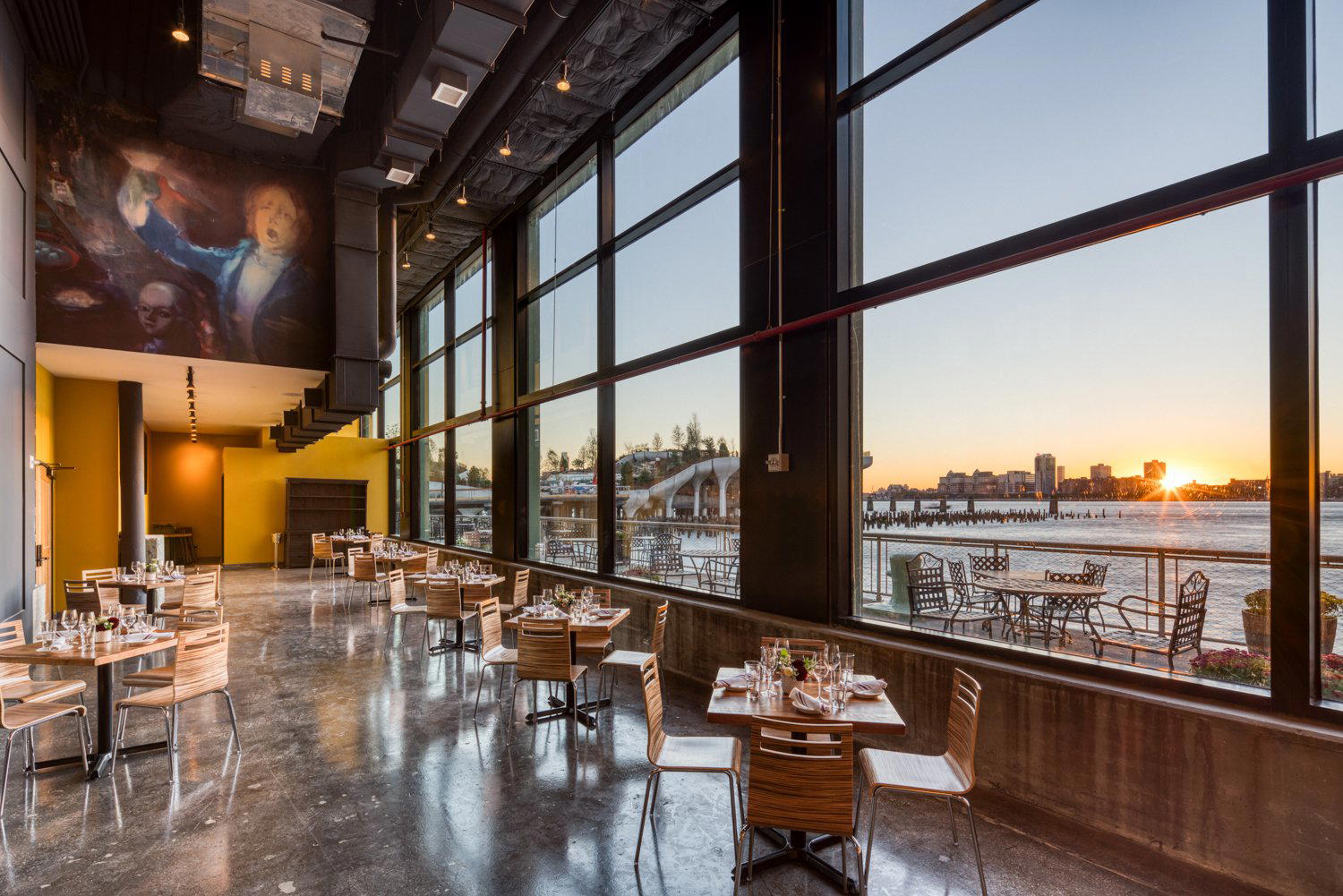
Where Hudson Square Meets the Barrel Room
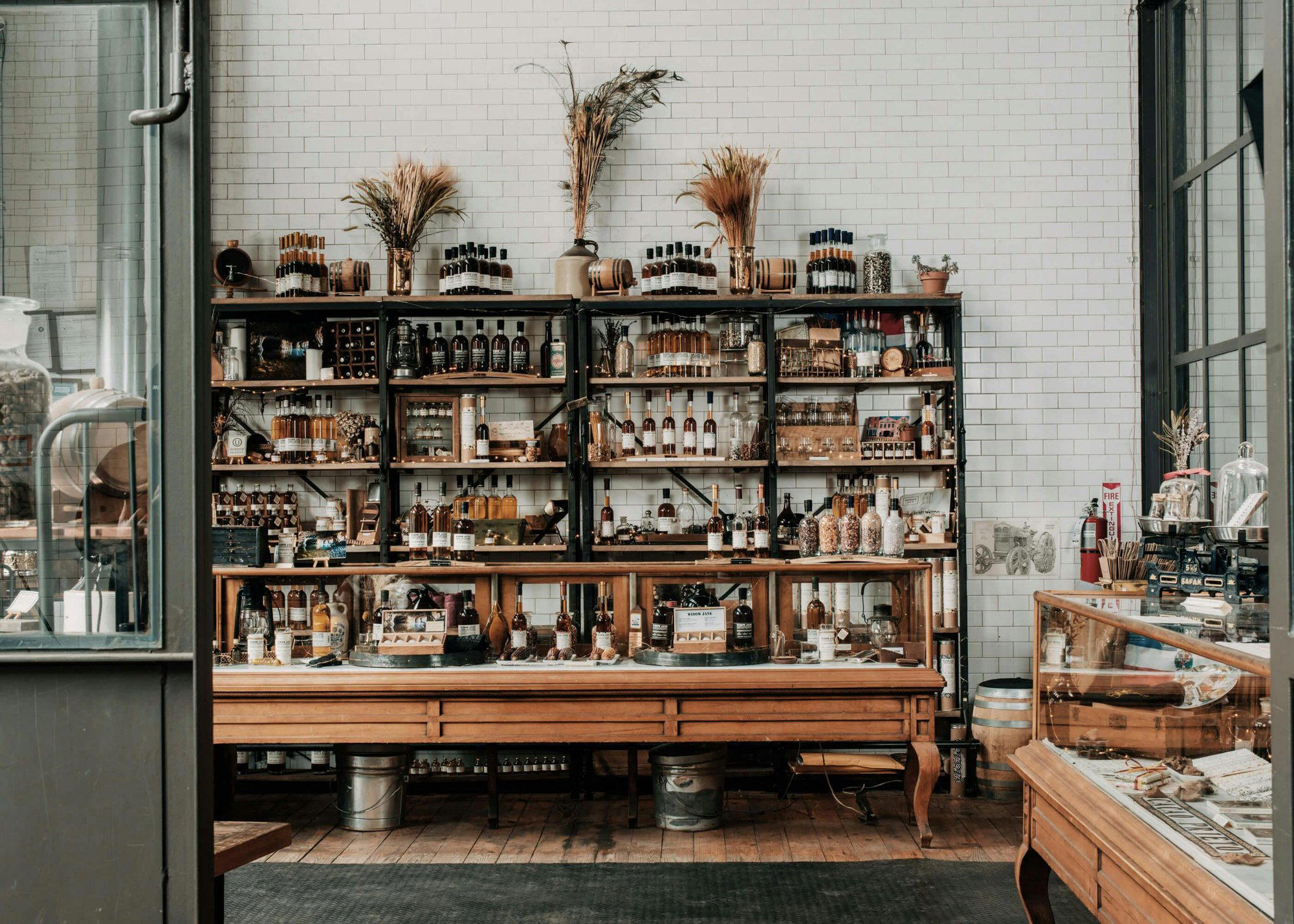
Varick Street runs south through a part of Manhattan that spent decades as a printing and light-industrial corridor before hospitality moved in at scale. The block where City Winery sits at 155 Varick St still carries traces of that industrial character — high ceilings, broad floor plates, the kind of architectural bones that lend themselves to operations that need both production space and public-facing rooms. It is a neighbourhood in transition, positioned between SoHo to the east and Tribeca to the south, and City Winery arrived here as part of that broader shift in how Hudson Square's ground-floor square footage gets used.
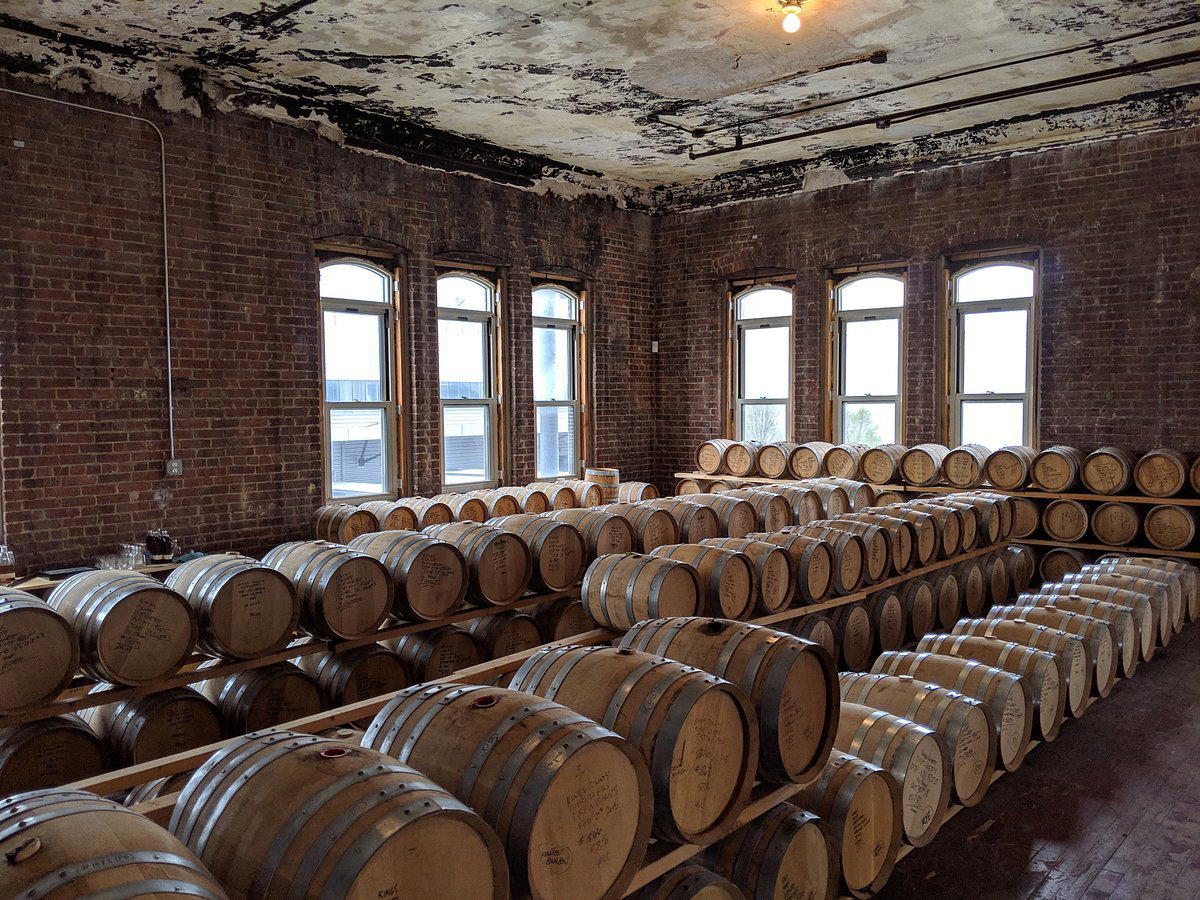
The format itself reflects a cultural moment in American urban winemaking. Over the past two decades, urban winery projects have moved from novelty to a recognisable category in cities like New York, Chicago, and San Francisco. The proposition is direct: grapes sourced from established wine regions, fermentation and aging handled on-site in the city, and the resulting bottles sold directly to the consumer in a tasting room or across a restaurant table. What City Winery adds to that model is a full-capacity music programme, which puts it in a narrower peer set than most urban wineries — closer to a performing arts venue with serious beverage credentials than to a conventional tasting room.
The Urban Winery Format and Its New York Context
New York's relationship with wine production has always been complicated by geography. The state's serious growing regions , the Finger Lakes, North Fork of Long Island, Hudson Valley , sit hours from the city. Bringing winemaking into Manhattan compresses that distance, though it also changes the source logic: urban wineries typically work with purchased fruit or juice from across North America and beyond, then complete the production process in the city itself. This means the wine in your glass may trace its origins to California, Oregon, or further afield, even if the fermentation tanks are a few metres from the bar.
That sourcing model is worth understanding before you arrive. It positions City Winery differently from a regional producer tied to a specific appellation's terroir. The value proposition here is transparency and access , the ability to see production infrastructure, to understand the process, and to drink wines that were finished in the same building. For a New York audience increasingly comfortable with direct-to-consumer models and on-site production across food and drink categories, that combination has proven durable.
New York's broader cocktail and bar scene offers useful comparison points. Venues like Amor y Amargo have built their identity entirely around a single category , amaro and bitters , with a depth that signals genuine specialisation. Angel's Share built its reputation on quiet precision and a format that kept the focus on the drink rather than the performance. City Winery operates on a different axis: the wine programme is the anchor, but the music schedule, the restaurant service, and the event infrastructure exist alongside it at roughly equal weight. That is a harder editorial position to hold consistently, but it also explains why the venue draws a wider audience than a single-category specialist.
Live Music as a Structural Element, Not an Add-On
The decision to build a serious music programme into an urban winery is not incidental. In the mid-tier live music sector , above club shows, below arena scale , New York has a consistent shortage of rooms that offer genuine comfort, good sightlines, and food and drink service that doesn't feel like an afterthought. City Winery occupies that gap deliberately. The format puts it in conversation with other hospitality-anchored venues across the country: Kumiko in Chicago similarly integrates a serious beverage programme with an experience that goes beyond the glass, and Jewel of the South in New Orleans uses its historical context to frame a hospitality experience with multiple registers.
The music programme at City Winery tends toward singer-songwriters, jazz-adjacent acts, and established artists who draw audiences in the 40-plus demographic. That programming choice is coherent with the wine-centred format: the crowd that buys a bottle at the table is generally not the crowd seeking late-night DJ sets. The result is a venue that reads as intentional rather than opportunistic in how it pairs its beverage and entertainment offerings.
How City Winery Sits in Its Peer Set
Comparing City Winery to single-discipline bars or cocktail programmes in New York is only partially useful. Attaboy NYC and Superbueno represent the spirits-focused end of the city's drinking culture, where the programme is the product and the room is secondary. City Winery inverts that hierarchy in some respects: the room , its scale, its music capability, its restaurant infrastructure , is as much the draw as the wine itself. Venues that have built comparable hybrid formats in other cities, like ABV in San Francisco or Allegory in Washington, D.C., demonstrate that the hospitality-plus-beverage model works across markets when the programming is credible. Bar Leather Apron in Honolulu and The Parlour in Frankfurt on the Main show how the format translates internationally, with serious beverage credentials anchoring a broader experience.
City Winery has expanded beyond New York to additional cities, which changes how you read it. It is no longer a single-location independent but a branded concept with proven replicability. That matters for how you calibrate expectations: the experience is well-engineered and consistent, which is a different kind of reliability than what a one-location independent offers. For the New York outlet in particular, the Varick Street space provides scale that the concept requires , you cannot run a serious music venue in a 40-cover room.
For those planning a visit, checking the show calendar before booking is the logical first step. The experience of City Winery on a show night differs materially from a quieter dining visit, and the programme shifts frequently. The full New York City guide covers the broader context of where this kind of venue sits in the city's dining and drinking infrastructure. Venues like Julep in Houston demonstrate how music and drinks can coexist under one roof with genuine credibility on both sides , City Winery operates in that same general ambition, at larger scale.
Planning Your Visit
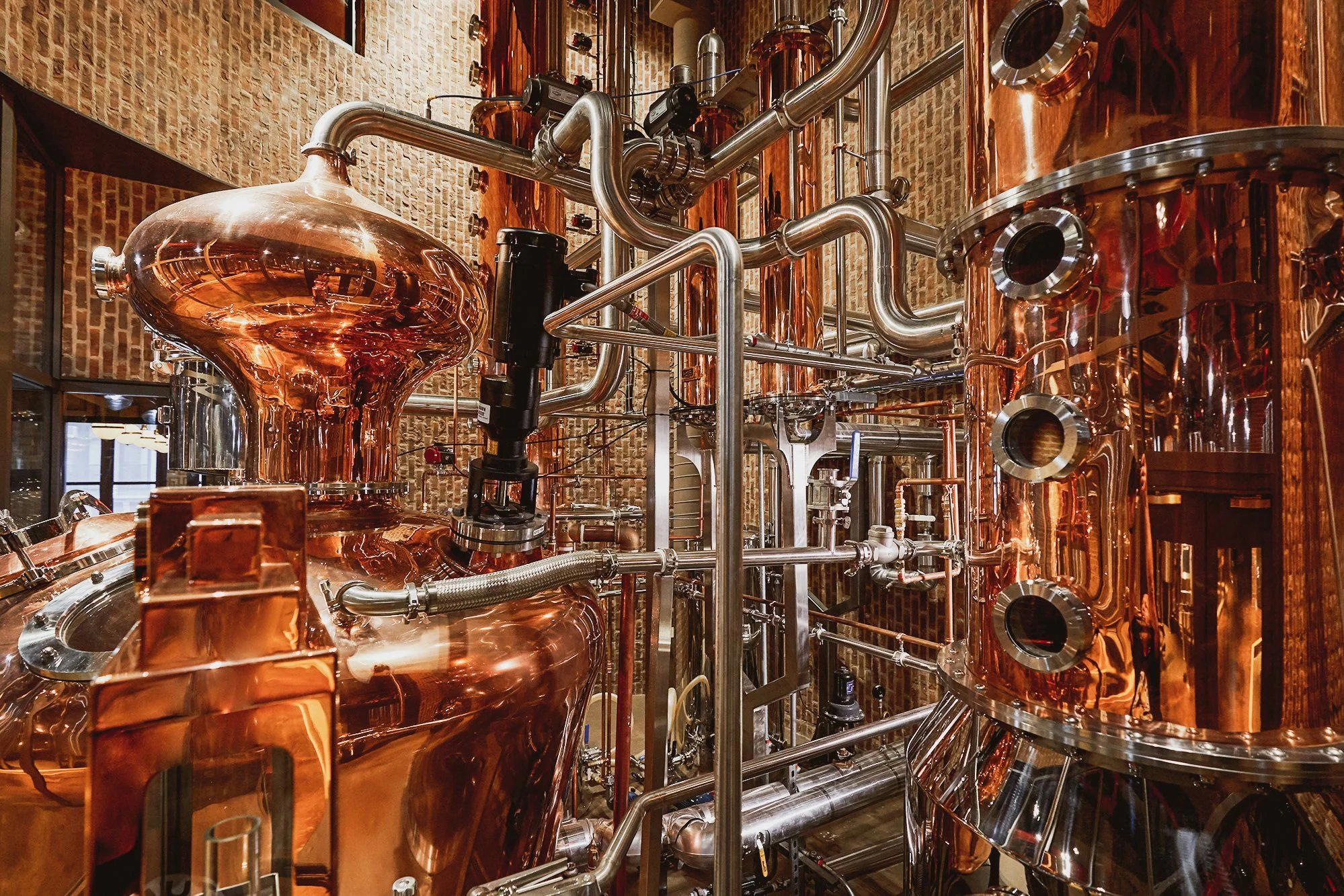
City Winery is located at 155 Varick St in Hudson Square, Manhattan, accessible from multiple subway lines running along the west side of lower Manhattan. The venue operates as both a restaurant and an events space, meaning capacity and access vary depending on the night's programming. Checking the current show schedule is advisable before planning an evening, as ticketed events change the floor configuration. The wine programme centres on house-produced bottles, with the production facility visible from parts of the venue.
Quick reference: 155 Varick St, New York, NY 10013. Hudson Square, lower Manhattan. Check the show calendar before booking.
Side-by-Side Snapshot
A small comparison set for context, based on the venues we track.
| Venue | Awards |
|---|---|
| City WineryThis venue — the venue you are viewing | |
| The Long Island Bar | World's 50 Best |
| Dirty French | |
| Superbueno | World's 50 Best |
| Amor y Amargo | World's 50 Best |
| Angel's Share | World's 50 Best |
Continue exploring
More in New York City
Bars in New York City
Browse all →
Restaurants in New York City
Browse all →
Hotels in New York City
Browse all →



At a Glance
- Sophisticated
- Elegant
- Lively
- Intimate
- Date Night
- Group Outing
- Special Occasion
- Celebration
- Live Music
- Waterfront
- Standalone
- Seated Bar
- Lounge Seating
- Outdoor Terrace
- Private Rooms
- Conventional Wine
- Craft Cocktails
- Waterfront
- Skyline
Sophisticated wine-centric atmosphere with vibrant live music, scenic waterfront views, and a mix of intimate concert spaces and lively lounges.