Taikun Sushi
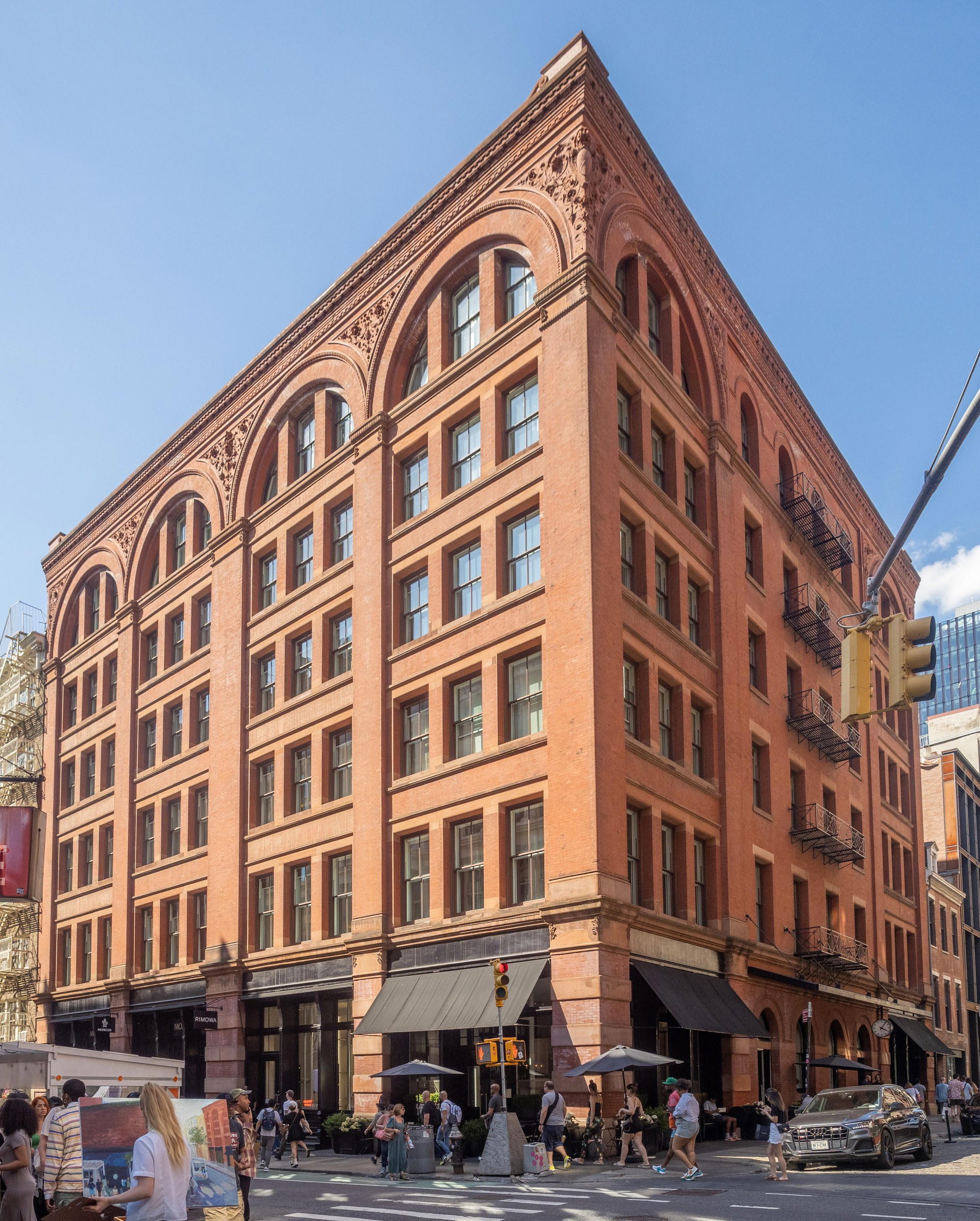
Taikun Sushi operates out of 79 Delancey St on the Lower East Side, a neighbourhood where Japanese counter dining has found an unlikely but increasingly serious foothold. The address places it within walking distance of the area's established bar and restaurant circuit, making it a logical anchor for an evening that moves between food and drink. Booking details and hours are best confirmed directly with the venue before visiting.

Pearl is the En Primeur Club membership app, where members save venues, book tables and use the concierge.
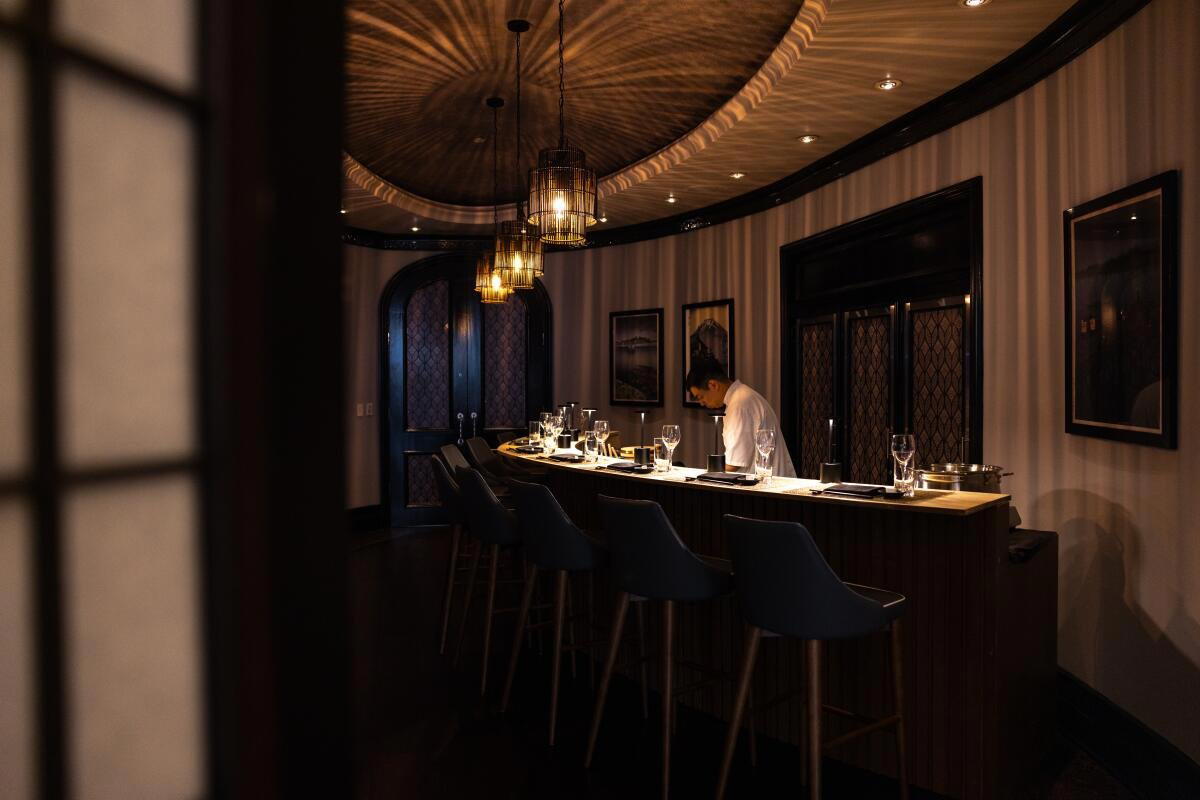
Sushi on the Lower East Side: What the Address Tells You
The Lower East Side has spent the better part of two decades shedding its dive-bar-and-late-night-slice identity in favour of something more considered. Japanese counter dining, which in Manhattan tends to concentrate in Midtown, the West Village, and the East Village's quieter pockets, has been pushing further downtown. Taikun Sushi, at 79 Delancey St, sits in that movement: a sushi address in a neighbourhood that until recently would have seemed an unlikely location for one. The Delancey corridor is better known for its proximity to the Williamsburg Bridge approach and the cluster of bars that have defined Lower East Side nightlife for years. A sushi counter here is not accidental, it's a positioning choice, and it signals something about the kind of dining experience on offer.
That positioning matters when thinking about how the space likely functions across different parts of the day. Lunch-format sushi in New York tends to operate on a different register than evening service: shorter omakase sequences or set menus at compressed price points, a faster table turn, and a clientele drawn from nearby offices and design studios rather than the reservation-holding dinner crowd. Evening service in this neighbourhood, particularly on weekends, benefits from foot traffic that arrives already warmed up by the bar scene on Rivington and Ludlow. These are two genuinely different audiences, and the better sushi counters on the Lower East Side have learned to calibrate for both.
Daytime Service and the Logic of the Lunch Counter
Across New York's mid-tier and upper-mid-tier sushi market, lunch has become a strategic entry point. Counters that run omakase-only formats at dinner frequently offer a la carte or abbreviated tasting formats at lunch, lowering the commitment level for first-time guests and capturing a different price band entirely. For a venue at this address, close enough to SoHo and the Financial District to draw corporate lunch traffic, but informal enough in its immediate surroundings to attract the creative-industry crowd that populates the Lower East Side by day, the midday service carries real weight.
The logic extends to value perception. In a city where an omakase dinner can clear $300 per person without drinks, the same kitchen operating at lunch for a fraction of that price represents a meaningful difference in accessibility. Guests who want to assess a counter's fish quality, rice temperature, and sequencing without the full financial commitment of an evening reservation routinely do so at lunch. It is, in effect, an audition the restaurant runs for itself.
For visitors staying elsewhere in Manhattan, whether that's Midtown or further west, reaching 79 Delancey St on the Lower East Side is direct by subway, with the Delancey Street-Essex Street station on the F, M, J, and Z lines directly on the doorstep. That access point makes a lunch visit more practical than many comparable addresses further downtown or in outer-borough sushi clusters.
Evening Service and the Neighbourhood Equation
Dinner on the Lower East Side carries a different energy than lunch. By 7pm on a Friday or Saturday, Delancey Street and its surrounding blocks are in full motion: bars filling, music venues opening early, the kind of layered, competing energy that makes this neighbourhood one of the more animated in downtown Manhattan. A sushi counter in this context functions partly as counterpoint, a quiet, focused space that exists in deliberate contrast to the noise outside.
That contrast is one of the more underappreciated features of serious Japanese counter dining in high-energy neighbourhoods. The counter format, almost by design, demands a certain stillness: attention to the chef's rhythm, awareness of each piece as it arrives, conversation that drops to a lower register. Whether Taikun Sushi runs a full omakase sequence at dinner or a more flexible format, the counter setting itself structures the experience differently from the open-plan dining room formats that dominate much of the Lower East Side's restaurant stock.
After dinner, the neighbourhood's bar circuit is immediately accessible. The Lower East Side has a cluster of technically serious cocktail programs within a short walk of the Delancey corridor. Superbueno and Amor y Amargo both operate nearby and represent the kind of post-dinner drink destination that complements rather than competes with a sushi counter. Angel's Share in the East Village and Attaboy NYC on Eldridge Street extend that circuit for guests willing to walk further. For readers planning evenings built around food and drink across multiple stops, our full New York City restaurants guide maps these options across the city's neighbourhoods.
The broader American cocktail scene that informs these venues, technically driven, ingredient-focused, moving away from theatrics, has parallels in cities across the country. Bar Leather Apron in Honolulu, Jewel of the South in New Orleans, Julep in Houston, Kumiko in Chicago, ABV in San Francisco, Allegory in Washington, D.C., and The Parlour in Frankfurt on the Main all sit within a recognisable tier of programme-led bars that pair well with counter dining when planning multi-city itineraries.
Planning a Visit: What to Confirm Before You Go
Japanese counter formats in New York frequently operate on advance booking, and the lunch-versus-dinner distinction is particularly important to clarify, given the difference in menu format and pace that typically applies. Walk-in availability at sushi counters of this style is rarely guaranteed, particularly at dinner on Thursday through Saturday.
The Lower East Side's relatively compressed geography means that even if Taikun Sushi operates on a single daily service, there are enough adjacent options, for drinks before or after, for a secondary stop if timing doesn't align, to build a full evening around the neighbourhood rather than a single venue.
What It’s Closest To
Comparable venues nearby, for context on price, style, and recognition.
| Venue | Cuisine | Price | Notes |
|---|---|---|---|
| Taikun SushiThis venue (the venue you are viewing) | sake_bar | $50–100 | Not listed |
| Bar 7 | cocktail_bar | $20–30 | Lower East Side |
| Hear & There | cocktail_bar | Not listed | Williamsburg |
| Bar 54 | rooftop_bar | $50–100 | Midtown-Times Square |
| Eel Bar | cocktail_bar | $50–100 | Lower East Side |
| La Noxe | speakeasy | $50–100 | Midtown South-Flatiron-Union Square |
Continue exploring
More in New York City
Bars in New York City
All bars in New York City →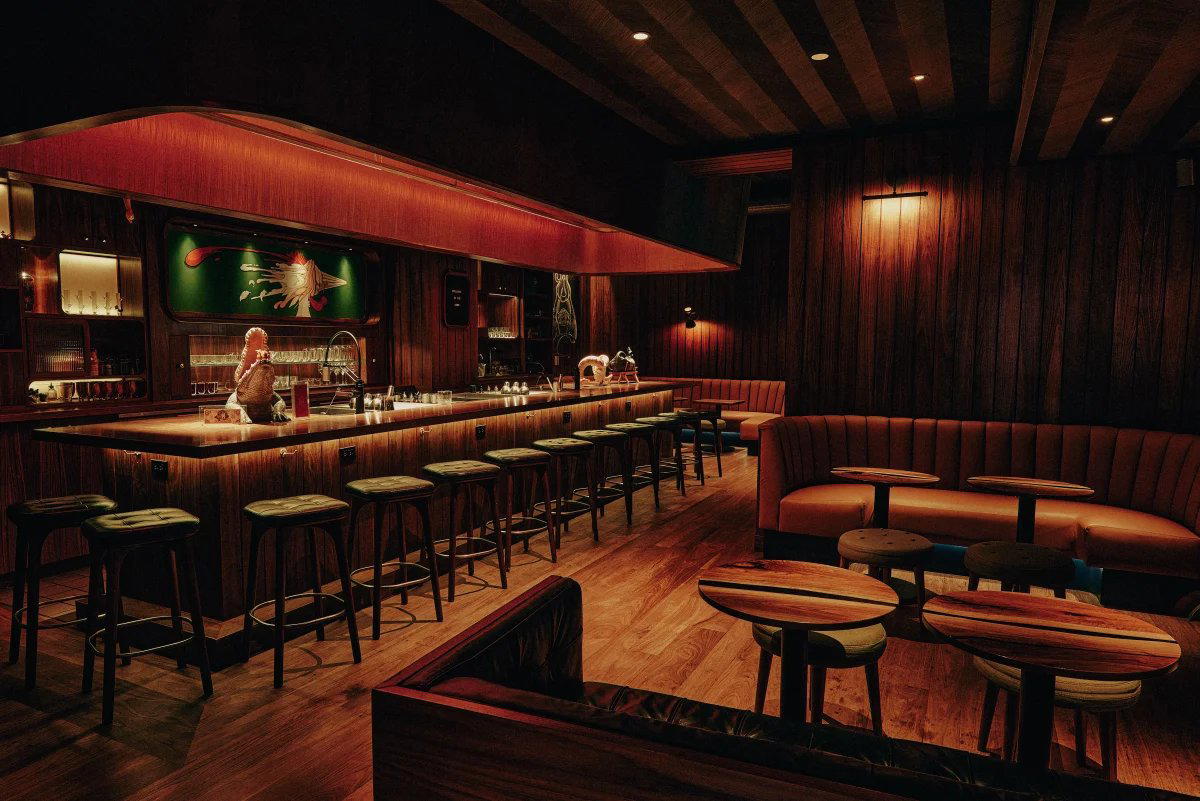
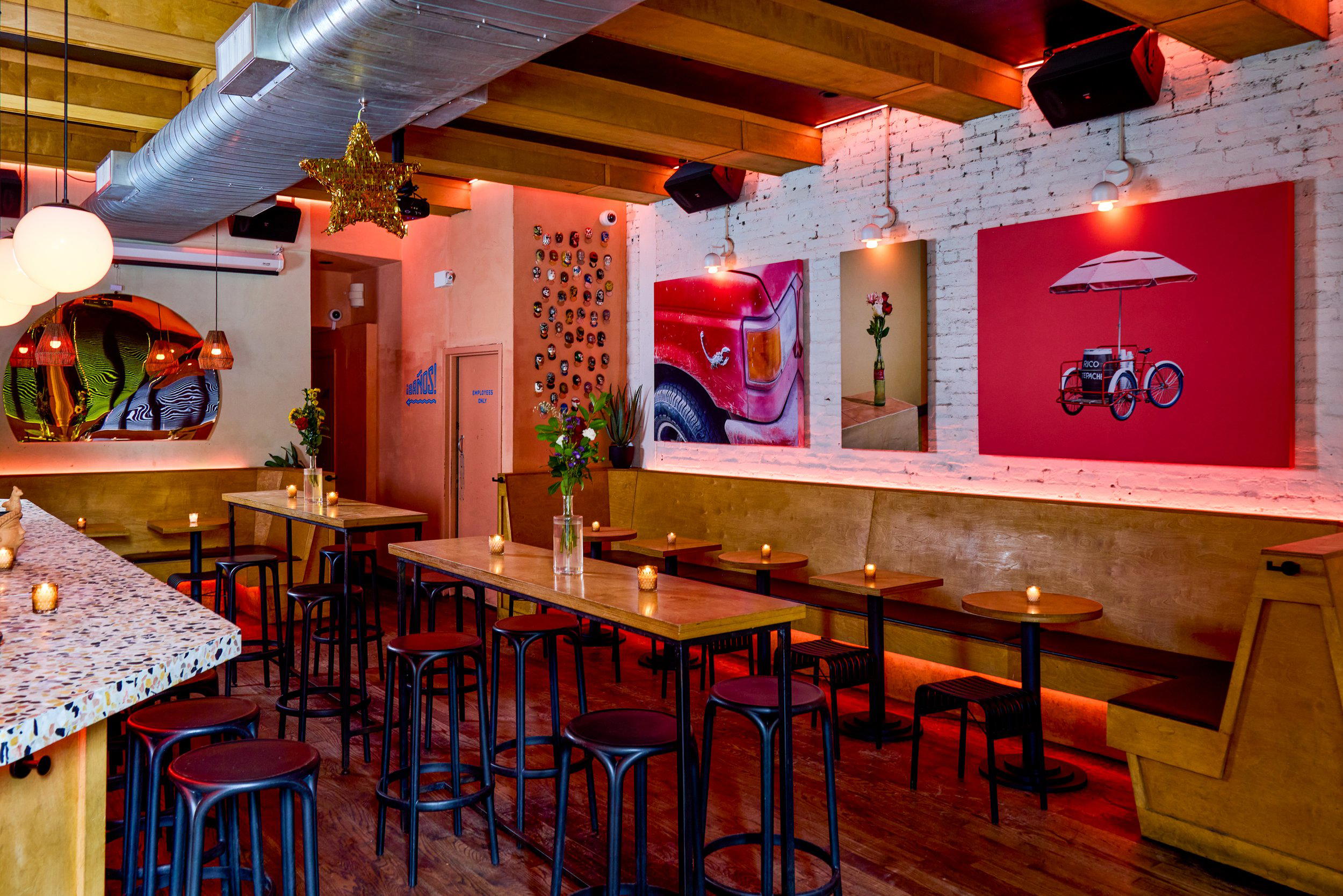
Restaurants in New York City
All restaurants in New York City →
Details
- Intimate
- Elegant
- Sophisticated
- Date Night
- Special Occasion
- Standalone
- Counter Only
- Sake
Current opening hours
- Monday
- 5:30–8:30 PM, 9–10:30 PM
- Tuesday
- 5:30–8:30 PM, 9–10:30 PM
- Wednesday
- 5:30–8:30 PM, 9–10:30 PM
- Thursday
- 5:30–8:30 PM, 9–10:30 PM
- Friday
- Closed
- Saturday
- Closed
- Sunday
- 5:30–8:30 PM, 9–10:30 PM
Hours can change for holidays and private events. Hours as of .
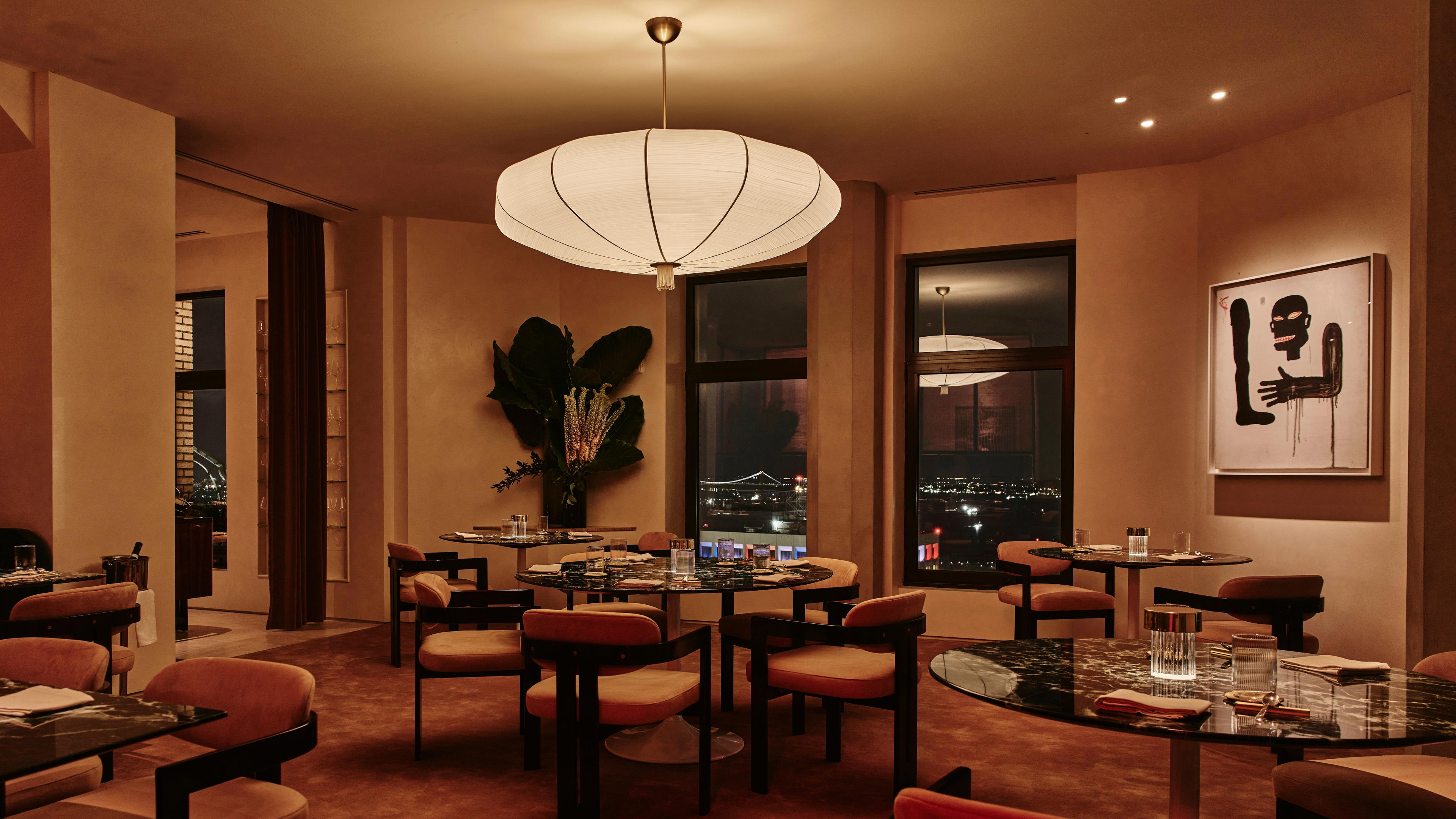
Intimate sushi counter with focused, elegant atmosphere ideal for special occasions.