Apas brings South Asian cocktail culture into New York City's increasingly pluralistic bar scene, occupying a niche where subcontinental flavors and contemporary bar technique intersect. The format sits closer to the specialist, low-volume tier of the city's cocktail conversation than to high-volume nightlife. For drinkers who follow New York's boundary-pushing bars, it represents a distinct point of difference in a city that rewards specificity.

Pearl is the En Primeur Club membership app — saves, bookings, and concierge access live there. Same editors, same standards.
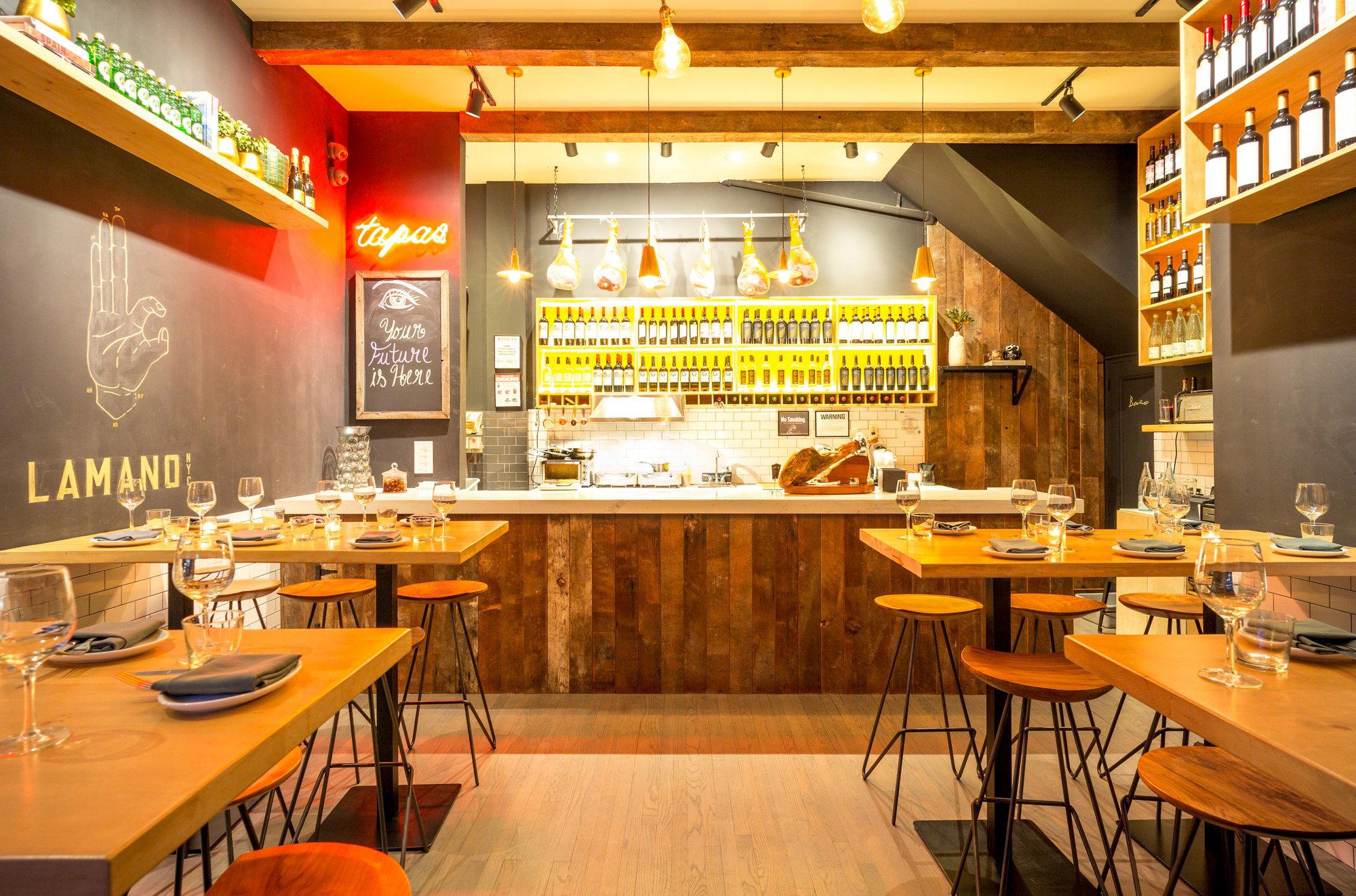
South Asian Spirits in a City Still Learning the Grammar
New York's cocktail bars have spent the past decade sorting themselves into legible categories: the bitters-forward natural-wine crossover, the Japanese-influenced precision counter, the mezcal-heavy neighbourhood pour. Apas occupies a position that sits outside most of those categories. As a South Asian cocktail bar in New York City, it enters a format that remains rare on the American bar circuit, where the sub-continent's ingredient vocabulary, fermentation traditions, and spice architecture have rarely been treated as primary structural material for a drinks program.
The distinction matters because it changes what the bar's food programme is doing. At most concept bars, snacks are incidental. Here, the relationship between plate and glass is more load-bearing. South Asian cooking operates through layered spice, acid, and heat in a way that creates natural counterpoint to spirit-forward drinks, and a bar that takes the cuisine seriously can use that tension deliberately. When the kitchen and the bar share the same flavour vocabulary, the pairing logic becomes less arbitrary than the standard bar-snack model.
What the Format Signals
Bars built around a specific culinary tradition face a structural choice early: do they foreground the exoticism of the reference, or do they treat the tradition as a mature technical framework? The latter is the harder position to hold because it requires both kitchen and bar programmes that can sustain scrutiny from guests who know the reference points. The South Asian bar format, in the handful of places that have committed to it across North America, tends to succeed when the drinks list draws on specific regional distinctions rather than a pan-sub-continental sweep. Tamarind differs from kokum. Cardamom from Keralan provenance behaves differently in a stirred drink than the pre-ground variety. These are the kinds of distinctions that separate a bar serious about its source material from one using geography as aesthetic.
In this respect, Apas sits alongside a small set of bars in American cities that have taken regional specificity seriously as a bar concept. Kumiko in Chicago does something analogous with Japanese ingredients, building a drinks list that draws on shochu, mirin, and Japanese culinary tradition without treating them as novelty. Bar Leather Apron in Honolulu similarly grounds itself in a specific regional flavour sensibility. The comparison is instructive: in each case, the bar's coherence depends on kitchen and bar aligning around the same source material.
Drinks and Food as a Single Argument
The editorial case for a South Asian cocktail bar in New York is easier to make on the drinks side than the food side, because the city's cocktail culture already provides a receptive audience for ingredient-led programmes. Bars like Amor y Amargo, which has long made a case for bitters as a primary flavour category, and Attaboy NYC, which operates a no-menu riff-style format, have trained a portion of the city's bar-going audience to expect specificity and technique rather than recognisable cocktail names. Angel's Share, the East Village bar that helped establish Japanese cocktail sensibility in New York in the 1990s, demonstrated that a bar grounded in a non-Western tradition could sustain a serious long-term reputation in the city.
The harder argument is on the food side. South Asian bar food is not a codified format in the way that, say, izakaya food is. The izakaya model has a recognisable structure of small plates built for alcohol companionship, with karaage and edamame representing a widely understood grammar. South Asian bar food has to construct its own logic, which is in some ways a creative advantage and in others a communication challenge. Dishes built around chaat flavours, tamarind-forward chutneys, or spiced legumes carry natural acidity and texture contrast that works well with spirits, but the format is less immediately legible to guests without the reference frame.
What matters in practice is whether the bar uses that food-drink relationship as a programme-defining discipline or as background colour. The bars that build lasting reputations in this format tend to be the ones where the kitchen's output is as considered as the drinks list, and where the pairing logic is explicit enough that a server or bartender can articulate it. Superbueno in New York does something comparable in the Latin-influenced bar space, where the food programme has its own coherence rather than functioning as an afterthought.
New York's Appetite for This Format
The city has shown consistent appetite for bars that draw on the South Asian diaspora's culinary depth, even if the cocktail bar format specifically is still developing its own conventions. The broader South Asian restaurant scene in the city, spanning everything from the Jackson Heights Bangladeshi corridor to Michelin-recognised tasting menu formats in Manhattan, has demonstrated that a sophisticated audience exists across multiple price points. Translating that appetite into a bar context, where the rhythm of ordering and the relationship between food and drink differ from a restaurant, is a distinct challenge.
Bars that have succeeded in building identity around a specific culinary tradition in other American cities offer useful reference points. Jewel of the South in New Orleans draws on that city's specific culinary history to anchor its drinks programme. Julep in Houston built its identity around Southern whiskey culture with enough specificity to develop a distinct voice. ABV in San Francisco and Allegory in Washington, D.C. both demonstrate that bars can sustain conceptual ambition without sacrificing the practical pleasure of a well-made drink. The Parlour in Frankfurt on the Main shows the format extends well beyond American cities. For Apas, the relevant question is whether its drinks-and-food programme functions as a single coherent argument or as two parallel tracks that occasionally intersect. From the outside, the South Asian cocktail bar category in New York is still establishing its own language, and the bars that define that language early tend to set the terms for the ones that follow.
In Context: Similar Options
Comparable venues nearby, for context on price, style, and recognition.
| Venue | Cuisine | Price | Notes |
|---|---|---|---|
| ApasThis venue — the venue you are viewing | Bar | $$$ | Not listed |
| The Residence of Mr. Moto | cocktail_bar | $$$ | Williamsburg |
| Apotheke Chinatown | speakeasy | $$$ | Chinatown-Two Bridges |
| Dae | cocktail_bar | $$$ | Carroll Gardens-Cobble Hill-Gowanus-Red Hook |
| yakuni | speakeasy | $$$ | East Midtown-Turtle Bay |
| La Biblioteca | mezcaleria | $$$ | Murray Hill-Kips Bay |
Continue exploring
More in New York City
Bars in New York City
Browse all →


Restaurants in New York City
Browse all →
At a Glance
- Date Night
- Group Outing
- Live Music
- Seated Bar
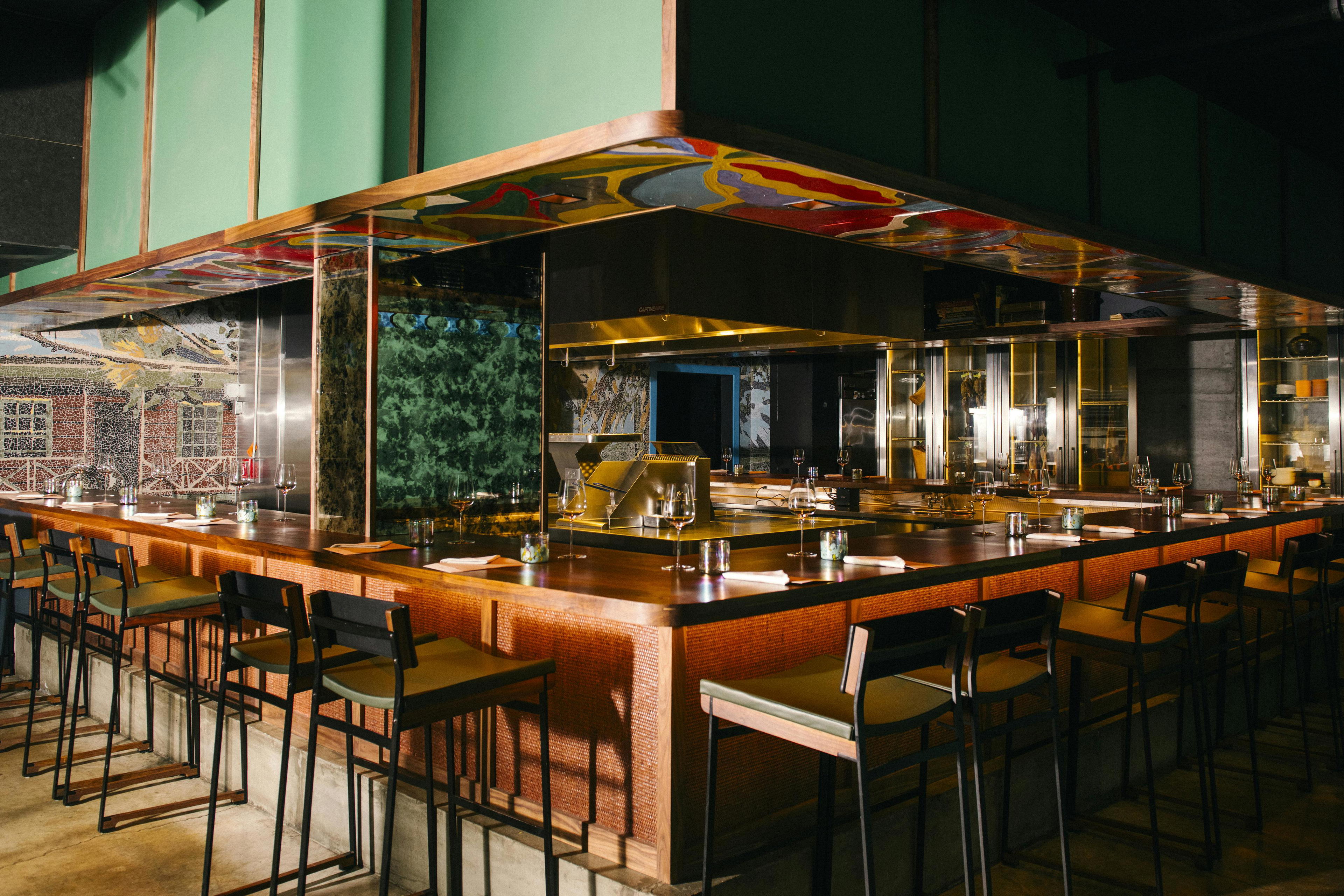
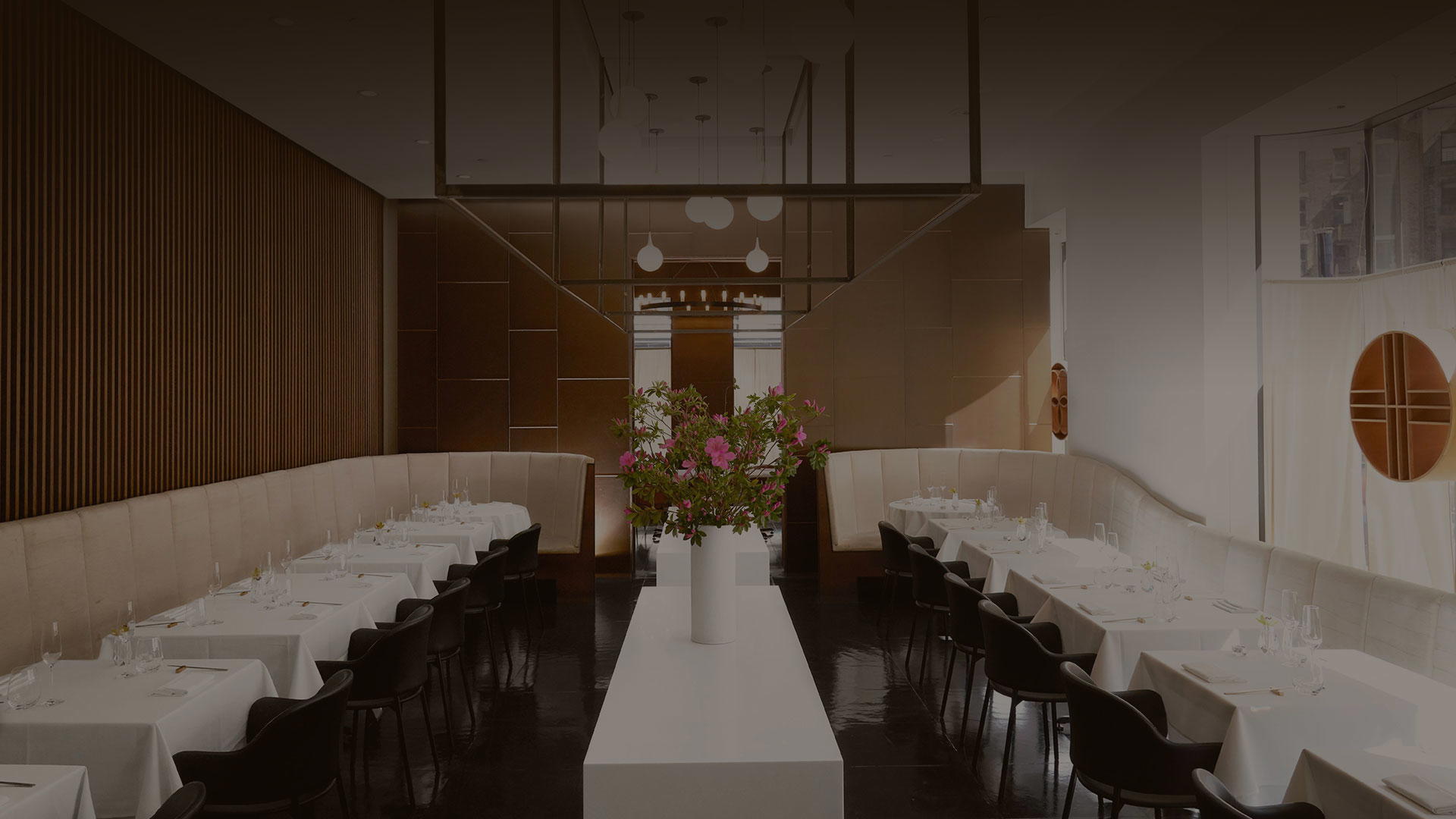
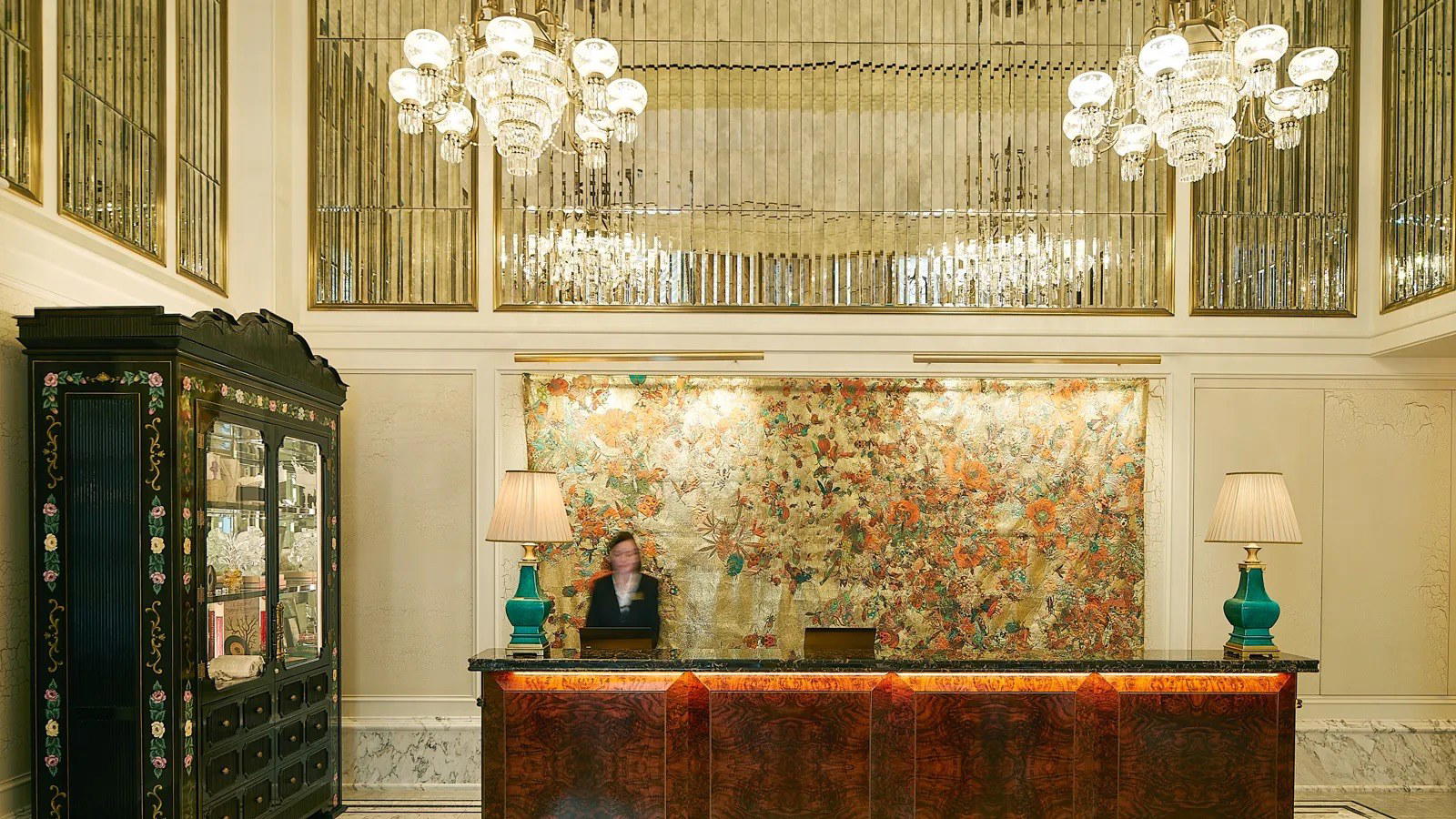
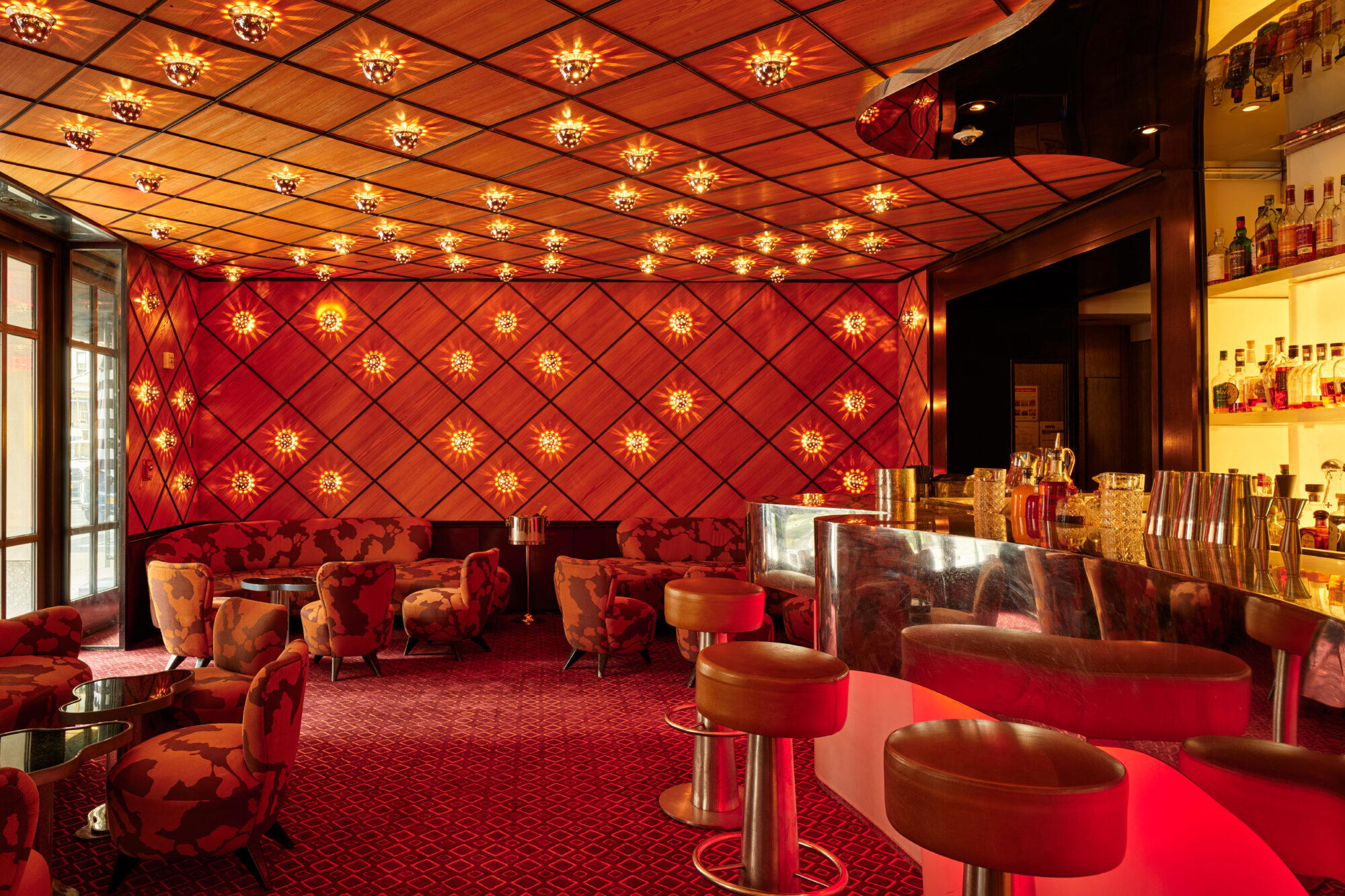
Lively and energetic atmosphere with great vibes and pleasant lighting.