Mister French
Mister French sits on East 21st Street in the Flatiron district, positioning itself within a New York bar and restaurant scene that has grown increasingly focused on sourcing transparency and menu intentionality. The address places it steps from Madison Square Park, in a corridor where concepts tend to attract a knowledgeable, repeat-visit crowd rather than tourist foot traffic.
- Address
- 24 E 21st St, New York, NY 10010
- Phone
- +1 646 649 4805
- Website
- misterfrenchnyc.com
- Directions
- Get directions
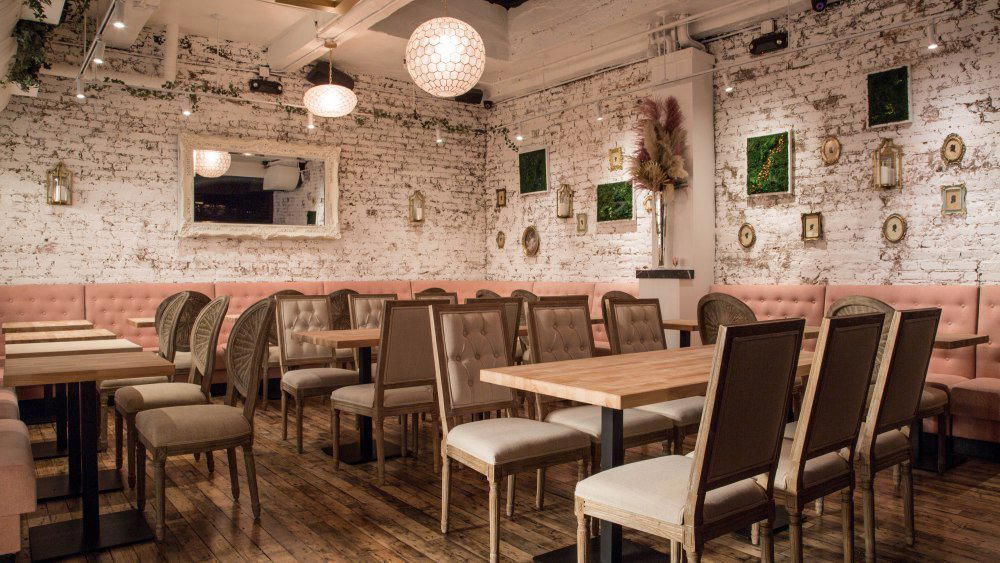
Flatiron's Ethical Sourcing Moment
Mister French is a bar at 24 E 21st St, New York, NY 10010. The Flatiron district, historically a zone of mid-market steakhouses and expense-account Italian, has gradually absorbed a different kind of venue: smaller, more programmatically deliberate, and more willing to let sourcing philosophy drive the menu rather than follow it. Mister French, at 24 East 21st Street, arrived in this context, occupying a block that connects the quiet residential stretch of Gramercy to the denser commercial grid above 23rd Street.
East 21st Street attracts regulars over tourists, and regulars in this zip code tend to ask where things come from. A concept that leads with ethical sourcing and waste-conscious kitchen practice finds more traction here than it might on a higher-traffic block where throughput dominates margin thinking.
What the Sustainability Frame Actually Means in Practice
The more useful question is what it looks like in practice: whether a venue is reducing single-use materials in service, whether it maintains relationships with specific farms or producers that can be named and verified, and whether the menu is built around what those producers have available rather than reverse-engineered from a fixed dish list.
Menus are shorter and rotate more frequently. Beverage programs favor producers who can articulate their farming and fermentation practices. Waste streams from the kitchen feed back into the menu, whether through fermentation, preservation, or staff meals. These operational decisions compound over time into a coherent identity that differentiates a venue more durably than a single dish or a chef's reputation.
Instead, it sits in the mid-format zone where a thoughtful bar program and a kitchen that sources deliberately can coexist without either element overwhelming the other.
The Flatiron Bar Scene as Context
The Lower East Side built its identity on density and low-overhead experimentation. The West Village consolidated a more polished cocktail offer. Flatiron and Gramercy have developed a quieter, more consistent bar scene anchored by venues that reward regular visits over one-time experiences.
Amor y Amargo, a few blocks east on 6th Street, established the template for a bitters-focused, ingredient-led program that treats the bar as a classroom without making the experience feel like homework. Angel's Share in the East Village has maintained its reputation for technical precision over decades, demonstrating that longevity in New York requires operational discipline rather than novelty cycling. Attaboy NYC on Eldridge Street represents the off-menu, guest-responsive format that prizes bartender knowledge over a fixed list.
Superbueno, in the East Village, has shown that a bar built around a specific regional tradition and a coherent sourcing logic can hold its own against larger, better-resourced programs.
National Comparisons: What the Leading Ethical-Sourcing Bars Are Doing
Kumiko in Chicago integrates Japanese fermentation principles into a beverage program that treats waste reduction as a flavor strategy. Julep in Houston has built a Southern spirits program around producers who can articulate their agricultural practices. ABV in San Francisco runs a food and drink program that treats sourcing transparency as a baseline expectation rather than a differentiator.
Outside the US, Bar Leather Apron in Honolulu and The Parlour in Frankfurt have demonstrated that ingredient accountability travels across geographic contexts without requiring a local farm network. Jewel of the South in New Orleans and Allegory in Washington, D.C. have both shown that a strong editorial point of view on sourcing can anchor a program in cities with highly competitive bar cultures.
For New York, which now has the density of technically accomplished programs to make technique alone insufficient as a differentiator, that sequence is becoming the more interesting question.
Visit details
- Address: 24 E 21st St, New York, NY 10010
- Neighborhood: Flatiron, between Gramercy and Madison Square Park
The Essentials
Comparable venues nearby, for context on price, style, and recognition.
| Venue | Cuisine | Price | Notes |
|---|---|---|---|
| Mister FrenchThis venue — the venue you are viewing | Not listed | $$$ | Not listed |
| b'artusi | Not listed | $$$ | West Village, wine_bar |
| JIMMY | Not listed | $$$ | SoHo-Little Italy-Hudson Square, rooftop_bar |
| Aldama | Williamsburg, mezcaleria | $$$ | Not listed |
| Dae | Not listed | $$$ | Carroll Gardens-Cobble Hill-Gowanus-Red Hook, cocktail_bar |
| Little Sister Lounge | East Village, lounge | $$$ | Not listed |
Continue exploring
More in New York City
Bars in New York City
Browse all →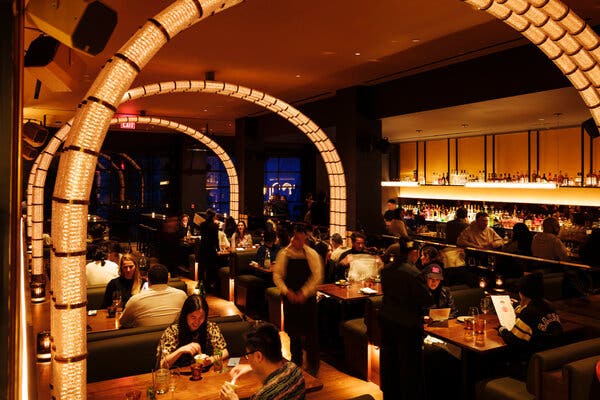


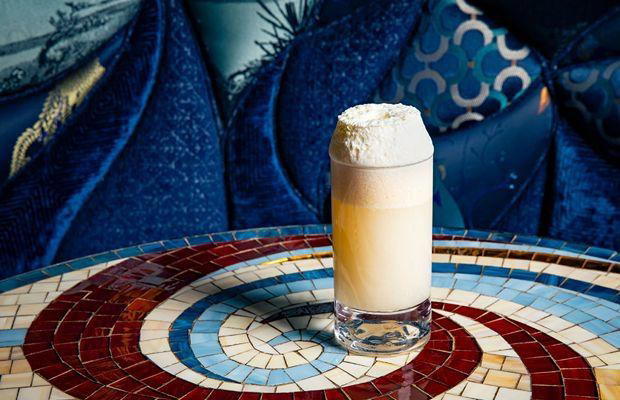
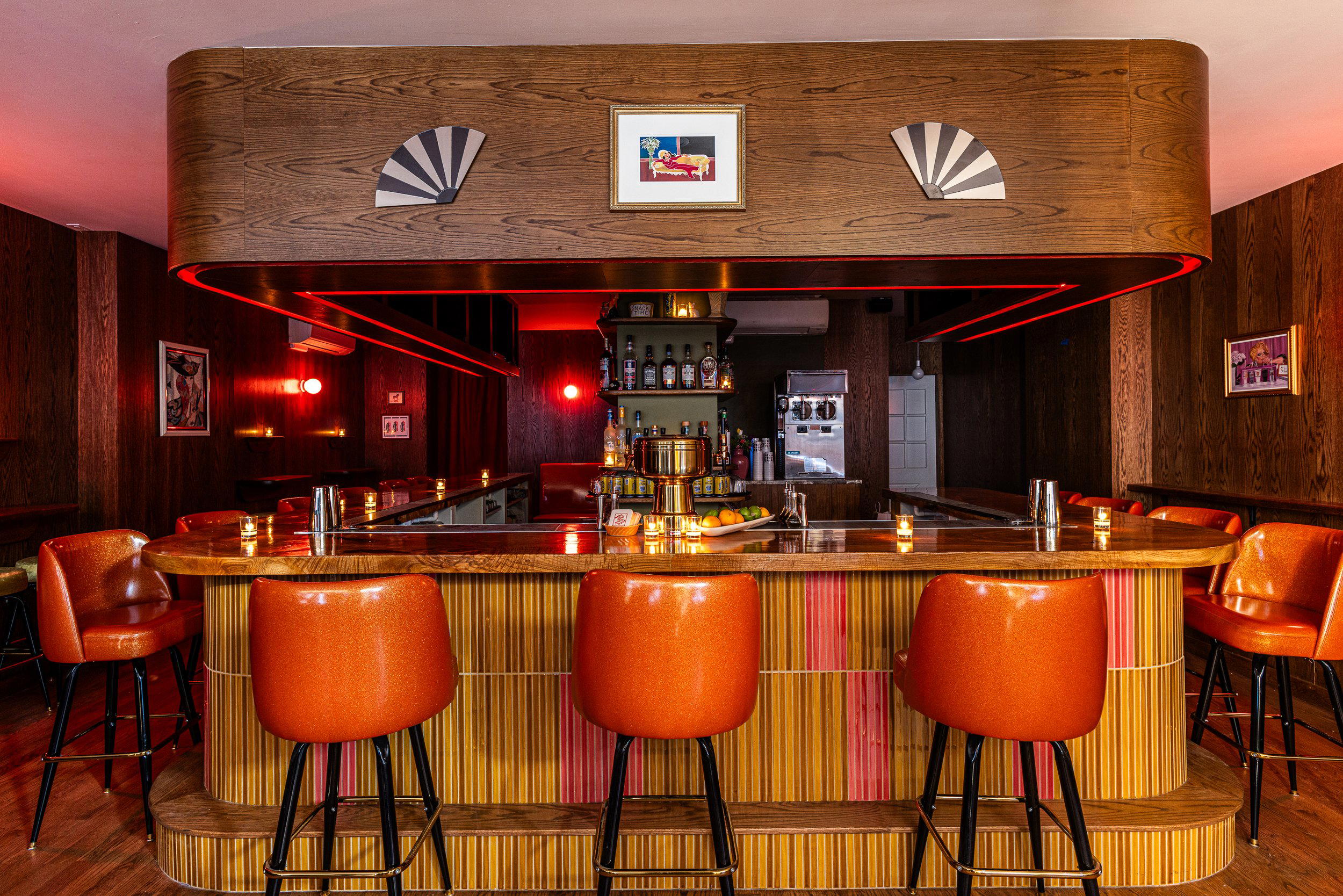
Restaurants in New York City
Browse all →
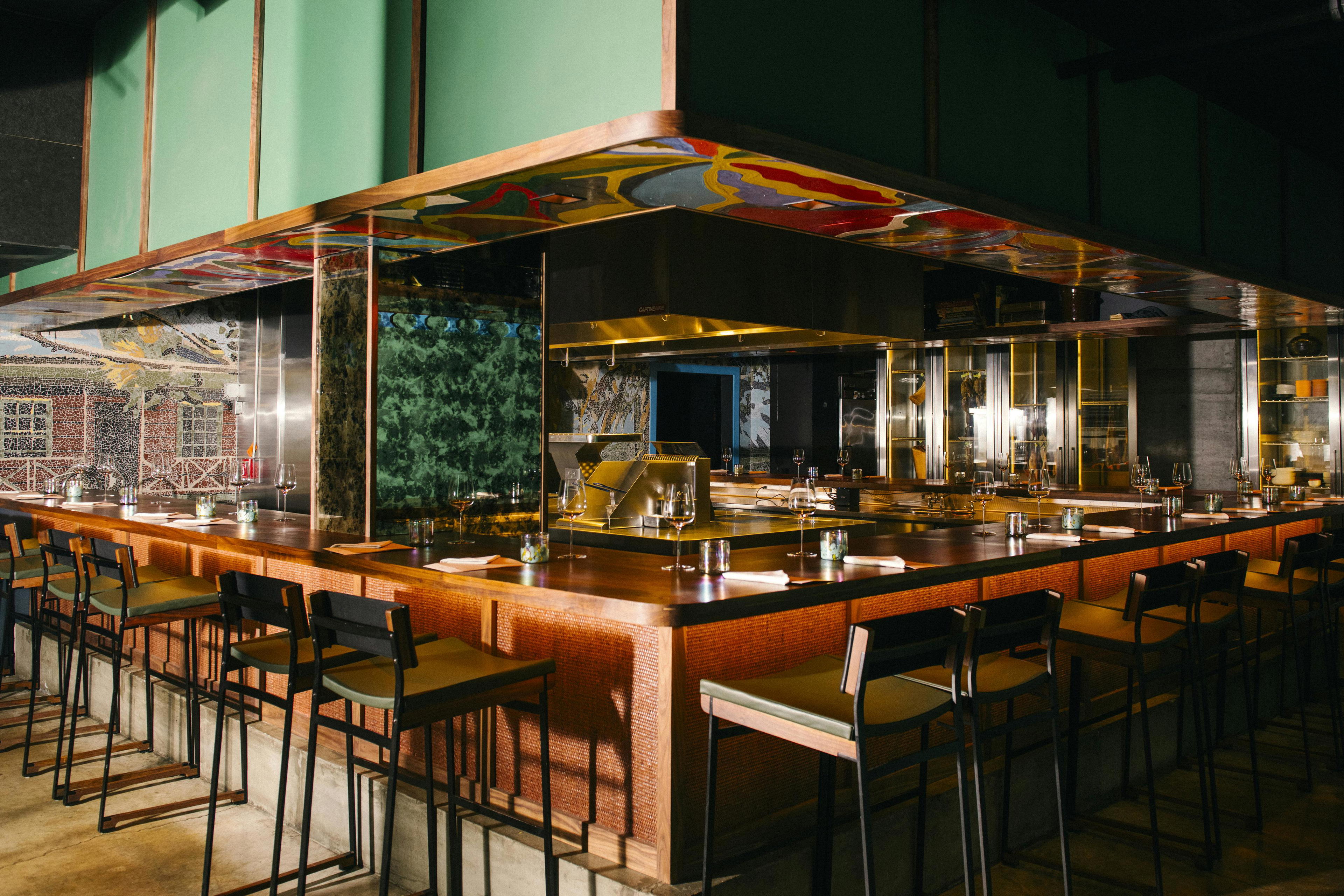
Hotels in New York City
Browse all →






At a Glance
- Elegant
- Sophisticated
- Trendy
- Date Night
- Group Outing
- Celebration
- Live Music
- Lounge Seating
- Booth Seating
- Craft Cocktails
Beautiful and tasteful decor with festive energy from cocktails and burlesque shows.