JIMMY
JIMMY at 15 Thompson Street occupies a particular position in SoHo's drinking culture: a rooftop bar where the neighbourhood's creative-commercial mix plays out against a lower Manhattan skyline. Positioned between the louder spectacle bars and the quieter cocktail rooms of the surrounding blocks, it draws a crowd that skews social without tipping into purely transactional hospitality.
Pearl is the En Primeur Club membership app — saves, bookings, and concierge access live there. Same editors, same standards.
- Address
- 15 Thompson St, New York, NY 10013
- Website
- jimmysoho.com
- Directions
- Get directions
 Saves & bookings on Pearl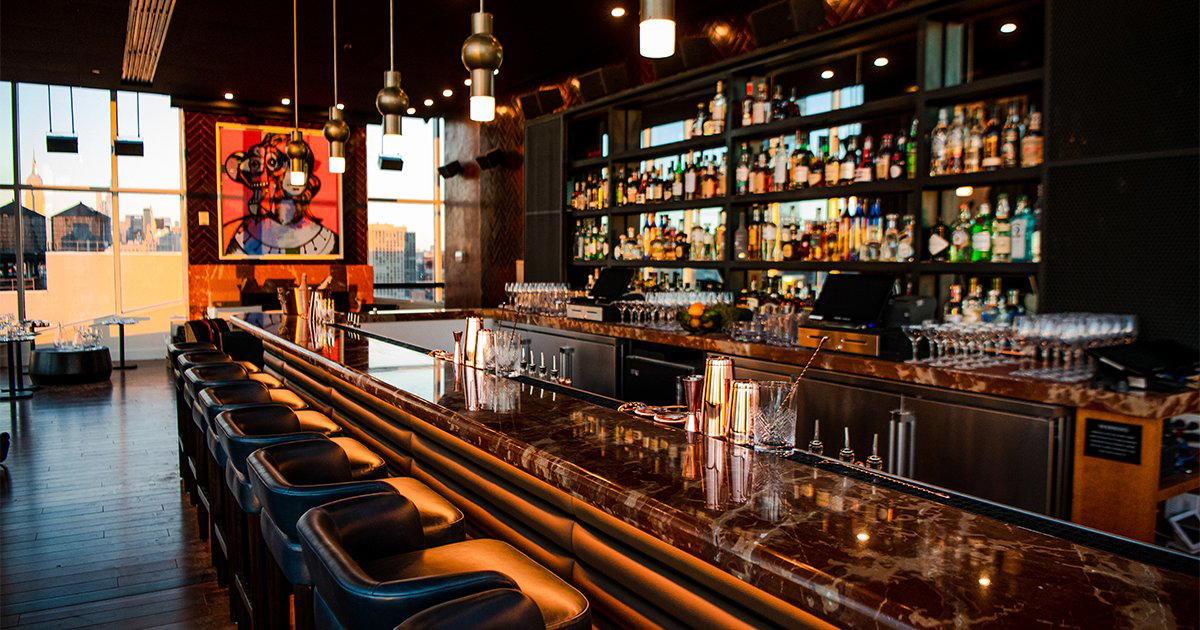
SoHo from the Leading: What Rooftop Drinking Means in Lower Manhattan
In a city where altitude is currency, the rooftop bar operates as its own sub-genre of hospitality, distinct from the ground-floor cocktail program and the hotel lobby lounge. New York has accumulated a generation of these refined venues — some tilting toward spectacle, others toward the craft end of the spectrum — and the better ones understand that the view is context, not content. JIMMY, at 15 Thompson Street in SoHo, sits in that conversation. The address alone locates it in one of the most photographed and commercially dense neighbourhoods in the city, where the tension between fashion retail, design studios, and residential loft culture has defined the block character for decades.
SoHo's drinking scene has never cohered around a single identity. The neighbourhood runs from dive-adjacent spots on its western fringes to the more considered cocktail programs clustering near Houston and Prince. What it has always had is foot traffic and a demographic that treats going out as an extension of an aesthetic position. That context matters when placing JIMMY: this is not a destination for the person hunting a six-seat omakase counter or a bitters-forward bar menu. The rooftop format, by definition, broadens the offer and pulls a wider audience into the same space.
The Rooftop as Urban Format: How These Venues Function in New York
Rooftop bars in New York operate under a distinct set of pressures that ground-level venues do not face. Seasonal variance is compressed into a shorter viable window, usually late spring through early autumn for outdoor service, which shapes everything from staffing models to revenue expectations. The indoor-outdoor split that most rooftop venues manage requires a different kind of hospitality calculus: the crowd willing to queue for outdoor access in October is a different animal from the one seeking air-conditioned relief in August.
This seasonality has pushed the stronger rooftop programs in New York toward a dual identity: a warm-weather social venue that maximises the view, and a year-round indoor option that competes on different terms against neighbourhood bars. The venues that handle this transition well tend to be the ones where the drinks program carries enough weight to hold interest when the skyline disappears behind glass. Across the city, the bars that have built lasting reputations, Attaboy NYC in the Lower East Side, Amor y Amargo in the East Village, Angel's Share in the Village, have done so through program depth rather than physical novelty.
Cultural Roots of the Social Drinking Venue in New York
The rooftop drinking format in New York has antecedents that predate the Instagram-era version of the genre. Early twentieth-century hotel terraces, the mid-century rooftop clubs of midtown, and the loft-party culture that defined SoHo in the 1970s and 1980s all fed into the current model. What changed in the last two decades was the formalisation of these spaces: the move from occasional pop-up or private event to fixed, year-round venues with full bar programs, food service, and reservation infrastructure.
That formalisation reflects a broader shift in how New York hospitality has industrialised the concept of the social venue. The rooftop is now a product category with its own set of consumer expectations, a view, a crowd, a cocktail list that covers the bases without necessarily pushing any boundaries. The question worth asking of any venue in this format is where it positions within that product category and what, if anything, it does to distinguish its offering from the structural defaults of the form.
For comparison, bars in other American cities have carved out recognition within their local social-drinking scenes through program specificity: Superbueno in New York with its Latin-inflected cocktail focus, Kumiko in Chicago with its Japanese-informed structure, Jewel of the South in New Orleans drawing on the city's deep cocktail history, and Julep in Houston rooting itself in Southern drinking traditions. Format novelty alone, rooftop included, rarely sustains reputation over time without this kind of anchoring.
Where JIMMY Sits in the New York Drinking Map
At 15 Thompson Street, JIMMY occupies a SoHo address that puts it between two distinct pulls: the more craft-oriented bars of the West Village to the west, and the East Village and Lower East Side cocktail density to the east. That geographic middle position mirrors a broader positioning: not the technically demanding bar program of the cocktail specialist tier, and not the purely volume-driven rooftop nightclub format either.
The comparison set for a venue like JIMMY is not Attaboy or Angel's Share, where the program is the draw and the room is secondary. It is better understood alongside the hotel rooftop bars and social-drinking venues that serve the neighbourhood's creative-professional demographic on weekend evenings.
Nationally, the rooftop social bar format has found expression in markets as varied as Honolulu, where Bar Leather Apron brings a craft-first approach to tropical drinking, and Washington D.C. where Allegory builds a narrative-driven program into a hotel bar format. In Frankfurt, The Parlour demonstrates how the social bar can anchor itself in a European city's after-work culture. In each case, the venue's identity derives from something more durable than the physical format. ABV in San Francisco similarly shows how a focused program and neighbourhood rootedness outlast the initial novelty of a concept.
For a fuller picture of where JIMMY sits within the wider New York drinking and dining context, our full New York City restaurants and bars guide maps the neighbourhoods, price tiers, and program styles across the city.
Know Before You Go
- Address: 15 Thompson Street, New York, NY 10013
- Neighbourhood: SoHo, Lower Manhattan
- Format: Rooftop bar, indoor-outdoor venue
- Nearest subway: Canal Street (A, C, E) or Spring Street (C, E)
- Leading season: Late spring through early autumn for rooftop access; indoor service year-round
Continue exploring
More in New York City
Bars in New York City
Browse all →

Restaurants in New York City
Browse all →

Hotels in New York City
Browse all →





At a Glance
- Trendy
- Intimate
- Elegant
- Lively
- Date Night
- Late Night
- Celebration
- Rooftop
- Terrace
- Panoramic View
- Lounge Seating
- Outdoor Terrace
- Craft Cocktails
- Classic Cocktails
- Skyline
Current opening hours
- Monday
- Closed
- Tuesday
- 5 PM–12 AM
- Wednesday
- 5 PM–12 AM
- Thursday
- 5 PM–1 AM
- Friday
- 5 PM–2 AM
- Saturday
- 5 PM–2 AM
- Sunday
- Closed
Hours can change for holidays and private events. Last verified .
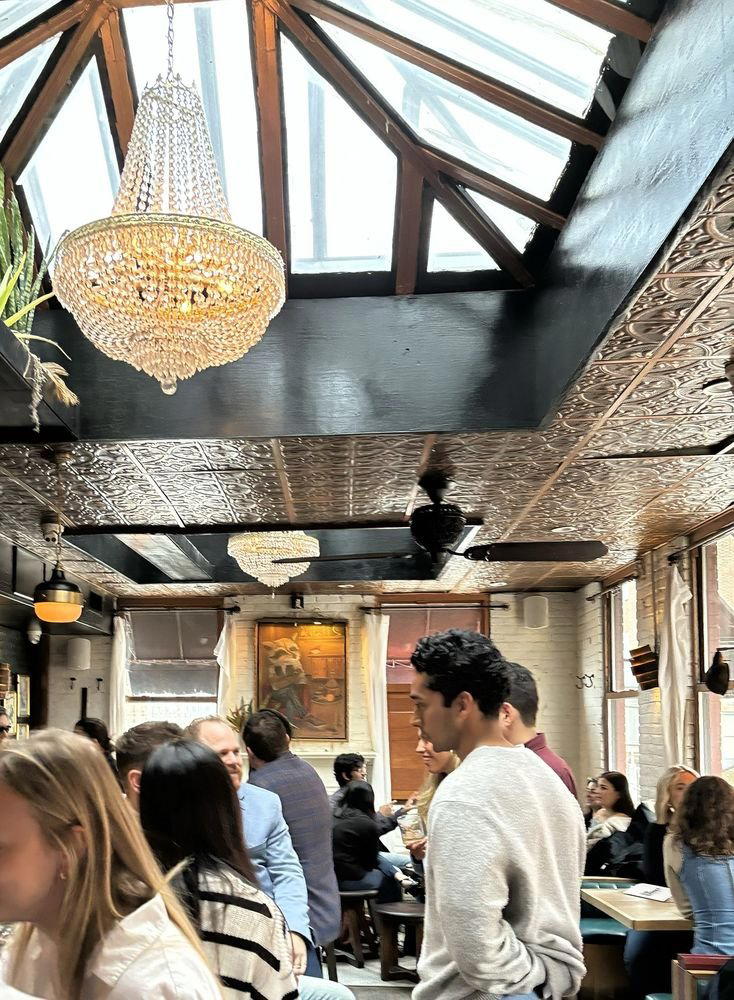
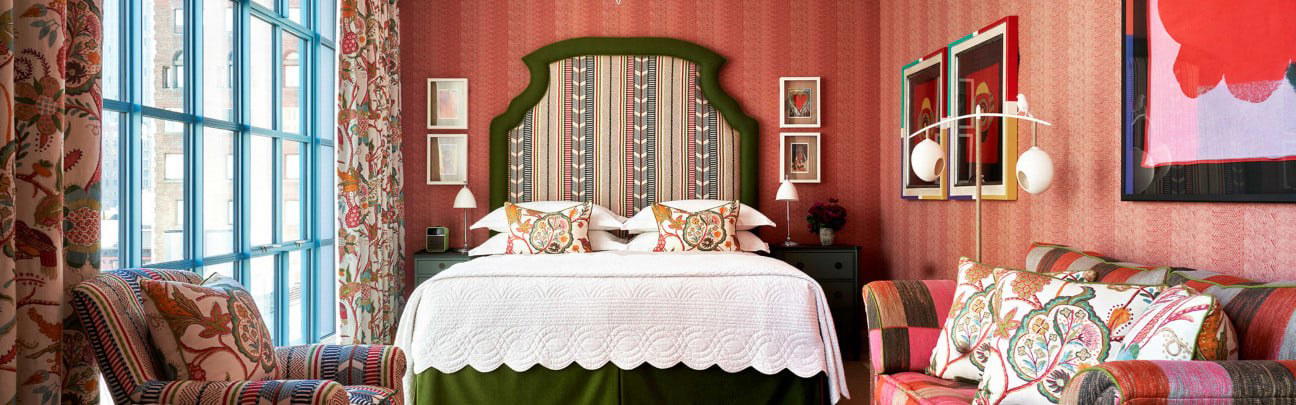
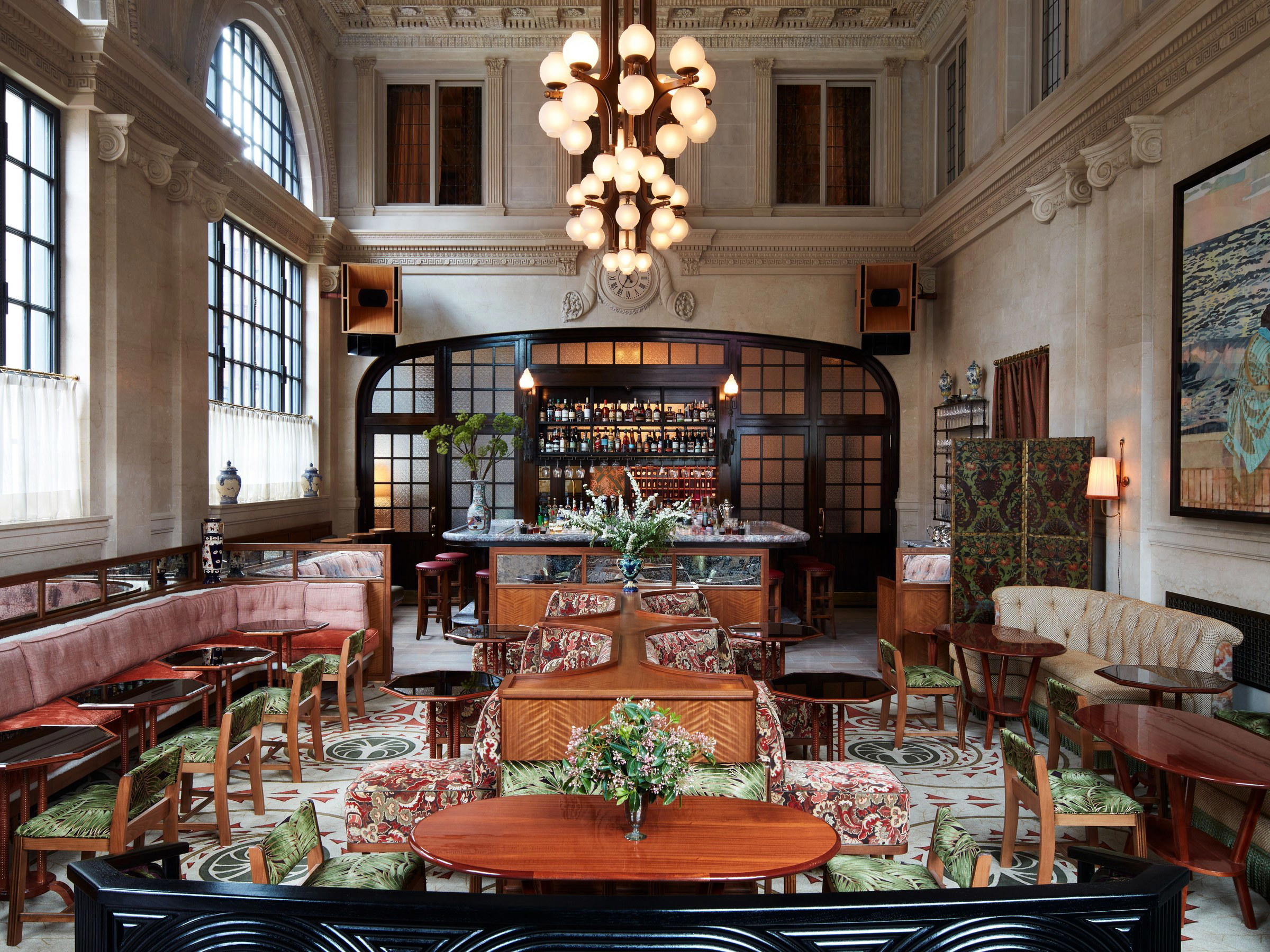
Intimate and refined atmosphere with vintage and contemporary furniture, a working fireplace, cool conversational music that heats up later on weekends, and 14’ windows framing dramatic skyline views.
Know Before You Go
- Getting there
- 15 Thompson St, New York, NY 10013