b'artusi
b'artusi occupies a corner of Hudson Street in the West Village where Italian-American drinking and eating culture converge without ceremony. The bar anchors the experience, the pasta draws the crowd, and the format rewards those who arrive without a fixed agenda. It sits in the casual-serious tier that defines the neighbourhood's most durable restaurants.
Pearl is the En Primeur Club membership app — saves, bookings, and concierge access live there. Same editors, same standards.
- Address
- 520 Hudson St, New York, NY 10014
- Phone
- +19088339112
- Website
- bartusinyc.com
- Directions
- Get directions
 Saves & bookings on Pearl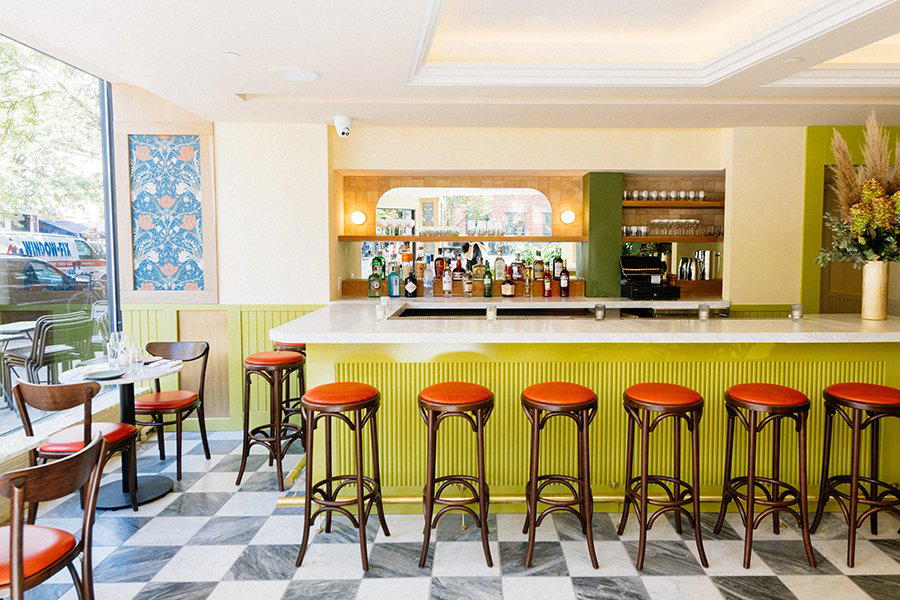
The West Village Corner That Italian-American Casual Gets Right
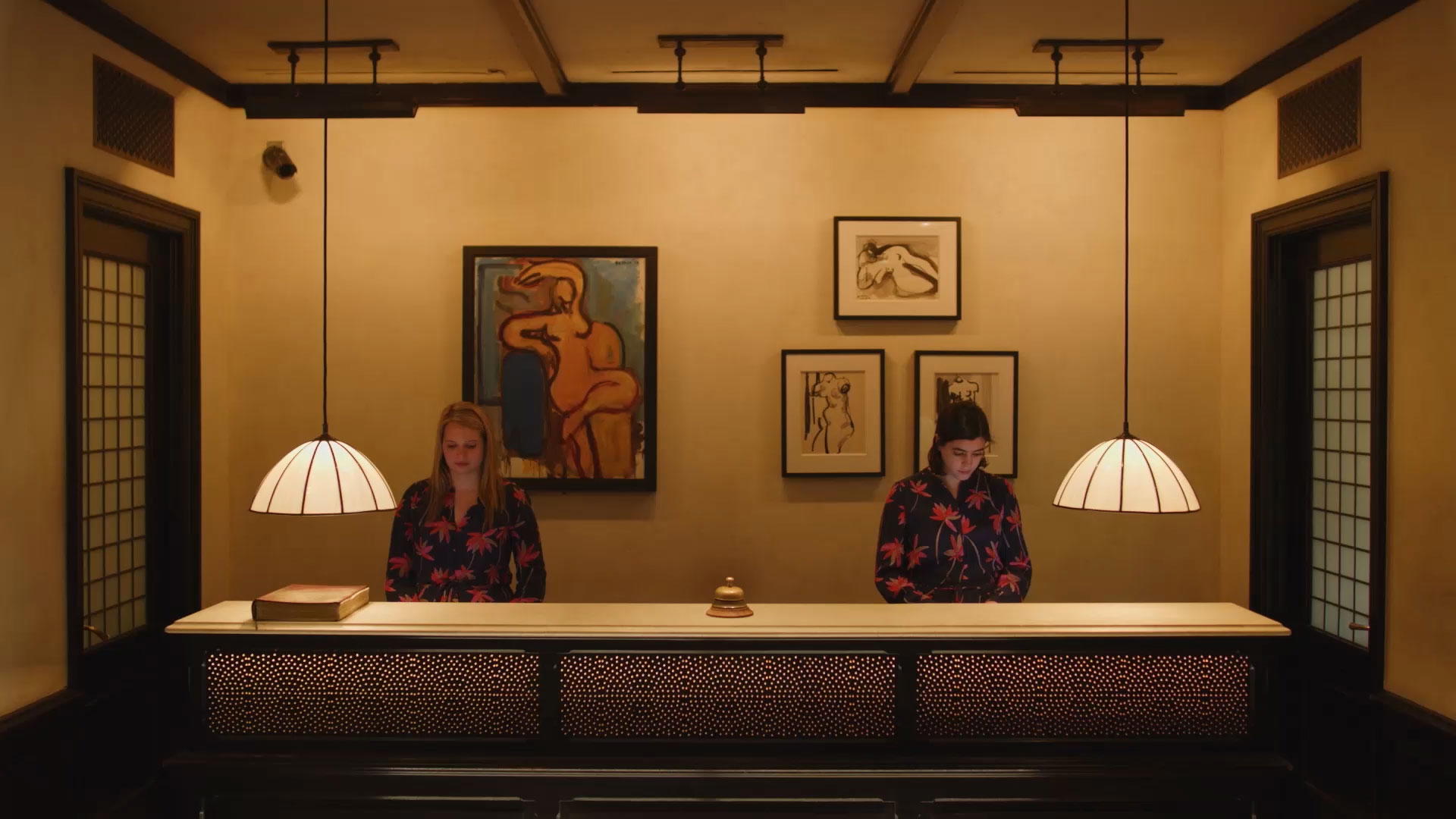
b'artusi is a bar in New York City's West Village at 520 Hudson St, known for its walk-in-friendly format and roughly $50 per person pricing. Hudson Street in the West Village operates on a particular logic: the blocks between Christopher and Leroy have accumulated, over decades, a density of restaurants and bars where the room matters as much as the plate. b'artusi at 520 Hudson sits inside that tradition rather than against it. Approaching from the street, the long windows and low light signal a bar-forward space where standing with a glass of Vermentino while waiting for a seat is the designed experience, not the inconvenient one. The room reads as Italian in the way that implies a specific restraint: no red-checked tablecloths, no candles in wine bottles, but rather the kind of considered informality that takes effort to achieve and reads as effortless.
How the Menu Is Built, and What That Reveals
The menu architecture at b'artusi tells you something deliberate about where it positions itself. The structure follows the logic of an Italian bar and trattoria hybrid rather than a full-service ristorante: snacks and small plates anchor one end, a tight pasta selection holds the center, and the drink list carries enough weight to be considered a destination in itself. This is not the architecture of a tasting-menu-era Italian restaurant chasing ceremony. It is, instead, the structure of a place that trusts repetition over novelty.
Italian restaurants in New York have split into two broad camps over the past fifteen years. One camp pursues the regional-specialist model: a menu locked to a single Italian province, sourcing notes on every item, and a wine list assembled from obscure producers. The other camp maintains the generalist trattoria form but executes it at a higher technical level than the previous generation managed. The bar belongs to the second camp. The pasta programme is the evidence: the dishes that appear on tables throughout a service evening are the kind that reward return visits rather than single-occasion spectacle. Dishes are structured to feel familiar before they feel impressive, which is a harder editorial position for a kitchen to hold than novelty.
This format signals a specific relationship with its guests. A restaurant that builds around snacks, pasta, and amari is asking its diners to eat in a particular rhythm: graze, anchor, linger. That rhythm is Italian in origin but West Village in expression, and it separates the bar from the louder, more destination-coded Italian addresses elsewhere in Manhattan.
The Bar as Structural Equal
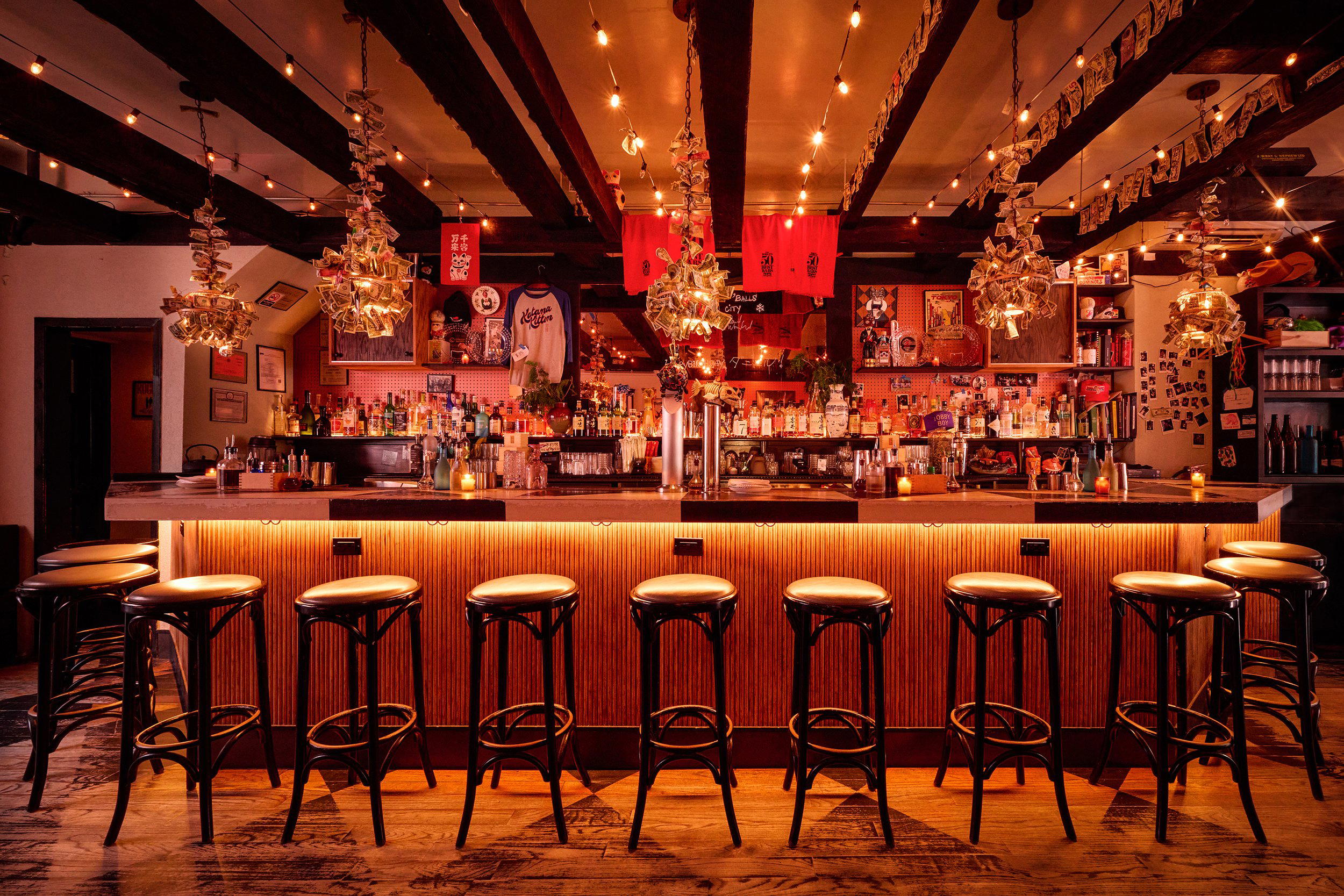
The drink programme deserves consideration as architecture, not afterthought. West Village bars and restaurants have historically separated drinking from eating more firmly than the neighbourhood's Italian addresses prefer. The bar integrates the bar into the room's logic so that an evening spent primarily drinking with light food alongside is as valid as one anchored by pasta. The amaro and Italian aperitivo selection is the signal: these are not decorative bottles behind a bar built for cocktails. They are the point of the list for a segment of the room.
For context on how New York's cocktail bars have developed their own food adjacency, venues like Amor y Amargo and Attaboy NYC have built serious reputations by committing to a specific drinking format. The bar operates differently: the bar and kitchen share equal weight, which is a harder balance to sustain but produces a more flexible venue for guests arriving with different intentions. Comparable integration of drinking and eating culture appears in bars with serious culinary ambitions in other cities, such as Kumiko in Chicago and ABV in San Francisco, though each of those venues leans further toward the cocktail-programme side than the bar does.
Where It Sits in the West Village Tier
The West Village has become among the more concentrated restaurant neighbourhoods in any American city, and the competition for return-visitor loyalty is steep. The bar's competitive set is not the splashy Italian addresses in the Meatpacking District or the tasting-menu rooms further uptown. Its peers are the durable, technically serious casual-Italian restaurants that have held neighbourhood audiences across multiple years without requiring constant press attention to stay full. The Long Island Bar in Brooklyn operates in an adjacent tradition (American rather than Italian, but with the same philosophy of format discipline over novelty). Dirty French, further east in Manhattan, is another reference point for how French and Italian casual-serious formats have developed in New York, though it operates at a higher price register.
For a broader view of how New York's food and drink culture arranges itself across neighbourhoods, the EP Club New York City guide maps the category divisions across the city. The West Village cluster that includes the bar sits within a neighbourhood-bar-and-trattoria tradition that has more in common with the East Village's earlier casual-serious phase than with the destination dining of the Upper East Side.
New York's cocktail bar scene, which overlaps with the bar's drinking programme in terms of guest overlap, includes venues like Angel's Share and Superbueno, both of which represent the more drink-forward end of the spectrum. For travellers building an evening around the West Village and adjacent neighbourhoods, those venues and the bar occupy different but compatible parts of the same evening's itinerary.
Outside New York, the format the bar occupies has equivalents in cities where Italian-influenced casual-serious drinking and eating culture has taken hold. Jewel of the South in New Orleans and Julep in Houston both demonstrate how a similar integration of bar culture and serious food can anchor a neighbourhood identity. Internationally, The Parlour in Frankfurt and Bar Leather Apron in Honolulu and Allegory in Washington, D.C. represent comparable commitments to bar-led hospitality that takes the food component seriously.
Planning Your Visit
Comparable Venues
Comparable venues nearby, for context on price, style, and recognition.
| Venue | Cuisine | Price | Notes |
|---|---|---|---|
| b'artusiThis venue — the venue you are viewing | wine_bar | $$$ | Not listed |
| Gallow Green | rooftop_bar | $$$ | Chelsea-Hudson Yards |
| Metrograph | lounge | $$$ | Chinatown-Two Bridges |
| Highball Ltd | speakeasy | $$$ | East Midtown-Turtle Bay |
| 230 Fifth Rooftop Bar | rooftop_bar | $$$ | Midtown South-Flatiron-Union Square |
Continue exploring
More in New York City
Bars in New York City
Browse all →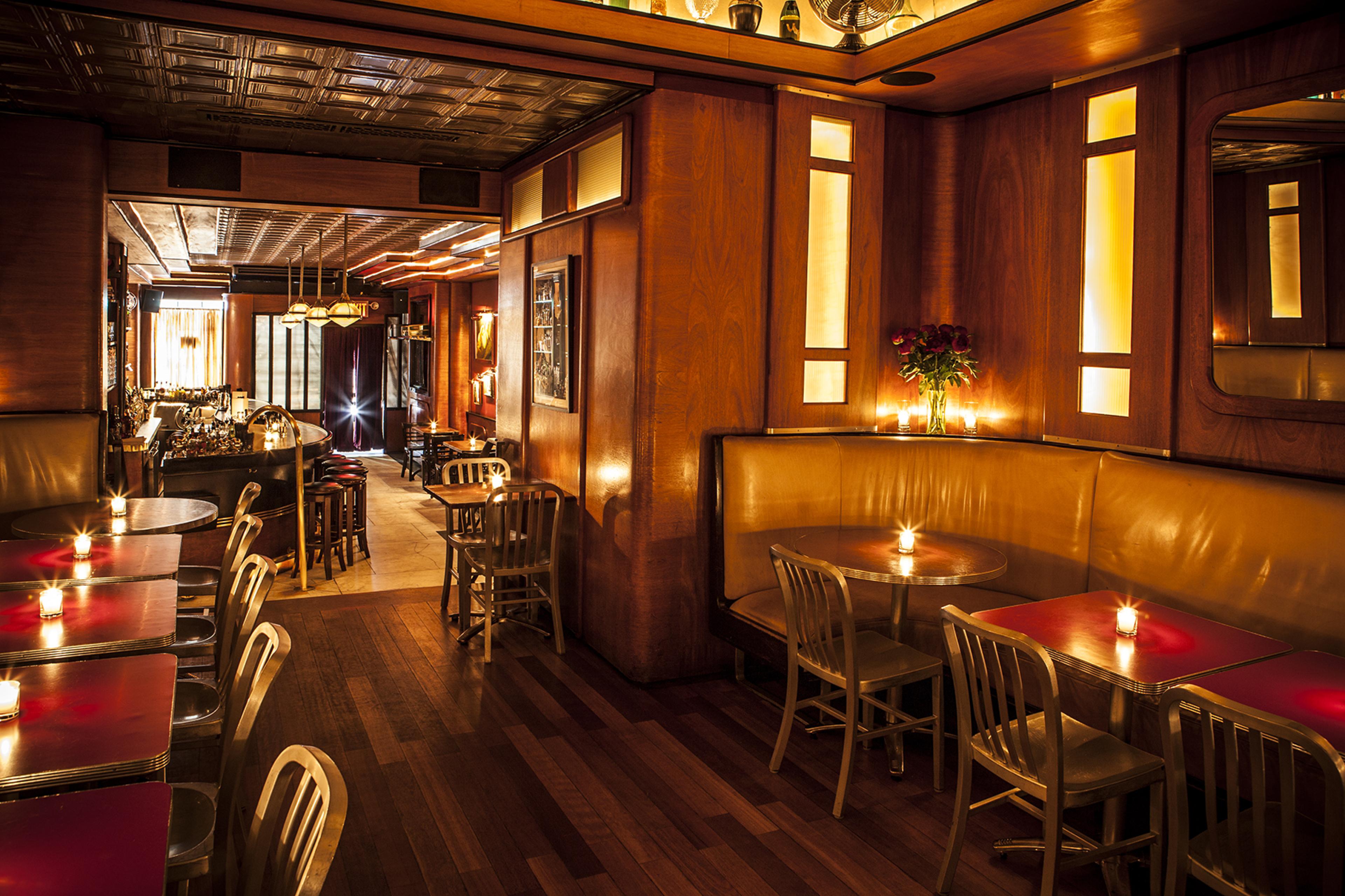
Restaurants in New York City
Browse all →
Hotels in New York City
Browse all →







At a Glance
- Intimate
- Elegant
- Trendy
- Cozy
- Date Night
- Casual Hangout
- After Work
- Design Destination
- Seated Bar
- Lounge Seating
- Outdoor Terrace
- Craft Cocktails
- Natural Wine
- Zero Proof
- Street Scene
Current opening hours
- Monday
- 12–11 PM
- Tuesday
- 12 PM–12 AM
- Wednesday
- 12 PM–12 AM
- Thursday
- 12 PM–12 AM
- Friday
- 12 PM–1 AM
- Saturday
- 11 AM–1 AM
- Sunday
- 11 AM–11 PM
Hours can change for holidays and private events. Last verified .
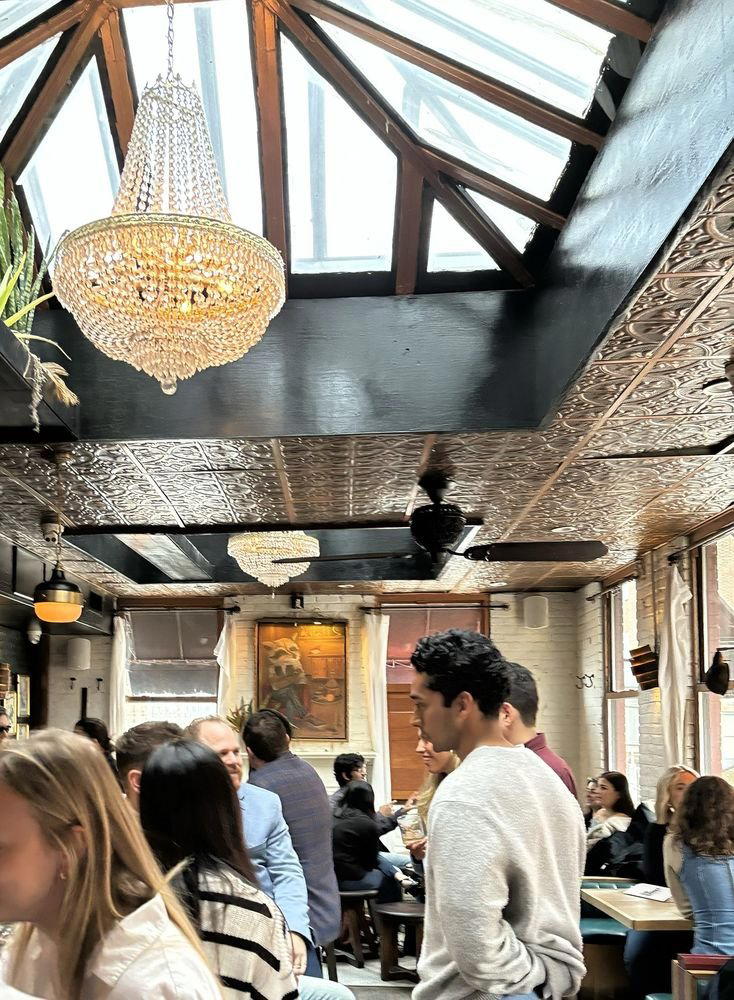
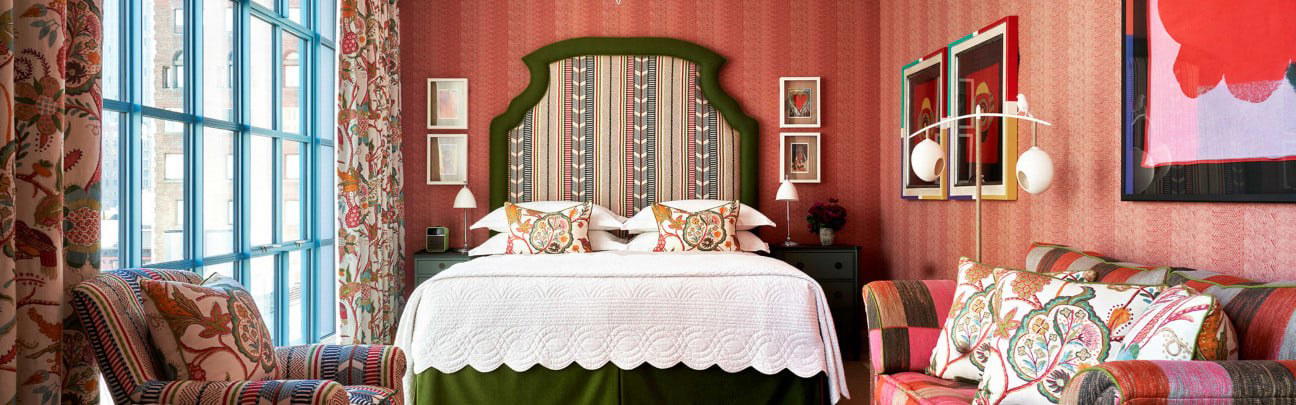
Cozy interior with rich woods, vintage mirrors, lush greenery, and art gallery wall, complemented by expansive outdoor seating.