Mercato Centrale Milano occupies the ground floor of Milano Centrale station, organizing dozens of artisan food producers under one vaulted roof. The format follows the Mercato Centrale model established in Florence: each counter run by a named specialist rather than a generic food-court operator. It serves as both a practical stop for travelers and a cross-section of Italian regional food culture in a single building.

Pearl is the En Primeur Club membership app — saves, bookings, and concierge access live there. Same editors, same standards.
- Address
- Via Giovanni Battista Sammartini, 2, 20125 Milano MI, Italy
- Phone
- +39 02 3792 8400
- Hours
- Mon–Wed 6:30 AM–11 PMThu–Sat 6:30 AM–12 AMSun 6:30 AM–11 PM
- Website
- mercatocentrale.it
- Directions
- Get directions
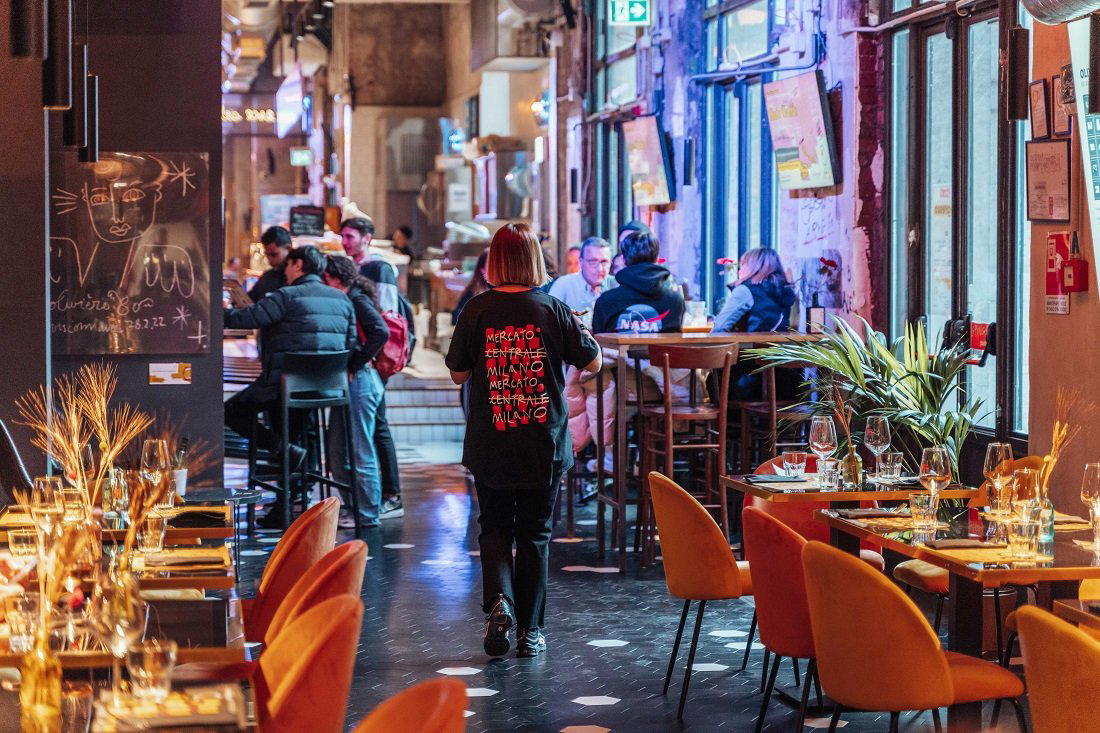
A Station Market That Takes Its Architecture Seriously
Milano Centrale is one of Europe's more theatrically scaled railway terminals, its Fascist-era stonework and vaulted ceilings projecting a civic ambition that most passengers walk past without stopping. Mercato Centrale Milano occupies the ground floor of that building, turning transit infrastructure into a multi-counter food market. The choice of location is deliberate: markets of this format — structured around named artisan producers rather than anonymous vendors — tend to perform leading when they catch both a resident audience seeking daily provisions and a transient one looking for something more considered than a station sandwich. Milano Centrale delivers both.
The Mercato Centrale group originated in Florence, where the ground floor of the historic Mercato Centrale San Lorenzo was redeveloped into a curated producer market. The Milan iteration follows the same operating logic: individual counters are each run by a specialist, with the overall curation sitting at the group level. That structure matters for how you read the space. This is not a food hall in the loosest sense, where brand adjacency creates an illusion of quality. Each position within the market represents a specific craft category, and the counters are selected to avoid duplication while covering a broad spread of Italian culinary territory.
How the Menu Architecture Works
The structure of what's on offer at Mercato Centrale Milano is leading understood as a map of Italian food categories rather than a single restaurant menu. Counter by counter, the market covers pasta, pizza, meat, fish, cheese, bread, gelato, coffee, wine, and street-food formats. A visitor moving through the space is effectively moving through a compressed version of the country's regional food disciplines, each one represented by a producer whose credentials sit in that specific area.
This architecture has a practical consequence for how you eat here. Unlike a conventional restaurant where a single kitchen produces a coherent menu, Mercato Centrale asks visitors to make a sequence of smaller decisions. You assemble your experience rather than receive it. That model rewards curiosity and penalizes indecision, the market is at its finest when visitors treat it as an editing exercise, choosing two or three counters with intention rather than grazing without focus.
The format also reveals something about where Milan sits in the broader Italian food conversation. The city has historically been stronger on restaurants and aperitivo culture than on market infrastructure, particularly compared to Bologna or Florence, where public markets remain central to daily food life. A curated market operating at this scale and in this location represents a deliberate effort to introduce that market culture into a city whose food identity has been built more around the table and the bar than the stall.
Placing It in Milan's Food Scene
Milan's food scene in the 2020s has split in several directions simultaneously. The fine-dining tier has consolidated around a small number of Michelin-recognized addresses. The aperitivo circuit, which built the city's international food reputation through the Campari era and the Negroni, continues to define the after-work hours. And a middle tier of casual but considered dining has grown considerably, drawing on both Italian regional traditions and the international influences that come with Milan's position as a design and fashion capital.
Mercato Centrale sits outside all three of those tiers and operates as a category of its own. It doesn't compete with the restaurant scene, the aperitivo bars, or the mid-market trattorie. It functions instead as food infrastructure: a place where the quality of primary Italian ingredients and craft producers is the argument, and the format is the delivery mechanism. For visitors using Milano Centrale as a hub for wider Italian travel, the market offers a shorthand survey of what the country's food culture looks like at a producer level before heading south or north. For residents, it offers a provisioning and grazing option that the station area has historically lacked.
Milan's bar scene, for context, operates across a wide register. Serious cocktail programs at venues like 1930, Nottingham Forest, and Moebius Milano represent one end; the heritage aperitivo experience at Camparino in Galleria represents another. Mercato Centrale's wine and drink counters sit in neither camp, offering instead a more casual, producer-focused approach to Italian wine and spirits that complements rather than competes with the city's dedicated bar culture. Elsewhere in Italy, the same principle applies: the market format occupies a distinct register from the cocktail destinations you'd find at Drink Kong in Rome, L'Antiquario in Naples, or Gucci Giardino in Florence.
Timing, Access, and Practical Considerations
The market's position inside Milano Centrale means it is reachable without a ticket and accessible from the city's metro and surface rail network. Arriving by metro at Centrale FS places you within the station complex, and the market entrance is ground-level. Because the space draws both commuters and travelers, the volume of foot traffic varies sharply by time of day: midday and early evening see the heaviest use, with the aperitivo-adjacent hours between 18:00 and 20:00 particularly active given Milanese drinking habits.
For those building a wider Italian itinerary, Mercato Centrale's Florence original near Enoteca Storica Faccioli's territory in Bologna and its Rome location provide useful reference points for how the format adapts across cities. The Milan version occupies a larger and architecturally more dramatic setting than either. For broader EP Club coverage of where Milan's food and drink scene sits across categories, see our full Milan restaurants guide.
No reservations are required for the market format. Individual counters operate on a walk-up basis, and the space accommodates both quick stops and longer seated sessions depending on which counters you choose. Pricing reflects the artisan-market positioning: higher than a standard station food offer, lower than a sit-down restaurant in the same city. The practical logic is to arrive with a specific category in mind, pasta, charcuterie, wine, and use that anchor to navigate from there, rather than attempting to cover the whole floor in a single visit.
Awards and Standing
Comparable options at a glance, pulled from our tracked venues.
| Venue | Price | Awards |
|---|---|---|
| Mercato Centrale MilanoThis venue — the venue you are viewing | Not listed | Not listed |
| Nottingham Forest | $10–20 | World's 50 Best #38 · Top 500 Bars Best Bars #268 |
| 1930 | Not listed | World's 50 Best #22 · Pinnacle Guide 1 Pin |
| Camparino in Galleria | $30–50 | World's 50 Best #18 · Top 500 Bars Best Bars #41 |
| Moebius Milano | $30–50 | World's 50 Best #6 · Pinnacle Guide 1 Pin |
| Backdoor 43 | $50–100 | Pinnacle Guide 1 Pin · Top 500 Bars Best Bars #96 |
Continue exploring
More in Milan
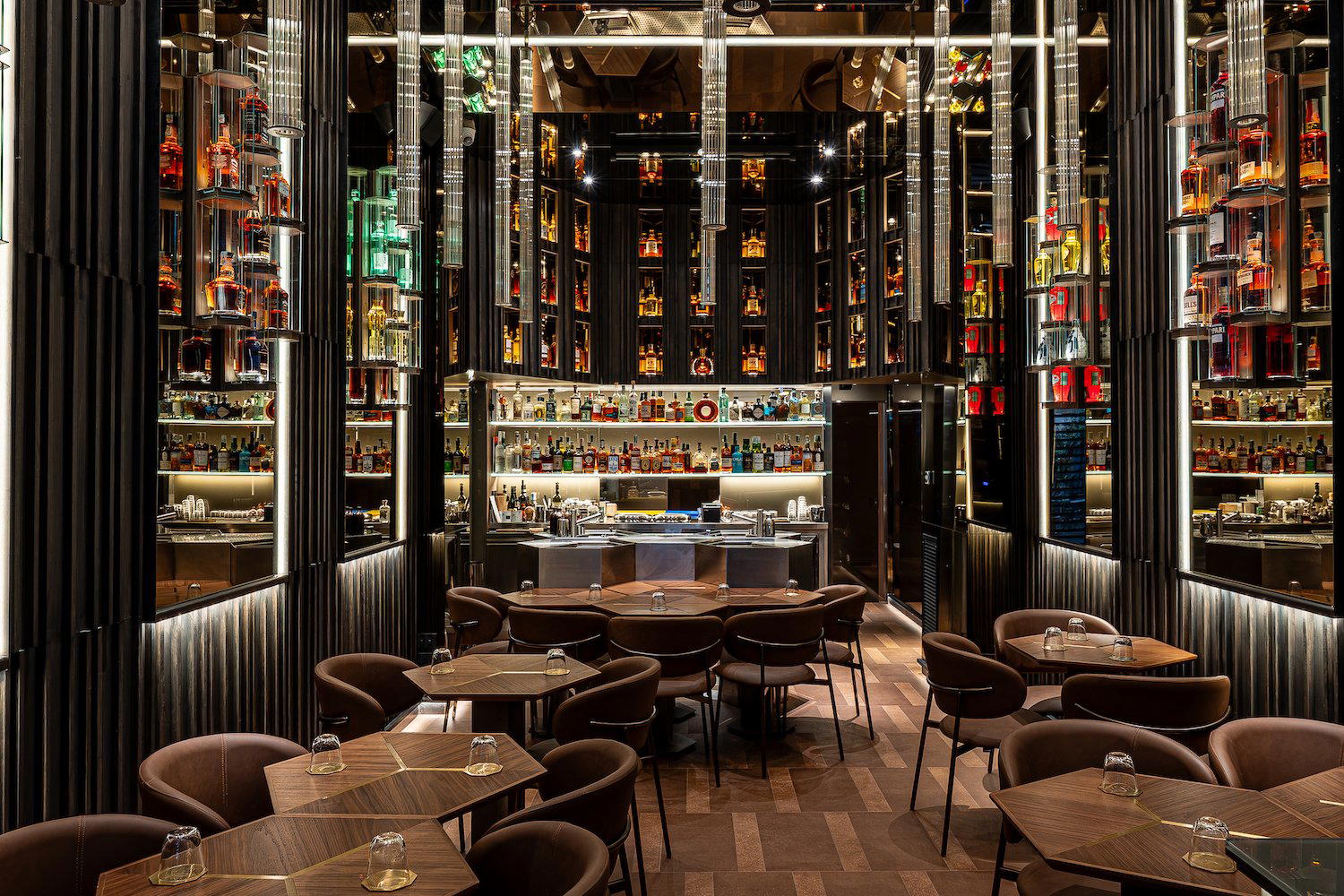
Bars in Milan
Browse all →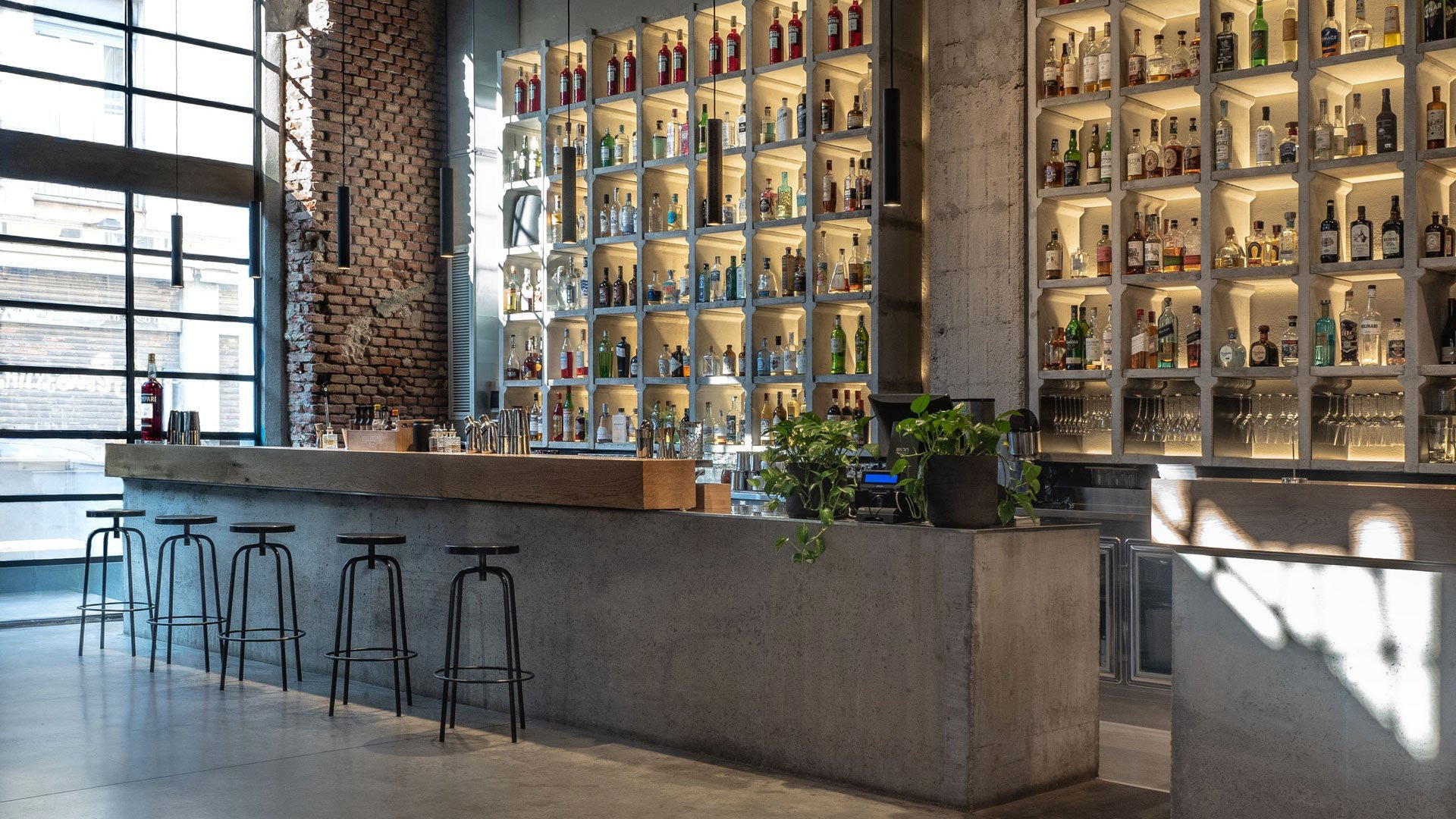
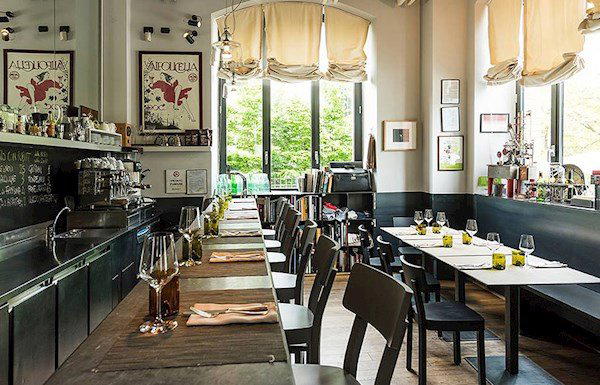
Restaurants in Milan
Browse all →
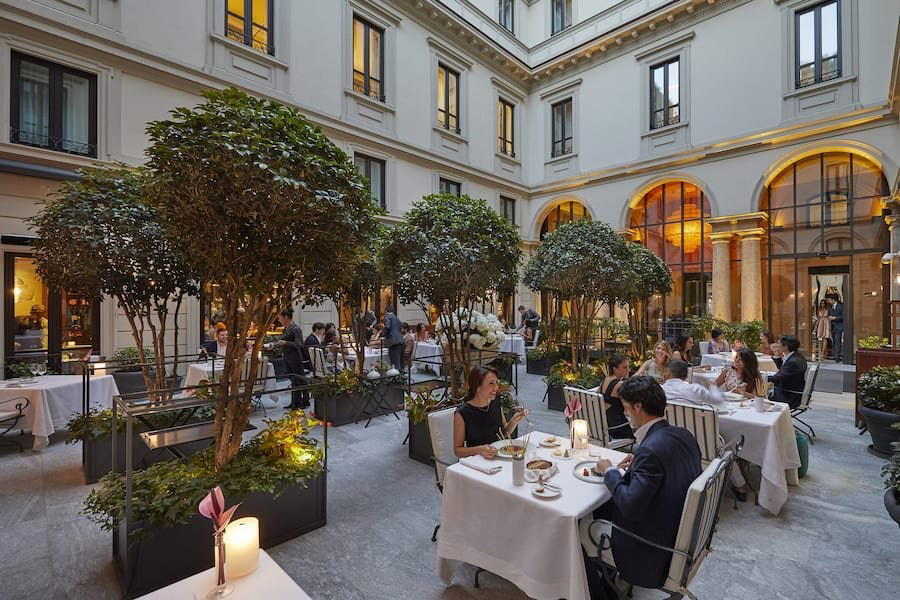
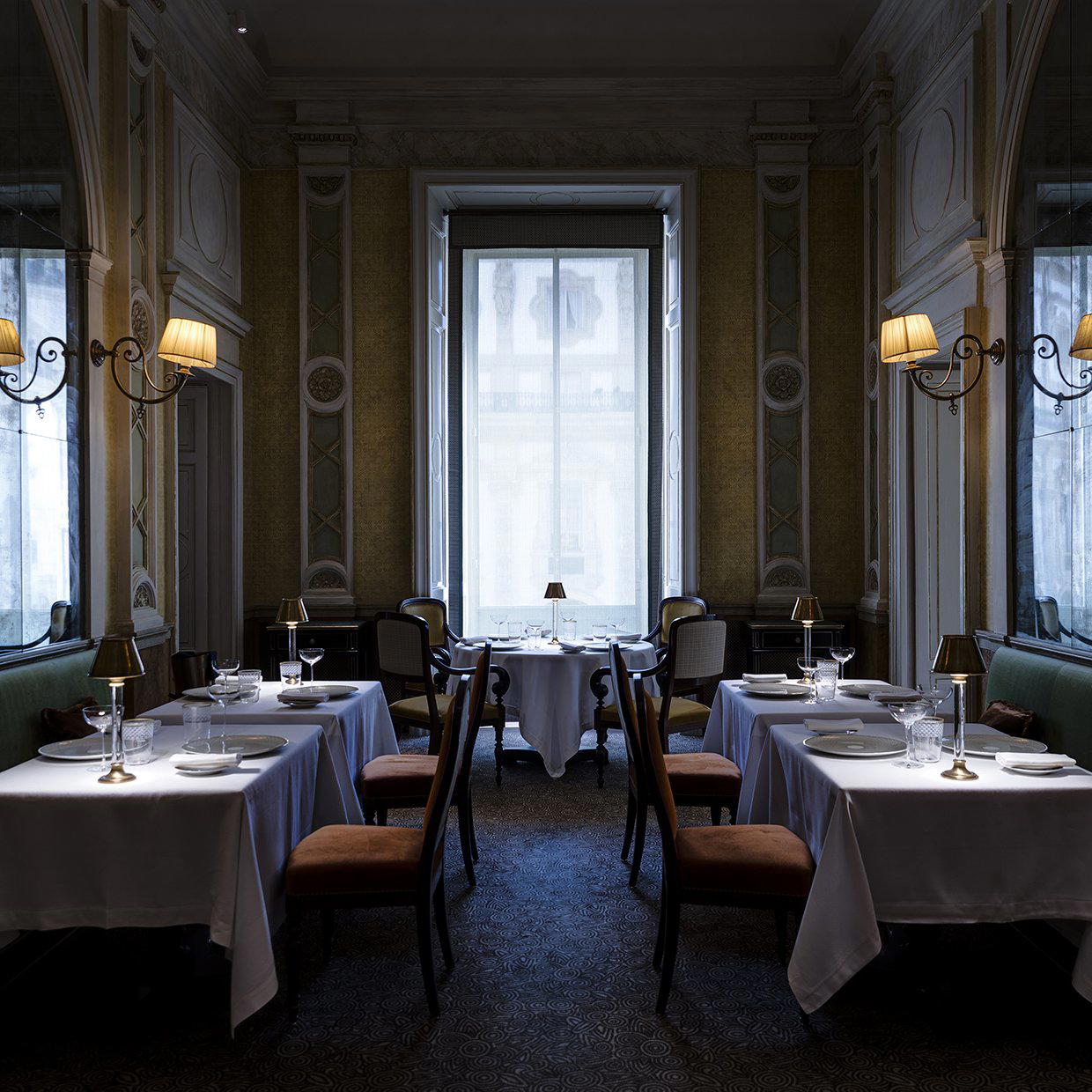
Hotels in Milan
Browse all →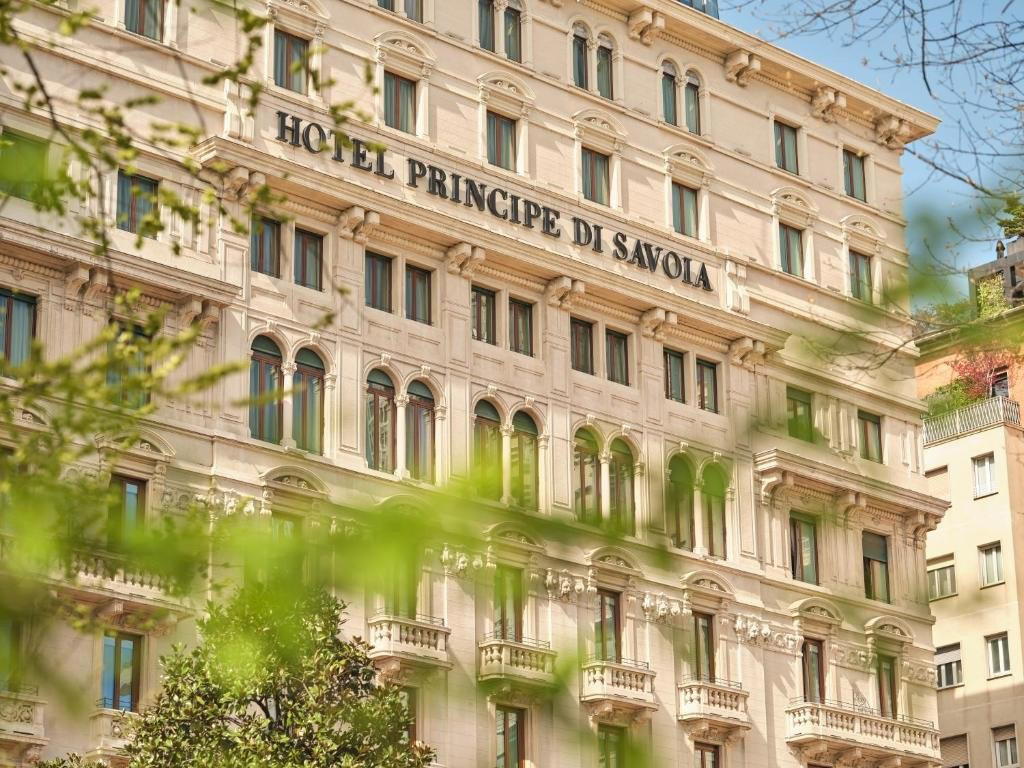
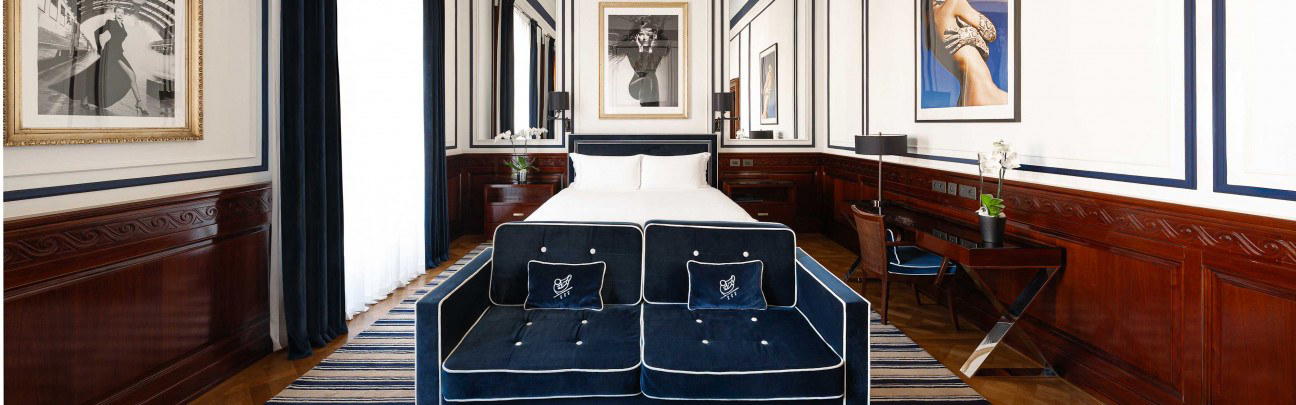
Details
- Lively
- Modern
- Casual Hangout
- After Work
- Design Destination
- Communal Tables
- Classic Cocktails
Current opening hours
- Monday
- 6:30 AM–11 PM
- Tuesday
- 6:30 AM–11 PM
- Wednesday
- 6:30 AM–11 PM
- Thursday
- 6:30 AM–12 AM
- Friday
- 6:30 AM–12 AM
- Saturday
- 6:30 AM–12 AM
- Sunday
- 6:30 AM–11 PM
Hours can change for holidays and private events. Last verified .
Inviting and lively with a lively Italian atmosphere, featuring beat music for relax and good food.