On Brunnenstraße in Berlin-Mitte, Mein Haus am See occupies a particular position in the city's all-hours social fabric: part bar, part café, part late-night gathering point, open around the clock in a city that takes that seriously. The format resists easy categorization, which is precisely what keeps it relevant across the full span of a Berlin night and the morning that follows.
Pearl is the En Primeur Club membership app — saves, bookings, and concierge access live there. Same editors, same standards.
- Address
- Brunnenstraße 197-198, 10119 Berlin, Germany
- Phone
- +49 163 5558033
- Website
- mein-haus-am-see.com
- Directions
- Get directions
 Saves & bookings on Pearl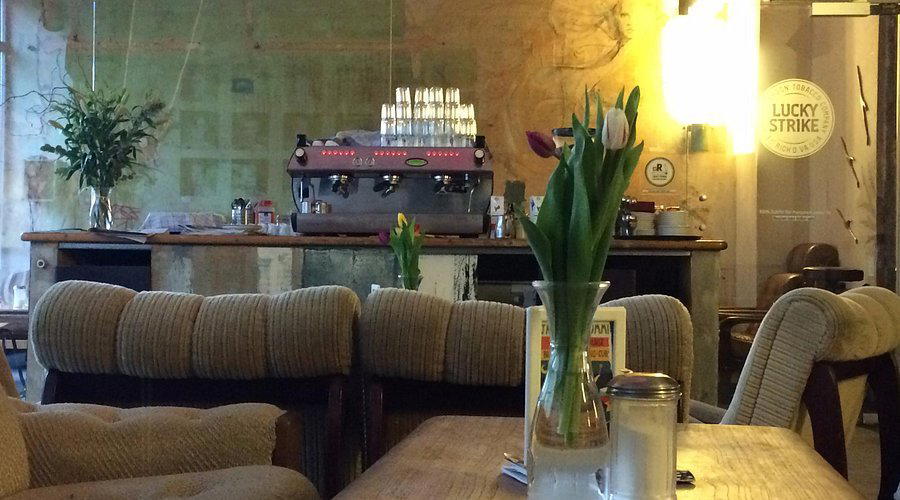
The Address and What It Signals
Brunnenstraße 197-198 sits at a telling intersection in Berlin's social geography. The street runs through the heart of Mitte's northern corridor, where the neighbourhood character shifts from polished gallery district to something rawer and more inhabited. Mein Haus am See occupies a double address here, which already tells you something: this is not a compact, single-room operation built around one tight concept. The space spreads, accommodates, and absorbs the different moods that a Berlin night demands.
The name, translated as "My House by the Lake," carries a deliberate irony. There is no lake. What there is, instead, is the particular comfort of a place that feels domestically scaled despite its capacity, where the room does not perform its own atmosphere so much as allow it to develop. In a city where atmospheric engineering can feel heavy-handed, that restraint registers.
How Berlin Shapes This Kind of Venue
Berlin's bar and café culture has always resisted the segmentation that defines drinking and eating in most European capitals. The categories that elsewhere create clear operational identities, breakfast spot, cocktail bar, late-night venue, tend to collapse here into something more continuous. Mein Haus am See belongs to a tradition of all-hours Berlin institutions that function as temporal anchors: places where the time of day is less relevant than the fact of the gathering.
That tradition has counterparts across the city's bar circuit. Buck and Breck operates at the other end of the spectrum, with a strict reservation-only, low-capacity cocktail format. Stagger Lee commits to a specific Americana register. Velvet and Lebensstern each stake out distinct tonal territories within Berlin's range. Mein Haus am See does something different: it refuses the tonal commitment entirely, functioning instead as a social commons that holds different visitors at different hours without contradiction.
Menu Architecture as Social Contract
The editorial angle that reveals most about the bar is not what is on the menu, but how the menu is structured to serve an all-day, all-night format. In venues with a continuous operating model, the menu does a particular kind of work. It cannot be anchored to a single meal period, cannot rely on the evening tasting logic that structures higher-end dining, and must hold coherence across the full span of human appetite cycles: the post-sleep coffee, the mid-afternoon something, the 3am recovery plate.
This structural demand produces menus that tend toward the recognizable rather than the surprising, the comforting rather than the challenging. The point is not to reward close attention to the food so much as to provide reliable support for whatever the social occasion is. That is a different discipline from the tasting-menu counter or the focused cocktail program, and it deserves to be read on its own terms.
What distinguishes a well-run all-hours venue from a mediocre one is whether the menu architecture actually reflects this logic or simply defaults to a random assortment. The former produces a place that feels considered across its full operational range; the latter produces a place that feels like a café that forgot to close. The bar's enduring position in Berlin's social circuit suggests the former.
Placing It in the German Bar Context
Across German cities, a range of bar formats have developed distinct identities. Le Lion Bar de Paris in Hamburg represents the precise, cocktail-forward model. Goldene Bar in Munich operates with a cultural institution logic, embedded in the Haus der Kunst. The Parlour in Frankfurt addresses a different clientele and pace. Bar Trattoria Celentano in Cologne and Uerige in Düsseldorf each carry strong local identities rooted in different drinking traditions. Further afield, Kieler Brauerei am Alten Markt in Kiel anchors its identity around regional brewing heritage.
The bar fits none of those models cleanly. It does not compete on cocktail precision, cultural prestige, or brewing tradition. Its competitive set is narrower and more Berlin-specific: the handful of addresses that have sustained relevance across a genuinely long operating span in a city where venue lifespans are often short. In Berlin, longevity is itself a credential. The city's hospitality scene turns over with unusual speed, and a venue that holds its position across years of shifting neighbourhood dynamics has demonstrated something that awards cannot easily capture.
Who Uses It and When
The practical reality of the bar is that it serves several distinct visitor profiles across a single day. The daytime version is a café with space to sit and work or meet. The evening version is a bar with a relaxed social atmosphere. The late-night and early-morning version is the one that most distinguishes it: a functioning destination at hours when most alternatives have closed.
For visitors to Berlin, the practical implication is that bar is most usefully understood not as a destination in itself but as an anchor point in a longer evening. The Mitte location on Brunnenstraße places it within reach of the northern Mitte circuit, accessible whether you are arriving from elsewhere in the neighbourhood or continuing from another part of the city. For those arriving from further afield, Bar Leather Apron in Honolulu offers a point of comparison for what a venue with a similarly sustained local reputation looks like in a different city context.
Planning a Visit
The bar operates on Brunnenstraße 197-198 in Berlin-Mitte, accessible via U-Bahn to Rosenthaler Platz (U8), a short walk north. The all-hours format means there is no optimal arrival window in the conventional sense: the question is which version of the place you are there for. Daytime visits are lower-key and more café-like; evenings build toward a bar atmosphere; late nights are when the venue's particular identity is most legible. Reservations are recommended. The address is double, the space is larger than it first appears, and the ground floor and lower levels serve different functions within the same operational logic.
Where It Fits
Comparable venues nearby, for context on price, style, and recognition.
| Venue | Cuisine | Price | Notes |
|---|---|---|---|
| Mein Haus am SeeThis venue — the venue you are viewing | lounge | $$ | Not listed |
| Viniculture | wine_bar | $$ | Charlottenburg |
| Prince Charles | lounge | $$ | Kreuzberg |
| Bellman | cocktail_bar | $$ | Kreuzberg |
| Szimpla Berlin | pub | $ | Friedrichshain |
| Ernst Cave | wine_bar | $$$ | Wedding |
Continue exploring
More in Berlin
Bars in Berlin
Browse all →
Restaurants in Berlin
Browse all →
Hotels in Berlin
Browse all →
Wineries in Berlin
Browse all →
At a Glance
- Cozy
- Trendy
- Intimate
- After Work
- Late Night
- Group Outing
- Casual Hangout
- Live Music
- Lounge Seating
- Booth Seating
- Classic Cocktails
- Craft Cocktails
Current opening hours
- Monday
- 12–6 AM, 4:30 PM–12 AM
- Tuesday
- 12–6 AM, 4:30 PM–12 AM
- Wednesday
- 12–6 AM, 4:30 PM–12 AM
- Thursday
- 12–6 AM, 4:30 PM–12 AM
- Friday
- 12–6 AM, 4:30 PM–12 AM
- Saturday
- 12–6 AM, 4:30 PM–12 AM
- Sunday
- 12–6 AM, 4:30 PM–12 AM
Hours can change for holidays and private events. Last verified .
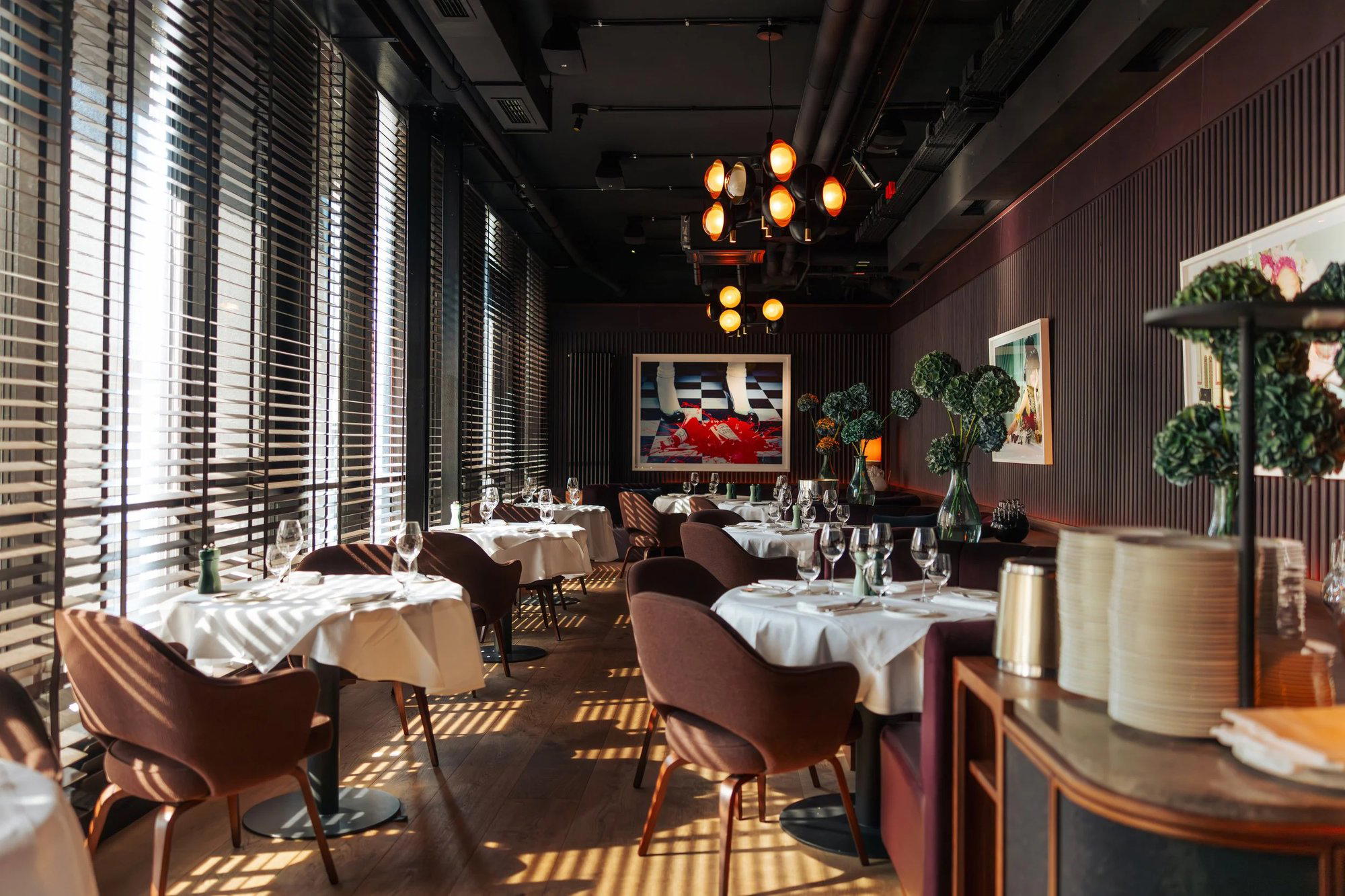
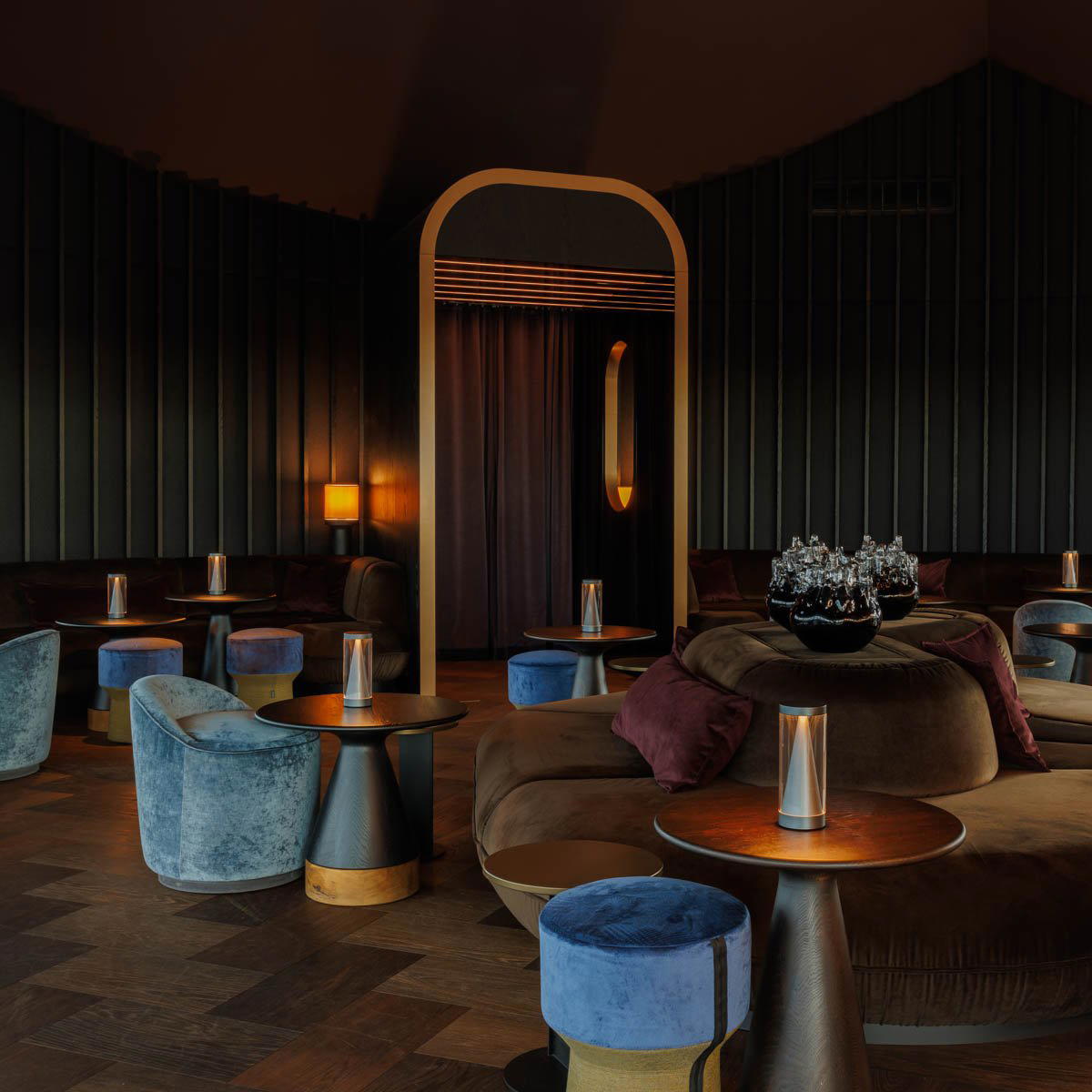
Vintage 60s furniture, casual interior with wall tattoos, cozy seating including sofas and gallery, warm lighting blending into lively DJ and club atmosphere.