

World's 50 Best #31 · Falstaff Bar - 94 Falstaff Points
Goldene Bar occupies a storied address inside Munich's Haus der Kunst on Prinzregentenstraße, placing it at the intersection of art-institution gravity and serious cocktail programming. A former World's 50 Best Bars entry (ranked 31st in 2012), it draws a mixed crowd of Schwabing intellectuals, gallery visitors, and dedicated bar regulars across spring and autumn seasons when Munich's cultural calendar runs at full pace.

Pearl is the En Primeur Club membership app — saves, bookings, and concierge access live there. Same editors, same standards.
A Bar Inside an Institution: What That Address Actually Means
Bars that occupy cultural buildings carry a particular burden. The address does promotional work for them, but it also invites a specific kind of visitor who may not be there primarily to drink. What separates the serious from the incidental is whether the bar program holds its own once the architecture stops doing the talking. On Prinzregentenstraße 1, inside Munich's Haus der Kunst — the imposing neoclassical exhibition hall that has housed international contemporary art since the postwar era — Goldene Bar has historically been one of the few venue-within-institution formats in Germany to earn independent credibility on cocktail terms alone.
That credibility was formally registered when the bar appeared at number 31 on the World's 50 Best Bars list in 2012, at a moment when that ranking was still a relatively selective signal. German bars were not common entries in those lists, and Munich specifically had a smaller international bar profile than Hamburg or Berlin. Goldene Bar's presence there placed it in a peer group that included some of the most technically rigorous cocktail programs in Europe, which is a different competitive set than the one defined by its postcode.
Munich's Bar Scene and Where This Sits in It
Munich's drinking culture has long been shaped by a tension between beer-hall tradition and a small but serious cocktail contingent. The former is deeply embedded in the city's social infrastructure; the latter operates in a narrower register, concentrated in Schwabing and the Maxvorstadt area, and rewards visitors who know to look for it. Schuman's Bar is the reference point most Münchners cite first, a decades-old program with a serious reputation. Blaue Libelle and Café Luitpold occupy different points on the spectrum, from casual wine-bar formats to the grand café tradition. Goldene Bar sits apart from all of these in one specific way: its host institution gives it a built-in crowd of culturally engaged visitors who arrive primed for a certain quality of experience, and the bar has historically met that expectation with a program that does not coast on ambient prestige.
That dynamic, the collaboration between physical setting, the front-of-house tone required to work an arts-institution crowd, and the technical drink program, is what defines Goldene Bar's identity more precisely than any single element in isolation. A bar operating inside a museum or exhibition hall needs service staff who can hold the room against the pull of the building itself, and a drinks list that earns attention from people who came in primarily to see a show. That is a specific kind of team challenge, and when it works, it produces something closer to a full cultural evening than a standalone bar visit.
The Broader German Bar Context
Germany's bar scene has matured considerably since 2012, and the cities that now command international attention in cocktail terms span well beyond Munich. Buck and Breck in Berlin operates a tight, reservation-only format that has become a reference point for low-intervention, ingredient-led cocktail work. Le Lion Bar de Paris in Hamburg brings a different kind of discipline to the gin-forward, European classic tradition. The Parlour in Frankfurt and Bar Trattoria Celentano in Cologne each represent regional scenes developing their own coherent identities. Further north, Uerige in Düsseldorf and Kieler Brauerei am Alten Markt in Kiel anchor the beer-culture end of German drinking, while internationally, Bar Leather Apron in Honolulu demonstrates how bar formats built around cultural specificity can travel far from obvious metropolitan centers.
Within that national context, Goldene Bar's 2012 ranking remains a data point worth noting. The bar entered the 50 Best list before the German cocktail scene had accumulated the international visibility it now has, which means it was doing program-led work at a point when Munich specifically was underrepresented in the conversation.
Spring and Autumn: When to Go
Munich's cultural calendar peaks in spring and autumn, and Goldene Bar's position inside Haus der Kunst means its rhythm tracks closely with the exhibition schedule. February brings the first serious shows of the year; May runs toward the end of the spring programming cycle before summer scheduling takes over; September marks the reopening of the cultural season with major autumn exhibitions. Visiting during these windows means arriving at a bar that is operating at full social capacity, with a crowd that includes international collectors, critics, and curators alongside the regular Munich contingent. That mix tends to produce a different atmosphere than the quieter summer months, when the institution draws more tourist traffic and the bar's character shifts accordingly. For those interested in the bar as a cultural experience rather than just a drinks stop, the spring and autumn visits carry more weight.
The address at Prinzregentenstraße 1 places the bar in the English Garden corridor, a short walk from the Bavarian State Chancellery and within the concentration of major cultural institutions that defines this part of Munich. It is accessible from the city center without being embedded in it, which gives the visit a slight sense of occasion that a bar on Maximilianstraße would not produce in the same way.
Planning a Visit
For broader planning in Munich, the full Munich restaurants and bars guide covers the city's current scene across formats and neighborhoods.
Cuisine and Credentials
Comparable venues nearby, for context on price, style, and recognition.
| Venue | Cuisine | Price | Awards | Notes |
|---|---|---|---|---|
| Goldene BarThis venue (the venue you are viewing) | cocktail_bar | $20–30 | World's 50 Best #31 · Falstaff Bar - 94 Falstaff Points | Not listed |
| Schuman's Bar | Cocktail Bar | $30–50 | World's 50 Best #34 · Falstaff Bar - 87 Falstaff Points | Lehel |
| Paulaner am Nockherberg | beer_bar | $20–30 | Not listed | Au |
| Sticks & Stones Wine Bar | wine_bar | $30–50 | Star Wine List Best By-the-Glass List · Falstaff Wine Bar - 95 Falstaff Points | Schwabing |
Recognition history
Dated appearances from independent guides and award organizations, with the underlying list record or original source where available.
World's 50 Best Bars #31
World's 50 Best
Falstaff Bar - 94 Falstaff Points
Falstaff
Continue exploring
More in Munich
Bars in Munich
All bars in Munich →
Restaurants in Munich
All restaurants in Munich →
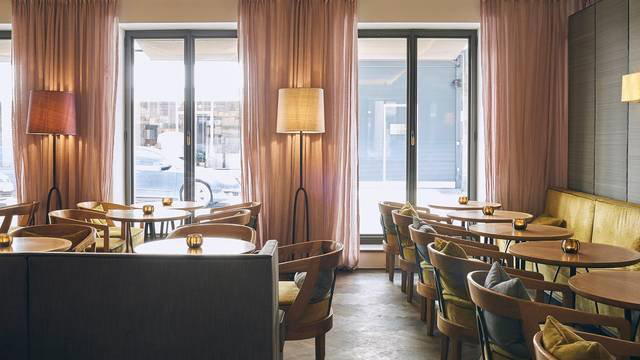
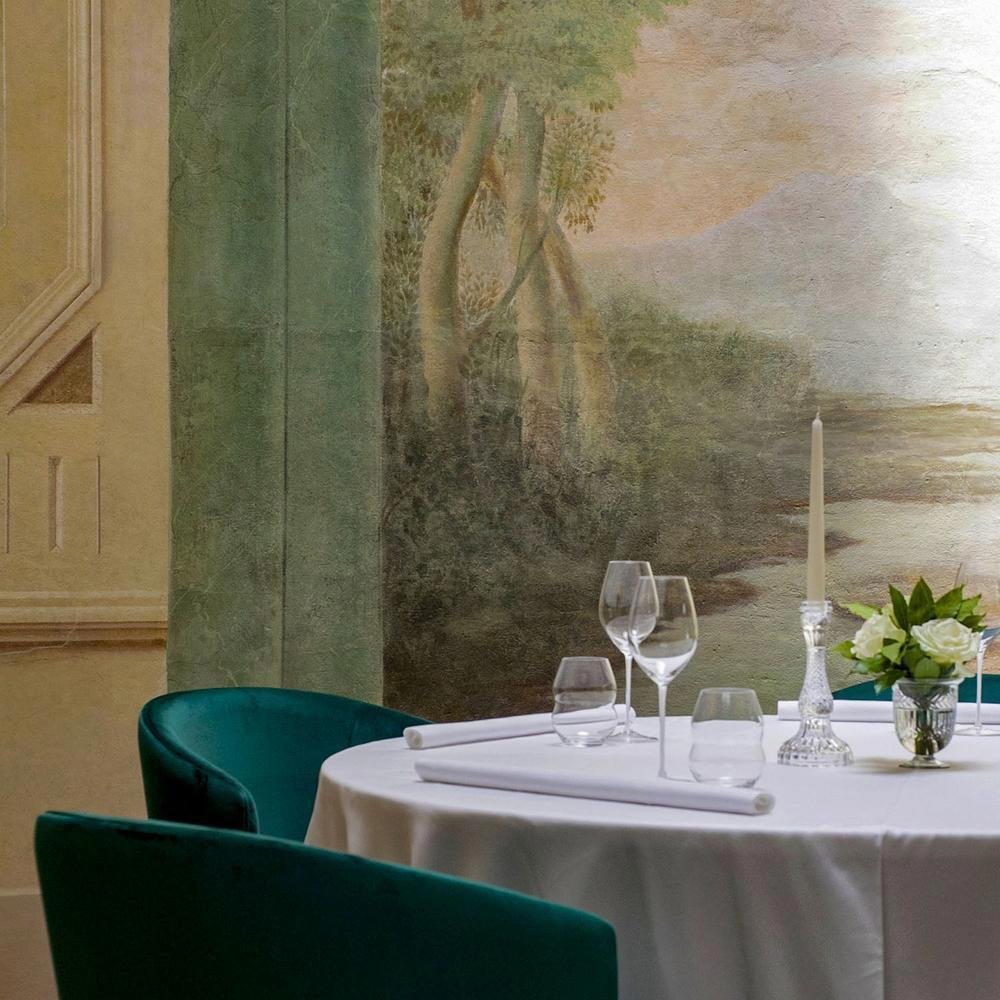
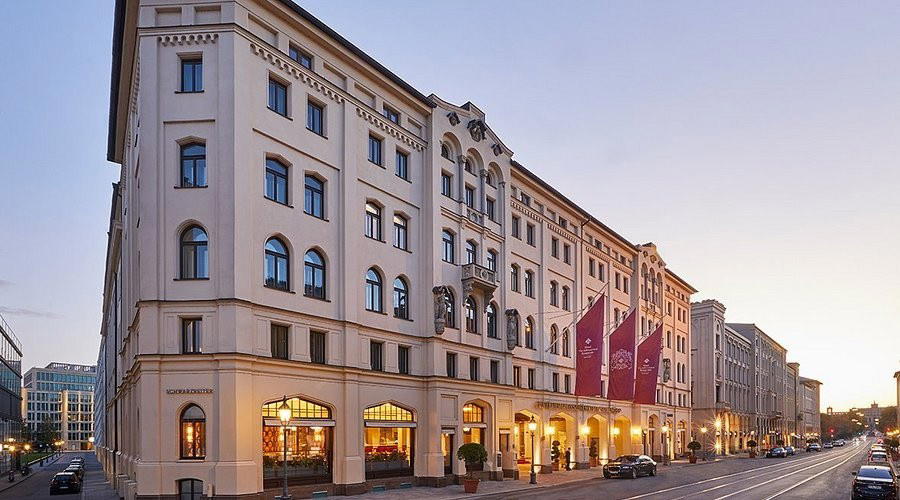
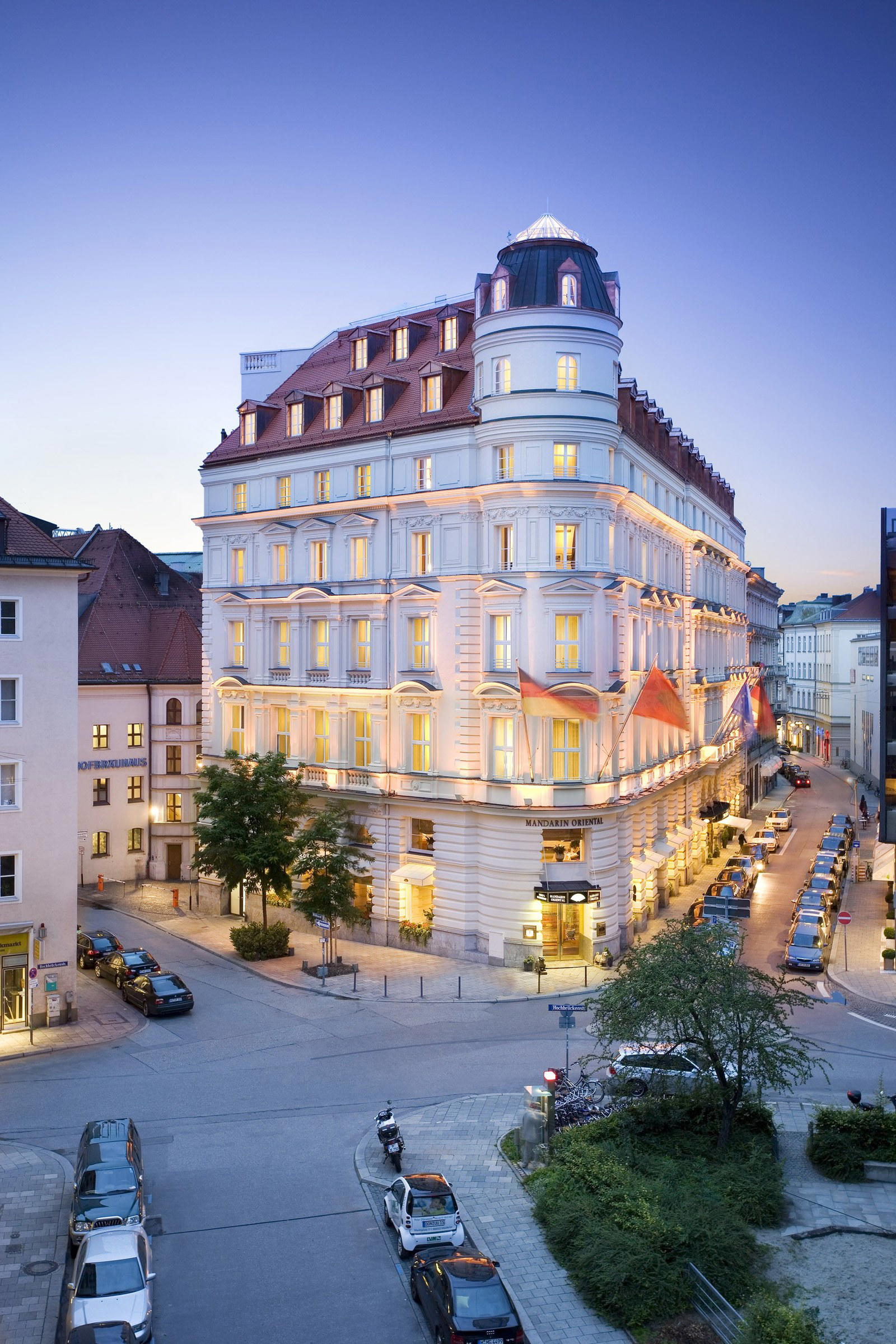
Goldene Bar
The drinks
- Craft cocktails
- Classic cocktails
Signature drinks: Dead Presidente, Smooth Criminal, Dirty Old Bastard, Haus der Kunst cocktail.
Details
- Elegant
- Classic
- Intimate
- Sophisticated
- Date Night
- After Work
- Late Night
- Historic Building
- Terrace
- Seated Bar
- Lounge Seating
- Outdoor Terrace
- Classic Cocktails
- Craft Cocktails
- Garden
- Street Scene
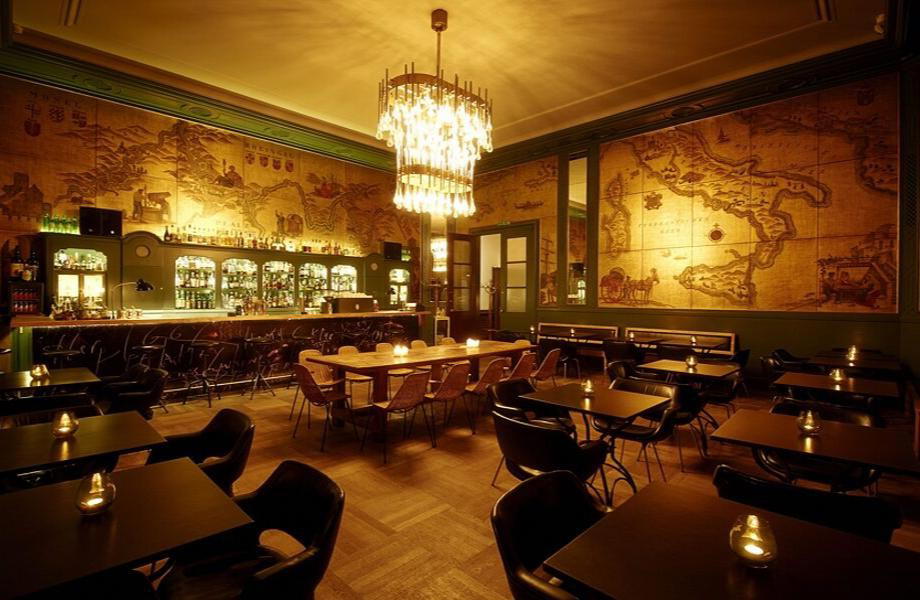
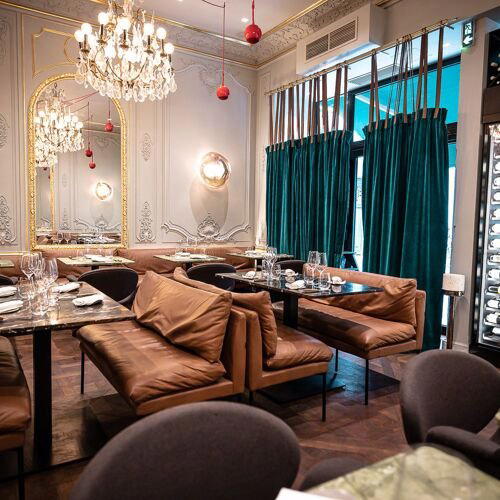
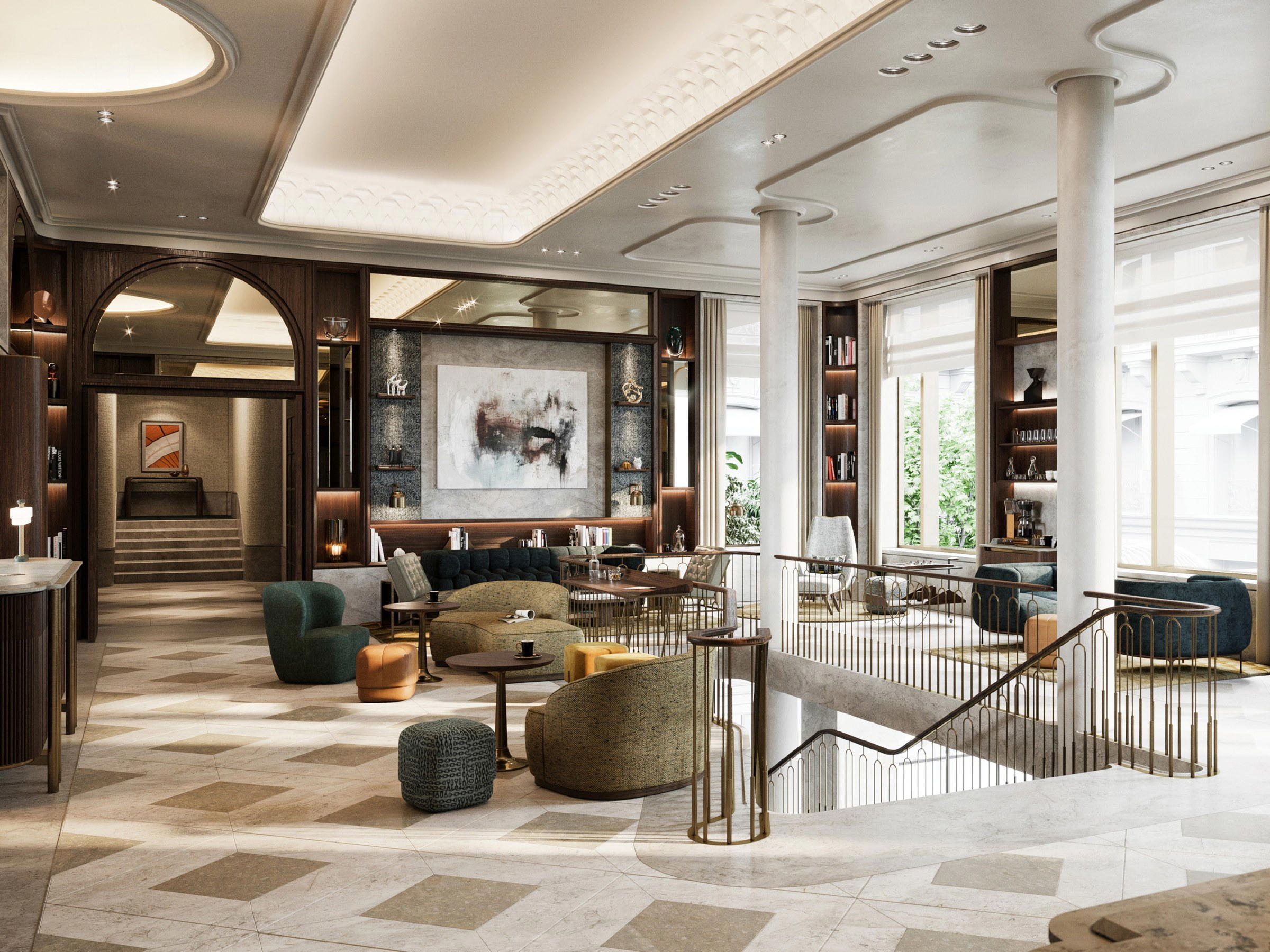
Glamorous interior with golden murals, soft lighting from a large modernist chandelier creating a mellow, jazzy 1960s vibe; relaxed terrace overlooking English Garden.