Google: 4.2 · 674 reviews
Cunard Tavern
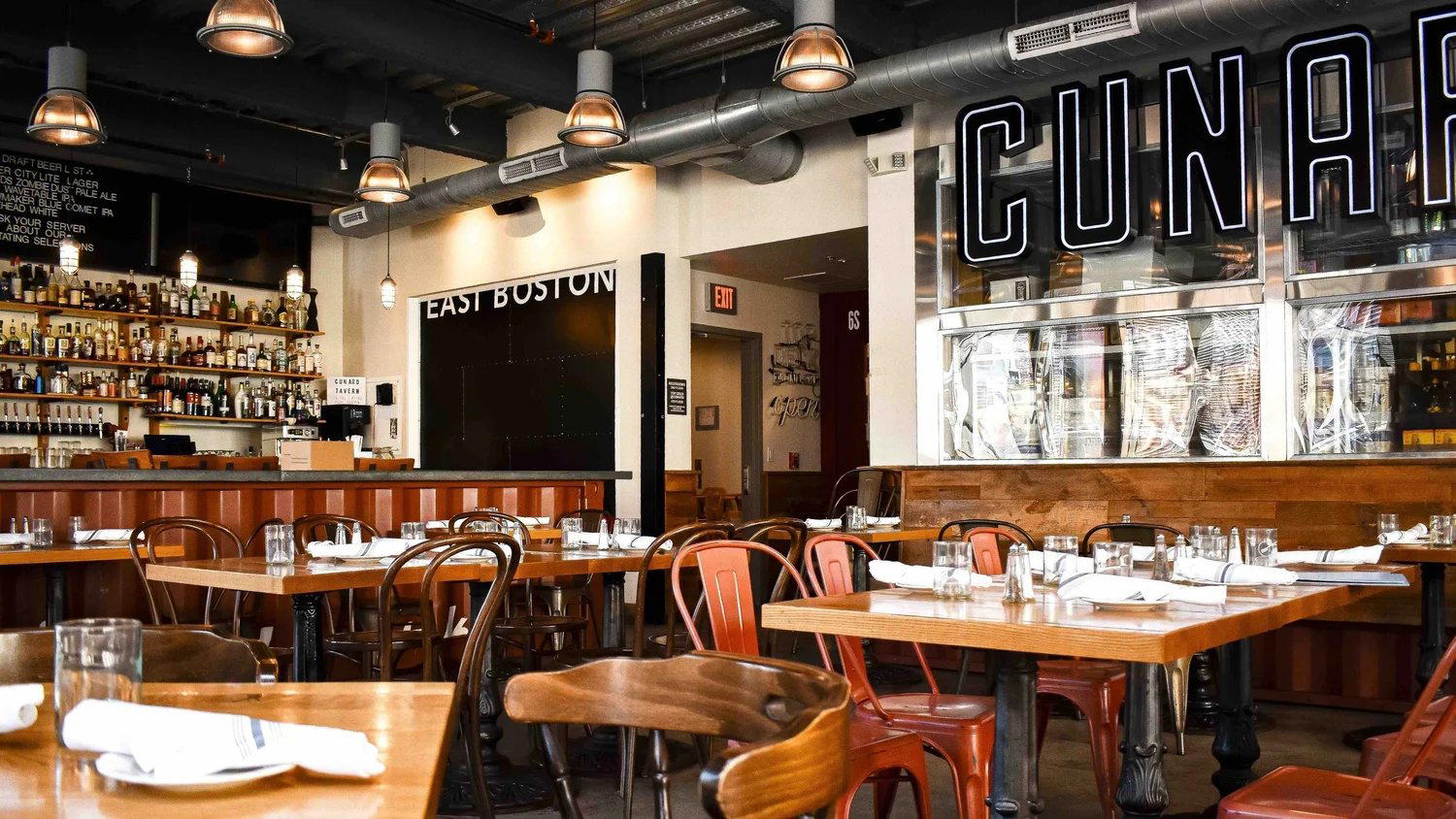
A fixture of East Boston's Orleans Street, Cunard Tavern occupies the kind of neighborhood bar position that the city's more celebrated cocktail rooms rarely manage: genuinely rooted in its block. The tavern draws from the working waterfront tradition that shaped this corner of Boston, and its pull comes less from awards than from consistency and place.
 Discover on Pearl
Pearl is the En Primeur Club membership app — saves, bookings, and concierge access live there. Same editors, same standards.
East Boston and the Bar That Stayed
East Boston has changed faster in the past decade than almost any other neighborhood in the city. The arrival of restaurant investment, design-conscious residential development, and a younger demographic from across the harbor has reshaped what was, for most of its modern history, a neighborhood defined by immigrant community, the waterfront trades, and bars that served those communities without ceremony. Orleans Street sits inside that transformation, and Cunard Tavern occupies its address on that block the way certain bars occupy their corners in every port city: with the kind of settled presence that new openings spend years trying to manufacture. Walking up to the building, before you've pushed through the door, the neighborhood context does most of the interpretive work. This is not a bar that arrived to improve the area. It arrived, or remained, as part of it.
What the Waterfront Tradition Produces
Boston's drinking culture has always carried a dual track. On one side, the cocktail-forward program bars, several of which have earned national recognition, including Equal Measure and Asta, operate with the kind of deliberate menu architecture and ingredient sourcing that invites comparison with peers in Chicago, New York, and San Francisco. On the other side sits a longer, older tradition of neighborhood taverns that source their identity from the street outside rather than from a spirit supplier's quarterly allocation. Cunard Tavern belongs to the second lineage, and understanding what that means is the right frame for understanding what you'll find at 24 Orleans St.
The name itself signals the orientation. Cunard, the transatlantic shipping line that made Liverpool and later Southampton into departure points for mass migration and commercial freight, has a particular resonance in East Boston. The neighborhood was itself a major point of immigrant arrival through the nineteenth and early twentieth centuries, and the maritime reference functions less as branding and more as neighborhood archaeology. Bars in port-adjacent communities across the Atlantic world, from the working taverns of South Boston to the gin houses near the Liverpool docks, developed their character from the people moving through and the trades sustaining them. Cunard Tavern participates in that tradition by geography and by name.
Sourcing, Supply, and the Neighborhood Bar Premise
The editorial angle on ingredient sourcing matters differently for a neighborhood tavern than it does for a chef-driven tasting menu or a craft cocktail program built around housemade bitters and allocated spirits. For bars in the Cunard Tavern register, sourcing is about social supply as much as product supply: what gets poured here reflects what the neighborhood drinks, what the regulars order, and what a working bar in a port-adjacent Boston neighborhood has historically kept on the rail and behind the taps. That's a different kind of provenance from the single-farm vegetable or the estate-distilled rye, but it's provenance nonetheless.
Across the American bar scene, venues that have built programs around hyper-local sourcing and rare-allocation spirits, places like ABV in San Francisco, Kumiko in Chicago, and Jewel of the South in New Orleans, operate inside a specific and now well-documented craft paradigm. Cunard Tavern is not competing in that bracket, and the comparison is useful precisely because it clarifies what each type of bar is trying to do. Where Julep in Houston or Superbueno in New York City are making editorial arguments through their menus, a neighborhood tavern makes its argument through its room and its regulars. The sourcing, in that context, is community-facing.
East Boston's Bar Scene in 2024
The broader East Boston drinking scene has diversified considerably. The neighborhood now has venues that would not look out of place in the South End or Cambridge, alongside the older infrastructure of local bars and social clubs. This split is visible in most Boston neighborhoods that have experienced similar development pressure, but it is particularly pronounced in East Boston because the change has been compressed into a short timeframe and because the older community infrastructure remains more intact here than in some other gentrifying neighborhoods. For visitors coming from the downtown cocktail corridor, East Boston represents a different kind of bar tourism: less about the program, more about the place.
Boston's cocktail investment has largely concentrated on the downtown and South End corridors. Bars like Baleia and Abe & Louie's serve a clientele that moves comfortably between neighborhood and destination. Cunard Tavern, by contrast, is a bar for the neighborhood first, and that distinction matters for how you approach the visit. Internationally, the template has strong parallels: The Parlour in Frankfurt on the Main and Bar Leather Apron in Honolulu each demonstrate how bars anchored to local identity can build a reputation that outlasts any given trend cycle. The mechanism is consistent presence rather than rotating seasonal menus.
Planning Your Visit
Cunard Tavern sits at 24 Orleans Street in East Boston, reachable via the Blue Line's Orient Heights or Maverick stations, both within reasonable walking distance. The neighborhood is across the harbor from downtown Boston, which means the Blue Line is considerably faster than driving, particularly at peak hours when the Sumner Tunnel backs up. For visitors combining a Cunard Tavern stop with broader East Boston exploration, the waterfront walk from Maverick toward the Harborwalk provides useful neighborhood context before you arrive. East Boston's bar and restaurant scene is covered more fully in our full Boston restaurants guide, which maps the neighborhood's venues against the wider city.
Recognition, Side-by-Side
Comparable venues for orientation, based on our database fields.
| Venue | Cuisine | Awards |
|---|---|---|
| Cunard TavernThis venue — the venue you are viewing | ||
| Equal Measure | World's 50 Best | |
| Blossom Bar | Cocktail bar (referenced as alum) | |
| NAMU Distilling Company | Korean-American distillery and snacks (soju, gin, makgeolli-based spirits, anju) | |
| Swingers | Activity-bar with Detroit-style pizza | |
| My Girl | Cocktail lounge / small bites |
At a Glance
- Lively
- Cozy
- Trendy
- Casual Hangout
- Group Outing
- Date Night
- Rooftop
- Historic Building
- Outdoor Terrace
- Lounge Seating
- Craft Cocktails
- Classic Cocktails
- Skyline
- Waterfront
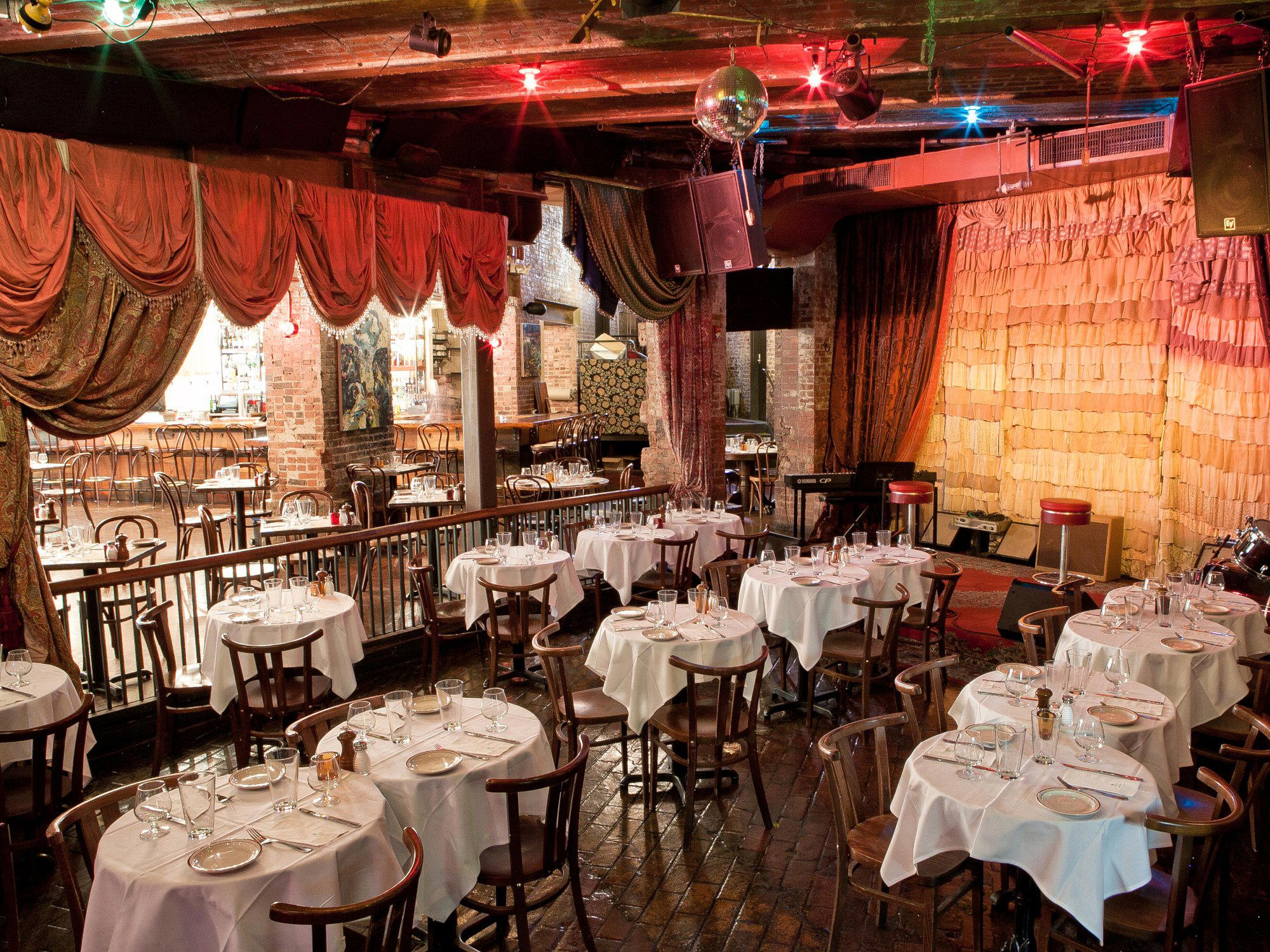
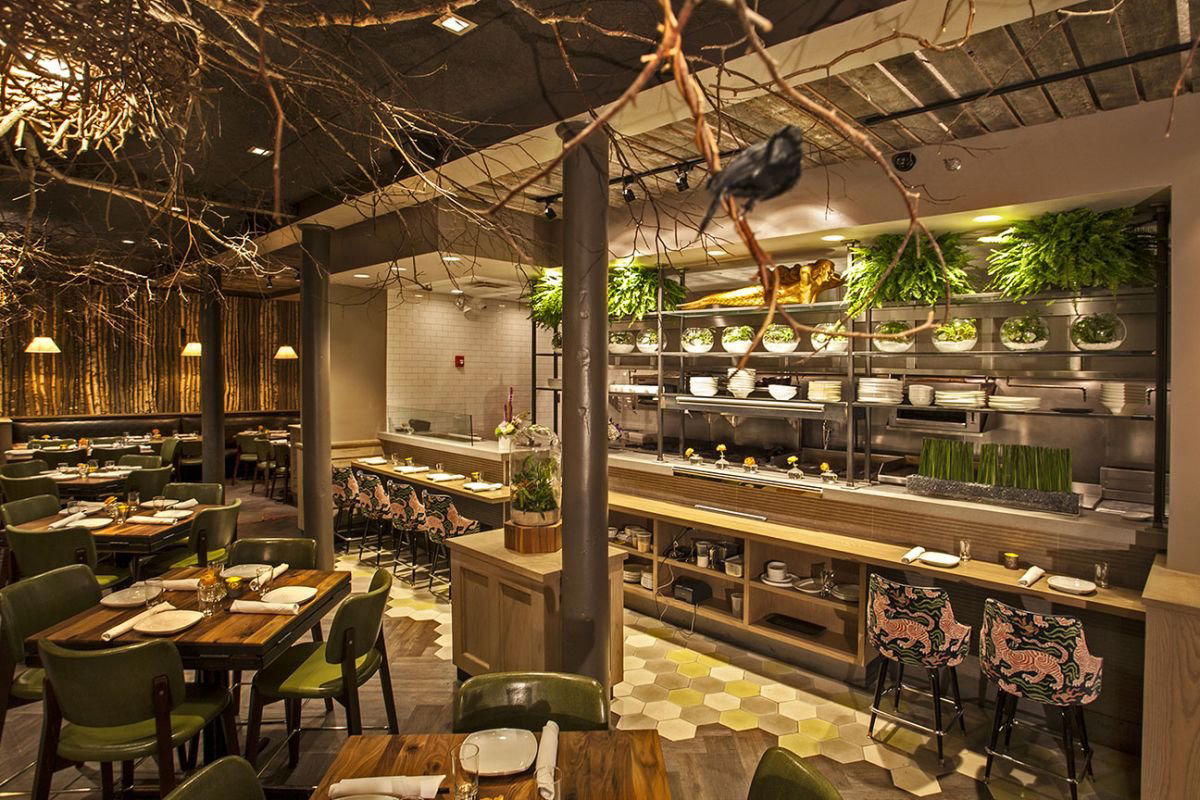
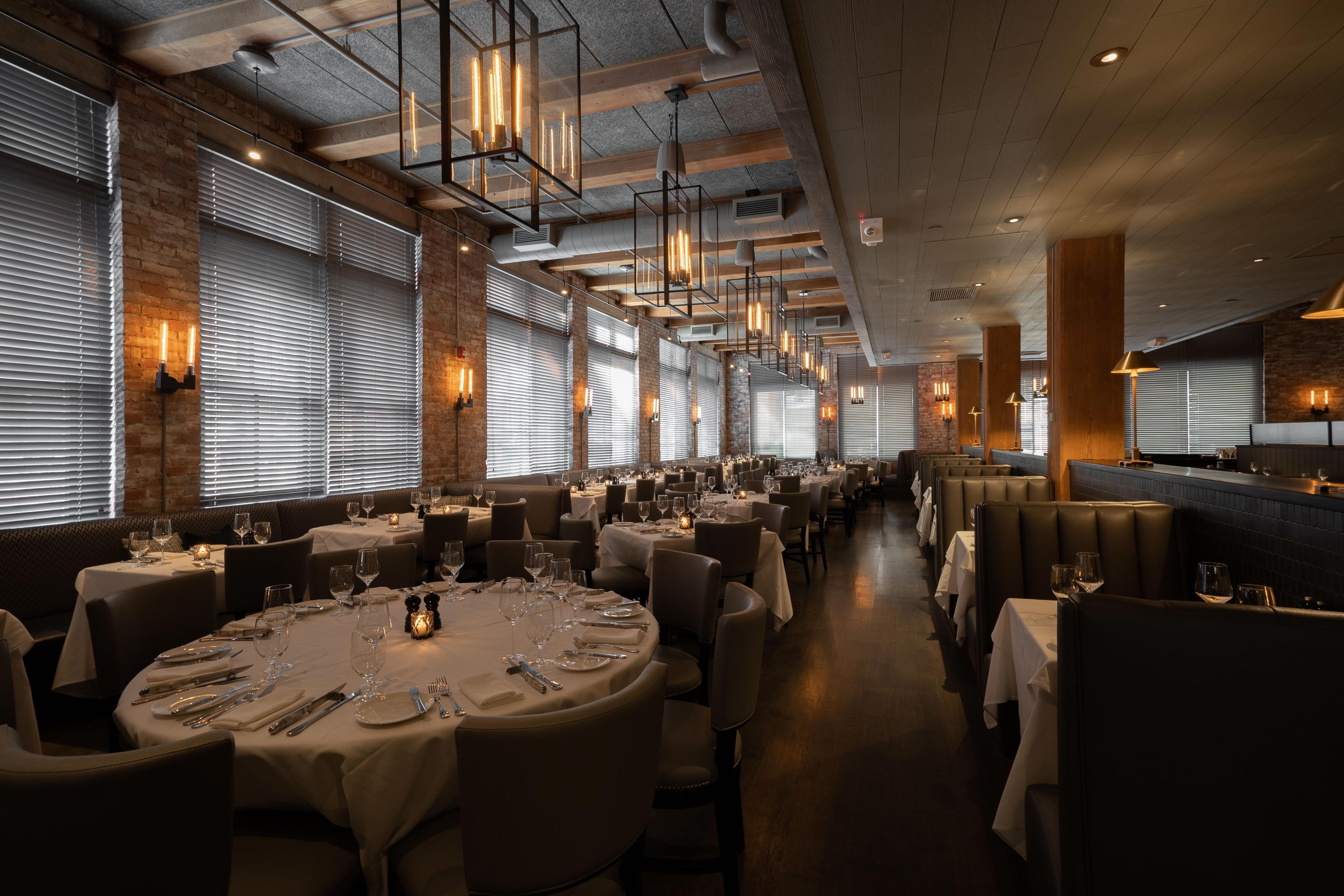
Vibrant and relaxed tropical oasis with lush greenery, island-inspired decor, and fun-filled atmosphere amid city skyline views.