Cohouse Pigneto sits in one of Rome's most creatively charged neighbourhoods, where the aperitivo hour runs long and the crowd skews local. On Via Casilina Vecchia, the space operates as a social anchor for Pigneto's bar scene, drawing the kind of repeat visitors who measure a venue by its atmosphere rather than its accolades. It is the neighbourhood, as much as the address, that defines the experience.

Pearl is the En Primeur Club membership app — saves, bookings, and concierge access live there. Same editors, same standards.
- Address
- Via Casilina Vecchia, 96, 00182 Roma RM, Italy
- Phone
- +39 346 273 5632
- Website
- cohouse-roma.com
- Directions
- Get directions
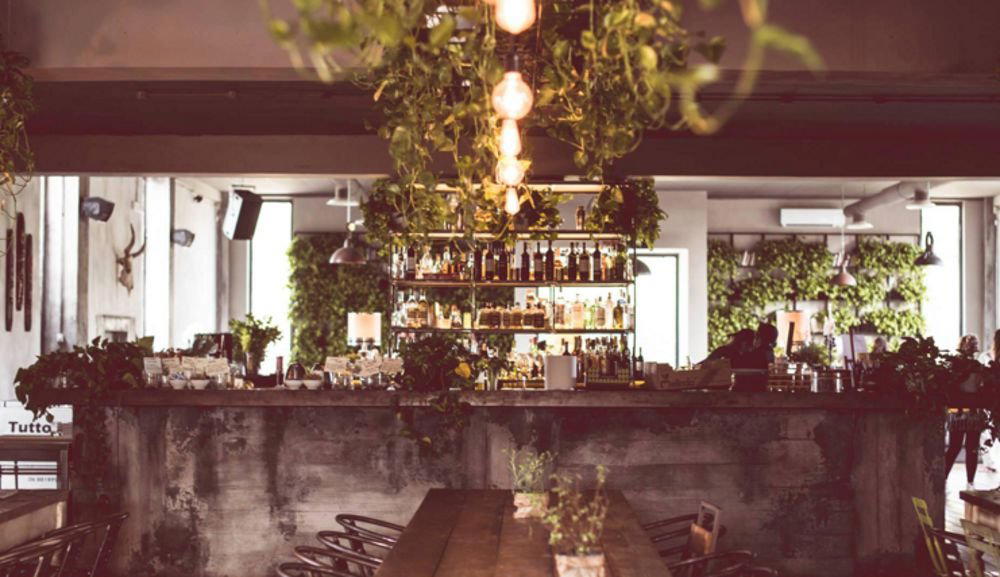
Pigneto After Dark: What the Neighbourhood Builds Around
Rome's drinking culture has long been organised around neighbourhood loyalty more than destination logic. In Trastevere, the aperitivo crowd spills onto cobblestones by early evening. In Prati, the scene tilts toward wine bars with short, edited pours. In Pigneto, the rhythm is different: slower to start, later to peak, and shaped by a residential community that has resisted the more aggressive tourist overlay found in central Rome. Cohouse Pigneto, on Via Casilina Vecchia, sits inside that rhythm. The address places it firmly in the quartiere rather than the tourist circuit, and that positioning is the first thing a first-time visitor needs to understand about what to expect from the space.
Pigneto earned its cultural identity through decades of association with Rome's film and bohemian communities. Pier Paolo Pasolini filmed here. Later, the neighbourhood became a reference point for the city's left-leaning creative class. By the 2010s, bars and small restaurants had colonised the pedestrianised stretch of Via del Pigneto and its surrounding streets, making the area one of the more discussed drinking districts among Romans who find the centro storico too curated. Cohouse sits adjacent to that conversation, on a street that carries more of the everyday neighbourhood texture and less of the performance that sometimes accompanies the main strip.
The Physical Environment as the Starting Point
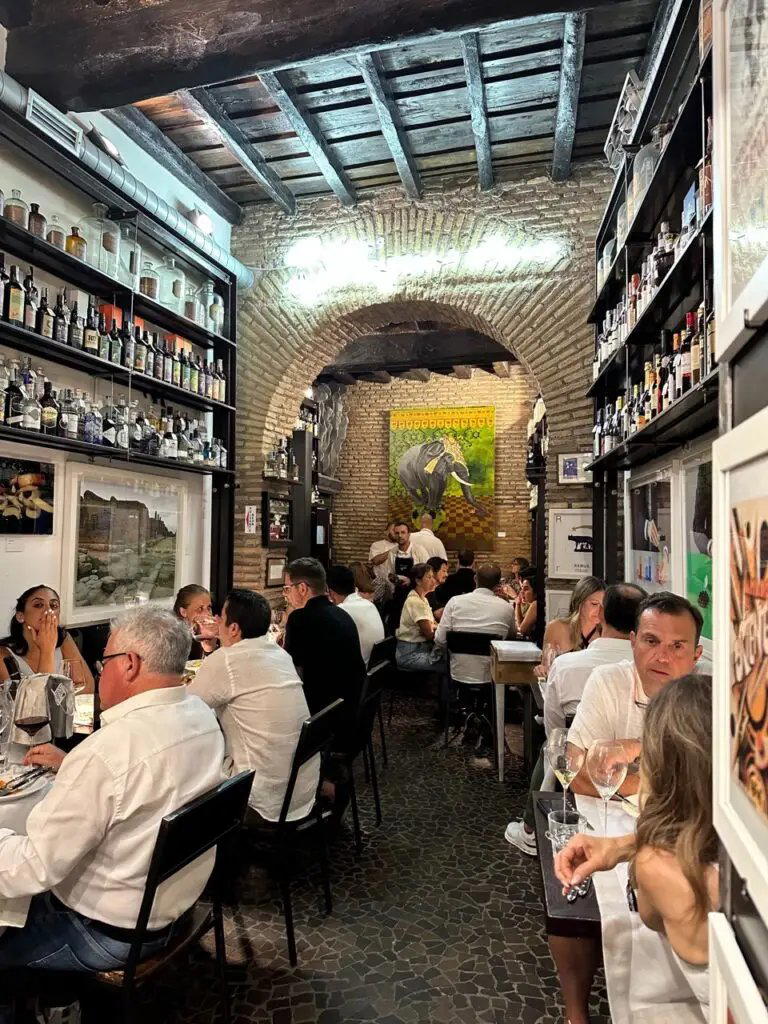
Rome's bar scene has, in recent years, fractured into distinct formats. At one end, venues like Jerry Thomas Speakeasy and Drink Kong have built internationally recognised cocktail programs, drawing visitors on the strength of craft credentials and award citations. At the other end, neighbourhood spots operate on a different axis entirely: atmosphere, accessibility, and the sense that you are drinking somewhere that functions for locals first. Cohouse belongs to the second category, and its physical space reflects that priority. The design language in this part of Pigneto tends toward the unfussy, repurposed, and deliberately low-key, a counter-positioning to the more scenographic interiors that have become common in the centro.
The co-house format, implied by the name and common in this part of Rome's creative neighbourhood infrastructure, typically combines social space with programming flexibility. Rather than a single fixed identity, such venues often operate as morning coffee spots that transition into evening aperitivo bars, with the space reconfigured by hour rather than locked into a single hospitality mode. This is a format that has taken hold in several European cities with strong local neighbourhood bar cultures, and Pigneto is one of the Rome districts where it reads most naturally, given the mixed creative and residential character of the area.
Where Cohouse Fits in Rome's Broader Bar Conversation
Rome's cocktail bars have been gaining international attention over the past decade, and the city now carries a more varied scene than its historical reputation for wine and espresso might suggest. Freni e Frizioni in Trastevere built much of its following on aperitivo volume and an outdoor crowd that colonises the street by sunset. Boeme operates with a different register, quieter and more curated. These venues occupy different positions in the same city, and Cohouse's Pigneto address means it is not competing directly with any of them.
Across Italy, the more interesting comparison points are venues that have built identity through spatial character and neighbourhood integration rather than through formal bar programs. Enoteca Historical Faccioli in Bologna does this through natural wine focus. Al Covino in Venice operates through tight format discipline and a local clientele. L'Antiquario in Naples builds its identity through historical material culture layered into the space itself. Each of these venues has found a way to make the physical environment do significant work in shaping what a visit means. Cohouse operates inside that same logic, in a neighbourhood that provides the broader frame.
The Pigneto Aperitivo as Context
The aperitivo hour in Pigneto functions differently from its equivalent in wealthier Roman neighbourhoods. The price-to-drink ratio tends to be more accessible, the crowd more mixed, and the social dynamic less performative. This is a quartiere where residents stay for years rather than passing through, which gives the bars a different kind of social accountability. A venue that does not hold its local crowd will not survive on tourist traffic alone in this part of the city. That structural pressure tends to keep neighbourhood bars honest in a way that high-footfall tourist venues are not always required to be.
For a visitor arriving from outside Rome, the practical instruction is to come in the evening, build time around the aperitivo window, and expect the crowd to be predominantly Italian-speaking and local. The neighbourhood is reachable by tram from Termini, and the walk from the tram stop on Via del Pigneto takes you through the pedestrianised strip before turning onto the quieter streets where Cohouse sits. The area rewards slow movement on foot rather than point-to-point transit. Visitors who have already covered central Rome's well-documented bar circuit, including stops at venues like those above, will find that Pigneto offers a measurably different atmosphere from anything available in the tourist-facing districts.
For a broader orientation to Rome's hospitality geography, the EP Club Rome guide covers the full range of neighbourhoods and formats. For those tracking the Italian bar scene more widely, 1930 in Milan and Gucci Giardino in Florence offer useful reference points for how other Italian cities are building their cocktail identities. Further afield, Lost and Found in Nicosia and Bar Leather Apron in Honolulu demonstrate how neighbourhood-first bar formats translate across entirely different urban contexts.
Planning a Visit
Because Cohouse functions within a neighbourhood rather than as a standalone destination, the most useful planning advice is to anchor it within a broader Pigneto evening rather than treating it as a sole stop. The neighbourhood has enough bars, restaurants, and street life to support two to three hours of exploration on foot. An evening that starts on Via del Pigneto and moves through to the quieter streets around Via Casilina Vecchia will give a more complete read of the area than a single-venue visit. Current contact and hours information should be confirmed directly before visiting, as neighbourhood venues in this part of Rome adjust their programming seasonally.
Style and Standing
| Venue | Price | Awards |
|---|---|---|
| Cohouse PignetoThis venue — the venue you are viewing | $30–50 | Not listed |
| Drink Kong | $50–100 | World's 50 Best #32 · Falstaff Bar - 96 Falstaff Points |
| Freni e Frizioni | $10–20 | World's 50 Best #31 · Falstaff Bar - 94 Falstaff Points |
| Jerry Thomas Speakeasy | Not listed | World's 50 Best #98 · Top 500 Bars Best Bars #174 |
| Salotto 42 | Not listed | World's 50 Best |
| Boeme | $10–20 | World's 50 Best #47 |
Continue exploring
More in Rome
Bars in Rome
Browse all →
Restaurants in Rome
Browse all →
Hotels in Rome
Browse all →

Details
- Trendy
- Lively
- Modern
- Energetic
- Group Outing
- After Work
- Late Night
- Celebration
- Live Music
- Garden
- Courtyard
- Design Destination
- Lounge Seating
- Communal Tables
- Outdoor Terrace
- Craft Cocktails
- Garden
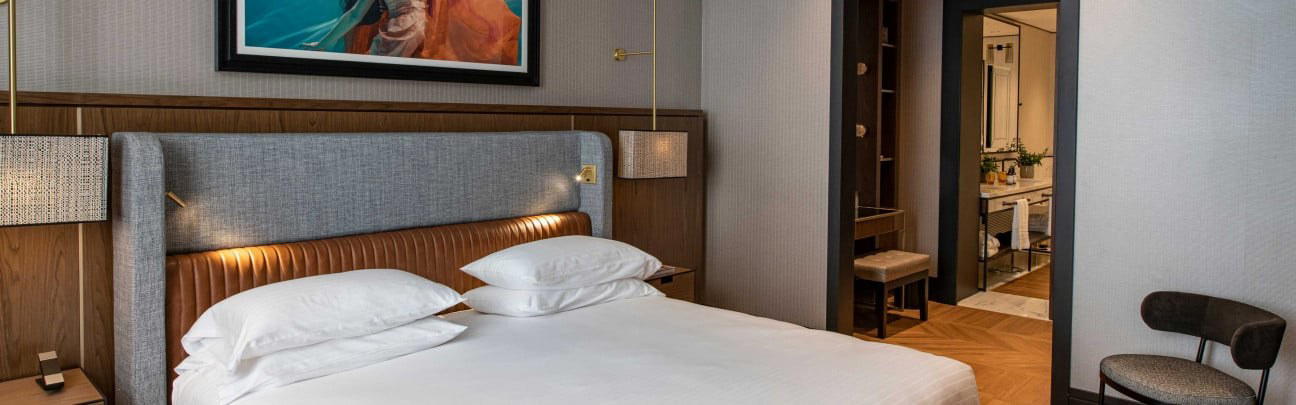
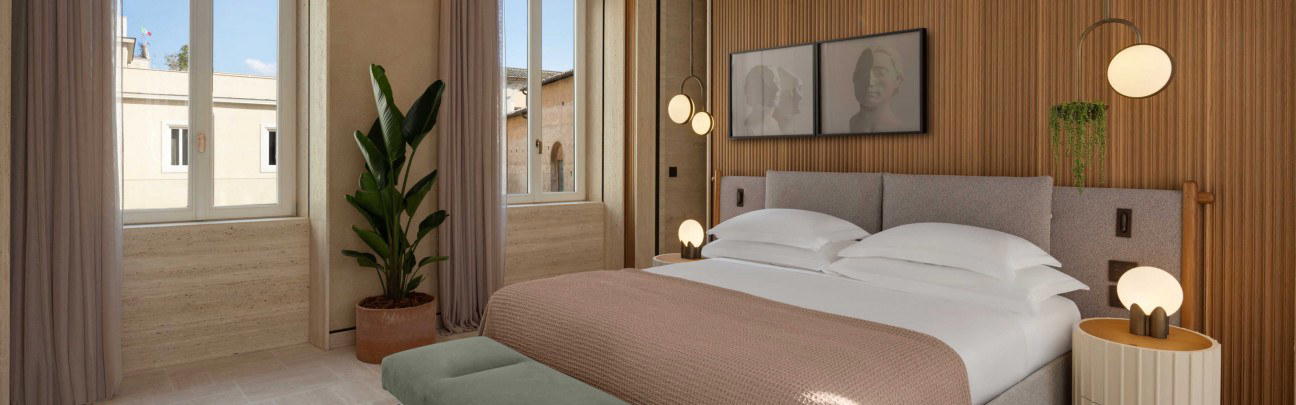
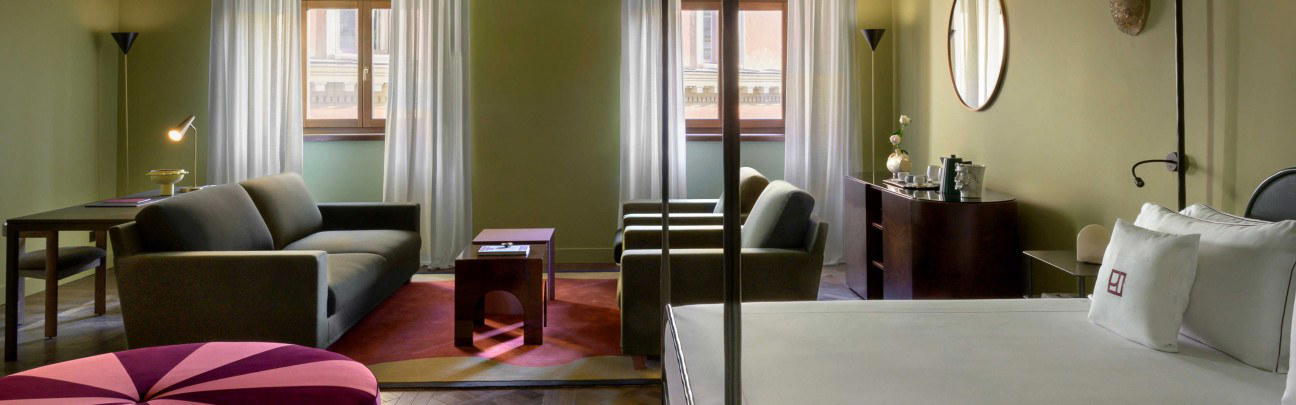
Hip, spacious New York loft-inspired design with a lively nightlife atmosphere enhanced by live performances and garden views through large windows.