China Pearl Restaurant
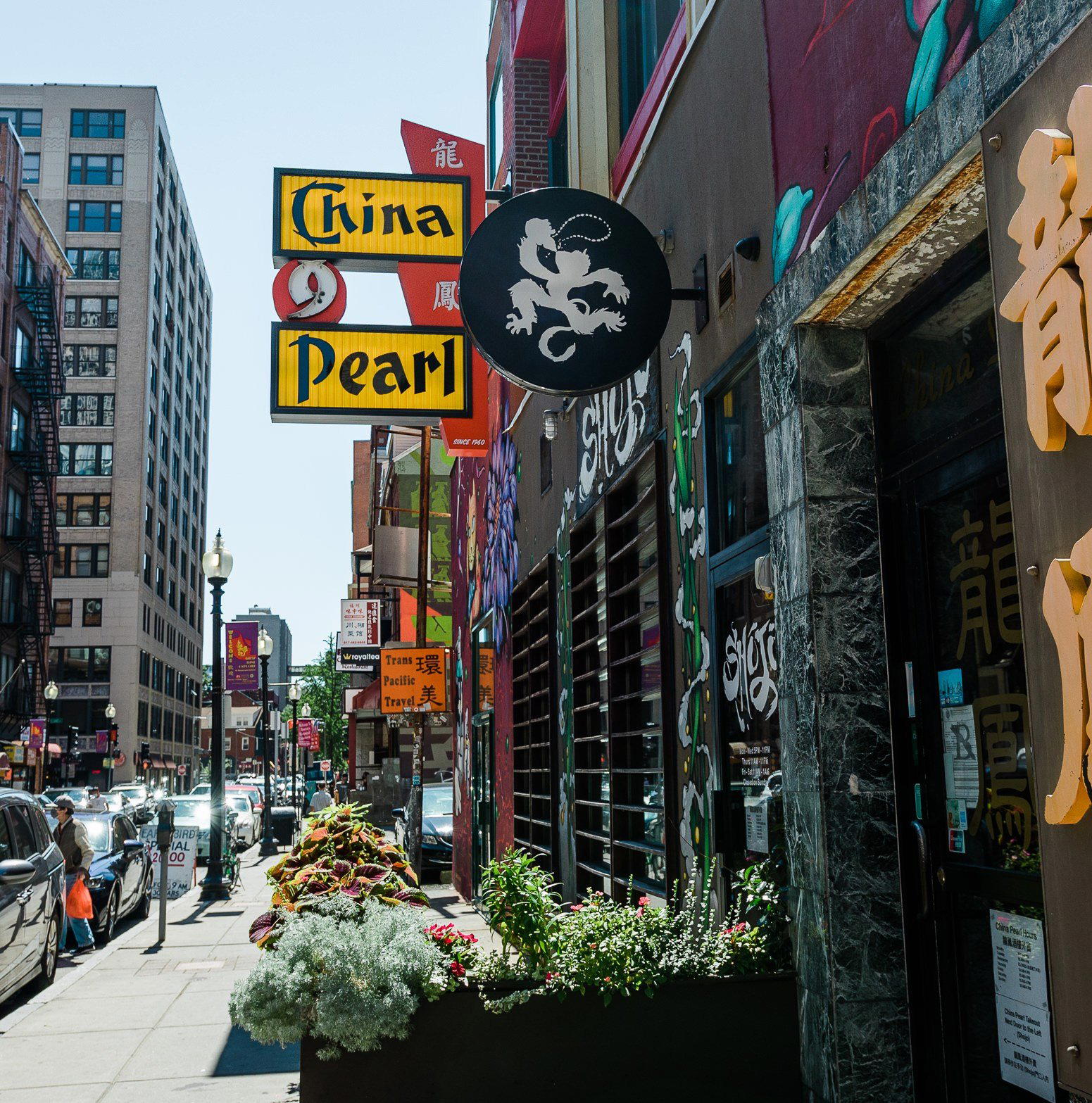
China Pearl Restaurant on Tyler Street sits in the heart of Boston's Chinatown, one of the oldest and most concentrated Chinese-American communities on the East Coast. The address alone positions it within a neighbourhood that has shaped the city's relationship with Cantonese and regional Chinese cooking for generations. For visitors tracing Boston's broader dining traditions, it belongs in any honest account of the area.
 Discover on Pearl
Pearl is the En Primeur Club membership app — saves, bookings, and concierge access live there. Same editors, same standards.
- Address
- 9 Tyler St, Boston, MA 02111
- Phone
- +1 617 426 4338
- Website
- chinapearlrestaurants.com
Tyler Street and the Weight of Chinatown's Dining History
Boston's Chinatown is compact by the standards of New York or San Francisco, but its density is part of what gives it character. The neighbourhood occupies a small footprint near the Theatre District, bounded on multiple sides by highway infrastructure and development pressure that has reshaped it significantly since the mid-twentieth century. What remains is a concentrated stretch of restaurants, bakeries, and grocers that has served both the resident community and the wider city for decades. Tyler Street, where China Pearl Restaurant sits at number 9, runs through the core of that concentration. The address places the restaurant inside a block long associated with Cantonese dining in Boston.
Cantonese cuisine arrived in American cities primarily through Guangdong-origin immigration in the nineteenth and early twentieth centuries, and Boston's Chinatown reflects that lineage. The cooking tradition that took root here, rooted in dim sum service, whole-animal preparation, and banquet-format dining, is different from the Sichuan and Hunan styles that became prominent in later waves of immigration. Understanding that distinction matters when reading a restaurant like China Pearl against the broader Boston dining scene. It is not operating in the same register as a contemporary regional Chinese restaurant opening in the South End or Cambridge. It belongs to an older, more specific tradition.
Dim Sum as a Civic Institution
Across American Chinatowns, the large-format dim sum hall occupies a particular social function. These are not quiet, intimate spaces. Weekend service traditionally runs from early morning through mid-afternoon, with carts or order-sheet systems moving through rooms that can seat hundreds. Families, extended groups, and community regulars share the format in a way that separates it from most other restaurant experiences in American cities. The ritual is as much about the occasion as the food, tea service, the accumulation of small plates, the noise level, the sense that you are in a place with its own rhythm entirely separate from the conventions of Western restaurant dining.
China Pearl has long been associated with this format in Boston. The Tyler Street location, across multiple floors, has the capacity to run the kind of service that makes that social dimension possible. For visitors who know dim sum primarily from smaller, quieter versions in other cities, a busy weekend morning in a large Chinatown hall is a genuinely different experience, closer in energy to a Hong Kong-style teahouse at peak hours than to what most American cities typically offer in this category. For those tracing how Chinese-American dining traditions have evolved and where they remain most intact, Chinatown addresses like this one are where that continuity is most visible. Comparable civic-scale dim sum traditions exist in only a handful of American cities, and Boston's version is centred on this block.
Boston's Chinatown in the Wider Dining Context
Boston's dining reputation in recent decades has been built significantly on its New American and seafood traditions, and on a concentration of chef-driven restaurants in neighbourhoods like the South End, the Back Bay, and Cambridge. Bars with serious cocktail programs, such as Equal Measure, Asta, and Baleia, have contributed to a broader hospitality conversation that extends well beyond the city's older dining anchors. Steakhouse institutions like Abe and Louie's have their own loyal following on Boylston Street. But Chinatown remains a distinct chapter, one that predates almost all of those narratives and operates according to different logic.
That older logic prioritises community function, price accessibility, and culinary tradition over the kind of single-dish innovation or tasting-menu ambition that drives contemporary food coverage. It is worth noting that the venues drawing the most editorial attention in any given city are rarely the ones serving the largest number of people in the most culturally embedded way. Boston's Chinatown is a useful corrective to that tendency. Visitors who limit their Boston dining to the neighbourhoods that dominate food media will miss the part of the city's eating culture that has the longest unbroken history.
Internationally, comparable experiences in the sense of cuisine-rooted, tradition-forward dining worth understanding in context, can be found through venues like Kumiko in Chicago, which applies a similar depth of cultural seriousness to Japanese drinking traditions, or Jewel of the South in New Orleans, where the connection between a city's culinary identity and its specific history is similarly explicit. The principle translates across contexts: the most informative experiences in any food city are often the ones most firmly rooted in a particular community's long presence there.
Chinatown restaurants running traditional dim sum service are busiest on weekend mornings, when the format operates at full capacity and the selection of dishes is widest. Arriving early, before 10:30am, typically means shorter waits and a fuller cart rotation; arriving after noon on a Saturday or Sunday means queuing is probable. The neighbourhood is accessible by MBTA from multiple lines, with Chinatown station on the Orange Line a short walk from Tyler Street. Street parking in the area is limited and metered. Reservations are recommended, especially for large groups, though solo diners and small parties are generally accommodated on a walk-in basis. Bar Leather Apron in Honolulu, Julep in Houston, Superbueno in New York City, ABV in San Francisco, or The Parlour in Frankfurt, will find that Chinatown dining sits in a different category entirely: the draw is cultural depth and long-form tradition rather than technical innovation.
Fast Comparison
Comparable venues nearby, for context on price, style, and recognition.
| Venue | Cuisine | Price | Awards | Notes |
|---|---|---|---|---|
| China Pearl RestaurantThis venue — the venue you are viewing | Bar | $$ | , | |
| Bully Boy Distillers | cocktail_bar | $$ | , | Roxbury |
| the Girl Next Door | cocktail_bar | $$ | , | Seaport District |
| Beyond Proof | cocktail_bar | $$ | , | Jamaica Plain |
| Beehive Restaurant | lounge | $$ | , | South End |
| NAMU Distilling Company | cocktail_bar | $$ | 1 recognition | Back of the Hill |
At a Glance
- Lively
- Classic
- Iconic
- Group Outing
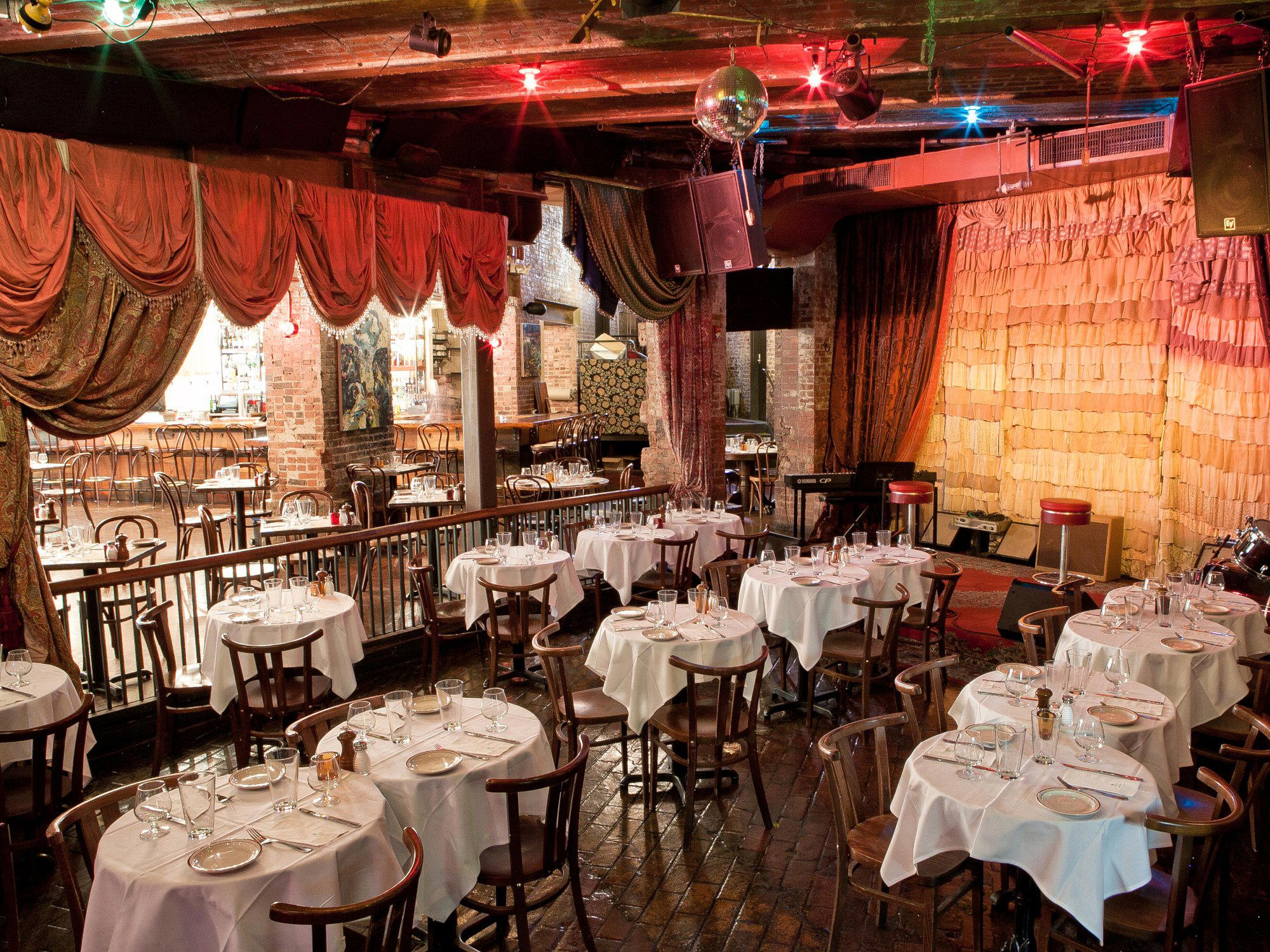
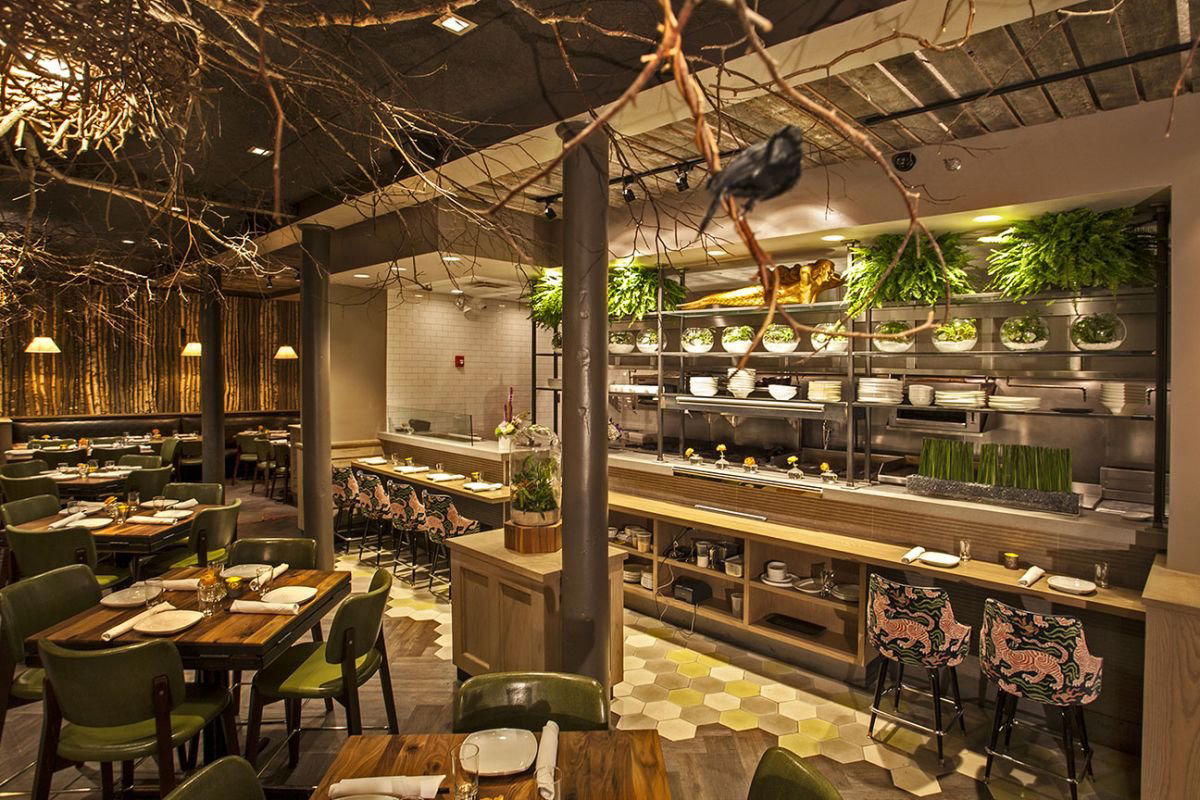
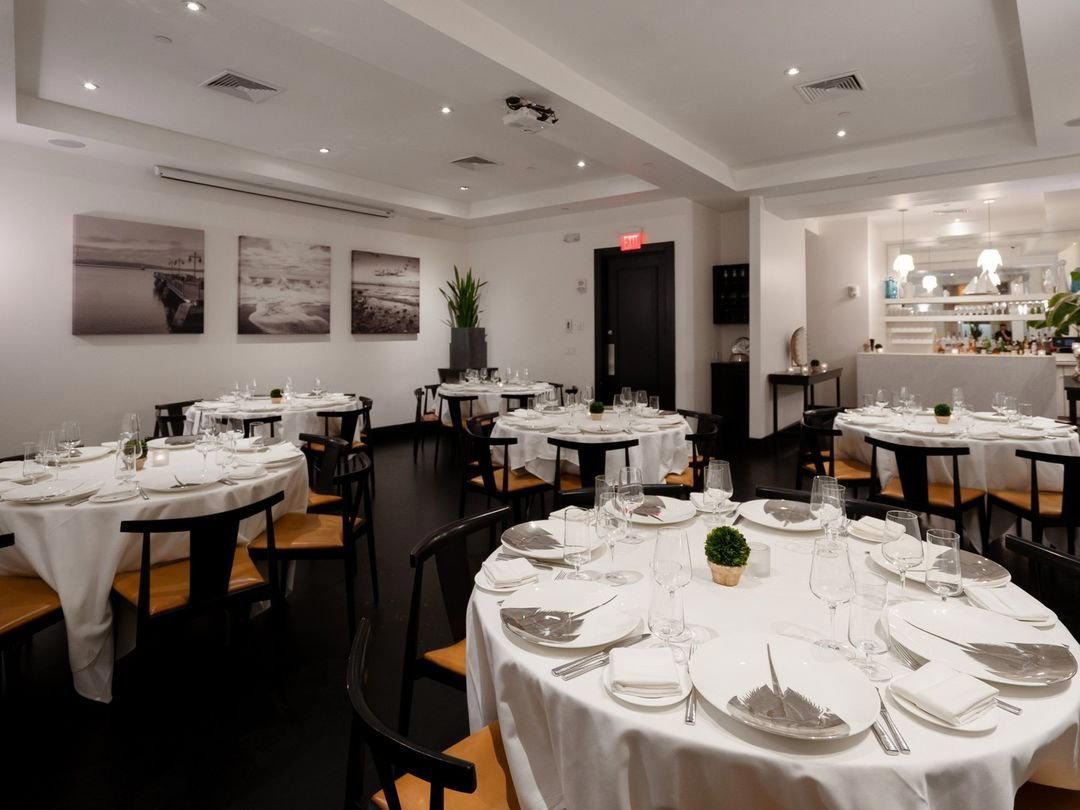
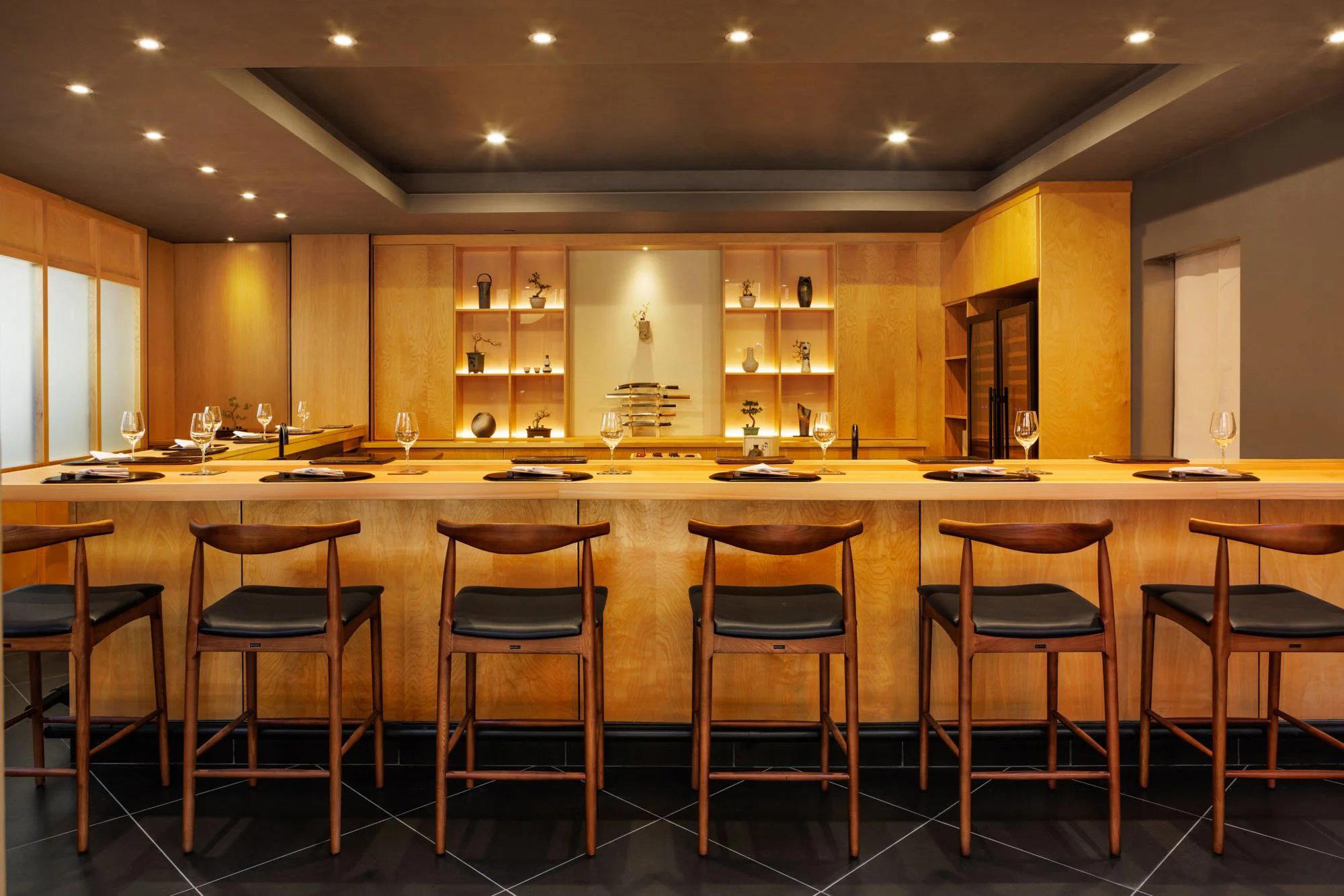
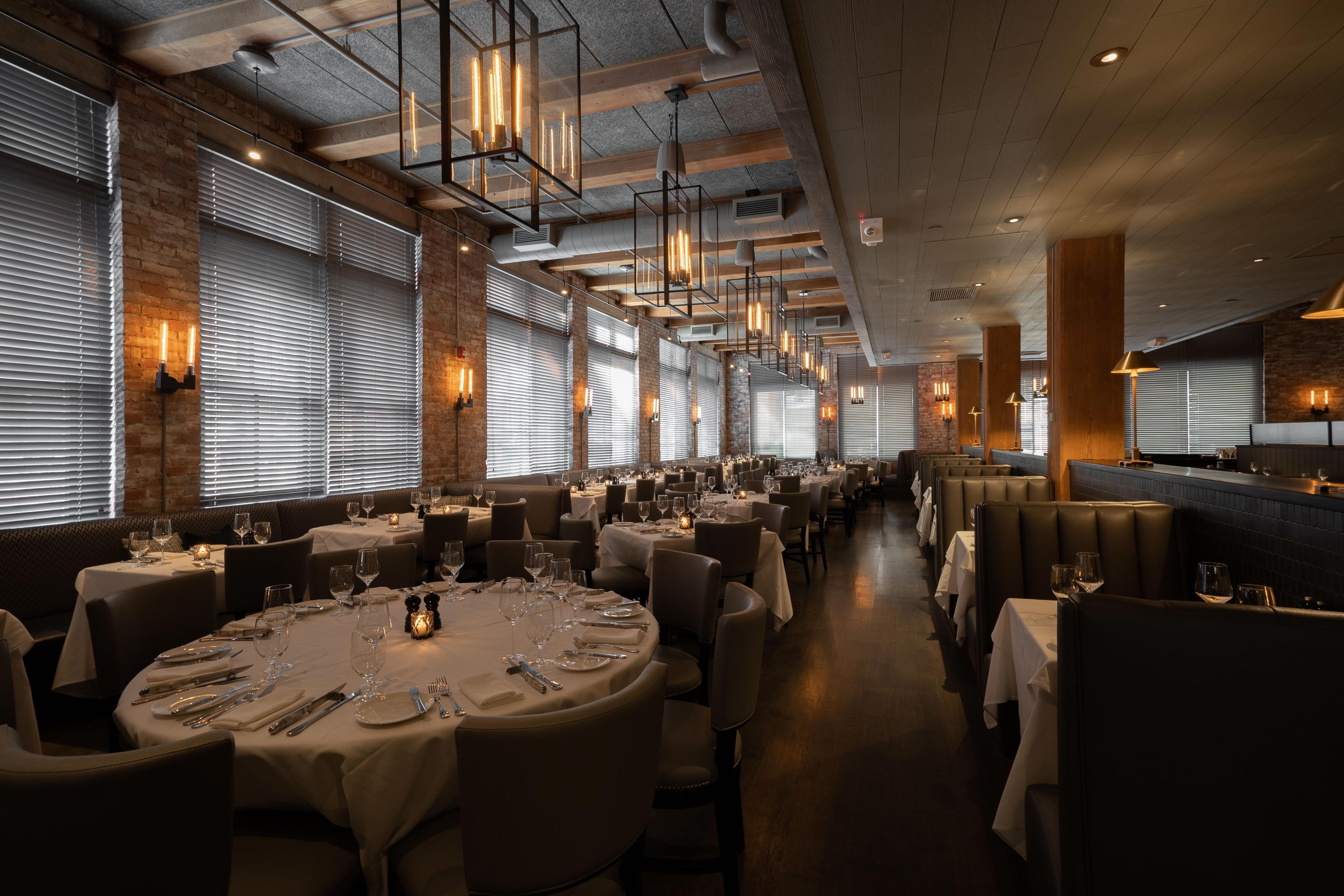
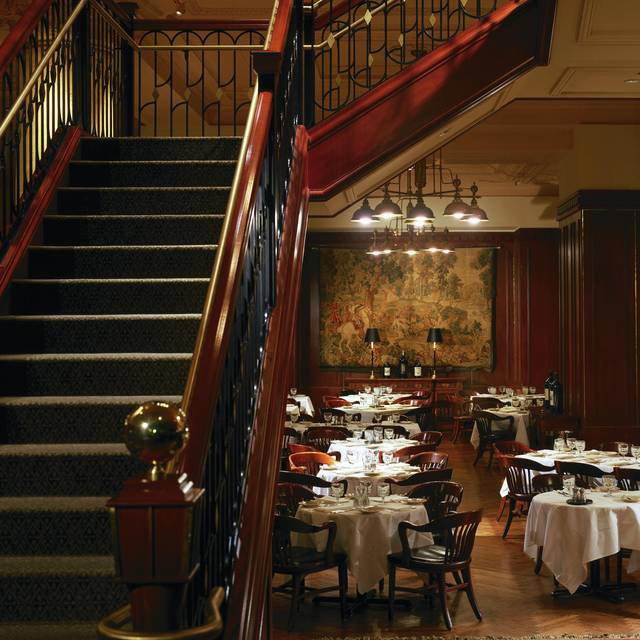
Chandelier-lit dining hall with bright lighting, old décor, and modern top 40 Chinese music.