Bully Boy Distillers
Bully Boy Distillers operates out of Roxbury at 44 Cedric Street, making craft spirits in one of Boston's oldest residential neighbourhoods. The distillery sits within a small but serious cohort of American urban craft producers who treat grain sourcing and fermentation as seriously as any kitchen brigade treats its mise en place. For visitors, it offers a grounded alternative to the city's cocktail-bar circuit.
Pearl is the En Primeur Club membership app — saves, bookings, and concierge access live there. Same editors, same standards.
- Address
- 44 Cedric St, Boston, MA 02119
- Phone
- +1 617 442 6000
- Website
- bullyboydistillers.com
- Directions
- Get directions
 Saves & bookings on Pearl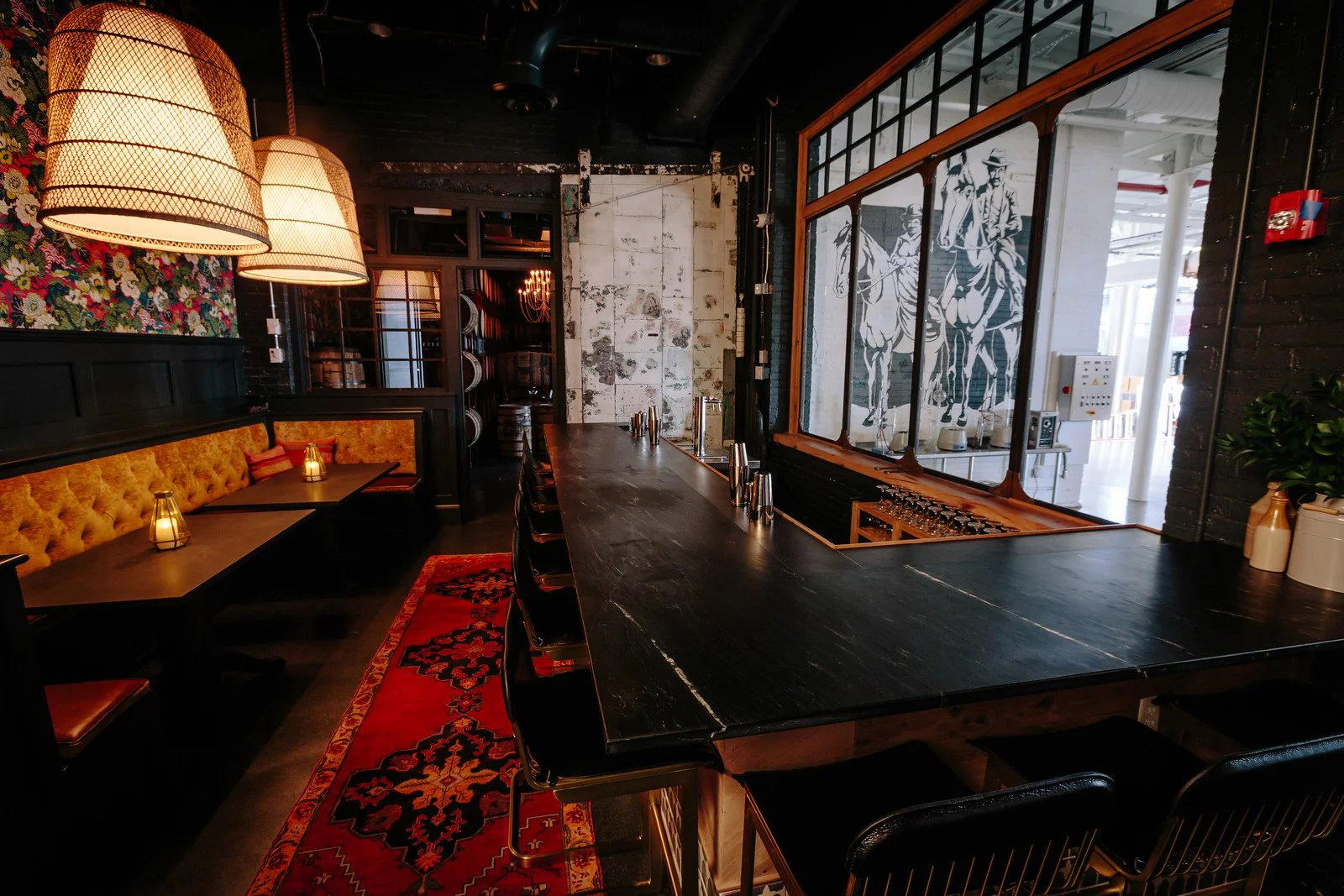
Roxbury's Grain-to-Glass Operation
Roxbury, historically one of Boston's working-class neighbourhoods and long underrepresented in food and drinks editorial, has become a quiet production hub for that shift. Bully Boy Distillers at 44 Cedric Street sits inside that pattern: a distillery in a neighbourhood that rewards the trip rather than merely tolerating it.
The physical approach sets expectations correctly. Cedric Street is industrial in character, the kind of address where delivery trucks share the block with artisan producers. Walking toward the distillery, you get the faint, warm scent of fermentation before you reach the door — a sensory marker that separates working distilleries from tasting rooms that simply happen to have copper stills in the corner for visual effect. This is a production facility first, a hospitality venue second, and that hierarchy shapes what the visit delivers.
What Craft Distilling Actually Means in This Context
American craft distilling is a category with a wide quality range and an even wider range of what counts as craft. At one end sit sourced-spirit operations that redistill purchased neutral grain spirit and apply a local label. At the other sit grain-to-glass producers who control fermentation, distillation, and in many cases the agricultural sourcing upstream of the still. The distinction matters because it determines whether the spirit in your glass reflects a genuine production decision or a marketing one.
Bully Boy occupies the more committed end of that spectrum. The model aligns with a cohort of American urban distilleries — comparable in approach to operations like Kumiko in Chicago, which takes its spirits sourcing with similar seriousness in a cocktail-bar context, or the farm-connected programs that have shaped craft identity in cities from New Orleans to Houston. The through-line is that ingredient provenance is treated as a creative and ethical decision.
In a city where cocktail bars like Equal Measure, Asta, and Baleia have built reputations on technical precision and considered sourcing, a local distillery operating at this level of production integrity gives Boston's bartender community a regional spirit worth working with. That relationship between producer and bar program is one of the more underreported stories in the city's drinks scene.
The Case for Sourcing-Led Distilling
The argument for caring where your grain comes from is the same argument chefs have been making about produce for thirty years. Terroir in spirits is a genuinely contested concept, distillation compresses and transforms raw material in ways that viticulture does not, but fermentation character, yeast selection, and grain variety do transmit into the final spirit in ways that are detectable and meaningful to a trained palate. New England's agricultural base, with its rye history and cold-climate grain varieties, gives regional distillers specific raw material to work with that a neutral-grain-sourcing operation simply cannot access.
This is the framework through which Bully Boy is most usefully understood: as a producer making decisions at the sourcing and fermentation stage that determine what's possible at the blending and bottling stage. The visitor experience, whatever form it takes, is downstream of those upstream choices. That production logic is shared by distilleries across the country that have positioned themselves outside the commodity tier, from San Francisco's ABV program to internationally recognised bar programs in cities like Honolulu and Frankfurt that build menus around verifiable provenance.
Boston's Broader Drinks Geography
Understanding where Bully Boy fits means understanding how Boston's drinks scene is structured. The city's cocktail bar tier is concentrated in the Back Bay, the South End, and increasingly in Somerville across the river, with venues like Abe and Louie's holding the classic American bar end and more technically ambitious programs occupying the middle and upper registers. Production facilities, by contrast, are priced out of those neighbourhoods and have migrated to industrial pockets in Roxbury and adjacent areas.
That geographic separation creates a useful division: you drink at a cocktail bar in the South End, you visit a distillery in Roxbury to understand where some of what you're drinking comes from. The two experiences are complementary rather than interchangeable, and planning both in the same Boston visit gives a more complete picture of how the city's spirits culture actually functions.
For comparison, Superbueno in New York illustrates how a venue that takes spirits sourcing seriously can build an entire identity around that commitment at the bar level, the same ethos applied at the production stage is what Bully Boy represents in the Boston context.
Planning a Visit
44 Cedric Street is in Roxbury, accessible from downtown Boston by public transit on the Orange Line or by car, where parking in the industrial area is generally less constrained than in central neighbourhoods. Current hours are Wed through Sun, with the distillery closed Mon and Tue. Visiting in autumn, when New England grain harvests feed into early fermentation batches, adds a seasonal dimension that connects the visit to the agricultural cycle the distillery depends on.
Pricing at the distillery level is typically structured around tasting fees and bottle purchases rather than the per-cocktail model of a bar, which generally makes a distillery visit a more cost-efficient way to engage seriously with a producer's range. A visit typically costs about $25 per person.
Similar Picks
Comparable venues nearby, for context on price, style, and recognition.
| Venue | Cuisine | Price | Notes |
|---|---|---|---|
| Bully Boy DistillersThis venue — the venue you are viewing | cocktail_bar | $$ | Not listed |
| Shōjō Boston | cocktail_bar | $$ | Chinatown |
| Baleia | cocktail_bar | $$ | South End |
| Trillium - Fort Point | beer_bar | $$ | Fort Point |
| Sam Adams Downtown Boston Taproom | beer_bar | $$ | Downtown |
| Beehive Restaurant | lounge | $$ | South End |
Continue exploring
More in Boston
Bars in Boston
Browse all →
Restaurants in Boston
Browse all →
Hotels in Boston
Browse all →
Wineries in Boston
Browse all →
At a Glance
- Industrial
- Rustic
- Intimate
- After Work
- Group Outing
- Celebration
- Historic Building
- Standalone
- Seated Bar
- Lounge Seating
- Craft Cocktails
- Whiskey
- Rum
- Gin
Current opening hours
- Monday
- Closed
- Tuesday
- Closed
- Wednesday
- Closed
- Thursday
- 5–10 PM
- Friday
- 5–10 PM
- Saturday
- 1–10 PM
- Sunday
- 1–6 PM
Hours can change for holidays and private events. Last verified .
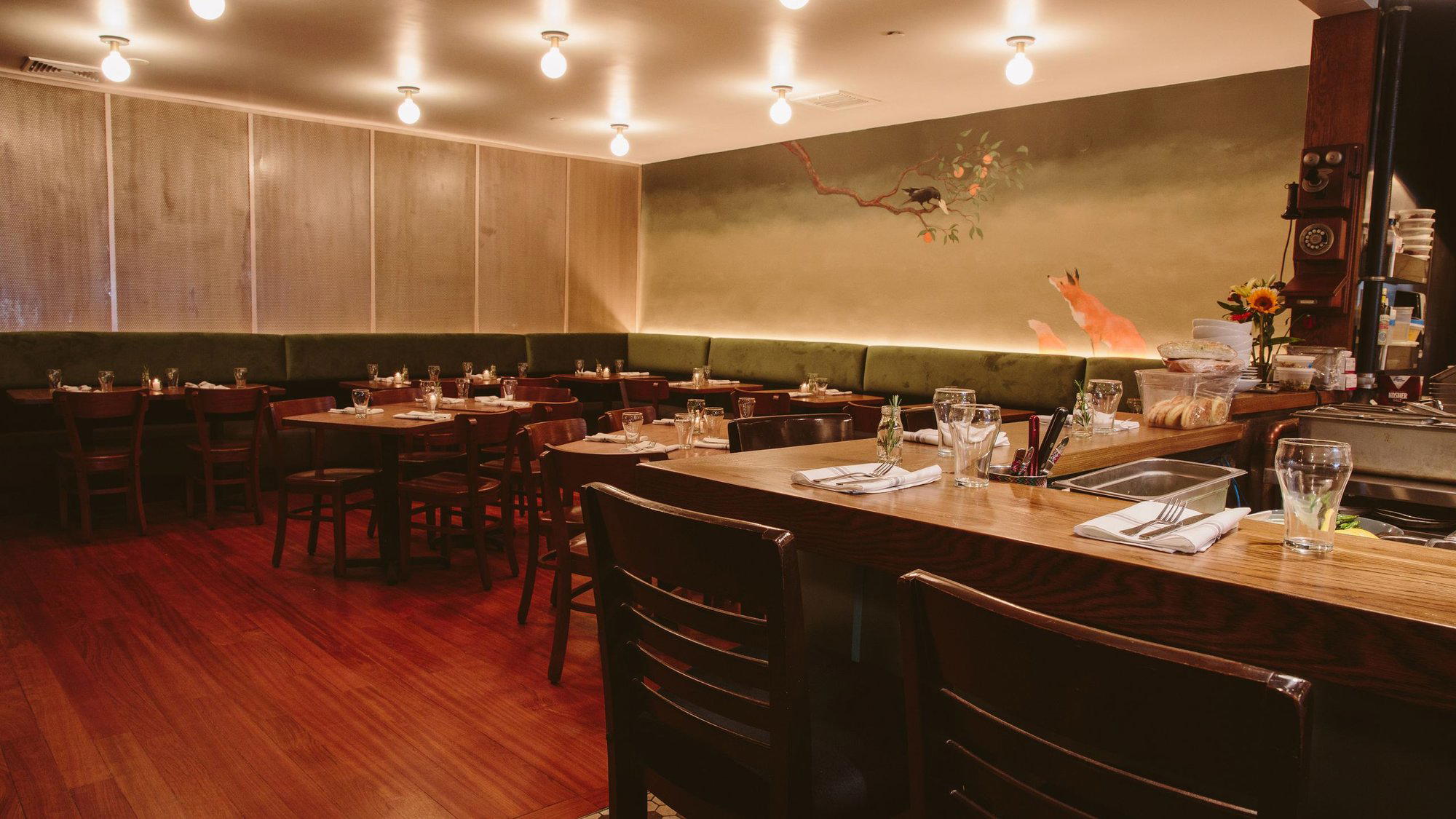
Chic and industrial setting with an intimate barrel room and spacious laboratory overlooking the active distilling facility.