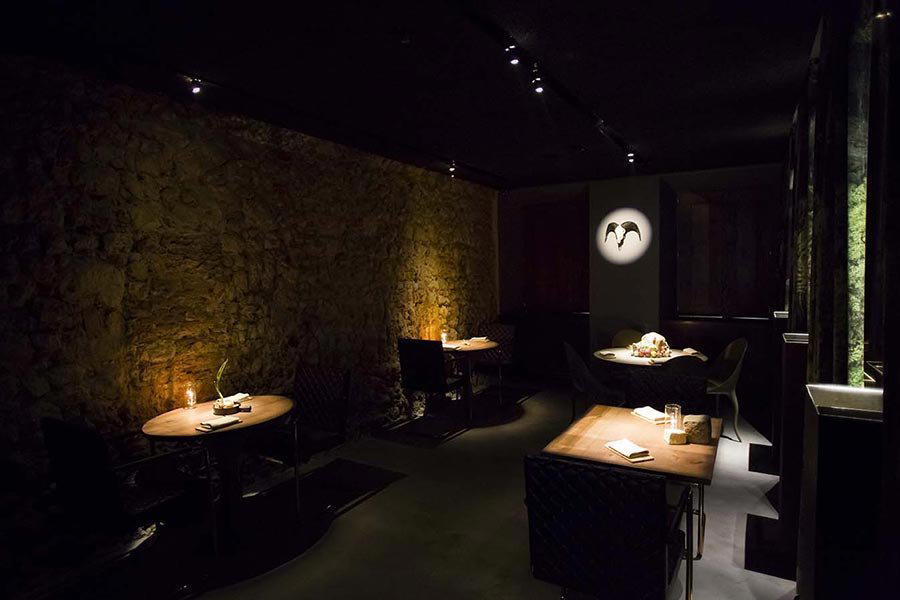
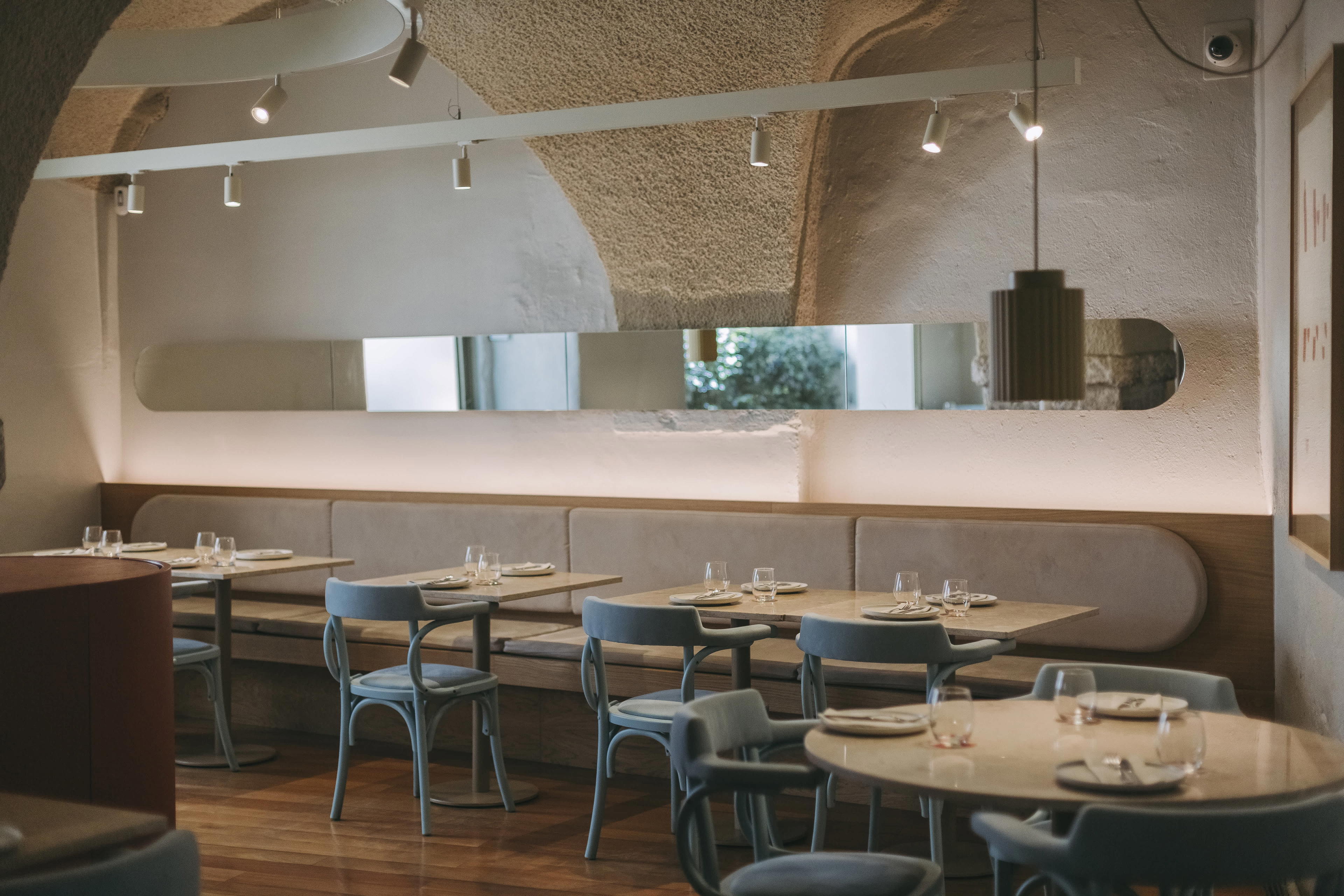
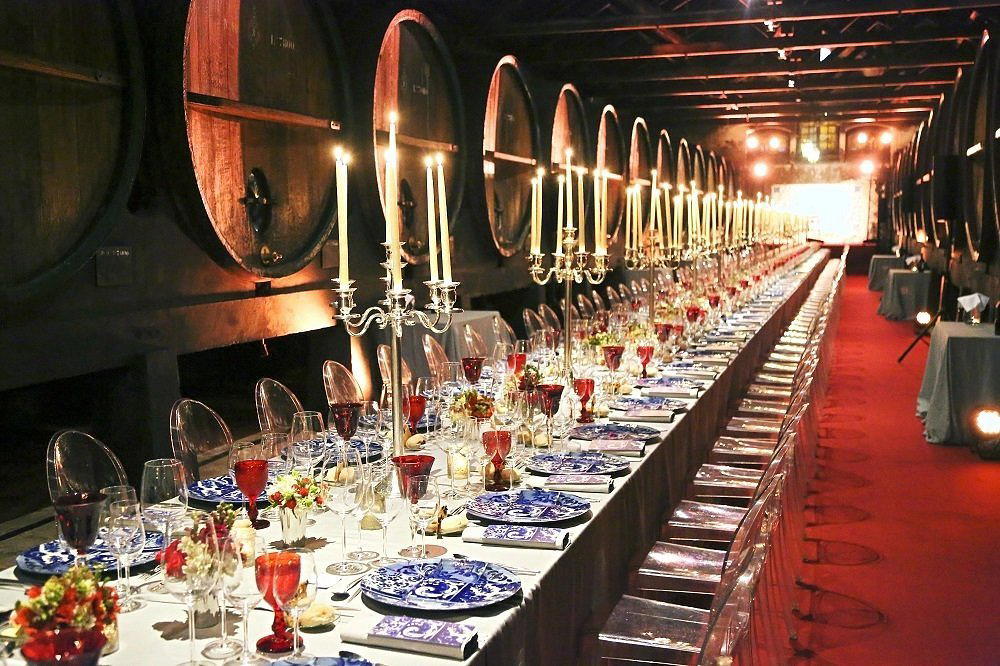
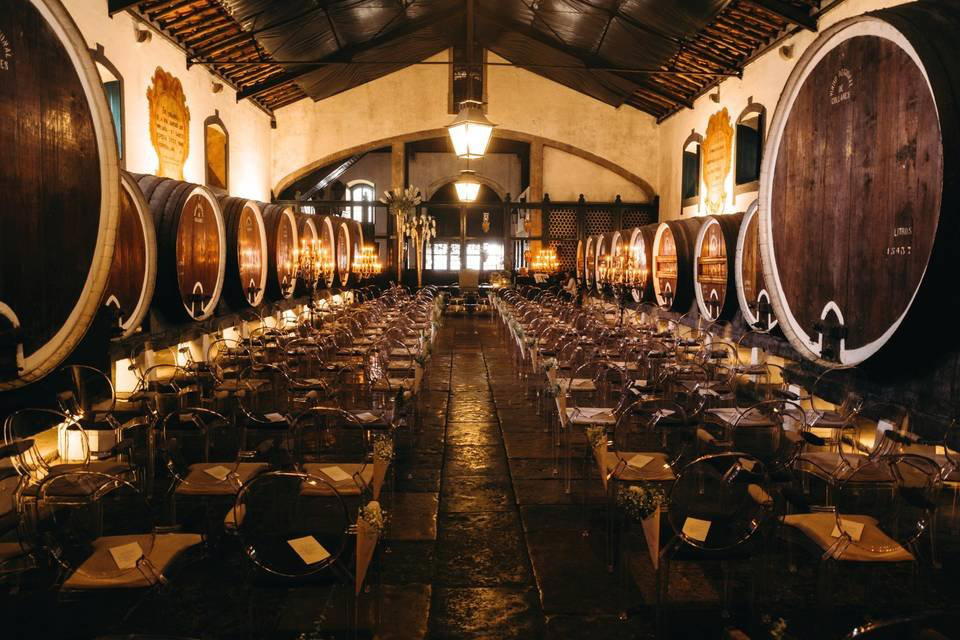
Chafariz do Vinho occupies a centuries-old aqueduct reservoir in the Príncipe Real district, operating as one of Lisbon's most architecturally arresting wine bars. The enoteca format puts Portuguese wine at the centre, from Alentejo reds to Vinho Verde, in a setting where stone vaulting and candlelight define the experience as much as what's in the glass.
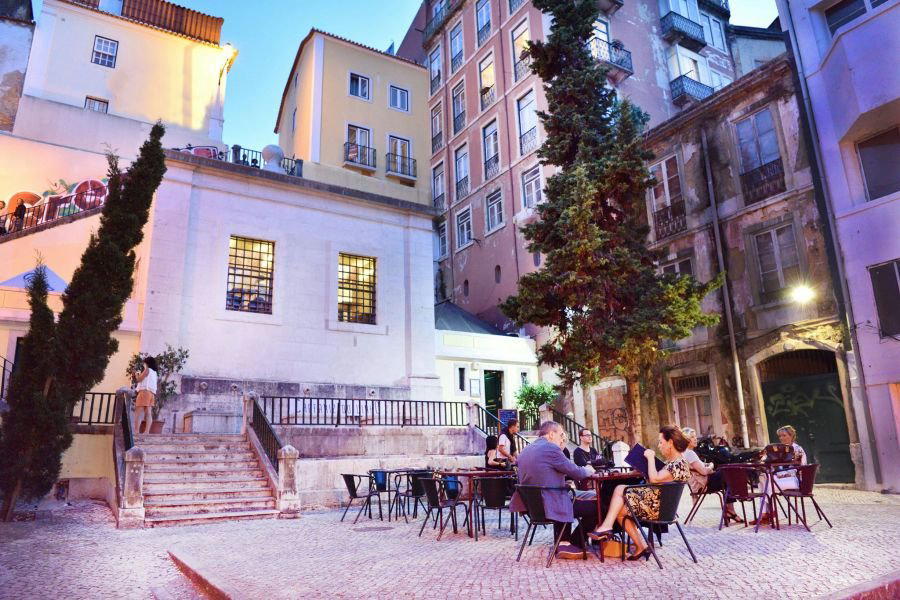
Stone Vaults and Serious Wine: Lisbon's Enoteca Tradition
Lisbon's wine bar scene divides, broadly, into two registers: casual tascas where house wine arrives in ceramic jugs, and more deliberate enoteca formats where the list is the product and the room is designed to signal that. Chafariz do Vinho sits firmly in the second category, occupying a space that most cities would struggle to replicate: the vaulted interior of a centuries-old cistern connected to the Amoreiras aqueduct system, on Rua da Mãe d'Água in the Príncipe Real district. The architecture does substantial editorial work before a glass is poured. Stone arches, low light, and the kind of ambient quiet that thick masonry walls produce create a setting that feels genuinely removed from street-level Lisbon — which, given the neighbourhood's current density of boutiques and concept restaurants, is no small thing.
Príncipe Real is one of Lisbon's most composed neighbourhoods for this kind of venue. The area runs on a slower clock than Bairro Alto or Cais do Sodré, attracting a crowd that tends toward independent galleries, serious wine shops, and restaurants with longer wine lists than cocktail menus. Chafariz do Vinho is consistent with that character: a place for the wine-first visitor rather than the scene-hunter. For those building a broader evening across the city, Lisbon's bar scene includes technically ambitious cocktail programs — Red Frog represents the more theatrical end of that spectrum, but Chafariz operates in a different register entirely.
The Enoteca Format and What It Demands
The enoteca model, as it functions across European wine capitals, asks more of the floor team than a restaurant's wine list or a casual bar's by-the-glass selection. The format is premised on navigation: a guest arrives with some level of interest but rarely a fixed destination, and the value of the experience depends almost entirely on whether the person pouring the wine can read that interest, calibrate the recommendation, and explain why the next glass matters. This is where the collaboration between the front-of-house and wine knowledge functions as the product itself, not a supplement to it.
In Portugal, this format has specific stakes. The country's wine production spans dramatically different terroir profiles, the oxidative, mineral-driven whites of the Douro, the lightly sparkling Vinhos Verdes of the Minho, the dense, sometimes rustic reds of the Alentejo, the structured, age-worthy Bairradas and Dãos of the centre, and a knowledgeable enoteca team can function as a working introduction to all of it. For visitors whose exposure to Portuguese wine extends mainly to Vinho Verde and entry-level Alentejo Aragonez, an enoteca format staffed by people who know the back catalogue of smaller producers offers something a restaurant list rarely does: deliberate education through sequential tasting, at whatever pace suits the evening.
Venues elsewhere in Portugal are building around this same premise. Epicur Wine Boutique and Food in Faro applies a similar retail-meets-bar logic in the Algarve. Venda Velha in Funchal does comparable work for Madeiran wine culture. Base Porto approaches the wine bar format from Porto's angle, where Douro and Vinho Verde dominate the conversation. What connects these venues is a format discipline that treats the list and the person explaining it as the main event.
The Room as Context
Few wine venues in southern Europe are set inside working heritage infrastructure at this scale. The cistern attached to the Mãe d'Água das Amoreiras reservoir, completed in the eighteenth century as the terminus of Lisbon's Águas Livres aqueduct system, is a piece of civil engineering that the city has, unusually, managed to activate rather than simply preserve. Using it as an enoteca is consistent with a broader pattern in Lisbon where significant historical spaces are opened to commercial programming that the volume of the tourism economy now supports. The physical experience of drinking wine inside a vaulted stone cistern, with the sound properties that implies, is different from any purpose-built bar and impossible to replicate without the original architecture.
This matters for the editorial point about team dynamics. In a space this distinctive, the front-of-house role carries additional weight: the setting generates immediate attention, but converting that into a coherent evening depends on whether the floor can match the room's gravity with equivalent knowledge. A perfunctory pour and a minimal explanation would feel like a mismatch with the architecture. The better enotecas understand that the room sets a standard the service has to meet.
Lisbon's Wider Drinking Scene: How Chafariz Fits
Lisbon now supports a wide enough range of serious drinking establishments that visitors can plan an entire trip around the bar program alone. Traditional formats persist: A Ginjinha represents the city's centuries-old ginjinha culture, a category unto itself. Neighbourhood bars like A Cabreira anchor the more local, less curated end of the spectrum. Seafood-focused formats such as A Marisqueira do Lis overlap the bar and restaurant categories in ways that reflect Portuguese eating culture. Outside the city, the Estoril and Cascais coastal strip has its own bar culture: Bar do Guincho in Alcabideche, Bar e Duna da Cresmina, and Estoril bar each serve a different coastal crowd. For international comparison, Bar Leather Apron in Honolulu shows how the enoteca-adjacent, serious-beverage format translates across very different markets.
Within Lisbon specifically, Chafariz do Vinho occupies a position that requires no competition to justify. The combination of architecture, format, and wine focus is sufficiently distinct from the cocktail bars, tascas, and rooftop terraces that define most visitors' first Lisbon evening. For a broader view of where it sits within the city's full hospitality offer, the EP Club Lisbon guide maps the scene by neighbourhood and format.
Planning a Visit
Chafariz do Vinho is located at Rua da Mãe d'Água à Praça da Alegria in Príncipe Real, reachable on foot from Chiado in around ten minutes or from Marquês de Pombal in a similar timeframe. The Príncipe Real area rewards afternoon and evening visits, when the neighbourhood's independent shops and wine-focused establishments are most active. Given the architectural specificity of the setting and Lisbon's increasing tourism density, arriving earlier in the evening avoids the congestion that peak hours now bring to the district's more prominent addresses.
Pricing, Compared
| Venue | Price | Awards |
|---|---|---|
| Chafariz do Vinho - EnotecaThis venue — the venue you are viewing | Not listed | Not listed |
| Red Frog | $10–20 | World's 50 Best #94 · Falstaff Bar - 95 Falstaff Points |
| Black Sheep | $10–20 | Star Wine List |
| Boca D'uva | $30–50 | Star Wine List |
| Cinco Lounge | $20–30 | Top 500 Bars Best Bars #458 · Falstaff Bar - 94 Falstaff Points |
| Club des Châteaux | $30–50 | Star Wine List |
Continue exploring
More in Lisbon
Bars in Lisbon
All bars in Lisbon →
Restaurants in Lisbon
All restaurants in Lisbon →

Chafariz do Vinho - Enoteca
The wine
- Wine program
- Curated wine list
- Natural wine
Details
- Cozy
- Intimate
- Romantic
- Historic
- Date Night
- Casual Hangout
- Historic Building
- Seated Bar
- Lounge Seating
- Conventional Wine
- Natural Wine
Cozy, cool cellar-like atmosphere with thick stone walls in an underground historic setting.