Set back from the dunes of Cresmina along the Cascais coastline, Bar e Duna da Cresmina occupies the kind of position that shapes a drink's entire character. The bar draws from the Atlantic-facing bar culture that defines this stretch of the Estoril Coast, where the line between beach club and serious drinking destination has grown increasingly blurred. For visitors working through Portugal's bar scene, it belongs on the itinerary alongside the region's more documented venues.

Pearl is the En Primeur Club membership app, where members save venues, book tables and use the concierge.
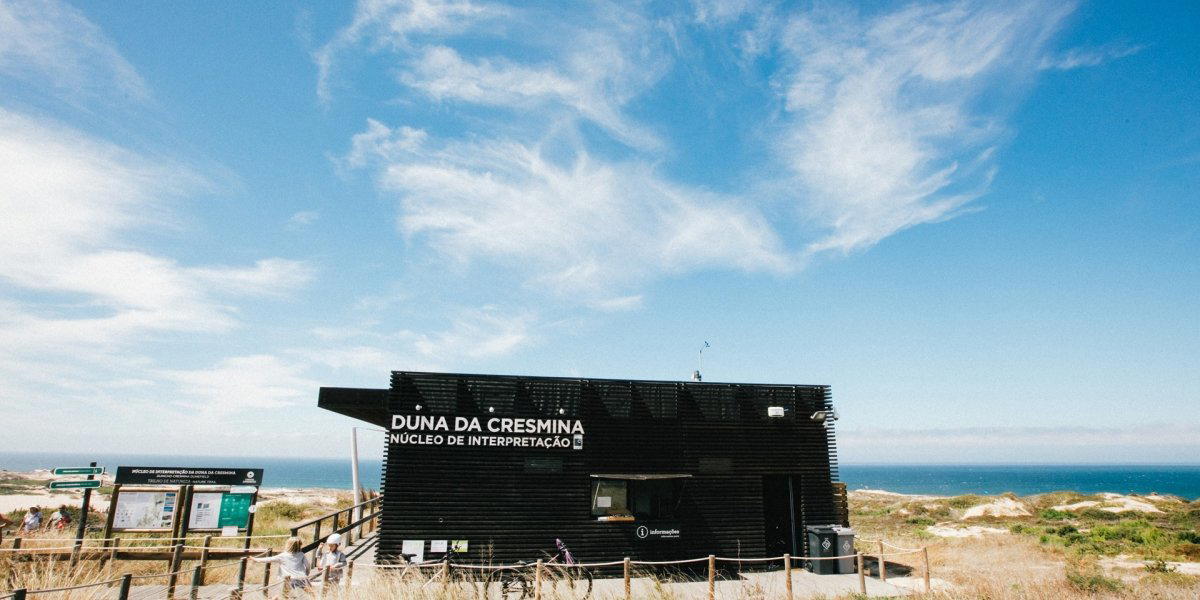
The Atlantic Edge: Drinking on the Cresmina Dunes
Portugal's bar culture has long been concentrated in Lisbon and Porto, where venues like Red Frog in Lisbon and Base Porto in Porto have built reputations grounded in technical programmes and sustained editorial recognition. But the Estoril Coast operates on different terms. The bars along this Atlantic-facing strip between Cascais and Sintra are shaped as much by geography as by craft: the salt air, the sound of wind moving across open dune systems, and the particular quality of late-afternoon light over the ocean all become part of the experience in ways that interior city venues cannot replicate.
Bar e Duna da Cresmina sits at Rua Areia 31 in Cascais, positioned at the edge of the Cresmina dune system, one of the more dramatic coastal formations on the western edge of the Iberian Peninsula. Approaching from the road, the landscape opens abruptly. The dunes here are not incidental backdrop; they are the dominant feature, and any bar operating in this context is in conversation with them whether it chooses to be or not. The most considered venues in this category treat the environment as a structural element of the programme, letting the setting inform timing, format, and the rhythm of service rather than simply decorating a terrace with a sea view.
Where the Estoril Coast Positions Its Bars
The bar scene across the Cascais-Estoril stretch occupies a recognisable tier: venues that function as destinations in their own right rather than hotel adjuncts or restaurant afterthoughts, but which draw identity from their coastal position rather than competing directly with urban cocktail programmes. Estoril's own bar culture has historically leaned on its casino heritage and the particular tourist economy the town developed across the twentieth century. Cascais reads differently: more residential, more Portuguese in its daily rhythm, with a bar culture that reflects both the local population and the significant number of visitors who use it as a day-trip from Lisbon, roughly 30 kilometres to the east.
Within that context, the dune-adjacent venues operate as a sub-category. They handle peak-season pressure differently from year-round urban bars, with service formats that tend toward the relaxed and the occasion-driven rather than the technically focused. Comparison with venues elsewhere on the Portuguese coast is instructive: Bar do Guincho in Alcabideche, a short distance north along the same coastline, demonstrates how seriously the Atlantic-facing bar format can be taken when the setting is treated as an asset rather than a backdrop. The question for any Cresmina venue is whether the drink programme rises to meet the environment.
The Cocktail Dimension on Atlantic Coastlines
Bars operating in coastal positions with strong environmental identity tend to resolve their cocktail programmes in one of two directions. The first leans into local ingredient references: Atlantic salt, citrus from the Algarve, Portuguese spirits and wines as base or modifier. The second imports a more urban technical approach, treating the seaside location as a premium setting for a programme that could sit anywhere. The more compelling venues in Portugal's coastal bar tier have moved toward the first approach, using regional product as a genuine structural element rather than a garnish-level gesture.
Portugal's broader bar conversation has matured considerably. The attention given to wine-forward drinking at venues like Epicur Wine Boutique and Food in Faro, Garrafeira Baga in Coimbra, and Mosto Wine Shop and Bar in Lagos reflects a national bar culture increasingly confident in its own product base rather than importing reference points wholesale from London or New York. Even venues with strong cocktail identities, like Venda Velha in Funchal, operate with awareness of regional identity as a differentiator. The international reference point is instructive too: Bar Leather Apron in Honolulu demonstrates how a coastal bar with serious craft ambitions can build a programme that holds its own against major urban peers without abandoning its geographic character.
For Bar e Duna da Cresmina, the opportunity presented by the Cresmina location is considerable. Dune bars in high-profile coastal positions internationally have demonstrated that environmental drama translates directly into perceived value when the programme supports it. The question any visitor should bring to this address is whether the drinks are constructed with the same attention as the setting demands, or whether the natural spectacle carries more weight than the liquid in the glass.
Getting There and Planning the Visit
Cascais is accessible from Lisbon via the Cascais train line, one of the more pleasant commuter routes in Portugal, running along the Tagus estuary and then the coast. The journey from Cais do Sodré takes roughly 40 minutes. From Cascais town centre, the Cresmina area requires onward transport, either by taxi, rideshare, or bicycle if the visitor is inclined. The address at Rua Areia 31 places the venue close to the dune reserve, which is managed as part of a protected natural area. Visitor volumes at this end of Cascais are highest in July and August, when the beaches draw significant crowds from Lisbon and from international tourism. Timing a visit for shoulder season, particularly late May, June, or September, means better access to the dune environment itself and a more considered pace at the bar. For those building a broader itinerary across Portugal's bar scene, our full Cascais E Estoril restaurants and bars guide maps the wider scene across the region.
Wine-focused visitors should also note that the Cascais area sits adjacent to the Colares wine region, one of Portugal's most historically significant appellations, where ungrafted Ramisco vines produce wines of unusual character. The proximity adds context to any drinks programme drawing on regional product, and venues with an awareness of that local wine identity tend to offer a more coherent experience than those treating the coast as a generic backdrop. For reference across Portugal's premium bar tier, The Yeatman Hotel in Vila Nova de Gaia and Touriga Wine and Dine in Carvoeiro both demonstrate how the country's wine depth can be integrated into a serious bar or dining programme.
A Quick Peer Check
Comparable venues nearby, for context on price, style, and recognition.
| Venue | Cuisine | Price | Notes |
|---|---|---|---|
| Bar e Duna da CresminaThis venue (the venue you are viewing) | Bar | $10–20 | Not listed |
| Bar Alimentar | cocktail_bar | Not listed | Mercês |
| Bookstore Bar Girl and Lass | wine_bar | $10–20 | Chiado |
| A Marisqueira do Lis | pub | $30–50 | Estefania |
| Fermentage | beer_bar | $10–20 | Marvila |
| Pavilhão Chinês | cocktail_bar | Not listed | Bairro Alto |
Continue exploring
More in Cascais
Bars in Cascais
All bars in Cascais →
Restaurants in Cascais
All restaurants in Cascais →


Details
- Scenic
- Cozy
- Relaxed
- Casual Hangout
- Waterfront
- Terrace
- Outdoor Terrace
- Seated Bar
- Waterfront
Current opening hours
- Monday
- 9 AM–6:30 PM
- Tuesday
- 9 AM–6:30 PM
- Wednesday
- 9 AM–6:30 PM
- Thursday
- 9 AM–5:30 PM
- Friday
- 9 AM–6:30 PM
- Saturday
- 9 AM–7:30 PM
- Sunday
- 9 AM–5:30 PM
Hours can change for holidays and private events. Hours as of .
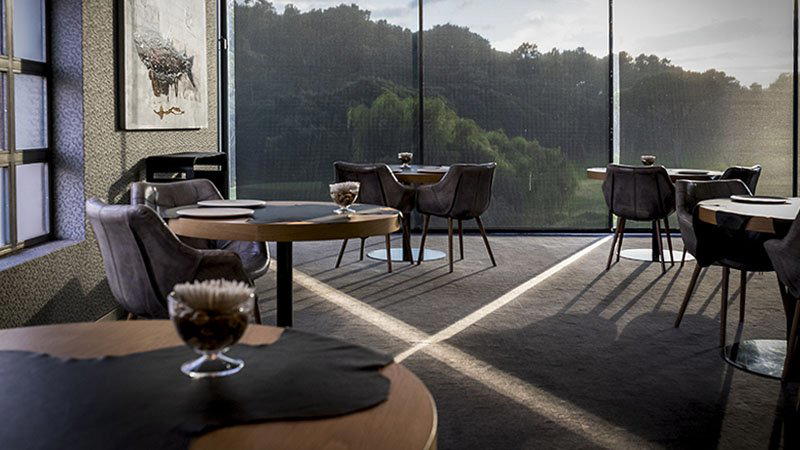
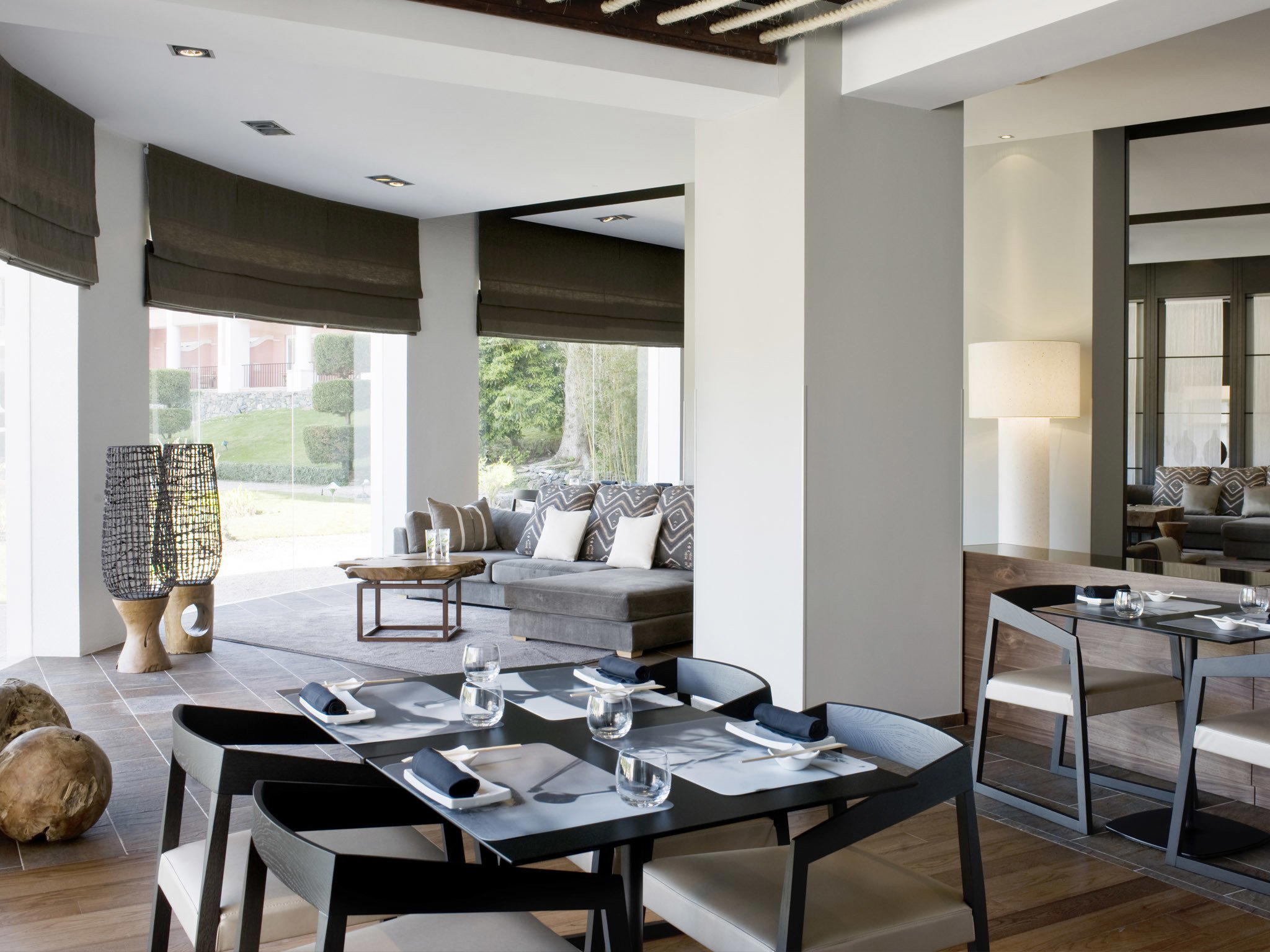
Laid-back with natural light, ocean breezes, and chill music creating a well-suited lazy afternoon vibe.