Mambo sits on Rua da Silva in one of Lisbon's most densely layered bar neighbourhoods, where the city's older drinking culture and its newer cocktail ambitions overlap. The address places it within walking distance of Bairro Alto's concentrated bar strip, making it a natural stop in a longer evening rather than a destination in isolation. Expect a compact, atmospheric space characteristic of the area's converted-building typology.
Pearl is the En Primeur Club membership app — saves, bookings, and concierge access live there. Same editors, same standards.
- Address
- R. da Silva n8, 1200-447 Lisboa, Portugal
- Phone
- +351 21 017 8181
- Directions
- Get directions
 Saves & bookings on Pearl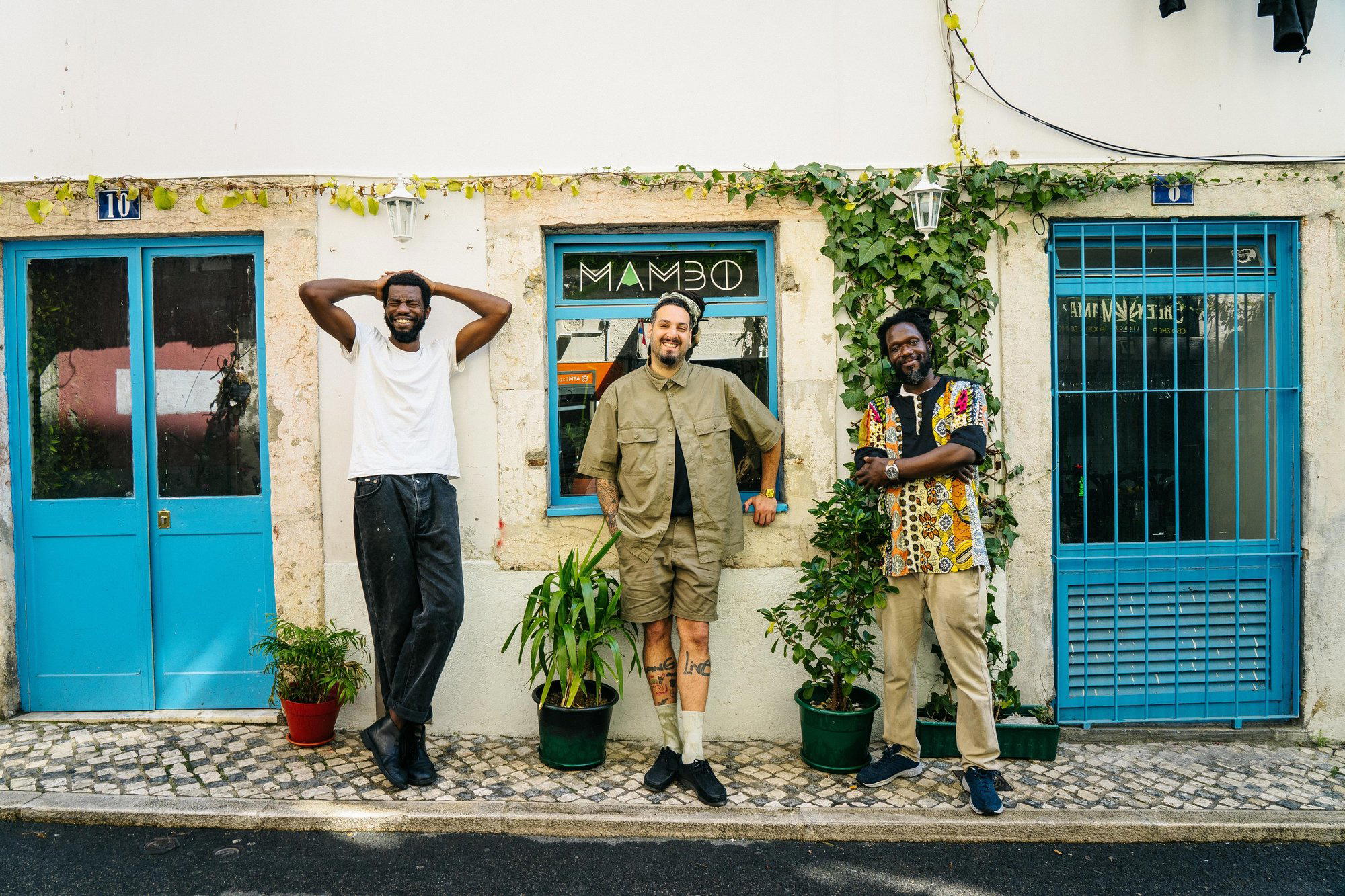
Rua da Silva and the Bairro Alto Drinking Circuit
Lisbon's bar culture is easier to understand by street than by venue. Bairro Alto operates as a distributed drinking district rather than a collection of discrete destinations: the streets between Rua da Atalaia, Rua do Norte, and Rua da Barroca form a dense grid where bars occupy former residential ground floors, their doors opening onto narrow pavements that fill progressively as the evening moves past ten. Rua da Silva sits at the edge of that grid. It is quieter than the main arteries, which in Bairro Alto means it attracts a slightly different crowd — one that has already worked through the obvious first stops and is now looking for something less conspicuous. Mambo, at number 8, occupies exactly that position in the neighbourhood's geography.
The physical approach to most bars on streets like this follows the same pattern: a narrow facade, a door that may be partially open or closed depending on the hour, and an interior that only reveals itself once you are inside. That contained quality is not accidental. Bairro Alto's bar typology emerged from a stock of nineteenth-century residential buildings, with room proportions designed for domestic use rather than commercial hospitality. The result is spaces that feel intimate by structural necessity, where the distance between the bar counter and the first row of seating is rarely more than a few steps. This is the context in which Mambo operates, and it shapes the experience before any drink arrives.
Where Mambo Sits in Lisbon's Bar Tier
Lisbon's cocktail bar scene has stratified over the past decade into recognisable tiers. At the upper end, venues like Red Frog operate on a reservation-led, technically rigorous model that places them in direct comparison with mid-tier international cocktail bars. Below that, a much larger cohort of neighbourhood bars serves a mix of Portuguese house spirits, gin-based drinks, and the occasional craft beer, with no particular programme ambition. Mambo occupies Bairro Alto's middle territory, where the drinking is taken seriously enough to draw a regular crowd but the format remains social rather than performative.
That positioning matters because it defines what a visit here is for. Bars in this bracket are not where you go to watch a bartender clarify a stock or explain the provenance of a single-origin spirit. They are where the evening has momentum, where the conversation is louder than the music just barely, and where the bar functions as a node in a longer circuit. In Bairro Alto, that circuit might include A Cabreira for something older and more traditionally Portuguese, or A Ginjinha for the obligatory cherry liqueur that anchors any serious evening in the neighbourhood. Mambo fits logically somewhere in the middle section of that sequence.
The Neighbourhood After Dark
Bairro Alto transforms in stages. Before nine, the streets are occupied primarily by tourists who have wandered up from Chiado and residents moving through on their way elsewhere. By ten-thirty, the bar doors are wide open, the pavement in front of each fills with people holding drinks they have carried outside, and the district begins to operate as a single open-air venue with dozens of rooms. The later it gets, the more selective the crowd becomes: those looking for an early dinner crowd have moved on, and what remains skews younger and more local, or at least more familiar with the district's rhythms.
Rua da Silva sits slightly removed from the densest pedestrian flow, which gives it a different energy at peak hours. Bars here tend to fill more gradually and retain their crowd longer, because the street does not serve as a thoroughfare in the same way that Rua do Norte or Rua da Barroca do. For anyone planning an evening that begins with seafood at somewhere like A Marisqueira do Lis and then moves into the bar district, the streets closest to Rua da Silva represent a logical final section of the night rather than its opening.
Lisbon in the Broader Portuguese Drinking Context
Understanding Mambo also requires understanding where Lisbon sits within Portuguese drinking culture more broadly. Portugal's bar scenes outside the capital have their own distinct characters. Base Porto in Porto reflects that city's more compact and neighbourhood-specific bar culture, while Venda Velha in Funchal operates in the entirely different register of Madeira's hospitality, where the relationship between local wine and bar culture is far more integrated. Along the Estoril coast, venues like Bar do Guincho in Alcabideche, Bar e Duna da Cresmina in Cascais E Estoril, and Estoril in Estoril serve a coastal-resort clientele with different expectations entirely. In the south, Epicur Wine Boutique & Food in Faro points toward the Algarve's wine-led bar format. Lisbon's Bairro Alto, by contrast, remains the most purely social of Portugal's bar concentrations, where volume and density of choice define the experience rather than any single venue's programme. Internationally, the contrast with somewhere like Bar Leather Apron in Honolulu illustrates just how far Bairro Alto's informal, street-spill model sits from the structured cocktail bar formats that dominate premium bar culture elsewhere.
Planning a Visit
Mambo is located at Rua da Silva n8, 1200-447 Lisboa. No website or phone number is currently available in public records, which reflects a common pattern among Bairro Alto bars of this type: they operate without significant digital infrastructure because their clientele arrives through word of mouth and neighbourhood familiarity rather than online search. The most reliable approach is to walk the street and assess the door directly, which in Bairro Alto is standard practice rather than inconvenience. The district is leading approached on foot from Chiado or via the Elevador da Bica, and the streets are compact enough that Rua da Silva is within a few minutes of any starting point in the immediate area. For a broader view of what the city offers across all categories, our full Lisbon restaurants guide covers the range from neighbourhood bars to Michelin-recognised dining rooms.
Cuisine and Credentials
| Venue | Cuisine |
|---|---|
| MamboThis venue — the venue you are viewing | This venue |
| Red Frog | World's 50 Best |
Continue exploring
More in Lisbon
Bars in Lisbon
Browse all →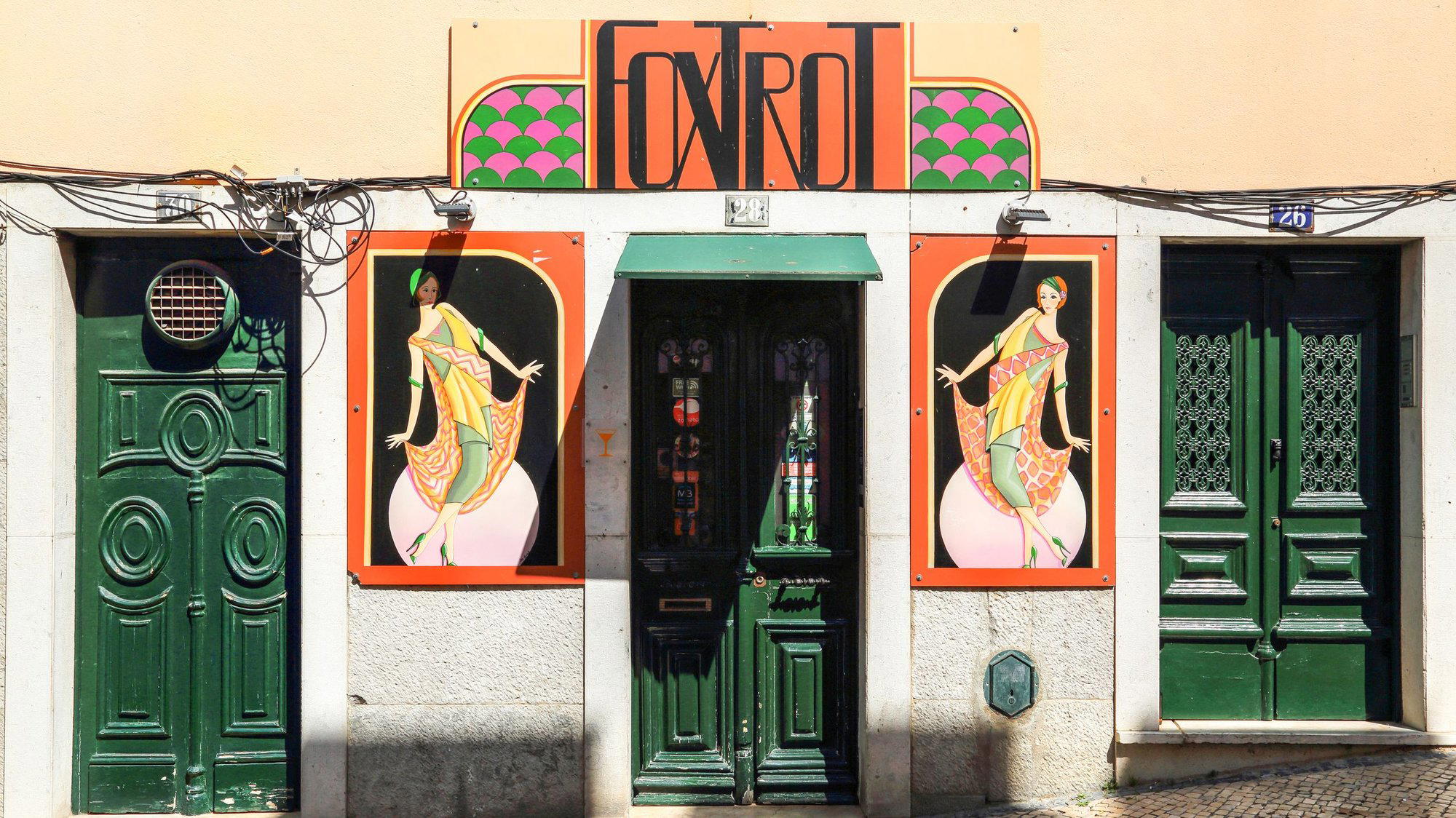
Restaurants in Lisbon
Browse all →
Hotels in Lisbon
Browse all →

At a Glance
- Lively
- Cozy
- Casual Hangout
- Date Night
- Outdoor Terrace
- Lounge Seating
- Classic Cocktails
Current opening hours
- Monday
- Closed
- Tuesday
- 1–11 PM
- Wednesday
- 1–11 PM
- Thursday
- 1–11 PM
- Friday
- 1–11 PM
- Saturday
- 1–11 PM
- Sunday
- Closed
Hours can change for holidays and private events. Last verified .
Warm and unpretentious atmosphere infused with Afrobeat, hip hop, and soul music.
Know Before You Go
- Getting there
- R. da Silva n8, 1200-447 Lisboa, Portugal