Atlas Brew Works Ivy City Brewery & Taproom
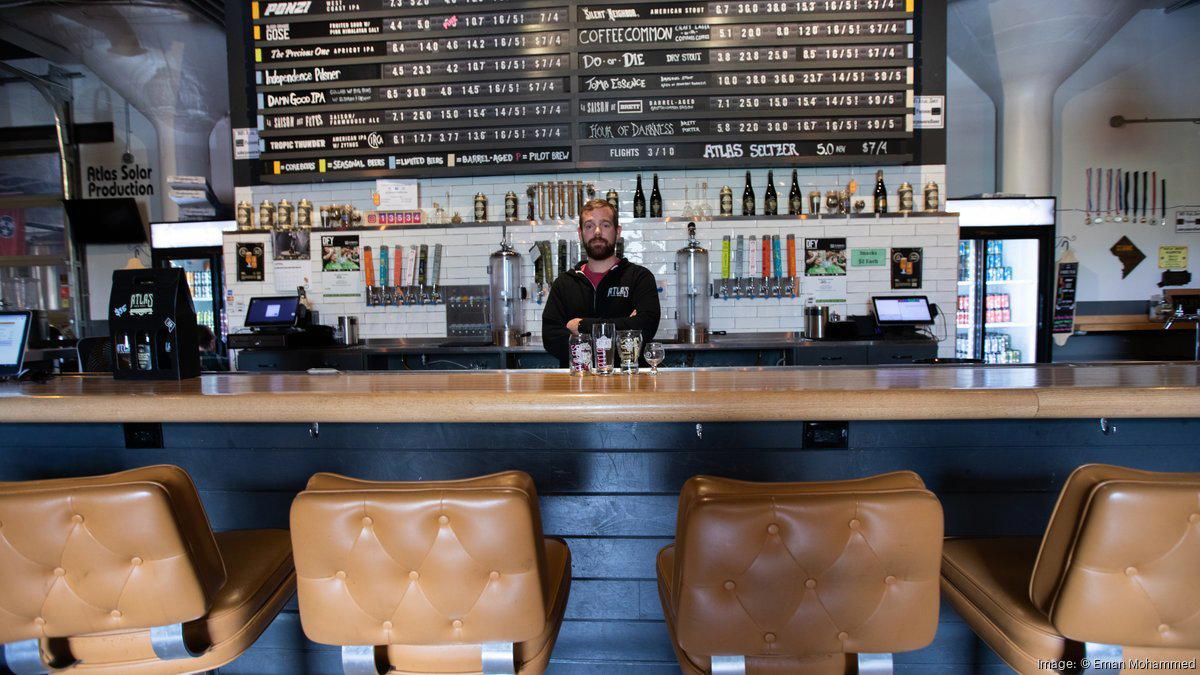
Atlas Brew Works Ivy City Brewery and Taproom anchors Washington D.C.'s emerging Ivy City industrial corridor with production-scale brewing and a taproom format built around fresh, tank-to-glass pours. The brewery operates as both a working production facility and a public drinking space, placing it in a category of American craft operations where the beer's provenance is visible, not implied. For D.C. drinkers who track local production, this address carries weight.
Ivy City and the Rise of D.C.'s Industrial Brewing Corridor
Washington D.C.'s drinking culture has long been defined by its bars and cocktail programs. Venues like Allegory and Silver Lyan built national reputations on the strength of technical cocktail work, and Service Bar carved out a distinct identity through approachable, well-executed pours. But a quieter shift has been underway in the city's northeastern quadrant: the conversion of former warehouse and light-industrial blocks into working breweries with public-facing taprooms. Ivy City sits at the center of that shift, and Atlas Brew Works, operating out of a production facility on West Virginia Avenue NE, has been part of that neighborhood's reorientation from freight and storage to food, drink, and small-scale manufacturing.
The Ivy City corridor does not have the foot traffic of Shaw or the restaurant density of 14th Street. What it has instead is space, and craft breweries use space differently from bars or restaurants. A working brewery taproom makes its production process the ambient backdrop: conditioning tanks, packaging lines, and the particular smell of active fermentation are part of the experience in a way that has no equivalent in a cocktail bar. That setting shapes how people drink. Pours arrive fresh, often from tanks a few feet away, and the conversation in a production taproom tends toward the technical. This is not a space where you order without asking questions.
What the Taproom Format Means in Practice
Across American craft brewing, the taproom model has bifurcated. On one side sit destination taprooms designed with event infrastructure, food programs, and outdoor seating scaled for weekend capacity. On the other sit working taprooms where production is the priority and the public space is secondary, often deliberately minimal. Atlas Brew Works Ivy City sits closer to the latter: a production brewery that has built out a taproom at its facility, making the working floor the context for the drinking experience rather than something hidden from public view.
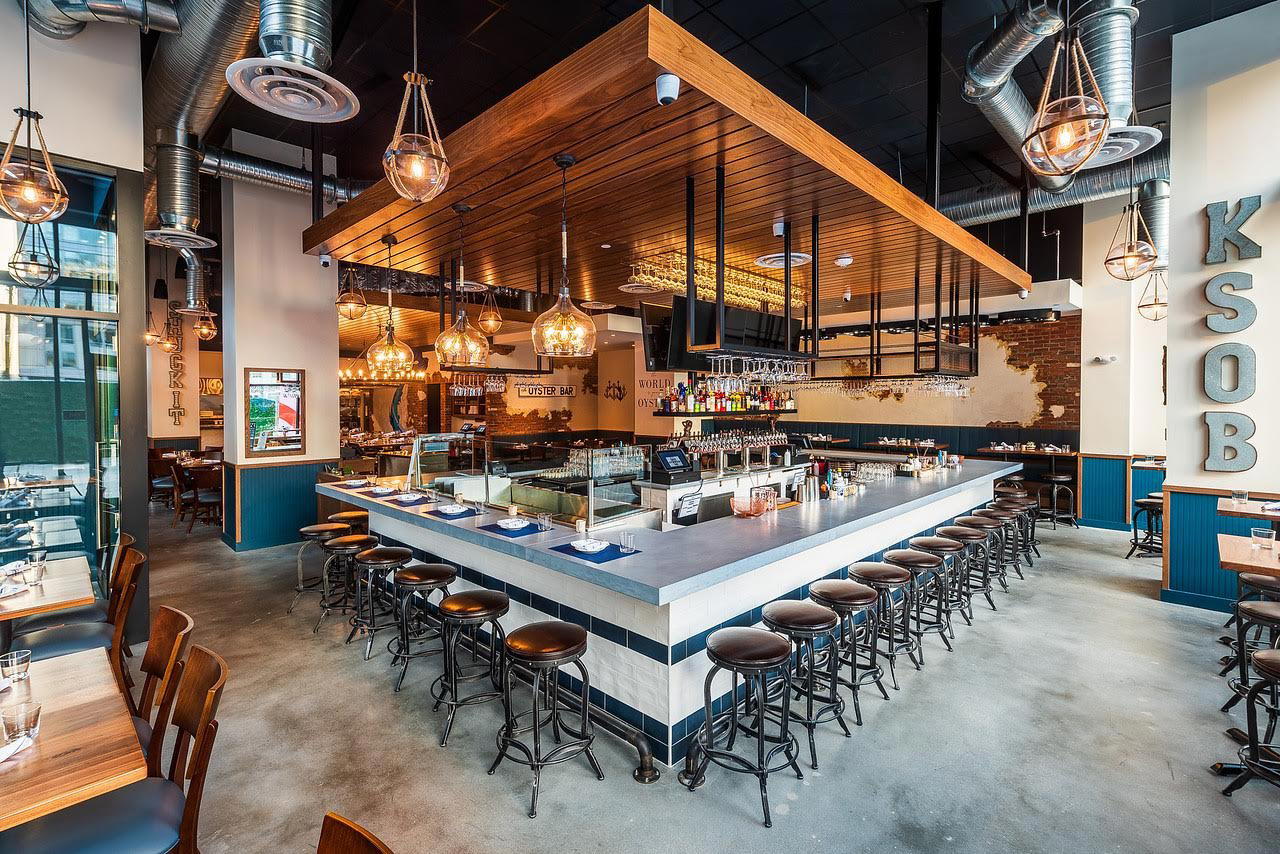
This matters when setting expectations. The Ivy City location is a brewery first. Visitors arriving for the ambience of a finished, design-led bar will find instead the functional aesthetic of a production facility that has been opened to the public. Visitors arriving because they want to drink beer made on the premises, understand the lineup, and engage with a production environment will find that context fully present. The distinction is worth understanding before you go, particularly if you are deciding between this and a more traditional D.C. bar experience like the tightly curated programming at 12 Stories.
The Beer: Local Production, Practiced Craft
American craft brewing has absorbed techniques from across brewing traditions over the past two decades. British cask ale conditioning, Belgian saison fermentation, German lager precision, and West Coast hop-forward approaches have all been adopted, adapted, and sometimes recombined by American producers. Atlas Brew Works works within that broader American craft tradition, which means the taproom lineup at Ivy City reflects a range built from imported methods applied to domestically sourced ingredients and local market preferences.
D.C. sits in a regional drinking market that skews toward IPAs and lagers as everyday staples, with enough beer literacy in the drinking public to support seasonal and small-batch releases alongside core offerings. A brewery operating in this market needs both: a reliable core lineup that functions as the everyday offer, and a rotating slate that gives regular visitors reason to return. The Ivy City taproom serves that dual function, with tanks-on-premises freshness as the principal argument for choosing it over a bar stocking cans and bottles from the same producer. Drinking a beer in the building where it was made is a different proposition, even if the product is technically identical. The editorial comparison worth noting: craft operations like Atlas occupy a middle register between brewpub kitchens and large regional distributors, and that middle register is where most of the interesting American brewing currently happens.
For drinkers accustomed to the precision fermentation work visible at operations outside D.C. the parallel is instructive. The craft brewing conversation in American cities has moved from novelty toward craft depth, in the same direction that cocktail programs at venues like Kumiko in Chicago or Bar Leather Apron in Honolulu moved from theatrics toward technical substance. What the leading American craft breweries now share with those bar programs is a commitment to method over marketing, and an audience sophisticated enough to notice the difference.
Who Drinks Here, and When
The Ivy City taproom draws a mixed crowd by D.C. standards: neighborhood residents, beer-focused visitors making a circuit of the city's production breweries, and groups looking for a lower-decibel alternative to the bar-heavy corridors closer to downtown. The production setting skews the experience toward afternoon and early evening rather than late night, which aligns with how most working taprooms operate nationally. Arriving on a weekday afternoon puts you in the taproom at its most functional, with staff available to talk through the lineup without the volume of a weekend crowd.
Logistics matter at a location like this. Ivy City is accessible from central D.C. but not walkable from most visitor hotels, making it a deliberate trip rather than a spontaneous stop. That self-selection is part of what gives the taproom its character: the people there have made an effort to be there, which tends to produce a more engaged drinking environment. The address is 2052 West Virginia Ave NE, Suite 102, in the northeast section of the city. Those building an itinerary across American craft drinking culture might consider how this fits alongside operations in other cities: the mid-tier craft model visible here has rough equivalents in venues like ABV in San Francisco and the cocktail-craft crossover at Jewel of the South in New Orleans, where production transparency and method-driven hospitality define the experience.
For a broader view of where Atlas Brew Works fits within D.C.'s full drinking and dining picture, the full Washington D.C. restaurants and bars guide maps the city's offer across neighborhoods and categories, from neighborhood staples to destination programs.
Planning Your Visit
Atlas Brew Works Ivy City is a production brewery with a public taproom at 2052 West Virginia Ave NE, Suite 102, Washington, D.C. 20002. Current hours, taproom availability, and event programming should be confirmed directly with the venue before visiting, as production brewery schedules can shift around brewing and packaging days. The taproom does not operate on the same walk-in assumptions as a traditional bar, and checking ahead is advisable particularly for larger groups or visits timed to specific seasonal releases. No reservations data is publicly confirmed for this location. The setting is casual, consistent with a working production facility, and the dress code expectation follows accordingly.
Comparable Options
| Venue | Cuisine | Price | Awards |
|---|---|---|---|
| Atlas Brew Works Ivy City Brewery & TaproomThis venue (the venue you are viewing) | Not listed | Not listed | Not listed |
| Allegory | Not listed | $30–50 | World's 50 Best #57 · Pinnacle Guide 2 Pins |
| Service Bar | Not listed | $30–50 | World's 50 Best #39 · James Beard Award Semi Finalist |
| Barmini | Not listed | $50–100 | Not listed |
| Eebee’s Corner Bar | American (burgers, bar food) | $20–30 | Not listed |
Continue exploring
More in Washington DC
Bars in Washington DC
All bars in Washington DC →

Restaurants in Washington DC
All restaurants in Washington DC →


Atlas Brew Works Ivy City Brewery & Taproom
The drinks
- Craft beer
Signature drinks: District Common, Ponzi IPA.
Details
- Industrial
- Lively
- Rustic
- Group Outing
- Casual Hangout
- Standalone
- Communal Tables
- Craft Beer
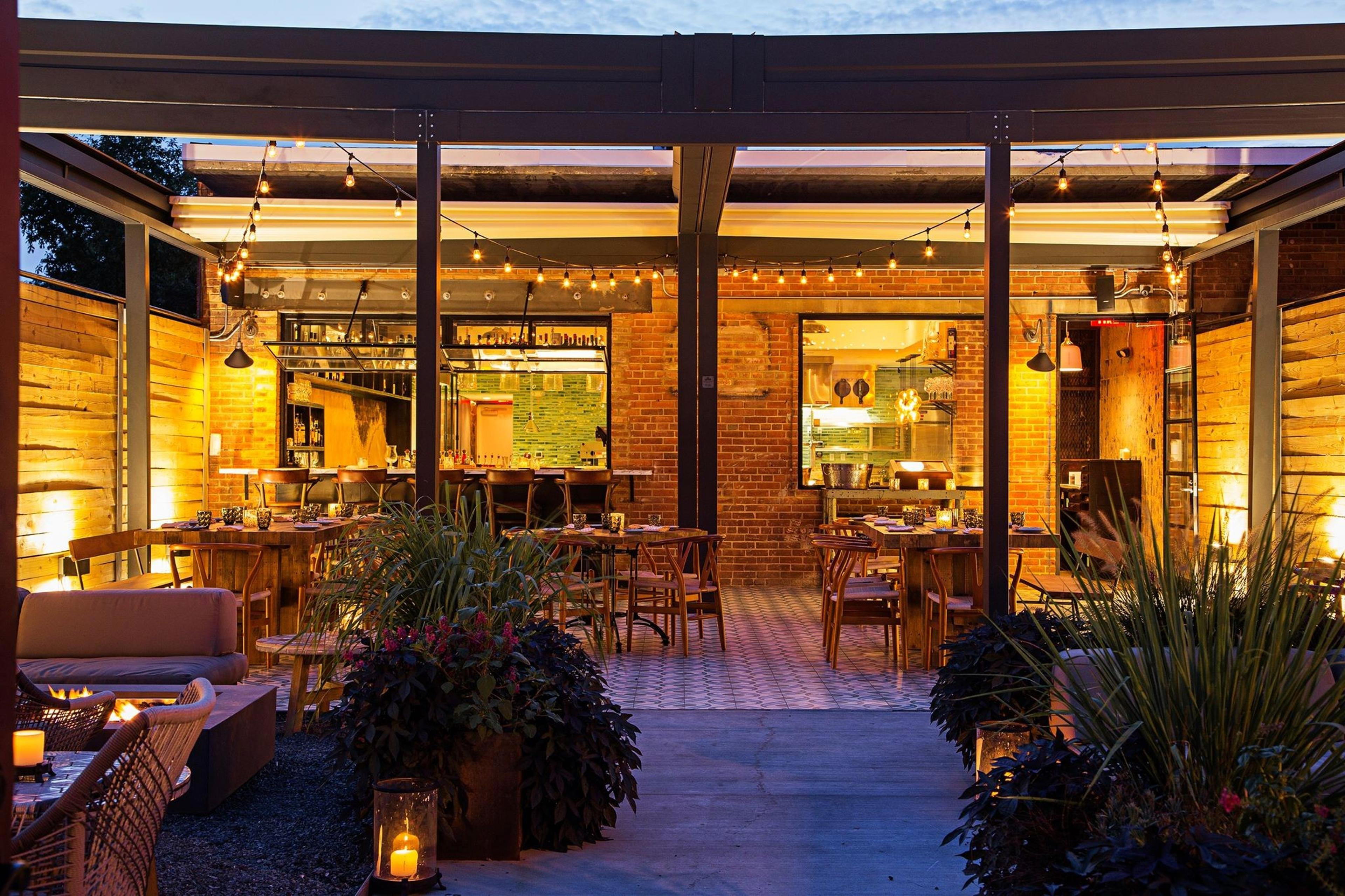
Open industrial-style taproom with an energetic atmosphere enhanced by live music.