Brixton
Brixton sits on U Street NW in Washington, D.C., the corridor that defines the city's most concentrated bar scene. The cocktail program draws on British pub tradition filtered through an American craft sensibility, making it a reference point for the neighbourhood's shift toward technical, spirit-forward drinking. Arrive early on weekends; the room fills fast and stays that way.
U Street's Cocktail Character, and Where Brixton Fits
Washington, D.C.'s U Street corridor has undergone a sustained transformation over the past two decades, moving from neighbourhood bar territory into one of the most cocktail-forward drinking districts on the East Coast. The blocks around 9th and U now hold a concentration of serious programs that rivals what you'd find in comparable stretches of New York or Chicago, with bars operating at meaningfully different registers: the elaborate, hotel-backed precision of Allegory, the workhorse craft of Service Bar, the measured European formality of Silver Lyan. Brixton, at 901 U St NW, occupies a specific position in that ecosystem: a British-inflected bar that imports the warmth and approachability of a London pub without surrendering the drink quality that the neighbourhood now demands.
That combination is less common than it sounds. Bars that aim for genuine conviviality often let the cocktail program slide into serviceable rather than considered. Brixton has held to a different standard, and that tension — between the ease of a pub and the craft of a cocktail bar — is the most useful frame for understanding what it is and who it's for. For the wider D.C. bar picture, see our full Washington, D.C. restaurants and bars guide.
Stepping Inside: The Room as Argument
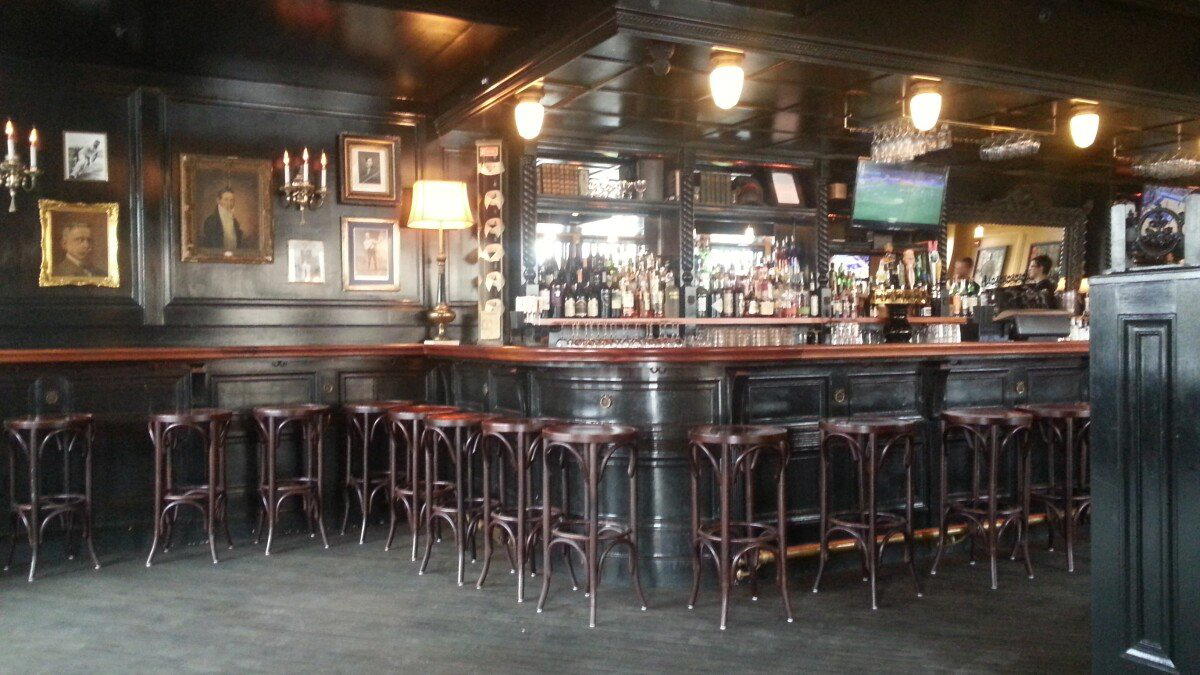
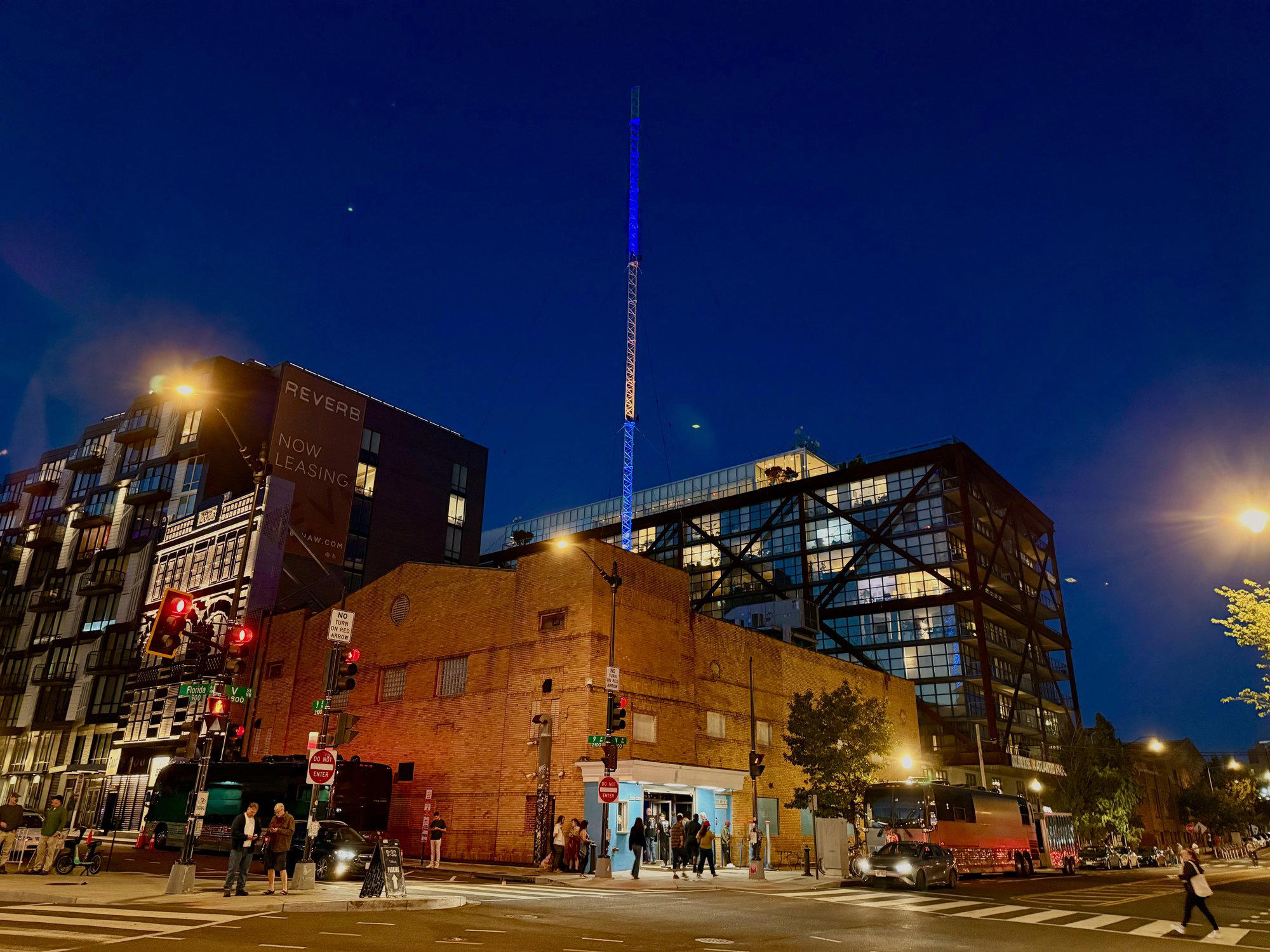
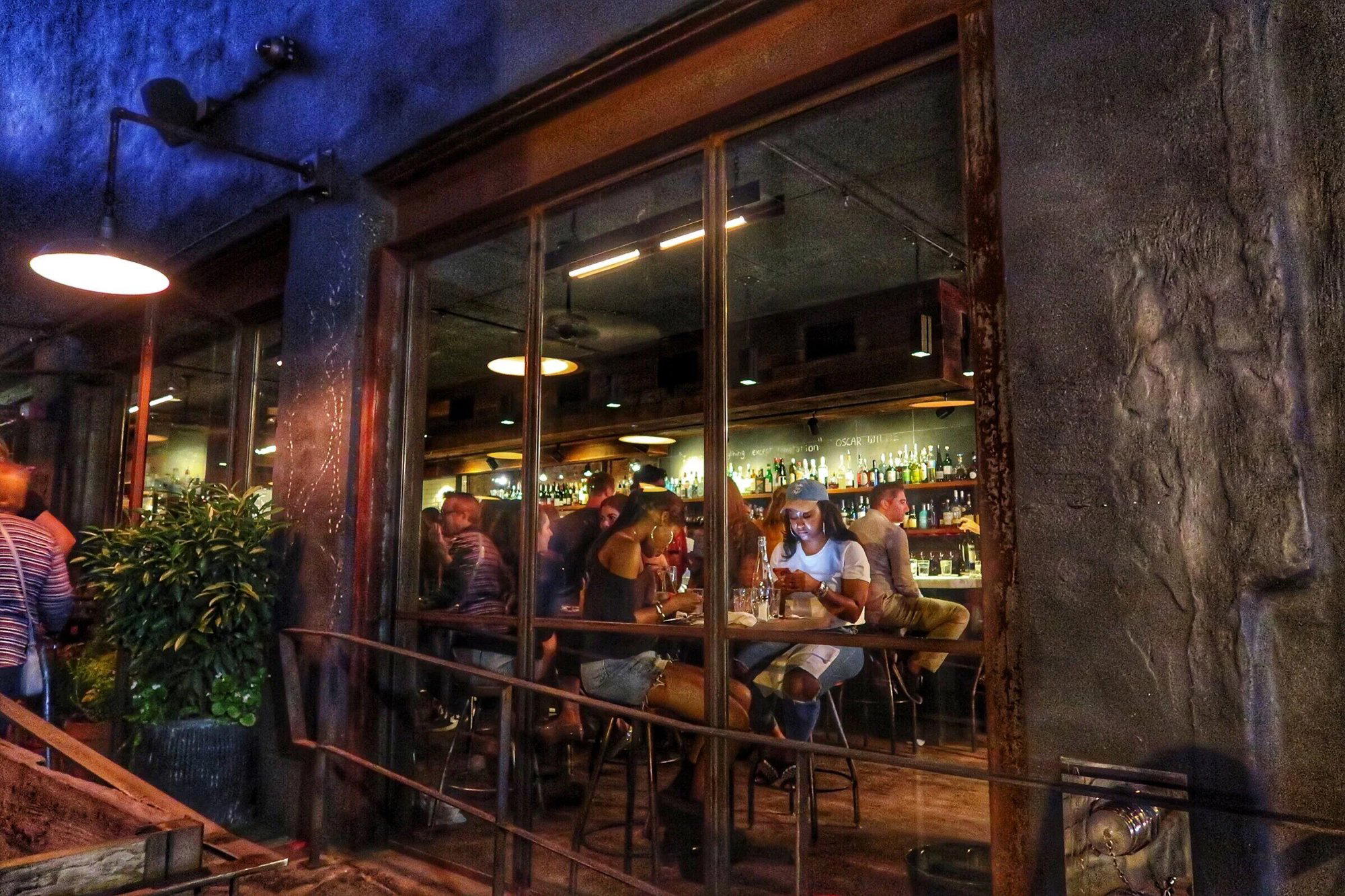
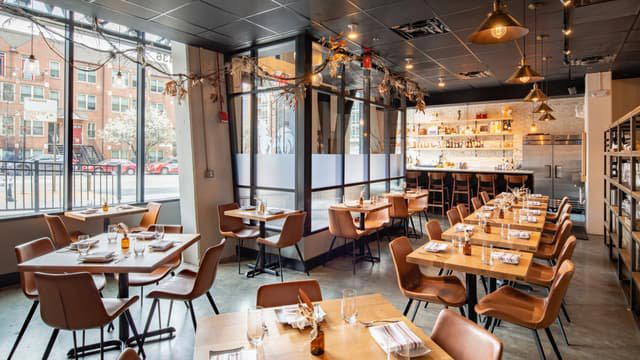
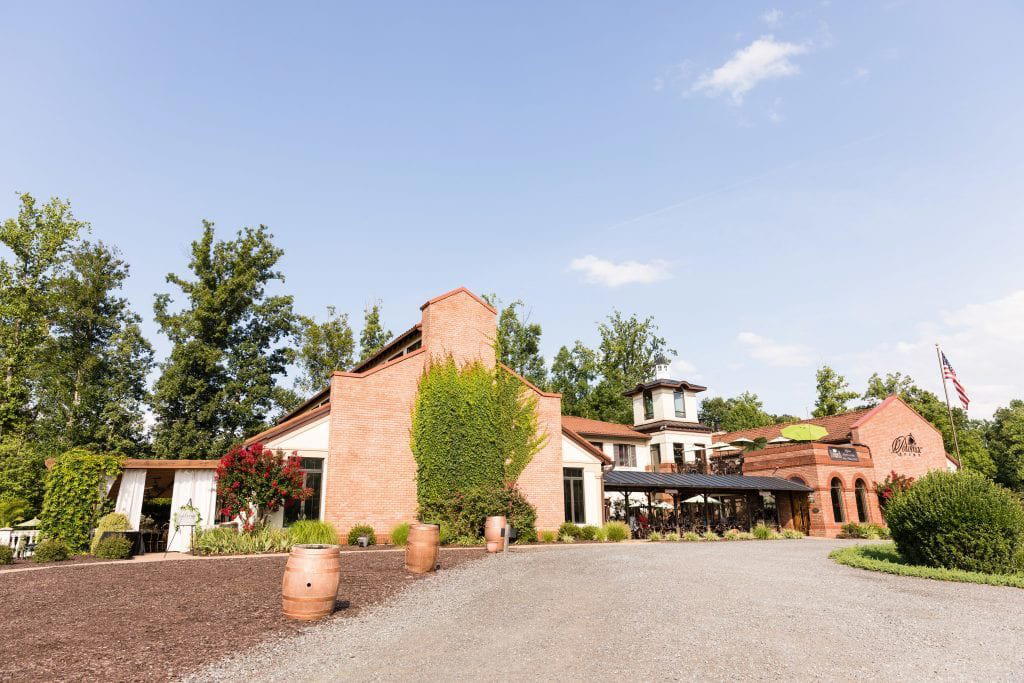
The approach from U Street gives you brick and signage before anything else, this part of the corridor has a consistent visual grammar of converted rowhouses and low-lit storefronts that signals a certain kind of night. Inside Brixton, the room reads British in ways that are specific rather than decorative: dark wood, a bar that invites standing as much as sitting, and a general atmosphere that suggests you could stay for two drinks or six without anyone making you feel the difference. The light is low enough to settle in, not so low that you're squinting at a menu.
British pub culture has always understood something that American bar design sometimes misses: that the physical environment does meaningful work in determining how people drink. A room that's comfortable to linger in produces longer, more considered visits. Brixton's layout operates on that logic, which is part of why the cocktail program lands differently here than it might in a sleeker, faster-turnover space.
The Cocktail Programme: British Reference, American Craft
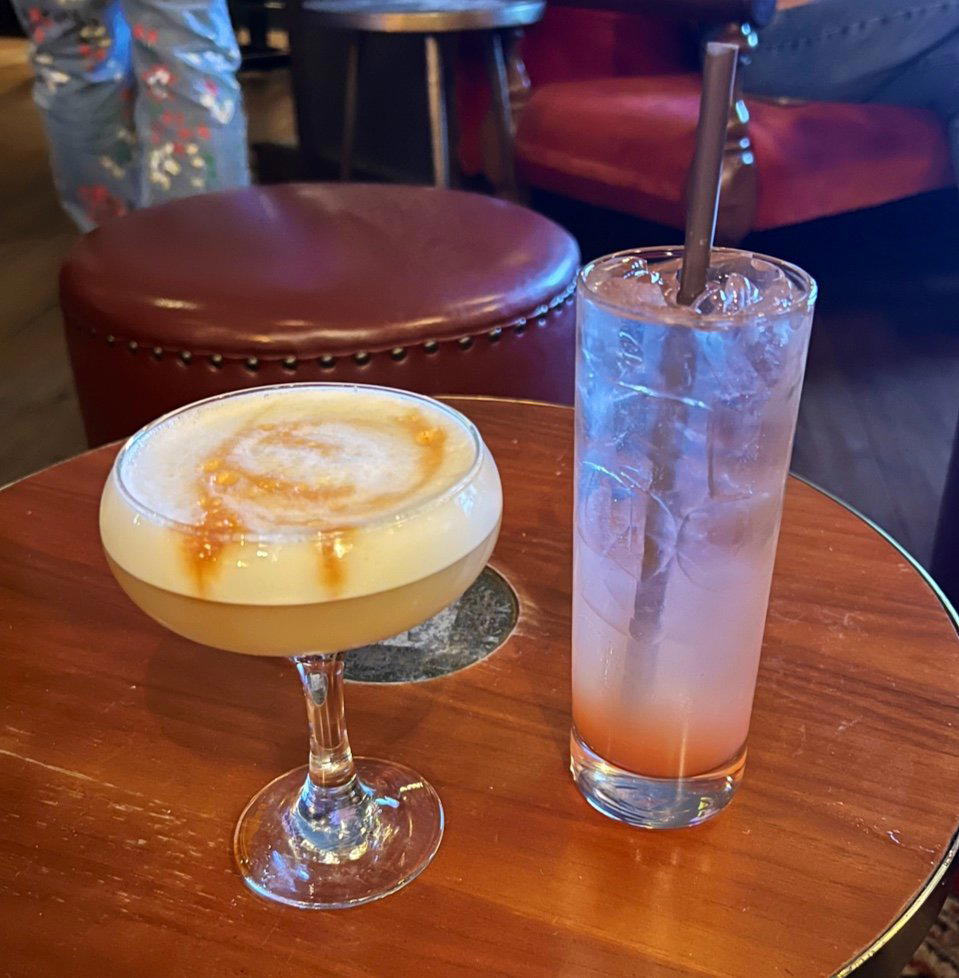
The creative frame at Brixton draws on British drinking tradition, classic gin structures, Scotch-adjacent builds, the kind of bittersweet profiles that run through European aperitivo culture, while executing against American craft bar standards. That means fresh citrus, considered ice, and a menu that changes with enough frequency to stay relevant without chasing trend for its own sake.
Gin is the natural anchor for a British-inflected program, and bars in this category tend to build their identity around how they handle the spirit: whether they lean into the botanicals, use tonic as a genuine component rather than a mixer, or push into more complex stirred formats. The approach here sits closer to the latter, this is a bar where gin appears in cocktails that reward attention rather than just refreshment.
For comparison, the American craft bar scene has produced a range of approaches to this kind of transatlantic reference. Kumiko in Chicago applies Japanese precision to Western spirits with similar cross-cultural fluency. Jewel of the South in New Orleans works from deep historical American tradition. Julep in Houston focuses the same kind of focused programme through a Southern lens. What these bars share, and what Brixton shares with them, is a commitment to a legible point of view that goes beyond menu variety.
The whisky list, predictably given the British reference point, skews toward Scotch, with enough depth to satisfy someone arriving specifically for single malts while not excluding the drinker who came for cocktails and got curious. That dual-register competence, a list that works for the cocktail order and the neat pour, is harder to execute than it looks, and it's part of what separates a bar with a genuine program from one that merely has a long menu.
D.C. Bars in Comparative Context
The D.C. cocktail scene has matured to the point where it sustains genuine specialisation. 12 Stories operates at a rooftop register that prioritises view and occasion. Service Bar built its identity around price accessibility without sacrificing quality. Silver Lyan and Allegory both carry serious technical credentials and sit in a higher formality tier. Brixton's position is different from all of them: it occupies the space where craft and casualness are in genuine balance, which is arguably the hardest register to sustain over time.
Comparable bars in other American cities work from similar premises. ABV in San Francisco has long held a similar position on the accessibility-quality axis. Bar Leather Apron in Honolulu demonstrates that serious cocktail thinking doesn't require a formal atmosphere to land. Superbueno in New York City does comparable work with a Latin-inflected programme. Internationally, The Parlour in Frankfurt operates from a similar design ethos of warmth over spectacle. The pattern across all of them is that the bars maintaining the most durable reputations are the ones that picked a coherent point of view and stayed in it.
When to Go and How to Plan
U Street operates on a weekly rhythm that rewards timing. Weekday evenings, particularly Tuesday through Thursday, give you the program without the volume, you can have a proper conversation with the bar team, which matters in a room built around that kind of interaction. Weekends, especially Friday nights, the bar reaches capacity early and holds it; arrive by 8pm if you want a seat at the bar itself rather than a table in the main room.
Spring and early summer bring a particular energy to U Street's outdoor corridor, and bars along this stretch see meaningful foot traffic from the surrounding neighbourhood; Brixton's position at 901 U St NW puts it well within the main pedestrian flow. Autumn evenings shift the atmosphere back toward the interior, which is where the room works well anyway, the pub logic holds strongest when the weather gives you a reason to stay put.
There is no published reservation system for most visits; Brixton operates as a walk-in bar in line with the neighbourhood's general approach. The website, if active, carries current hours; the safest approach for a planned visit is to check before arriving on a Sunday or Monday, when hours in this corridor can vary.
Comparable Options
| Venue | Cuisine | Price | Awards |
|---|---|---|---|
| BrixtonThis venue (the venue you are viewing) | This venue | Not listed | Not listed |
| Allegory | Not listed | $30–50 | World's 50 Best #57 · Pinnacle Guide 2 Pins |
| Service Bar | Not listed | $30–50 | World's 50 Best #39 · James Beard Award Semi Finalist |
| Barmini | Not listed | $50–100 | Not listed |
| Eebee’s Corner Bar | American (burgers, bar food) | $20–30 | Not listed |
Continue exploring
More in Washington DC
Bars in Washington DC
All bars in Washington DC →
Restaurants in Washington DC
All restaurants in Washington DC →
Details
- Lively
- Trendy
- Energetic
- After Work
- Late Night
- Group Outing
- Casual Hangout
- Rooftop
- Lounge Seating
- Booth Seating
- Craft Beer
- Street Scene
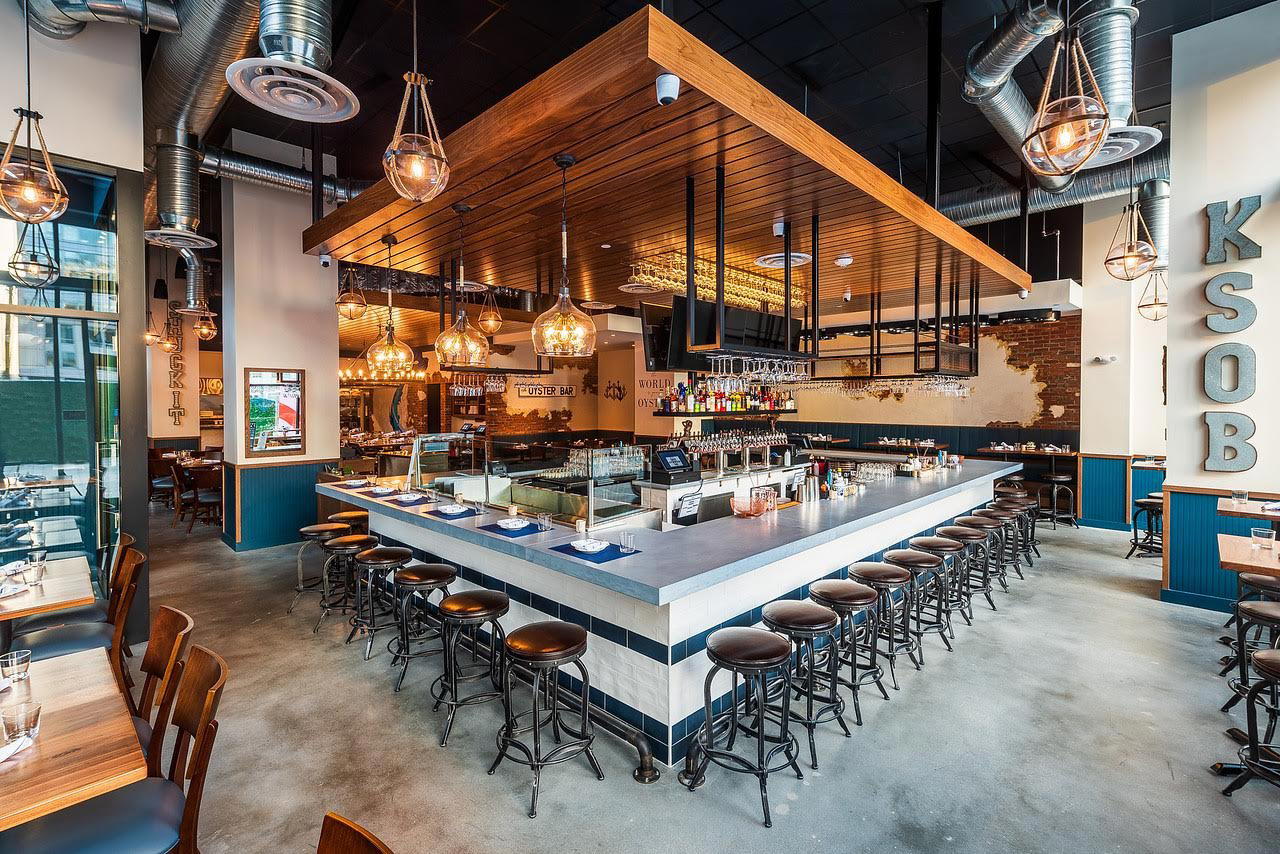
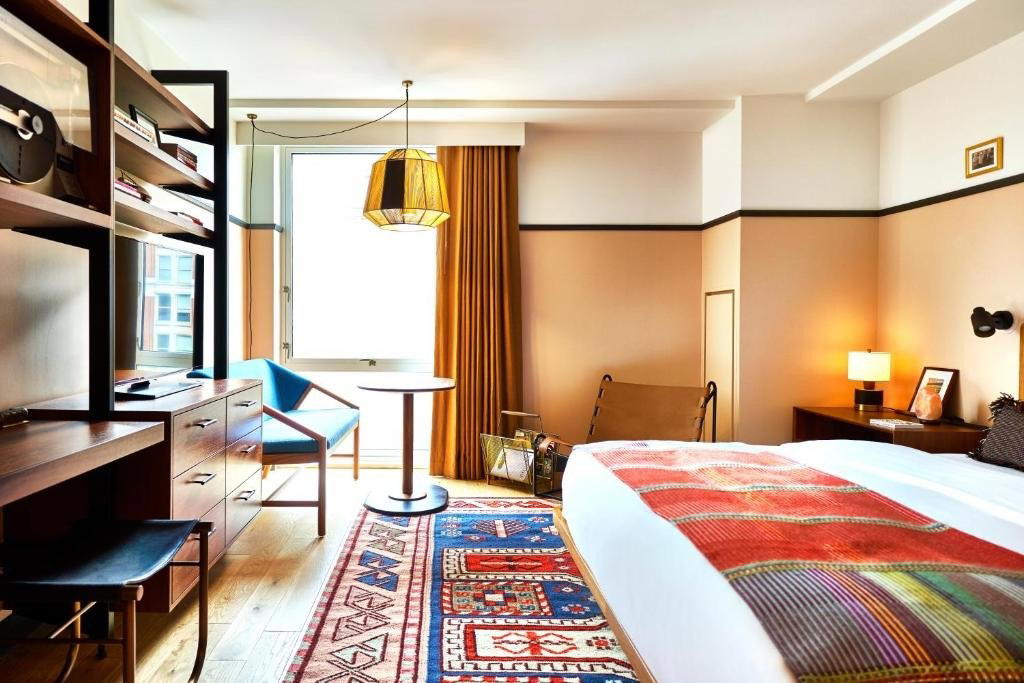
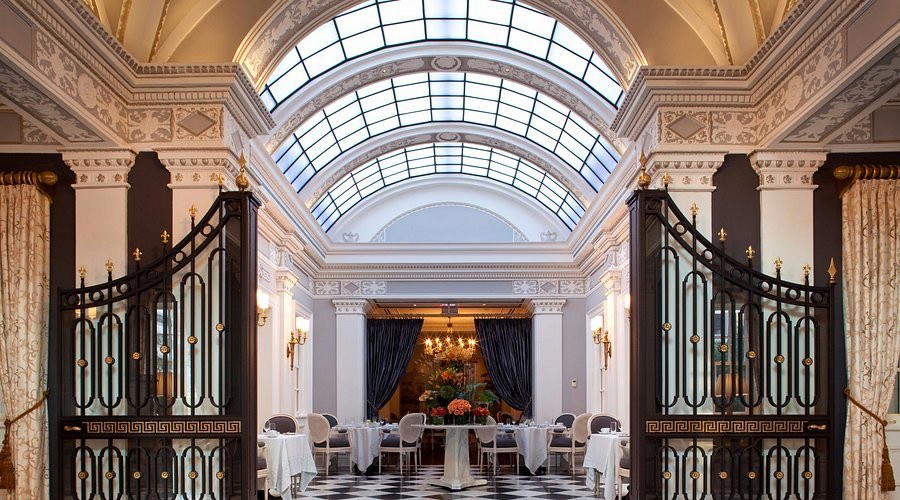
Charming interior with leather stools, wood paneling, brick walls, and antler lighting, transitioning to a busy open-air rooftop deck.