Broders' Pasta Bar
Broders' Pasta Bar on Penn Avenue South has anchored the southwest Minneapolis dining scene for years, drawing a loyal neighbourhood crowd to its straightforward Italian-American format. The kitchen focuses on housemade pasta in a room that reads more corner trattoria than white-tablecloth Italian, with a wine and spirits program that consistently punches beyond what the address might suggest.

Pearl is the En Primeur Club membership app — saves, bookings, and concierge access live there. Same editors, same standards.
- Address
- 5000 Penn Ave S, Minneapolis, MN 55419
- Phone
- (612) 925-9202
- Hours
- Mon–Thu 11 AM–9 PMFri–Sat 11 AM–9:30 PMSun 11 AM–9 PM
- Website
- broderspastabar.com
- Directions
- Get directions
- Booking
- Book on Resy
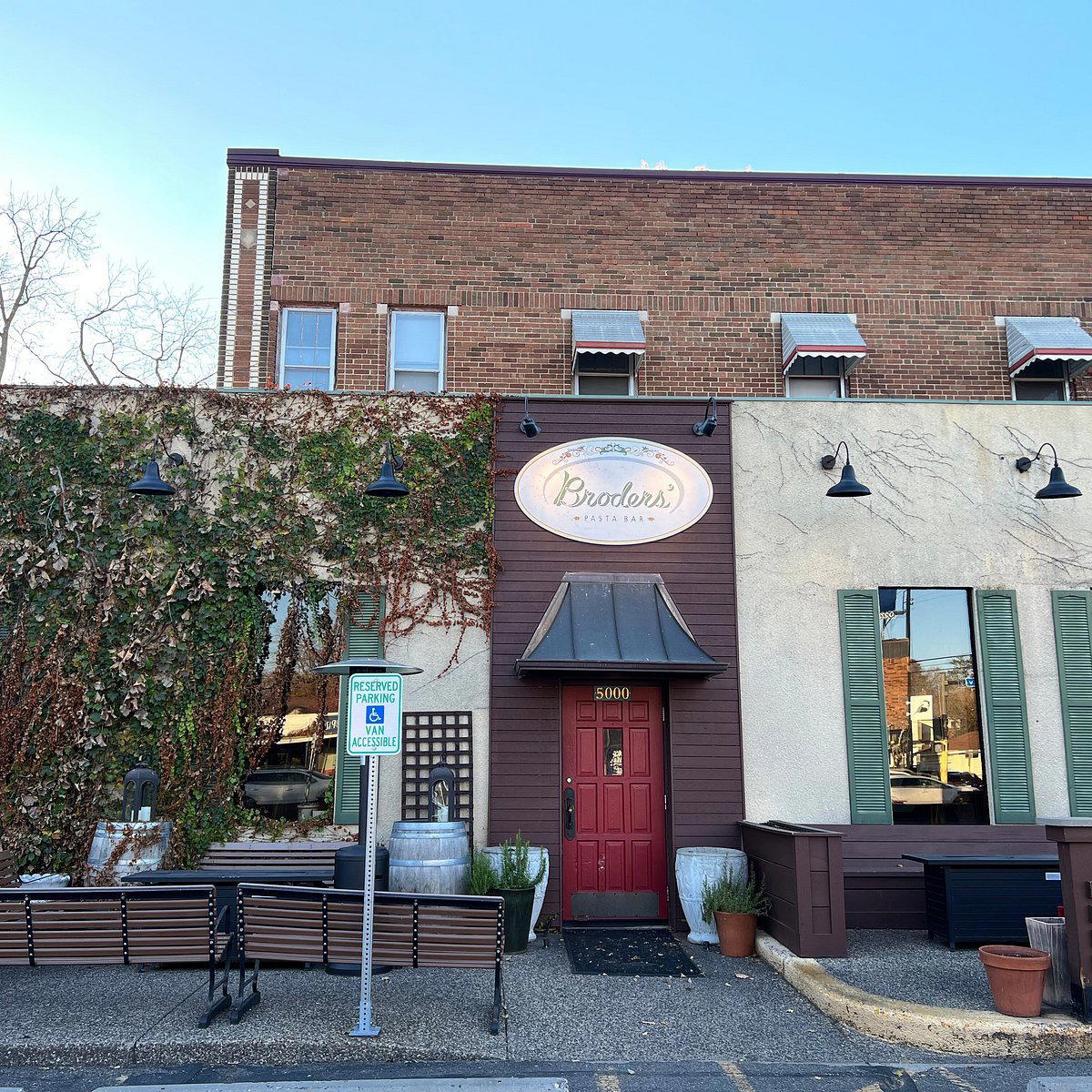
Penn Avenue's Pasta Anchor
Southwest Minneapolis has never been short of neighbourhood restaurants, but the stretch of Penn Avenue South around 50th Street operates at a slightly different register than the more transient dining corridors closer to downtown. The block has accumulated a density of independent operators over the years, and Broders' Pasta Bar at 5000 Penn Ave S sits near the centre of that gravitational pull. The physical approach tells you something before you're inside: the building reads residential scale, the signage is understated, and the foot traffic on a weekend evening signals something closer to a local institution than a destination import. That kind of street-level credibility takes time to build in a city like Minneapolis, where dining loyalties are neighbourhood-specific and earned slowly.
The Room and What It Tells You
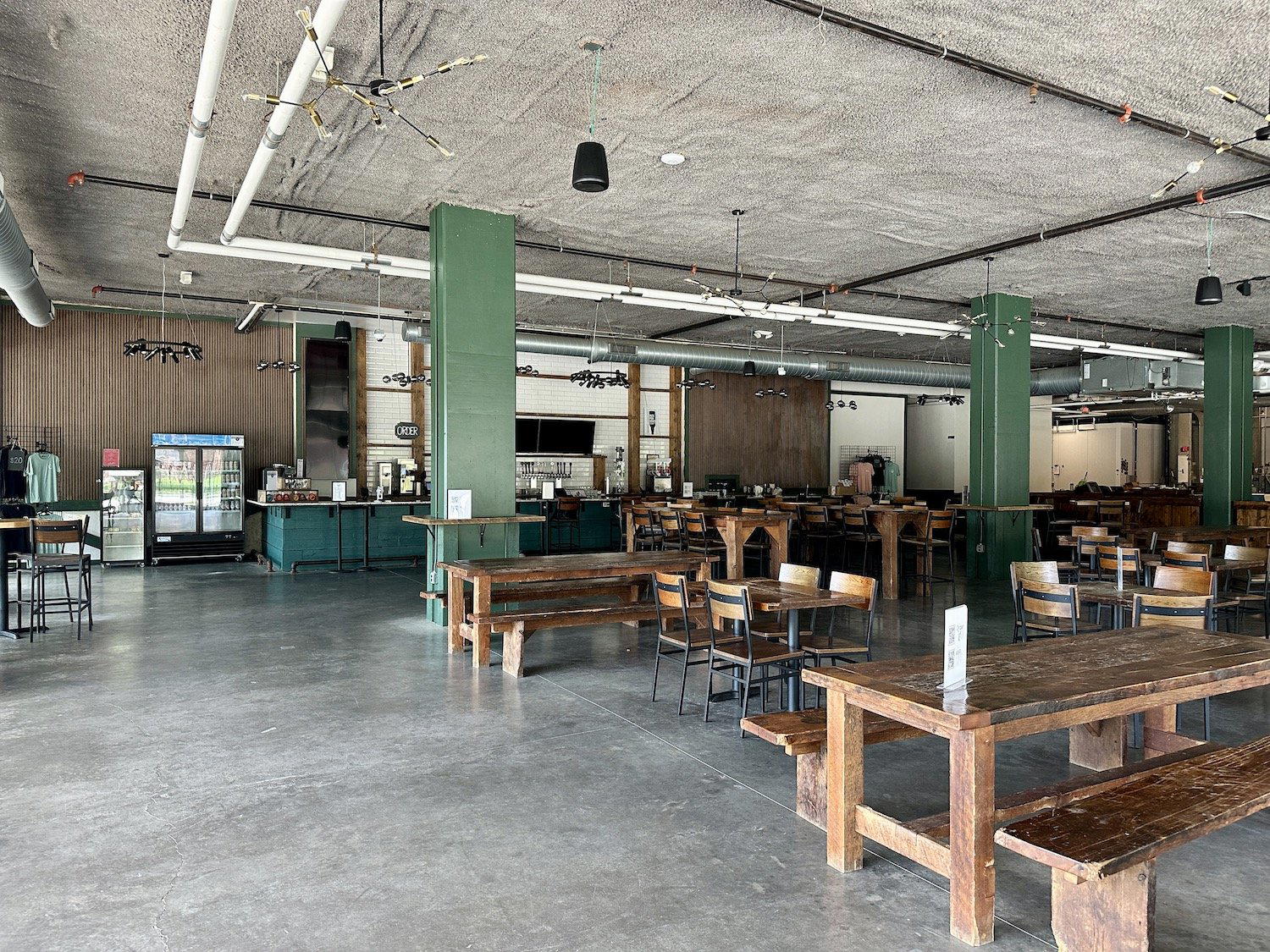
Italian-American restaurants in the Midwest tend to split into two camps: the red-sauce parlours leaning on nostalgia, and the more recent wave of pasta-forward rooms borrowing from the contemporary Italian model that has reshaped cities like Chicago and New York over the past decade. Broders' occupies a middle position that has less to do with trend-chasing and more to do with a particular kind of neighbourhood confidence. The format is compact and direct. You are here to eat pasta and drink something good alongside it. The room communicates that without ambiguity. For comparison, venues like 112 Eatery in Minneapolis have built similar reputations through format clarity and consistency rather than spectacle, and that pattern repeats across the city's most durable independent operators.
The Spirits Program: Depth Behind the Counter
The editorial angle that separates Broders' from a direct pasta house is what happens behind the bar. Italian restaurants in the American Midwest have historically treated spirits as an afterthought, a cursory amaro here, a house Negroni there. The back bar at Broders' operates on a different premise. Aperitivo culture has been expanding across American dining rooms for several years, but the venues doing it seriously tend to concentrate in coastal cities. The handful of Midwest operators who have built genuine depth in Italian spirits, aged grappas, single-vineyard amari, and the broader category of digestivo and bitters-driven pours, represent a smaller and more interesting cohort.
A well-curated Italian spirits collection at a neighbourhood pasta restaurant does something that a dedicated cocktail bar cannot: it contextualises the spirits within the food. A pour of Fernet-Branca or a lesser-seen Cynar variant reads differently when it follows a plate of housemade tajarin than it does in isolation at a cocktail counter. This pairing logic is part of what drives interest in spirits-forward Italian dining rooms, and it is increasingly what separates the serious operations from those treating the back bar as decoration. For reference points outside Minneapolis, venues like Kumiko in Chicago have demonstrated how deep commitment to a spirits philosophy can define a room's identity entirely. Closer to home, the Minneapolis bar scene has been moving in a more technically ambitious direction across multiple formats, as operators at places like Able Seedhouse + Brewery and All Saints Restaurant demonstrate different approaches to the same underlying question of what a drinking program should accomplish.
The broader national conversation about spirits curation at food-forward restaurants has been most visible at venues like Bar Leather Apron in Honolulu, Jewel of the South in New Orleans, Julep in Houston, Superbueno in New York City, and ABV in San Francisco. What these rooms share is a commitment to bottle selection as editorial act, not inventory exercise. The question for any spirits program is whether the curation reflects genuine knowledge or merely assembles recognisable labels. At the level Broders' operates, the distinction matters. European comparisons exist too: The Parlour in Frankfurt shows how a compact back bar with genuine depth can anchor a room's identity across an entirely different dining culture.
Pasta as Primary Language
The food program at a pasta-focused house lives or dies on whether the housemade pasta is actually made in-house with the kind of discipline the category demands, and whether the sauces show restraint or reach for cream and volume as shortcuts. The Italian-American tradition has produced some of the most beloved and most debased cooking in the United States simultaneously. The better operators understand that the discipline is in the simplicity: a well-made tagliatelle with a long-cooked ragu requires nothing added, and anything beyond that is covering weakness. Minneapolis diners have grown more literate about this distinction over the past decade, partly because the broader American pasta revival has raised the baseline expectation. A room like Broders' that has been making pasta for a neighbourhood audience over an extended period carries a different kind of accountability than a newer entry: the regulars know what the dishes are supposed to taste like, and consistency is the only standard that matters at that level.
Price positioning of a neighbourhood pasta bar in southwest Minneapolis places it in a specific tier of the city's dining ecosystem, below the downtown destination restaurants and above the fast-casual category, in the range where a full dinner with wine or cocktails is a considered but not extravagant spend. This is the tier where Minneapolis has the most competition and also the most interesting independent operators. Venues like 5-8 Club occupy the more casual end of that same neighbourhood-institution bracket, demonstrating how diverse the formats are within the same price and loyalty tier.
Planning Your Visit
Broders' Pasta Bar sits at 5000 Penn Ave S in the Fulton neighbourhood of southwest Minneapolis, walkable from the 50th and France area and accessible by car with street parking typical of the residential blocks. The restaurant draws consistent neighbourhood traffic and reservations are advisable for weekend evenings, when the compact room fills early. The format rewards arriving with time to work through the drinks program rather than treating it as a pre- or post-dinner stop. For a broader view of where Broders' fits within the Minneapolis dining scene and what else the city offers across price points and cuisines, see our full Minneapolis restaurants guide.
Cost and Credentials
| Venue | Price | Awards |
|---|---|---|
| Broders' Pasta BarThis venue — the venue you are viewing | $30–50 | Not listed |
| Meteor | $20–30 | Pinnacle Guide 1 Pin |
| Francis Burger Joint | $10–20 | Not listed |
| First Avenue | $20–30 | Not listed |
Continue exploring
More in Minneapolis
Bars in Minneapolis
Browse all →

Restaurants in Minneapolis
Browse all →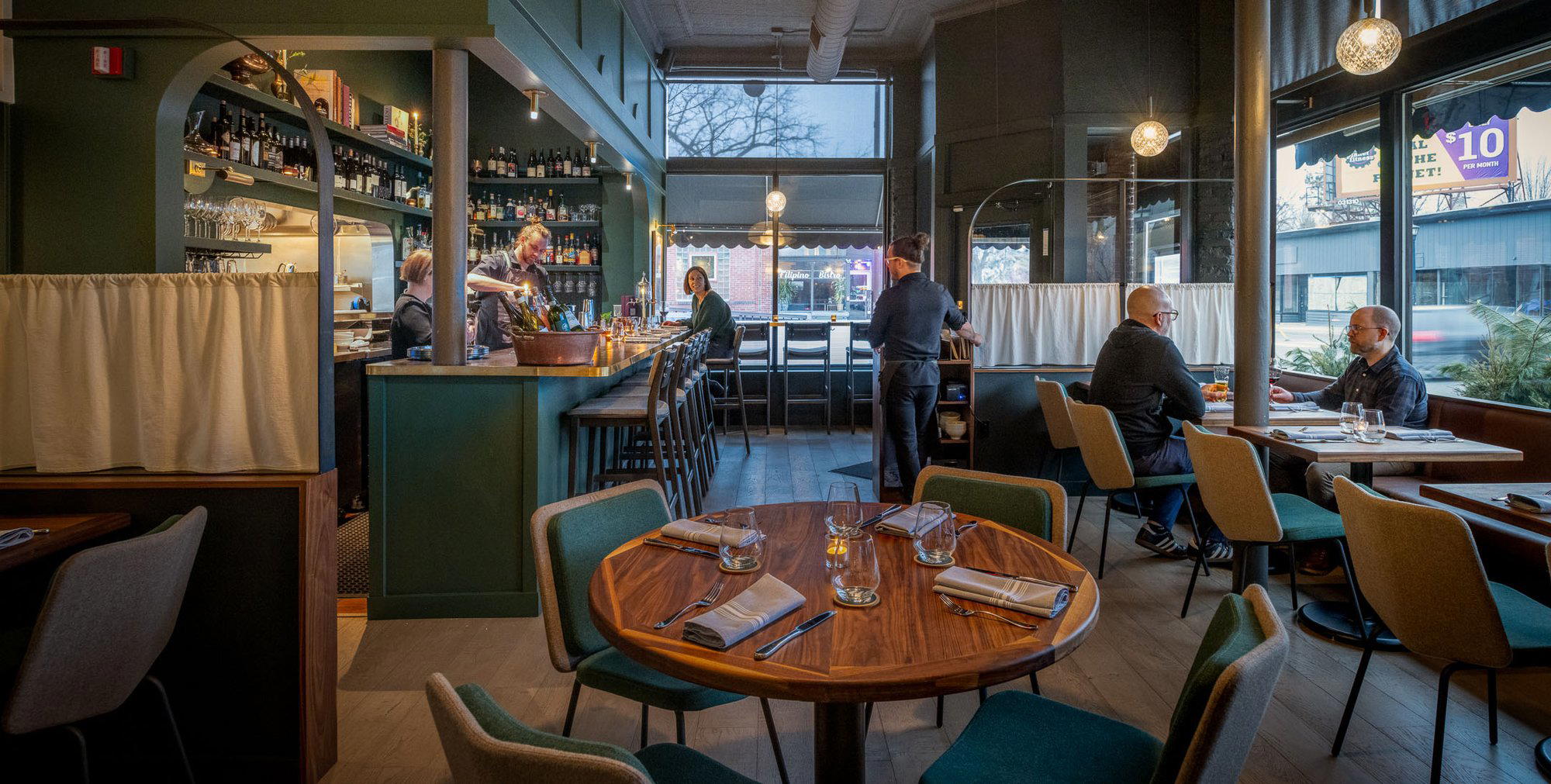

Details
- Cozy
- Classic
- Intimate
- Lively
- Casual Hangout
- Date Night
- Group Outing
- Standalone
- Historic Building
- Seated Bar
- Booth Seating
- Conventional Wine
Current opening hours
- Monday
- 11 AM–9 PM
- Tuesday
- 11 AM–9 PM
- Wednesday
- 11 AM–9 PM
- Thursday
- 11 AM–9 PM
- Friday
- 11 AM–9:30 PM
- Saturday
- 11 AM–9:30 PM
- Sunday
- 11 AM–9 PM
Hours can change for holidays and private events. Last verified .
Old-world charm with intimate, lively dining space featuring classic Italian decor and a neighborhood feel.