Meteor

Pinnacle Guide 1 Pin
Operating out of a North Minneapolis address with over 120 years of bar history behind it, Meteor is a neighborhood anchor built on the straightforward proposition that great drinks and genuine hospitality belong together. The bar carries its community commitments seriously, functioning less as a destination concept and more as a place that earns its regulars over time. For visitors tracking Minneapolis's bar scene beyond the downtown corridor, it represents the North Side's lived-in drinking culture.

Pearl is the En Primeur Club membership app, where members save venues, book tables and use the concierge.
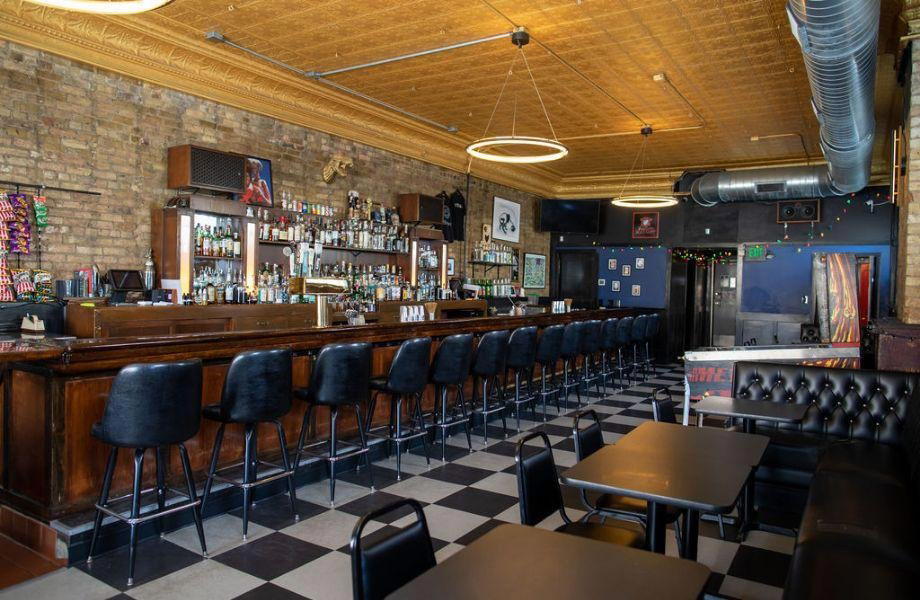
A Room That Remembers
There is a particular quality to bars that have occupied the same corner for more than a century: the room accumulates meaning in ways that no amount of deliberate interior design can replicate. The address at 2027 N 2nd St in North Minneapolis has served drinks for over 120 years, and Meteor, operating within that history, does not try to paper over it. The bones of the space carry the weight of a neighborhood that has cycled through economic shifts, demographic changes, and the particular pressures that fall on North Side Minneapolis with more frequency than most of the city. Walking in, that continuity is audible in the low register of conversation and visible in the way the room holds its regulars without ceremony.
Minneapolis's bar culture tends to be discussed in terms of its downtown density and its Northeast corridor, where craft brewing operations like Able Seedhouse + Brewery have drawn considerable attention, or in terms of restaurant-bar hybrids like 112 Eatery and All Saints Restaurant. The North Side operates differently. Its drinking culture is older, less mediated by trend cycles, and more directly tied to the neighborhood's own social fabric. Meteor sits inside that tradition rather than at a remove from it.
What 120 Years of Hospitality Actually Means
The bar industry talks about hospitality constantly, often as a shorthand for service polish or the choreography of a tasting menu. At the community-anchor end of the spectrum, hospitality means something more granular: showing up consistently, knowing your regulars, and functioning as a reliable gathering point when the surrounding neighborhood needs one. Meteor's recognition centers on exactly that register, cited for its heartfelt commitment to its community alongside a program of great drinks.
That framing places Meteor in a specific category of American bar that cities like New Orleans and Houston have long preserved but that is increasingly scarce in markets reshaped by real estate pressure and concept-driven openings. Bars like Jewel of the South in New Orleans or Julep in Houston operate from a deep sense of local character, though in more formally program-driven formats. Meteor's version is less curated and more earned, rooted in a century-plus of the same address serving the same neighborhood.
For context on how this compares to bars operating at the technical or accolade-driven end of the American craft cocktail scene, consider venues like Kumiko in Chicago, Bar Leather Apron in Honolulu, or ABV in San Francisco. Those operations position around rigorous technical programs and format discipline. Meteor's competitive set is different: the peer group is neighborhood bars that have sustained genuine community relationships across decades, not award cycles.
The North Side as Context
North Minneapolis is not a neighborhood that appears often in travel editorial, and that gap in coverage has less to do with what the area offers than with how travel media tends to map cities along predictable axes. The North Side has its own food and drink anchors, its own rhythm, and its own relationship to Minneapolis's broader identity. Meteor operates within that ecosystem, and understanding the bar means understanding its address as an asset rather than a footnote.
The city's better-documented options, from the 5-8 Club to the cluster of options around First Avenue's entertainment corridor, serve different functions for different segments of the city's population. North Minneapolis has historically had fewer of the concept-driven venues that attract outside visitors, which means the bars that have persisted there carry more of the neighborhood's social weight. A bar that has been operating in that role for over 120 years is carrying real institutional history, not a branding strategy.
Internationally, the model of the long-running neighborhood bar that anchors a community without aspiring to destination status is well understood, whether at a traditional pub in a working-class British district or at a local bar in a European city that resists gentrification pressure. The Parlour in Frankfurt and Superbueno in New York City each operate with strong local identities, though in more design-conscious formats. Meteor's version is less constructed and more accidental in the leading sense: a bar that survived long enough to become genuinely irreplaceable to its neighborhood.
Atmosphere and Approach
The sensory experience at a bar with this kind of history is not one that arrives through studied details. It is cumulative. The sound level in a room like Meteor's is calibrated by years of the same conversations rather than by acoustic design. The lighting reads as it does because the room was built before mood lighting was a concept anyone had to think about. There is a flatness to spaces like this that reads, depending on the visitor, as comfort or austerity, but which is in practice just the absence of deliberate theater.
What the bar offers instead of atmosphere as performance is atmosphere as fact. The room is what it is because of what it has been, and that is a more durable proposition than any concept refresh. For visitors who have spent time at program-driven bars across the country, a room that operates without that framework can feel either disorienting or clarifying. At Meteor, the intent is clearly the latter.
Planning Your Visit
Meteor sits at 2027 N 2nd St, Suite 2202, in the North Side of Minneapolis, away from the neighborhoods most visitors default to when building a Minneapolis itinerary. For those putting together a broader picture of what the city's drinking culture actually looks like across its geography, incorporating the North Side into a day or evening is useful, and Meteor is a logical anchor for that. Minneapolis winters are significant, and the North Side's street-level experience shifts considerably between seasons; a summer or early autumn visit aligns with the most accessible conditions for exploring the area on foot. For the fuller picture of where Meteor sits within Minneapolis's broader eating and drinking scene, the EP Club Minneapolis guide provides the wider editorial context.
- Daiquiri
- Martini
- Old Fashioned
- Negroni
- Tom Collins
- Gimlet
- Boilermaker
Similar Picks
Comparable venues nearby, for context on price, style, and recognition.
| Venue | Cuisine | Price | Awards | Notes |
|---|---|---|---|---|
| MeteorThis venue (the venue you are viewing) | cocktail_bar | $20–30 | Pinnacle Guide 1 Pin | Not listed |
| Celio | cocktail_bar | Not listed | Not listed | Nicollet Island - East Bank |
| Sushi Takatsu | Bar | $10–20 | Not listed | WeDo |
| Psycho Suzi's Motor Lounge and Tiki Garden | tiki_bar | Not listed | Not listed | Northeast Minneapolis Arts District |
| Parlour | cocktail_bar | $20–30 | Not listed | North Loop |
| Spitz - Minneapolis | pub | $20–30 | Not listed | Marcy-Holmes |
Recognition history
Dated appearances from independent guides and award organizations, with the underlying list record or original source where available.
Pinnacle Guide 1 Pin
Pinnacle Guide
Meteor
Featured Guides
Continue exploring
More in Minneapolis
Bars in Minneapolis
All bars in Minneapolis →
Restaurants in Minneapolis
All restaurants in Minneapolis →
Meteor
The drinks
- Craft cocktails
- Classic cocktails
- Zero-proof drinks
- Tequila
Signature drinks: Daiquiri, Martini, Old Fashioned, Negroni, Tom Collins, Gimlet.
Details
- Casual
- Rustic
- Well Known
- Intimate
- After Work
- Casual Hangout
- Group Outing
- Historic Building
- Standalone
- Live Music
- Seated Bar
- Booth Seating
- Craft Cocktails
- Classic Cocktails
- Low Abv
- Zero Proof
- Tequila
- Street Scene
Current opening hours
- Monday
- 4 PM–12 AM
- Tuesday
- Closed
- Wednesday
- 4 PM–2 AM
- Thursday
- 4 PM–2 AM
- Friday
- 4 PM–2 AM
- Saturday
- 12 PM–2 AM
- Sunday
- 12 PM–12 AM
Hours can change for holidays and private events. Last verified .
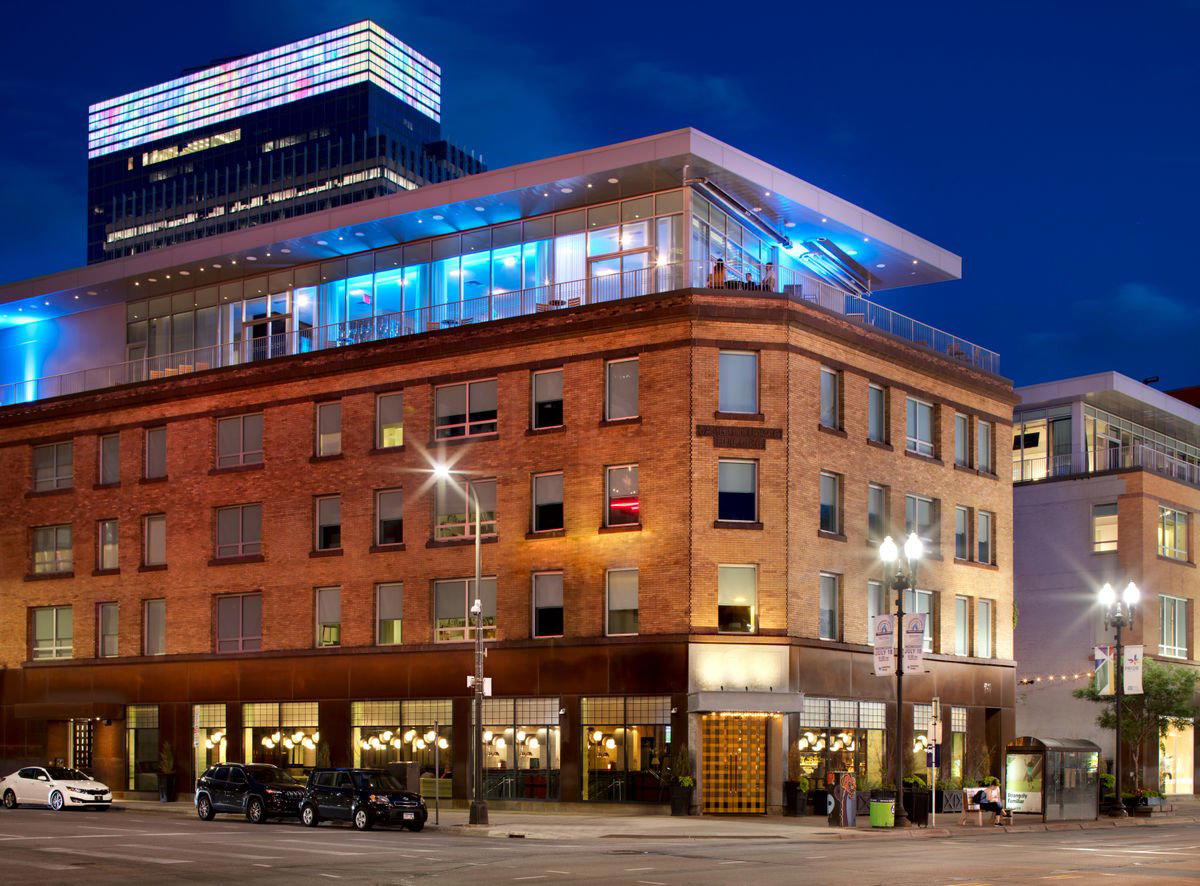
Grungy, unpretentious dive bar aesthetic with preserved brick walls, black and white checkered tiles, vintage speakers, and hand-made wallpaper featuring old show flyers and rock bands.