White Rose Estate
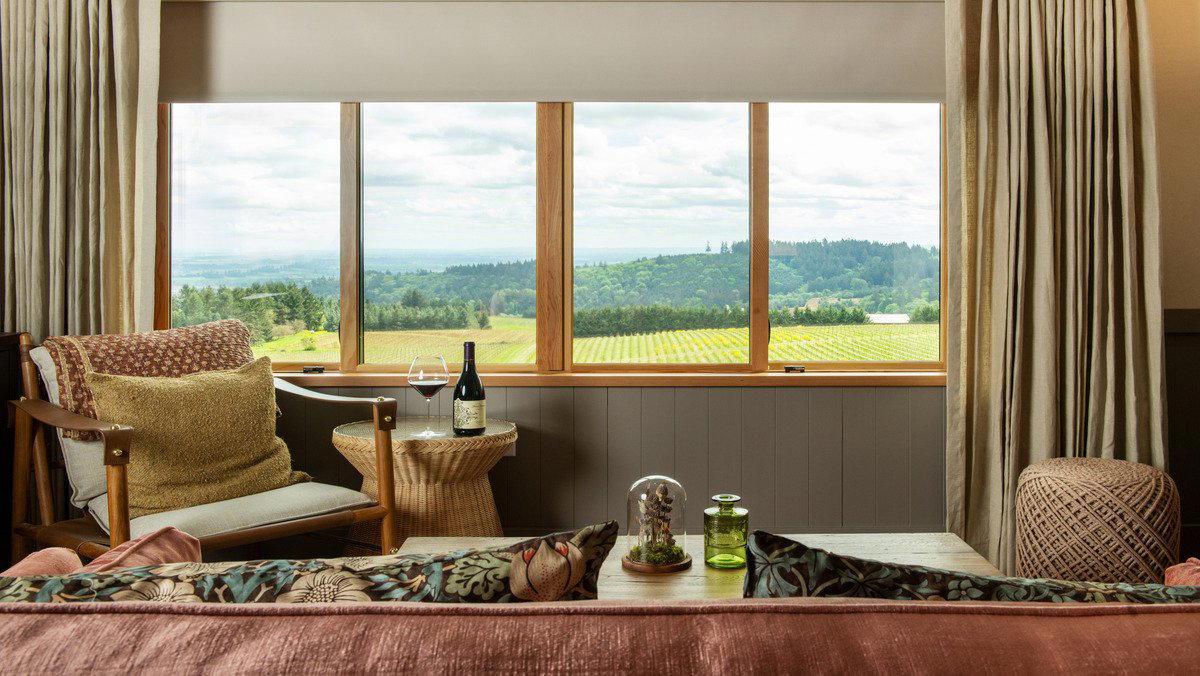
The property draws visitors as much for its physical sense of place as for what ends up in the glass.

Pearl is the En Primeur Club membership app — saves, bookings, and concierge access live there. Same editors, same standards.
- Address
- 6250 NE Hilltop Ln, Dayton, OR 97114
- Phone
- (503) 864-2328
- Website
- whiteroseestate.com
- Directions
- Get directions
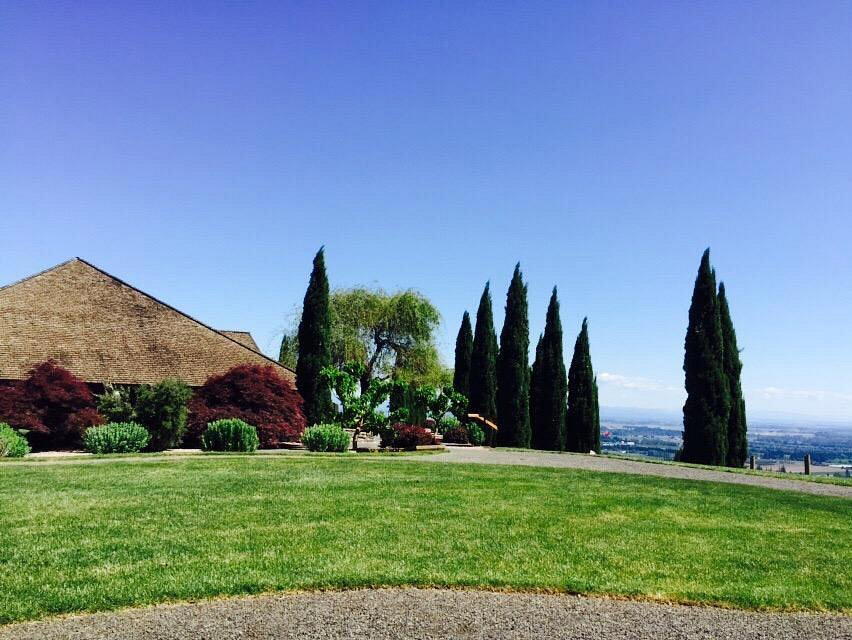
Hilltop Position, Valley Floor Context
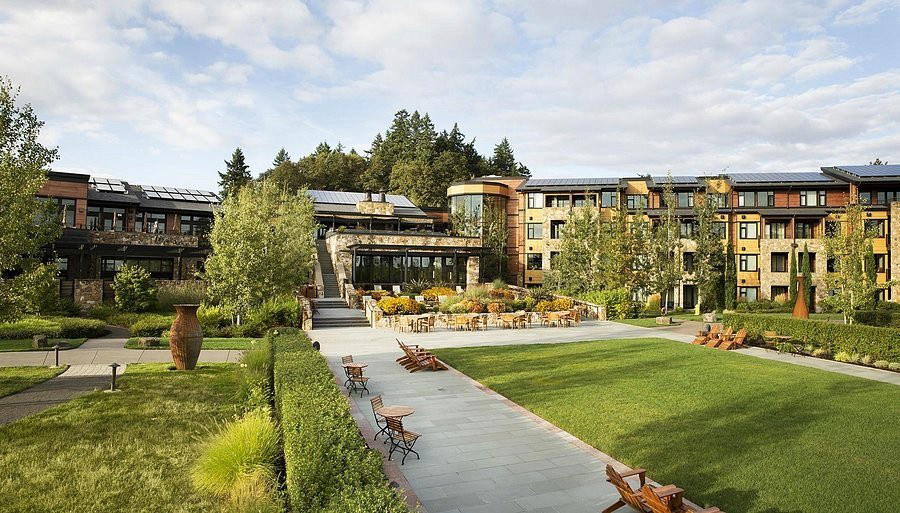
The approach to White Rose Estate along NE Hilltop Lane sets expectations before a single bottle is opened. Arriving at the estate, the refined vantage point offers a panoramic orientation to this geography: ridge lines, fog-prone lowlands, the patchwork of vine blocks at various aspects and altitudes. The physical setting is not incidental. In the Willamette Valley, terroir arguments begin with the land you can see.
This is also a region where proximity to neighbours carries meaning. Domaine Drouhin, and Adelsheim Vineyard in Newberg establishing early credibility for the appellation.
The broader American premium wine scene has seen a sharpening split between high-production appellations and smaller, more identity-specific estates. In the Willamette, that split often maps onto geography: producers at elevation, with defined aspect and drainage, working with Pinot Noir and Chardonnay in a climate that requires patience and precision. The reference points for this approach are European, and the valley's ongoing comparison to Burgundy is not merely promotional positioning. Producers such as Domaine Drouhin, with direct French lineage, have anchored that comparison in something verifiable. White Rose Estate operates in that same tradition, where the land's particular character is the primary argument the wine makes.
For context beyond the Pacific Northwest, the same philosophy of place-driven viticulture appears at producers like Accendo Cellars in St. Helena and Adelaida Vineyards in Paso Robles, though the climatic and varietal arguments differ substantially. What connects them is a resistance to generic appellation blending in favour of specific site expression.
Vineyard and Landscape: Reading the Land
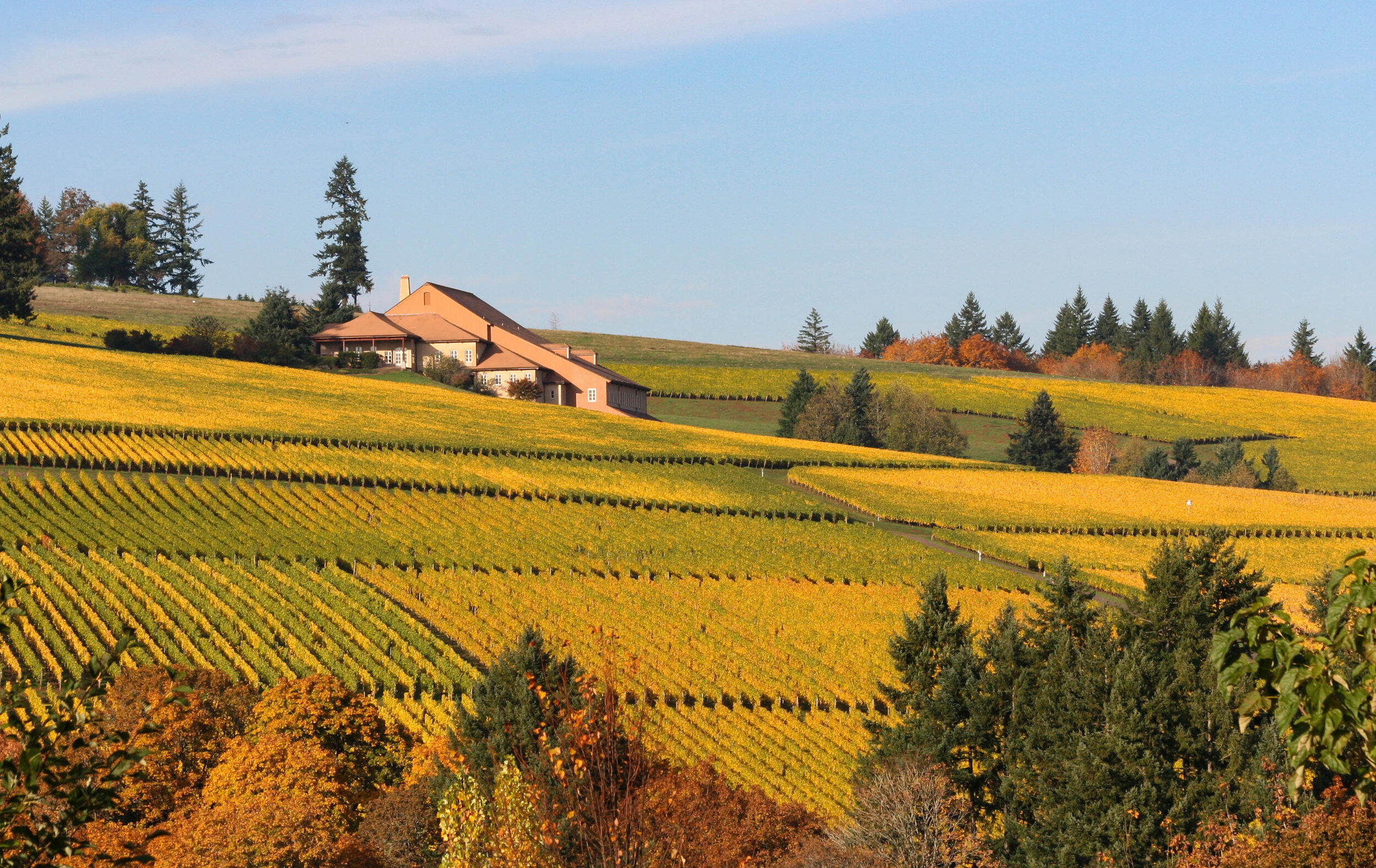
The Willamette Valley's topography does more work than most American wine regions allow. Volcanic Jory soils in the Dundee Hills retain heat and drain efficiently; marine sedimentary soils at lower elevations behave differently, producing wines with distinct textural and structural profiles.
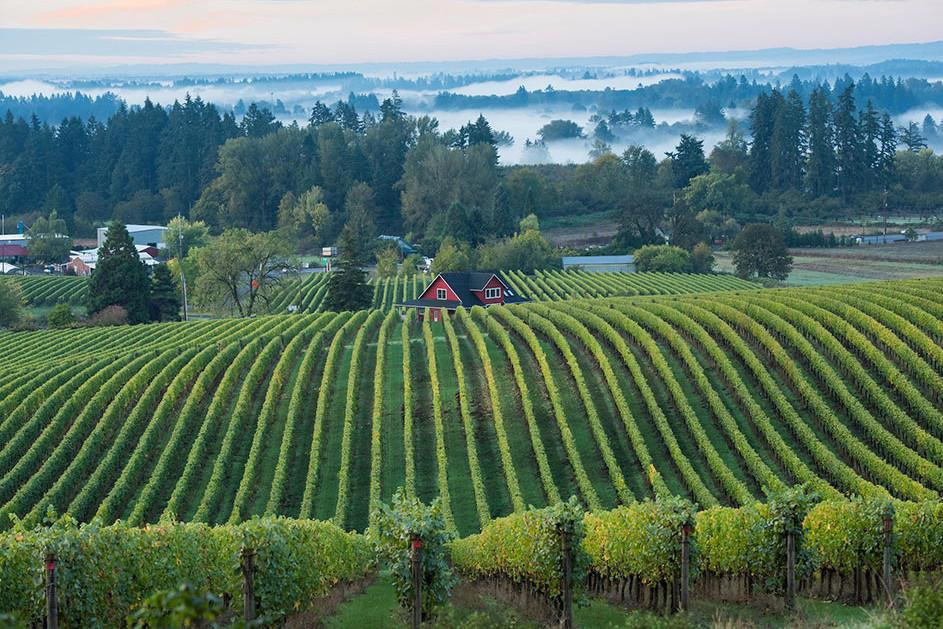
Visitors who approach the estate with this geography in mind will find the landscape legible in a way that is unusual for American wine country. The vine blocks visible from the property are not decorative. They record aspect, elevation, and soil transitions that correspond directly to what ends up in the glass. This is the kind of setting where standing at the property boundary and looking outward teaches something about the wine before tasting it — a function of landscape that only a handful of American estates can genuinely claim.
The neighbouring estates reinforce the educational density of the area. Alexander Valley Vineyards in Geyserville, Alpha Omega Winery in Rutherford, or Andrew Murray Vineyards in Los Olivos to understand how differently American wine regions have developed their premium identities. For those with an interest in international production philosophy, Alban Vineyards in Arroyo Grande, Aberlour in Aberlour, and Achaia Clauss in Patras offer contrasting models of place-rooted production across different categories entirely.
The Short List
Comparable venues nearby, for context on price, style, and recognition.
| Venue | Cuisine | Price | Awards |
|---|---|---|---|
| White Rose EstateThis venue — the venue you are viewing | Dundee Hills, Pinot Noir, Chardonnay | $20–30 | Not listed |
| Stoller Family Estate | Dundee Hills, Pinot Noir, Chardonnay | $20–30 | Not listed |
| Domaine Drouhin | Dundee Hills, Pinot Noir, Chardonnay | $30–50 | Falstaff Winery - Listed |
| Archery Summit | Dundee Hills, Pinot Noir, Chardonnay | $30–50 | Not listed |
| Domaine Serene Winery | Dundee Hills, Pinot Noir, Chardonnay | $50–100 | Falstaff Winery - Listed |
| Sokol Blosser Winery | Dundee Hills, Pinot Noir, Pinot Gris | $20–30 | Not listed |
Continue exploring
More in Dayton
Wineries in Dayton
Browse all →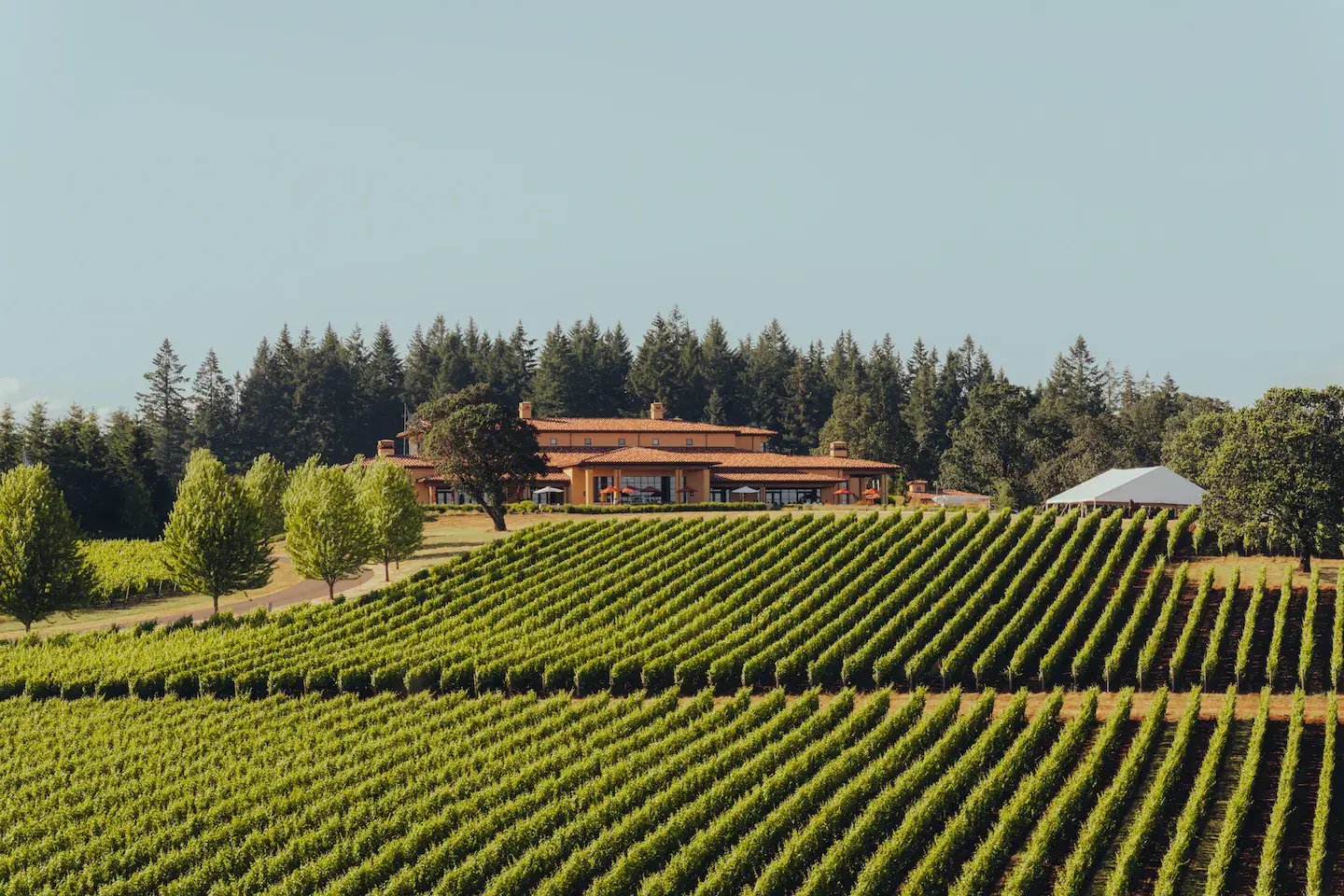
Bars in Dayton
Browse all →
Restaurants in Dayton
Browse all →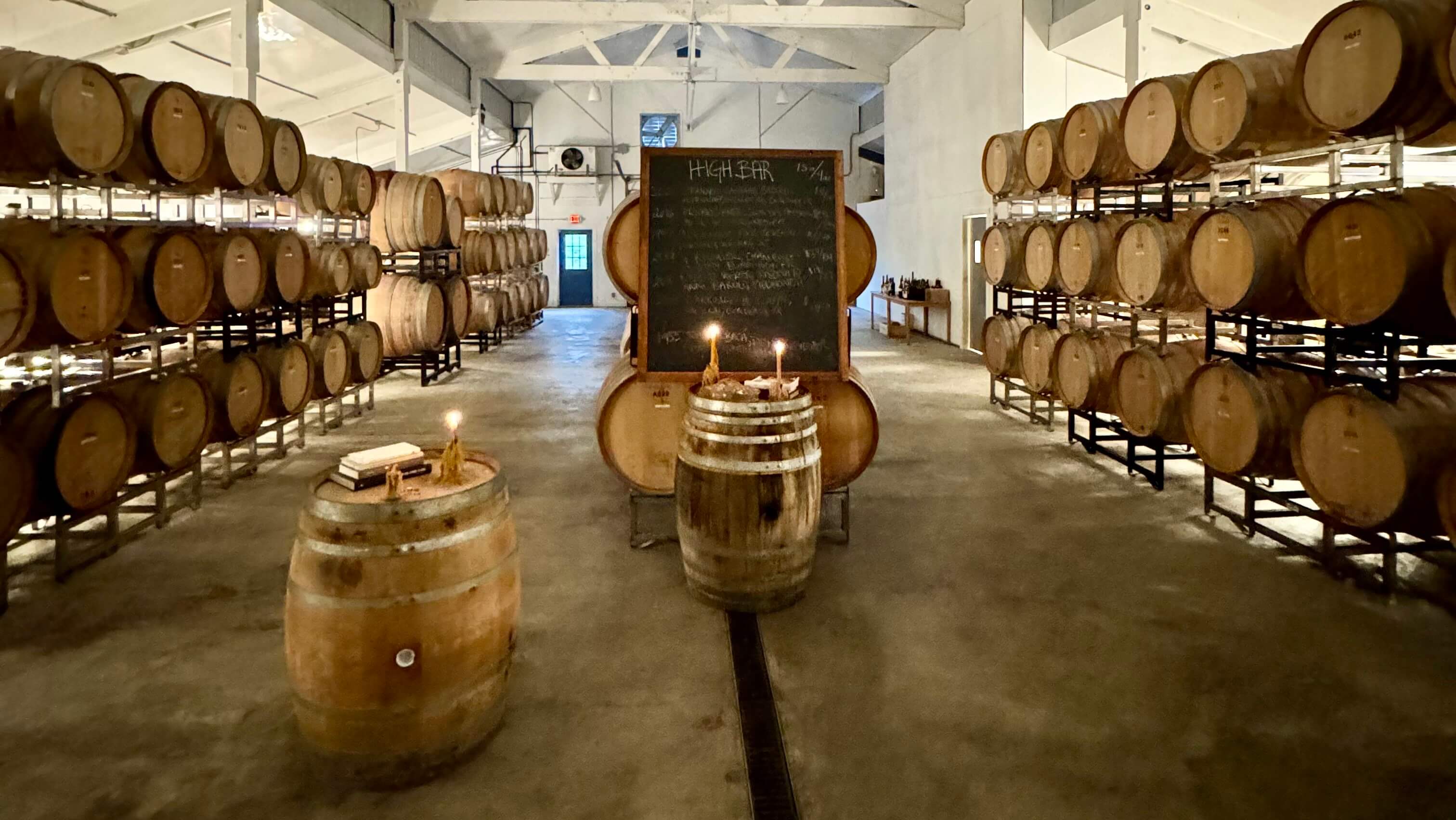

Details
- Romantic
- Scenic
- Intimate
- Elegant
- Cozy
- Romantic Getaway
- Wine Education
- Special Occasion
- Group Outing
- Barrel Room
- Estate Grounds
- Panoramic View
- Private Tasting
- Terrace
- Sustainable
- Vineyard
- Mountain
- Pinot Noir
- Chardonnay
- Pinot Noir Rosé
- Syrah
- Still Red
- Still White
- Still Rosé
- Flight Tasting
- Private Tasting
- English
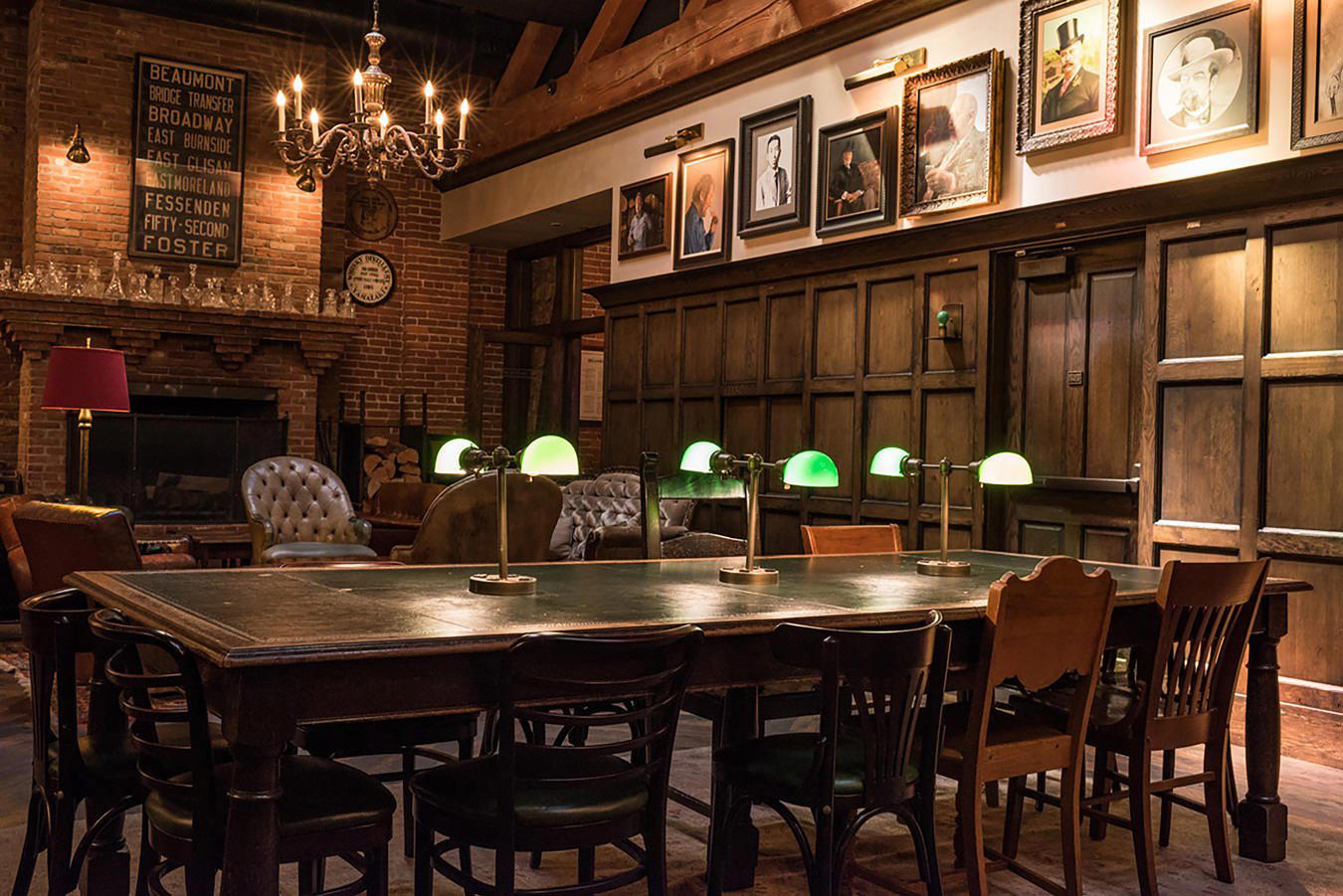
Dark, cozy wood-cabin interior with low candlelit lighting; windowless tasting room creates an intimate, cave-like atmosphere despite panoramic outdoor views.