Grange Estate

Grange Estate occupies a quiet stretch of Worden Hill Road in the Dundee Hills, Oregon's most concentrated wine country. Built with White Oak, Douglas Fir, and Black Walnut sourced from the Willamette Valley, the property operates as an intimate inn where the physical materials of the region shape every interior decision. For travellers who treat wine country as a destination rather than a day trip, it functions as the kind of base that rewards slowing down.
Pearl is the En Primeur Club membership app — saves, bookings, and concierge access live there. Same editors, same standards.
- Address
- 9600 NE Worden Hill Rd, Dundee, OR 97115
- Phone
- (503) 538-8663
- Website
- foleywinesdundeehills.com
- Directions
- Get directions
 Saves & bookings on Pearl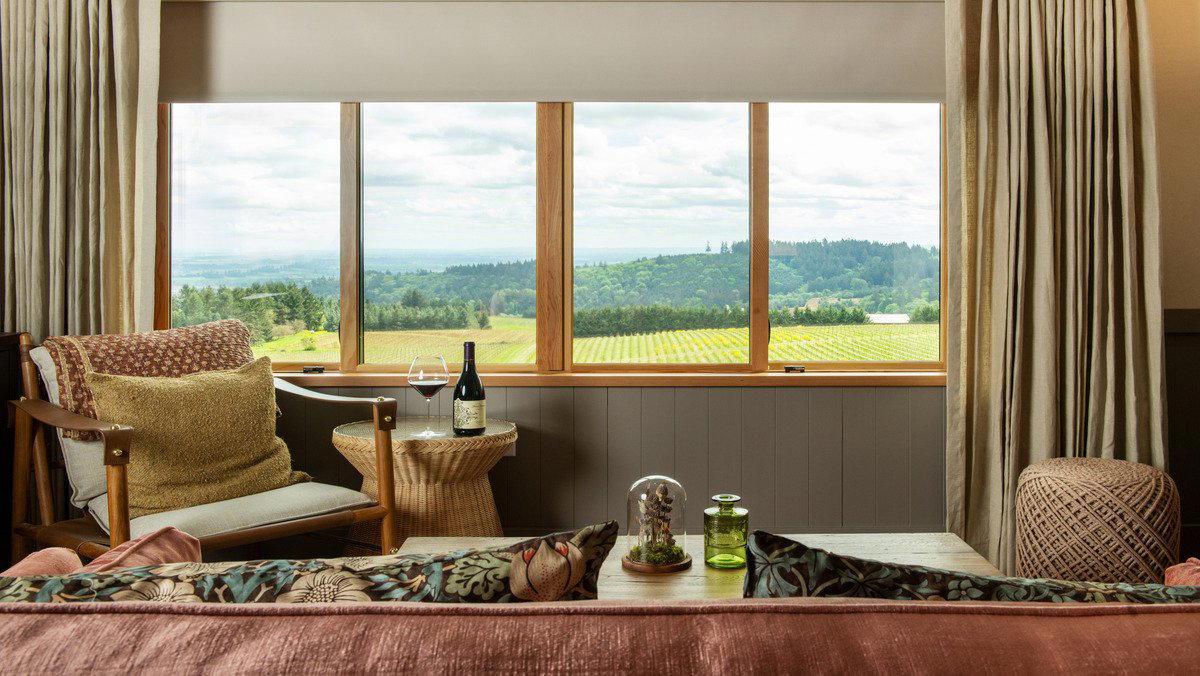
Where the Willamette Valley Builds Its Own Rooms
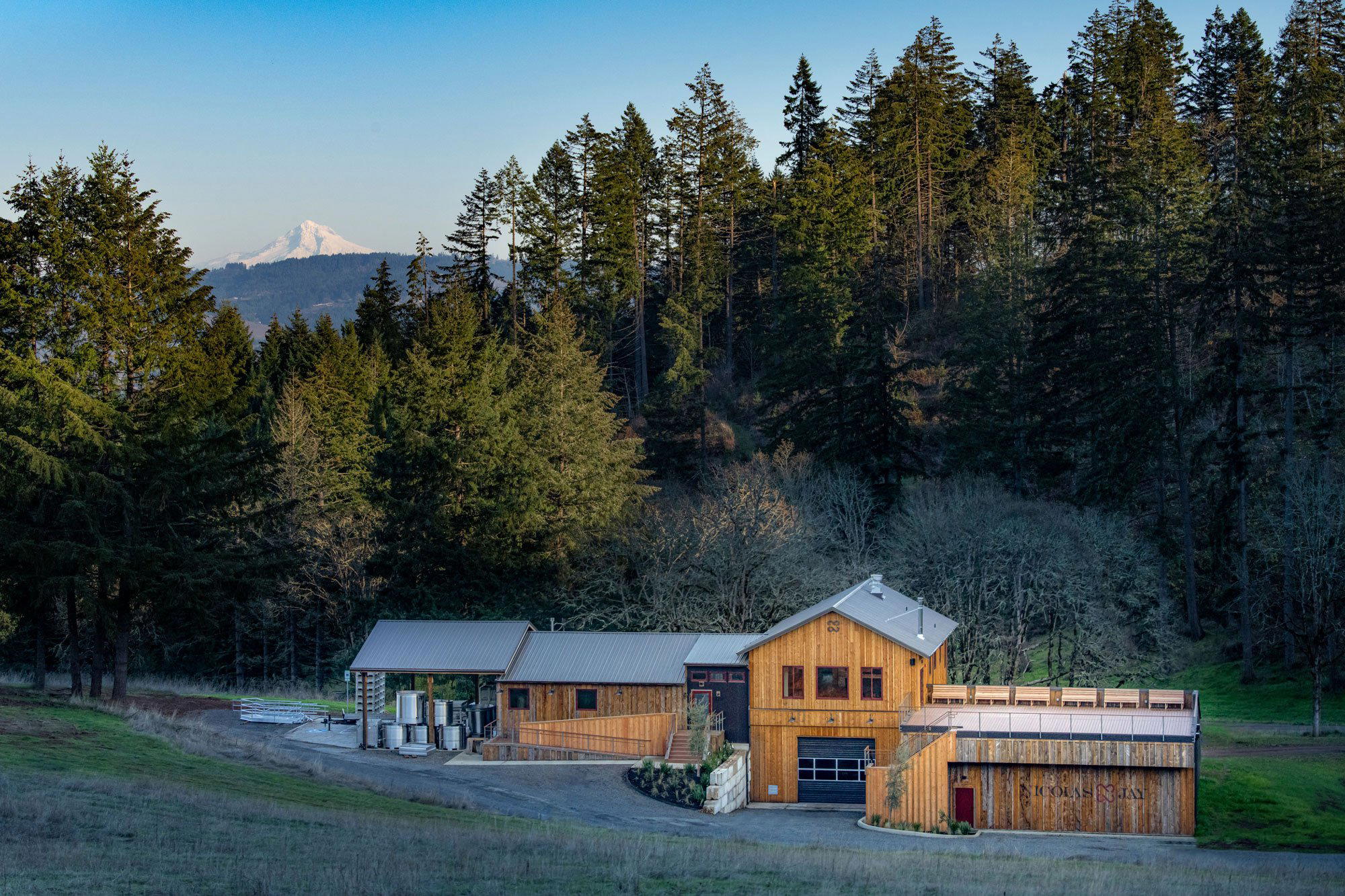
Oregon wine country has split into two distinct accommodation modes: large resort properties that treat the vineyards as a backdrop, and smaller, materials-led inns where the land itself determines every design decision. Grange Estate is a 9-room hotel at 9600 NE Worden Hill Rd, Dundee, OR 97115, in Dundee Hills AVA. The property sits in the Dundee Hills AVA, the Willamette Valley's most recognised sub-appellation, where Pinot Noir and Chardonnay from Jory soil have established Oregon's clearest argument against the California dominance of American fine wine. That geographical context is not incidental to how the estate was conceived, it is the premise.
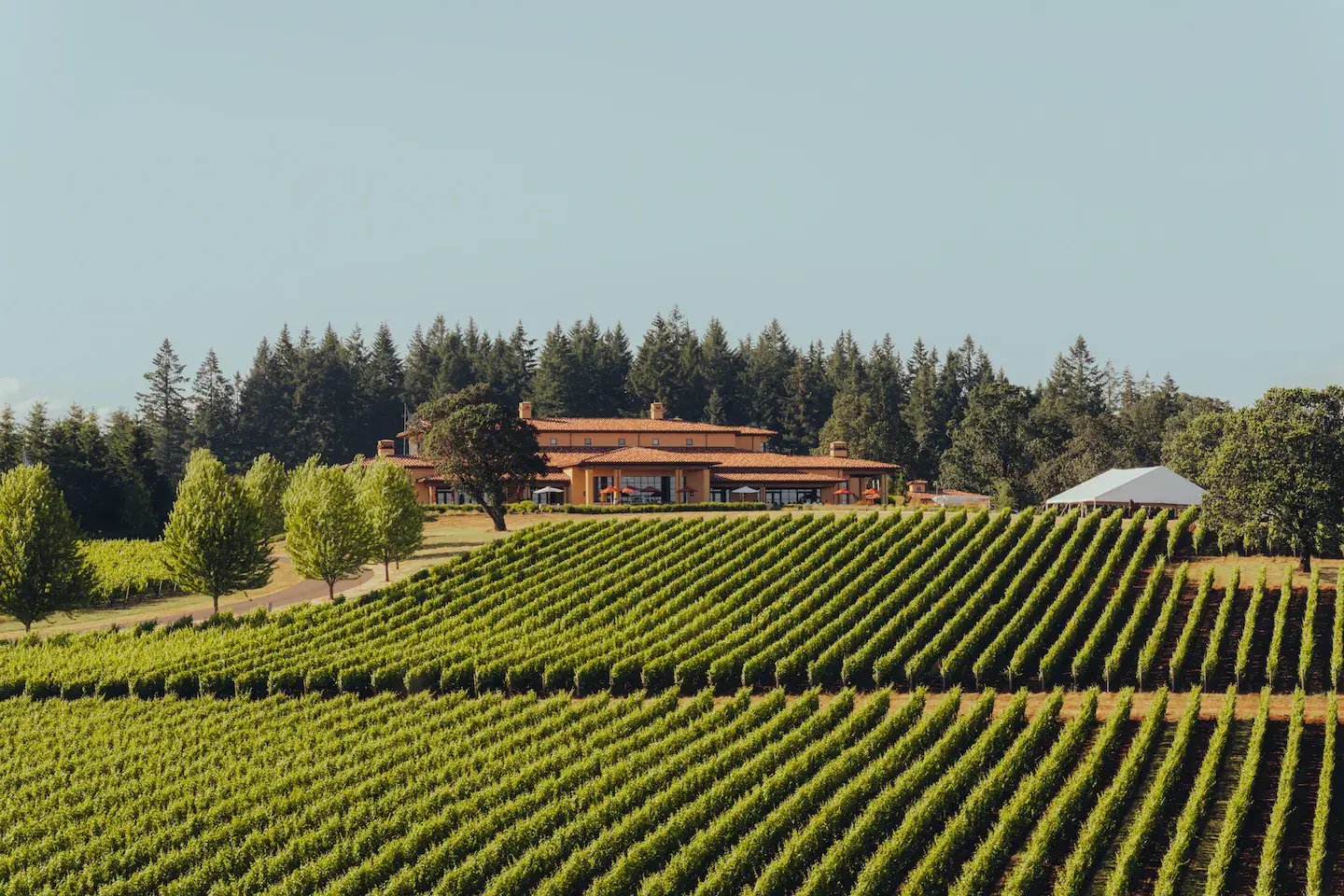
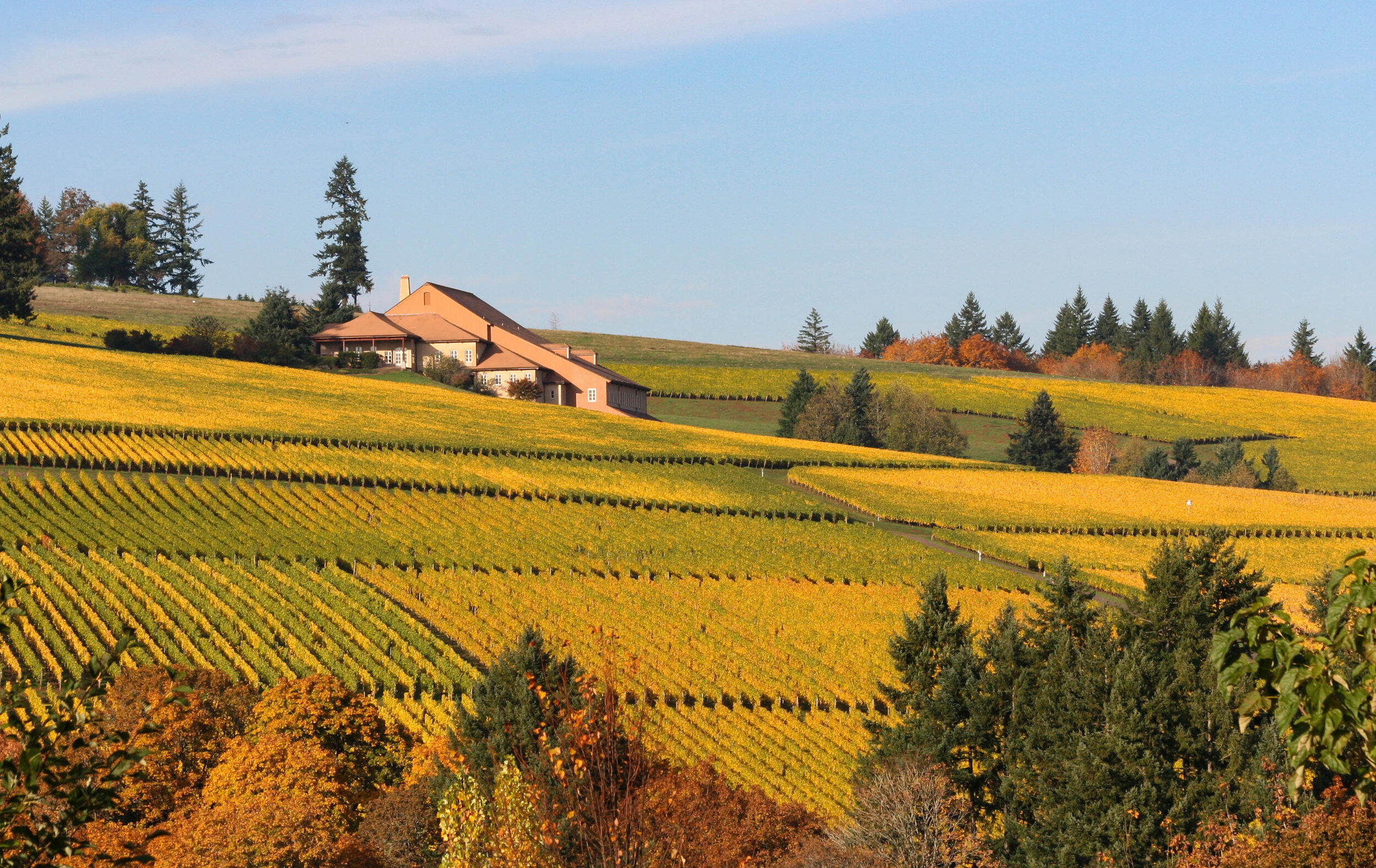
Arriving on Worden Hill Road, the setting reads before any interior detail does. The road itself is one of the Dundee Hills' working corridors, flanked by producing vineyards rather than ornamental gardens. Properties in this tier of wine country hospitality use that exposure deliberately, positioning guests inside the agricultural reality of the region rather than at a comfortable remove from it.
Materials as Architecture: Reading the Interior
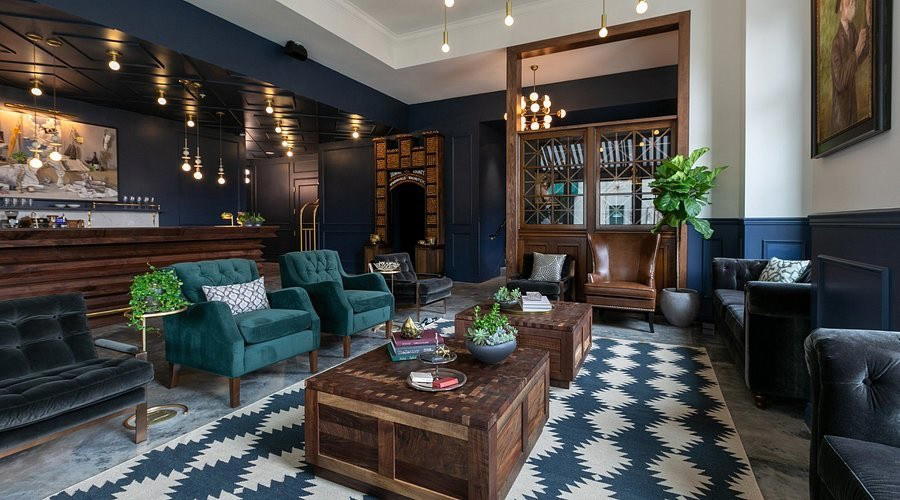
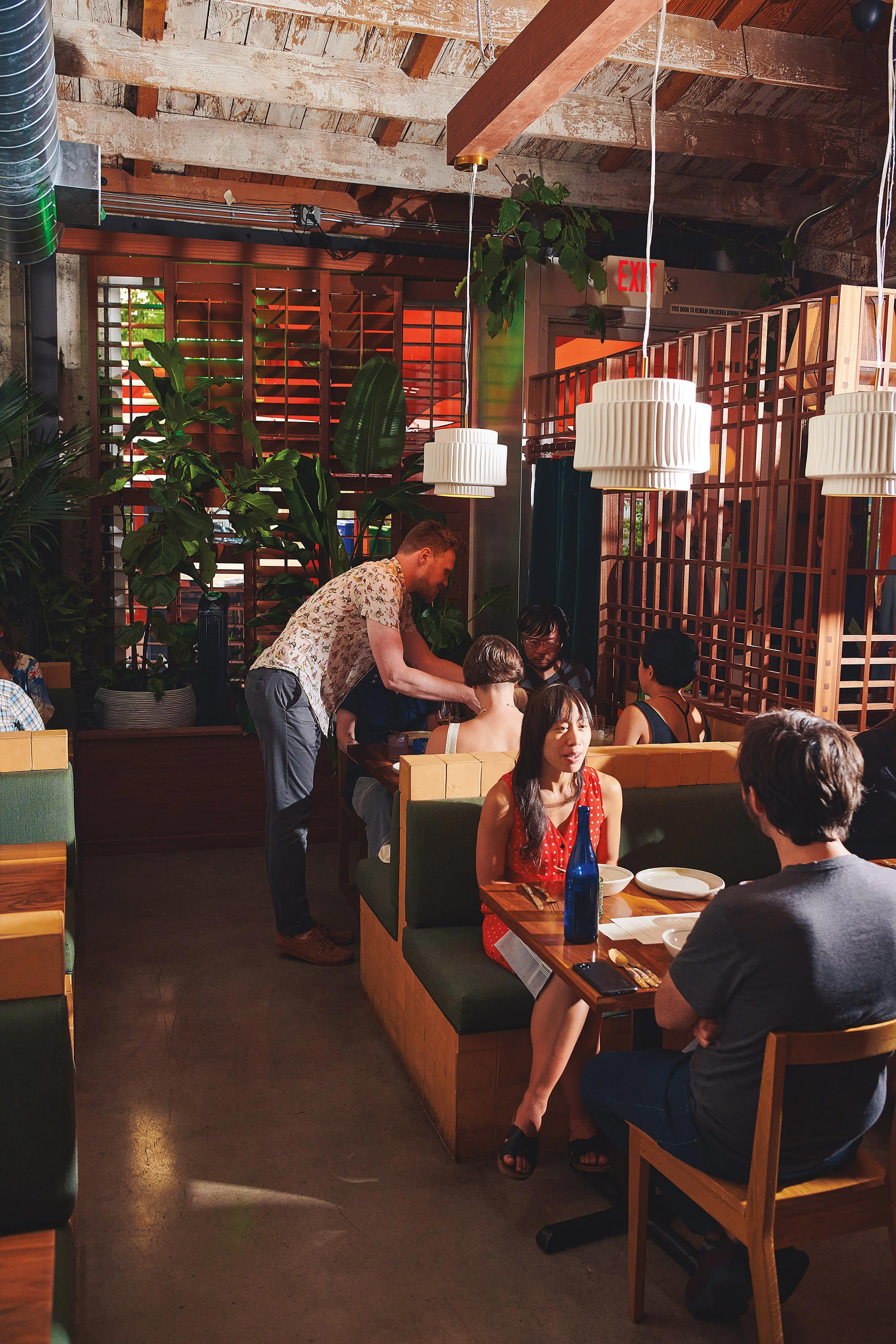
The design language at Grange Estate is determined by three primary materials: White Oak, Douglas Fir, and Black Walnut, each sourced from the Willamette Valley. That sourcing decision is worth pausing on. In American wine country hospitality, locally sourced timber is often a decorative claim, a single beam or a reclaimed-wood accent wall. Here, the material palette extends across the interiors in a way that the property describes as reflecting the textures of the surrounding land. For guests who arrive having visited the working forests and river corridors of the valley, the interior vocabulary reads as continuous with the exterior landscape rather than decorative.
White Oak in the Pacific Northwest carries particular regional weight. The species dominates the valley's oak savanna ecosystems, and its grain and warmth register differently than the European or Appalachian oak that American interiors more frequently reach for. Douglas Fir, the dominant structural timber of Oregon construction for over a century, brings a different quality: straight-grained, amber-toned, and associated in the regional imagination with the working buildings of the valley. Black Walnut reads as the counterpoint, darker, denser, more deliberate. Together, the three form a palette that is internally coherent without being repetitive.
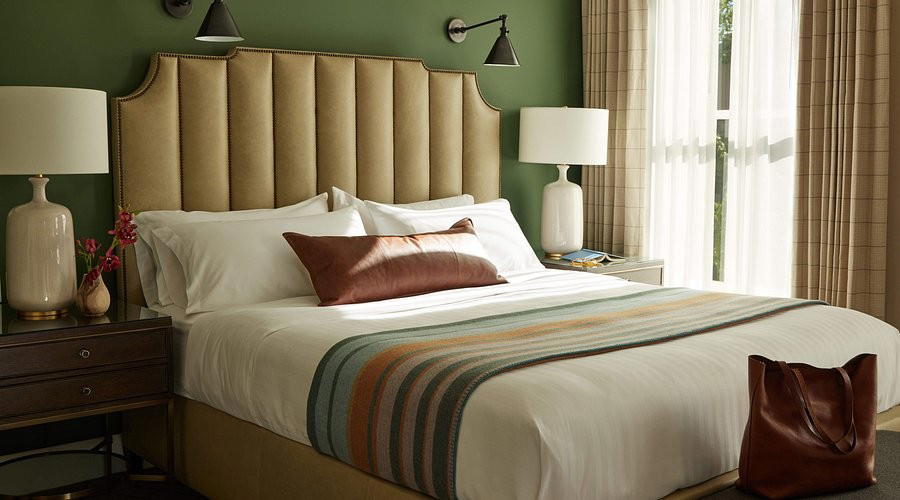
Northwest colour palettes, layered textiles, and curated artwork complete an interior that the property characterises as warm, grounded, and distinctly regional. That combination, refined construction, regional materials, a deliberately relaxed register, places Grange Estate in a comparable set that includes properties like Blackberry Farm in Walland and SingleThread Farm Inn in Healdsburg, both of which use place-specific materials and agricultural settings as the organising principle of the guest experience. The approach is also visible at Sage Lodge in Pray and Post Ranch Inn in Big Sur, where the physical environment shapes architecture from the ground up rather than being applied as an afterthought.
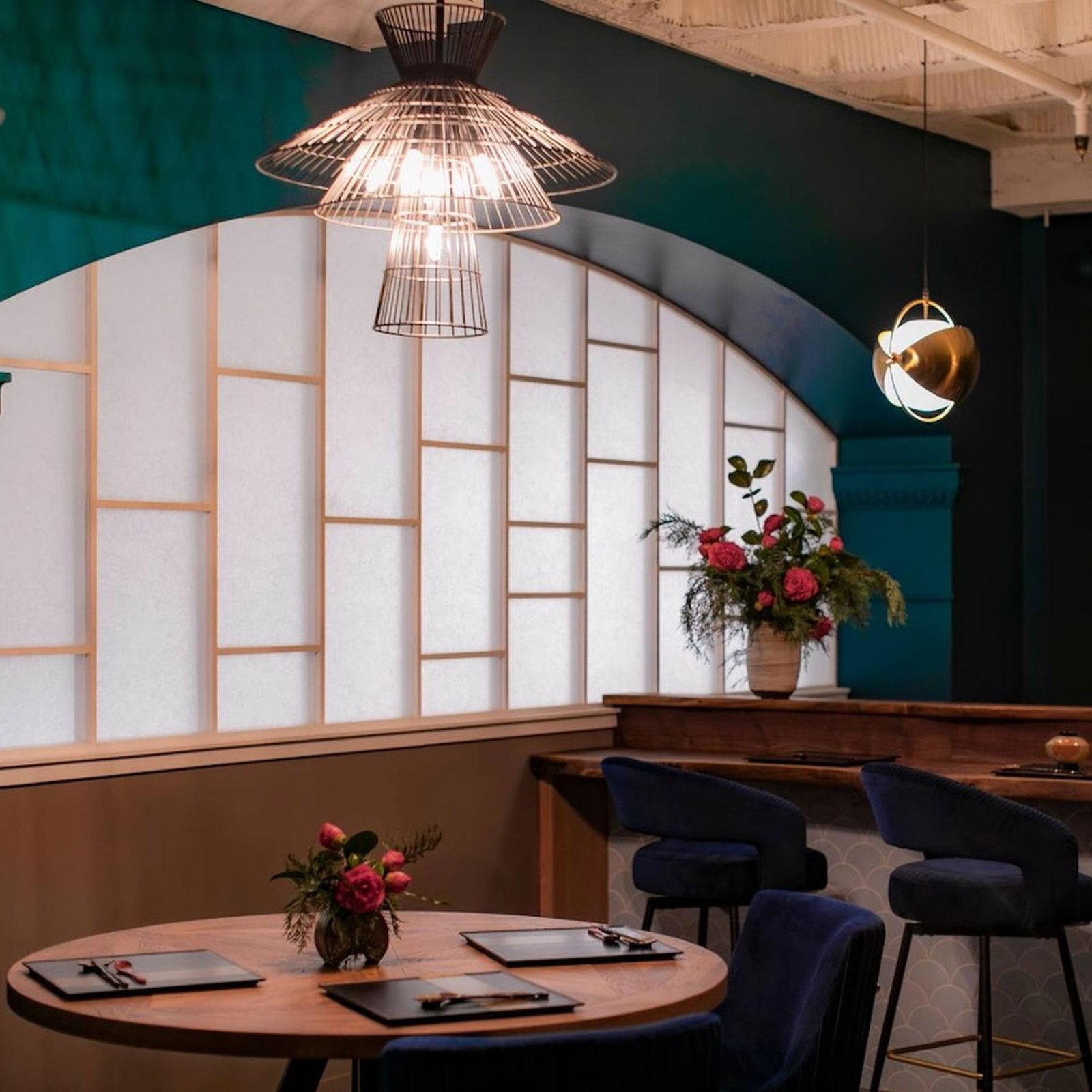
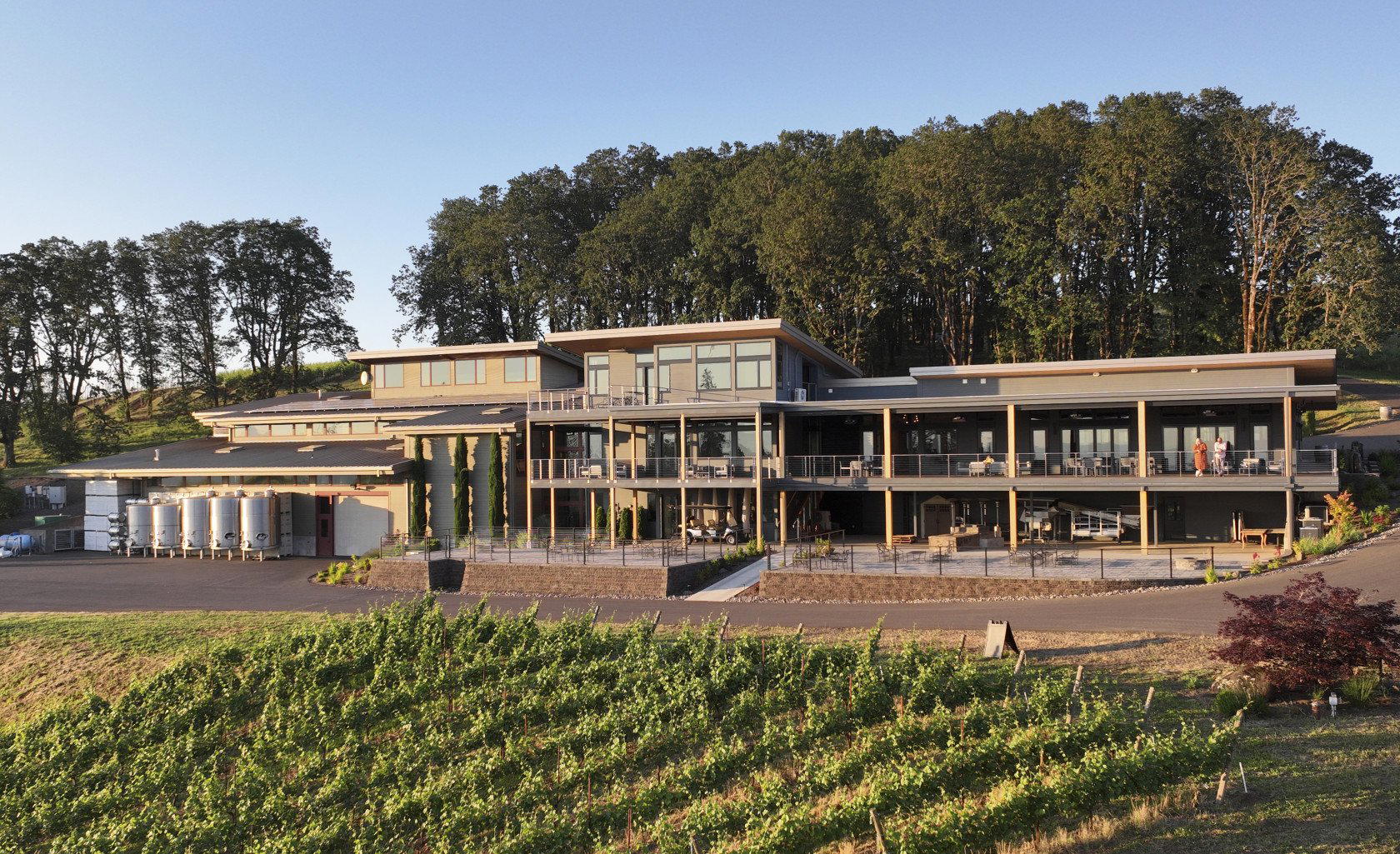
Expansive windows are the other notable structural choice. In a working vineyard setting, the orientation and scale of glazing determines whether the property functions as a retreat from the landscape or a frame for it. The hotel positions its windows as the latter, allowing vineyard lines, hillside canopy, and the quality of Willamette Valley light to enter the interior as variable, seasonal elements of the design.
The Dundee Hills Context
The Dundee Hills AVA carries a concentration of Oregon's most recognised Pinot Noir producers that is unusual even by Willamette Valley standards. The Jory soil, a red, iron-rich volcanic clay loam, drains well in a region that receives significant winter rainfall, and the elevation variation across the hills creates the kind of temperature differentials that producers who trained in Burgundy have found compelling since the late 1970s. Staying in the hills, rather than commuting to them from Portland or McMinnville, changes the experience of the wine country in ways that urban-base travellers sometimes underestimate. Morning light on the vineyards, access to smaller producers whose tasting rooms operate on appointment, and the rhythms of the agricultural calendar are available to guests based in the hills in a fundamentally different way.
Comparable wine country inn experiences across the United States include Auberge du Soleil in Napa and Bernardus Lodge and Spa in Carmel Valley, both of which occupy the agricultural edge between working vineyards and refined accommodation. At the higher end of the design-led nature property category, Amangiri in Canyon Point and Ambiente, A Landscape Hotel in Sedona demonstrate how American properties have increasingly committed to architecture that responds to its physical setting as the primary design brief. Alpine Falls Ranch in Superior and Amangani in Jackson Hole apply similar logic in mountain contexts, using local timber and stone to anchor properties that would read as generic without that material commitment.
Planning a Stay
The hotel operates as an intimate inn, which in practice means limited key count and the kind of access to the property's character that larger hotel formats cannot replicate. The Dundee Hills see their highest visitor traffic during harvest season, typically late September through October, when tasting room calendars fill and producers release new vintages. Spring visits, particularly April and May, offer cooler conditions, fewer competing guests in the AVA, and the visual interest of vine break and early canopy growth.
For travellers building a longer Pacific Northwest itinerary, the Willamette Valley pairs logically with the Oregon coast to the west and Portland to the north. Those extending further afield might compare the hotel approach to wine country accommodation against urban alternatives. 1 Hotel San Francisco uses sustainability and local materials in a city format, while Raffles Boston and Chicago Athletic Association represent the urban end of the design-led American property category. The contrast in scale and setting only sharpens what the hotel is doing: rooting a hospitality experience in the specific physical materials and agricultural character of one place.
Fast Comparison
Comparable venues nearby, for context on price, style, and recognition.
| Venue | Cuisine | Price | Notes |
|---|---|---|---|
| Grange EstateThis venue — the venue you are viewing | turn-of-the-century inspired farmhouse blending history and luxury | $$$$ | Not listed |
| McMenamins Kennedy School | Repurposed historic schoolhouse with preserved architectural details and artistic renovations. | $$ | Concordia |
| Valley River Inn | Mid-century modern resort with Northwest lodge architecture | $$$ | Valley River |
| Hotel Rose - A Staypineapple Hotel | Funky boutique with colorful, eclectic design | $$$ | Downtown |
| The Society Hotel - Portland | Historic boutique hostel-hybrid in renovated cast-iron building | $$ | Old Town Chinatown |
| Cannery Pier Hotel & Spa | Well-known Northwest luxury on a historic pier blending maritime heritage with modern sophistication. | $$$$ | Downtown Astoria |
Recognition history
Dated appearances from independent guides and award organizations, with the underlying list record or original source where available.
Esquire Best New Hotels
Esquire
Continue exploring
More in Dundee
Hotels in Dundee
Browse all →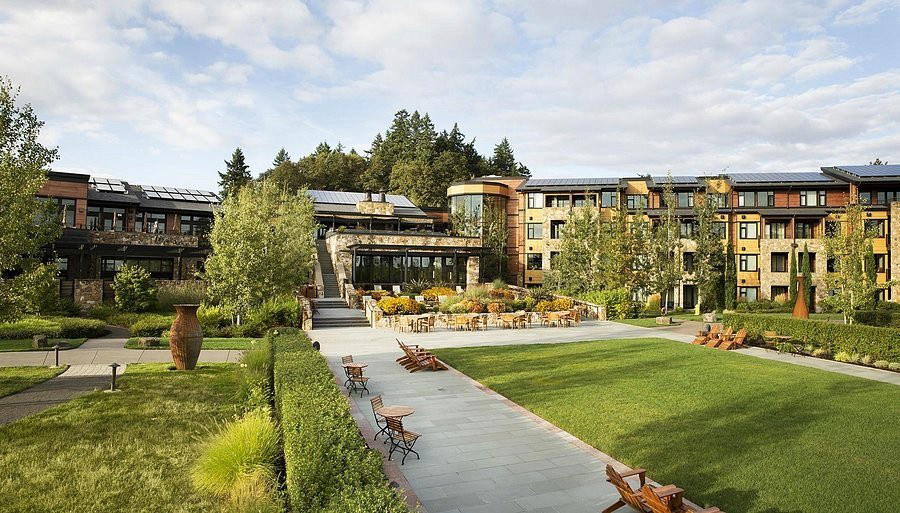
Bars in Dundee
Browse all →
Restaurants in Dundee
Browse all →
At a Glance
- Rustic
- Elegant
- Scenic
- Cozy
- Sophisticated
- Romantic Getaway
- Anniversary
- Group Retreat
- Destination Wedding
- Panoramic View
- Private Dining
- Historic Building
- Wi Fi
- Vineyard
- Mountain
- Wi Fi
Rustic charm with handcrafted details, sweeping vineyard views, and a warm, communal atmosphere centered around seasonal farm-to-table dining.