Archery Summit
For those following the region's upper bracket, it sits in the same peer conversation as Domaine Drouhin and Domaine Serene, with all the booking discipline that implies.

Pearl is the En Primeur Club membership app — saves, bookings, and concierge access live there. Same editors, same standards.
- Address
- 18599 NE Archery Summit Rd, Dayton, OR 97114
- Phone
- (503) 714-2030
- Website
- archerysummit.com
- Directions
- Get directions
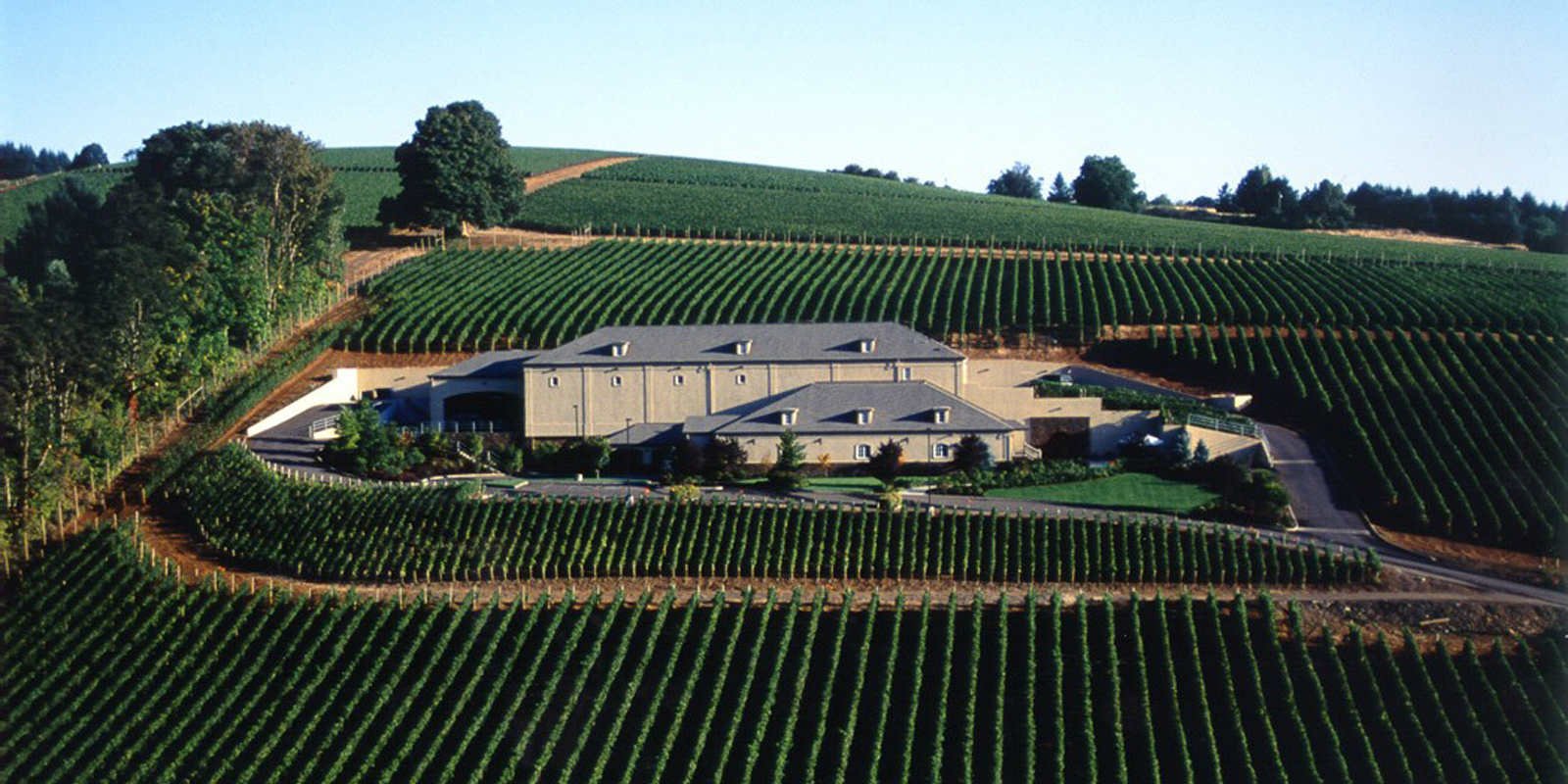
Red Hills, Red Clay: What the Dundee Hills Ask of Pinot Noir
The drive up to Archery Summit on Northeast Archery Summit Road tells you something before the first glass is poured. The road climbs through rows of Pinot Noir vines planted on the Jory soil that defines the Dundee Hills sub-appellation — a red volcanic clay so iron-rich it stains everything it touches. This is not an incidental backdrop. In the Willamette Valley's Dundee Hills, soil composition is the argument, and estates at this address have organized their entire programs around proving it.
Oregon's upper-tier Pinot producers have, over the past two decades, sorted themselves into recognisable camps. There are those who reference Burgundy as a model and those who treat the Willamette Valley as a peer region in its own right. Archery Summit. Peers in that conversation include Domaine Drouhin, whose Burgundy family connection made the Willamette Valley's international case two generations ago, and Domaine Serene Winery, which has pursued a similarly prestige-forward allocation model.
The Jory Argument: Soil as the Central Character
The Dundee Hills carry one of the clearest terroir narratives in American wine. Jory soil, named for the county-level soil type classification, is a well-drained, iron-rich volcanic clay loam that runs deep through the hills north of Dayton. Its drainage characteristics keep vine roots working hard and deep. Its iron oxide content is visible in the colour of the earth between rows. Its volcanic origin distinguishes it sharply from the sedimentary and silty soils found in lower-elevation parts of the Willamette Valley, and from the Willakenzie series that defines the Chehalem Mountains AVA to the north.
What this produces in Pinot Noir, when yields are managed and the growing season cooperates, is a wine with more structural grip and depth of red fruit than is typical of Willamette Valley Pinot at the lighter, more aromatic end of the spectrum. The Dundee Hills style, when the estate is making a serious argument, tends toward wines that need time, that carry more weight on the mid-palate than many Oregon expressions, and that reward vertical comparison across vintages. This is the frame through which Archery Summit's single-vineyard program should be understood.
For comparison, White Rose Estate, also positioned in the Dayton area, works from a similar soil base but makes different winemaking choices that result in a distinct house style. And Stoller Family Estate draws from a broader estate footprint, operating at a different scale. The single-vineyard focus at Archery Summit places it closer to the small-production prestige model than to volume-led Willamette estates.
In Oregon, prestige-tier recognition has historically clustered around a small number of estates with consistent allocation demand, critical track records across multiple vintages, and a clearly articulated vineyard identity. That is a different set of criteria than restaurant Michelin stars, which reward execution within a single service. For wine, the prestige tier is earned across years and weather cycles.
Within the Dayton and broader Dundee Hills area, the estate sits in the same general geographic and stylistic zone as Sokol Blosser Winery, which has operated in the hills since the early 1970s and represents one of the region's longer institutional memories. The peer comparison matters because each of these estates is making claims about the same hills and the same soil, and the differences between them are instructive for anyone building a serious understanding of the AVA.
Outside Oregon, the model of single-vineyard prestige Pinot built around a specific soil type has parallels. Adelsheim Vineyard in Newberg represents a slightly different geographic argument, the Chehalem Mountains rather than the Dundee Hills, while California's prestige Pinot producers work from entirely different terroir premises. Alban Vineyards in Arroyo Grande, for instance, is a Rhône-focused outlier in the California context, more analogous in spirit to the conviction-driven producer model than to the Napa Cabernet establishment. Adelaida Vineyards in Paso Robles sits in a limestone-heavy zone that produces its own terroir argument. The underlying logic, that specific soils produce identifiable wines, is consistent across these properties even when the grape variety and geography differ completely.
Planning Your Visit: What the Property Requires
Archery Summit sits on Northeast Archery Summit Road outside Dayton in Yamhill County, approximately an hour's drive southwest of Portland. The Dundee Hills are reachable from Portland via OR-99W, the main artery through Wine Country, and the hillside estates are clustered closely enough that a single-day itinerary can cover two or three properties without difficulty, though covering them seriously, meaning with time to understand what each one is saying about its soil, argues for fewer stops and more focus.
For visitors building a Willamette Valley itinerary around prestige-tier producers, the practical reality is that properties at this level typically operate by appointment, with tasting experiences that reflect the allocation model of their wines. Dayton itself is a small town; the hospitality infrastructure that supports the wine region is distributed across McMinnville to the west and Newberg to the northeast. Our full Dayton restaurants guide covers the dining context for the area in more detail.
For those comparing prestige-tier winery visits across American wine regions, the Archery Summit experience sits in a different category than, say, Accendo Cellars in St. Helena or Alpha Omega Winery in Rutherford, both of which operate inside the Napa Valley's very different hospitality economy. Oregon's Dundee Hills remain lower-key in format, even at the prestige tier, and that restraint is part of what the region is arguing about itself. Andrew Murray Vineyards in Los Olivos and Alexander Valley Vineyards in Geyserville represent still other regional models, each reflecting the hospitality norms of their respective California appellations.
For context outside the Americas, the comparison of terroir-driven single-vineyard programs extends to producers as different as Aberlour in Aberlour (in the Scotch whisky sense of terroir expression) and Achaia Clauss in Patras, though the production category and tradition differ entirely. The point is not equivalence but recognition: the impulse to make the soil legible in the bottle is a consistent organisational principle across many of the most serious producers EP Club tracks.
Fast Comparison
Comparable venues nearby, for context on price, style, and recognition.
| Venue | Cuisine | Price | Awards | Notes |
|---|---|---|---|---|
| Archery SummitThis venue — the venue you are viewing | Pinot Noir, Chardonnay | $30–50 | Not listed | Not listed |
| White Rose Estate | Pinot Noir, Chardonnay | $20–30 | Not listed | Dundee Hills |
| Sokol Blosser Winery | Pinot Noir, Pinot Gris | $20–30 | Not listed | Dundee Hills |
| Domaine Serene Winery | Pinot Noir, Chardonnay | $50–100 | Falstaff Winery - Listed | Dundee Hills |
| Domaine Drouhin | Pinot Noir, Chardonnay | $30–50 | Falstaff Winery - Listed | Dundee Hills |
| Stoller Family Estate | Pinot Noir, Chardonnay | $20–30 | Not listed | Dundee Hills |
Continue exploring
More in Dayton
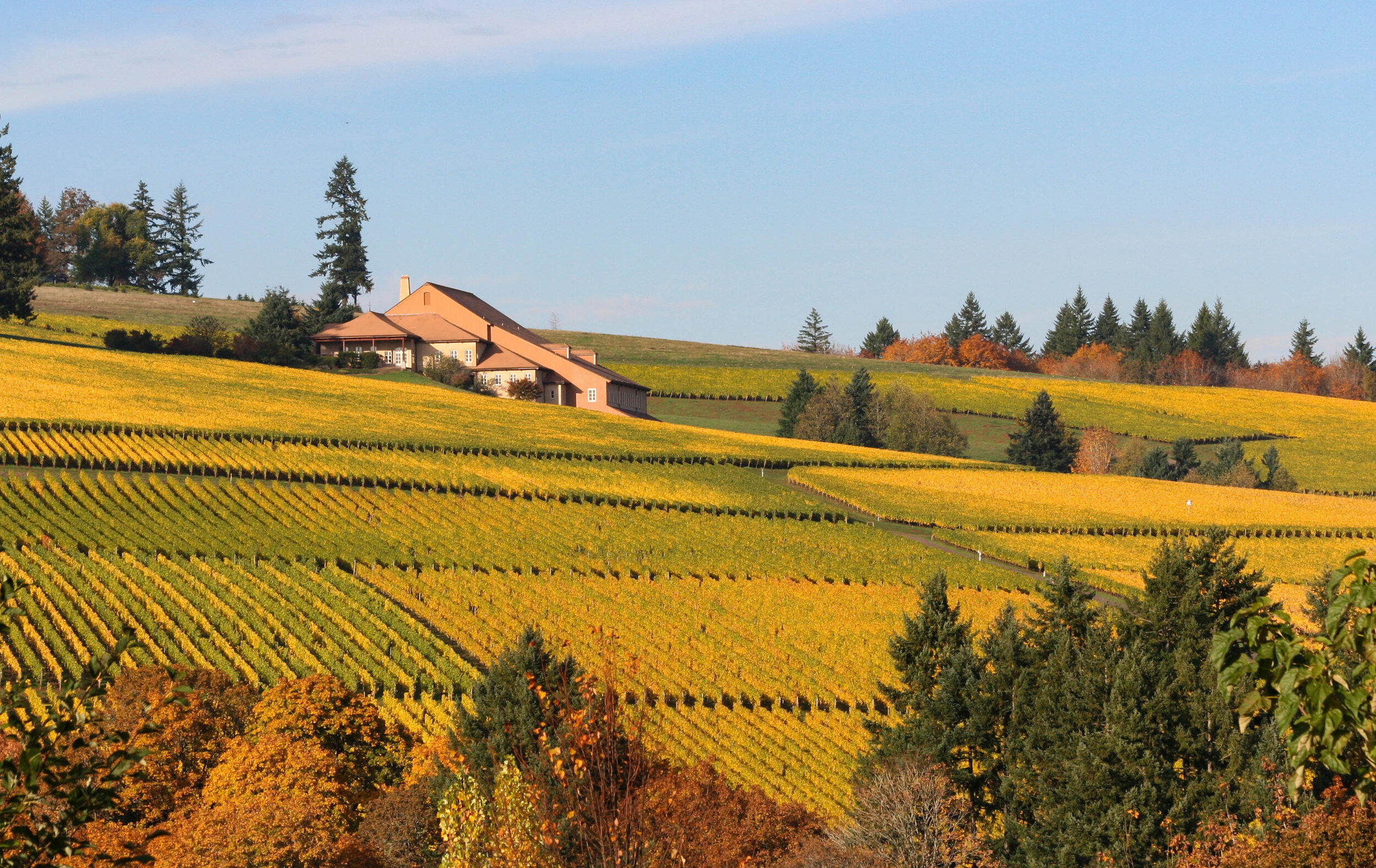
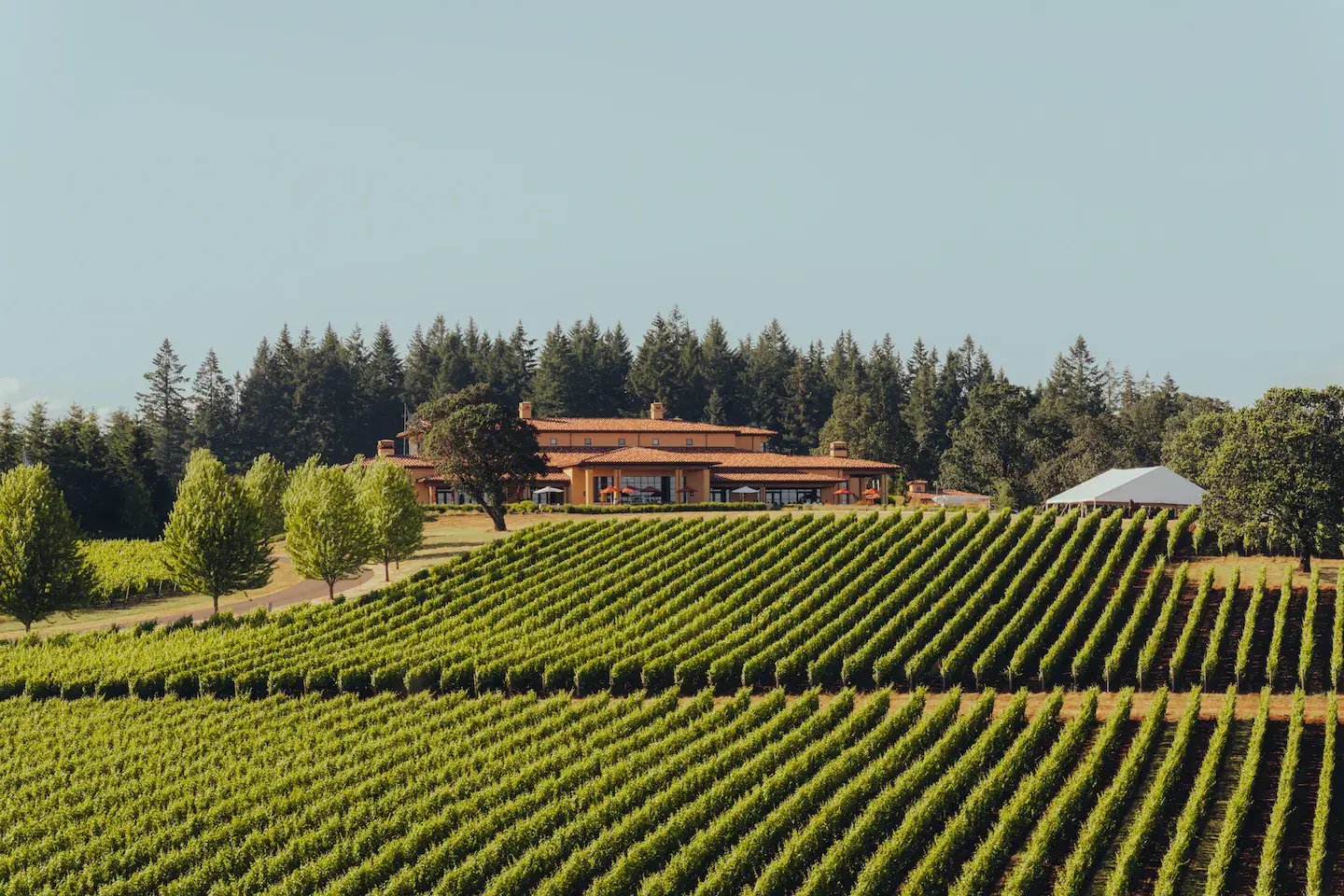
Wineries in Dayton
Browse all →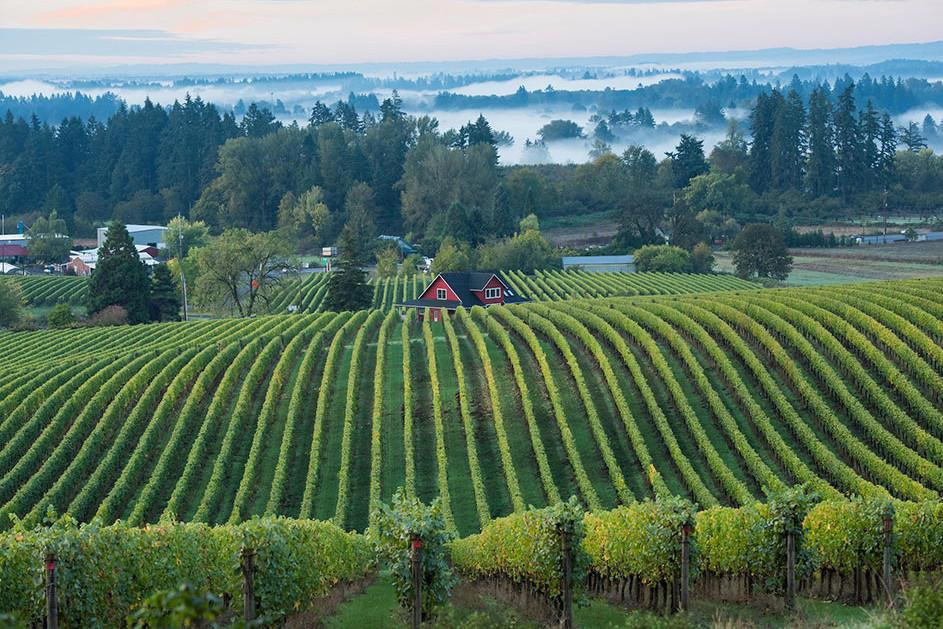
Bars in Dayton
Browse all →

Restaurants in Dayton
Browse all →



Details
- Elegant
- Scenic
- Sophisticated
- Rustic
- Wine Education
- Special Occasion
- Cave Tasting
- Vineyard Tour
- Panoramic View
- Sustainable
- Vineyard
- Mountain
- Pinot Noir
- Chardonnay
- Still Red
- Seated Tasting
- Private Tasting
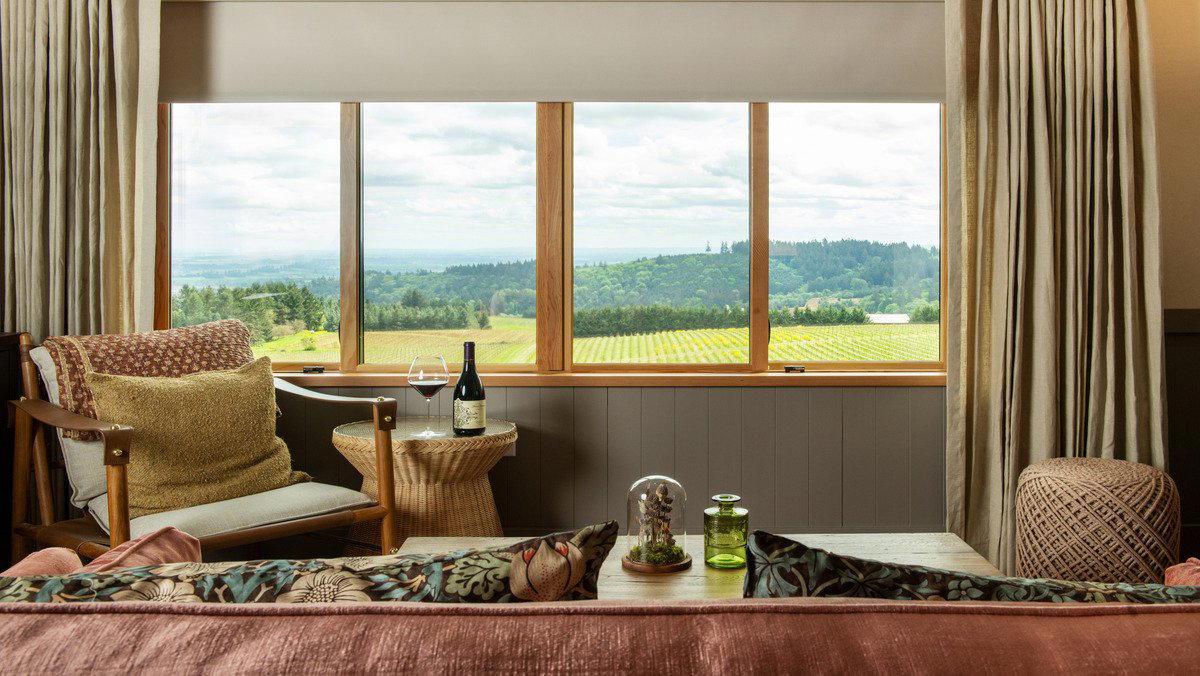
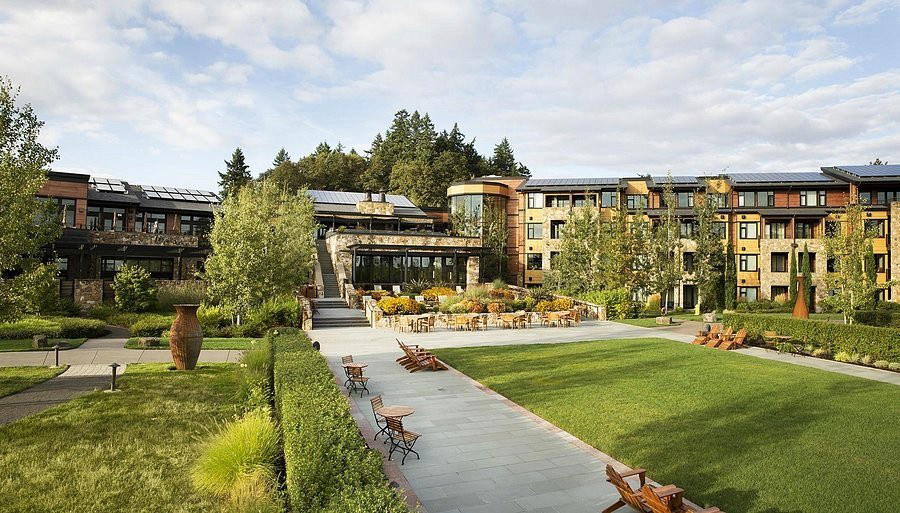
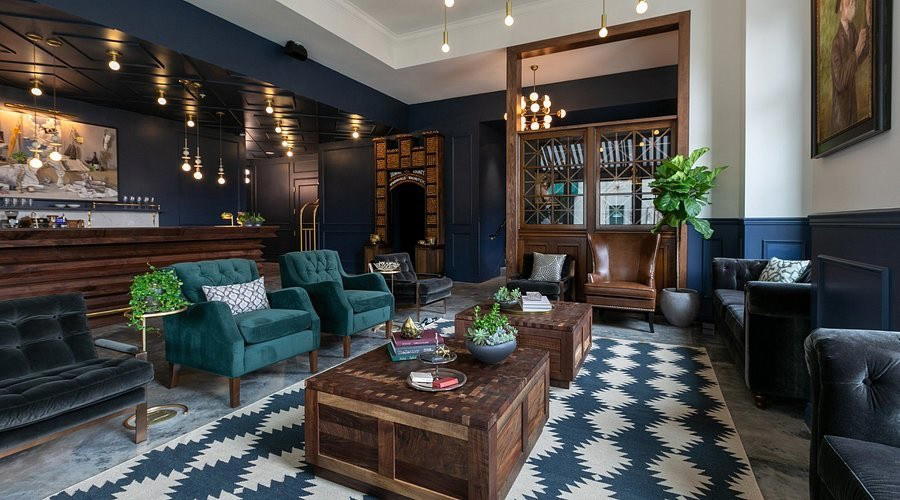
Elegant and luxe with subdued lighting in the intimate tasting room, dramatic vineyard views from the patio, and a detail-driven farmstead atmosphere.