Weingut Mantler31

Falstaff Winery - Listed
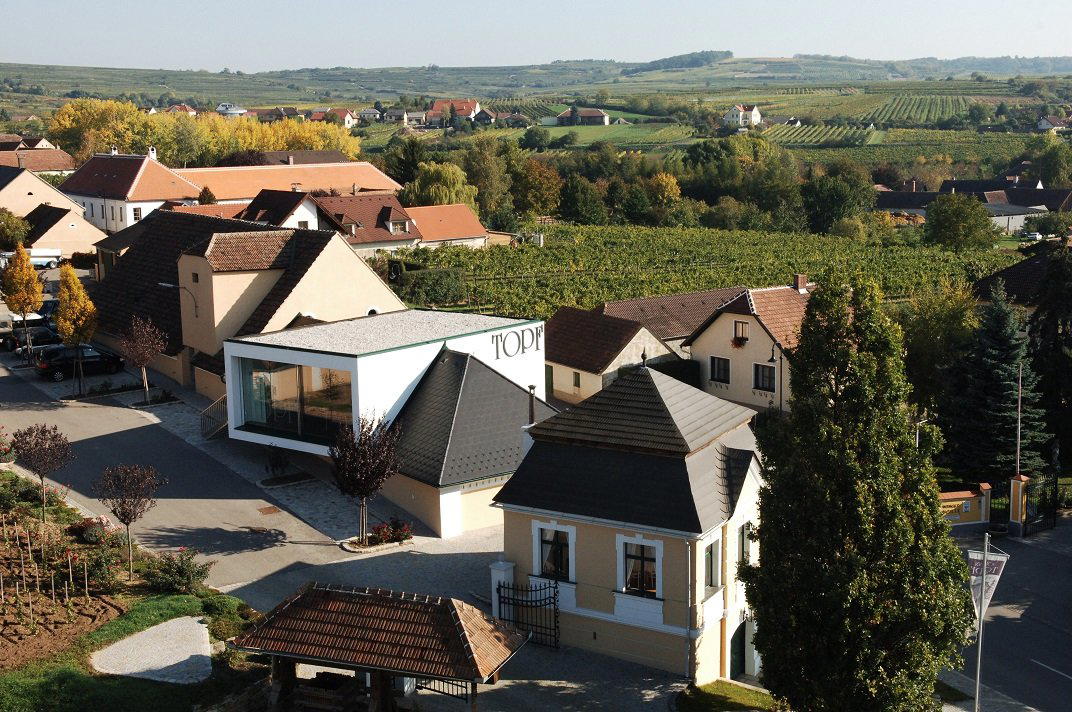
Weingut Mantler31 is a quiet, family-run Wagram estate in Großriedenthal, shaped around 12 hectares, native white varieties, and certified Sustainable Austria and Vegan wines. The draw is not spectacle but terroir-led Lower Austrian wine culture: Riesling, Roter Veltliner, Frühroter Veltliner, Gelber Muskateller, Weißburgunder, and Zweigelt presented through a small-scale, craft-minded lens.

Pearl is the En Primeur Club membership app, where members save venues, book tables and use the concierge.

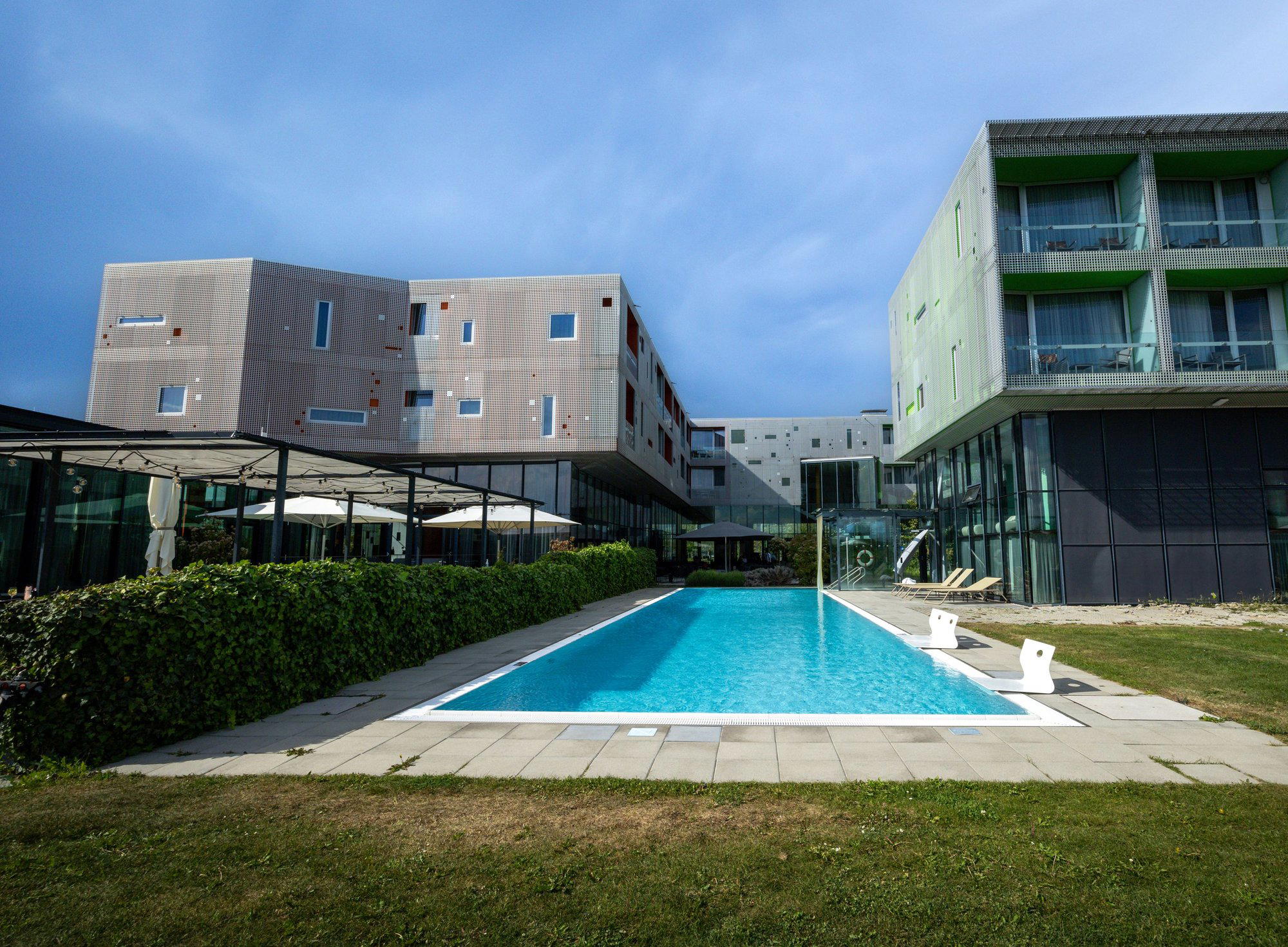
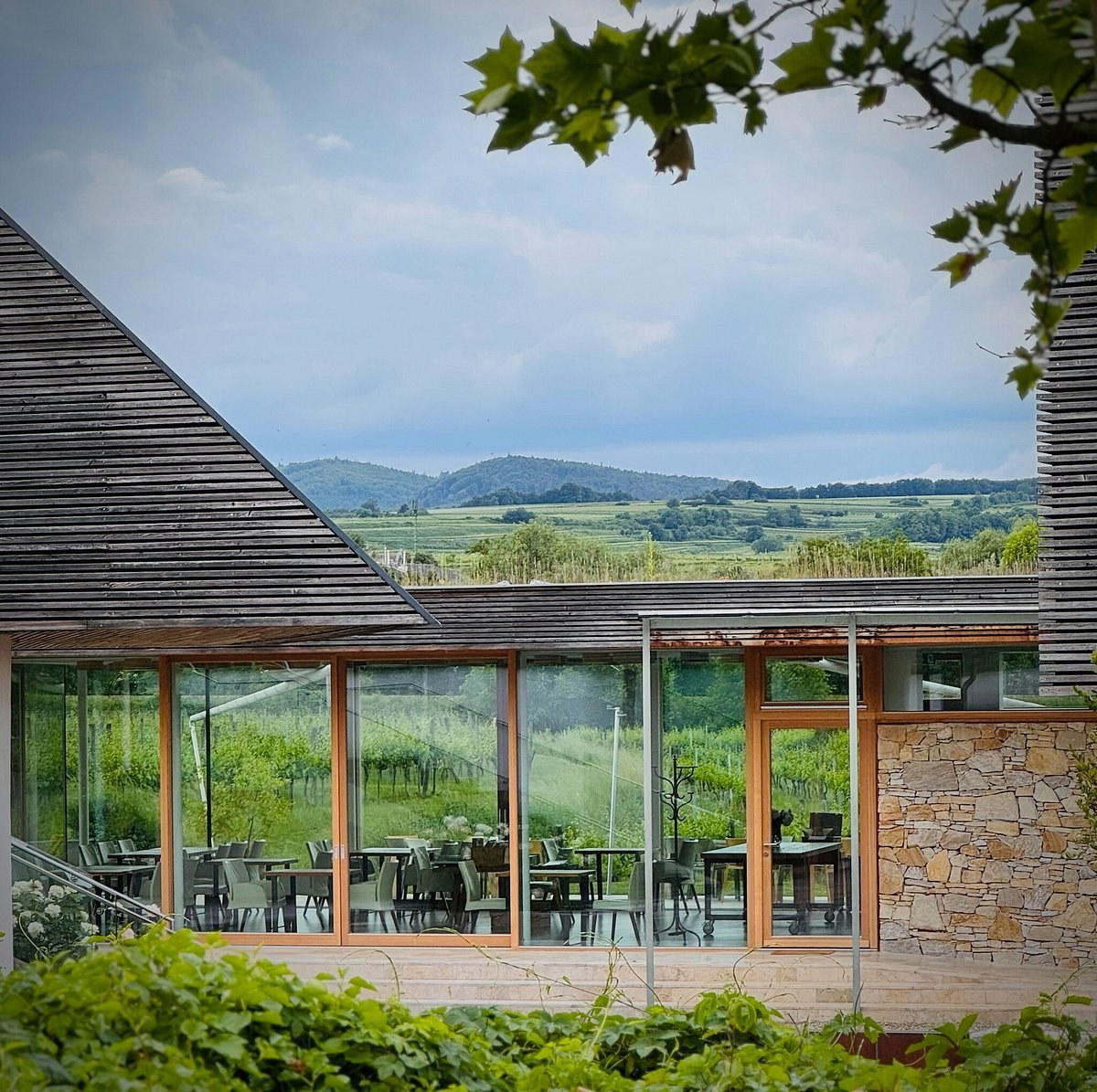
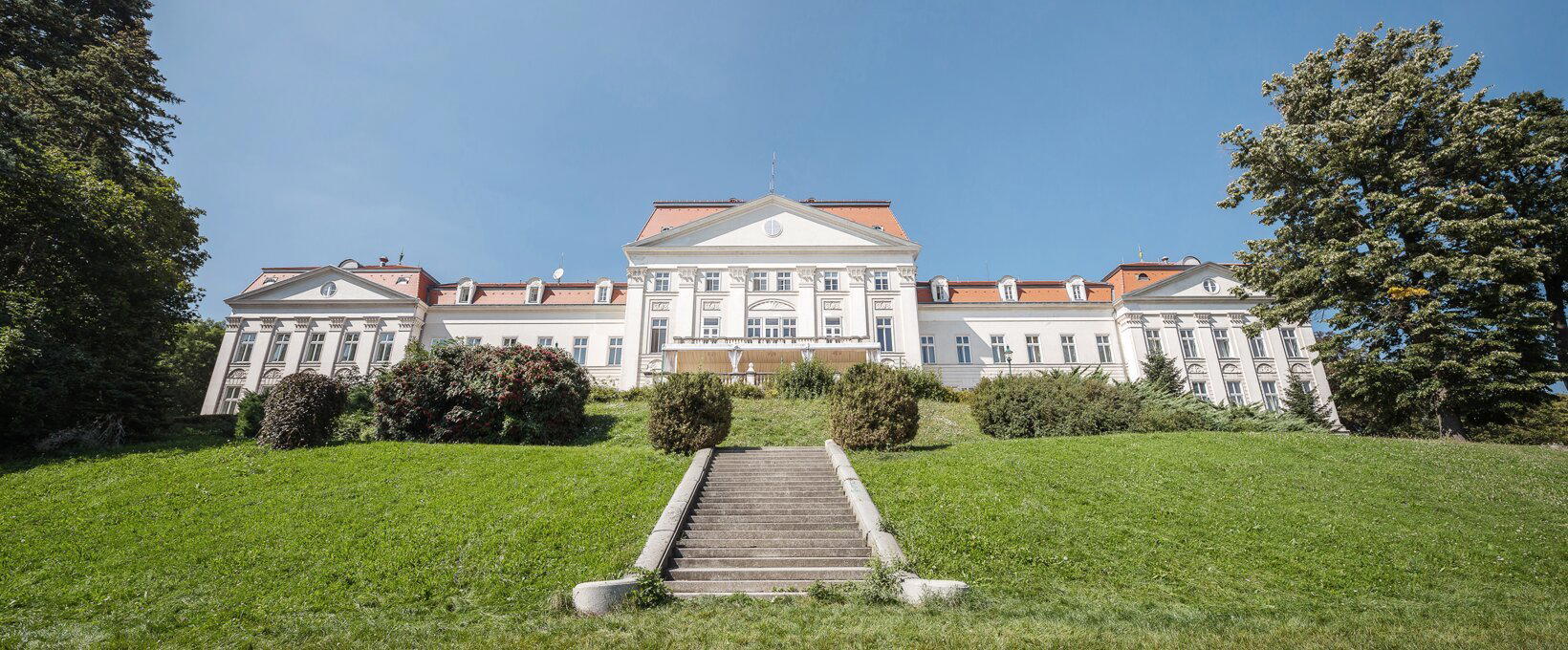
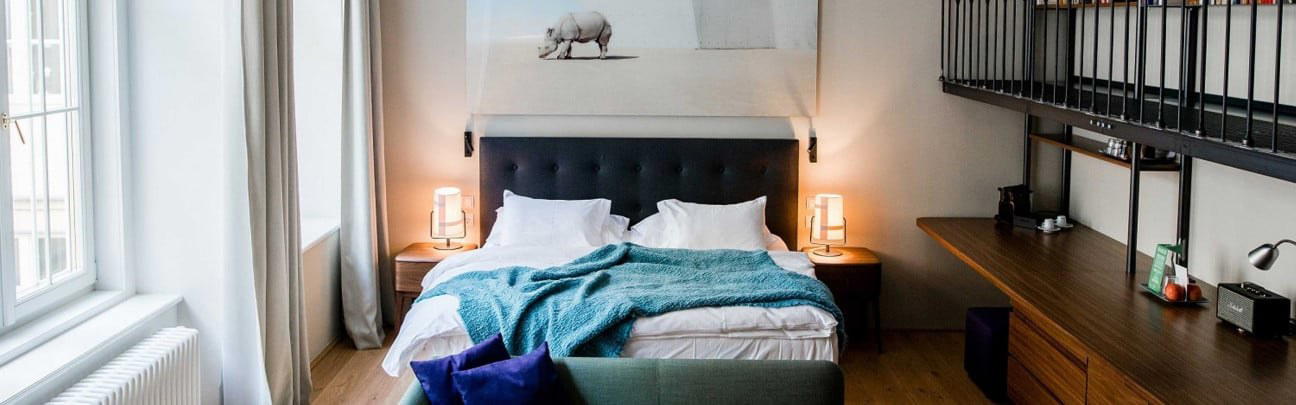
Weingut Mantler31 in Gro Riedenthal is best presented as a quiet, rustic, classic, and scenic venue with the character of a sustainable family winery. The profile is intentionally restrained: this is not a page to build around unconfirmed scores, award claims, named dishes, detailed opening hours, a specific tasting format, or a long list of services. What can be said with confidence is that the venue’s identity centers on nature, craftsmanship, and terroir expression, with a traditional and modern sensibility rather than a showy hospitality concept.
That makes Weingut Mantler31 a useful entry for readers who want a grounded, low-key wine-country reference in Gro Riedenthal. The appeal is not tied to a chef name, seat count, menu structure, grape list, or formal accolade. Instead, the available facts point to mood and positioning: a family-winery atmosphere, a scenic rural tone, and a sustainable outlook that frames the visit around land and craft. For EP Club readers, that is enough to understand the venue’s role without overstating what is publicly verified.
A sustainable family-winery character
The clearest editorial through-line for Weingut Mantler31 is its sustainable family-winery character. In practical terms, that means the venue should be read through its relationship to nature, craftsmanship, and terroir expression. Those are broad but meaningful cues: they place the emphasis on the setting, the work behind the wines, and the sense of place rather than on luxury markers or nightlife energy.
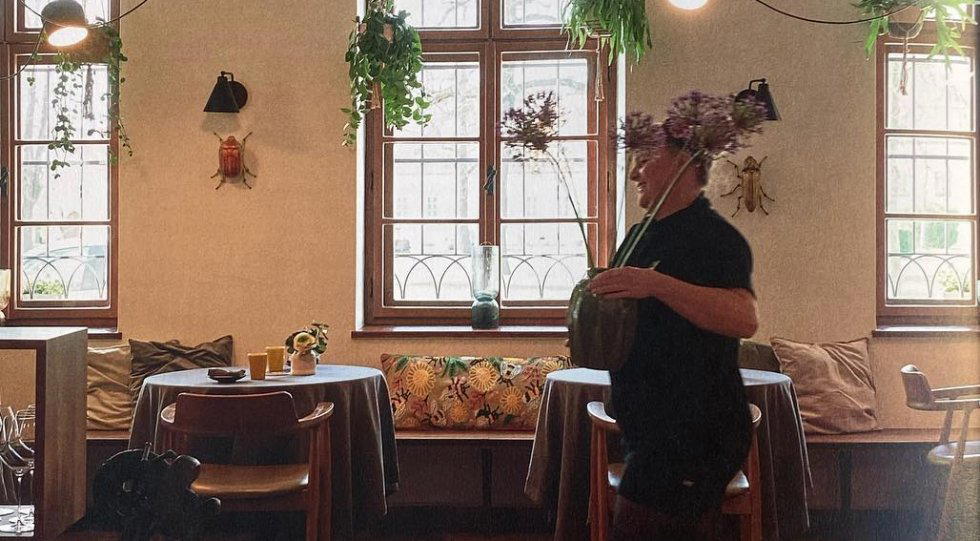
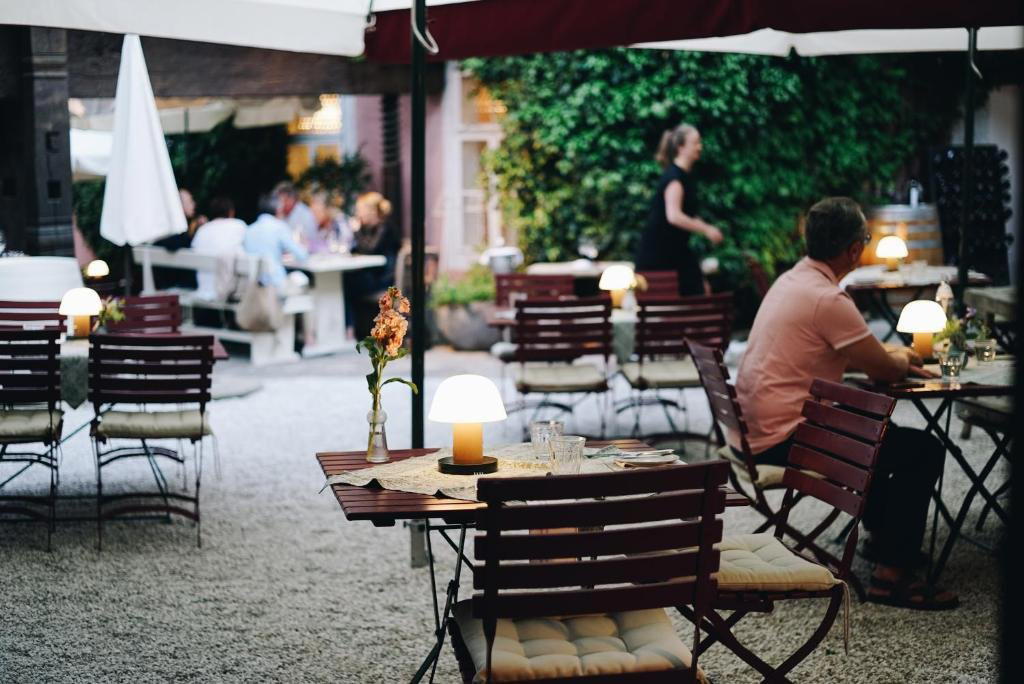
The dress and atmosphere notes also support that interpretation. “Traditional and modern” is a helpful pairing here, because it suggests a venue that carries a family-winery identity without feeling frozen in the past. The ambience descriptors, quiet, rustic, classic, and scenic, point toward a calm visit rather than a loud or highly produced one.
Price is listed as $, which places the venue at the accessible end of EP Club’s price shorthand. The safest reading is simply that Weingut Mantler31 is categorized as a lower-price venue within the guide’s framework.
What the profile does, and does not, confirm
The page should not claim a specific cuisine, food service, lunch offering, delivery option, take-out program, dietary policy, address, neighborhood, award, score, vineyard size, founding year, grape variety, or named person unless that information. None of those specifics are part of the confirmed record provided.
What remains is still a useful editorial description. Weingut Mantler31 is a Gro Riedenthal venue with a family-winery character and a sustainable identity. Its stated style is traditional and modern, and its atmosphere is quiet, rustic, classic, and scenic. For travelers comparing options in the area, that tells a clear story: this is a place to consider for a more grounded, nature-facing wine-country experience rather than for a heavily staged or high-energy outing.
The terroir-expression note is also central. It indicates that the venue’s identity is connected to place and craft. EP Club should treat that as a positioning cue, not as permission to invent a detailed wine list or production philosophy. Without grape varieties, appellations, certifications, or vintages, the strongest accurate language is general: Weingut Mantler31 is framed around terroir, nature, and craftsmanship.
How to place it within a broader Gro Riedenthal itinerary
For a Gro Riedenthal itinerary, Weingut Mantler31 fits as a quieter, scenic stop with a sustainable family-winery feel. It may appeal most to readers who value atmosphere, craft, and a sense of place over elaborate service descriptions.
The safest recommendation is to treat Weingut Mantler31 on its own terms: a $ venue in Gro Riedenthal with traditional and modern character, a quiet rustic atmosphere, and an emphasis on sustainable family-winery values.
Recognition history
Dated appearances from independent guides and award organizations, with the underlying list record or original source where available.
Falstaff Winery - Listed
Falstaff
Continue exploring
More in Großriedenthal
Wineries in Großriedenthal
All wineries in Großriedenthal →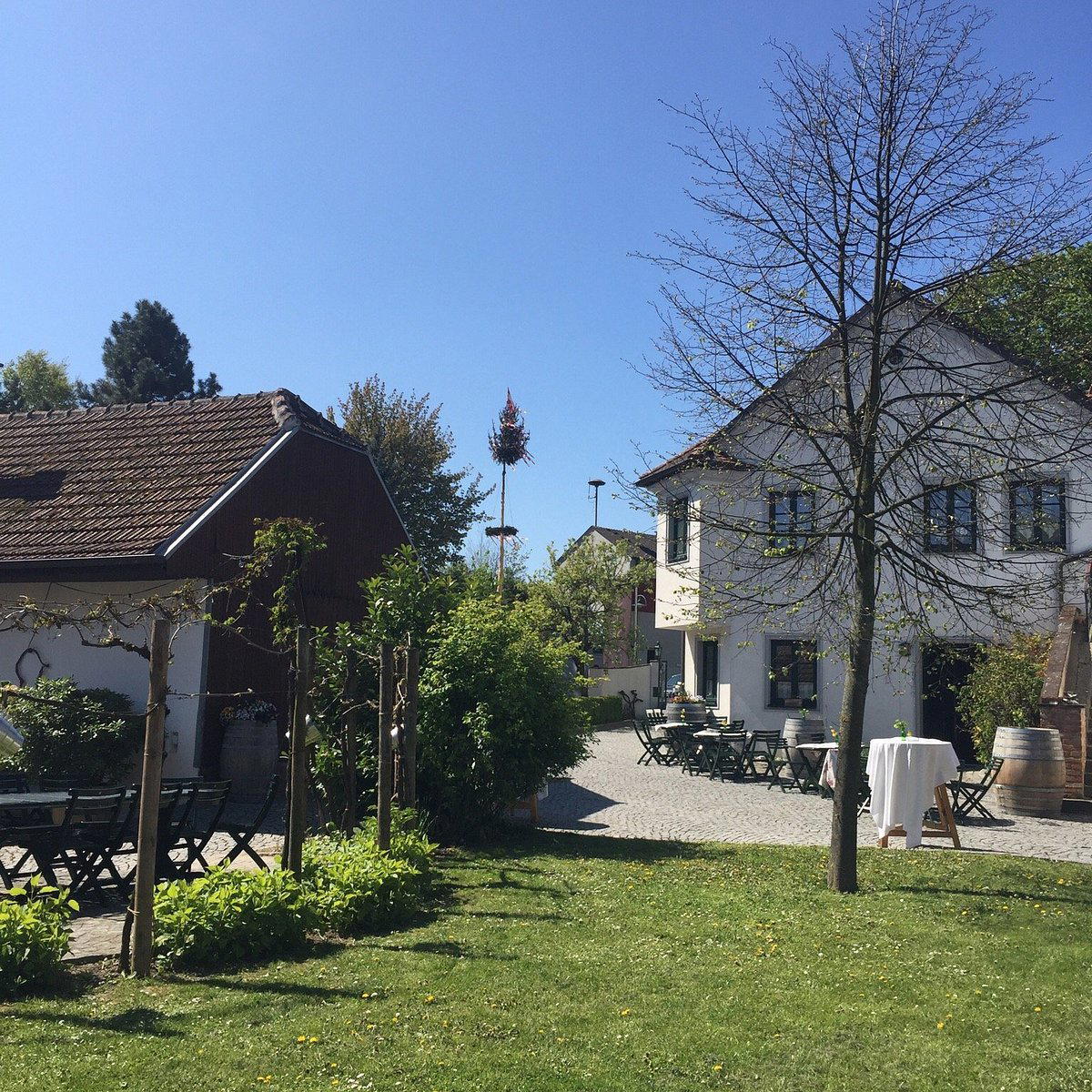
Bars in Großriedenthal
Browse all →
Restaurants in Großriedenthal
Browse all →
Details
- Quiet
- Rustic
- Classic
- Scenic
- Solo Exploration
- Special Occasion
- Wine Education
- Estate Grounds
- Historic Building
- Sustainable
- Vineyard
- Riesling
- Roter Veltliner
- Frühroter Veltliner
- Gelber Muskateller
- Weißburgunder
- Zweigelt
- Still White
- Still Red
- Tasting Room
Traditional and modern, with a sustainable family-winery character focused on nature, craftsmanship, and terroir expression.