On Wiedner Hauptstraße in Vienna's 4th district, DAS Triest occupies a former Habsburg-era coaching inn converted into a design hotel that reads as a serious alternative to the grand palace properties of the Innere Stadt. The building's architecture and room character position it firmly in the design-led, smaller-footprint tier of Vienna's premium accommodation scene.
Pearl is the En Primeur Club membership app — saves, bookings, and concierge access live there. Same editors, same standards.
- Address
- Wiedner Hauptstraße 48, 1040 Wien, Austria
- Website
- loruenser.at
- Directions
- Get directions
 Saves & bookings on Pearl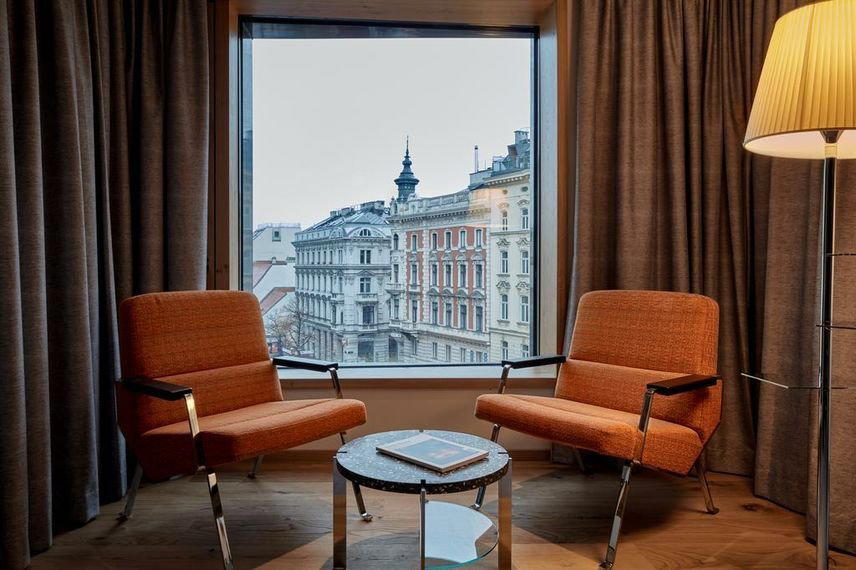
A Different Vienna Than the Ringstrasse Hotels Offer
Vienna's hotel market has long been dominated by two poles: the grand Habsburg palace conversions clustered near the Ringstrasse, and the international chain flagships that arrived in the 1990s and 2000s. Alongside those sits a third tier, design-oriented properties where architecture and spatial experience carry the same weight as service staffing ratios. DAS Triest, located at Wiedner Hauptstraße 48 in the 4th district, belongs to that third category. Its building is a former imperial coaching inn, which gives it physical credentials that purpose-built boutique hotels cannot replicate, and the conversion has been handled in a way that preserves the structural character rather than papering over it.
The 4th district (Wieden) places the hotel south of the Naschmarkt and within reasonable walking distance of the Secession and Karlsplatz. For guests whose interest lies in the Belvederegasse cultural cluster or the MuseumsQuartier fringe, the positioning is more practical than staying inside the first district. The Innere Stadt hotels, Hotel Sacher Wien, Hotel Imperial, and Rosewood Vienna, offer immediate proximity to the Opera and the major museums, but that comes with the density and tourist foot traffic of central Vienna. Wieden runs quieter, particularly in the evenings.
The Room Experience: What the Architecture Delivers
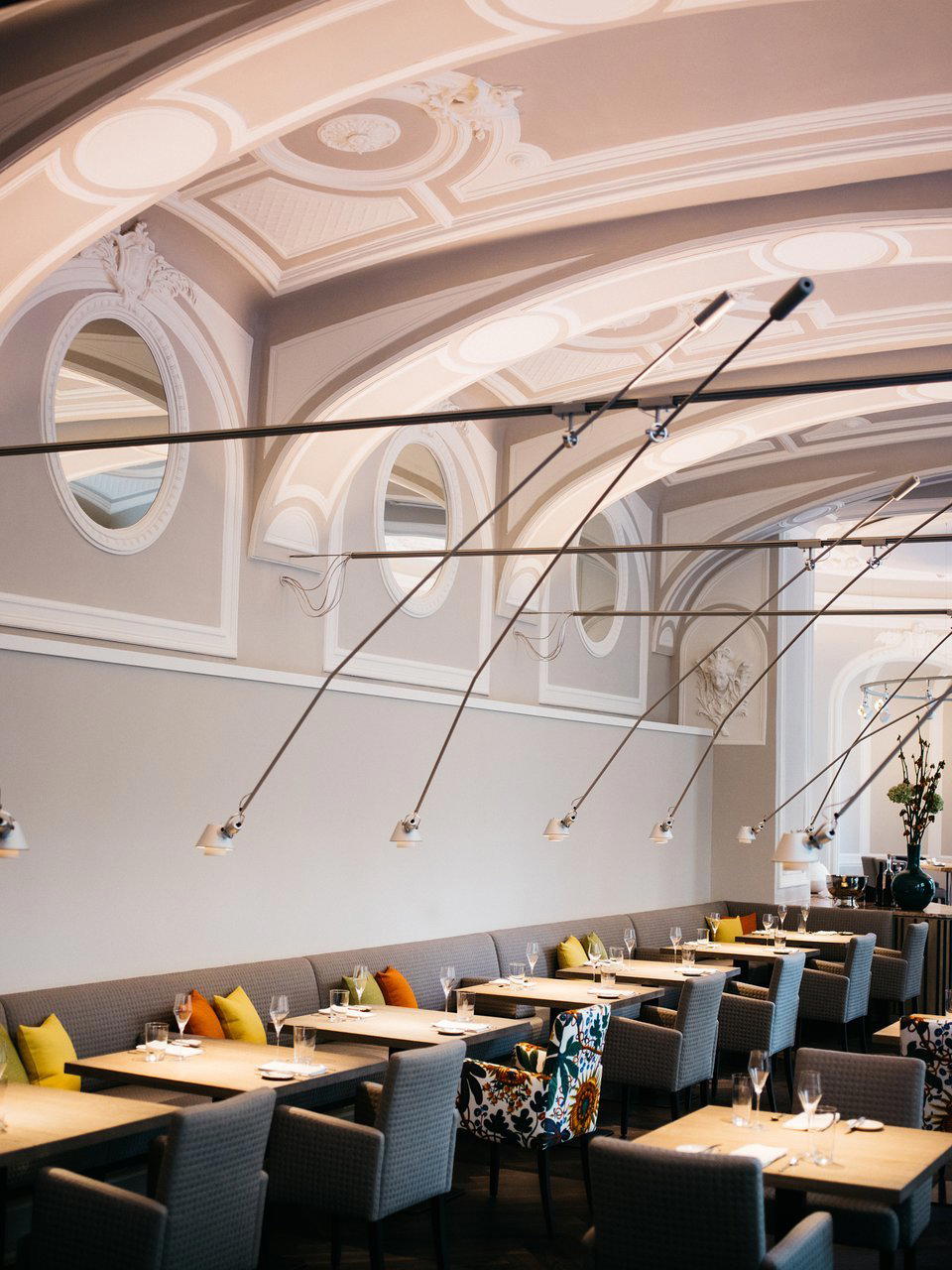
The coaching-inn footprint gives DAS Triest a spatial quality that distinguishes it from hotels built to a standard floor-plate. Former stable and carriage structures have been incorporated into the property's layout, producing rooms and common areas with proportions that vary in ways a purpose-built hotel would not allow. That kind of architectural irregularity, when handled well, creates an overnight experience where the built environment itself becomes part of the stay rather than neutral background.
Design hotels of this type, and there are comparable examples in cities like Milan, Barcelona, and Amsterdam, tend to make deliberate choices about what technology appears in the room and what does not. The emphasis shifts toward materials, light quality, and spatial composition. Rooms in converted historic buildings often carry a different acoustic character than modern construction: thicker walls, higher ceilings in certain configurations, and a stillness that glass-and-steel contemporary properties rarely achieve. Whether DAS Triest's specific rooms deliver this at their price tier is something the physical visit determines, but the building's bones make it structurally possible in a way that many Vienna competitors cannot claim.
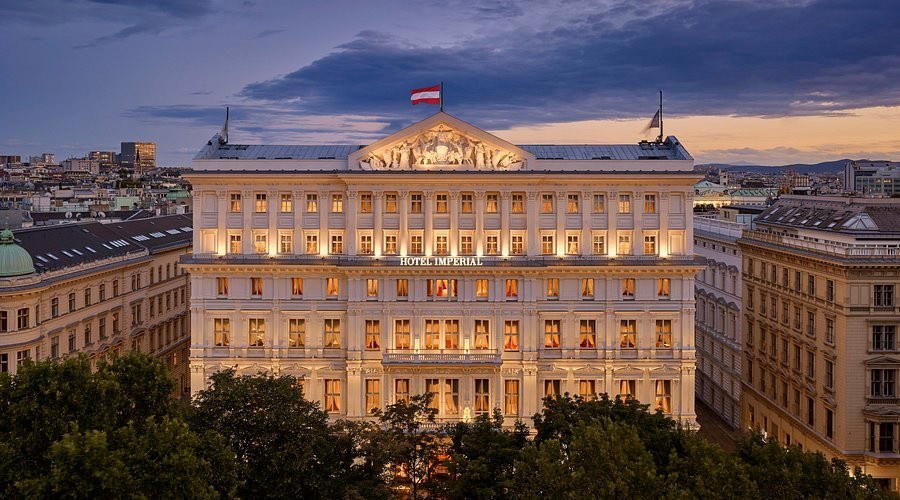
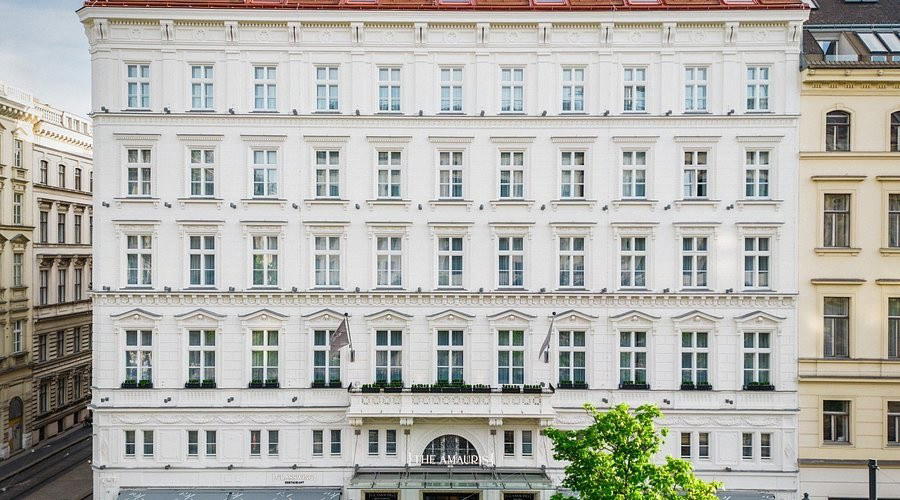
Within Vienna's design-led hotel segment, DAS Triest sits alongside Hotel Sans Souci Wien and 25hours Hotel Vienna at MuseumsQuartier as properties where the design intent drives the offer rather than simply dressing up a conventional hotel program. Almanac Palais Vienna and The Amauris Vienna occupy adjacent niches but lean harder into classical Viennese grandeur. DAS Triest's approach is more restrained in its historicism, the building's age is acknowledged rather than theatrically performed.
Placing DAS Triest in Vienna's Broader Hotel Tier
Vienna's premium hotel market has expanded meaningfully in the past decade. Park Hyatt Vienna converted the former Bank Austria headquarters in the Am Hof square into one of the more architecturally ambitious international-brand properties in Europe. Rosewood Vienna established itself at the summit of the rate card with its Palais Henckel von Donnersmarck conversion. Against those, DAS Triest prices differently, closer to the informed-traveller segment that wants design credentials and a specific neighbourhood perspective without the full-service overhead of a 250-room palace hotel. The Aman Venice model of historic-building conversion at ultra-premium rates represents one end of the spectrum; DAS Triest operates at a different point on that line, where design intent remains central but the format is more accessible.
For travellers extending an Austria trip beyond Vienna, the contrast in accommodation character is worth noting. Alpine properties like Grand Tirolia Kitzbühel and Rosewood Schloss Fuschl operate in a completely different register, landscape-driven, resort-format, seasonal. Schloss Mönchstein in Salzburg shares more DNA with DAS Triest in its historic-building approach, though in a smaller city. Wellness-focused properties such as Alpen-Wellness Resort Hochfirst, Aktiv & Wellnesshotel Bergfried, and Naturhotel Waldklause serve a fundamentally different purpose. DAS Triest is an urban design hotel first, and its value proposition only makes sense in that context. Those planning a wider Wörthersee or Carinthian leg might consider Falkensteiner Schlosshotel Velden, Hotel Schloss Seefels, or for Tyrolean mountain stays, Hotel Schwarzer Adler Innsbruck and LEADING Hotel Hochgurgl. The DAS EDELWEISS in Grossarl, Hotel Almhof Schneider in Lech, and Chalet Untersberg in Grodig round out a distinctly different category of Austrian escape.
Planning a Stay: Practical Orientation
Wiedner Hauptstraße 48 sits in a district that functions as a genuine neighbourhood rather than a tourist corridor. The U1 and U2 lines intersect at Karlsplatz, a short walk north, making transit access to the first district, the airport rail link, and the Prater direct. Guests arriving by car will find the 4th district considerably easier to manage than the pedestrianised centre. Vienna's major dining scene is accessible on foot or via a short tram ride, and the Naschmarkt, still one of Europe's more interesting indoor-outdoor food markets, is within the immediate radius. Travellers who have also considered international alternatives in the design-conscious urban segment might find the comparison with The Fifth Avenue Hotel in New York City or Aman New York useful for calibrating what different approaches to historic-building conversion produce at different price points.
In Context: Similar Options
Comparable venues nearby, for context on price, style, and recognition.
| Venue | Cuisine | Price | Awards | Notes |
|---|---|---|---|---|
| DAS Triest, A Design HotelThis venue — the venue you are viewing | Historic design hotel revitalized with contemporary elegance. | $$$$ | 4-Star | Not listed |
| Zola Hotel - Palais de Bohème | Laid-back luxury in historic city palace with contemporary design inspired by nature. | $$$$ | 4-Star | Riesenrad |
| Grand Ferdinand Vienna | Modern luxury in historic Ringstrasse building | $$$$ | 5-Star | Staatsoper |
| Hotel Daniel Vienna | Smart luxury boutique hotel emphasizing minimalism and contemporary design with quirky artistic installations and sustainable urban living practices. | $$ | 4-Star | Sudbahnhof |
| Le Meridien Vienna | Contemporary luxury design hotel in historic landmark buildings | $$$$ | 4-Star | Hofburg |
| Jaz in the City Vienna | Lifestyle hotel blending Viennese Grätzel culture with music-inspired design. | $$$ | 4-Star | Mariahilf |
At a Glance
- Modern
- Elegant
- Sophisticated
- Minimalist
- Business Trip
- Romantic Getaway
- Weekend Escape
- Historic Building
- Design Destination
- Terrace
- Panoramic View
- Wi Fi
- Fitness Center
- Sauna
- Room Service
- Concierge
- Business Center
- Skyline
- Wi Fi
- Fitness Center
- Sauna
- Room Service
- Concierge
- Business Center
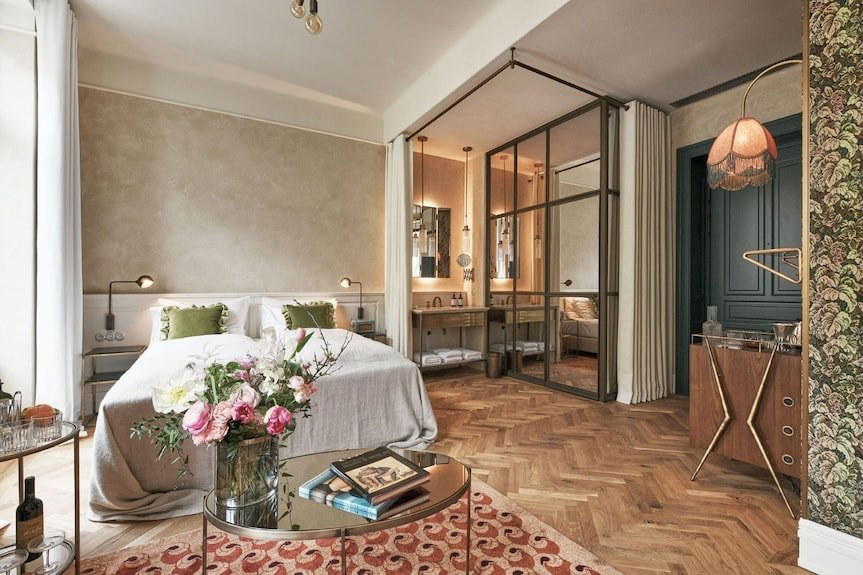
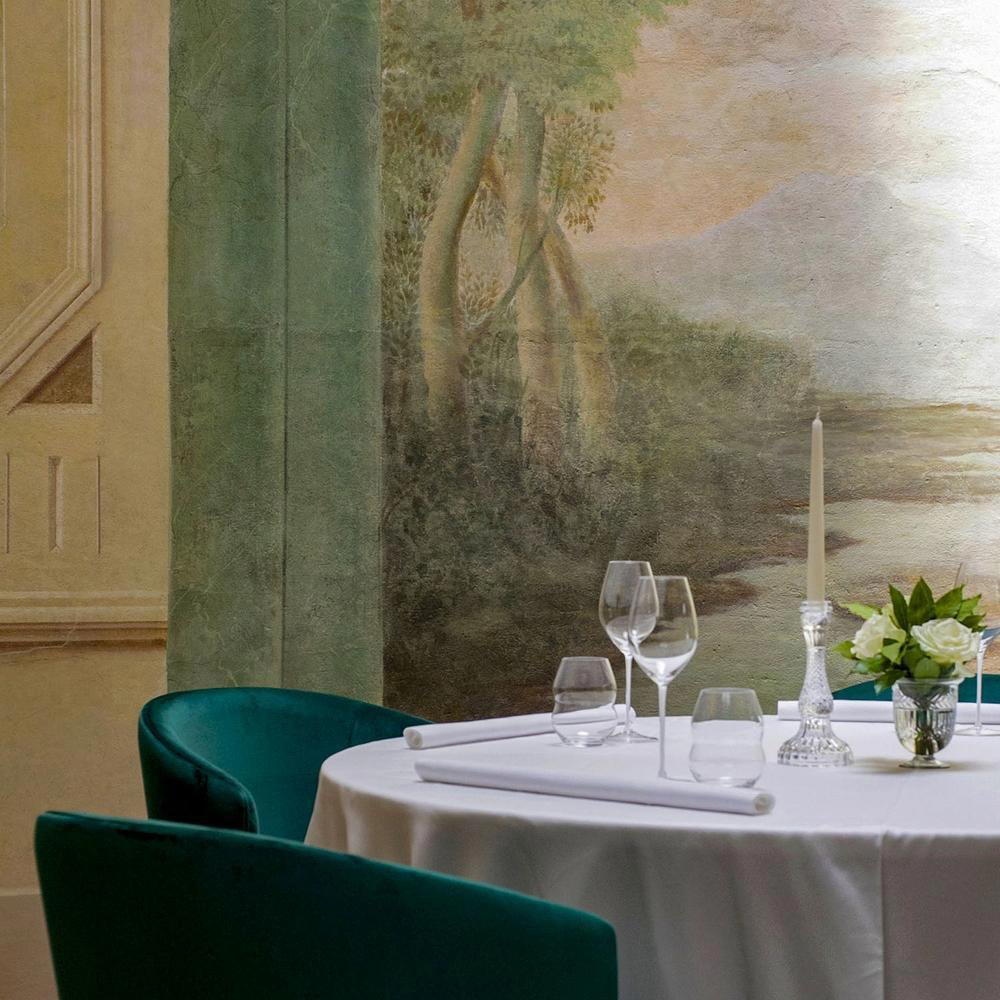
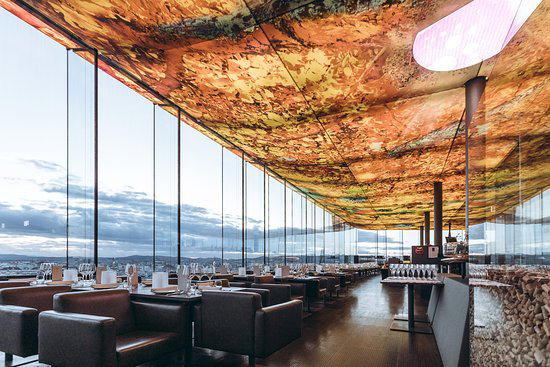
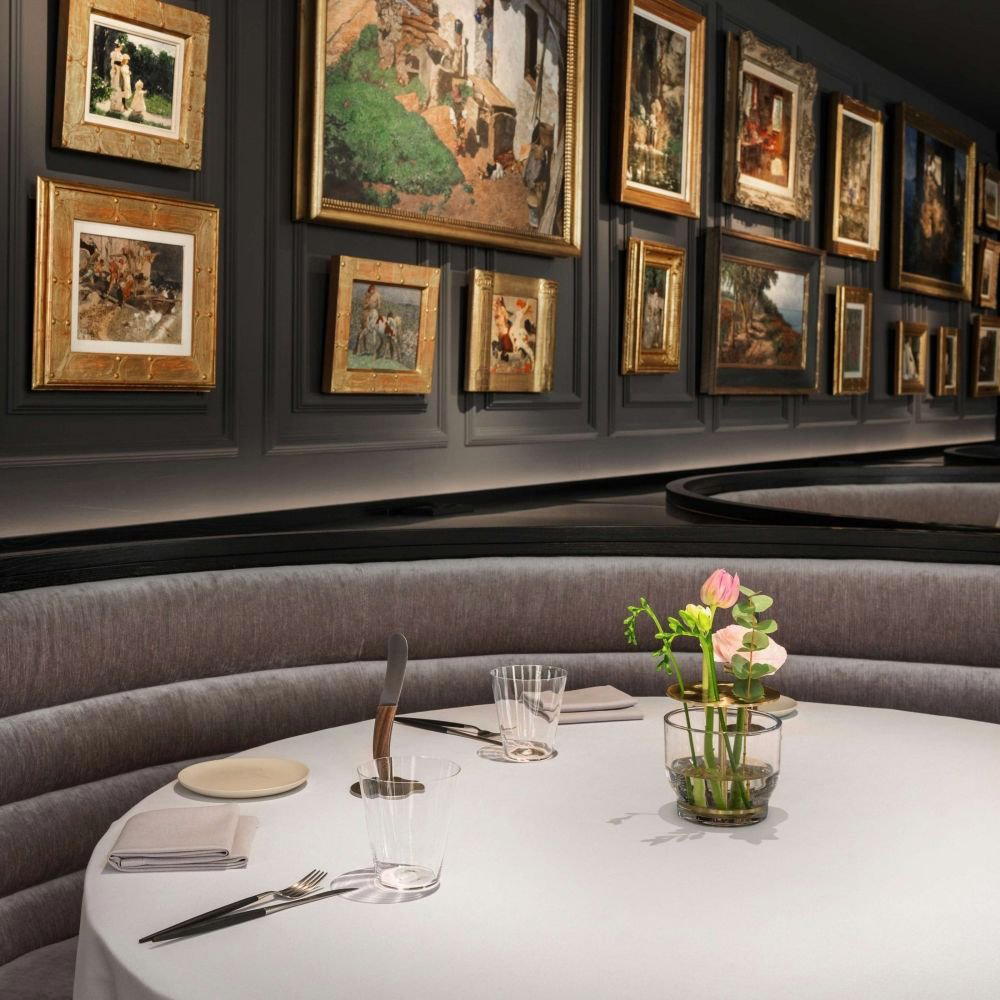
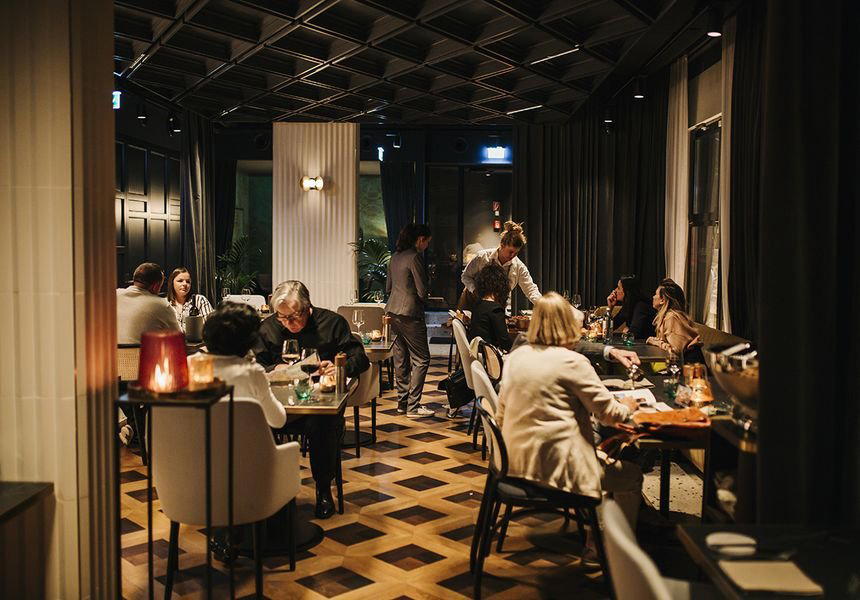
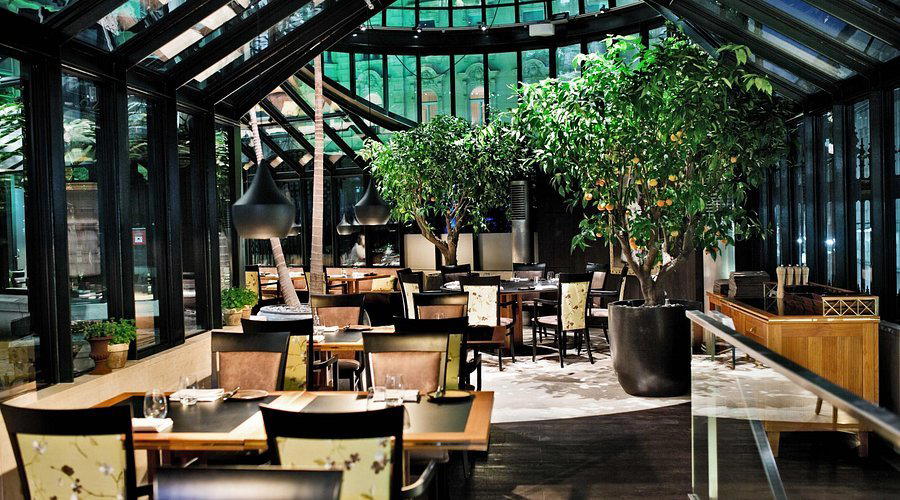
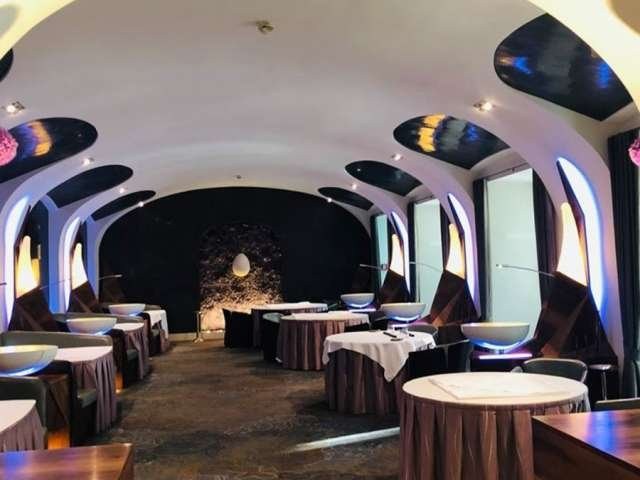
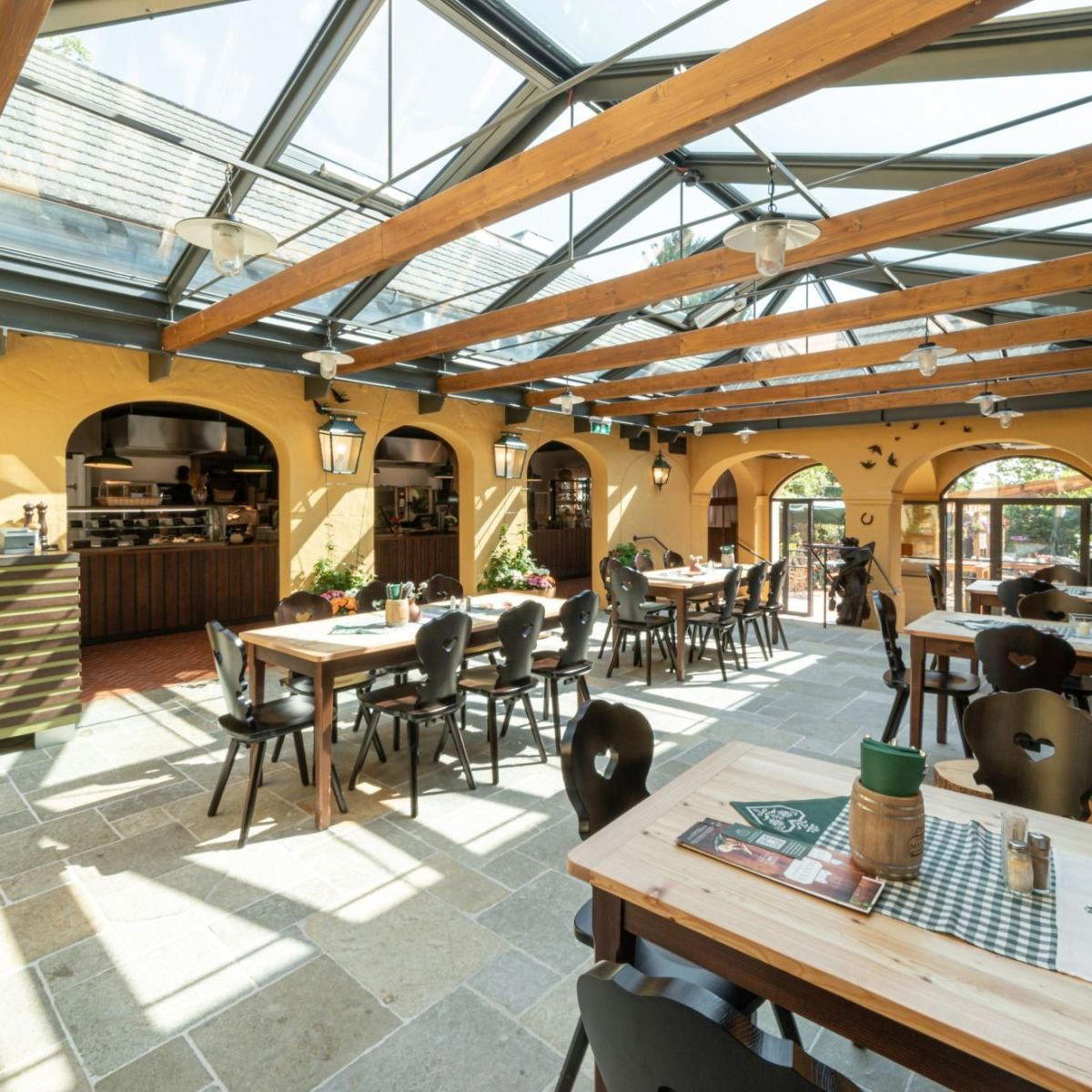
Modern and inviting with muted color palettes, high-quality materials, subtle design accents, and natural light creating a sophisticated, elegant atmosphere.