
Weingut Pöckl sits in Mönchhof, in Austria's Burgenland wine country, and holds a Pearl 2 Star Prestige award for 2025. The estate operates within one of Central Europe's most compelling red-wine districts, where the Pannonian plain's heat and the shallow soils around Lake Neusiedl push grapes to full physiological ripeness. Its 2 Star Prestige recognition places it firmly in the upper tier of the region's producer hierarchy.
 Discover on Pearl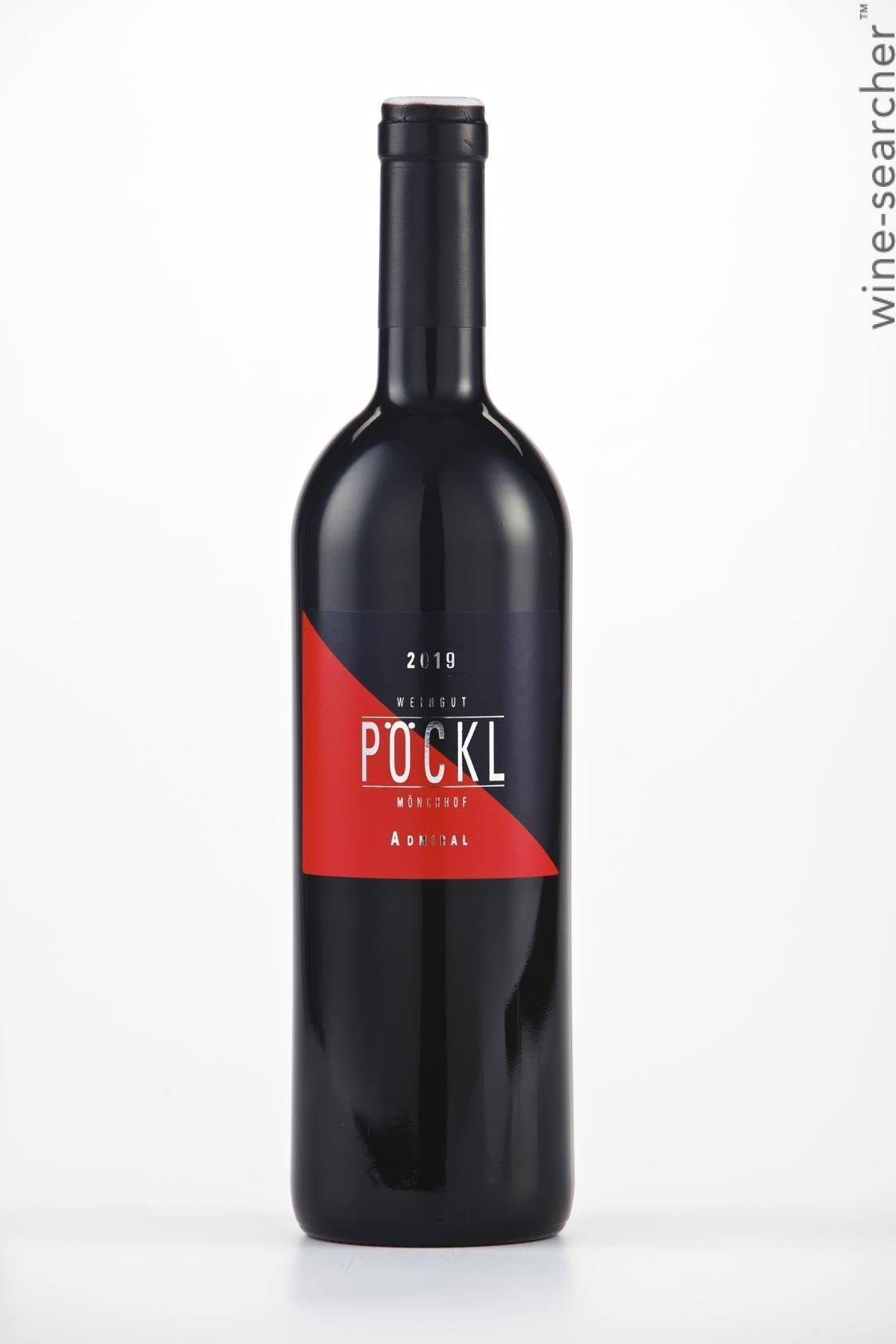
Burgenland's Prestige Tier: Where Mönchhof Fits
Austria's wine geography divides more sharply than its alpine image suggests. The country's white-wine reputation, built on Grüner Veltliner and Riesling from the Wachau and Kamptal, overshadows a quieter but well-documented southern tradition: the Burgenland, where the shallow, reed-fringed Lake Neusiedl creates a microclimate warm enough to ripen Blaufränkisch, Zweigelt, and international varieties to a level that rarely occurs elsewhere in Central Europe. The lake moderates temperatures through autumn, extending hang time and allowing a depth of fruit concentration that the country's cooler northern regions structurally cannot match.
Mönchhof sits within this zone, a small village in the Neusiedlersee DAC appellation, where the flat Pannonian basin meets sandy and gravelly soils that drain fast and warm quickly. The area has built a coherent identity around structured red wines, with producers working at markedly different scales and ambitions. Weingut Pöckl holds a Pearl 2 Star Prestige recognition for 2025, a placement that positions the estate within the upper bracket of the region's producer set rather than as a high-volume Heuriger operation.
For context on the regional field, producers such as Weingut Pittnauer in Gols and Weingut Kracher in Illmitz have established distinct international profiles within the same broad Neusiedlersee corridor, each occupying a specific niche: Pittnauer in biodynamic red wines, Kracher in the late-harvest and Trockenbeerenauslese tier that made the region internationally visible in the 1990s. Pöckl's 2 Star Prestige award signals a different positioning, one grounded in dry red wine production with serious structural ambition.
The Philosophy Behind the Wines
In Burgenland, winemaking philosophy tends to align with one of two broad schools: the extraction-forward approach that treats the Pannonian heat as an asset to build powerful, barrel-aged wines for international markets, and a more restrained school that emphasises site expression over muscle. The tension between these two directions has defined the region's critical conversation for two decades, as producers weigh in on what Blaufränkisch and Zweigelt should actually taste like at the table rather than on a scoring sheet.
Weingut Pöckl's 2 Star Prestige standing places it within the group of producers who have earned recognition for consistent quality across their range, which in the Neusiedlersee context typically means managing the region's abundant ripeness without allowing wines to tip into overworked territory. The skill in warm-climate red wine production is as much about restraint in the cellar as it is about reading the vineyard, and the estates that accumulate sustained prestige-tier recognition tend to demonstrate that discipline across multiple vintages rather than peaking in a single exceptional year.
This regional discipline is visible across the broader Austrian wine circuit. At the opposite end of the country's geography, Schloss Gobelsburg in Langenlois and Weingut Emmerich Knoll in Dürnstein demonstrate how sustained prestige recognition operates within the Wachau's steep-site white wine tradition. The parallel with Pöckl is instructive: both regions reward producers who treat their appellation's defining conditions as a framework for consistency rather than a platform for one-off showcase wines.
Mönchhof and the Neusiedlersee Appellation
The Neusiedlersee DAC appellation formalised a structure that local producers had been working toward informally for years: tiered designations that distinguish village-level wines from single-vineyard and prestige expressions. Mönchhof, small and relatively low-profile compared to the better-known Gols or Rust, has nonetheless produced estates with serious track records. The village's position on the western shore of the lake places it within reach of the moderating influence that extends the growing season into October, giving winemakers the option to wait for full physiological maturity without the acid collapse that affects warmer continental zones further east.
The soil composition around Mönchhof adds another layer of nuance. Sandy loam over gravel subsoils drains well and stresses vines into lower yields, a condition that tends to concentrate flavour in the berry rather than diluting it through abundant foliage. This combination of warm, long autumns and stress-inducing soils gives the village's wines a structural signature distinct from the heavier clay-dominant plots found in parts of neighbouring villages.
Nearby, Weingut Keringer represents another Mönchhof producer working the same appellation conditions, illustrating that the village is building a small but credible cluster of quality-focused estates rather than operating in isolation.
Placing Pöckl Within Austria's Wider Prestige Circuit
Austria's wine recognition system, through bodies including the Austrian Wine Marketing Board and domestic competition circuits, has become more granular over the past decade. A 2 Star Prestige designation in 2025 reflects not just quality in a single category but breadth across a range, a meaningful distinction from single-wine accolades that can be achieved with one exceptional barrel in an exceptional year. For estates in Burgenland specifically, this breadth signal matters because the appellation's strength across red, sweet, and dry categories means producers are often judged against a wider quality surface than their northern counterparts.
The comparison with Weingut Heinrich Hartl in Oberwaltersdorf is informative: producers operating within Austria's thermally warmer zones share the challenge of building recognisable, consistent house styles in categories dominated by vintage variation. The estates that sustain prestige recognition across multiple years are those that have built a cellar approach resilient enough to handle both the cool years that occasionally affect the Pannonian basin and the very warm years that can push alcohol and tannin structure if yields are not managed carefully.
Internationally, the kind of warm-climate restraint that Burgenland's leading producers demonstrate has analogues in very different wine regions. Abadía Retuerta in Sardón de Duero navigates similar questions around Continental warmth and structured red wine production, as does Weingut Scheiblhofer Distillery in Andau, which operates further east in the Burgenland and works with a different soil and thermal profile. The contrast between these estates maps the range of decisions producers make when their raw material is reliably ripe and the question becomes purely one of style and structure.
For white-wine-focused counterpoints within Austria's prestige tier, Weingut Wohlmuth in Kitzeck in Styria provides a useful contrast, working cooler, higher-altitude conditions where acidity drives structure rather than phenolic maturity.
Planning a Visit to Mönchhof
Weingut Pöckl is located at Zwergäcker 1, 7123 Mönchhof. The village sits roughly an hour southeast of Vienna by car, accessible via the A4 motorway toward the Hungarian border, making it a realistic half-day excursion from the capital or a logical stop within a broader Burgenland wine tour. The harvest season, running from late September through October, is the period when the region's wine culture is most active, with cellar doors typically at their most accessible and the harvest logistics that define the appellation's growing season visible in the vineyards. Visiting outside harvest, in the quieter spring months, means less activity but often more time with estate staff and clearer focus on tasting without the seasonal crowds that move through the more prominent Rust and Mörbisch wine routes. Booking ahead, particularly for prestige-tier estates, is the standard practice in the region rather than the exception. Contact details and current opening arrangements are leading confirmed directly through local tourism resources, as the estate's own contact information is not publicly listed here.
For more on what Mönchhof and the surrounding area offer, see our full Mönchhof wineries guide, along with our full Mönchhof restaurants guide, our full Mönchhof hotels guide, our full Mönchhof bars guide, and our full Mönchhof experiences guide.
Frequently Asked Questions
- What is the standout thing about Weingut Pöckl?
- The estate's Pearl 2 Star Prestige recognition for 2025 places it in the upper tier of Mönchhof and Neusiedlersee DAC producers. In a village that tends to operate below the radar compared to Gols or Rust, Pöckl's sustained prestige standing signals consistent quality across its range rather than a single high-scoring wine. Pricing and current availability are leading confirmed directly with the estate.
- What wine should I focus on at Weingut Pöckl?
- Given the Neusiedlersee DAC appellation's identity around structured red wines from Blaufränkisch and Zweigelt, and the estate's 2 Star Prestige standing, the red range is the logical starting point. The appellation's tiered structure means prestige-level producers typically offer both a village-appellation tier and a higher-classification expression worth comparing. Specific current releases and tasting opportunities should be confirmed directly with the estate, as no current wine list is held in this record.
Peer Set Snapshot
These are the closest comparables we have in our database for quick context.
| Venue | Awards | Notes |
|---|---|---|
| Weingut Pöckl | Pearl 2 Star Prestige | This venue |
| Weingut Keringer | Pearl 2 Star Prestige | |
| Domäne Wachau | 50 Best Vineyards #68 (2025); Pearl 4 Star Prestige | |
| Familienweingut Tement | 50 Best Vineyards #82 (2025); Pearl 4 Star Prestige | |
| Schloss Gobelsburg (Weingut) | 50 Best Vineyards #50 (2022); Pearl 3 Star Prestige | |
| Destillerie Krauss | Pearl 2 Star Prestige |
Access the Cellar?
Our members enjoy exclusive access to private tastings and priority allocations from the world's most sought-after producers.
Get Exclusive Access