Weingut Sepp Moser

The address on Wienerstraße places it within reach of the Wachau and Kamptal corridors, positioning it alongside the Niederösterreich estates that define the country's premium still-wine conversation. A focused visit rewards those who approach the region with patience and a working knowledge of Austrian Grüner Veltliner and Riesling traditions.
Pearl is the En Primeur Club membership app — saves, bookings, and concierge access live there. Same editors, same standards.
- Address
- u. Wienerstraße 1, 3495 Rohrendorf bei Krems
- Phone
- +43 2732 70531
- Website
- vitikultur-moser.at
- Directions
- Get directions
 Saves & bookings on Pearl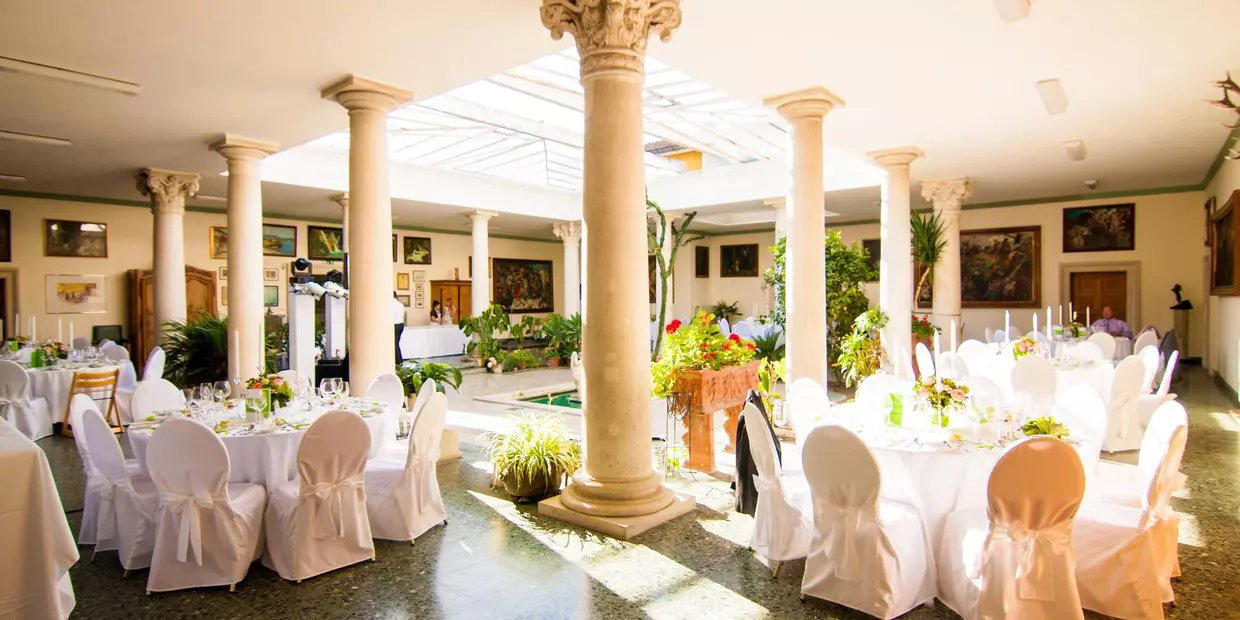
Rohrendorf and the Kremstal Argument
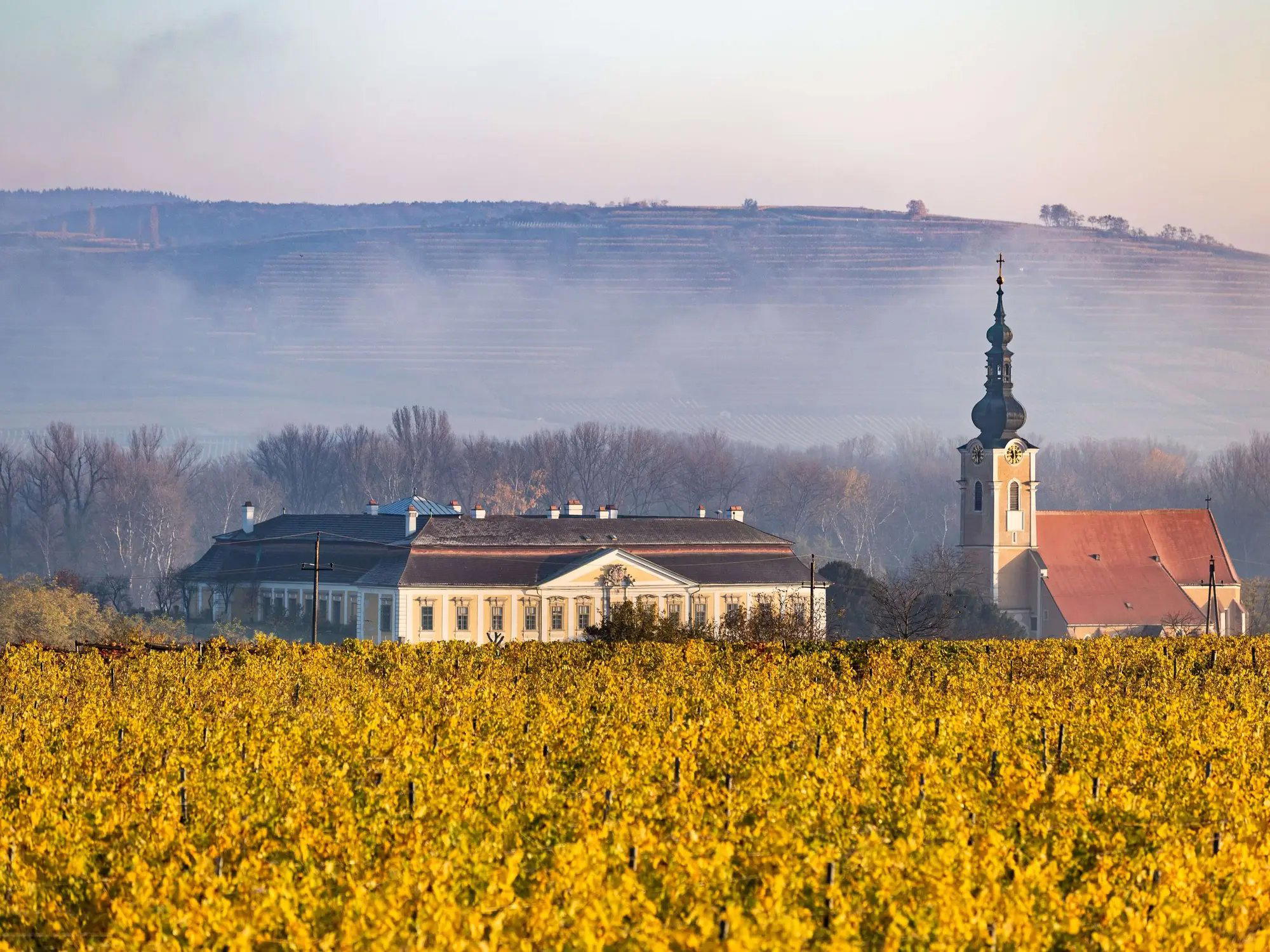
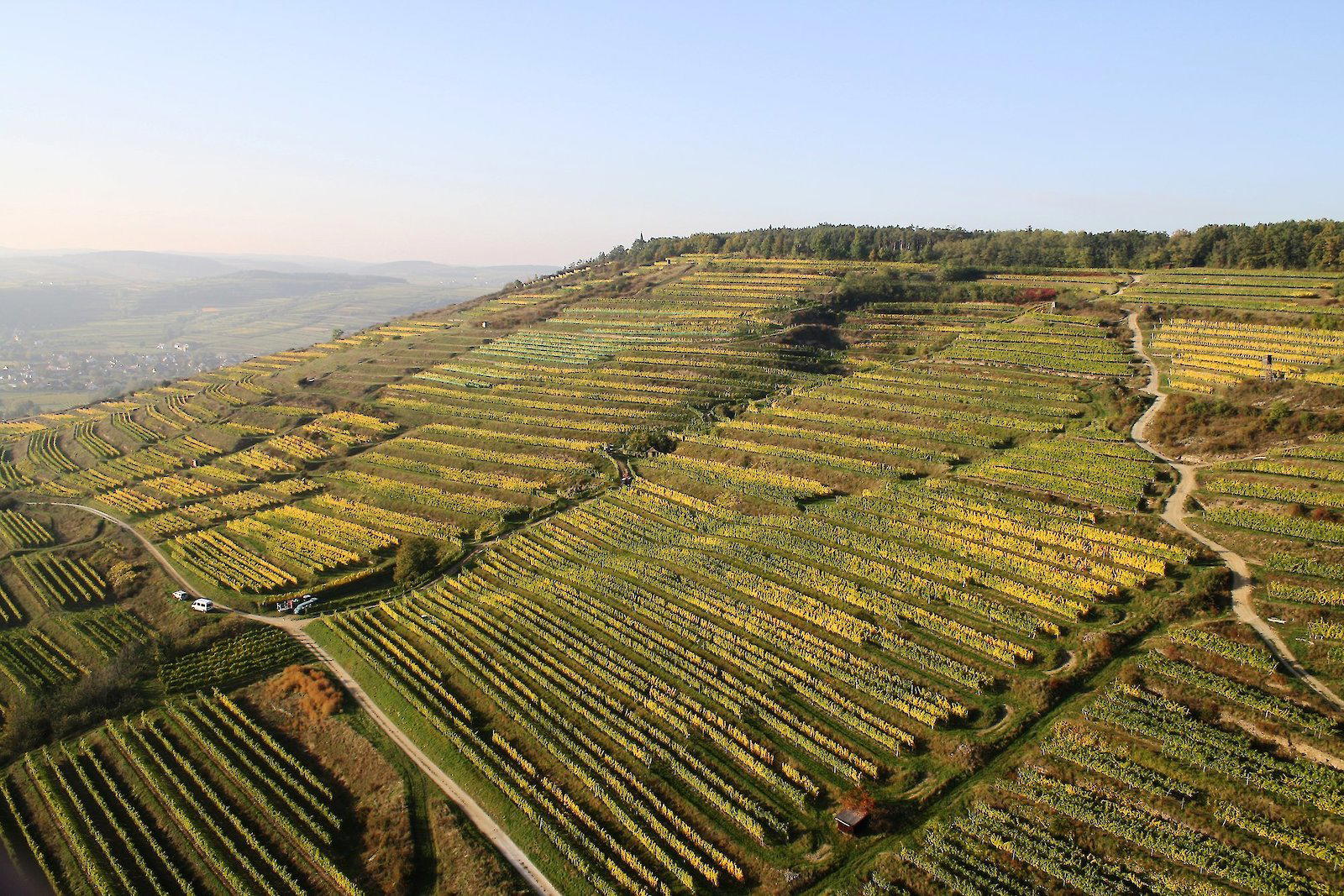
The village of Rohrendorf bei Krems sits at a transition point that matters to anyone trying to understand Austrian wine in full. East of the dramatic Wachau gorge, where the Danube loses its most theatrical topography, the Kremstal appellation takes over, a region defined less by visual drama and more by the relationship between loess soils, crystalline schist, and a continental climate that stretches the growing season just far enough to make precision viticulture worth the effort. Rohrendorf, on Wienerstraße, is a quiet wine village. What it offers instead is proximity to the source: vineyards that sit close enough to town that you can read the land's argument with the vine before you taste it in the glass.
Within this geography, Weingut Sepp Moser occupies territory that connects to one of the Kremstal's longer family narratives. The Moser name threads through this corner of Niederösterreich in multiple directions. Weingut Lenz Moser, the other Moser estate in Rohrendorf, operates at a different scale and with a different market orientation.
It reflects a combination of wine quality, producer consistency, and the kind of estate-level coherence that separates serious Kremstal producers from the broader regional crowd. At this tier, Weingut Sepp Moser sits in a comparable set that includes properties whose names recur across the informed end of Austrian wine conversation: Weingut Bründlmayer in Langenlois and Weingut Emmerich Knoll in Dürnstein represent the adjacent appellation tier, Kamptal and Wachau respectively, against which Kremstal estates are frequently benchmarked.
The recognition matters most for what it implies about consistency. An estate earning Prestige-tier recognition is one that has demonstrated it can perform across vintages, not just in peak years when the region's conditions do most of the work for every producer.
Kremstal's Winemaking Tradition and Where Sepp Moser Fits
Austria's Grüner Veltliner occupies a singular position in European white wine. The variety is planted extensively across Niederösterreich, but its expression shifts markedly depending on where it grows. In the Wachau, steep terraced vineyards and primary rock soils produce Grüner with a mineral linearity that trades in tension. In the Kamptal, the influence of the Kamp valley and deeper loess deposits softens that angularity slightly while maintaining the variety's characteristic white pepper note. The Kremstal sits between these two registers, drawing from both schist and loess depending on vineyard position, and the better producers here have learned to treat that variability as an asset rather than an inconsistency to be managed away.
Riesling plays a parallel role in the Kremstal narrative. Austrian Riesling has historically lived in the shadow of its German counterparts in international markets, but producers along the Danube corridor have spent the past two decades building a case for a distinctly Austrian style: drier, often more textural, with the kind of acidity that makes the wine work at the table rather than beside it. Estates operating at the Prestige tier within this appellation tend to treat Riesling as a variety requiring the same site-specific attention as Grüner Veltliner, not as a secondary offering or a concession to mixed portfolios.
The Rohrendorf Context, Visiting the Estate
Rohrendorf bei Krems is accessible from Vienna by train to Krems an der Donau, followed by a short transfer. The Wienerstraße address is a practical one for visitors already tracking the Wachau or Kamptal circuits: Krems serves as a natural hub for day itineraries that connect the Wachau's western wineries with Kremstal and Kamptal producers to the north and east. Those arriving by car from Vienna will find the journey under 90 minutes depending on conditions along the A22.
For visitors structuring a multi-estate day, the geographic logic runs from Dürnstein and the Wachau gorge eastward through Krems and into the Kamptal via Langenlois. Weingut Sepp Moser at Rohrendorf sits at the eastern edge of this circuit, making it either a natural final stop on a Wachau-to-Kremstal loop or the starting point for a Kremstal-focused afternoon. The region's wine tourism infrastructure is developed enough for advance planning but not so saturated that the experience feels managed at the same level as, say, the major Napa estate route. Booking ahead remains the sensible approach for any estate visit in this tier.
Contacting the estate directly via its Wienerstraße address is the recommended approach for planning purposes. Austrian wine estates at this prestige level frequently operate appointment-based systems rather than walk-in tastings, so factoring lead time into any itinerary is practical advice.
Where Sepp Moser Sits in the Broader Austrian Wine Map
Niederösterreich hosts the densest concentration of Austria's premium wine production, but the country's other regions each contribute to a picture that is more varied than the Grüner Veltliner and Riesling narrative might suggest. To the south, Weingut Wohlmuth in Kitzeck represents the Styrian approach, leaner, more saline white wines from a region defined by steep slate and volcanic soils. In Burgenland, Weingut Kracher in Illmitz operates in an entirely different register, with Neusiedlersee botrytis conditions that make it one of the world's reference points for sweet wine production. Further into Burgenland's red wine territory, Weingut Pittnauer in Gols works with native varieties under a philosophy that prioritises soil expression over extraction. Weingut Heinrich Hartl in Oberwaltersdorf adds another Niederösterreich perspective from the Thermenregion, where Pinot Noir and the indigenous Zierfandler variety establish a distinct identity.
Estates earning this recognition across different Austrian regions and styles are operating at the level where the wine justifies serious travel planning. Austria's spirits and distilling culture is also worth noting for those extending their itinerary: operations like 1310 Spirit of the Country Distillery in Sierning and A. Batch Distillery in Bergheim reflect a broader Austrian craft production conversation that sits alongside the wine estates rather than separately from them.
Planning Your Visit
The winery's address is u. Wienerstraße 1, 3495 Rohrendorf bei Krems. With a reservation recommended, visitors should plan ahead.
Booking and Cost Snapshot
Comparable venues nearby, for context on price, style, and recognition.
| Venue | Cuisine | Price | Notes |
|---|---|---|---|
| Weingut Sepp MoserThis venue — the venue you are viewing | Rohrendorf, Grüner Veltliner, Riesling | $$$ | Not listed |
| Weingut Lenz Moser | Not listed | $$ | Rohrendorf bei Krems, Grüner Veltliner, Blauer Zweigelt |
| Weingut Jurtschitsch | Langenlois, Grüner Veltliner, Riesling | $$$ | Not listed |
| Weingut F. X. Pichler | Dürnstein, Grüner Veltliner, Riesling | $$$ | Not listed |
| Stock Austria Distillery | Winery | Not listed | Not listed |
| Weingut Hutter Distillery | Not listed | $$ | Mautern an der Donau, Grüner Veltliner, Riesling |
Recognition history
Dated appearances from independent guides and award organizations, with the underlying list record or original source where available.
Falstaff Winery - 3 Stars
Falstaff
Continue exploring
More in Rohrendorf
Wineries in Rohrendorf
Browse all →
Bars in Rohrendorf
Browse all →
Restaurants in Rohrendorf
Browse all →
At a Glance
- Rustic
- Classic
- Scenic
- Elegant
- Wine Education
- Solo Exploration
- Special Occasion
- Vineyard Tour
- Estate Grounds
- Terrace
- Biodynamic
- Organic
- Vineyard
- Kremstal DAC
- Grüner Veltliner
- Riesling
- Zweigelt
- Chardonnay
- Pinot Blanc
- Sauvignon Blanc
- Still White
- Still Red
- Cave Tasting
- Private Tasting
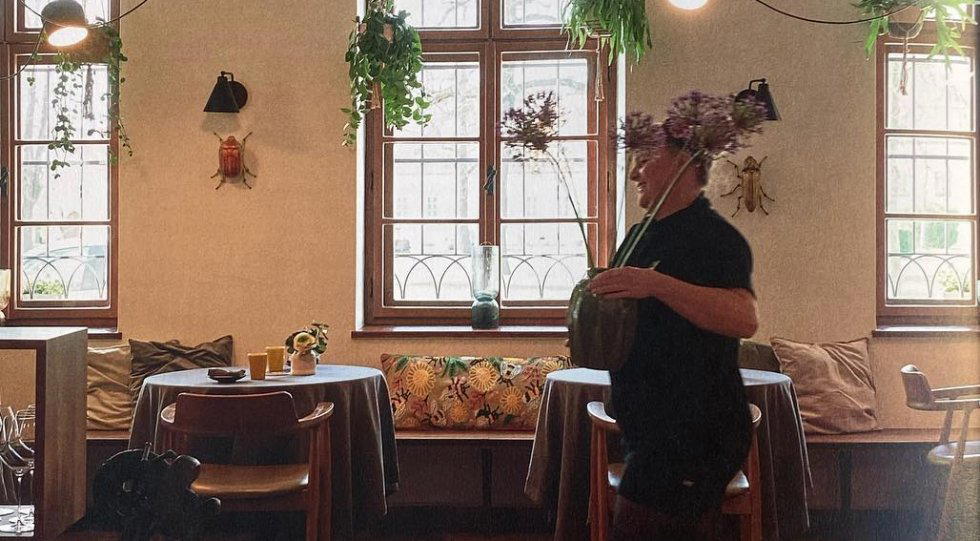
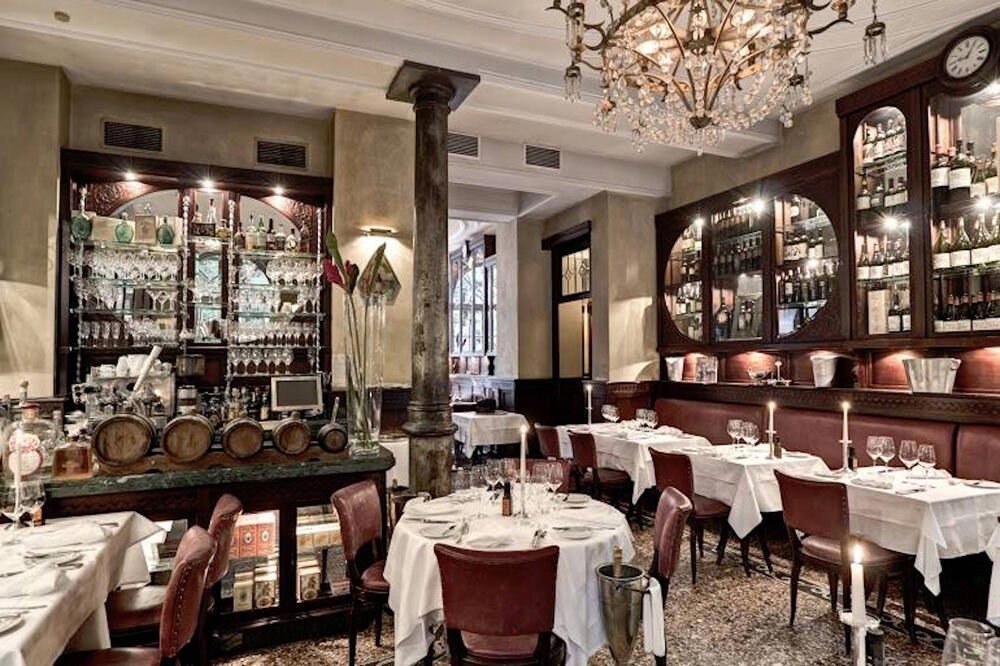
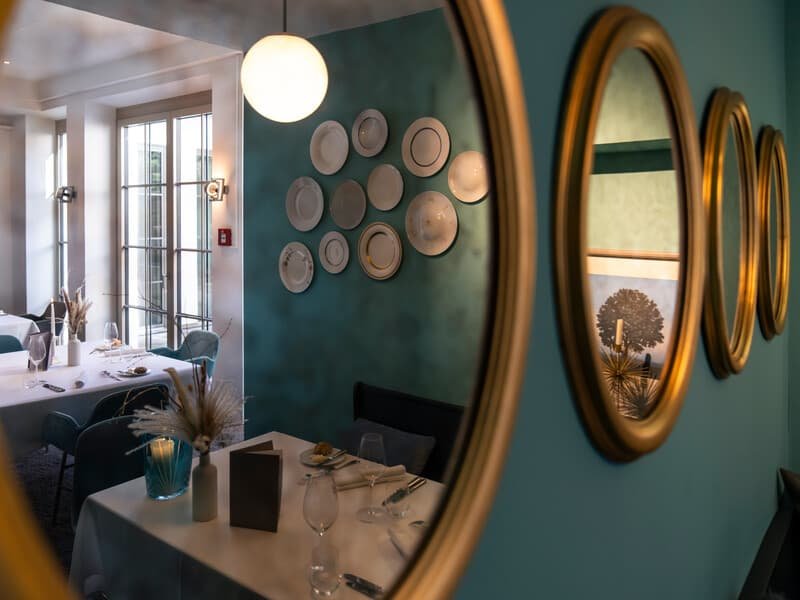
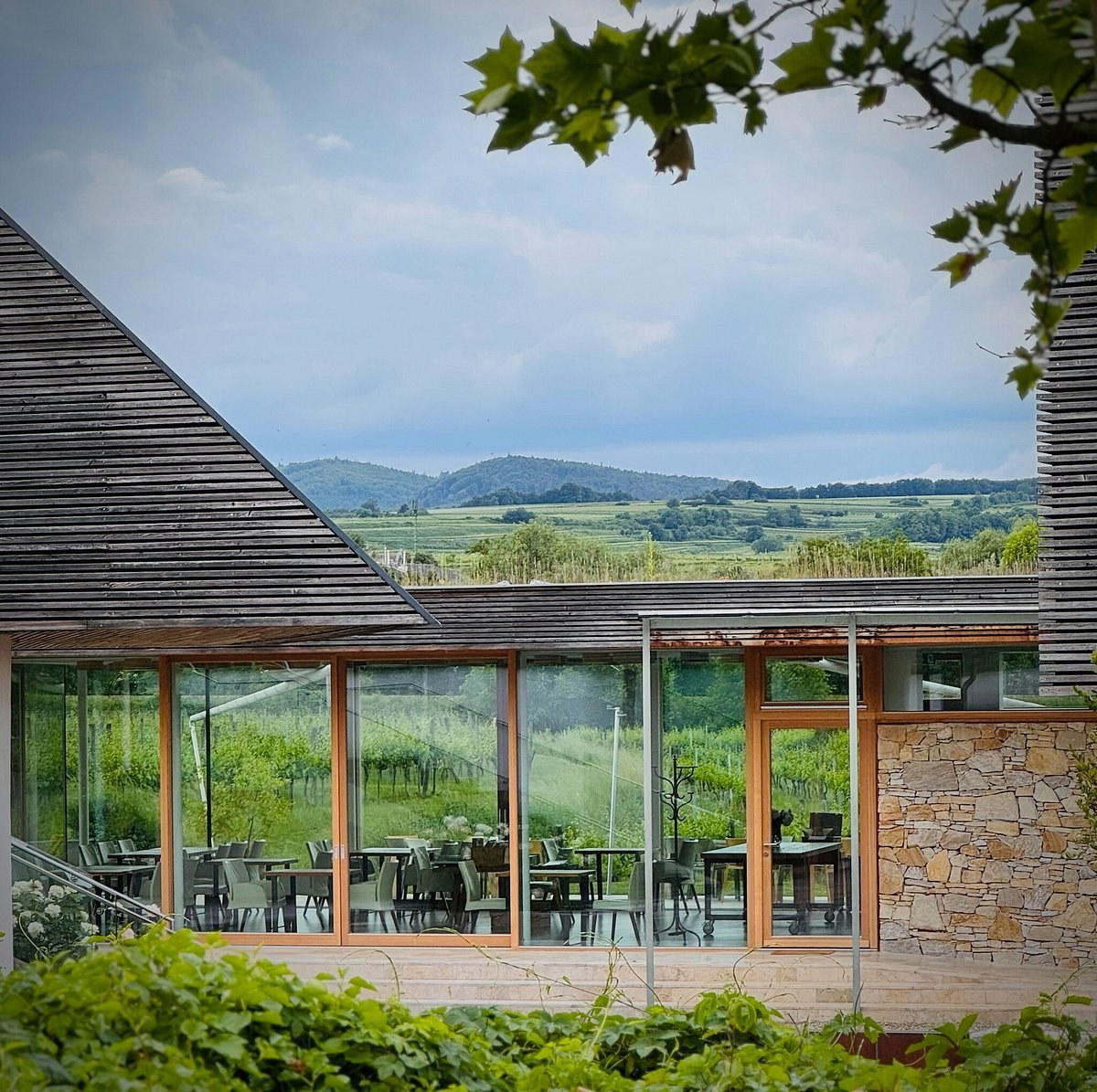
Traditional and elegant atmosphere in historic Atrium House with focus on authenticity and minerality.