Brennerei Durigon is a distillery in Lienz, in Austria's East Tyrol region, recognised with a Pearl 1 Star Prestige award in 2025. Operating where Alpine terrain shapes the character of local spirits production, it represents the small-batch distilling tradition that has gained sustained recognition in the Austrian craft sector. Visitors to the region with an interest in terroir-driven spirits will find it a reference point in the Lienz area.
 Discover on Pearl
Pearl is the En Primeur Club membership app — saves, bookings, and concierge access live there. Same editors, same standards.
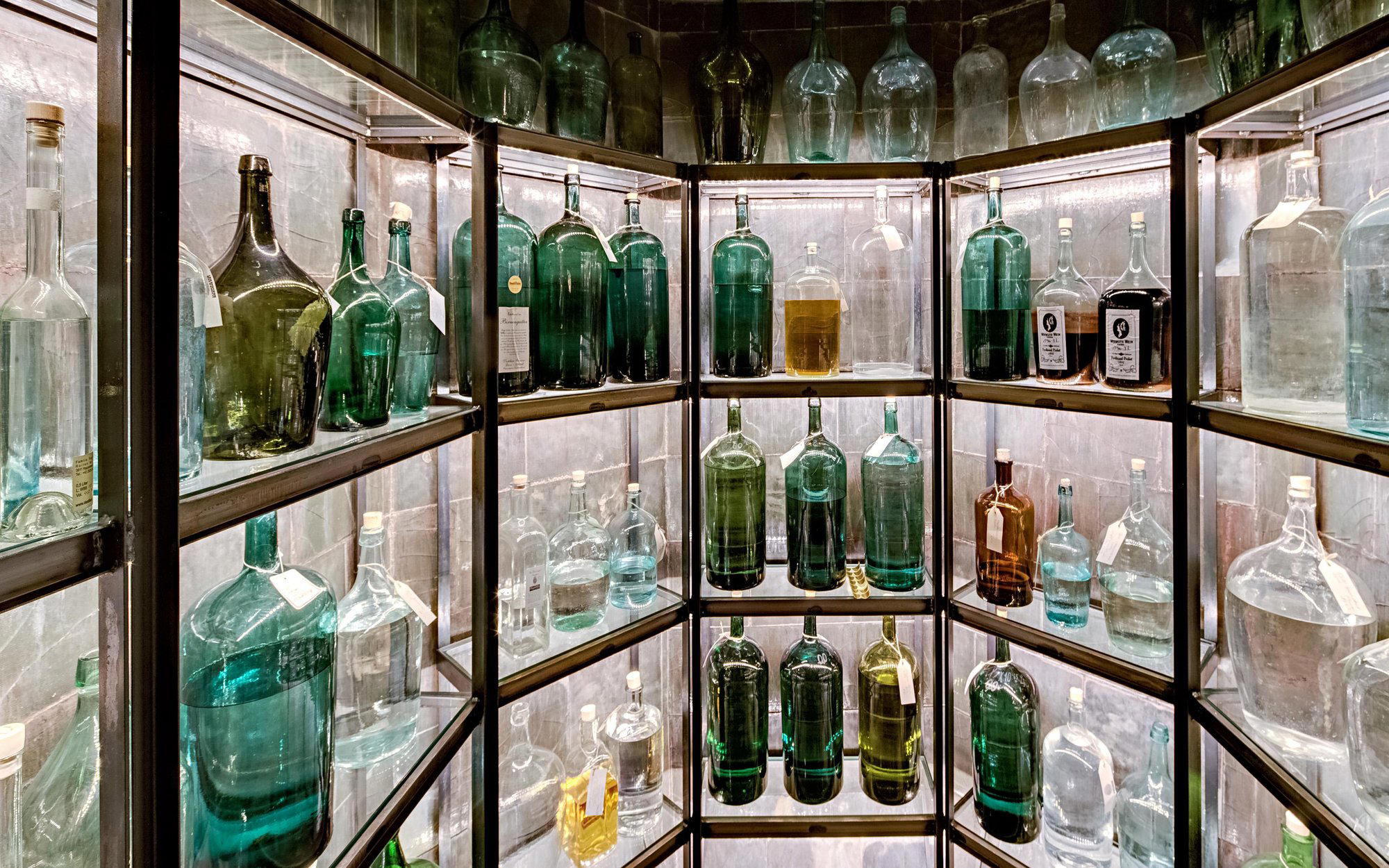
Where East Tyrol's Terrain Ends Up in a Glass
East Tyrol occupies a geographical position that sets it apart from Austria's better-known wine and spirits corridors. Surrounded by the Hohe Tauern massif to the north and the Carnic Alps to the south, Lienz sits in a valley basin where the Isel and Drau rivers converge at roughly 670 metres above sea level. The growing conditions here are not those of the Wachau or the Burgenland. The summers are warm and short, the winters long and defined by elevation. For distillers working with local raw materials, that environment is not incidental to the product; it is the product. Brennerei Durigon, based in Lienz, operates within that framework, where Alpine geography shapes the distillery's work.
Austria's craft distilling sector has expanded considerably over the past two decades. The country has a long tradition of fruit spirit production, particularly in rural Tyrol and Styria, where farmers have historically operated small-batch stills under tight regulatory frameworks. The Abfindungsbrennerei system, a licensed small-scale distilling arrangement, allowed agricultural producers to process surplus fruit into spirits long before the term "craft distillery" entered international trade vocabulary. That tradition created the infrastructure, both physical and cultural, on which contemporary producers like Brennerei Durigon now build. For context on how this lineage plays out across Austrian distilling today, the broader network includes operations as varied as Abfindungsbrennerei Franz in Leithaprodersdorf and 1310 Spirit of the Country Distillery in Sierning, each operating within a distinct regional register.
Terroir as Production Logic in the Alpine South
The concept of terroir travels uneasily from viticulture into distilling, but in East Tyrol the argument is harder to dismiss than in most places. At altitude, fruit ripens more slowly, accumulating aromatic complexity that lower-elevation counterparts rarely match. The temperature differentials between day and night in a high Alpine valley compress flavour development in ways that affect everything from orchard apples to stone fruits to wild botanicals. For a distillery drawing on local materials, those variables translate directly into what ends up in the still. This regional specificity is not simply a marketing position but one with enough substance to merit independent evaluation.
Compare this to how terroir functions in Austrian wine regions to the east. At Weingut Emmerich Knoll in Dürnstein, the Wachau's loess and primary rock terraces produce Riesling and Grüner Veltliner of a very particular mineral character. At Weingut Bründlmayer in Langenlois, the Kamptal's gravel and loam soils push a different expression of the same varieties. In each case, the land's physical composition is understood as the source of product identity. East Tyrol's distilling tradition makes a structurally similar argument through a different medium: not vine and grape, but orchard and still.
The Austrian Awards Context
Its recognition places Brennerei Durigon in an acknowledged tier within Austrian spirits evaluation. Award systems for distilleries in the German-speaking world have grown more rigorous in recent years, tracking the broader international shift toward taking craft spirits production seriously as a quality discipline rather than a regional curiosity. In Austria, this recognition sits alongside a wider pattern of small producers receiving formal acknowledgement for terroir-grounded work. The Prestige tier indicates a level of product distinction that separates the operation from the generic small-batch field, where volume and novelty often substitute for precision.
For comparative reference, the Austrian wine sector has long demonstrated that regional specificity and award recognition can coexist with small production. Weingut Kracher in Illmitz built an international profile for Burgenland sweet wines through a combination of site-specific work and sustained critical recognition. Weingut Wohlmuth in Kitzeck has done something similar for Styrian Sauvignon Blanc and Muskateller. Both cases illustrate that Austria's premium producer map is not confined to its most publicised appellations; it extends into less-trafficked regional corners where the conditions are right and the producers are sufficiently committed. Brennerei Durigon's position in Lienz follows that same geographic logic.
Lienz and the Wider Austrian Craft Circuit
Lienz itself is a small city of roughly 12,000 residents, functioning primarily as the administrative and commercial centre of East Tyrol. It draws visitors principally for Alpine outdoor activity, with skiing at Hochlienz and Zettersfeld directly above the town and hiking access into the Dolomites to the south. The food and drink culture here is less developed as a destination in its own right than in, say, Innsbruck or Salzburg, which means that producers with genuine craft credentials occupy a more prominent local position. A distillery recognised at the national awards level in a city of this size carries a different weight than it would in a major urban market. For travellers working through the region, Lienz offers broader orientation to what the area offers across food and drink.
The Austrian distilling circuit, taken as a whole, ranges from experimental urban operations like 1516 Brewing Company Distillery in Vienna and A. Batch Distillery in Bergheim to regionally rooted producers working closer to agricultural source material. Weingut Scheiblhofer Distillery in Andau and 1404 Manufacturing Distillery in Sankt Peter-Freienstein each represent points on that spectrum. Brennerei Durigon occupies the rural, terroir-anchored end, where the argument for regional identity is geographic rather than conceptual.
Planning a Visit
The most reliable approach is to check directly through local East Tyrol tourism channels or contact the distillery before making a special trip. Lienz is accessible by rail from Innsbruck via the Pustertalbahn connection through Italy, or from Spittal an der Drau to the east. Confirm availability before arrival.
Travellers with an interest in Austrian terroir-driven production across both spirits and wine might consider pairing a visit to the East Tyrol with stops at producers further east: Weingut Pittnauer in Gols and Weingut Heinrich Hartl in Oberwaltersdorf represent the Burgenland and Thermenregion ends of the Austrian quality map. For a different national tradition entirely, Aberlour in Aberlour and Accendo Cellars in St. Helena offer points of comparison in Scotch whisky and Napa Cabernet respectively, illustrating how terroir-anchored production operates across very different climate and regulatory contexts.
Comparable Venues
Comparable venues nearby, for context on price, style, and recognition.
| Venue | Cuisine | Price | Awards | Notes |
|---|---|---|---|---|
| Brennerei DurigonThis venue — the venue you are viewing | Winery | , | 1 recognition | |
| Brennerei Tagwerker | Winery | , | 1 recognition | Lienz |
| Brennerei Hödl | Winery | , | 1 recognition | Klagenfurt |
| Jules Spirits Distillery | Winery | $$ | 1 recognition | Radstadt |
| Rosenberger Distillery | Winery | , | 1 recognition | Markt Allhau |
| Weingut Zahel | Grüner Veltliner, Riesling | $$ | 1 recognition | Mauer, Liesing (23rd district) |
Continue exploring