Black Button Distilling

Black Button Distilling on University Avenue is Rochester's Pearl 2 Star Prestige-rated craft distillery, operating at the intersection of grain-to-glass production and the Finger Lakes' broader agricultural tradition. The distillery sits in the city's active University district, where a new tier of craft producers has taken root over the past decade. A 2025 Pearl recognition places it among a select cohort of American craft spirits operations earning formal critical attention.
 Discover on Pearl
Pearl is the En Primeur Club membership app — saves, bookings, and concierge access live there. Same editors, same standards.
Grain, Climate, and the Case for Rochester Spirits
The Finger Lakes region has long been understood through its wines, particularly the Rieslings and cool-climate Pinot Noirs that draw comparisons to Alsace and northern Burgundy. What receives less attention is the agricultural substrate that supports the region's broader fermentation culture: the same cold winters, glacially-shaped soils, and Great Lakes-moderated growing seasons that define the viticultural identity of the Finger Lakes also shape the grain crops and botanical materials available to distillers working at a serious level. Black Button Distilling, at 1344 University Ave in Rochester, sits within this context. Its 2025 Pearl 2 Star Prestige recognition signals that at least one major critical framework has placed it inside the tier of American craft distilleries worth tracking, not simply visiting out of local curiosity.
Rochester's position in the American craft spirits story is worth understanding before arriving. The city is not a spirits destination in the way Louisville or the Hudson Valley is, but that is precisely what makes operations earning formal recognition here significant. When a distillery in a secondary market earns a structured prestige rating, it typically reflects production discipline rather than brand infrastructure or marketing reach. The Pearl 2 Star designation, awarded in 2025, places Black Button in a cohort where the spirits themselves carry the argument.
What University Avenue Signals About the Operation
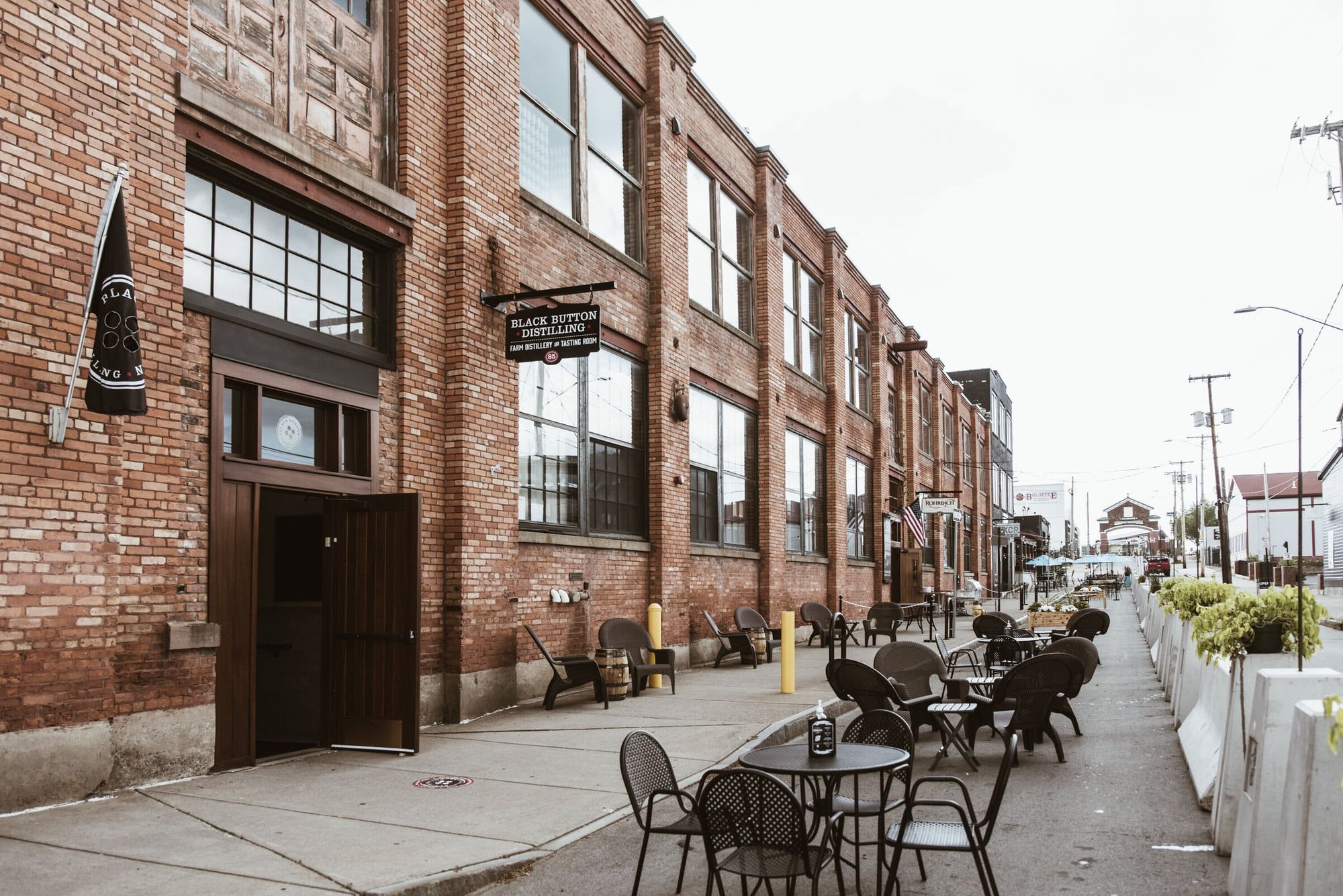
University Avenue runs through one of Rochester's more active commercial corridors, connecting the University of Rochester's orbit to the city's inner ring neighborhoods. It is not a tourist strip. The address at 1344 places Black Button in a working part of the city where food and drink producers have found affordable production space alongside neighborhood hospitality. This kind of geography tends to produce distilleries with functioning production floors visible to visitors, rather than visitor centers built primarily around retail. The physical environment at operations like this typically puts fermentation tanks, still columns, and barreling operations within sight or proximity of tasting areas, which is a different experience than arriving at a polished brand showroom.
For visitors traveling to Rochester specifically for food and drink, the University Ave corridor connects logically to the broader east side of the city. Those building a day around the area should plan for the distillery as an anchor stop rather than an afterthought. Rochester's hospitality infrastructure is not dense enough that spontaneous walk-in visits to serious producers always work; contacting ahead or checking current hours before visiting is a practical step that applies here as it would at most grain-to-glass operations of this scale.
The Terroir Argument for American Craft Spirits
The concept of terroir in distilling is more contested than in wine, but it is not without substance. Grain provenance, water source, and climate all leave measurable impressions on a finished spirit, particularly in whiskey and gin categories where local agricultural sourcing is part of the production identity. Craft distilleries in the northeastern United States occupy an interesting position in this conversation: they work with grain from a region that has genuine agricultural character, winters cold enough to drive meaningful barrel expansion and contraction, and water profiles that differ from Kentucky or Tennessee limestone-filtered sources.
Black Button's placement in upstate New York puts it within the same agricultural belt that supplies a significant portion of the Northeast's malting barley and soft winter wheat. Distilleries working in this geography who commit to regional grain sourcing are, in effect, making a terroir argument even when they do not use that language. The Pearl 2 Star recognition in 2025 suggests the output holds up to structured critical evaluation, which is the credible test of whether that terroir argument produces spirits worth drinking rather than simply worth admiring conceptually.
For context on how terroir-driven production works at the winery level in adjacent categories, the approach at operations like Adelsheim Vineyard in Newberg or Adelaida Vineyards in Paso Robles illustrates how regional agricultural identity becomes a production framework rather than a marketing position. Similar logic applies to serious craft distilling in the Finger Lakes corridor.
Where Black Button Sits in the American Craft Spirits Tier
American craft distilling has matured past its first wave of novelty openings. The category now contains a wide spread: large craft brands operating at near-industrial scale, small producers making interesting but technically inconsistent spirits, and a narrower tier of operations producing spirits that hold up against legacy producers in structured tastings. The Pearl 2 Star Prestige rating positions Black Button in that narrower tier, at least for the expressions that earned the recognition.
Comparison is useful here. At the winery level, operations earning mid-tier prestige recognition in secondary markets, such as Au Bon Climat in Santa Barbara or Alexander Valley Vineyards in Geyserville, built reputations through production consistency rather than through location prestige alone. The parallel in distilling is a producer whose spirits reward repeated attention rather than a single visit driven by regional novelty. The 2025 Pearl recognition at 2 Star level suggests Black Button operates closer to that model than to a tourism-oriented craft operation.
Visitors who follow spirits with the same attention they give wine, as many EP Club readers do, will find the Rochester operation relevant in a way that a casual craft distillery stop would not be. Those interested in the full range of serious American producers, from Accendo Cellars in St. Helena at the Napa end to Aberlour in the Speyside tradition, will find Black Button a credible point of comparison for understanding where American craft spirits fit in a global quality conversation.
Planning a Visit
Rochester is accessible by air through Frederick Douglass Greater Rochester International Airport, with direct connections from several East Coast hubs. University Avenue is reachable from the city center in under fifteen minutes by car. As with most craft distilleries operating at this scale, calling ahead or checking current operating hours before a dedicated visit is advisable; production schedules and tasting room availability can shift. The distillery's location on University Ave places it within reasonable distance of Rochester's broader dining and hospitality offerings, making it a workable component of a full day in the city rather than a standalone destination requiring significant logistical commitment.
For a fuller picture of what Rochester offers across food, drink, and hospitality, our full Rochester restaurants guide maps the city's current scene with the same editorial approach applied here. Those building a regional itinerary that includes the Finger Lakes wine corridor will find the distillery a coherent addition, given the shared agricultural geography between Rochester's craft producers and the vineyards to the south, including operations comparable in ambition to Artesa Vineyards and Winery in Napa or Alpha Omega Winery in Rutherford in terms of how seriously they treat production craft relative to their regional peer sets.
Additional winery context for readers building out their understanding of how prestige ratings function across different American production regions: Alban Vineyards in Arroyo Grande, Andrew Murray Vineyards in Los Olivos, Aubert Wines in Calistoga, Babcock Winery and Vineyards in Lompoc, B.R. Cohn Winery in Glen Ellen, and Achaia Clauss in Patras all demonstrate the range of contexts in which structured critical recognition carries weight beyond the immediate region.
Peer Set Snapshot
These are the closest comparables we have in our database for quick context.
| Venue | Cuisine | Price | Awards | Notes |
|---|---|---|---|---|
| Black Button Distilling | This venue | |||
| Accendo Cellars | ||||
| Adelaida Vineyards | ||||
| Alban Vineyards | ||||
| Andrew Murray Vineyards | ||||
| Artesa Vineyards and Winery |
Continue exploring
More in Rochester
Wineries in Rochester
Browse all →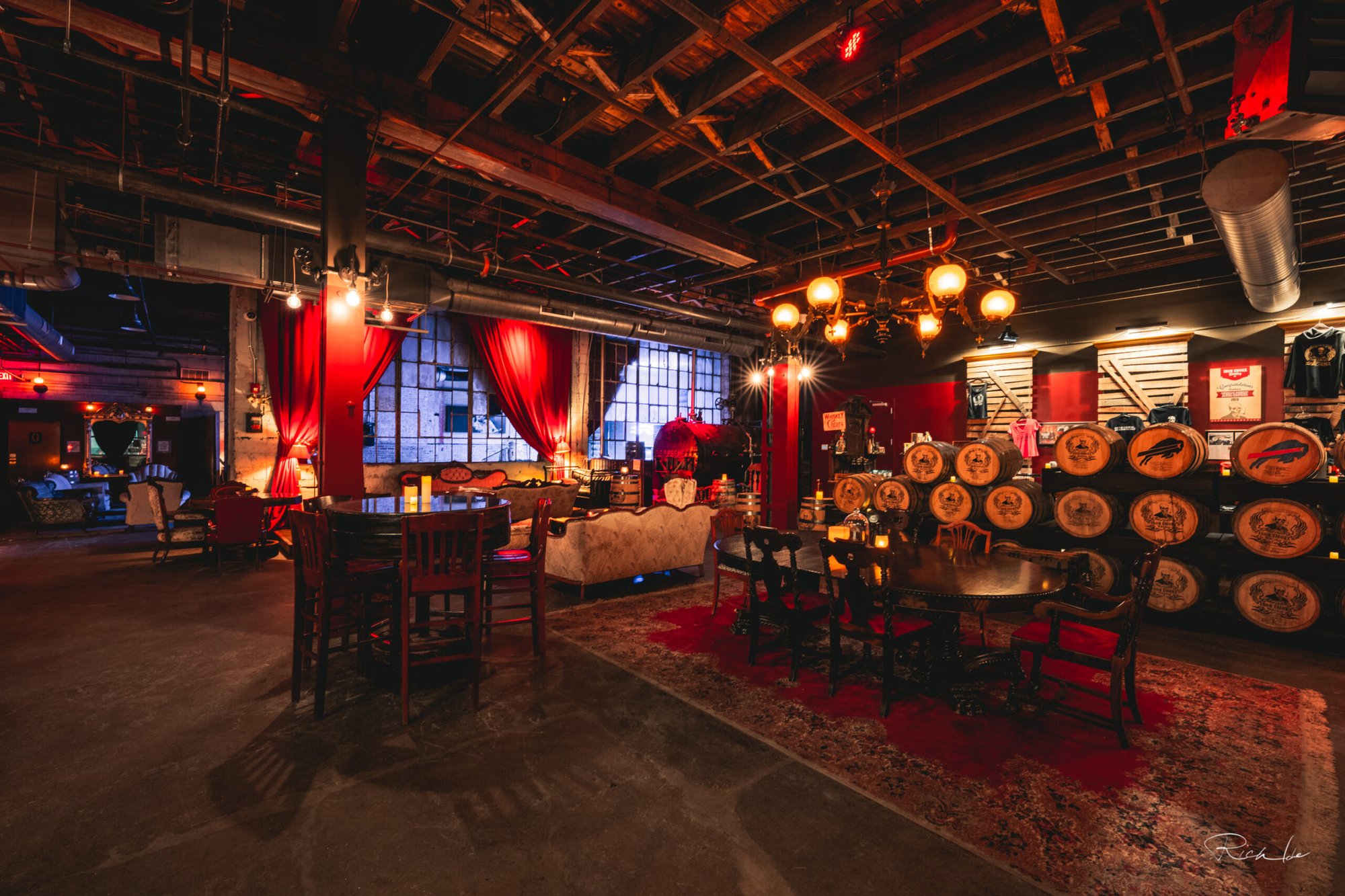
Bars in Rochester
Browse all →
Restaurants in Rochester
Browse all →
At a Glance
- Rustic
- Industrial
- Lively
- Group Outing
- Celebration
- Solo Exploration
- Special Occasion
- Corporate Event
- Barrel Room
- Estate Grounds
- Historic Building
- Private Tasting
- Sustainable
- Organic
Industrial-chic tasting room with large glass windows overlooking the distilling area; warm, welcoming atmosphere with knowledgeable staff creating an educational yet relaxed environment.