
St Agnes Distillery operates from Bookmark Avenue in Renmark South, deep in the Riverland wine and spirits corridor. Holding a Pearl 2 Star Prestige rating for 2025, it represents one of the region's most credentialled distilling operations, connecting a long South Australian agricultural tradition to a contemporary craft spirits program.
Pearl is the En Primeur Club membership app — saves, bookings, and concierge access live there. Same editors, same standards.
- Address
- 271 Bookmark Ave, Renmark South SA 5341
- Phone
- +61 8 8580 3148
- Website
- stagnesdistillery.com.au
 Saves & bookings on Pearl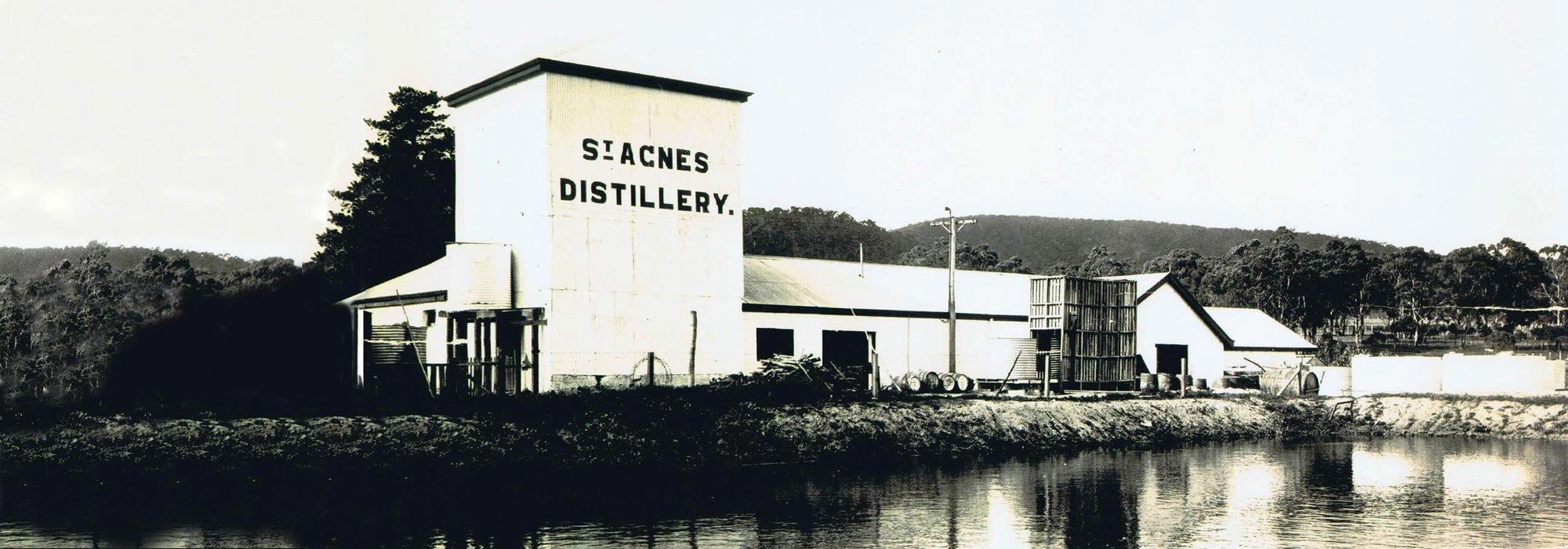
Renmark's Distilling Tradition, Grounded in the Riverland
The Riverland sits roughly three hours east of Adelaide along the Murray River, a corridor long defined by irrigation agriculture and a wine industry that predates most of Australia's celebrated modern regions. Renmark itself was established as one of Australia's first irrigation colonies in the 1880s, and the proximity of water, fruit, and fermentation infrastructure gave distilling a natural foothold here well before craft spirits became a national conversation. St Agnes Distillery, at 271 Bookmark Ave, Renmark South SA 5341, operates within that continuum. It is not a boutique operation that arrived with the recent wave of Australian craft distilling; it carries the weight of a region that has been producing spirits seriously for generations.
That historical depth shapes how St Agnes sits relative to its peers. Where newer distilleries, including Archie Rose Distilling Co in Sydney, have built credibility through technical innovation and urban positioning, St Agnes draws on something harder to replicate: genuine regional provenance and decades of accumulated practice. The 2025 Pearl 2 Star Prestige rating confirms its position in Australia's upper tier of spirits producers, placing it in a comparable set that includes operations of comparable seriousness and craft.
The Riverland as a Spirits Region
Understanding St Agnes requires understanding the Riverland's particular character as a production environment. The Murray River basin provides a growing climate defined by hot summers, cold winters, and reliable irrigation access, conditions that historically favoured high-yield viticulture and, downstream, brandy production. South Australia's brandy tradition is substantially a Riverland tradition, and Renmark-area producers have long processed local grape spirit into aged brandy and fortified expressions that reflect the region's stone-fruit and dried-fruit flavour registers.
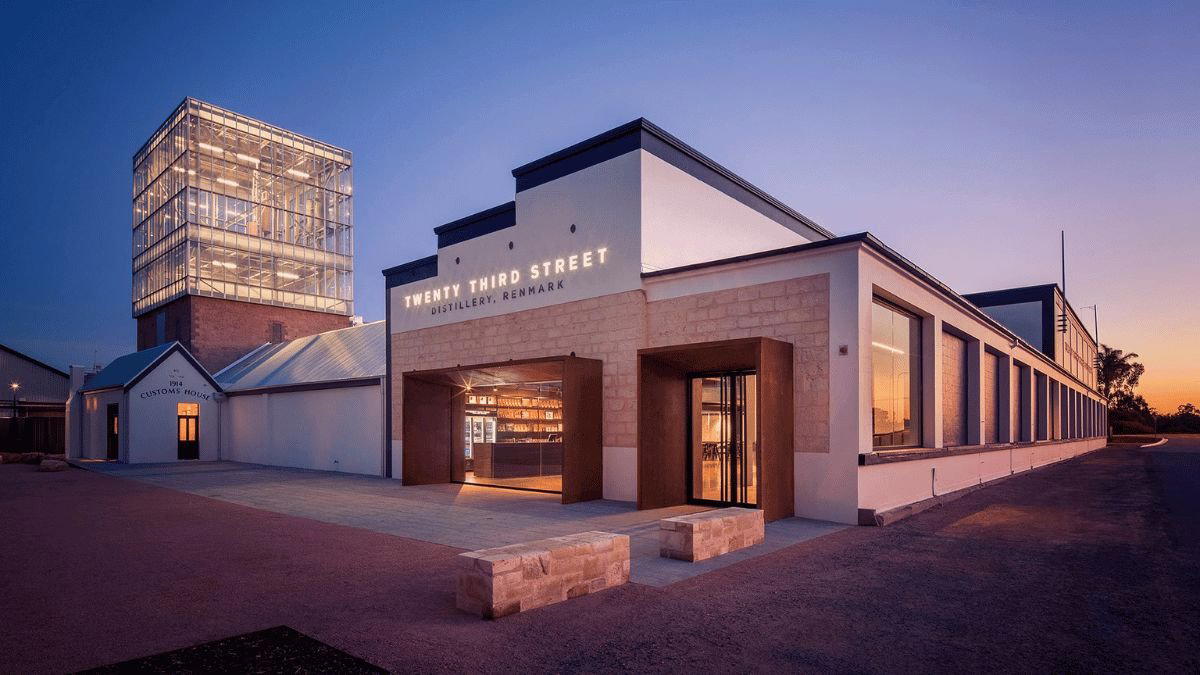
This is a different proposition from the whisky-led craft distilling that has driven much of Australia's recent spirits growth in Victoria and New South Wales. Operations like Twenty Third Street Distillery, also based in Renmark, represent the newer face of Riverland spirits, blending contemporary gin and vodka formats with local grain and fruit inputs. St Agnes occupies a complementary but distinct position, anchored in grape-based distillation where the raw material and the regional identity are inseparable. Visitors approaching from the broader South Australian wine corridor, perhaps having come through the Adelaide Hills via Bird in Hand, will find the Riverland's aesthetic and scale quite different: flatter, more agricultural, less obviously scenic, but genuinely singular in what it produces.
What a Visit Involves
Tasting rooms at established distilleries function differently from those at small-batch newcomers. At operations with St Agnes's depth of product range, the tasting format typically moves through a spectrum: younger, lighter spirits that demonstrate technical clarity, through to aged expressions where barrel and time have done significant work. Grape brandy aged in wood rewards patience in both its making and its tasting, and the staff at a 2 Star Prestige-rated facility are expected to guide that arc with enough contextual knowledge to make the differences legible, not just perceptible.
The physical setting at Bookmark Avenue is functional rather than design-led. Renmark is not a destination that trades on architectural beauty or Instagram-ready cellar doors in the way that, say, Cape Mentelle in Margaret River does. What it offers instead is directness: a working production site where the relationship between raw material and finished spirit is visible rather than stylised. For visitors who want the full picture of how Australia's spirits traditions developed outside the east-coast craft boom, that transparency has real value.
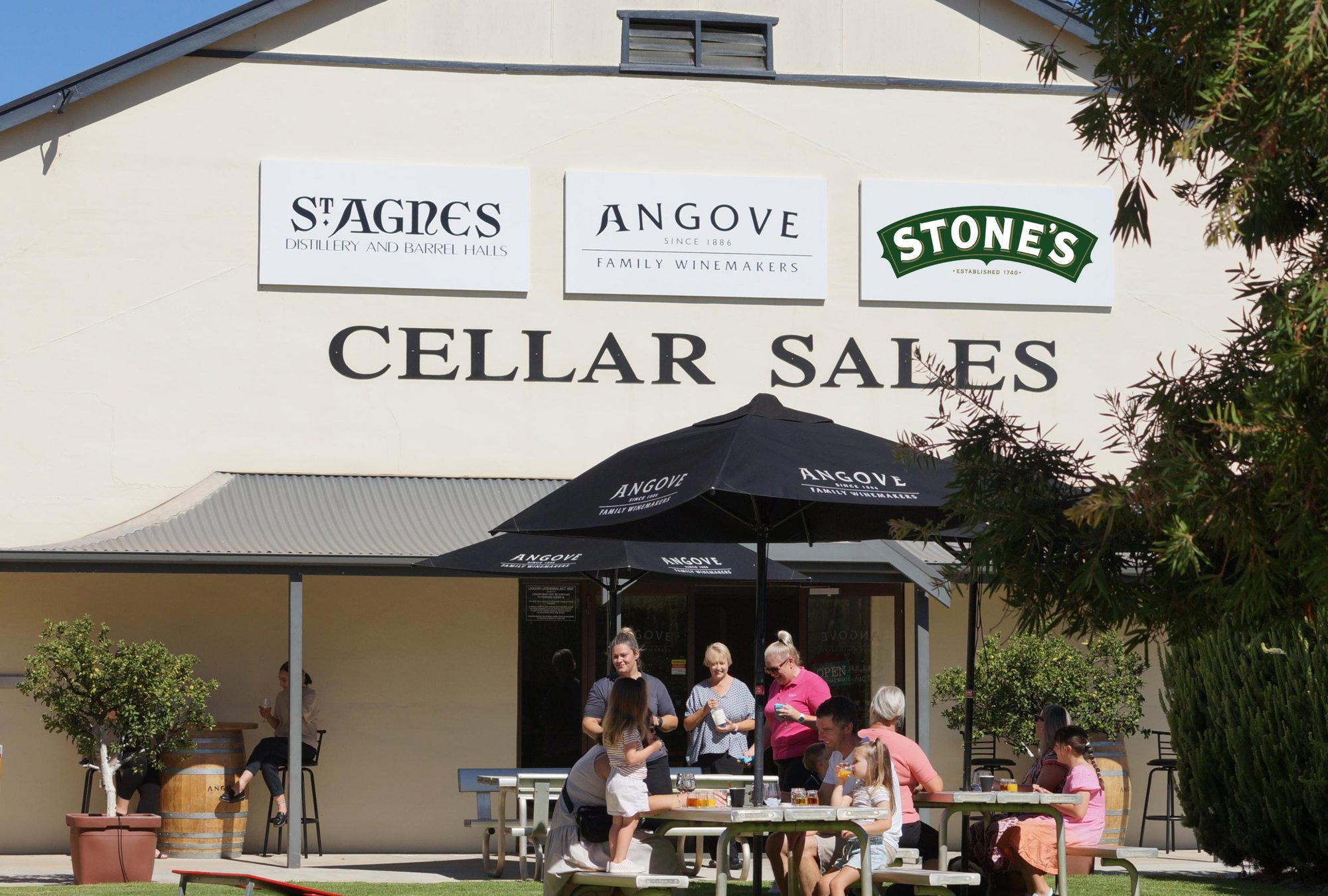
Practical logistics for Renmark visits are best planned around a half-day or full-day itinerary that combines St Agnes with the broader local offering. The distillery is in Renmark South, a short distance from the town centre. Given the sparse public transport options throughout the Riverland, most visitors arrive by car from Adelaide or from regional accommodation. The wider Renmark dining and drinking guide covers the town's other options in detail, and pairing the distillery visit with a stop at Angove Family Winemakers, whose own Renmark operation has deep regional roots, gives a more complete read on what the area produces.
St Agnes in the Broader Australian Spirits Conversation
Australia's premium spirits sector has grown considerably in prestige over the past decade, with recognition frameworks becoming more granular as the category matures. The Pearl 2 Star Prestige award that St Agnes carries for 2025 places it within a tier that rewards consistent quality and genuine craft rather than novelty or marketing. This matters for how the distillery should be read against the wider national picture.
The big-volume benchmark in Australian spirits has long been set by operations like Bundaberg Rum Distillery, where scale and heritage combine into something nationally embedded. St Agnes operates at a different register: smaller in reach, more specific in style, and more directly connected to a wine-producing tradition that has historically sat in the shadow of South Australia's more celebrated red wine regions. Clarendon Hills, Henschke, and Penfolds have defined South Australian wine's international reputation through Shiraz and Cabernet; the Riverland's spirits tradition has developed largely outside that narrative, serving a domestic audience that understands it differently.
Within that context, the prestige rating signals something: that quality here is not incidental or inherited, but maintained through deliberate production choices. For comparison, other long-standing Australian producers with complex aged-spirit programs, including All Saints Estate in Rutherglen with its Muscat and fortified traditions, have built reputations through similar patient, region-specific work. The parallel is instructive, even though the categories differ.
Internationally, the model of grape-based brandy production tied to a specific agricultural region has strong precedent. Operations like Aberlour in Scotland demonstrate how a single-region identity, sustained over generations, accrues a kind of authority that newer entrants cannot shortcut. St Agnes's Riverland positioning carries something of that logic, applied to Australian grape spirit rather than Speyside malt.
Planning Your Visit
The Riverland is best approached as a deliberate destination rather than an add-on to an Adelaide Hills or Barossa itinerary, though both can be combined with an overnight stop in Renmark. Visitors with an interest in Australian wine history more broadly will find useful comparison points in the longer-established Victorian operations: Leading's Wines in Great Western, Brown Brothers in King Valley, and Blue Pyrenees Estate in the Pyrenees all share the characteristic of family-connected, region-embedded production across decades. The Riverland fits that broader story of Australian agriculture finding its premium expression over time, and St Agnes is among the clearest local representatives of that arc.
For visitors arriving from Hunter Valley or Gippsland contexts, where producers like Brokenwood and Bass Phillip define a particular style of serious wine production, the Riverland represents a genuine contrast in both climate and ambition: less oriented toward international critics, more embedded in the rhythms of a river-fed agricultural community. St Agnes Distillery, at 271 Bookmark Avenue, is where that community's distilling tradition holds its highest credential. Equally, Napa Valley visitors familiar with allocation-driven producers like Accendo Cellars will recognise the logic of prestige-tier producers that operate outside the mainstream tourism circuit, where the product does the talking.
Cuisine and Awards Snapshot
Comparable venues nearby, for context on price, style, and recognition.
| Venue | Cuisine | Price | Notes |
|---|---|---|---|
| St Agnes DistilleryThis venue — the venue you are viewing | Doradillo, Pedro Ximenez | $$ | |
| Twenty Third Street Distillery | Riverland | $$ | Renmark |
| Angove Family Winemakers | Shiraz, Chardonnay | $$ | Renmark |
| Garagiste | Chardonnay, Pinot Noir | $$$ | Mornington Peninsula |
| Rieslingfreak | Riesling | $$ | Clare Valley |
| Tim Adams Wines | Riesling, Shiraz | $$ | Clare |
Continue exploring
More in Renmark
At a Glance
- Historic
- Rustic
- Intimate
- Wine Education
- Historic Building
Historic barrel halls with rich aromas of aged spirits, offering a relaxed and informative tasting atmosphere.