Blue Ridge Grill
Our verdict
Blue Ridge Grill sits on Edwards Ferry Road in Leesburg, Virginia, a town whose dining scene has expanded steadily as Northern Virginia's wine and farm corridor has matured. The restaurant draws on the agricultural richness of the surrounding Loudoun County region, where proximity to local farms and producers shapes what reaches the table. It occupies a mid-tier between Leesburg's casual spots and its more formal dining options.

Pearl is the En Primeur Club membership app — saves, bookings, and concierge access live there. Same editors, same standards.
- Address
- 955 Edwards Ferry Rd NE, Leesburg, VA 20176
- Phone
- (703) 669-5505
- Hours
- Mon–Thu 11 AM–9:30 PMFri–Sat 11 AM–10 PMSun 10 AM–9 PM
- Website
- brgrill.com
- Directions
- Get directions
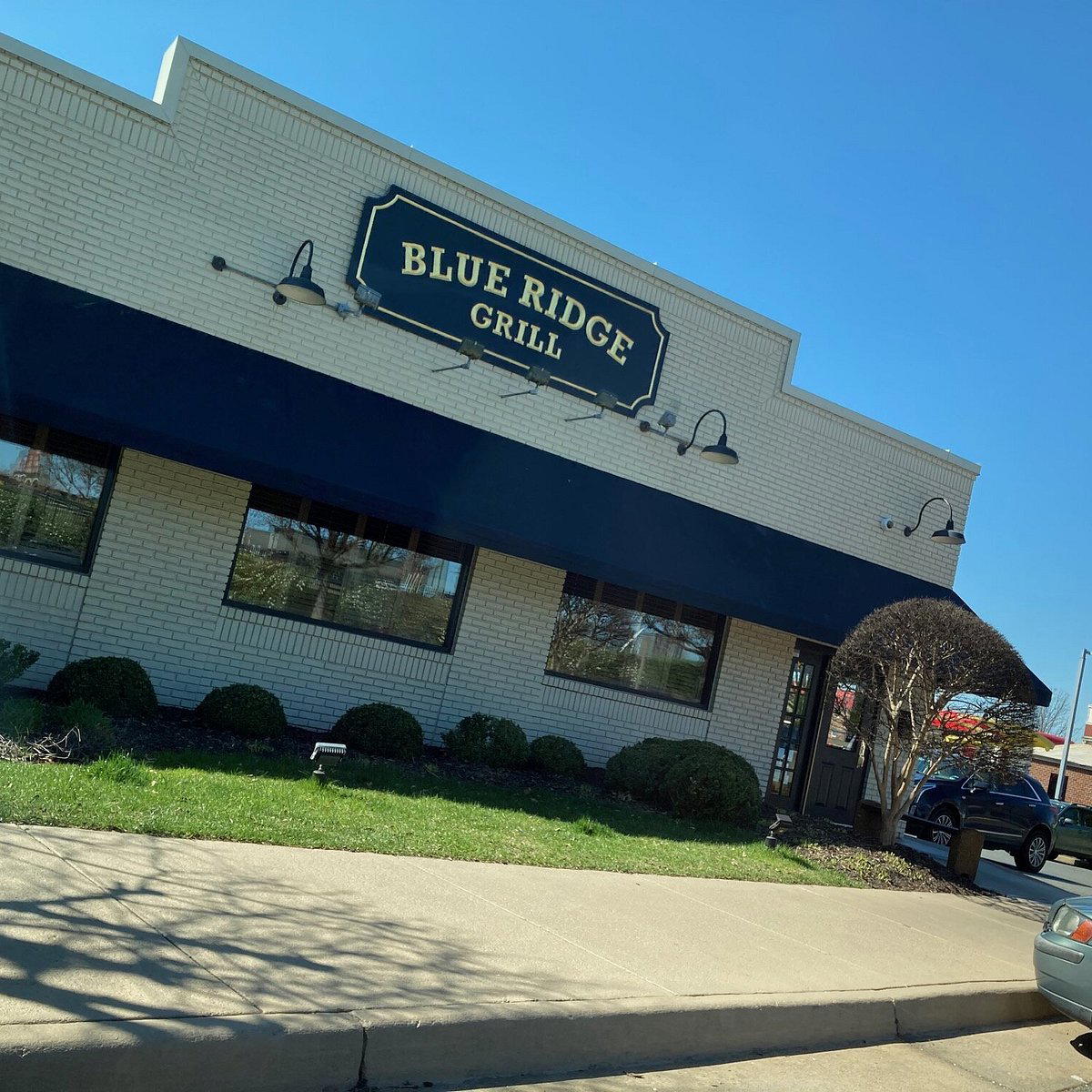
Where the Blue Ridge Meets the Table
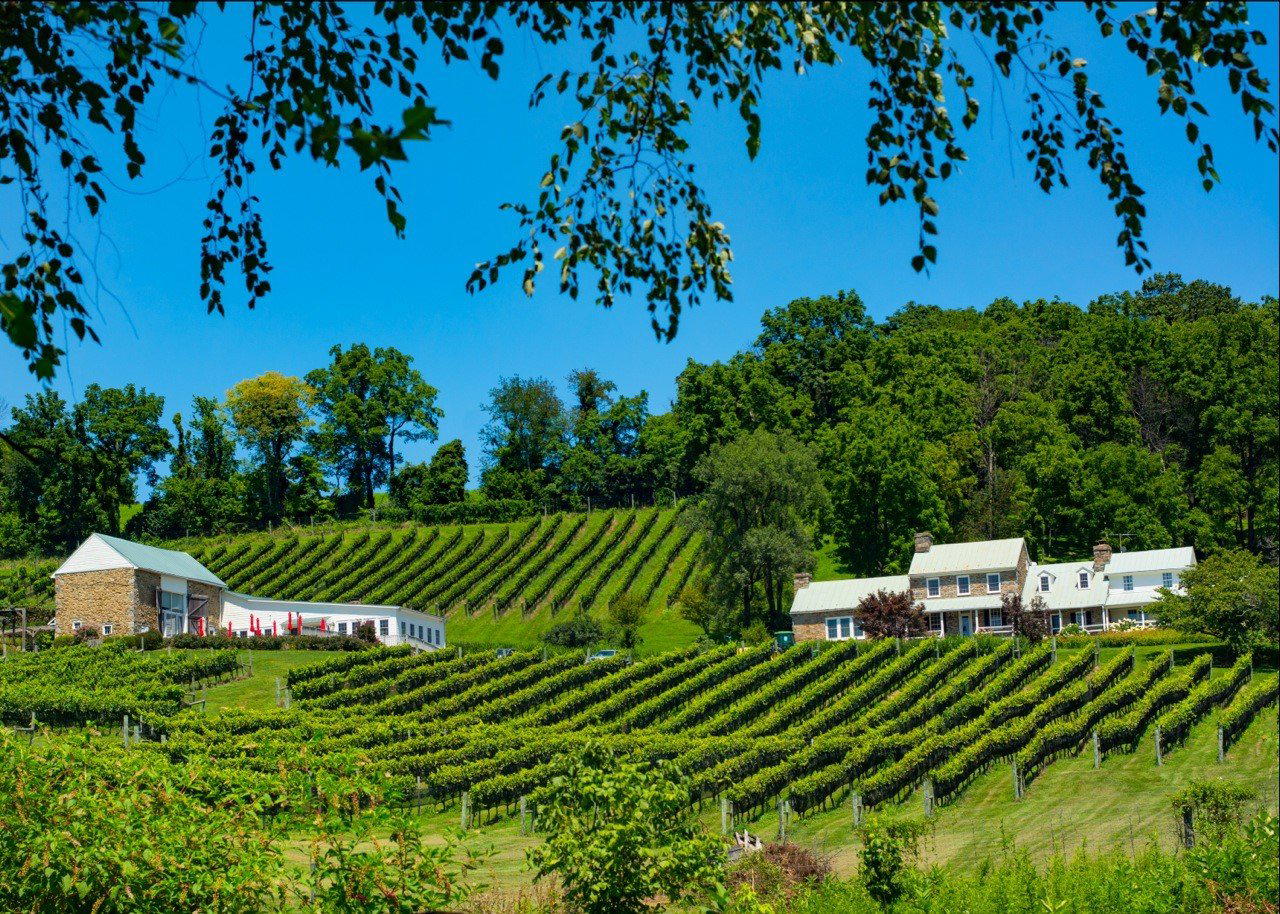
Loudoun County sits at an unusual intersection in American regional dining: close enough to Washington, D.C. to draw a travelled, expectation-carrying crowd, yet rooted in a farming and winemaking tradition that gives its restaurants something genuine to work with. The county contains more than 40 wineries, dozens of working farms, and a growing number of restaurants that have learned to position themselves within that supply chain rather than importing generic product from broadline distributors. Blue Ridge Grill, at 955 Edwards Ferry Road NE in Leesburg, occupies this context directly. Its address places it within easy reach of the small producers and farm operations that define the region's food identity.
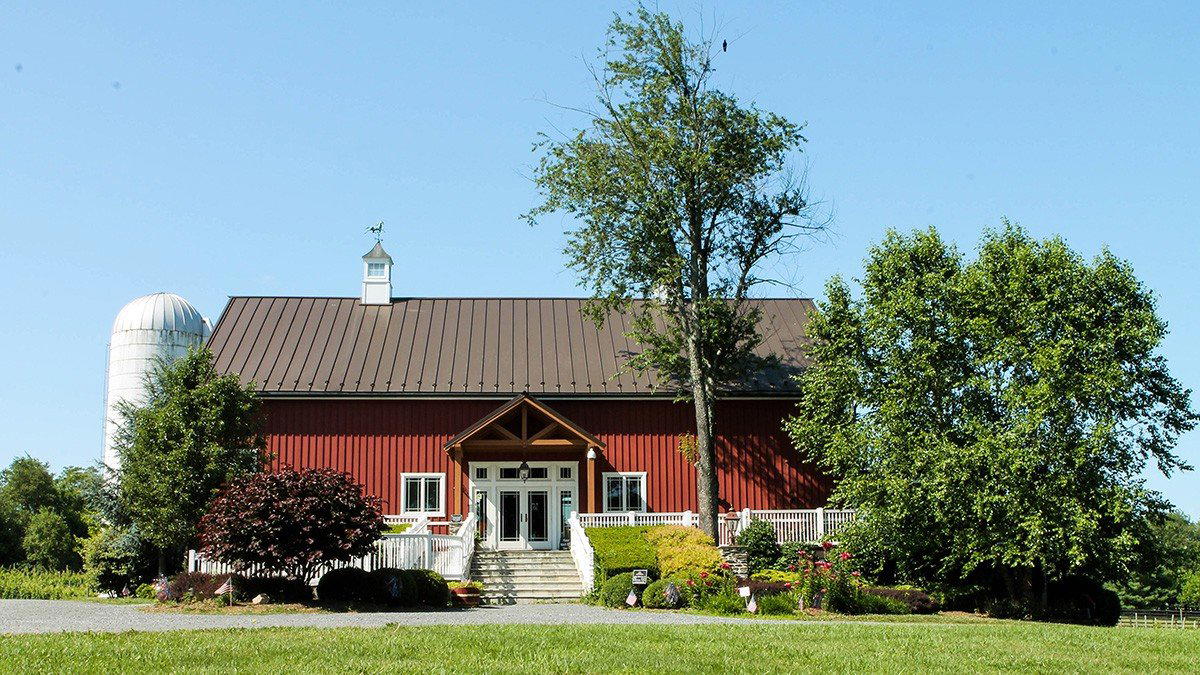
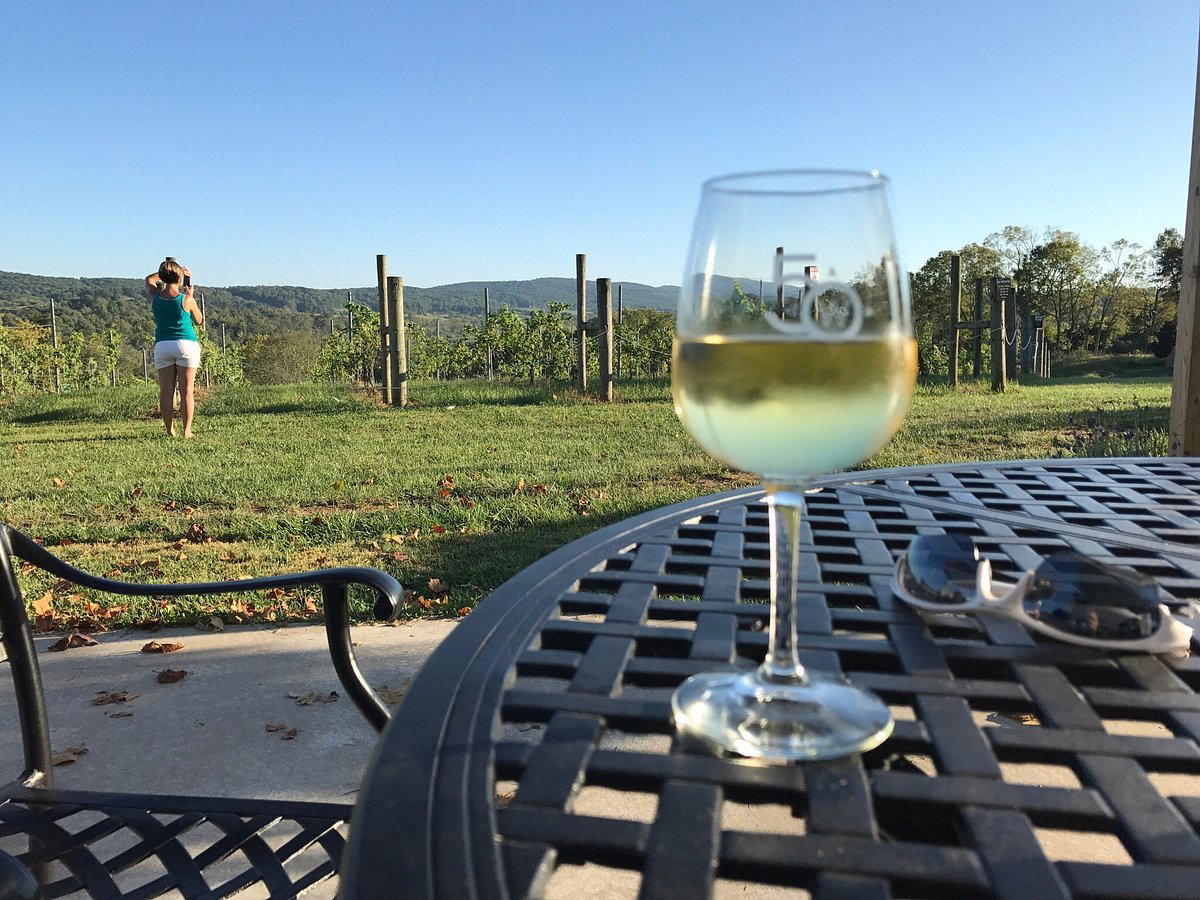
The physical approach along Edwards Ferry Road signals the transition from the commercial density of downtown Leesburg to a more open, semi-rural stretch. Leesburg itself sits at the eastern edge of the Appalachian foothills, and the Blue Ridge that gives the restaurant its name is a visible presence on clear days, framing the western horizon and defining the agricultural character of the land between the mountains and the Potomac. That geography is not incidental to the food traditions of the region: the same elevation and soil patterns that support Loudoun's vineyards also sustain its cattle, poultry, and produce operations.
The Ingredient Argument in Virginia's Farm Country
The farm-to-table framing has become so ubiquitous in American restaurant marketing that it has largely lost descriptive precision. What matters in Loudoun County is not the phrase but the geography that makes the claim credible. Virginia's agricultural profile is more varied than most coastal visitors expect: the state produces beef, lamb, pork, poultry, heritage grain, a wide range of market vegetables, and an increasingly serious wine output centered on Viognier, Cabernet Franc, and Petit Verdot. For a restaurant operating in Leesburg, sourcing regionally is not an aspirational gesture; it is a logistical possibility that a handful of kitchens in the area have made central to their format.
This positions Blue Ridge Grill within a pattern visible at restaurants across the mid-Atlantic and beyond. Kitchens that anchor their menus to regional supply chains tend to operate with shorter, more seasonal menus and tighter relationships with a smaller number of producers. Compare this to the fully integrated farm model at Blue Hill at Stone Barns in Tarrytown, where the kitchen and farm operate as a single organism, or the hyper-local sourcing discipline at Single Thread Farm in Healdsburg, which controls its ingredient chain from soil to plate. These are benchmark cases at the high end of a sourcing-led philosophy. At the regional level, the same underlying logic applies at different scale and price points.
Closer to home, Leesburg's dining options range from the casual end represented by BurgerFi and the Leesburg Diner to more ingredient-focused operations like Fire Works, which has built a reputation around wood-fired cooking and local sourcing, and Lightfoot, operating out of a historic downtown building with a menu that draws on regional producers. La Lou Bistro brings a French bistro format to the same market. Blue Ridge Grill sits within this peer group, serving a town that now expects restaurants to make a clear case for what they're cooking and where it comes from.
Virginia's Culinary Geography and Why It Matters
The broader American kitchen-sourcing conversation has been shaped by landmark restaurants that turned regional provenance into a primary offering. The Inn at Little Washington, roughly 70 miles southwest of Leesburg in Rappahannock County, has operated at the top of this conversation for decades, with Patrick O'Connell's kitchen drawing on the Piedmont's farms and gardens as both ingredient source and aesthetic foundation. That establishment holds three Michelin stars and remains the reference point for Virginia fine dining. At the national level, the sourcing-led format has produced some of the country's most recognized restaurants: Smyth in Chicago, Addison in San Diego, and Providence in Los Angeles each demonstrate how regional sourcing disciplines can translate into credentialed, long-running programs at different price tiers and in different market contexts.
For a restaurant in Leesburg, the competitive horizon is not primarily these fine-dining flagships. The relevant comparison is within Northern Virginia's growing dining tier: restaurants that use the county's agricultural output as a genuine organizing principle rather than a menu footnote. Loudoun's farm corridor along routes 7 and 9, and the cluster of small operations in the countryside around Purcellville and Hillsboro, represent a supply network that a kitchen on Edwards Ferry Road can access directly. The season sets the menu in this model, and the autumn harvest window, which typically runs from September through November in this part of Virginia, tends to produce the most coherent expression of what regional sourcing can deliver.
Reading Blue Ridge Grill in Its Leesburg Context
A restaurant named for a mountain range is making a geographic claim before a guest walks through the door. Whether the kitchen delivers on that implied promise is the question worth asking. American regional cooking at the mid-Atlantic level has a defined vocabulary: cured and smoked pork products rooted in Virginia's ham tradition, shellfish from the Chesapeake watershed, poultry from the Shenandoah Valley operations that have supplied regional kitchens for generations, and seasonal produce timed to the Piedmont growing calendar. These are the raw materials that give a Leesburg restaurant something to say that a restaurant in an ingredient-agnostic city cannot.
For comparison points in the broader farm-to-table American conversation, Lazy Bear in San Francisco and Emeril's in New Orleans each demonstrate how regional identity can be embedded into a restaurant's core format without requiring Michelin-tier investment or tasting-menu exclusivity. The format that works in a regional American city is one that makes its sourcing legible to a local audience that already knows the farms and producers by name. That familiarity is Leesburg's advantage: diners in this market are close enough to the land that specificity resonates.
Internationally, the sourcing-led model has found its most rigorous expression in formats like Atelier Moessmer Norbert Niederkofler in Brunico, where the Alpine supply chain defines every element of the menu with near-absolute discipline. At the other end of the format spectrum, Le Bernardin in New York City and Atomix in New York City show how sourcing precision operates at the top of fine dining in a major market. These are the poles. Blue Ridge Grill operates in the functional middle ground that most diners actually occupy: a regional restaurant in a county with genuine agricultural assets, serving a community that values the connection between place and plate. For a full survey of where it fits within Leesburg's options, see our full Leesburg restaurants guide.
Planning Your Visit
Blue Ridge Grill is located at 955 Edwards Ferry Road NE, Leesburg, Virginia 20176, on the northeastern edge of town. Leesburg is accessible from Washington, D.C. via Route 7, approximately 35 miles west of the capital, making it a practical destination for a day trip or a longer stay in the Loudoun wine country. Visitors combining dinner with a winery visit should note that many of Loudoun's tasting rooms operate on limited weekend hours, so sequencing a winery afternoon with an evening reservation in Leesburg works more reliably than the reverse. As with most restaurants in this tier in the Northern Virginia market, checking current hours and availability directly before visiting is advisable, particularly on weekends when the tourism draw from D.C. increases demand across the town's dining options.
Frequently asked questions
What's Blue Ridge Grill's location?
Blue Ridge Grill is located at 955 Edwards Ferry Rd NE, Leesburg, VA 20176, Leesburg.
How does Blue Ridge Grill fit into the broader Loudoun County dining scene?
Leesburg sits at the centre of Loudoun County, Virginia's fastest-growing wine and agricultural region, giving restaurants in the area direct access to a supply chain that extends from cattle farms to vineyard estates within a short radius. Blue Ridge Grill on Edwards Ferry Road occupies the northeastern edge of town, a position that connects it to both the county's rural food producers and the stream of visitors making the roughly 35-mile trip from Washington, D.C. For diners exploring Northern Virginia's regional food culture, Leesburg functions as a practical and substantive base.
What's the must-try dish at Blue Ridge Grill?
That said, restaurants operating under a regional provenance concept in Loudoun County — one of Virginia's most active agricultural corridors — typically anchor their menus around seasonal, locally sourced proteins and produce. Checking directly with the restaurant before your visit will give you the most accurate picture of what's in season.
Is Blue Ridge Grill reservation-only?
Given the restaurant's location in Loudoun County, a region that draws both D.C. weekend visitors and local regulars, securing a reservation in advance is a practical precaution rather than a formality. Contact the restaurant at 955 Edwards Ferry Road NE directly to confirm availability.
What do critics highlight about Blue Ridge Grill?
What the restaurant's positioning does signal is a deliberate geographic identity — a name drawn from the mountain range that defines the western edge of Loudoun County carries an implicit promise about sourcing and regional focus that the surrounding farm country context supports.
How It Stacks Up
Comparable venues nearby, for context on price, style, and recognition.
| Venue | Cuisine | Price | Notes |
|---|---|---|---|
| Blue Ridge GrillThis venue — the venue you are viewing | American Grill | $20–30 | Not listed |
| BurgerFi | Gourmet Burgers | $10–20 | Village at Leesburg |
| Soko | Artisanal American Butcher & Deli | $10–20 | Downtown Leesburg |
| Melt Gourmet Cheeseburgers | Gourmet Cheeseburgers | $20–30 | Bellewood Commons |
| Leesburg Diner | Classic American Diner | $10–20 | Historic Downtown Leesburg |
| The Thai Pan Restaurant | Authentic Thai | $20–30 | downtown |
Continue exploring
More in Leesburg
Restaurants in Leesburg
Browse all →
Bars in Leesburg
Browse all →
Hotels in Leesburg
Browse all →

Details
- Cozy
- Elegant
- Classic
- Family
- Casual Hangout
- Brunch
- Standalone
- A La Carte
- Vegetarian Friendly
- Vegan Options
- Gluten Free Options
Current opening hours
- Monday
- 11 AM–9:30 PM
- Tuesday
- 11 AM–9:30 PM
- Wednesday
- 11 AM–9:30 PM
- Thursday
- 11 AM–9:30 PM
- Friday
- 11 AM–10 PM
- Saturday
- 11 AM–10 PM
- Sunday
- 10 AM–9 PM
Hours can change for holidays and private events. Last verified .
Warm, understated elegant atmosphere with casual family dining vibe.