Silver Oak Cellars (Alexander Valley)
Silver Oak Cellars' Alexander Valley estate sits along CA-128 outside Geyserville, where the warmer valley floor shapes a Cabernet style distinct from the Napa bottling produced under the same label. Visitors arrive for the combination of estate-grown fruit, an approachable tasting format, and a sense of place grounded in one of California's most consistent Cabernet appellations.

Pearl is the En Primeur Club membership app — saves, bookings, and concierge access live there. Same editors, same standards.
- Address
- 7300 CA-128, Healdsburg, CA 95448
- Phone
- (707) 942-7082
- Website
- silveroak.com
- Directions
- Get directions
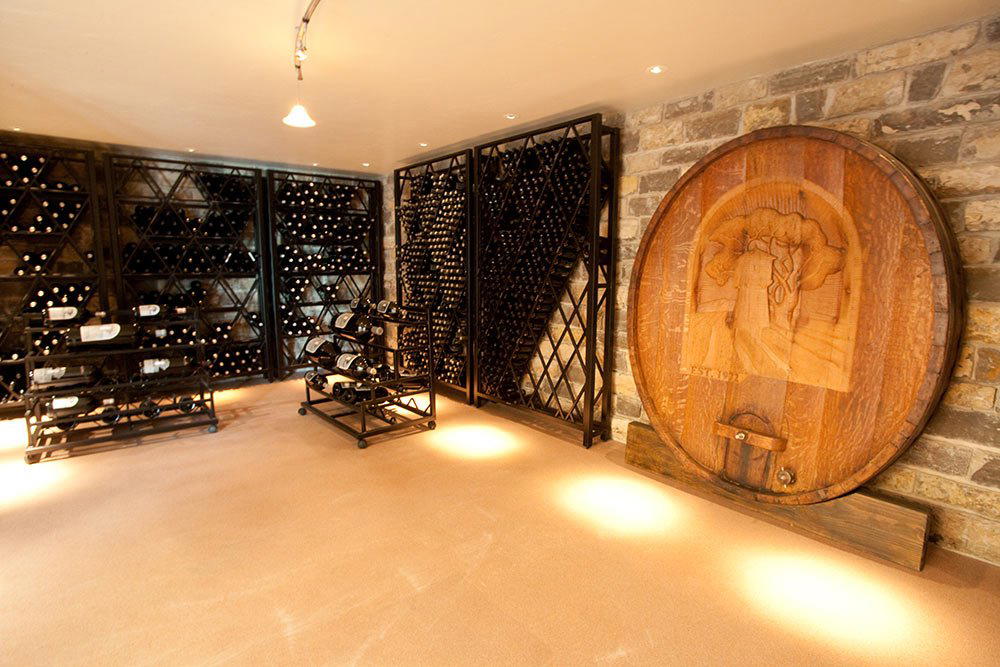
Where the Valley Floor Meets Cabernet Country
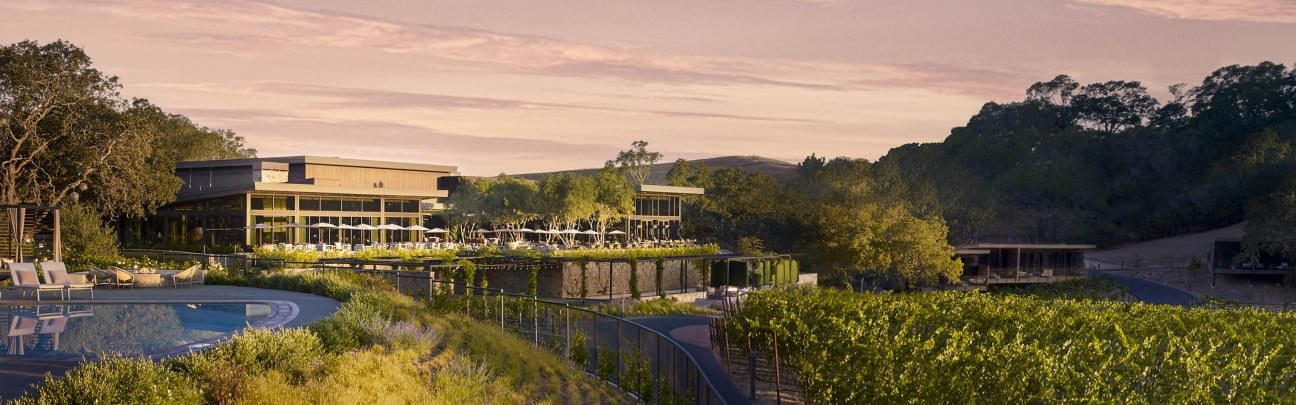
Driving north on CA-128 through Alexander Valley, the hills flatten and the vine rows widen. By the time the Silver Oak Cellars estate comes into view at the 7300 marker outside Geyserville, the landscape has already made its argument: this is warm-valley Cabernet Sauvignon territory, a stretch of Sonoma County that has spent decades positioning itself as a counterpoint to Napa's concentrated, tightly wound style. The Alexander Valley interpretation tends toward roundness, darker fruit registers, and a more approachable tannin structure at release. Silver Oak's Alexander Valley estate is among the addresses where that appellation character is most legibly expressed.
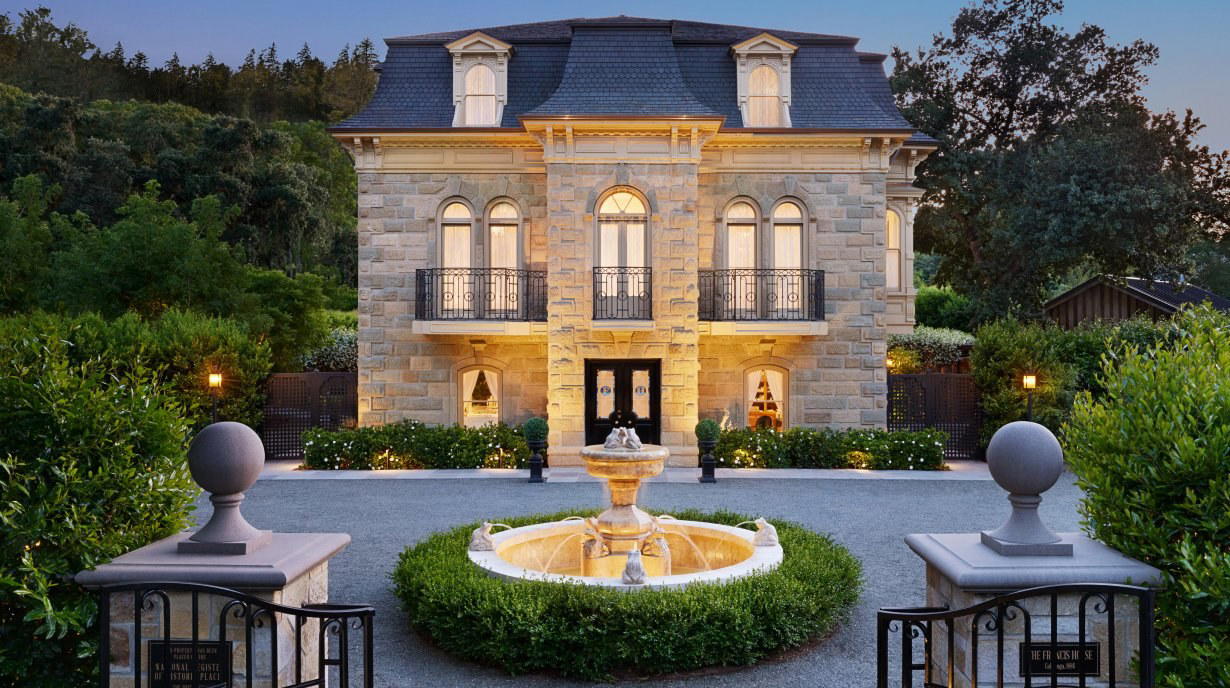
The physical setting carries the kind of specificity that separates estate visits from generic tasting room experiences. The property reads as a working vineyard first, hospitality venue second, which in Alexander Valley's current landscape reflects a deliberate positioning. Among the valley's tasting destinations, including Alexander Valley Vineyards to the south and Sbragia Family Vineyards nearby, Silver Oak occupies the end of the spectrum where production scale and brand recognition intersect with a genuine appellation focus.
The Alexander Valley Appellation and What It Produces
Alexander Valley earned its American Viticultural Area designation in 1984, and in the decades since it has built a reputation anchored almost entirely on Cabernet Sauvignon. The valley sits farther inland than the Sonoma Coast or Russian River Valley, which means afternoon temperatures can climb well above those of coastal appellations. That warmth accelerates phenolic ripening and produces the soft, full fruit character that defines the appellation's house style. Tannins arrive integrated rather than grippy, and the wines tend to show accessible structure in their first few years after release, a contrast to the decade-long patience often required by the denser Napa Valley Cabernets.
Silver Oak has been making Alexander Valley Cabernet Sauvignon for long enough that the house style is part of the appellation's identity. The label is one of several reasons wine buyers looking for California Cabernet at a particular flavor profile navigate toward this corner of Sonoma. For context on how different appellation conditions shape California Cabernet, Alpha Omega Winery in Rutherford and Accendo Cellars in St. Helena offer instructive Napa comparisons, while Artesa Vineyards and Winery in Napa shows what happens when cool-climate conditions are brought into the same Cabernet conversation.
Francis Ford Coppola Winery competes on scale and experiential breadth. Clos du Bois targets volume-oriented positioning. Trentadue Winery leans into Italian-varietal heritage as its differentiator. Silver Oak sits in a different register, where the focus stays narrow and the Cabernet Sauvignon program carries the full weight of the estate's reputation.
That narrowness is itself a positioning statement. California has no shortage of estate wineries that spread across multiple varietals and format experiments. The wineries that age most coherently into premium appellation identity tend to be those that resist the temptation to widen the portfolio beyond what the land reliably produces. Silver Oak's two-appellation structure, Alexander Valley and Napa Valley, maintains that discipline by treating each as a distinct expression of the same Cabernet focus rather than two nodes in a broader brand extension.
Tasting at the Estate: Format and Setting
Alexander Valley tasting rooms vary considerably in format, from self-guided bar pours at high-volume operations to appointment-driven seated experiences at smaller producers. Silver Oak's Alexander Valley estate operates at a scale that sits between those poles. The tasting experience centers on the Cabernet program, with the valley's characteristic open terrain providing the physical context that indoor tasting rooms in urban settings cannot replicate.
For comparative Cabernet exploration across California's warmer inland appellations, Adelaida Vineyards in Paso Robles and Alban Vineyards in Arroyo Grande show how similar continental climates produce different varietal outcomes farther south. The California Cabernet spectrum runs from the restrained, iron-edged profiles at cooler-site producers to the ripe, plush outputs of warm-valley estates. Silver Oak's Alexander Valley expression consistently lands toward the approachable, fruit-forward end of that spectrum without sacrificing structure entirely.
The estate address at 7300 CA-128 in Healdsburg places it conveniently for visitors combining Alexander Valley with Dry Creek Valley or the Healdsburg town square, which functions as a staging point for Sonoma's northern wine country. From Healdsburg, the estate is a short drive north, making it a logical anchor stop rather than a detour. The broader Geyserville wine context is mapped in our full Geyserville restaurants and wineries guide.
How Alexander Valley Cabernet Travels
One practical implication of Alexander Valley's house style is cellaring behavior. The soft tannin and accessible fruit structure that makes the wine approachable young also means it doesn't require the same extended aging as higher-acid, more structured Napa bottlings. Most Alexander Valley Cabernets hit a drinking window earlier and hold for a shorter peak period, though well-made examples maintain integrity across a decade-plus with proper storage. Silver Oak's Alexander Valley Cabernet has enough of a track record that drinking windows are fairly well documented by collectors and critics who have followed the label across multiple vintages.
That track record distinguishes Silver Oak from newer Alexander Valley producers, several of whom are producing serious Cabernet but without the vintage depth to establish predictable aging curves. For visitors at the cellar door, the presence of older vintages in the tasting program, when available, offers a more complete picture of what the appellation and the house style can do across time.
Reaching the Estate and Planning the Visit
Silver Oak Cellars' Alexander Valley estate is located at 7300 CA-128, Healdsburg, CA 95448, in Geyserville. The highway address means arriving visitors follow one of Alexander Valley's primary wine routes, with vineyard views beginning well before the property itself. For visitors building a northern Sonoma itinerary, the estate pairs logically with Alexander Valley Vineyards for appellation context and contrast. For those extending across the broader California wine circuit, Andrew Murray Vineyards in Los Olivos and Adelsheim Vineyard in Newberg offer Rhône and Pinot benchmarks that clarify what makes the warm-valley Cabernet appellation distinct by comparison.
For those curious about how wine culture extends beyond California's well-mapped routes, Aberlour in Aberlour and Achaia Clauss in Patras provide reference points from Scotland and Greece respectively, two producer traditions that underscore how appellation character works across entirely different climate and varietal frameworks.
What kind of setting is Silver Oak Cellars (Alexander Valley)?
The estate sits along CA-128 in the Alexander Valley appellation outside Geyserville, in the warmer inland stretch of Sonoma County that defines the region's Cabernet Sauvignon character. Pricing and format align with a focused Cabernet program rather than a broad experiential operation.
What should I taste at Silver Oak Cellars (Alexander Valley)?
The Cabernet Sauvignon program is the core of what Silver Oak produces from the Alexander Valley appellation. The winemaking tradition and appellation conditions here consistently favor a round, accessible profile at release.
What's the defining thing about Silver Oak Cellars (Alexander Valley)?
Combination of appellation specificity and long track record with Alexander Valley Cabernet Sauvignon sets this estate apart from newer producers in the same corridor. For visitors driving CA-128 through Alexander Valley's Cabernet country, the estate represents one of the appellation's most consistently recognized addresses.
Compact Comparison
Comparable venues nearby, for context on price, style, and recognition.
| Venue | Cuisine | Price | Awards | Notes |
|---|---|---|---|---|
| Silver Oak Cellars (Alexander Valley)This venue — the venue you are viewing | Not listed | $20–30 | Not listed | Not listed |
| Sbragia Family Vineyards | Dry Creek Valley, Zinfandel, Chardonnay | Not listed | Not listed | Not listed |
| Skipstone estate winery | Not listed | $100–150 | Not listed | Alexander Valley, Cabernet Sauvignon, Cabernet Franc |
| Clos du Bois | Not listed | Not listed | Not listed | Geyserville, Cabernet Sauvignon, Chardonnay |
| Francis Ford Coppola Winery | Not listed | $50–100 | Falstaff Winery - Listed | Alexander Valley, Cabernet Sauvignon, Zinfandel |
| Trione Vineyards & Winery | Geyserville, Cabernet Sauvignon, Merlot | Not listed | Not listed | Not listed |
Continue exploring
More in Geyserville
Wineries in Geyserville
Browse all →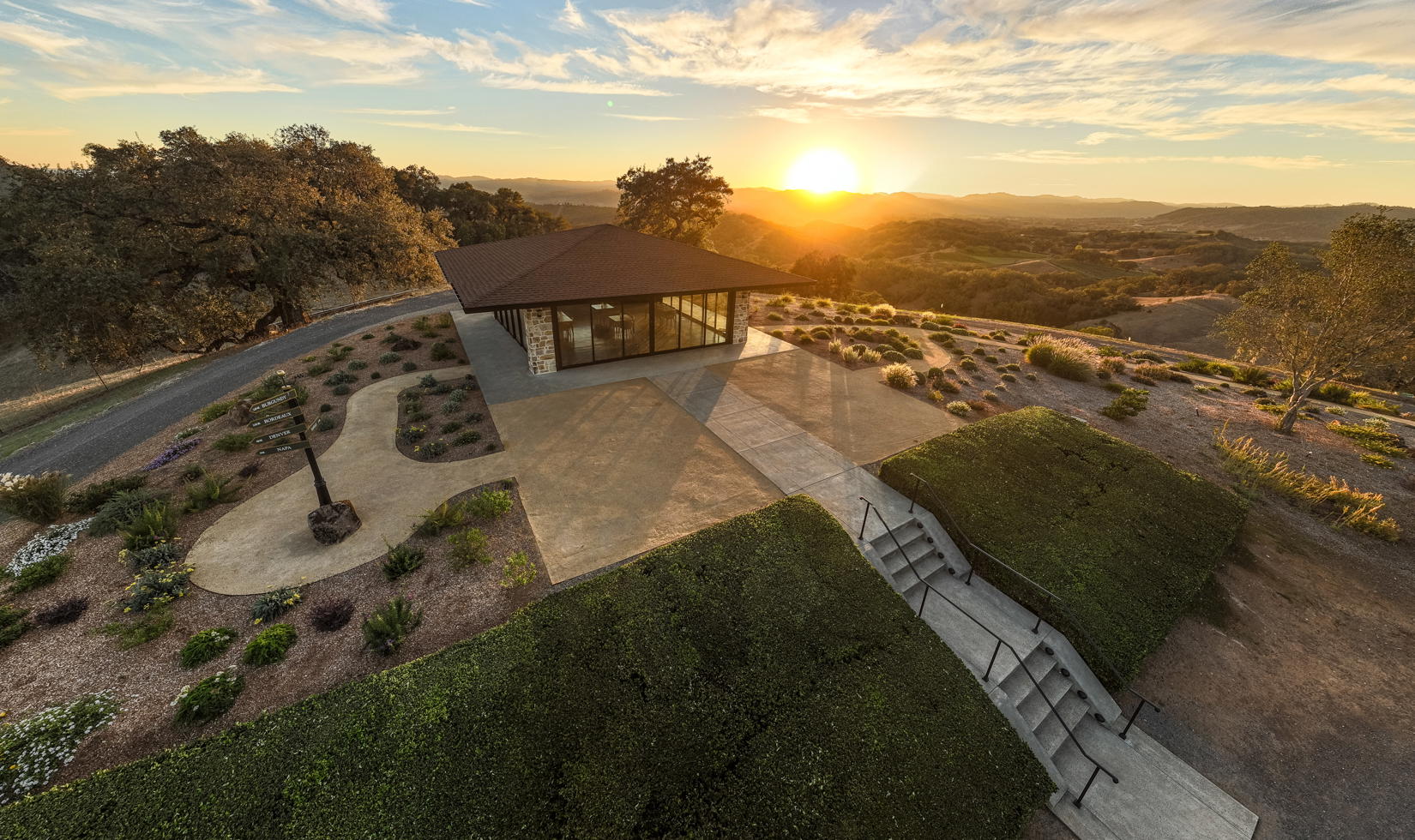
Bars in Geyserville
Browse all →
Restaurants in Geyserville
Browse all →
Details
- Elegant
- Scenic
- Rustic
- Sophisticated
- Intimate
- Wine Education
- Special Occasion
- Group Outing
- Vineyard Tour
- Estate Grounds
- Panoramic View
- Vineyard
- Cabernet Sauvignon
- Merlot
- Petit Verdot
- Cabernet Franc
- Still Red
- Seated Tasting
- Food Pairing
- English
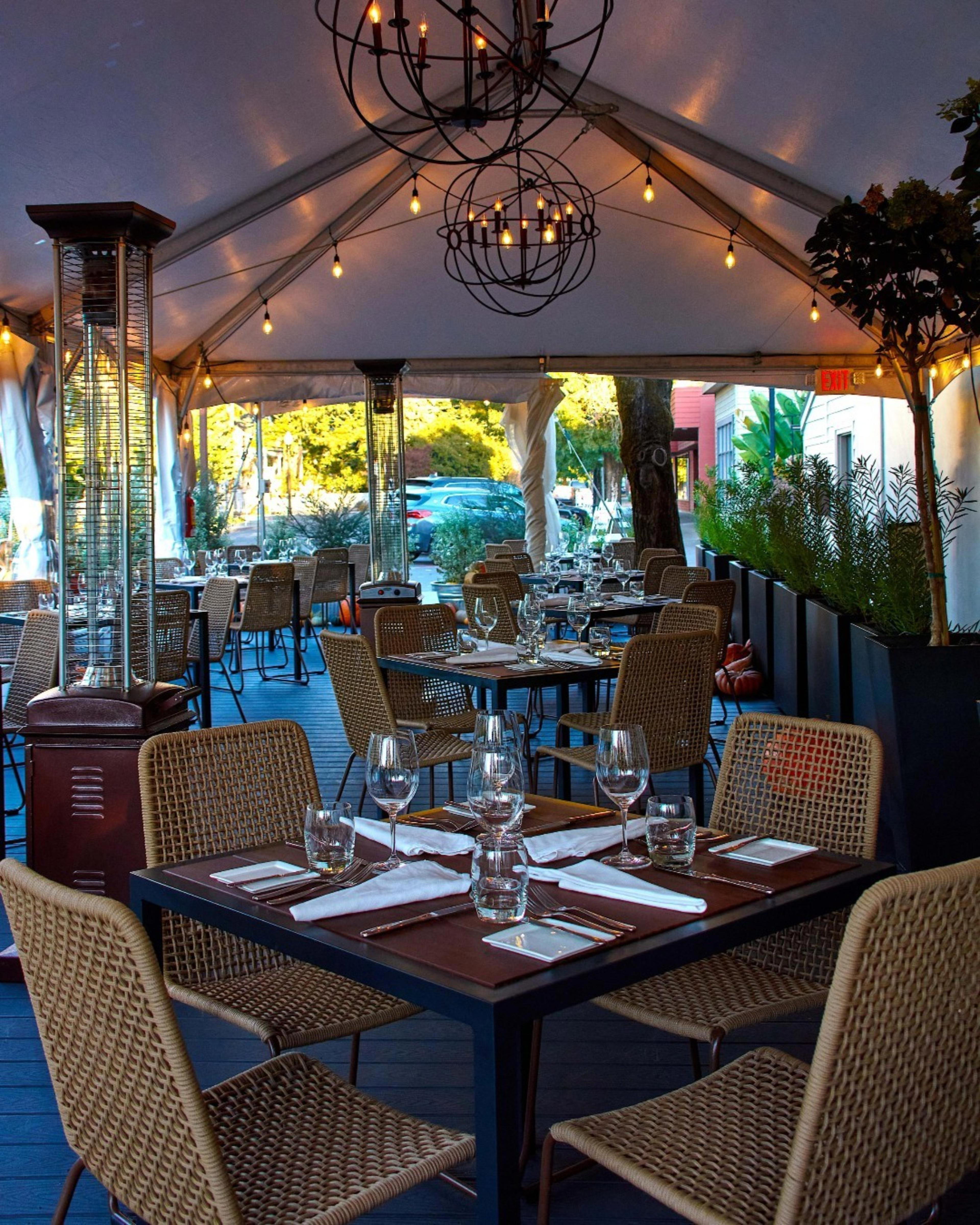
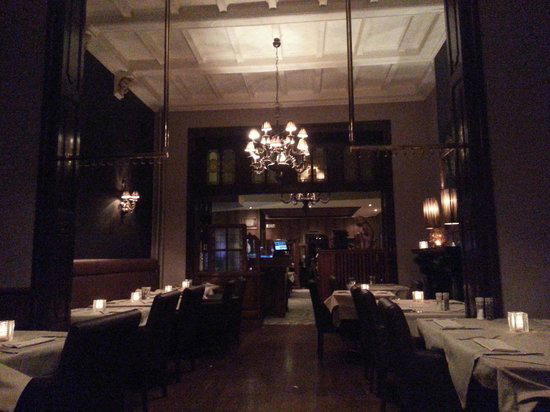
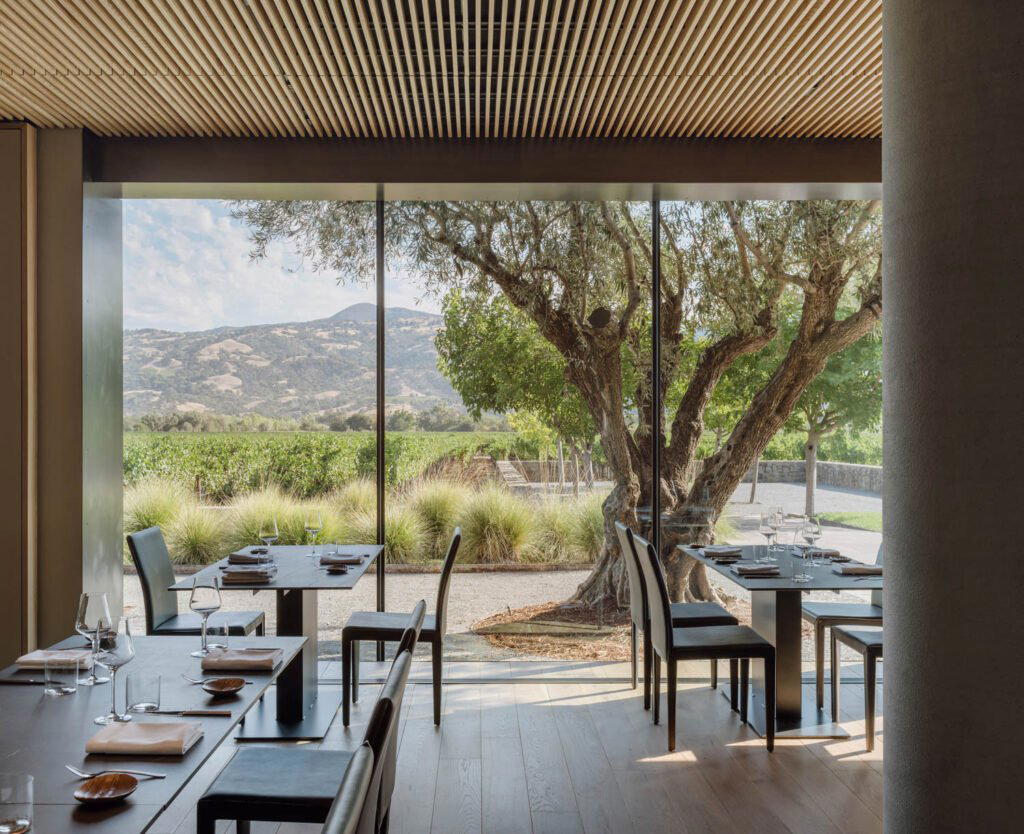
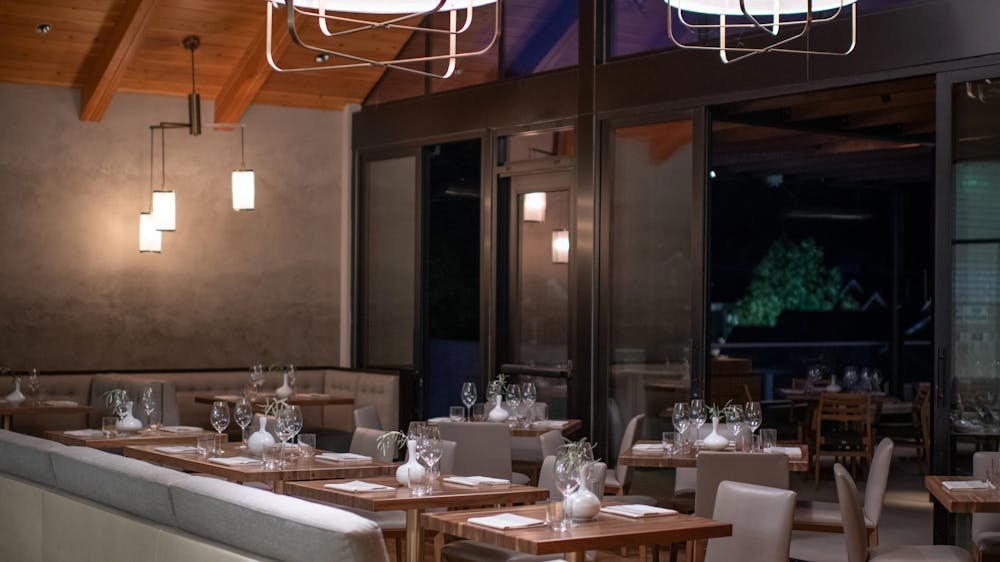
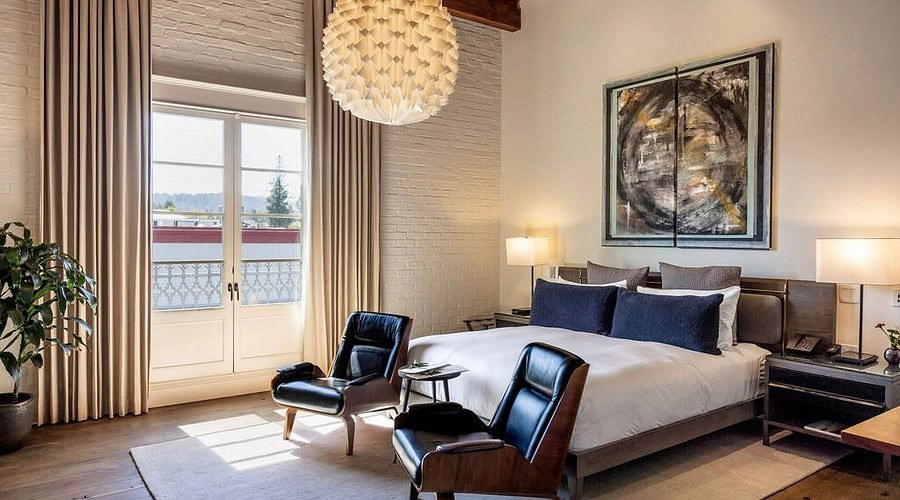
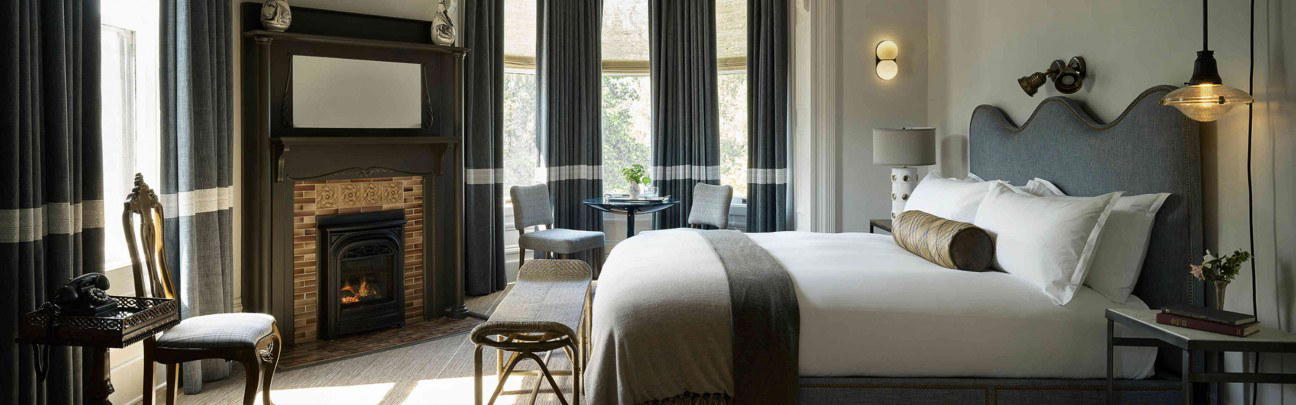
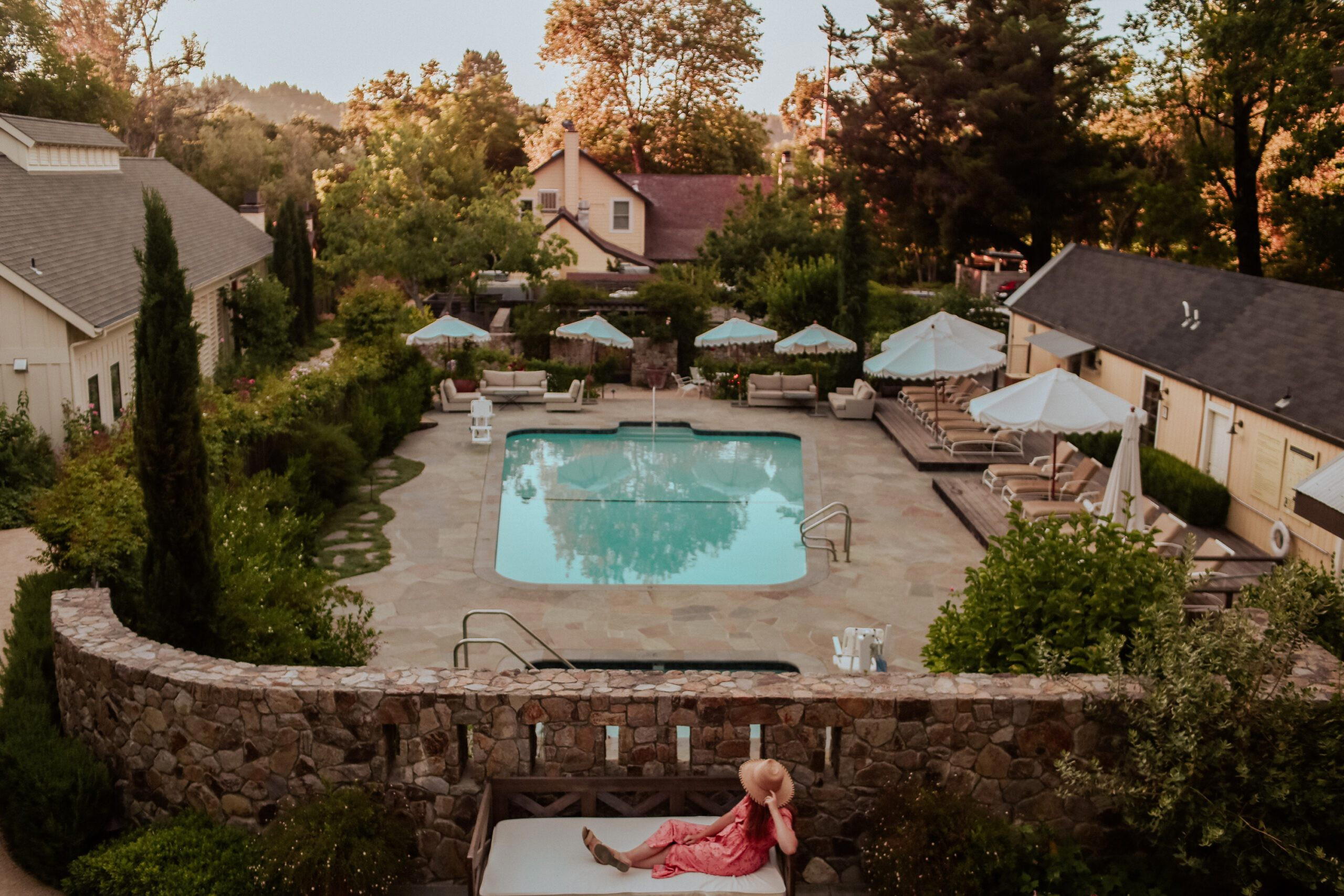
Bright, open tasting room with rustic stone fireplace, panoramic vineyard views, and modern barn-inspired design creating an elegant and immersive atmosphere.